
Place · 0.6 mi away
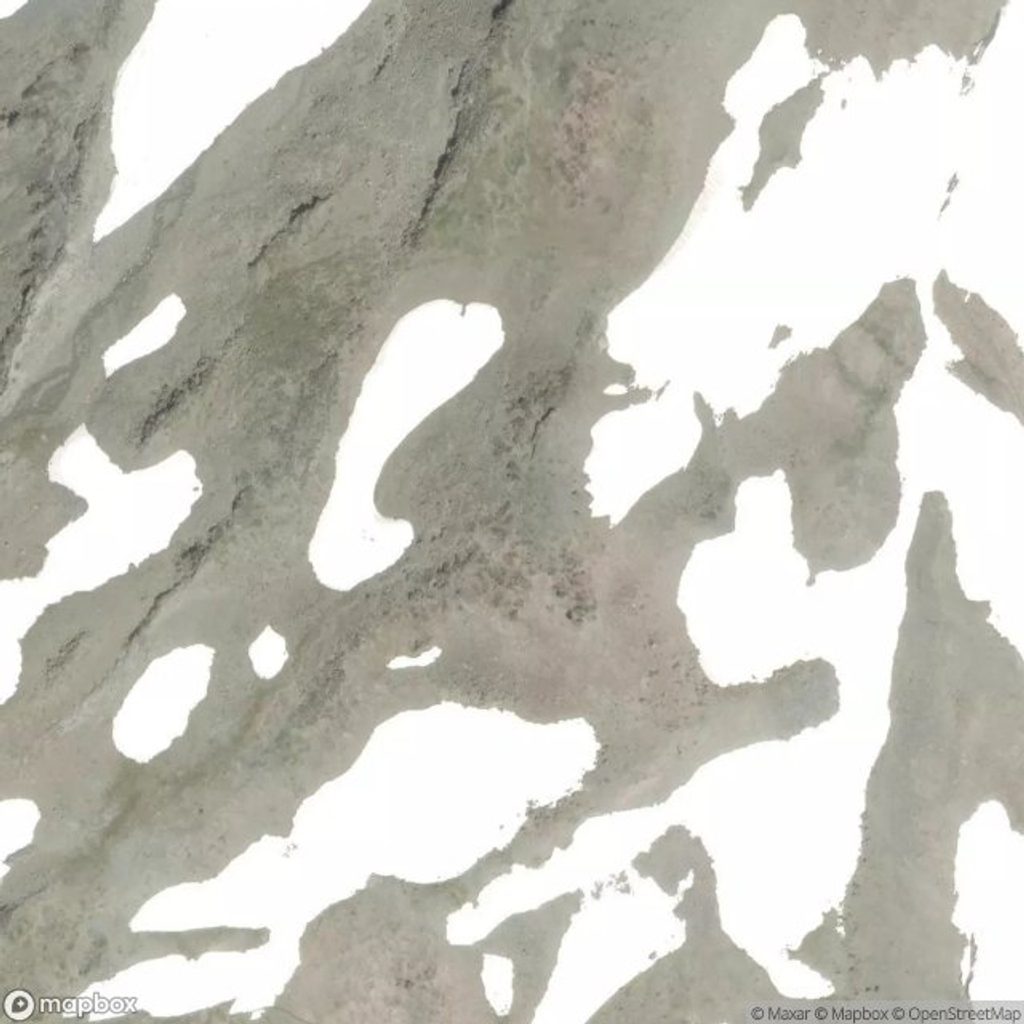
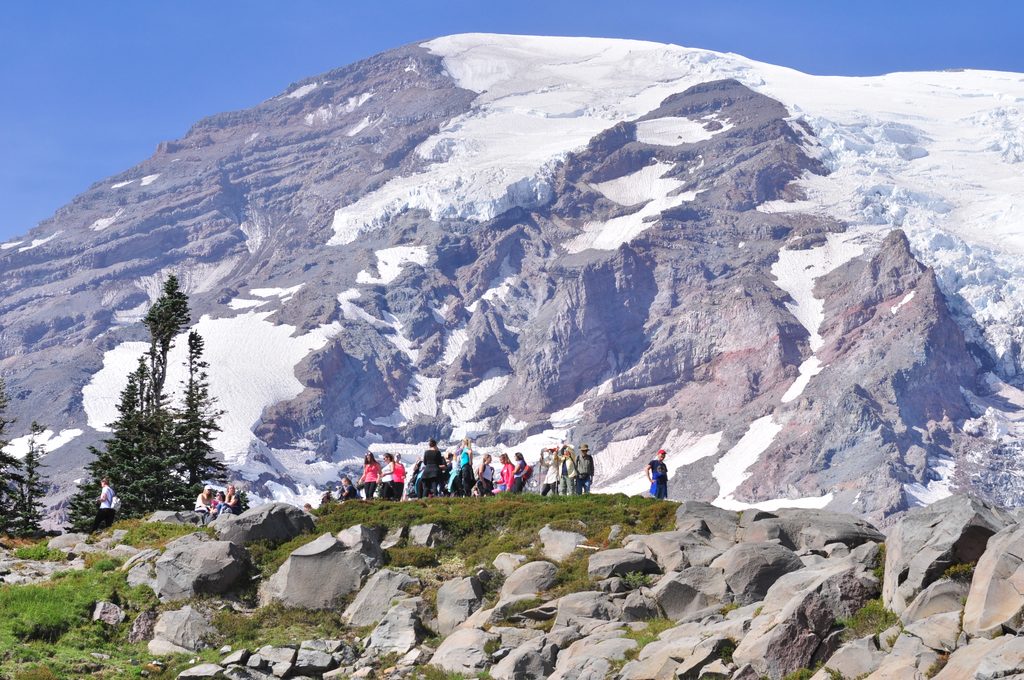
Paradise Glacier is a high, windswept slice of alpine country tucked just above the Paradise trail network. It’s a stark, beautiful place—rock, lingering snowfields, and a shrinking glacier—offering far more quiet than the packed trails below.
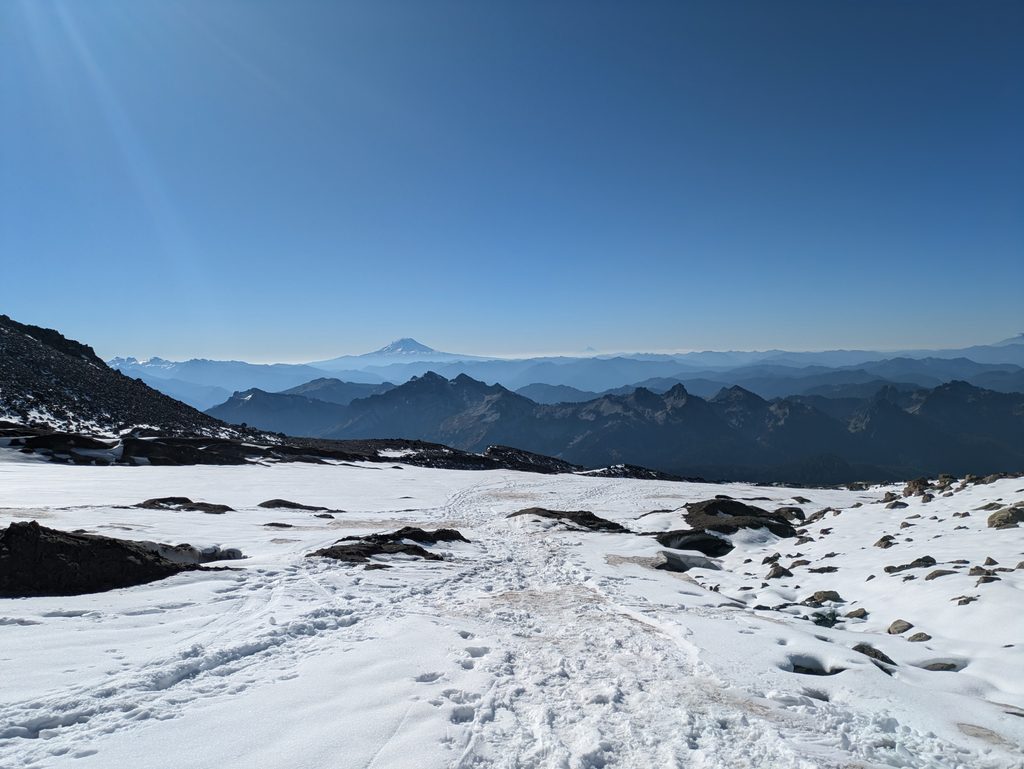
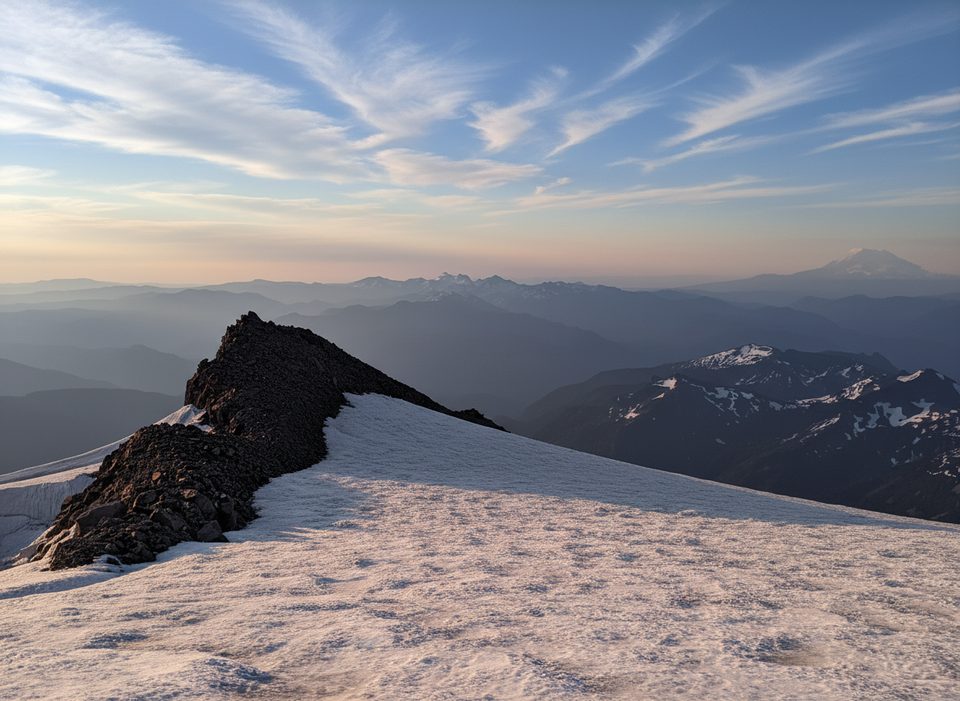
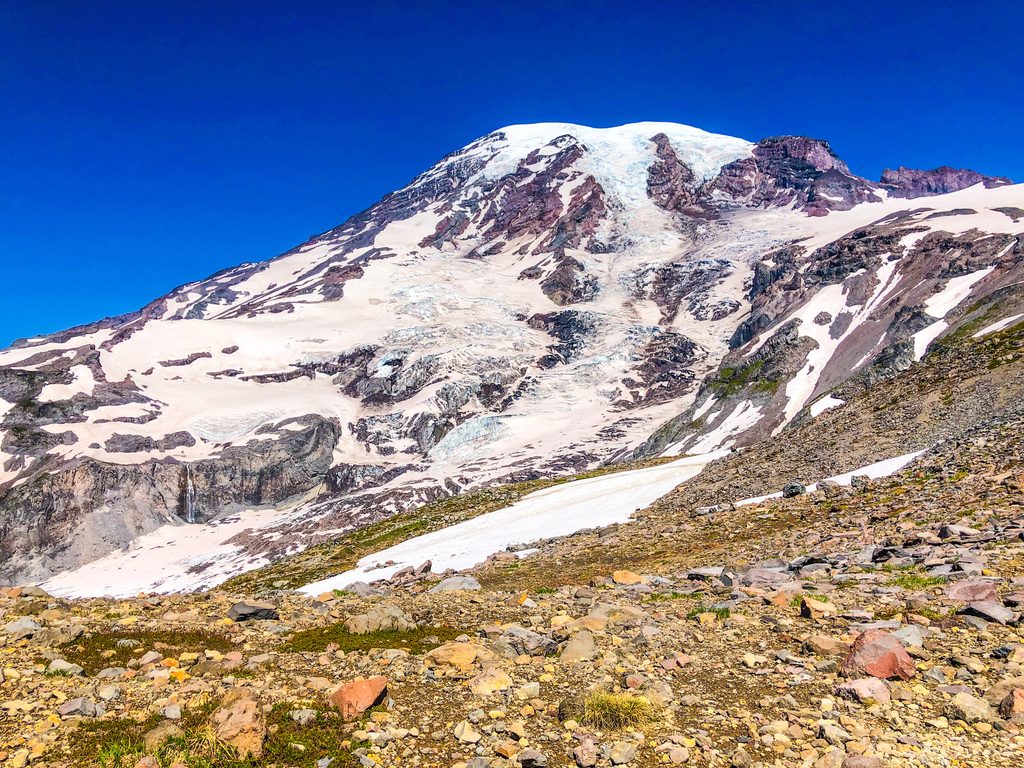
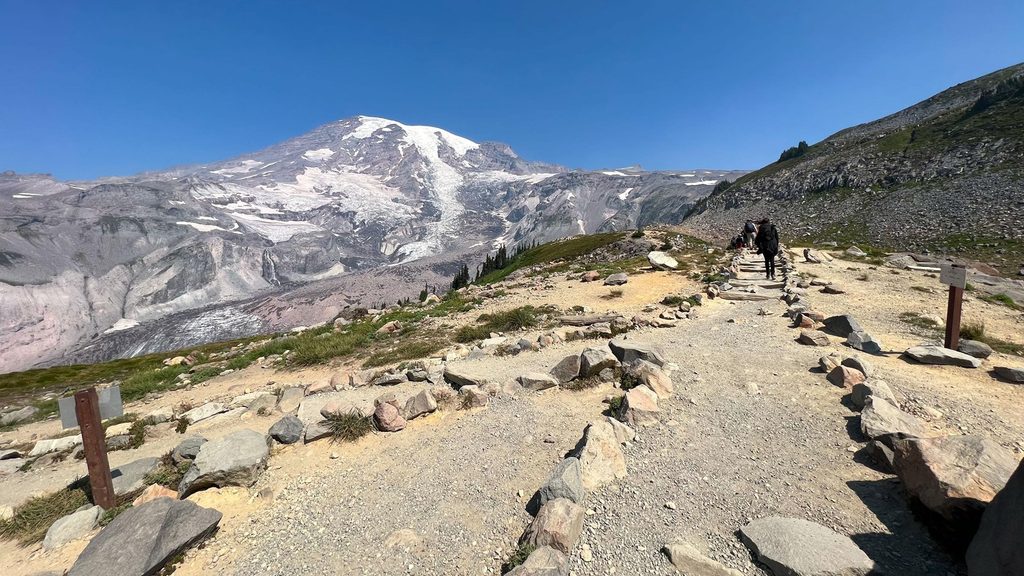
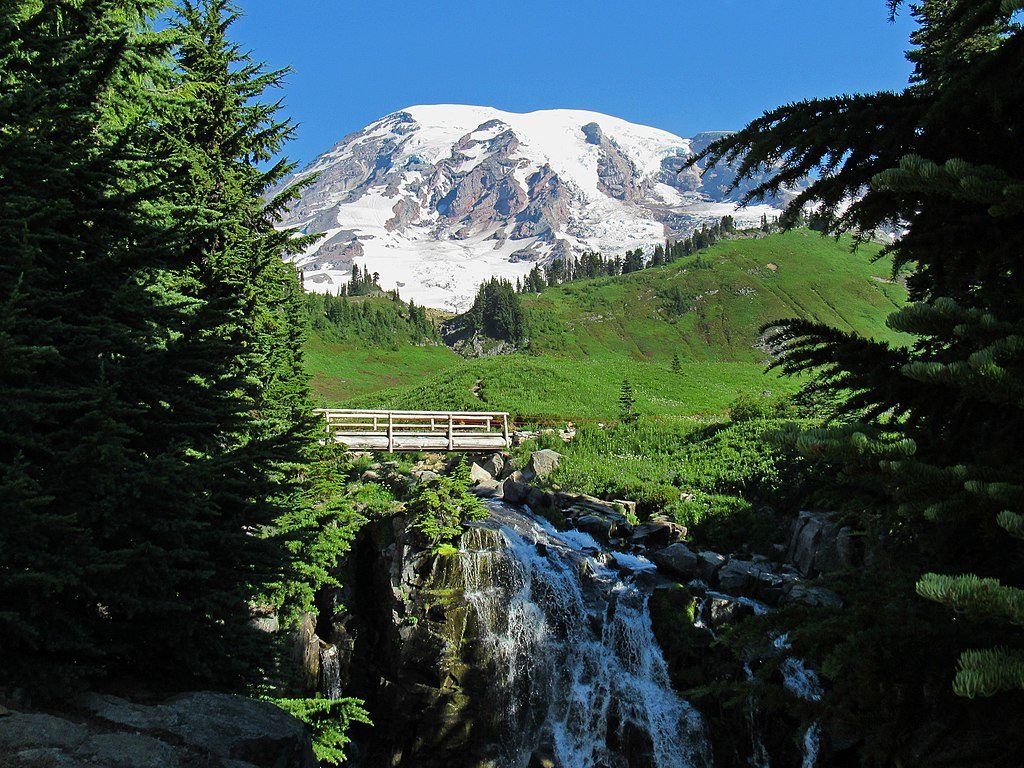
Expect a raw glacial scene: boulder fields, snow-fed rivulets, and small tarns set beneath Rainier’s south-side cliffs. On clear days, the skyline stretches to the Goat Rocks and the big Cascade volcanoes. From the signed end of the trail, hikers sometimes continue over boulders to a small waterfall.
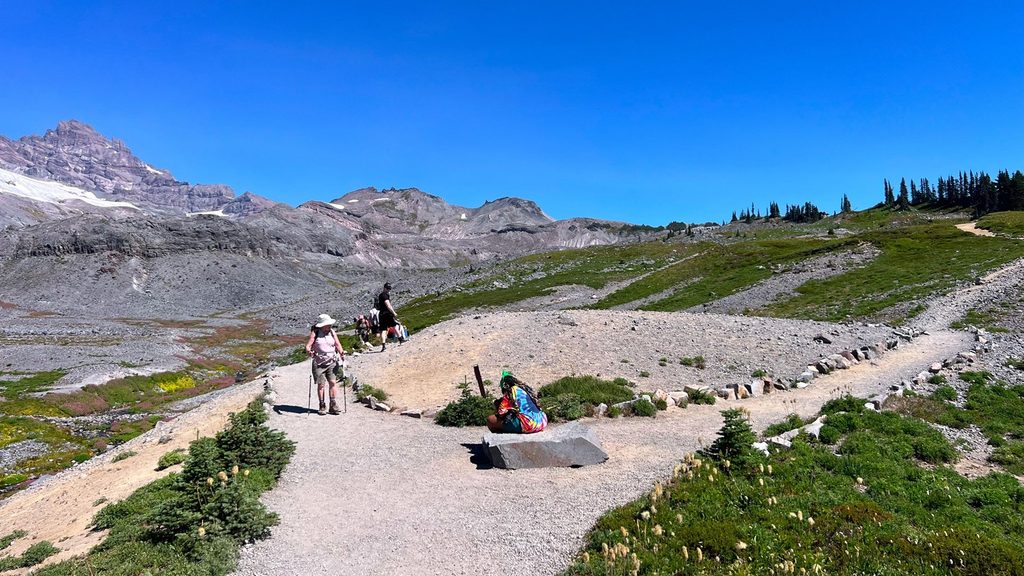
This is a moderate outing from Paradise that feels remote fast. The path can be ambiguous on snow and talus near the top, and you’ll likely cross several small streams. It’s much quieter than the Skyline Trail—if you crave space, this is your move. If you loop back via Skyline, know that segment can be crowded.
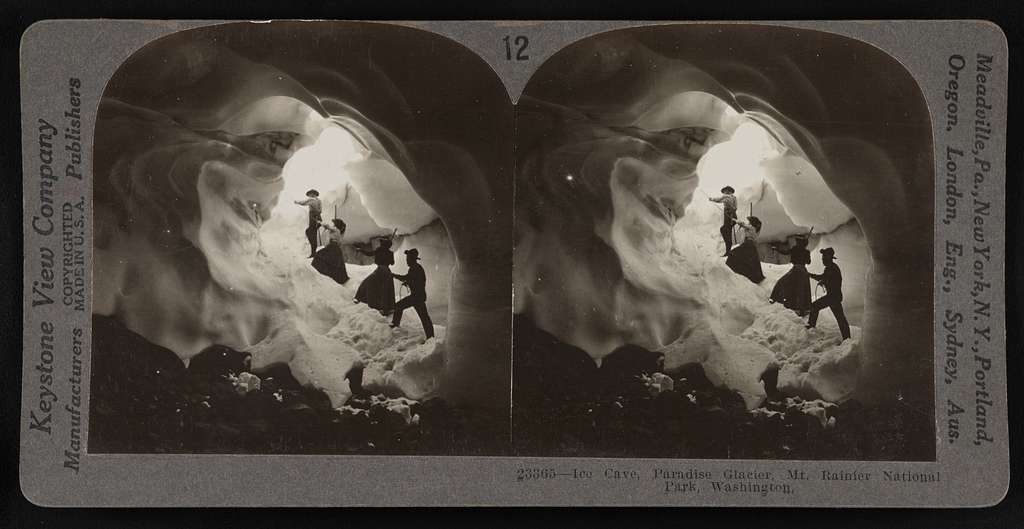
Paradise Glacier once hosted the famous Paradise Ice Caves—once a marquee attraction that melted away as the glacier retreated. A weathered sign near the trail's end hints at that past. Historically, the glacier was noted for relatively few crevasses due to its hollow shape and even bed—interesting context, not a current condition report. Like many Rainier glaciers, it has receded markedly; entire lobes once mapped here have vanished.
Wildlife is sparse in this harsh zone, but the broader Paradise area is known for marmots and pikas; sightings on the glacier approach are occasional at best. Don’t count on it, but keep your eyes and ears open along meadows lower down.
Start early for cooler temps, firmer snow, and the best chance at solitude. Snow can linger into July, obscuring the route. Aim for clear days after morning cloud burn-off for far-reaching views; afternoons can bring glare on snow and building clouds. Weekdays are calmer than weekends, especially if you skip the Skyline loop.
Carry a map or GPS—the upper route can fade in snow and rocks. Waterproof boots help with stream crossings and wet patches. Weather flips quickly at this elevation; bring layers, sun protection (snow glare is real), and turn back if fog rolls in. Stay on durable surfaces to protect fragile alpine terrain.
Place · 0.6 mi away
Place · 1 mi away
Place · 1 mi away
Place · 1.1 mi away
Moderate · 1.8 mi away
Challenging · 2.3 mi away
Challenging · 2.3 mi away
Easy · 2.3 mi away

Parkwolf Tour Guide
