
Place · 0.2 mi away
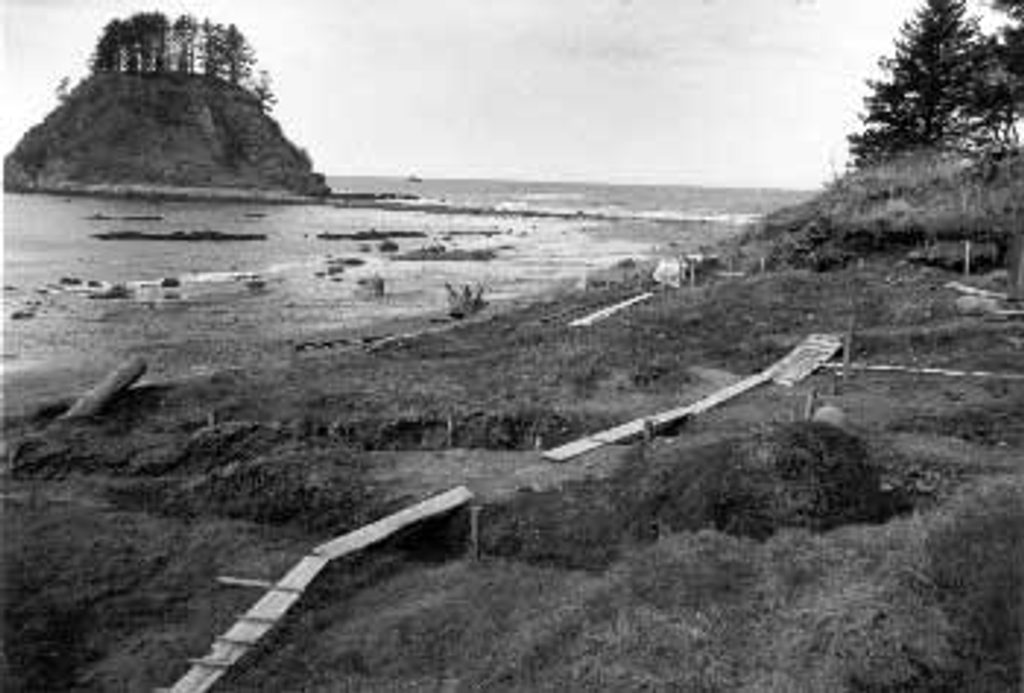
Buried by a massive mudslide centuries ago, the Ozette Indian Village Archeological Site offers a powerful connection to Makah history on a wild stretch of coast near Cape Alava. You won’t find a museum here—just a protected, windswept shoreline and the knowledge that a once-thriving village lies beneath your feet.
Often called a coastal “Pompeii,” the slide sealed longhouses and everyday tools in oxygen-poor sediments, preserving organic materials that almost never survive. Winter storms in 1969–70 exposed parts of the site, triggering an 11‑year excavation that recovered over 55,000 artifacts and confirmed Makah oral histories about a great slide.
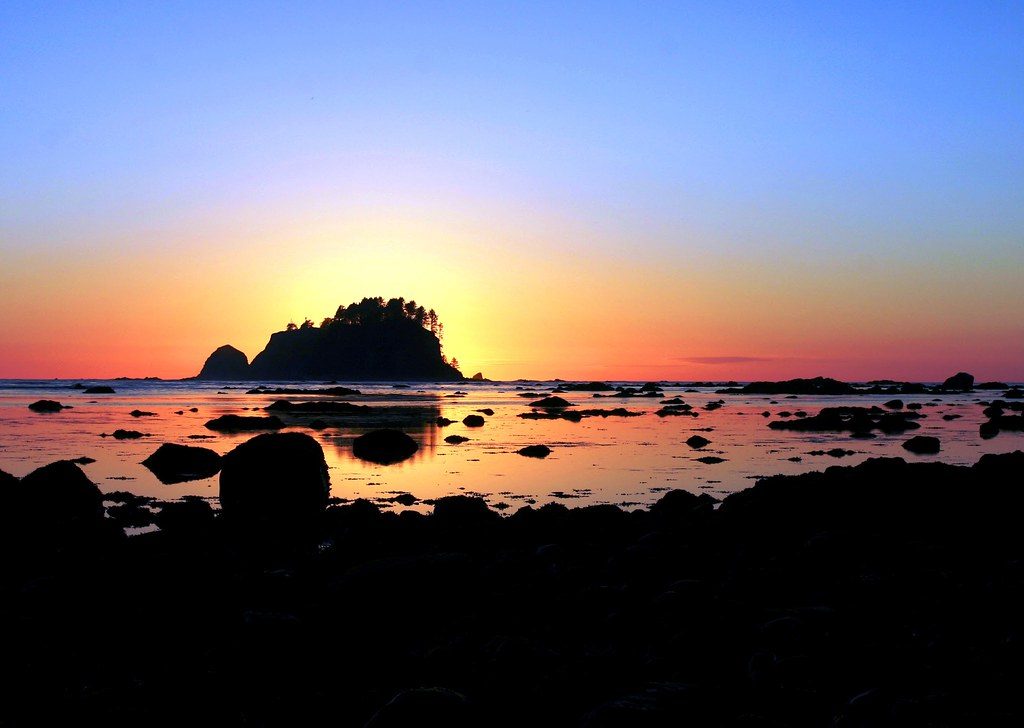
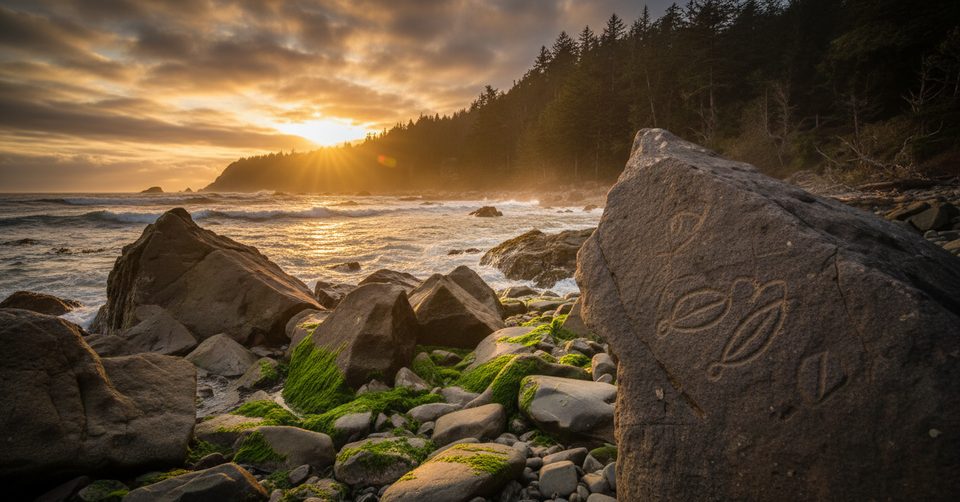
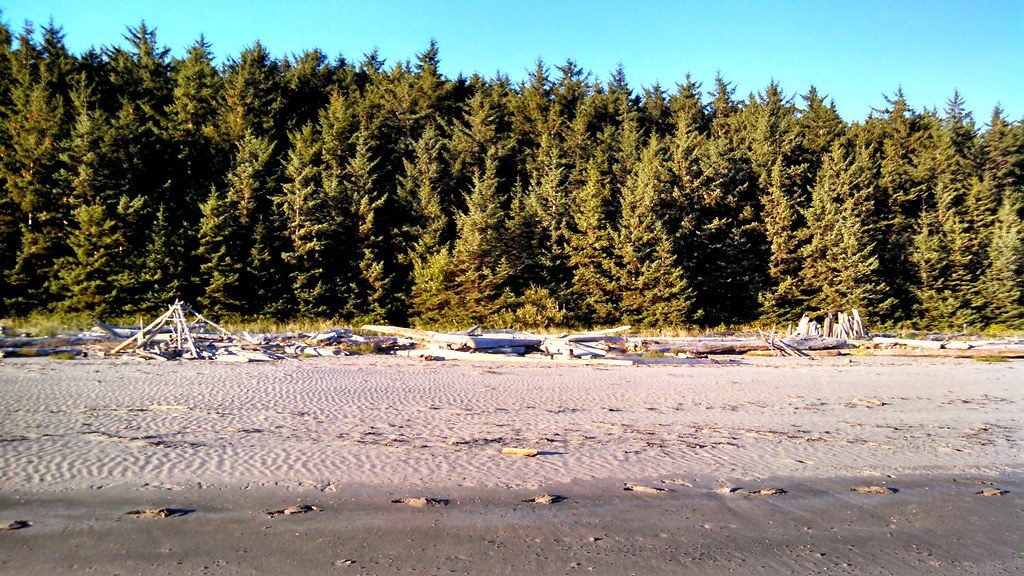
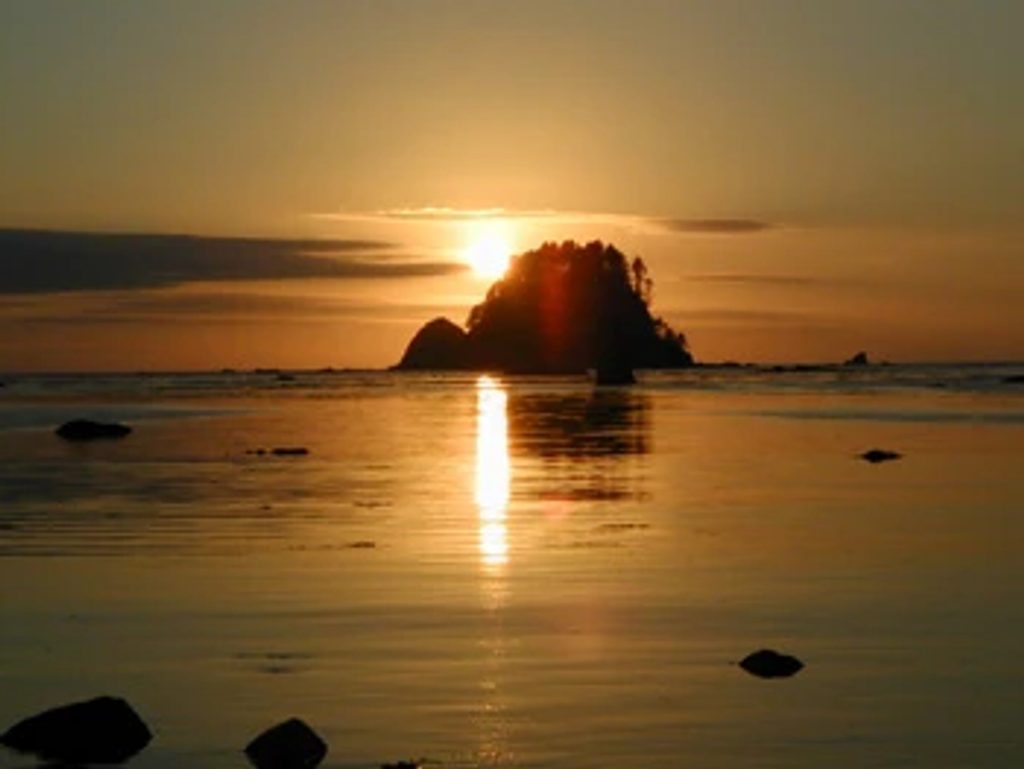
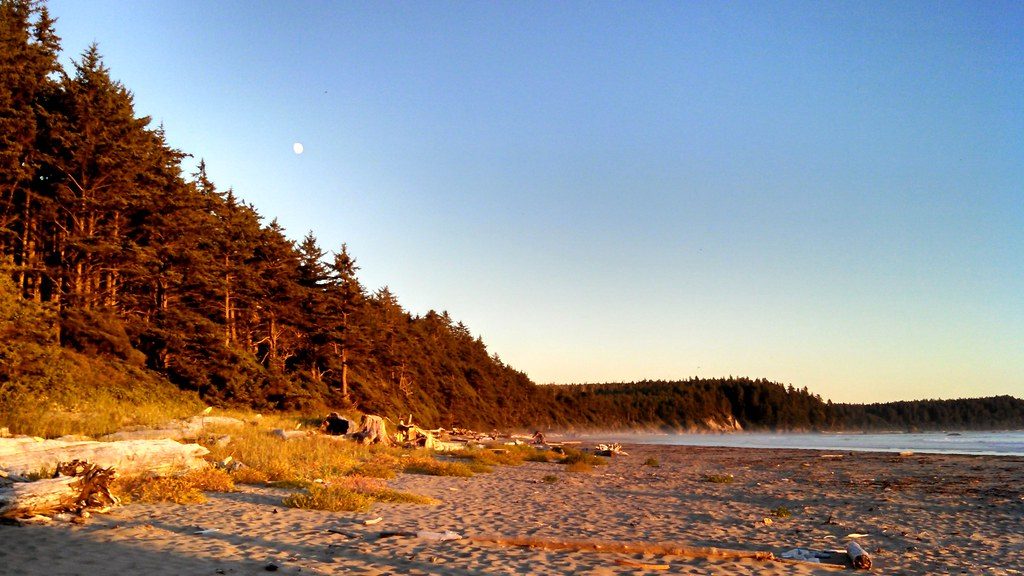
The excavation isn’t active today. Expect a remote beach setting that’s more contemplative than flashy: surf, sea stacks, and the outlines of a story you’ll complete later at the Makah Museum in Neah Bay, where many artifacts are curated. Nearby coastal features—tidepools and rocky shelves—steal the visual show.
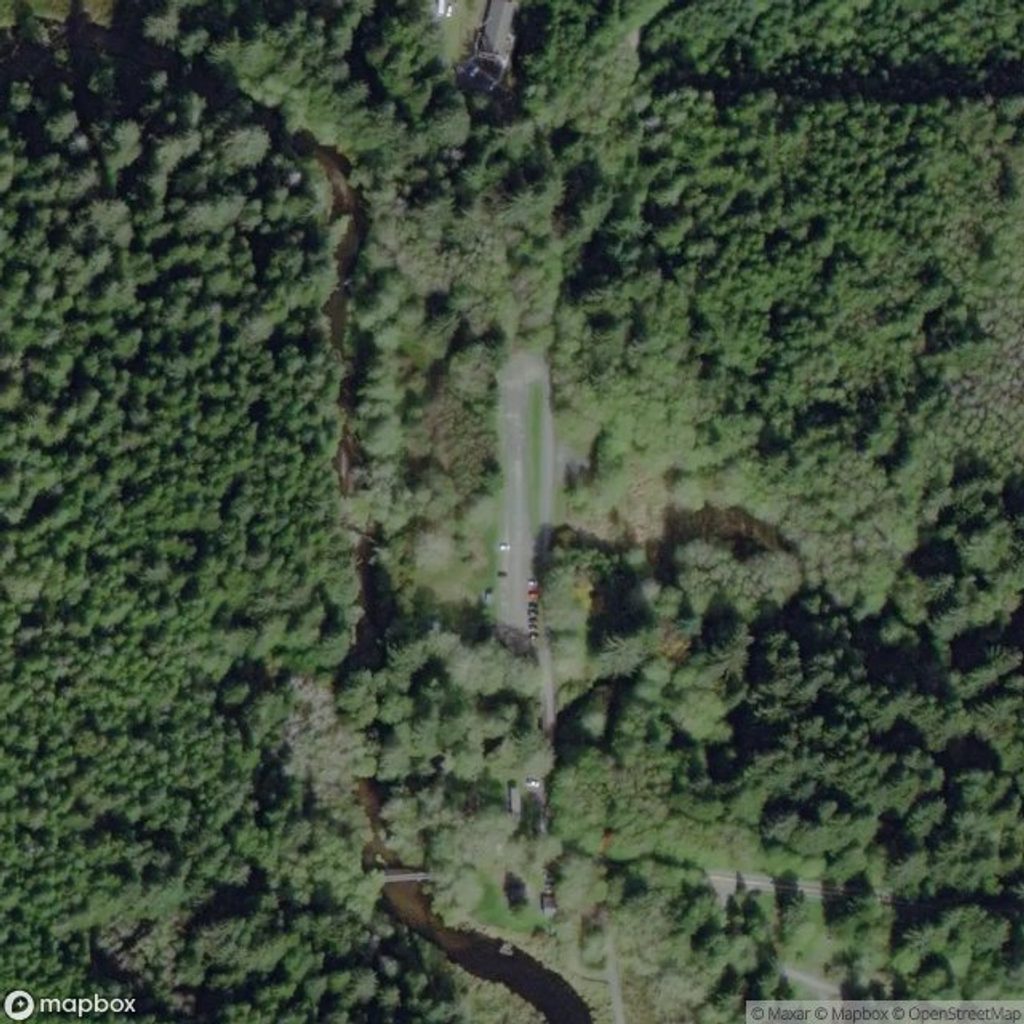
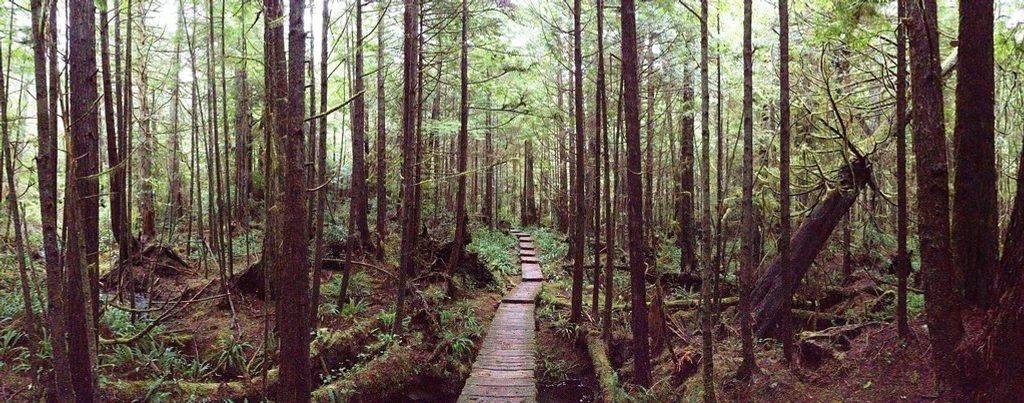
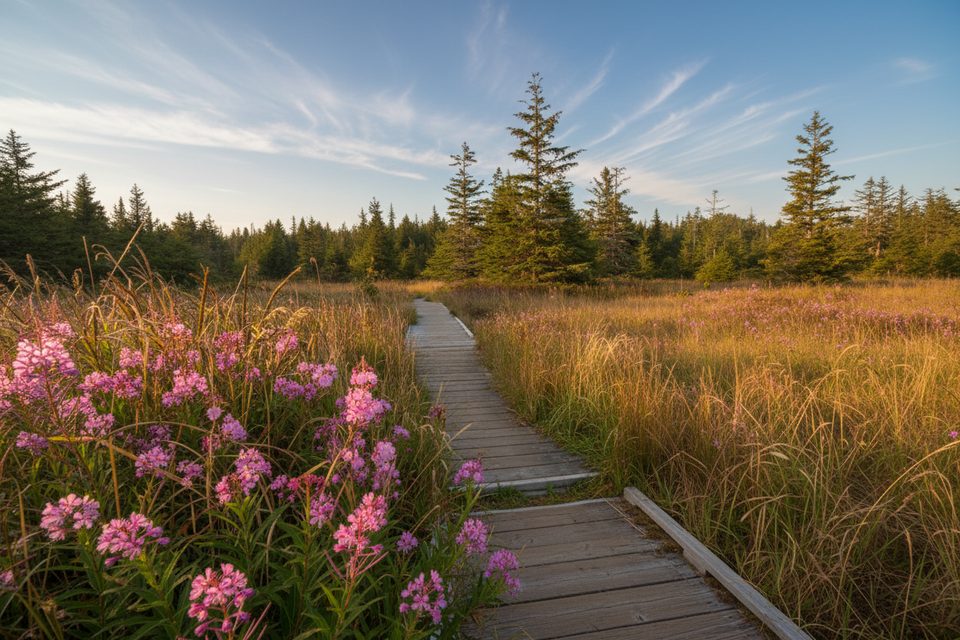
Reach the area via the Ozette Loop corridor: it’s roughly 3 miles from the Lake Ozette Ranger Station to Cape Alava on a well‑maintained boardwalk through coastal forest and wetlands. Many hikers connect the Ozette Loop (about 9.5 miles) to include Cape Alava, Wedding Rocks, and Sand Point.
This coast is alive: watch for bald eagles overhead, sea otters and seals in the kelp, and even whales offshore. At low tide, tidepools brim with anemones and sea stars. Bears roam the coastline too—give them space and follow food storage rules.
Aim for weekday mornings in summer to keep it quieter, and plan your beach travel around low tide for easier walking and better tidepooling. Weather turns quickly on this coast—carry layers year‑round.
Place · 0.2 mi away
Place · 1.5 mi away
Place · 3 mi away
Place · 3.1 mi away
Moderate · 3 mi away
Easy · 3 mi away
Easy · 3 mi away
Easy · 3 mi away

Parkwolf Tour Guide
