Cape Alava

Westernmost point and wild beach on the Ozette Triangle
Cape Alava, Olympic National Park
InsideOlympic National Park

Why go

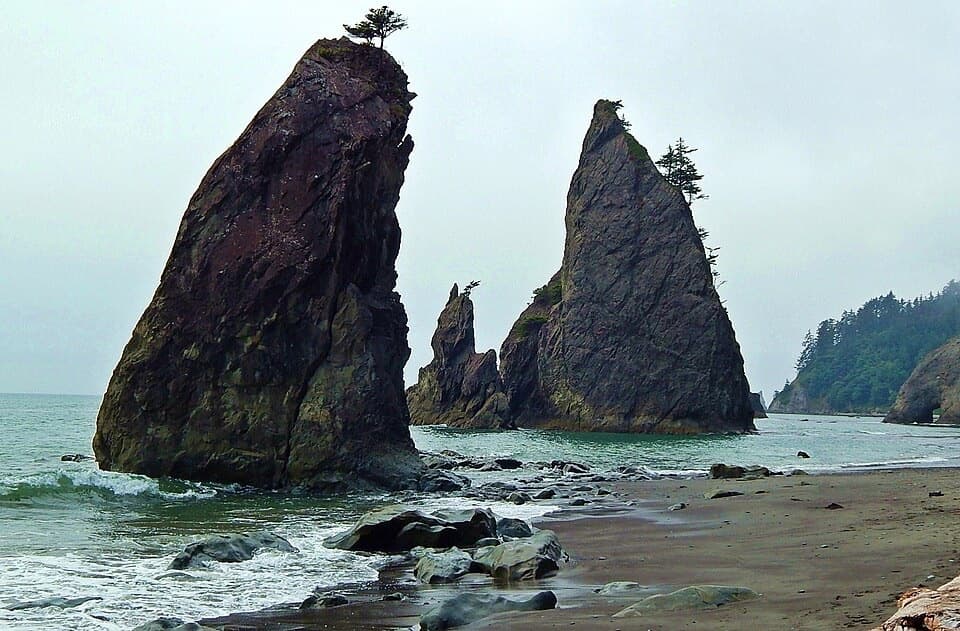
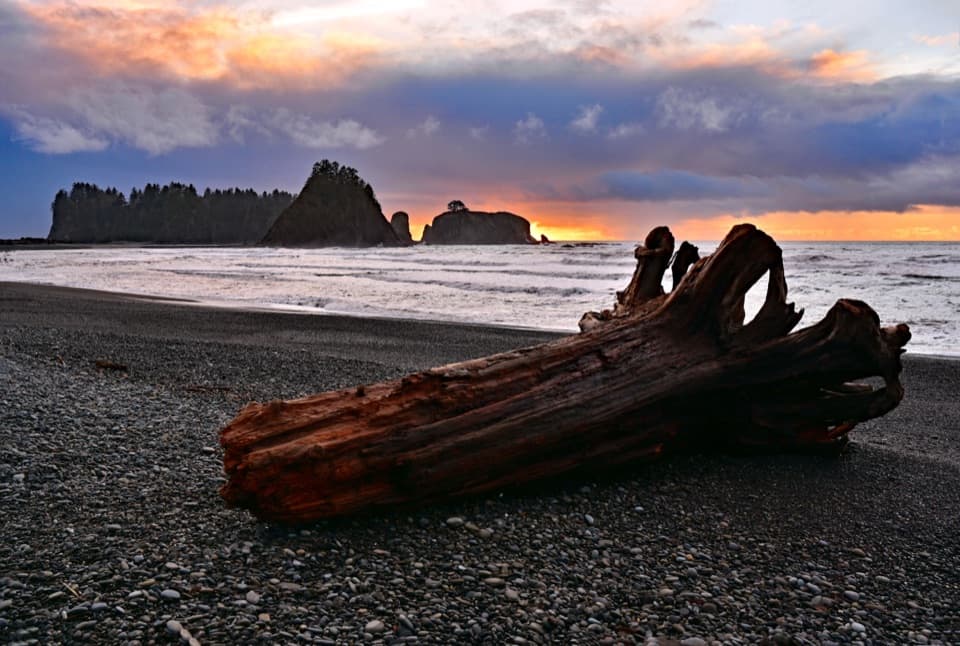
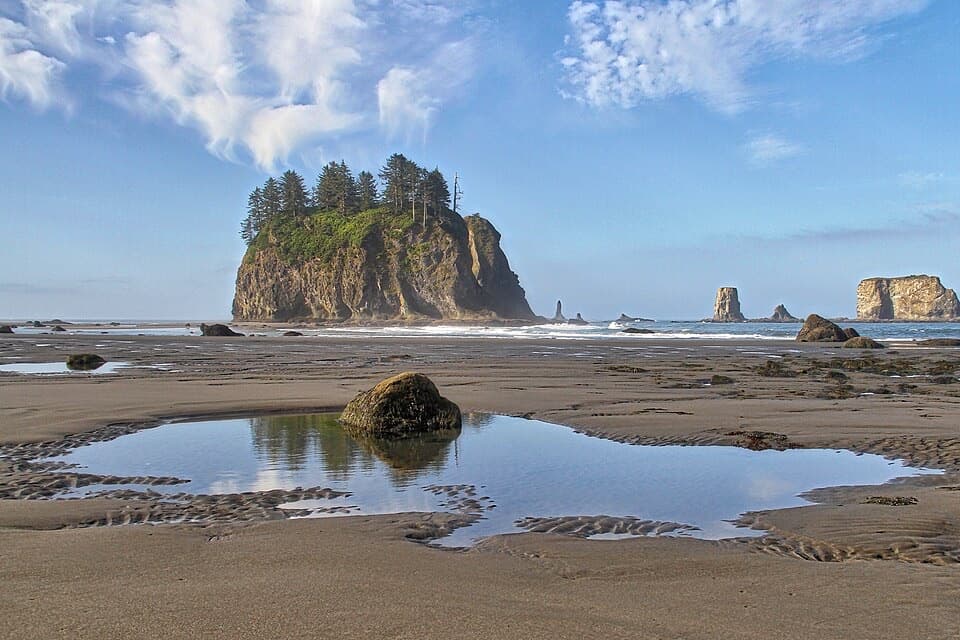
Cape Alava is where the lower 48 ends—literally. It’s the westernmost point, and it feels like it: wild surf, offshore sea stacks, and endless horizon. Getting here is half the fun: a 3-mile boardwalk stroll from the Lake Ozette area delivers you from mossy coastal forest straight to the Pacific.

Getting there & the hike

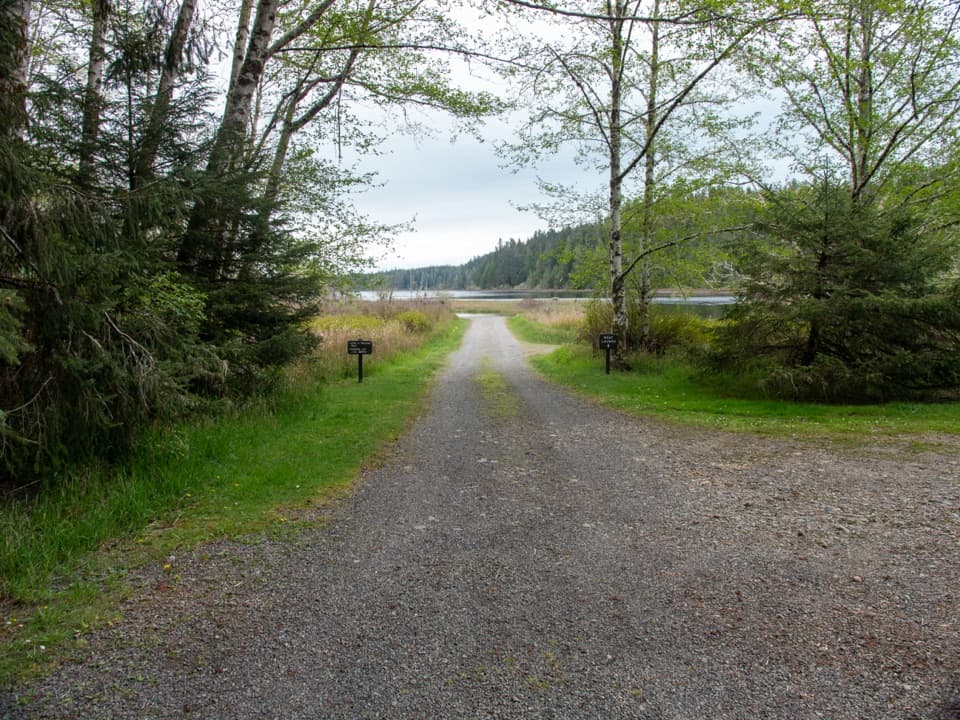
  • Most visitors reach the cape via the Ozette Trail from the Lake Ozette ranger station—about 3 miles one way on cedar boardwalk and forest trail.
  • Many make it a loop on the classic Ozette Triangle (roughly 9.2–9.4 miles) by returning via Sand Point. Elevation gain is minimal, but the boardwalk can be slick.
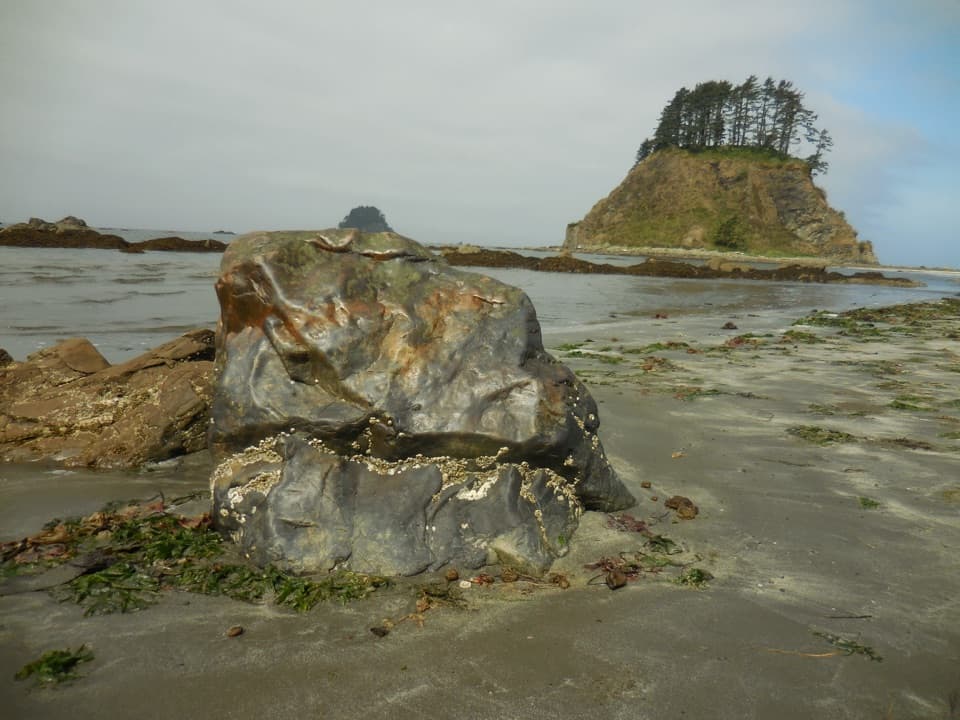
  • Expect rugged beach walking, driftwood tangles, and cobbles; check tides before committing to shoreline sections.

What sets it apart

  • It’s the farthest west you can stand in the lower 48, with a raw, wave-battered coastline and big sea-stack scenery.
  • The hike uniquely blends deep rainforest and open ocean in a single, easy-to-moderate outing.

Wildlife & tidepools

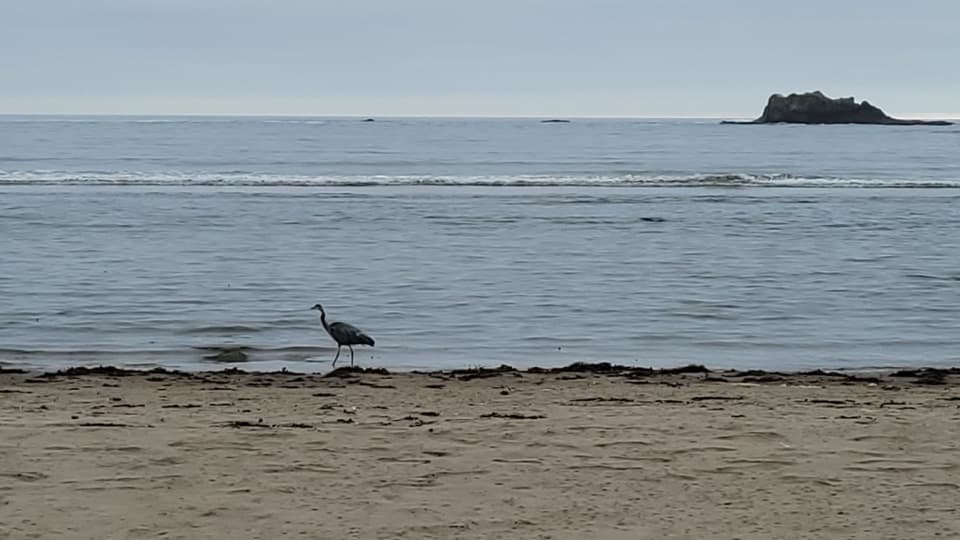
  • Offshore sightings can include gray whales in summer and fall, occasional orcas year-round, plus sea otters and sea lions.
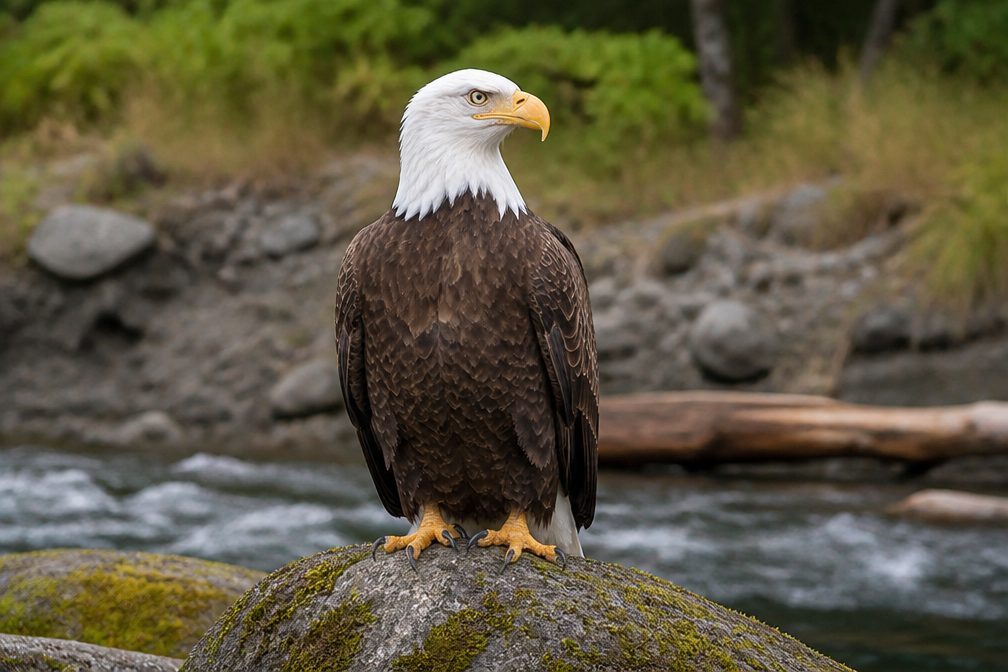
  • Bald eagles are common, and low tides reveal tidepools full of anemones, sea stars, and crabs. Bring binoculars and a tide chart to time your exploring.

Camping & permits

  • Cape Alava has designated backcountry beach camping areas with pit toilets. Sites aren’t individually assigned; arrive early to claim a spot.
  • Overnight camping requires a permit (reported at $8 per adult/night plus a reservation fee as of 2025) and a bear canister for food storage.
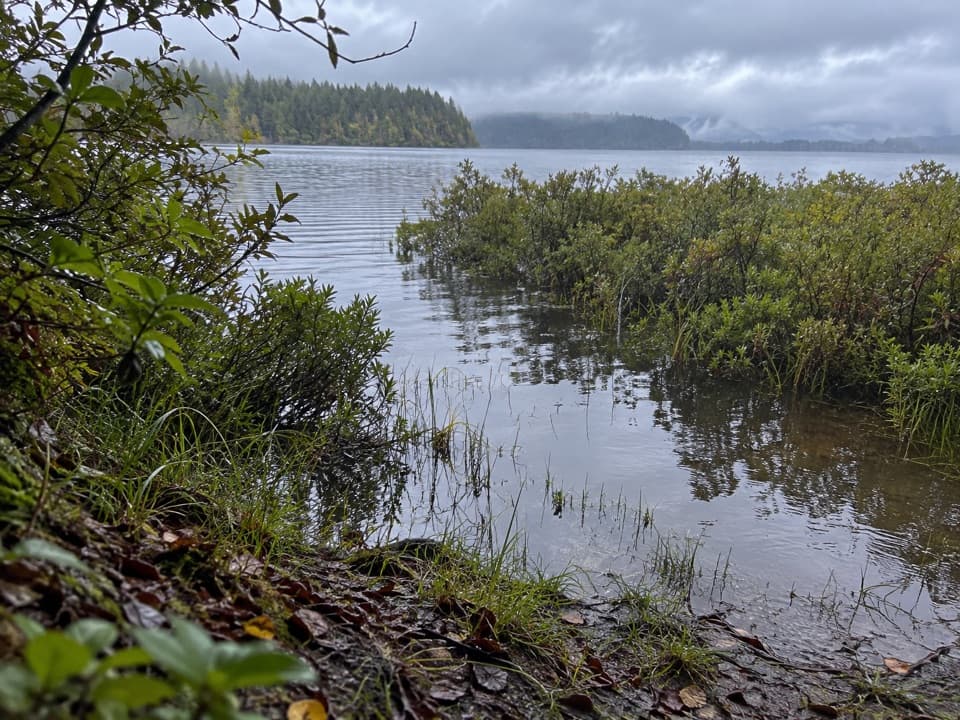
  • Water comes from nearby creeks—treat or filter it; expect tannins.

Conditions to expect

  • Boardwalks are often damp and can be worn; use shoes with grippy soles.
  • Beach travel is controlled by tides—some sections can be impassable at high tide.
  • After storms, expect heavy driftwood and debris on the beach; some visitors note encountering marine trash.

Cultural notes

  • The cape sits near the Ozette Indian Village Archaeological Site and within the traditional homelands of the Makah; the area carries deep cultural significance.
  • The name honors Don José Manuel de Álava, tied to late-18th-century Pacific Northwest history.

Best time to visit

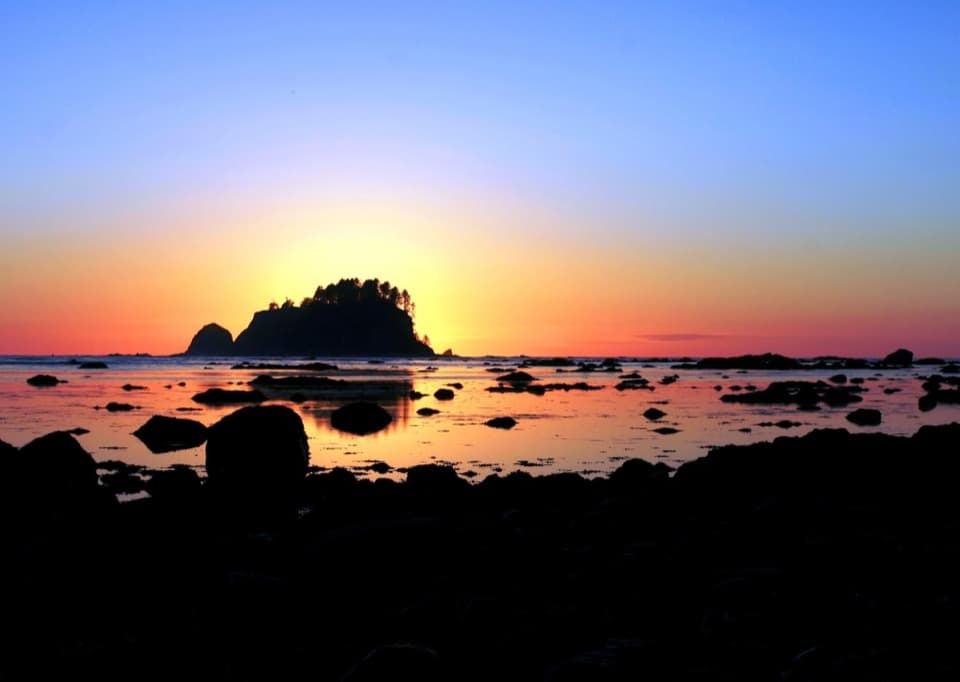
  • Late spring through early fall offers milder weather and the best chance for whales and sunsets.
  • Start early on weekends to enjoy quieter boardwalks and better campsite selection.
  • For photography, aim for golden hour and sunset; low-tide mornings are best for tidepools.

Pros

  • Westernmost point in the contiguous U.S.
  • Forest-to-coast boardwalk approach with big ocean views
  • Designated beach camping with pit toilets (permit required)

Cons

  • Boardwalk can be slick and worn when wet
  • Beach travel is tide-dependent; plan around high tides

Tips

  • Check tide charts before hiking the beach sections to avoid being cut off.
  • Wear shoes with good traction; the boardwalk is often slick.
  • For overnights, reserve a permit early and bring a bear canister.
  • Filter or treat creek water; it’s tannin-rich but reliable.
  • Pack binoculars for whale watching and eagle spotting.
The Parkwolf tour guide sitting on a phone mounted in a car

Parkwolf Tour Guide

Like a tour guide in your car.

Save the places you found around Olympic, then let Parkwolf guide the drive between them.Download Parkwolf on the App Store