Bluebird Lake

Big-mile trek to a pristine alpine lake past three waterfalls
Bluebird Lake, Rocky Mountain National Park
InsideRocky Mountain National Park

Overview

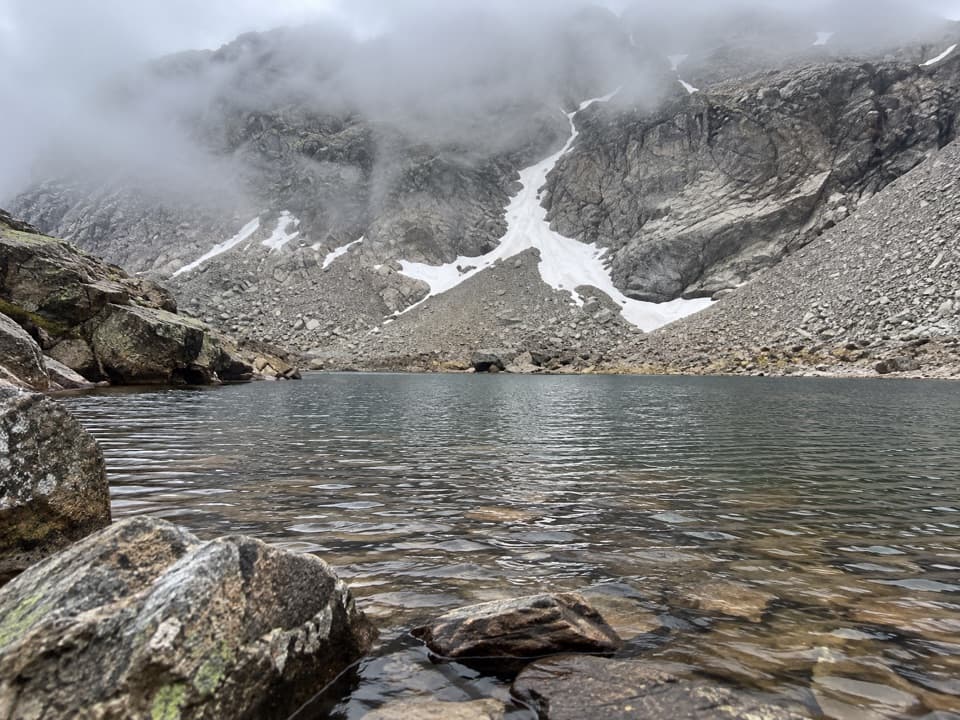
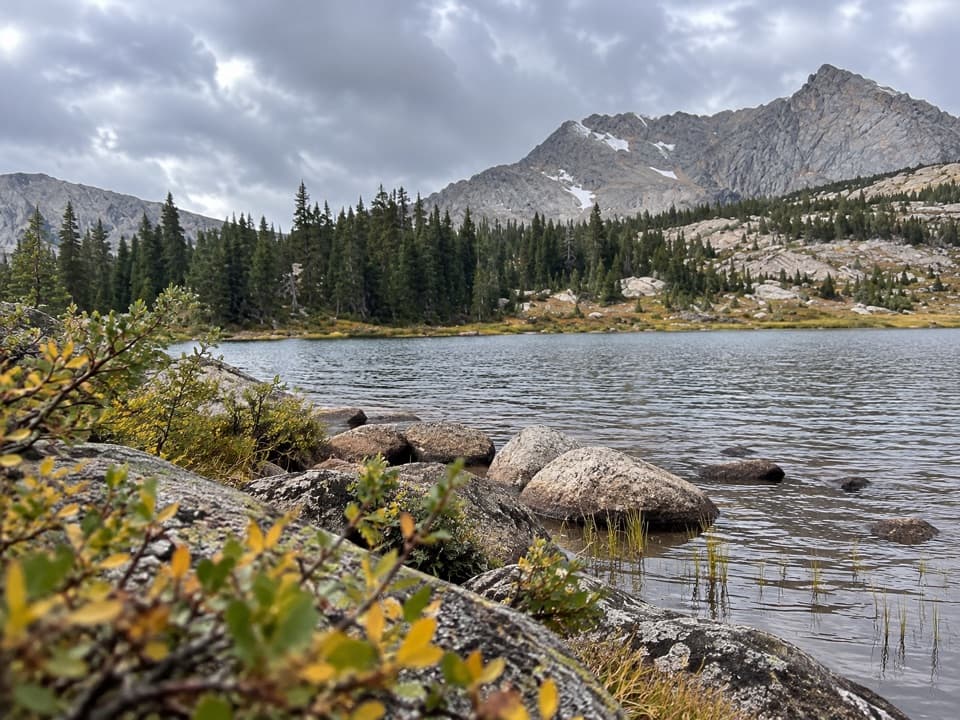
Bluebird Lake is the prize at the far end of Wild Basin: a high, wind-kissed alpine bowl that makes you earn every view. The out-and-back hike is about 13.3 miles round trip with roughly 2,782 feet of gain, and it’s rated difficult for good reason—the last stretch is steep and rocky, but the payoff is a wild, glacial lake framed by rugged peaks.

Route highlights

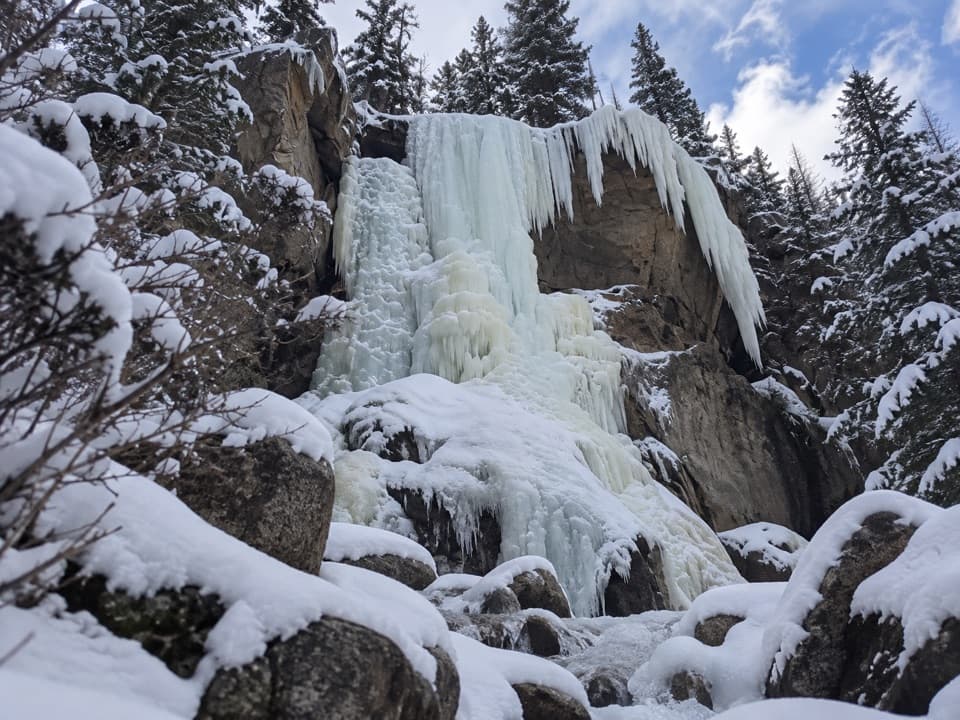
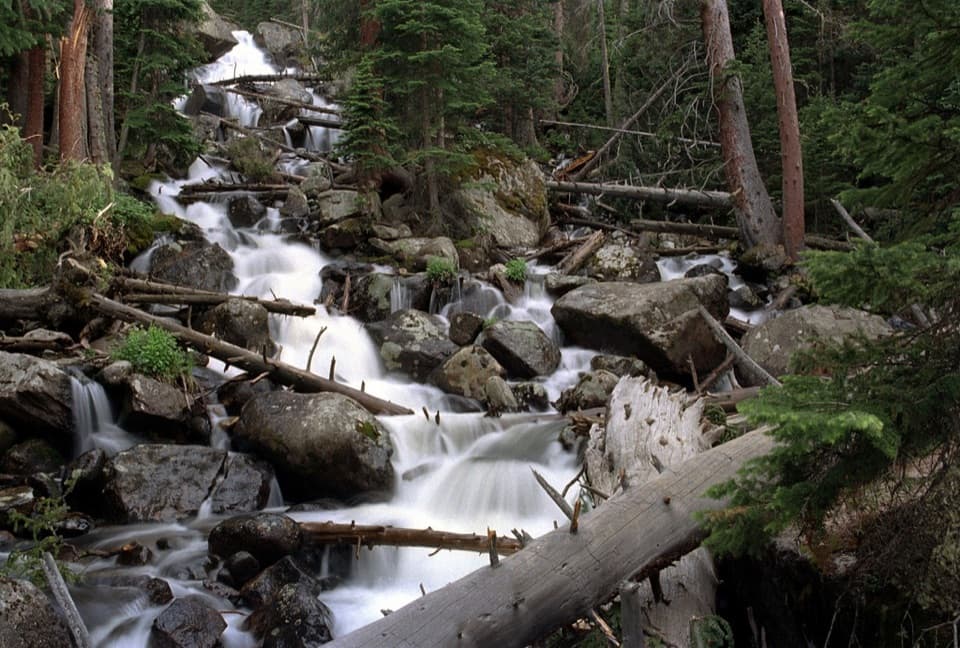
Start at Wild Basin Trailhead and warm up on a gentle river walk before the cascade tour begins: Copeland Falls (~0.4 mi), Calypso Cascades (~1.8 mi), and Ouzel Falls (~2.7 mi). Past the Ouzel Lake junction, the trail weaves through burn-scar meadows blooming with wildflowers, crosses streams, and then climbs hard through boulders and open rock to the lake. Expect grand views across Wild Basin and, near the top, a big reveal of Bluebird Lake with Ouzel Peak looming beyond.

Difficulty and prep

Count on a full-day effort—6.5 to 7+ hours for many hikers. The final miles are steep, exposed, and often rocky; snow can linger into summer in shaded gullies. Trekking poles help on the descent. Summer weather swings fast here, with regular afternoon thunderstorms—start early and plan to be off high, exposed terrain by midday. In shoulder seasons and winter, traction (and sometimes snowshoes on less-traveled stretches) can be the difference between type-1 and type-2 fun.

Wildlife

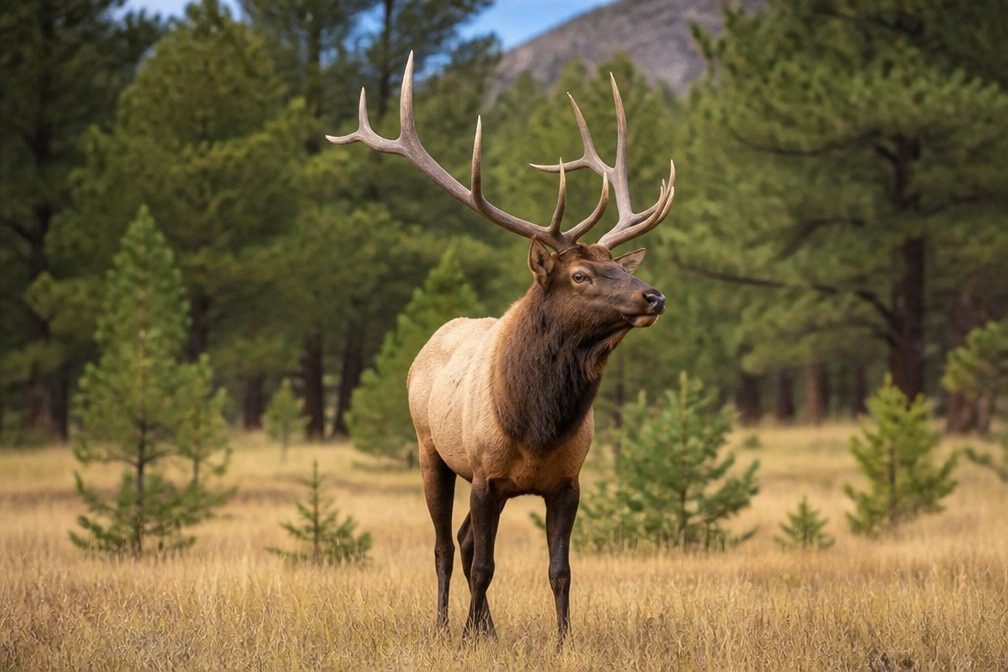
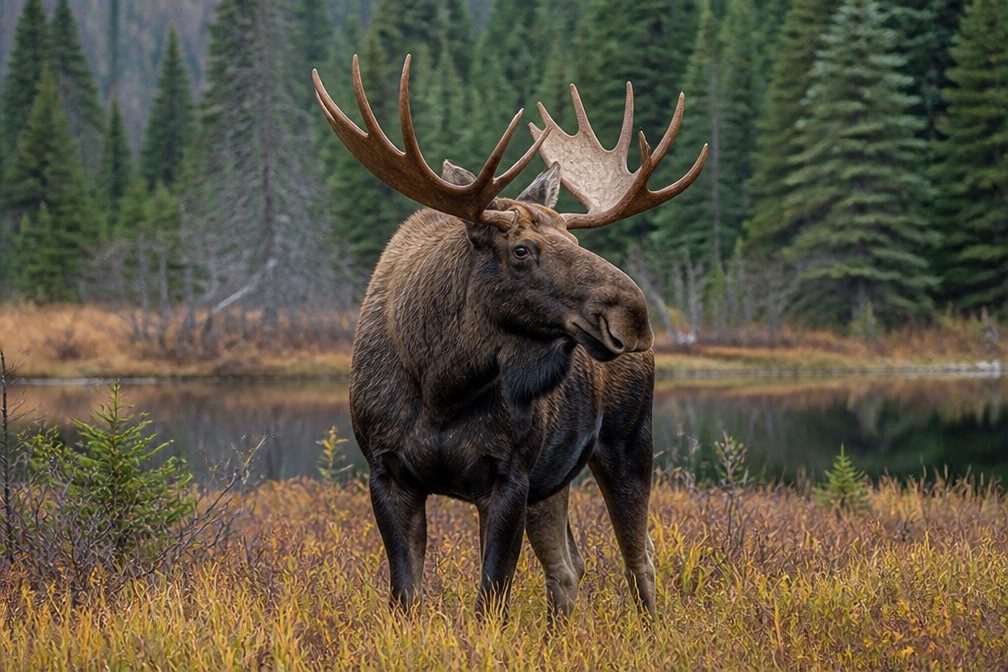
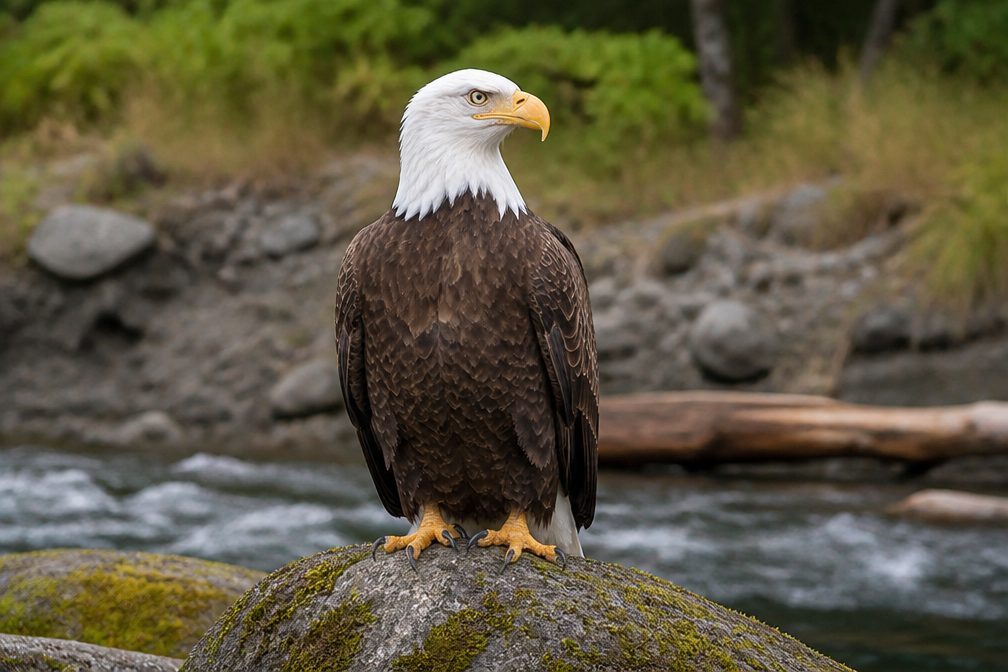
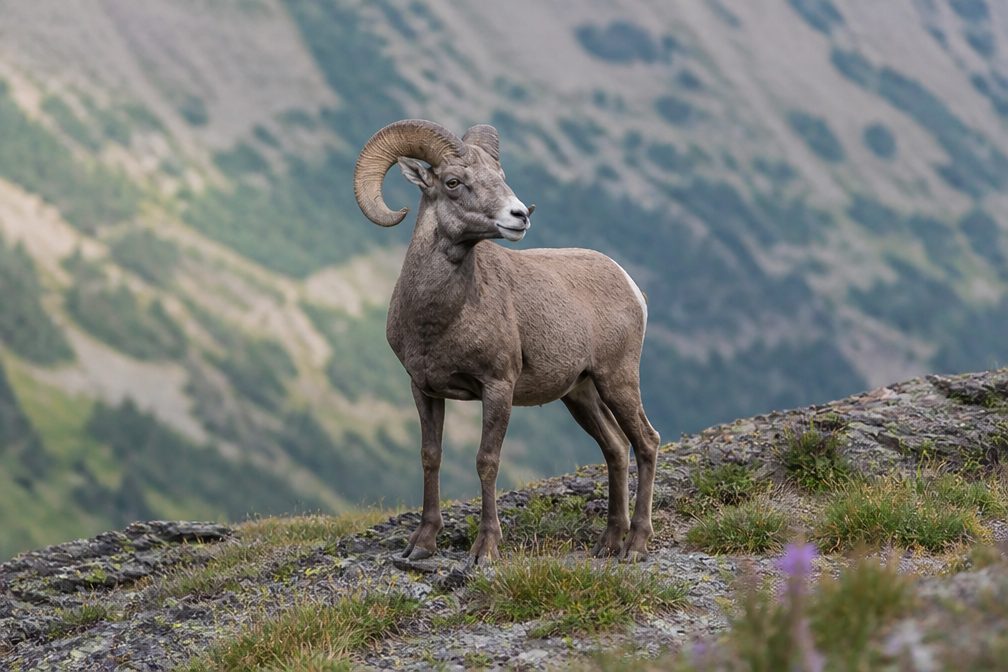
Wild Basin is prime habitat for elk and deer, and you might spot marmots sunning on talus near treeline. Moose browse wetlands lower down, and black bears roam the area—store food properly and stay alert. In summer, the burn area is a magnet for birds and pollinators, and wildflower displays can be excellent.

Logistics and permits

Begin at the Wild Basin Trailhead, which has a ranger station and toilets; cell service is unreliable, so download maps ahead of time. Parking is limited and fills early. During the main season, the park uses a timed-entry system—secure a reservation before you go. In winter, the road to the main trailhead may not be plowed; a designated winter lot can add miles to your day.

Best time to visit

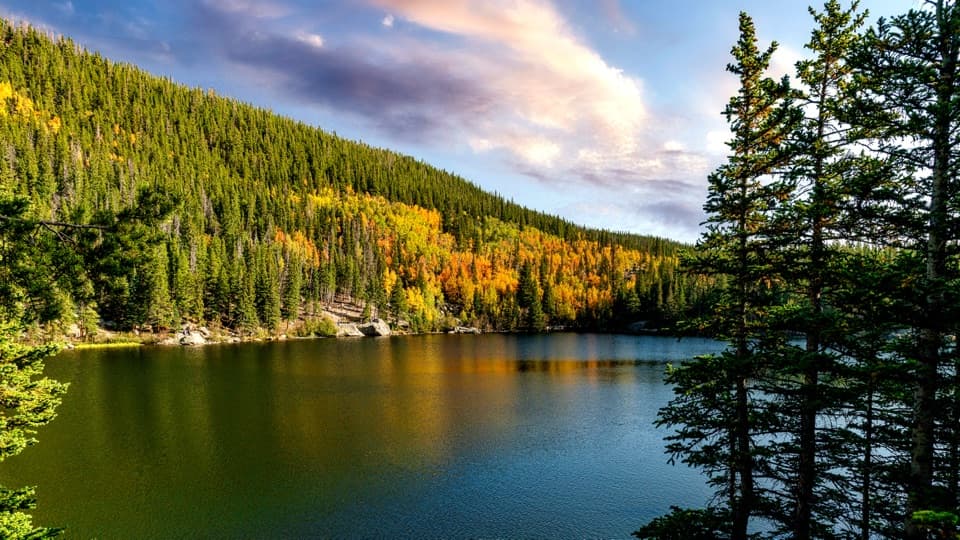
Late June through September offers the most reliable conditions, with peak wildflowers mid–late summer. Aim for weekdays and pre-8 a.m. starts to beat parking crunch and storms. Morning light is best for waterfall photography on the approach; the lake itself shines in late morning to midday when the basin is fully lit. Fall brings crisp air and golden understory but watch for early snow. Winter/spring can be a worthy but committing snow hike for experienced travelers.

Pros

  • Waterfall-rich approach past Copeland, Calypso, and Ouzel Falls
  • Classic alpine lake setting with big Wild Basin views

Cons

  • Long, steep final miles with rocky terrain and possible late snow
  • Parking fills early and a timed-entry reservation is required in peak season

Tips

  • Start at dawn to secure parking and avoid afternoon thunderstorms.
  • Download offline maps; cell service in Wild Basin is spotty to nonexistent.
  • Trekking poles are clutch for the steep, rocky final miles.
  • Consider quick detours to Ouzel Falls or Ouzel Lake on the way up or back.
  • Expect lingering snow patches early/late season and pack traction if needed.
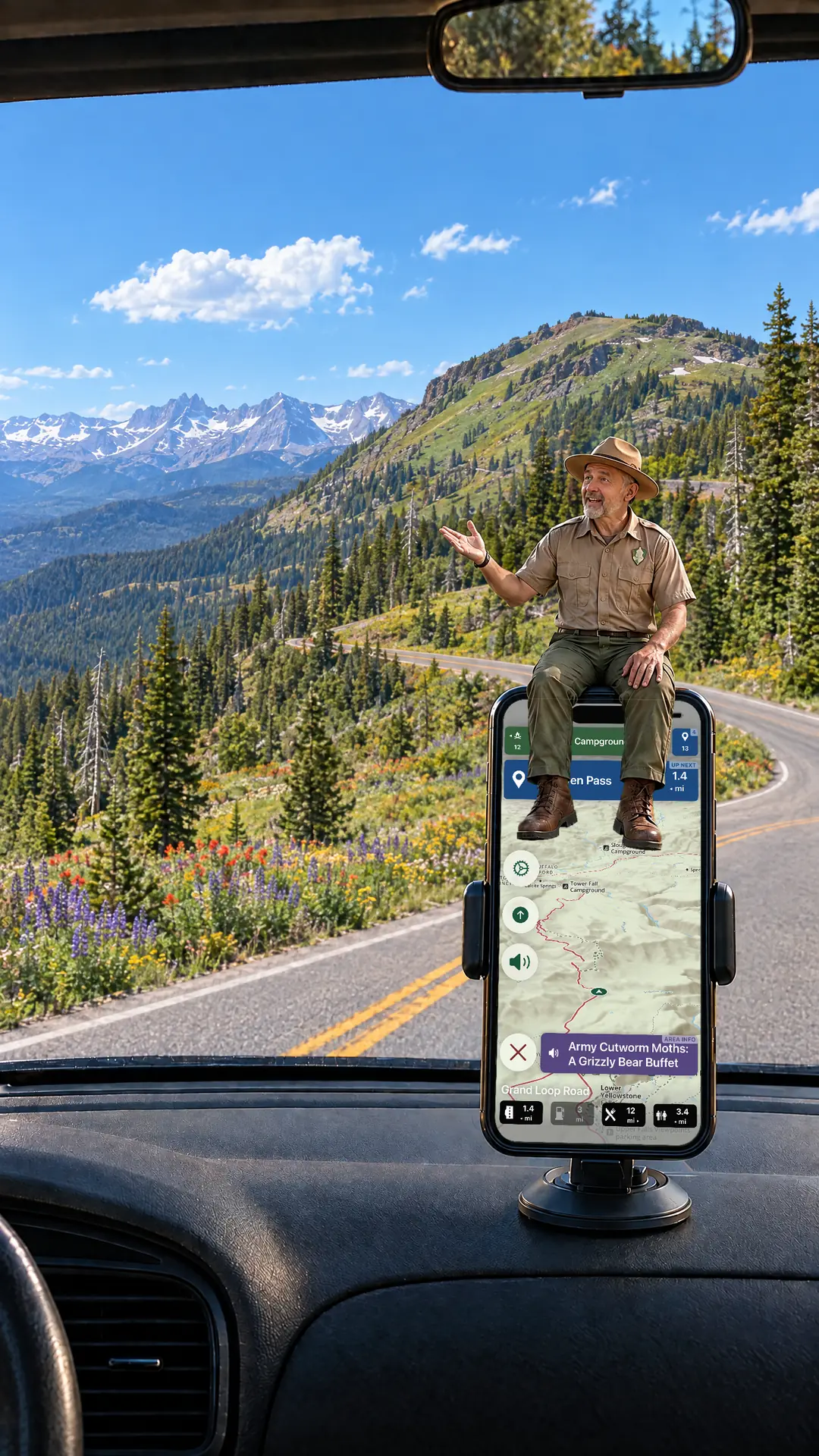
The Parkwolf tour guide sitting on a phone mounted in a car

Parkwolf Tour Guide

Like a tour guide in your car.

Save the places you found around Rocky Mountain, then let Parkwolf guide the drive between them.Download Parkwolf on the App Store