Ouzel Lake

Quiet subalpine lake reached past cascades and a historic burn area
Ouzel Lake, Rocky Mountain National Park
InsideRocky Mountain National Park

Overview

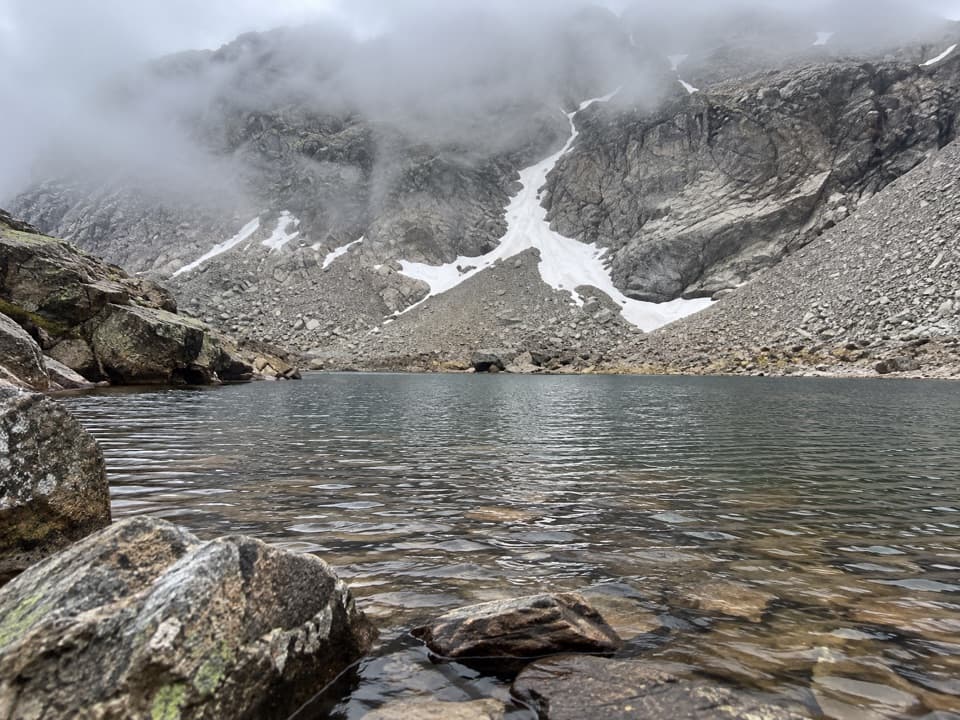
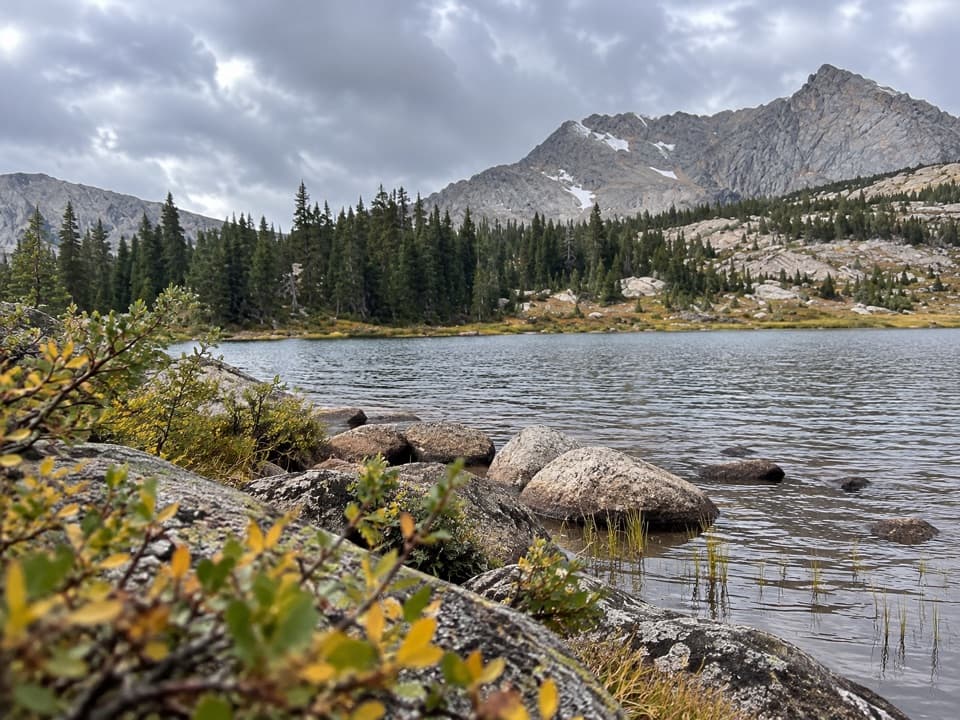
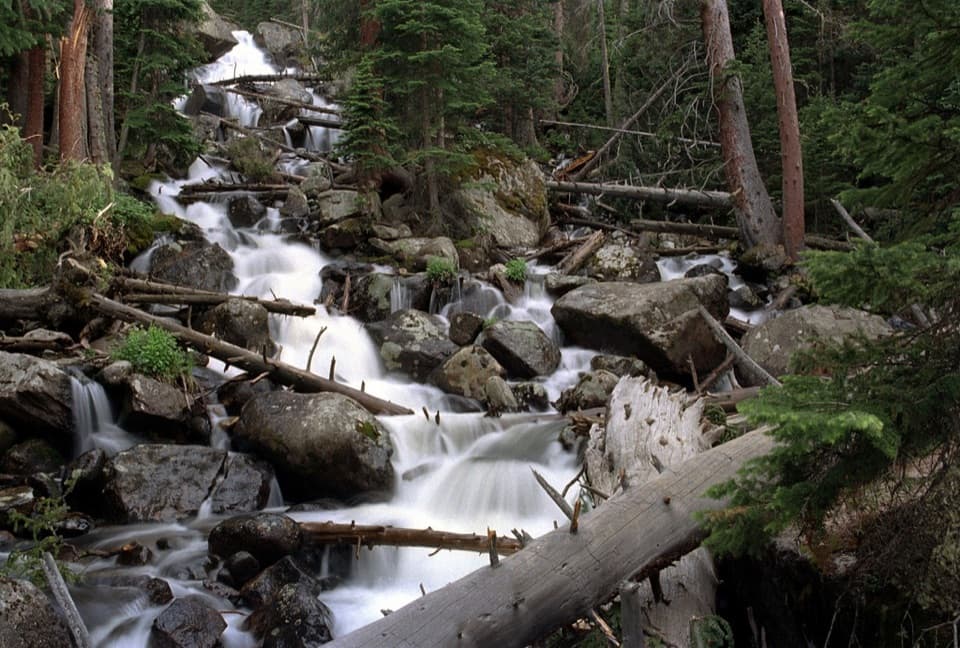
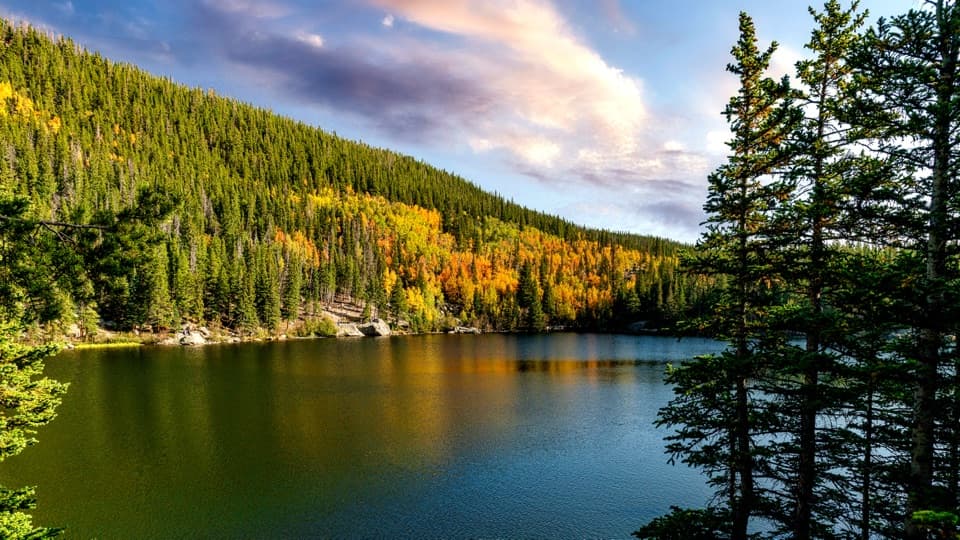
Tucked in the Wild Basin, Ouzel Lake is the payoff for a classic long hike: quieter than the park’s marquee lakes, ringed by peaks like Ouzel Peak, Mahana, and Mount Copeland. You’ll trace lively creeks and waterfalls on the way up, then break into an airy burn zone from the 1978 Ouzel Fire before dropping to a calm, clear shore at about 10,020 feet.

The Hike In

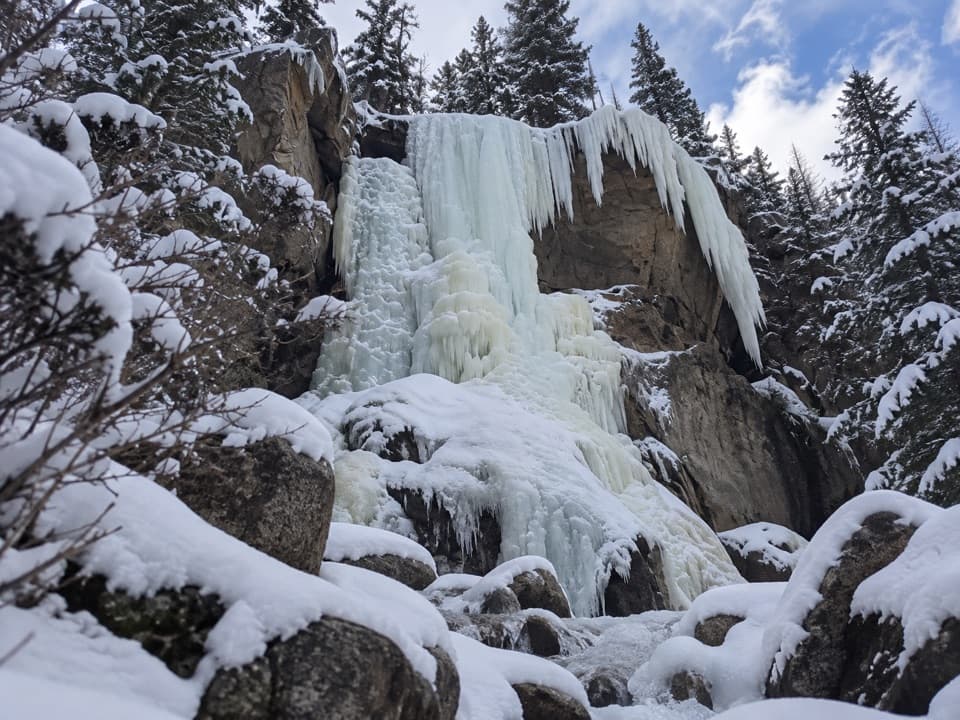
Plan on roughly 10 miles round trip and about 1,700 feet of total gain. The first 2.7 miles to Ouzel Falls are the busiest and mostly shaded, with creek views and bridges as you pass Copeland Falls and Calypso Cascades. Past Ouzel Falls, crowds thin and the grade kicks up to a ridgeline through the historic burn, offering broader views before you follow Ouzel Creek toward the lake. Expect rocky tread with roots, some stair-like steps, and occasional small boulder crossings. Early summer can mean snow patches and muddy sections higher up.

What Makes It Special

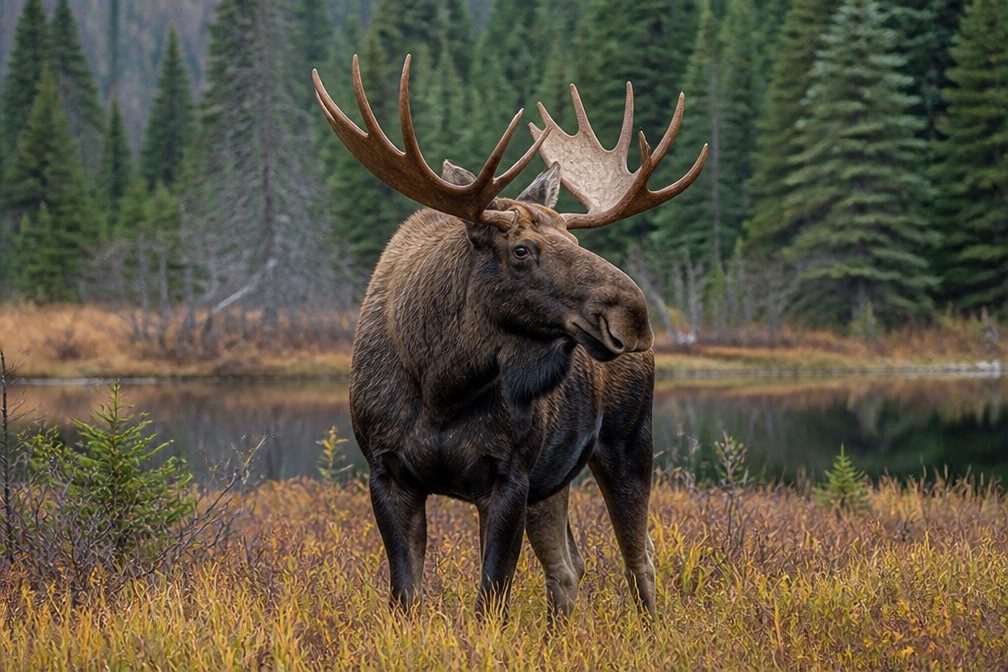
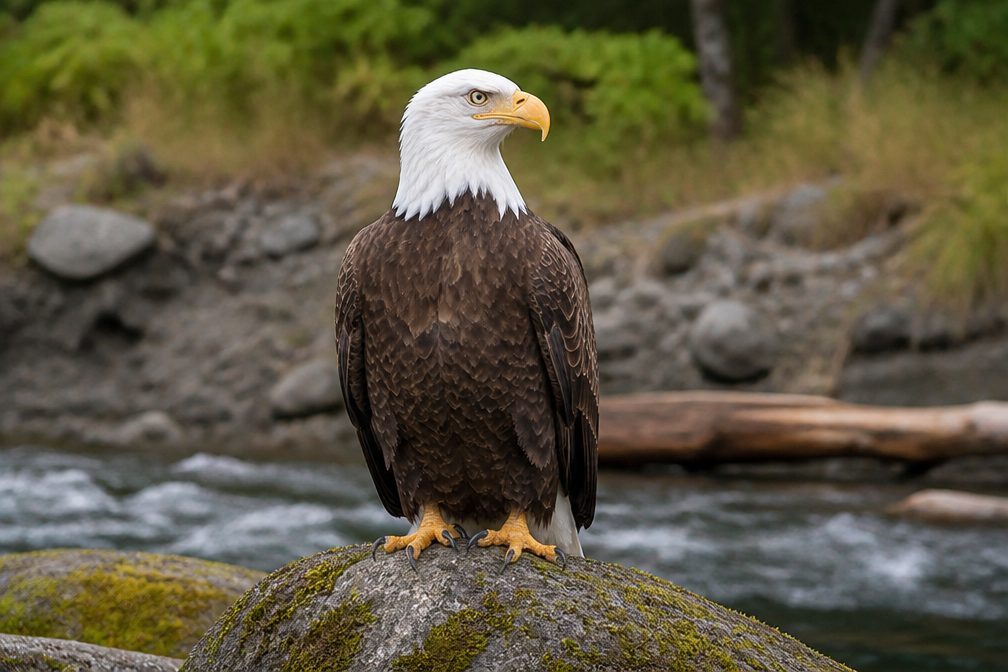
The approach stacks scenery—multiple cascades, a regenerating forest with big-sky vistas, and a quiet subalpine lake at the end. Watch for the lake’s namesake bird (the American dipper) in fast water, and keep your eyes peeled near the shoreline for wildlife; moose are occasionally spotted here. Anglers value Ouzel for catch-and-release greenback cutthroat trout.

Backcountry Options

There’s a designated backcountry campsite at the lake (permit required). No campfires are allowed, there’s no privy, and water must be treated. A bear-resistant canister is required in season. If you’ve got extra gas in the tank, strong hikers sometimes continue past the Ouzel Lake junction toward Bluebird Lake for a steeper add-on.

Practicalities

  • Parking at the Wild Basin Trailhead is limited and fills quickly; arrive early to avoid an overflow walk.
  • There are bathrooms at the trailhead but no facilities along the trail or at the lake—pack out all waste.
  • Timed-entry reservations are required in peak season, and standard park entry fees apply.
  • Cell service is unreliable; download an offline map and be prepared for fast-changing mountain weather.
  • Rocks and logs near waterfalls can be slick—use bridges and established viewpoints.

Best Time to Visit

June through September offers the best footing; wildflowers peak mid-summer, and runoff keeps the falls lively. Start early on weekends to secure parking and enjoy a quieter lake. Morning light is kindest for photos across the water to surrounding peaks, and afternoon storms are common—plan to be off high, exposed sections by early afternoon.

Wildlife Notes

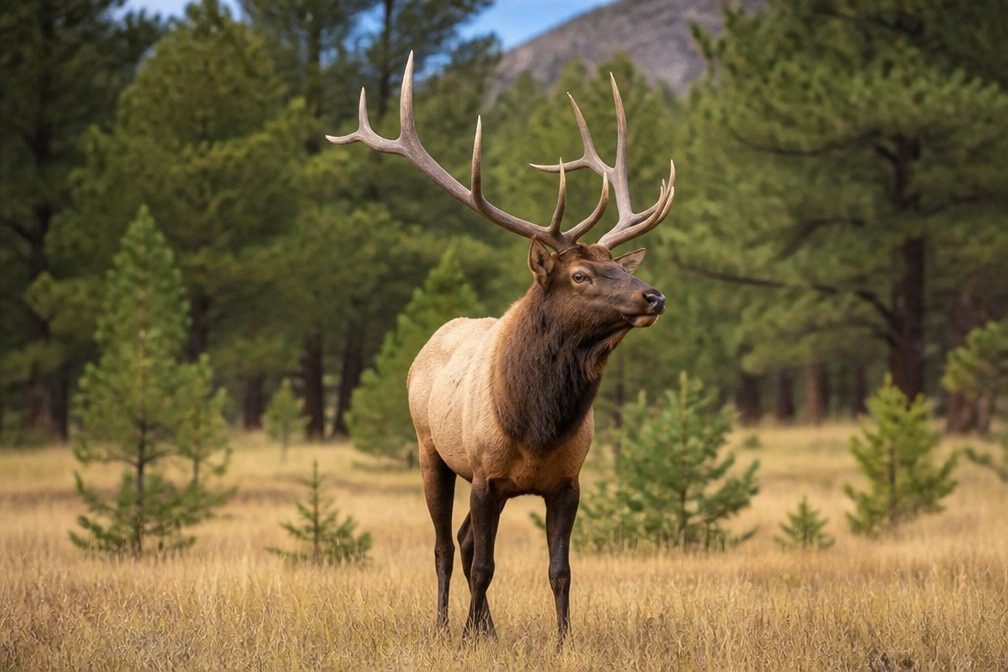
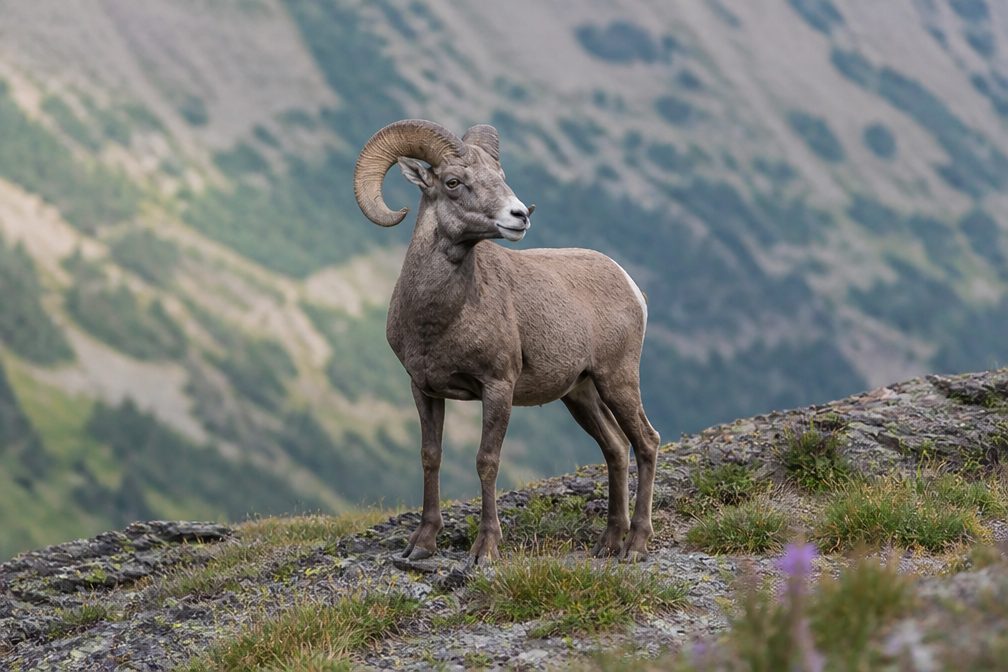
Expect birds like Steller’s jays and dippers along the creeks; moose sometimes frequent the lake’s edges. Black bears are possible but less commonly seen. Give all wildlife distance and never approach.

Pros

  • Serene subalpine setting with fewer crowds beyond Ouzel Falls
  • Catch-and-release fishing for greenback cutthroat trout

Cons

  • Long, steady 10-mile round trip with significant elevation gain
  • Wild Basin trailhead parking fills early

Tips

  • Arrive before mid-morning to snag a spot at Wild Basin Trailhead.
  • Timed-entry is required in peak season—reserve in advance.
  • Expect wet, muddy patches early summer; waterproof boots help.
  • Bring lunch for the shore and pack out every scrap.
  • Download an offline map; cell coverage is unreliable.
The Parkwolf tour guide sitting on a phone mounted in a car

Parkwolf Tour Guide

Like a tour guide in your car.

Save the places you found around Rocky Mountain, then let Parkwolf guide the drive between them.Download Parkwolf on the App Store