Place · 0.1 mi away

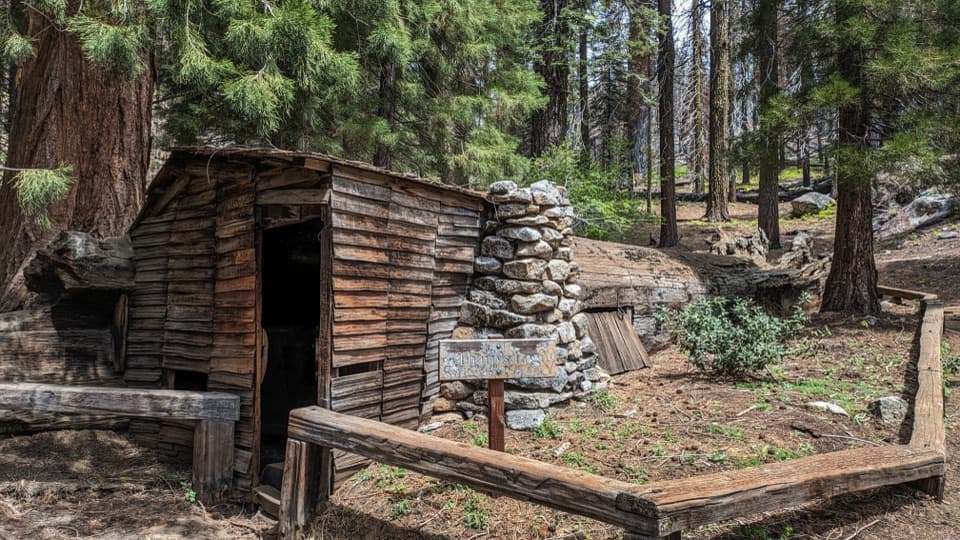
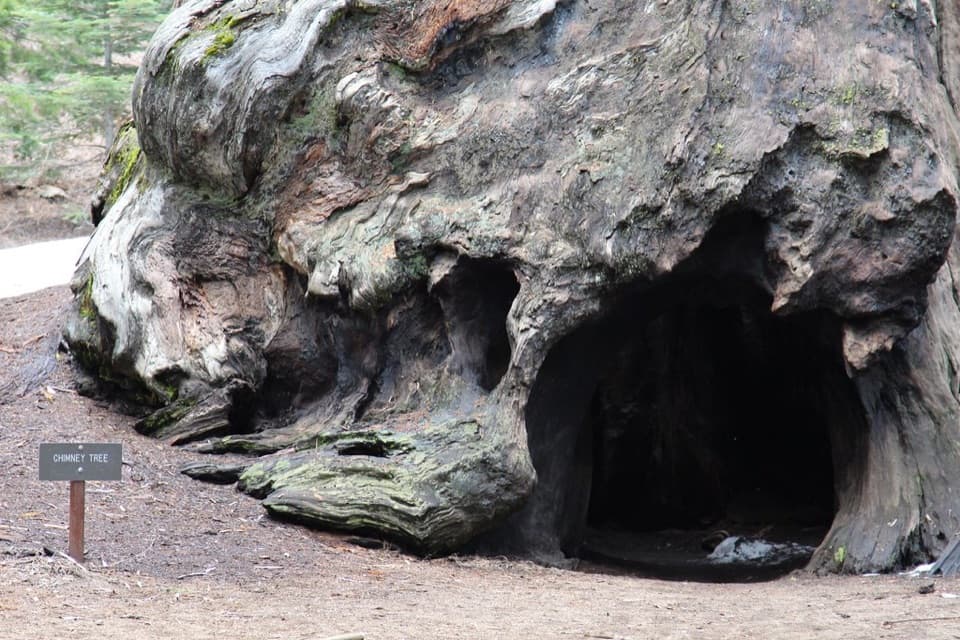
Chimney Tree is exactly what it sounds like: a giant sequoia whose trunk has been burned out to form a tall, open “chimney.” It’s a quick, memorable stop in the Giant Forest that makes the park’s fire story tangible—charred walls, vast scale, and all.
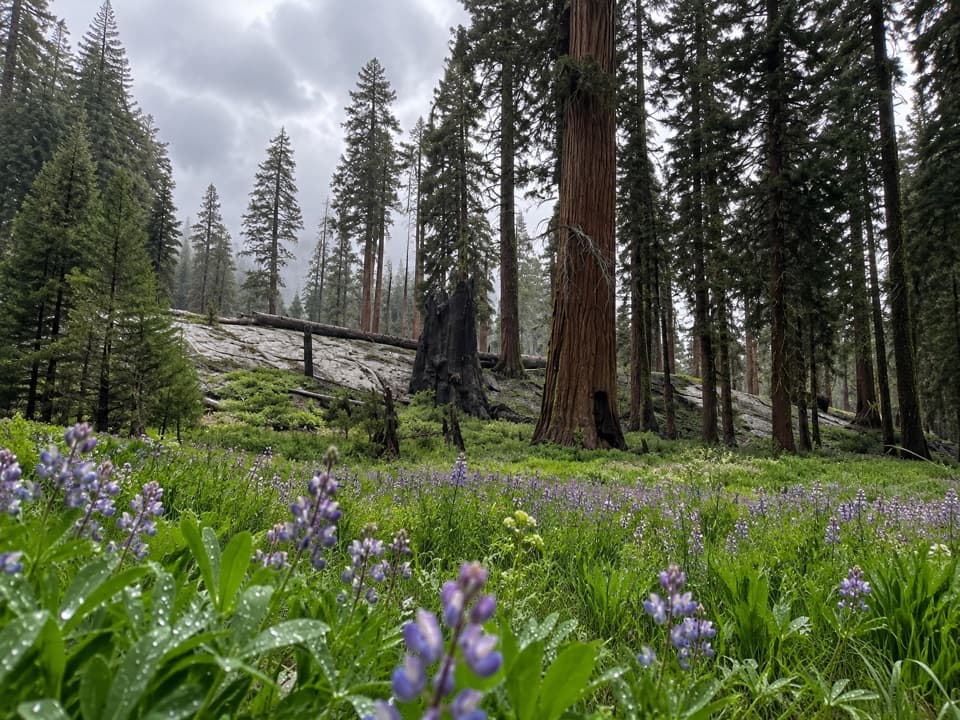
Most people see Chimney Tree while walking the mellow Crescent/Log Meadow loop just past Moro Rock. It pairs perfectly with Tharp’s Log and the surrounding meadows for an easy 1.6–2+ mile outing on mostly flat, well‑traveled paths. There’s parking, restrooms, and a picnic area at the Crescent Meadow trailhead; expect lots to get busy, so earlier is better. Some hikers note that linking nearby trails can be confusing—bring a map and follow junction signs closely.
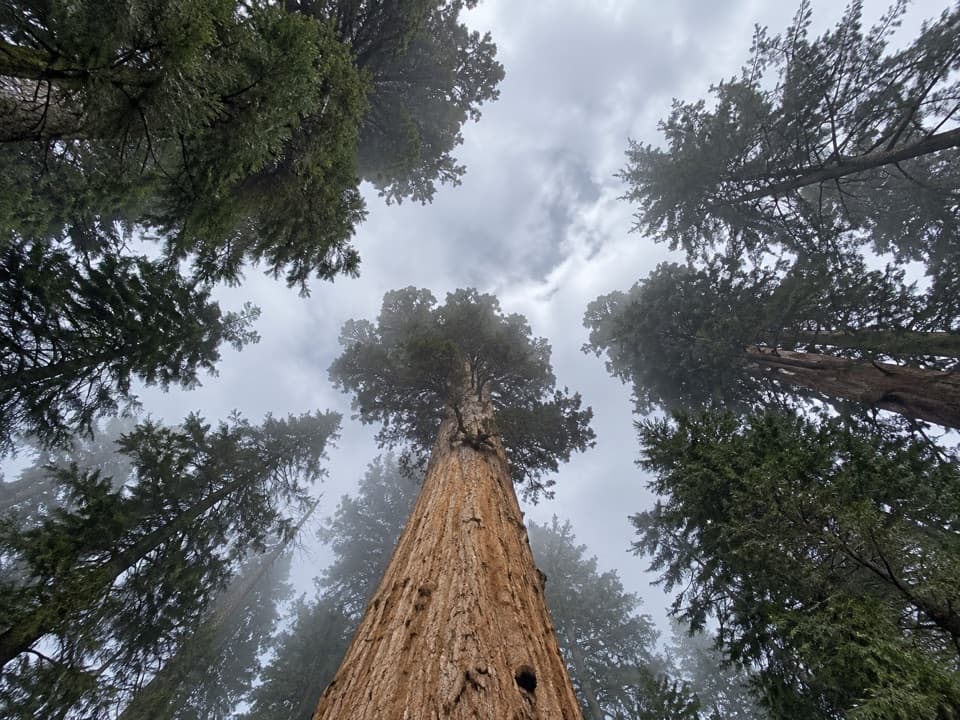
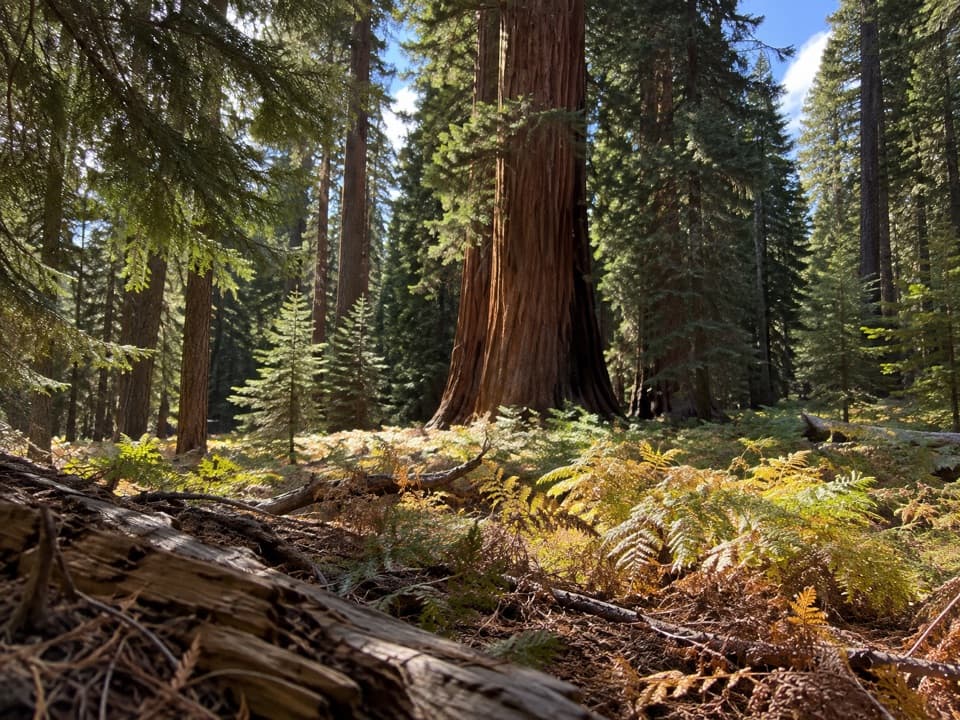
Giant sequoias are adapted to fire: thick bark helps them survive, and recurring low‑to‑moderate burns are part of the ecosystem. In this case, repeated fires hollowed the trunk and created a chimney that drafts heat upward. One well‑known Chimney Tree here was burned out in 1914, and park literature historically mentioned more than one “Chimney Tree” in the Giant Forest, including one near Crescent Meadow and another by Sherman Creek—proof that these dramatic burn scars aren’t rare, just especially striking when the cavity opens top to bottom.
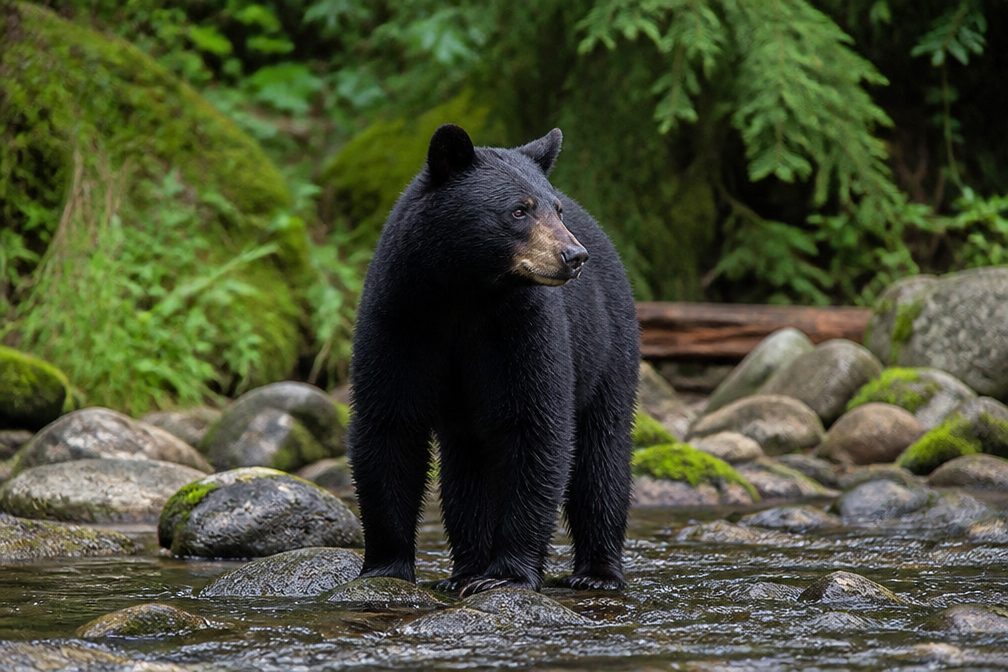
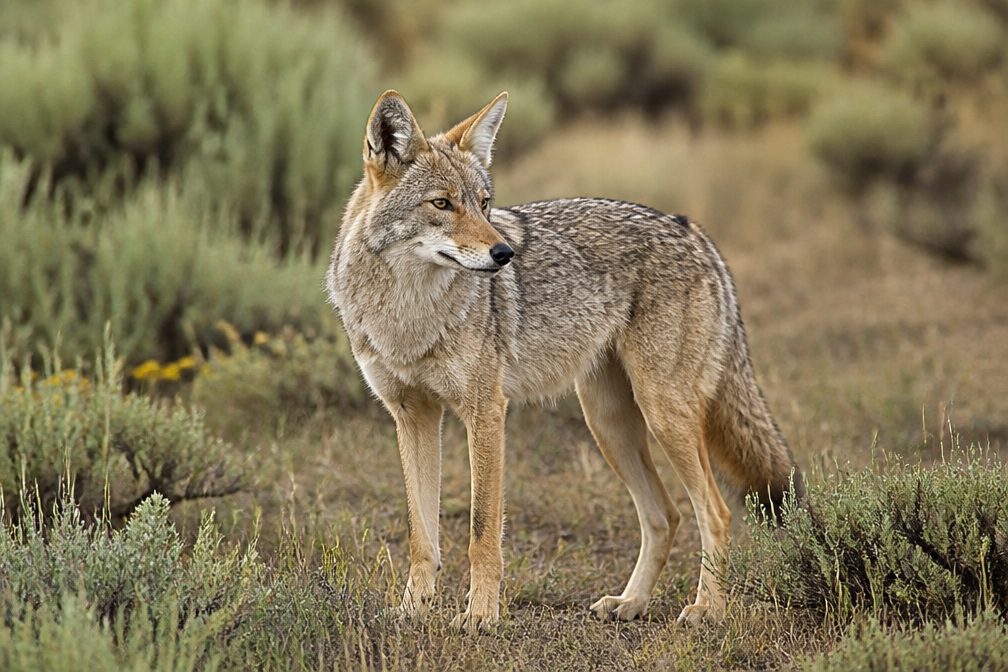
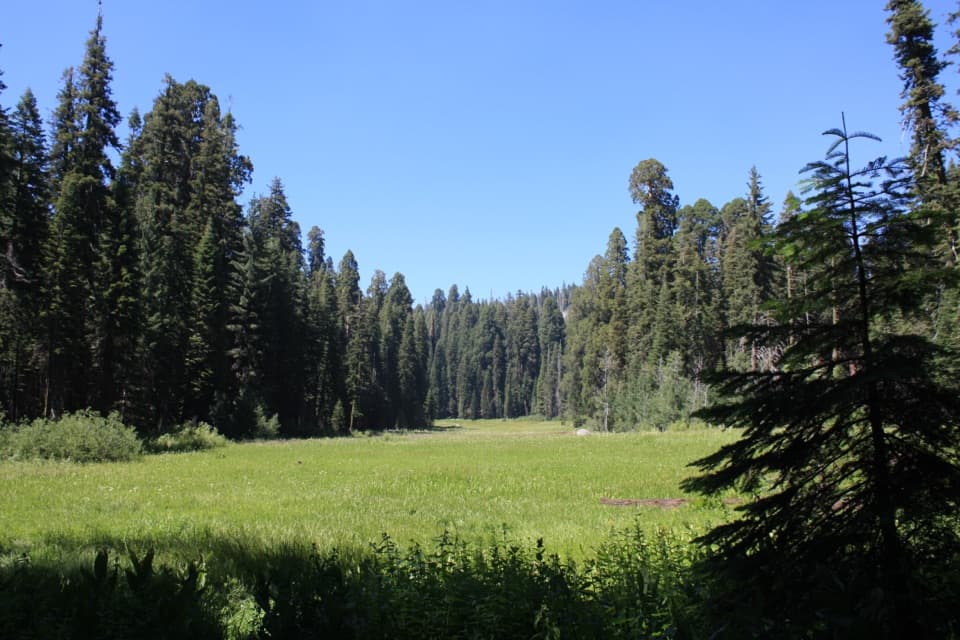
The Crescent, Log, and Huckleberry meadows are reliable wildlife corridors. Recent hikers frequently report bear sightings in and around the meadows. Enjoy the view, give animals plenty of space, and keep all food secured.
Arrive early—by about 9 am—to find parking and enjoy quieter paths. Weekdays see fewer crowds than weekends. Morning is typically the most relaxed time on the loop; afternoons can feel busier, especially in summer. In peak season, a free shuttle serves major Giant Forest stops and sometimes replaces private car access near Moro Rock/Crescent Meadow on busy weekends.
There are no facilities at the tree itself. Use restrooms and refill water at the trailhead before you start. Enjoy the Chimney Tree from the outside—the interior of hollow trunks can be unstable. Trails are unpaved and can have short wet or buggy stretches in early summer.