Parking
Start at the High Sierra Trailhead/Crescent Meadow parking area at the end of Crescent Meadow Road. Parking capacity, fees, and facilities were not verified.
Sequoia National Park, CA
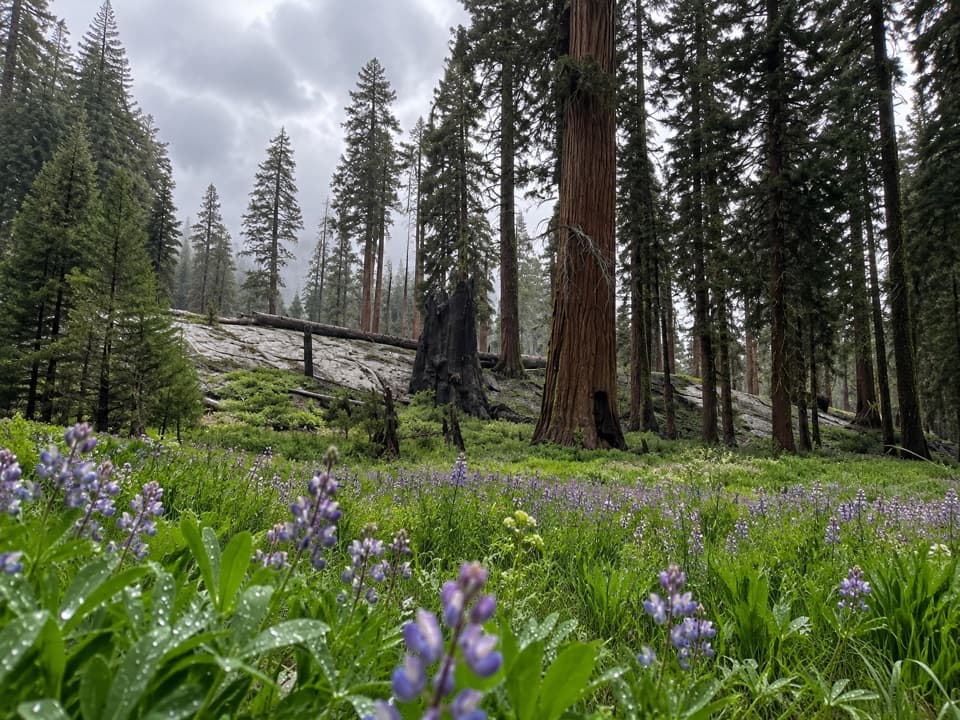
A meadow circuit through Giant Forest's wildflowers and sequoias.
Overview
Map & elevation
Plan your hike

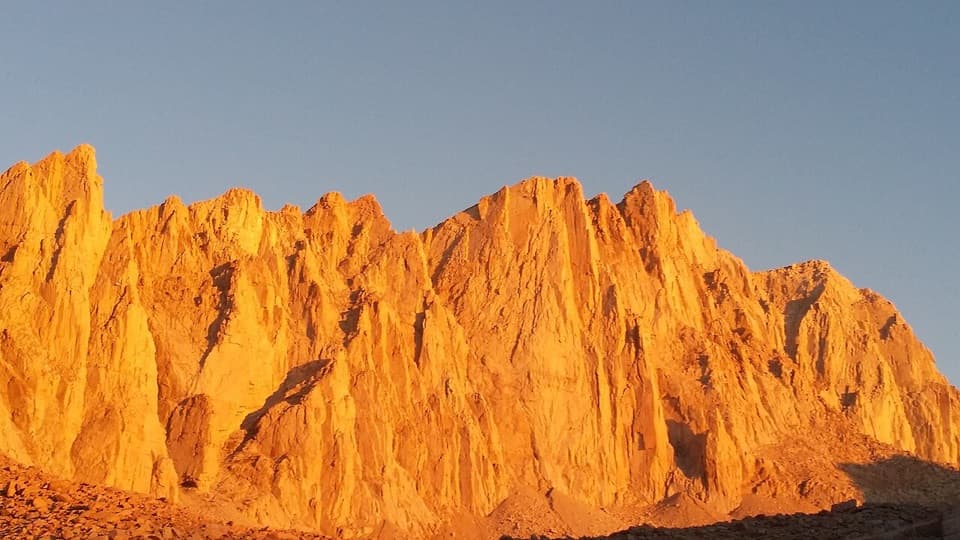
The highest, rockiest slopes around here are a summer buffet for grizzly bears.
Sequoia Tour Guide
Parkwolf is a GPS audio tour guide for Sequoia National Park. As you drive, it chimes in with what’s ahead: hidden gems, upcoming stops, history, geology, and wildlife, right through your car’s speakers.
See the Sequoia audio tourRecorded for this area
Crescent Meadow and Tharp’s Log“Crescent Meadow is coming up, an open wetland ringed by giant sequoias, with picnic tables near the trailhead. Stop here if you'd like a gentler outing with room to see the red trunks against the meadow grass.”
Plays near this trailhead in the Parkwolf Sequoia Tour Guide.
More stories near here in the app
“…The kids and my husband and I all agree that the narration really added to our experience driving through the parks. We learned so much about the history and the flora & fauna.”


Trail guide
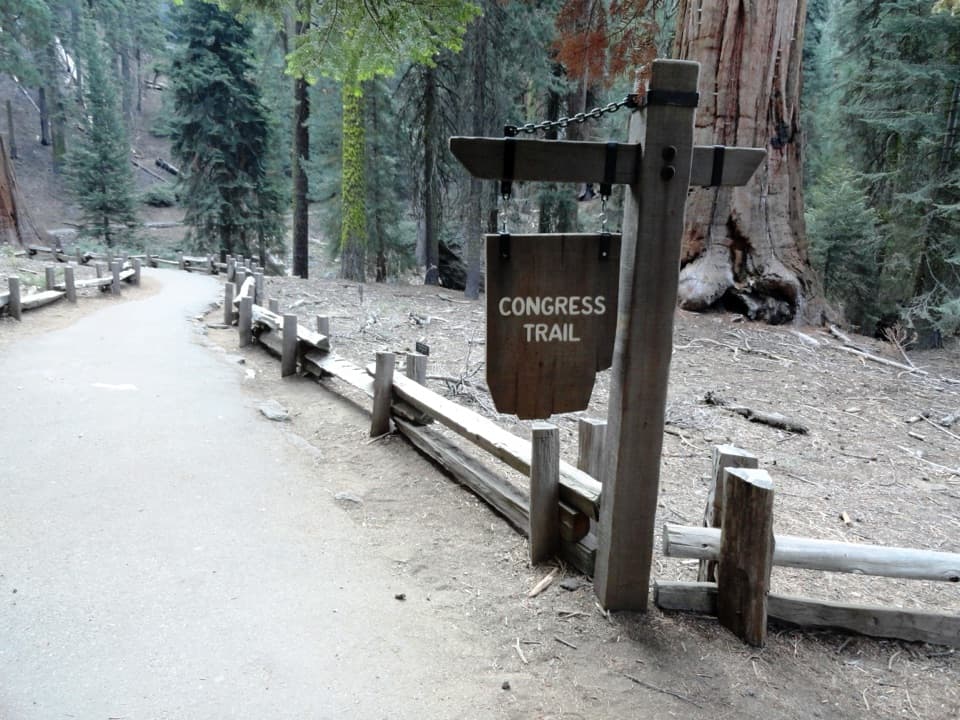
Circle Meadow Loop is a 4.3-mile circuit from the Crescent Meadow High Sierra Trailhead. It follows both arms of the C-shaped meadow, uses a short stretch of Alta and Congress trails through notable sequoia groups, then returns across Crescent Meadow. Allow about 2.5 hours; this version is reported at about 650 feet of climbing. It is a good choice if you want a meadow walk and a sample of the old-growth grove in one outing.
The full 4.3 miles includes a 0.3-mile counterclockwise circuit around Crescent Meadow at the end. Return directly instead and the walk is about 4.0 miles.
From the trailhead, head north along Crescent Meadow's west side. After two junctions, a narrow meadow section brings you to the Pillar of Hercules at about 0.8 mile. The trail skirts a wooded knoll to Cattle Cabin, then continues to a five-way junction with Alta and Congress trails around mile 1.6. The tread is described as smooth and well traveled, with a fairly clear route through the grove.
At the junction, turn onto Alta and then Congress. This short stretch passes the Founders, House, and Senate groups and the McKinley Tree; a nearby spur reaches President Tree and Chief Sequoyah Tree. After the Senate Group, keep right toward Crescent Meadow. Those named trees make the north side of this loop more than a connector between meadows.
The return climbs the wooded knoll between the meadow's two branches, reaches the southeast arm around mile 2.6, and skirts its southern end before reconnecting near the Pillar of Hercules. Two arcing tributaries feed Little Deer Creek around the knoll, leaving the meadow grassy and wet compared with the surrounding forest. June and July are usually the strongest wildflower months. For a photo, keep some meadow grass or flowers in the foreground with sequoia trunks behind them.
Begin at the High Sierra Trailhead and parking area at the end of Crescent Meadow Road. Parking capacity, fees, and facilities were not verified. No on-route drinking-water source was identified, so bring what you will need. Pets are prohibited on trails in Sequoia and Kings Canyon National Parks. The direct return trims 0.3 mile if you want a shorter outing.
Wildlife
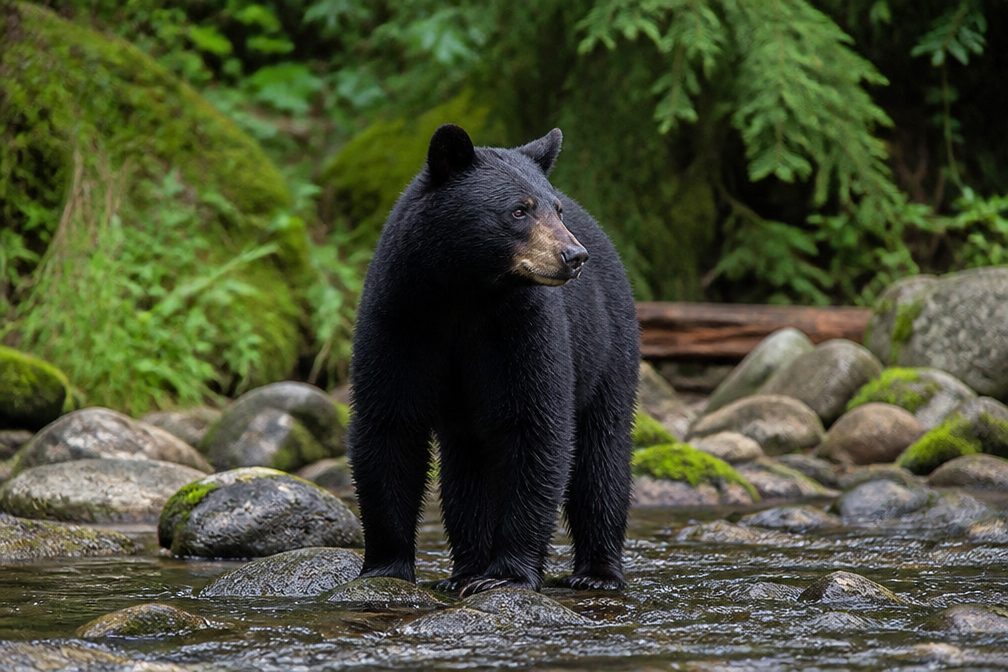 691 sightingsBlack BearMost seen around 6 PMSighting map
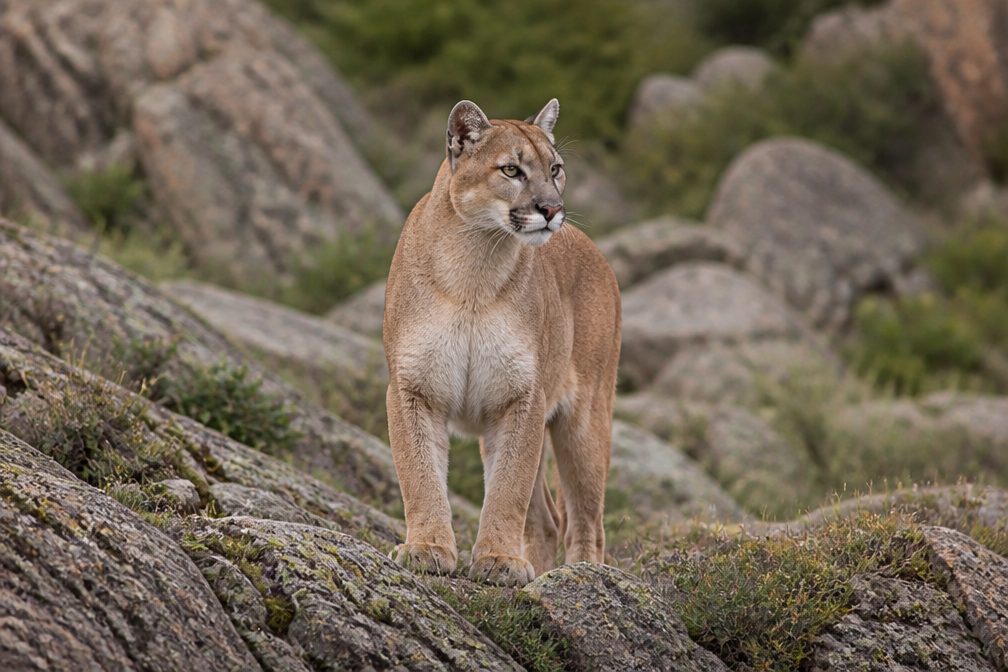 17 sightingsMountain LionMost seen around 6 AMSighting map
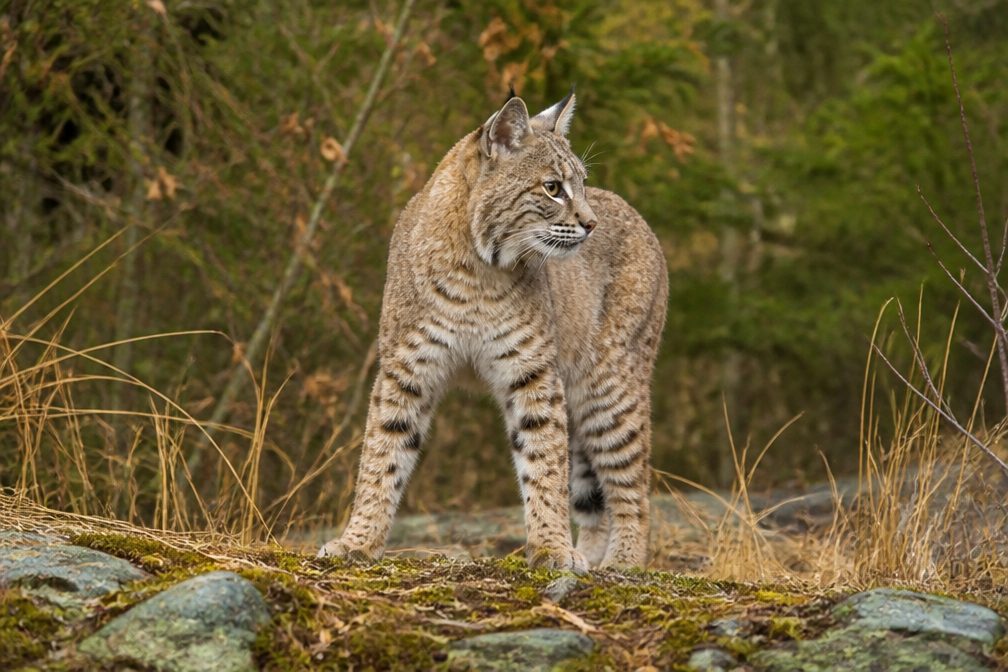 18 sightingsBobcatMost seen around 7 PMSighting map
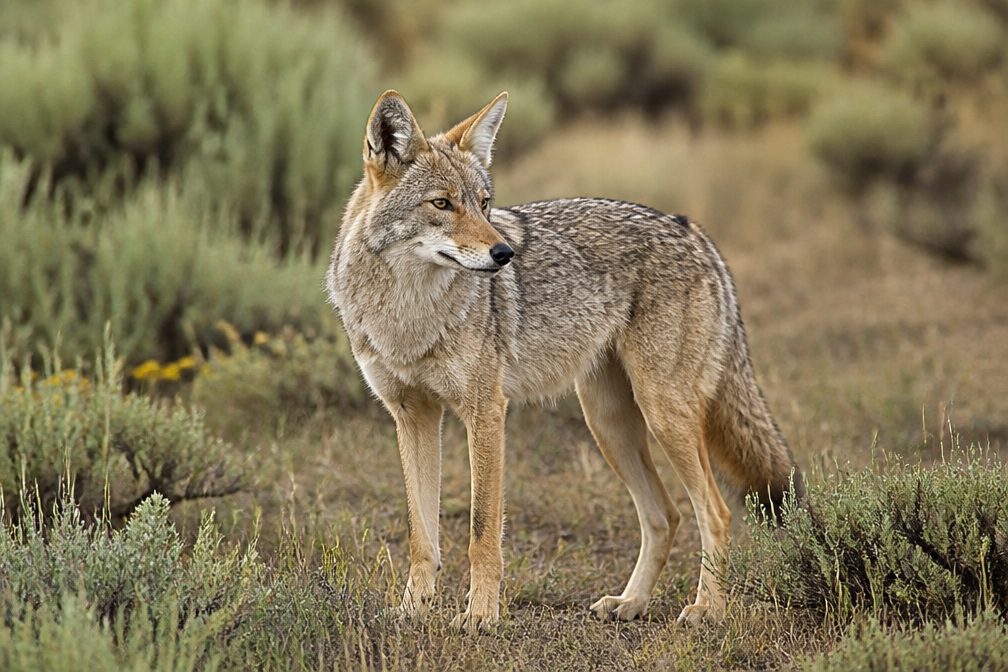 24 sightingsCoyoteMost seen around 7 PMSighting map
 15 sightingsGolden EagleMost seen around 11 AMSighting map
 20 sightingsSpotted OwlMost seen around 7 PMSighting map
Sighting maps show where each species has been reported across Sequoia. Wildlife moves, so no sighting is guaranteed.
Keep exploring
 ChallengingHigh Sierra Trail48.9 mi · 1.7 days · At the trailheadA 49-mile wilderness crossing from Giant Forest to the John Muir Trail.
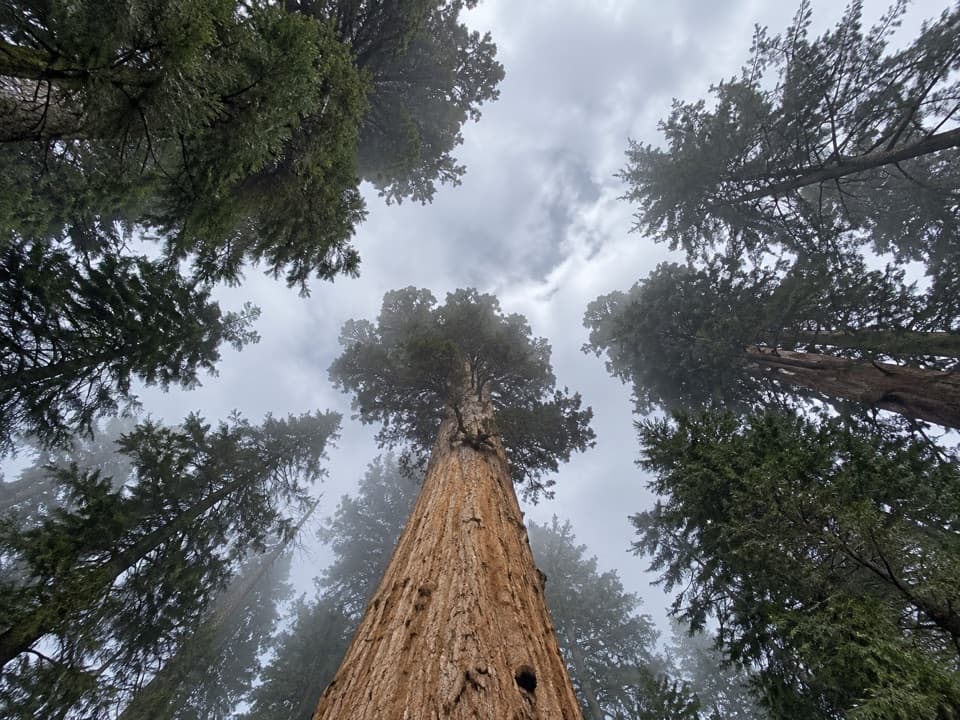 ModerateTrail of the Sequoias3.3 mi · 2.3 hr · At the trailheadQuiet sequoia traverse from Crescent Meadow to the Congress Trail.
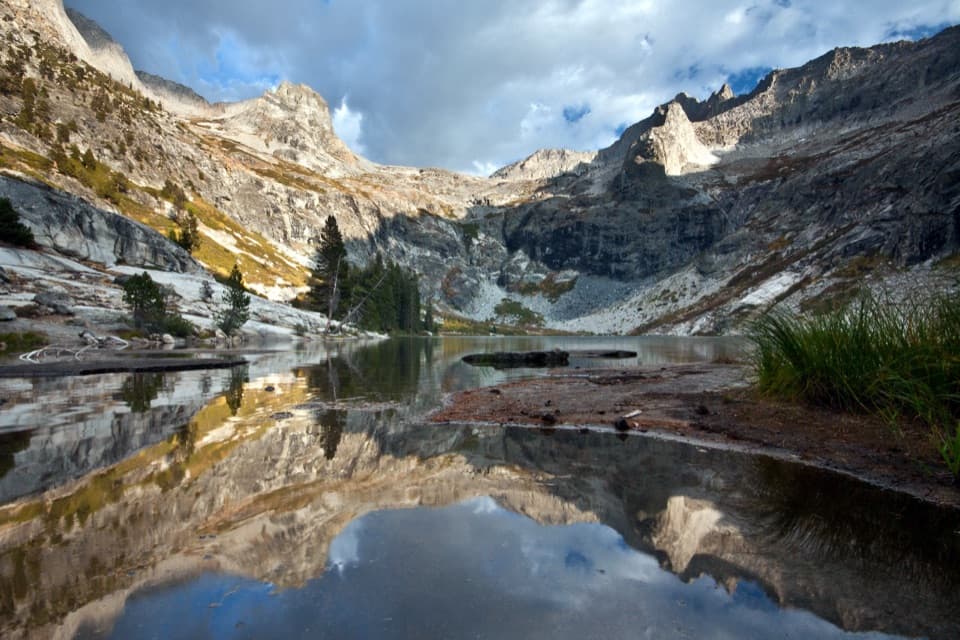 ChallengingHamilton Lakes Trail30.2 mi · 18 hr · At the trailheadA high granite lake, reached by an exposed Sierra traverse.
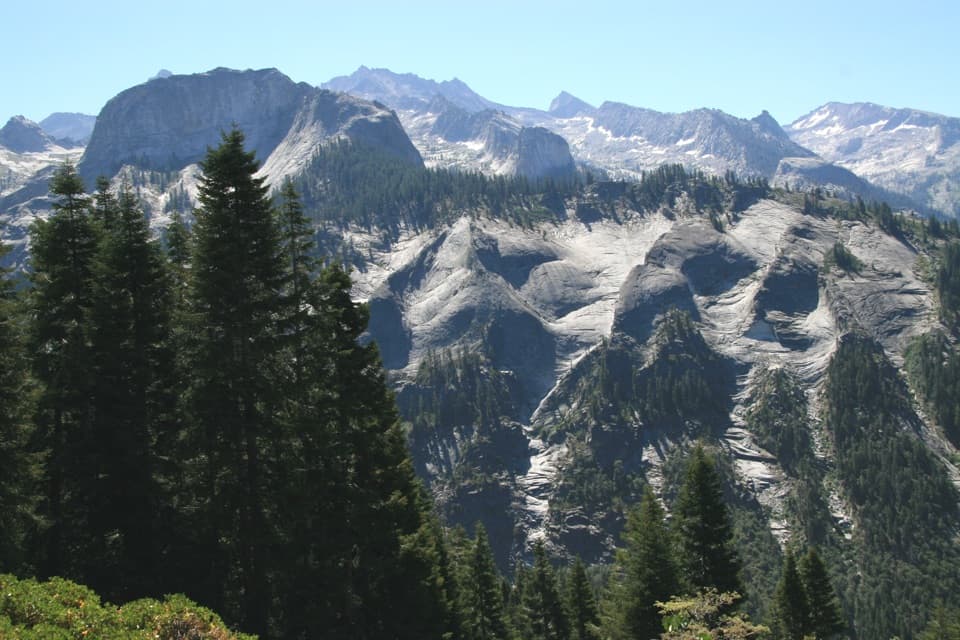 ChallengingBearpaw Meadow via High Sierra Trail22.8 mi · 16 hr · At the trailheadA long Sierra traverse opens to Kaweah canyon and Bearpaw Camp.
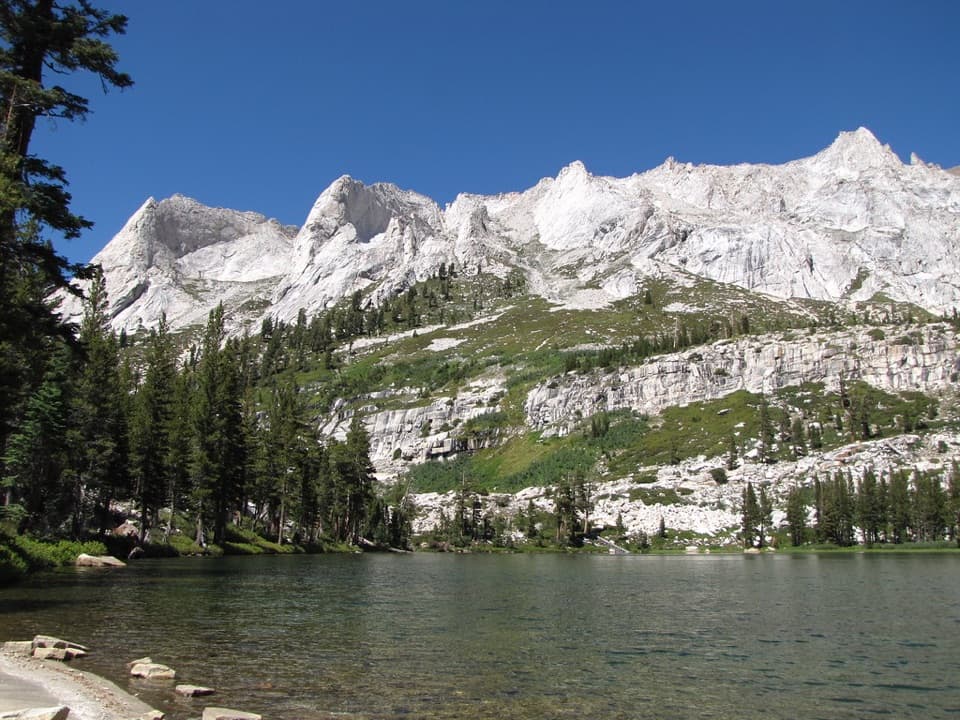 ChallengingTamarack Lake Trail31.8 mi · 16 hr · At the trailheadA 32-mile out-and-back to a lake at 9,215 feet.
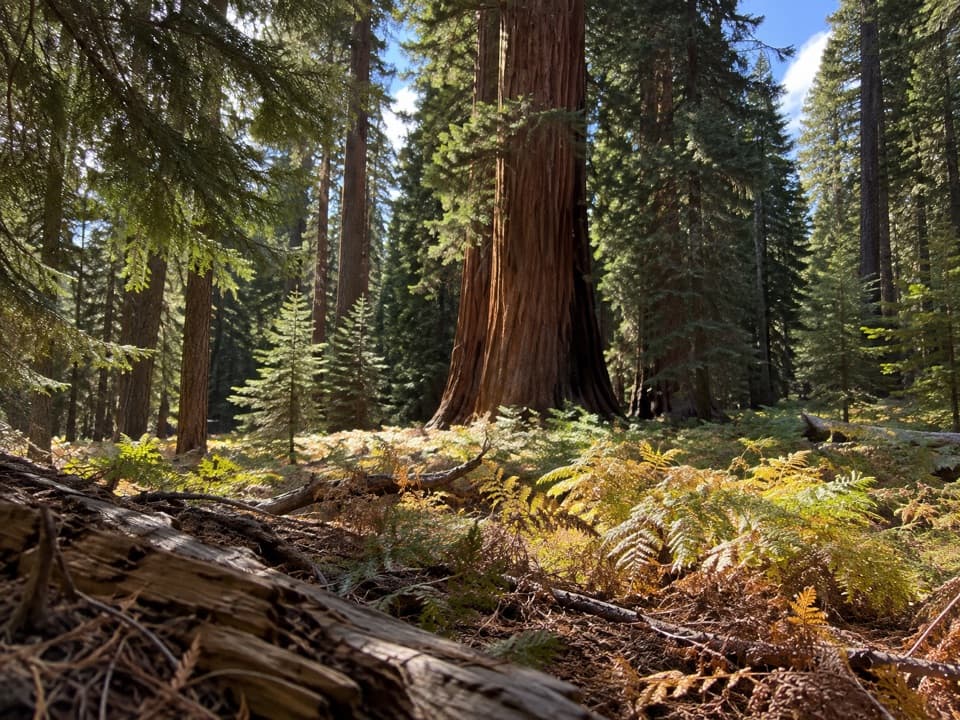 EasyCrescent Meadow Loop1.4 mi · 1 hr · At the trailheadA short loop where giant sequoias frame Crescent Meadow.
 EasyEagle View Trail1.5 mi · 1.5 hr · At the trailheadA short climb from Crescent Meadow to a sweeping Sierra view.
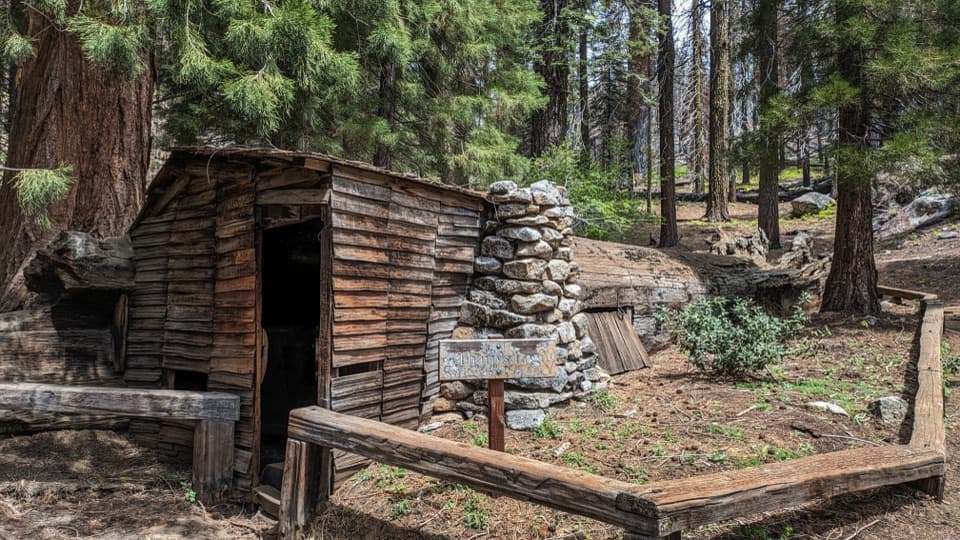 EasyLog Meadow Loop and Tharp’s Log1.8 mi · 1.5 hr · At the trailheadA cabin built inside a fallen sequoia is the unusual payoff.
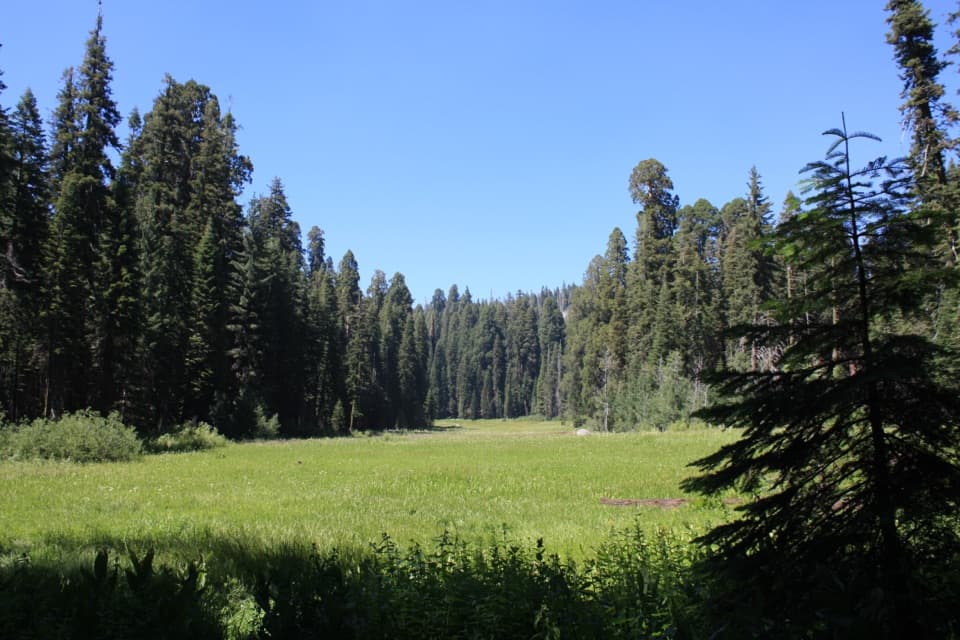 Sight · 0.1 mi awayCrescent MeadowAn open meadow framed by giant sequoias, with two memorable tree stops.
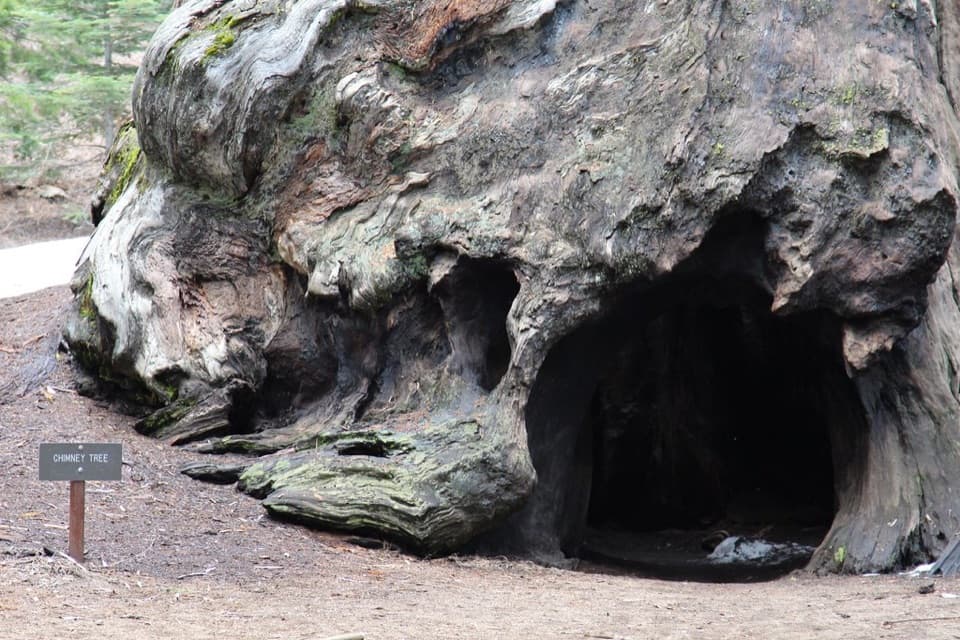 Sight · 0.4 mi awayChimney TreeStep inside the hollow left by a 1914 fire.
 Sight · 0.4 mi awaySquatters CabinA tiny log cabin anchors a larger Kaweah Colony story.Sight · 0.5 mi awayTharp's LogA 70-foot sequoia log became a summer cabin.
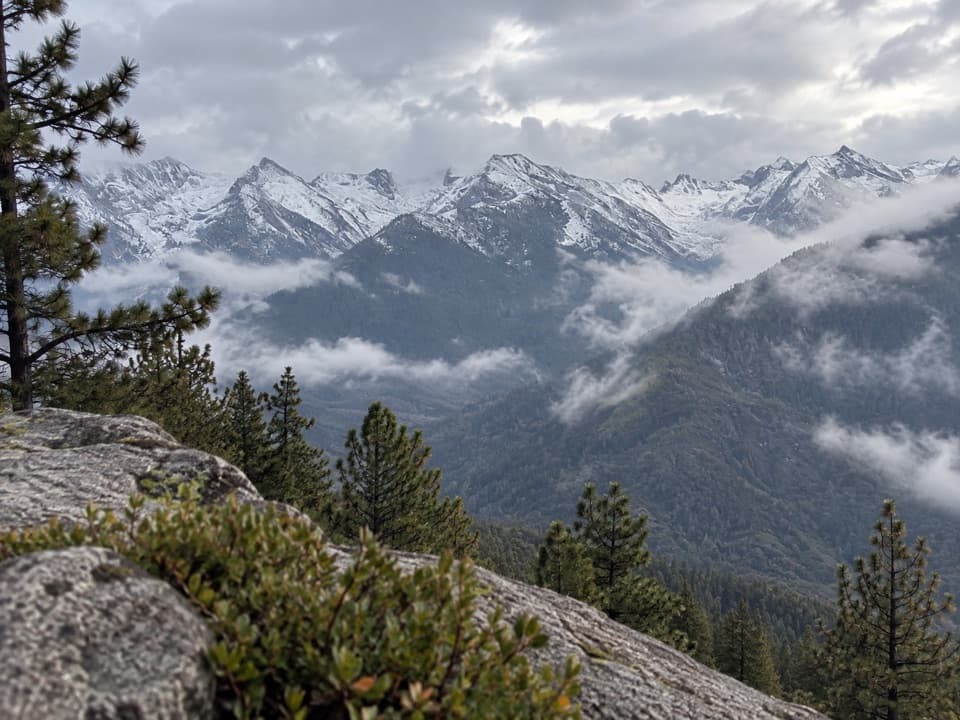 Sight · 0.6 mi awayEagle ViewA short climb to a long look across the high Sierra.
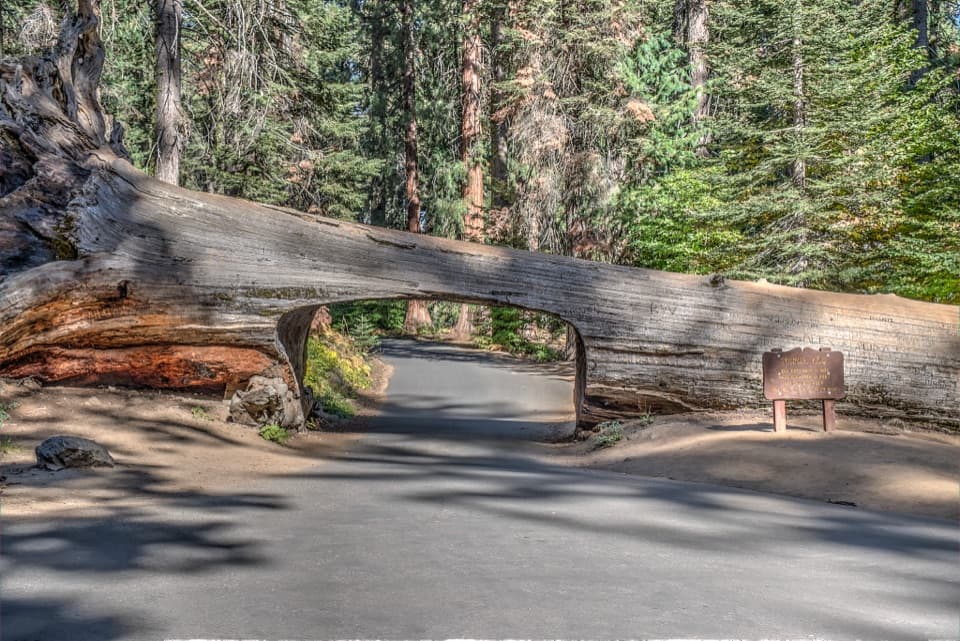 Sight · 0.7 mi awayTunnel LogDrive through a fallen giant sequoia on Crescent Meadow Road.
 Sight · 0.9 mi awayParker GroupEight sequoias, close enough to study their fire scars.
 Sight · 1 mi awayButtress TreeA fallen giant sequoia with an astonishingly broad root plate.
Parkwolf’s Sequoia ranking

The audio tour guide for the drive, plus offline maps, trails, and wildlife heatmaps for when the signal drops.