Crescent Meadow

Easy meadow loop ringed by giant sequoias and regular wildlife
Crescent Meadow, Sequoia National Park
InsideSequoia National Park

Overview

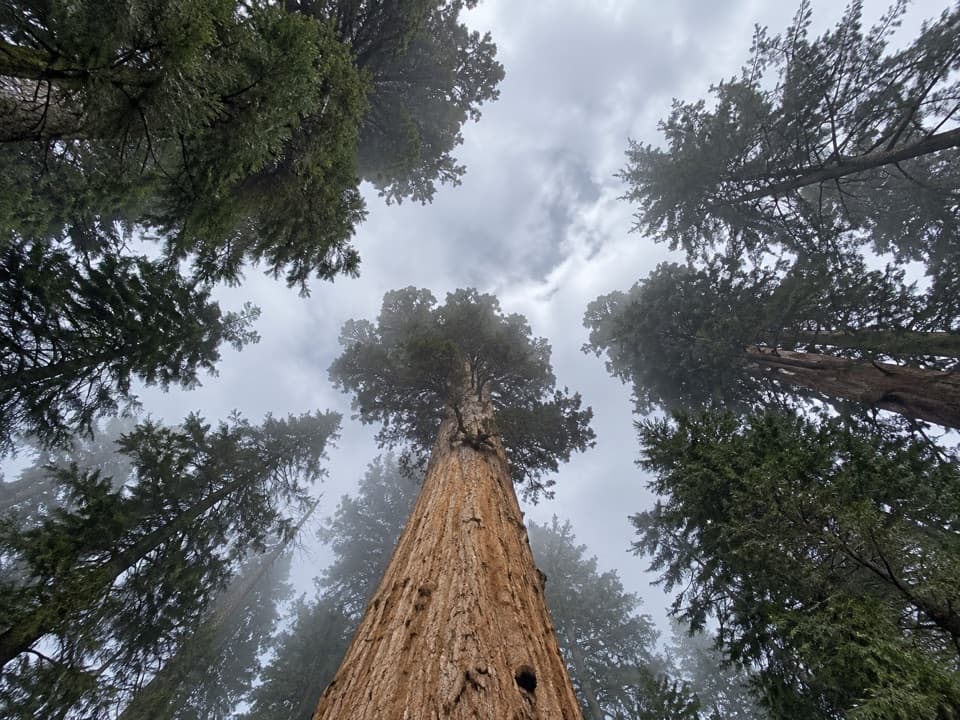
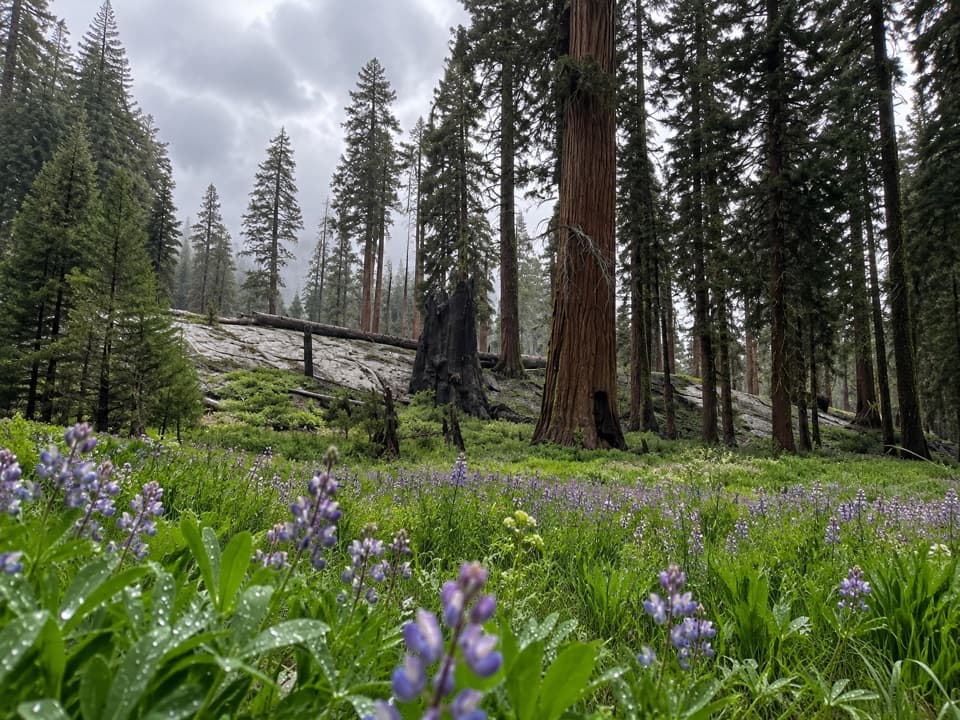
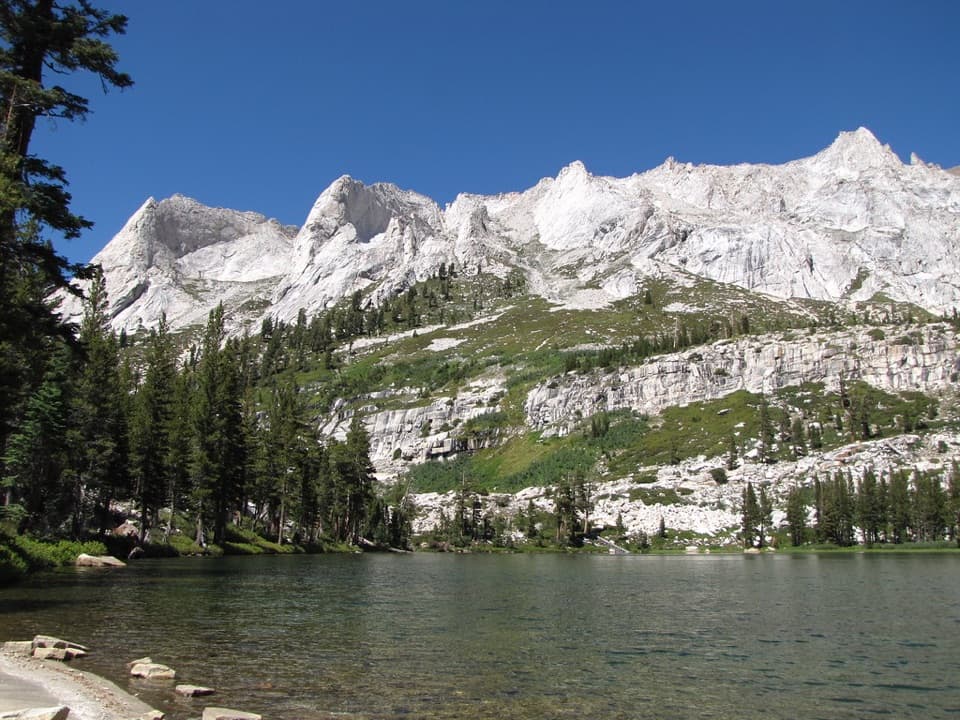
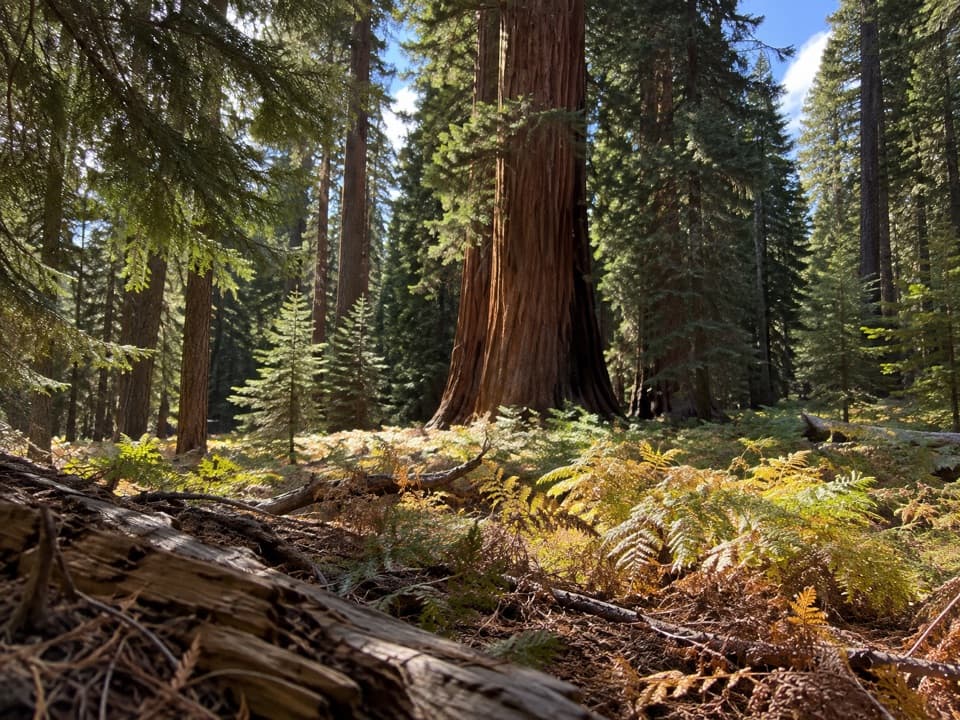
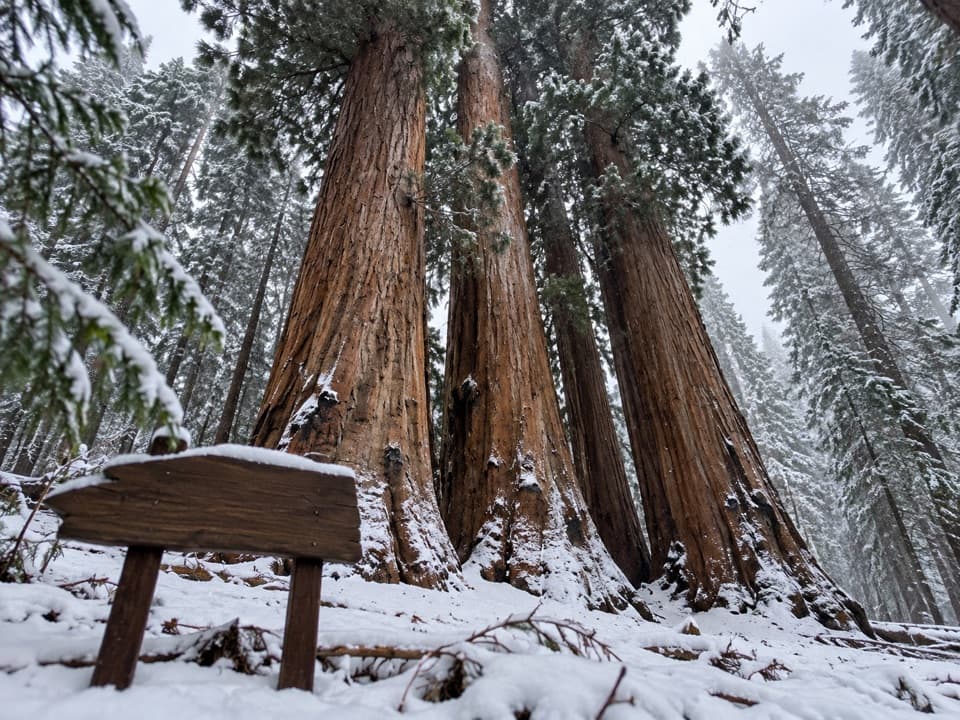
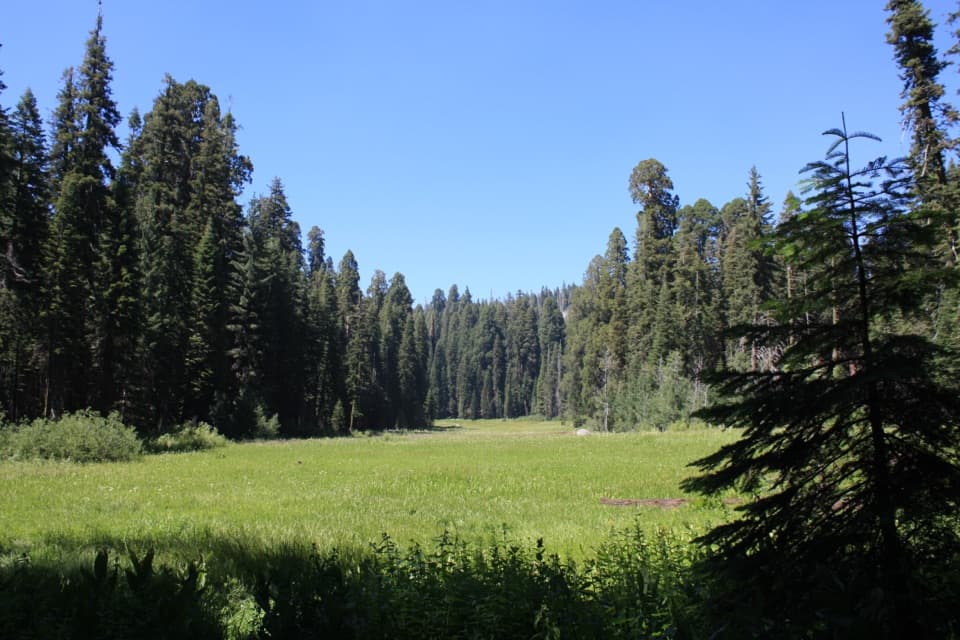
Crescent Meadow is the picture-postcard Sierra meadow: a bright green crescent of grass and wildflowers framed by massive, cinnamon-barked sequoias. It’s calm, photogenic, and an easy win if you want big-tree magic without a big hike. Expect a relaxed loop, soft forest light, and a good chance of wildlife browsing the meadow edges.

What You’ll See

  • Sweeping meadow views with giant sequoias towering above the grasses and creeks.
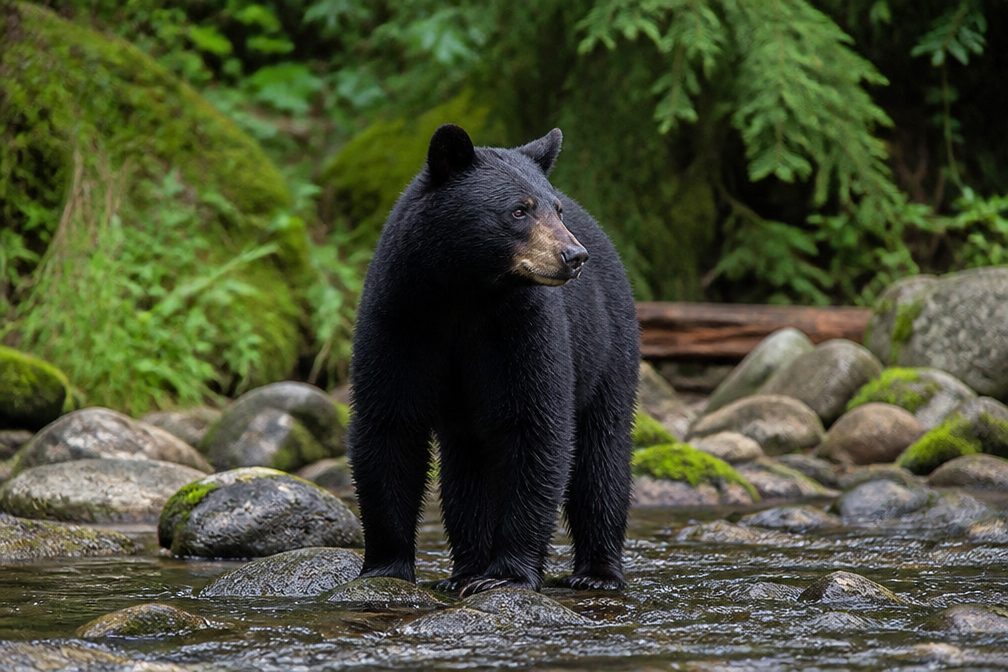
  • Frequent wildlife sightings—deer are common, and black bears are often seen foraging near dawn or dusk. Give them space and keep food secured in bear boxes.
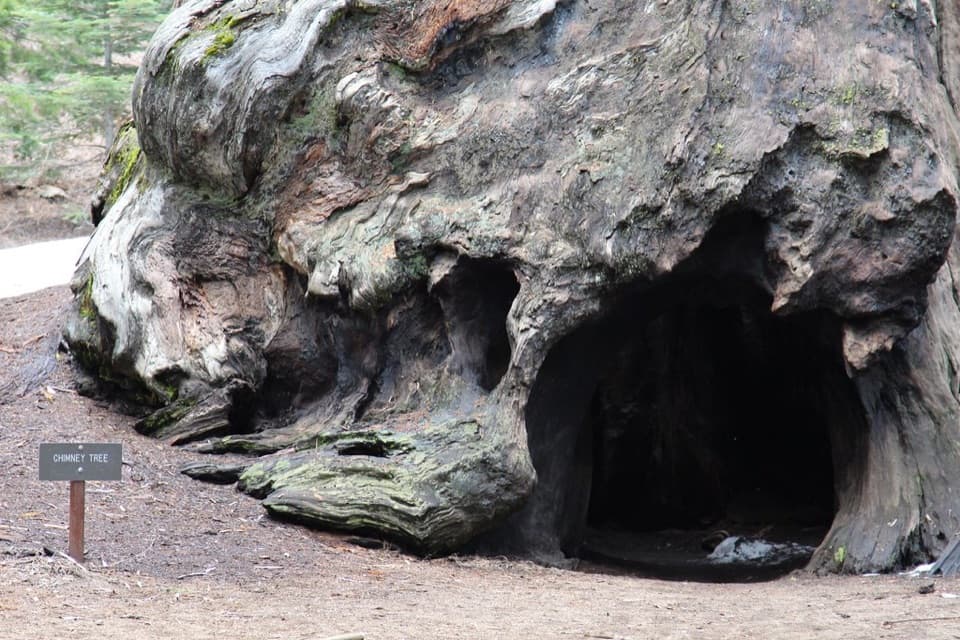
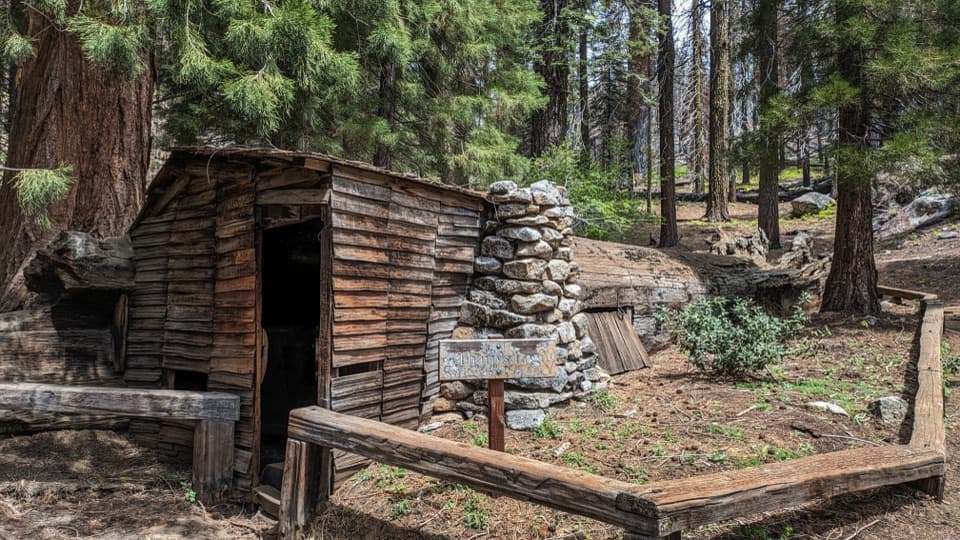
  • Historic and quirky extras on short spurs, like Tharp’s Log (a fallen, hollow sequoia used as a cabin) and Log Meadow, plus named giants like the Cleveland Tree.

Trails & Options

  • Crescent Meadow Loop is typically 1.3–1.5 miles with minimal elevation gain and some paved sections—easy, family-friendly, and great for a quick nature fix.
  • Easy add-ons: detour to Tharp’s Log via Log Meadow, or tack on the Huckleberry and Dead Giant loop and still keep the outing short. This trailhead also marks the start of the High Sierra Trail if you’re looking long.

Logistics

  • Facilities at the picnic area/trailhead: restrooms (vault/composting), picnic tables, bear-proof food storage, auto parking, trash/recycling, and an information kiosk. Potable water isn’t listed—bring your own.
  • Access: The Moro Rock/Crescent Meadow Road typically closes in winter; in summer it’s open, but on busy summer weekends the trailhead parking often closes to private vehicles—use the free park shuttle from Giant Forest Museum. Parking is limited even on weekdays, so arrive early or go late.
  • Wayfinding: Junctions exist to multiple loops; signage can feel sparse if you start connecting trails—carry a map.

Etiquette & Safety

  • Stay on trail and off the meadow to protect fragile habitat. Walking on downed logs is a common way to view the meadow without trampling it.
  • Bear spray is not allowed in these parks. Keep a clean picnic, store food in bear lockers, and give wildlife plenty of room.
  • Bugs can be present—mid-summer mozzies are notorious here.

Photography Notes

Early morning brings soft, low-angle light that makes the greens pop against sequoia bark. Late evening can be lovely too and lines up with better wildlife activity along the meadow edge.

Best Time to Visit

  • Season: Summer is prime when the access road and shuttle are running; in winter the road usually closes and you’d have to hike, snowshoe, or ski in.
  • Timing: Mornings for quieter trails, easier parking, and flattering light; late-day for wildlife. Weekdays beat weekends for crowd levels.

Nearby Add‑Ons

From the same shuttle corridor you can pair this with Log Meadow/Tharp’s Log, or hop over to Moro Rock for a short, steep stair climb and big views—nice as an afternoon cap.

Pros

  • Classic sequoia-ringed meadow on an easy, mostly flat loop
  • Trailhead area has restrooms, picnic tables, parking, and bear boxes

Cons

  • Parking fills fast; summer weekends often shuttle-only from Giant Forest
  • Mosquitoes can be intense in mid-summer

Tips

  • On busy summer weekends, plan to park at Giant Forest Museum and take the shuttle.
  • Arrive early or go late for easier parking, softer light, and fewer people.
  • Bring your own drinking water; there’s no listed potable water at the trailhead.
  • Pack insect repellent—mosquitoes can be fierce around the meadow.
  • Stay on trail and off the meadow; bear spray isn’t allowed, so secure food and give wildlife space.
The Parkwolf tour guide sitting on a phone mounted in a car

Parkwolf Tour Guide

Like a tour guide in your car.

Save the places you found around Sequoia, then let Parkwolf guide the drive between them.Download Parkwolf on the App Store