Parking
Use the small roadside parking area on Generals Highway about two miles north of Giant Forest Museum, at the Rimrock Trailhead end. The route finishes at an Alta Trail junction; arrange a return or use a mapped connection.

Sequoia National Park, CA
A narrow hillside path past Lincoln Tree and fallen sequoias.
Overview
Map & elevation
Plan your hike
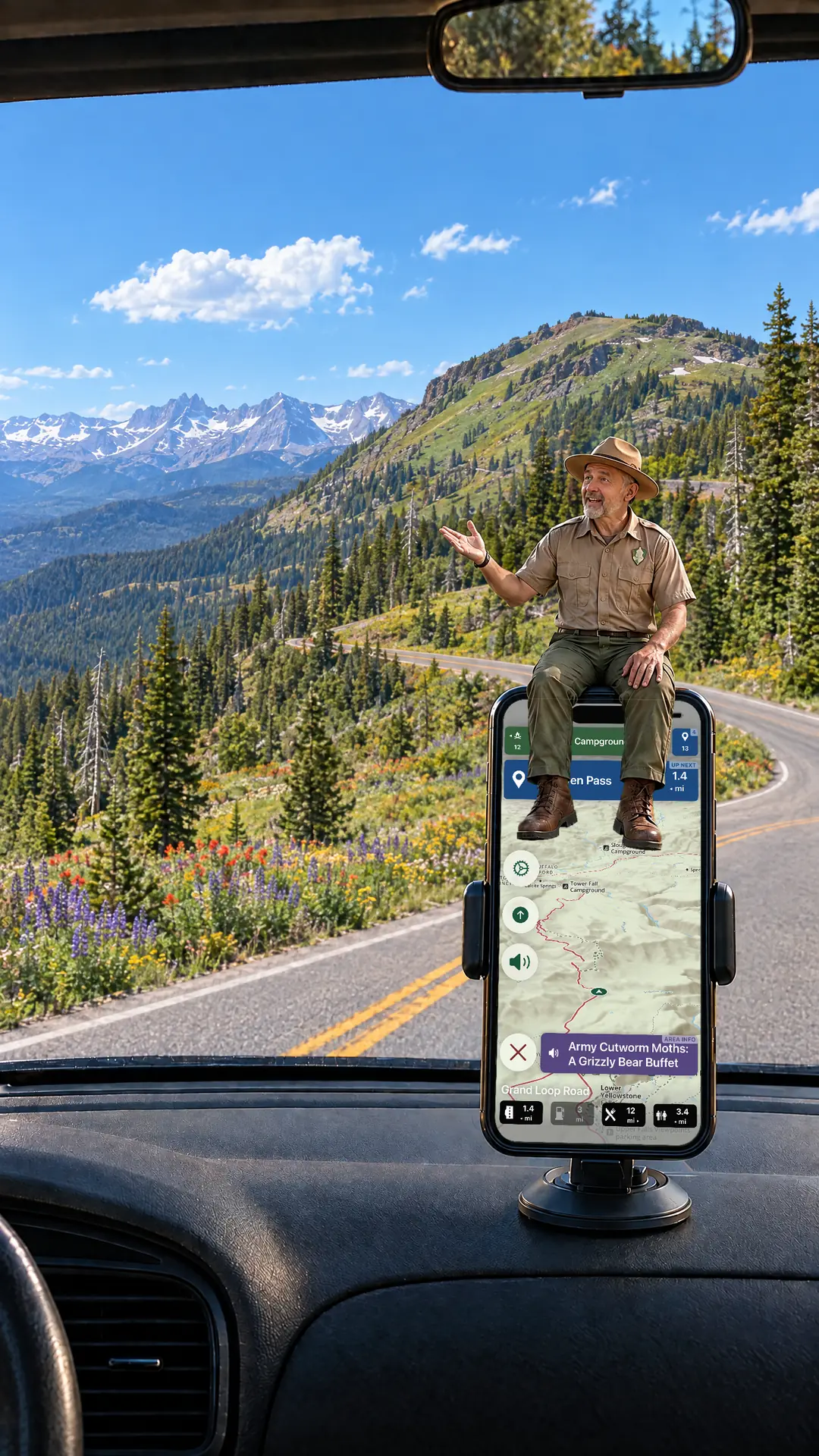
The highest, rockiest slopes around here are a summer buffet for grizzly bears.
Sequoia Tour Guide
Parkwolf is a GPS audio tour guide for Sequoia National Park. As you drive, it chimes in with what’s ahead: hidden gems, upcoming stops, history, geology, and wildlife, right through your car’s speakers.
See the Sequoia audio tourRecorded for this area
Pinewood Picnic Area“Pinewood Picnic Area is coming up, a shaded lunch stop between Giant Forest and Lodgepole, with drinking water and tables under the trees. Bring a meal if you'd like a proper break between sightseeing stops.”
Plays on the road 0.6 mi from the trailhead in the Parkwolf Sequoia Tour Guide.
More stories near here in the app
“…The kids and my husband and I all agree that the narration really added to our experience driving through the parks. We learned so much about the history and the flora & fauna.”


Trail guide
Rimrock Trail is a 1.24-mile, one-way dirt singletrack in Giant Forest, running from Rimrock Trailhead on Generals Highway southwest to an Alta Trail junction. It follows a wooded hillside beside the highway and crosses a burned section with fallen giant sequoias. Allow about 45–60 minutes one way. It is a short walk for seeing the grove’s fire effects, though traffic stays close and the trail ends at a junction rather than a loop.
From Rimrock Trailhead the route trends downhill about 465 feet overall, mostly on a gentle grade; walk it the other way for an uphill outing. The trail is narrow, so watch for the Alta junction and decide how you will return before setting out. From Giant Forest Museum, the Alta Trail connector reaches the lower Rimrock junction after a little over a tenth of a mile; that connector is outside the 1.24-mile figure, and the turn onto Rimrock can be easy to miss.
The path passes through burned forest and by several fallen giant sequoias, with other large trees still standing. The contrast makes the fire’s footprint visible along this short hillside walk. There is no summit or broad overlook at the end; the route joins Alta Trail.
Lincoln Tree stands at the Rimrock Trailhead end, just off the mapped path. For a phone photo, include the whole trunk and some neighboring conifers so the tree’s scale reads in the frame.
The northeast access is beside Generals Highway; NPS identifies a small parking area about two miles north of Giant Forest Museum. The southwest end meets Alta Trail near the museum area, so use a map to choose a return connection or retrace Rimrock. Pets are not allowed on park trails.
Wildlife
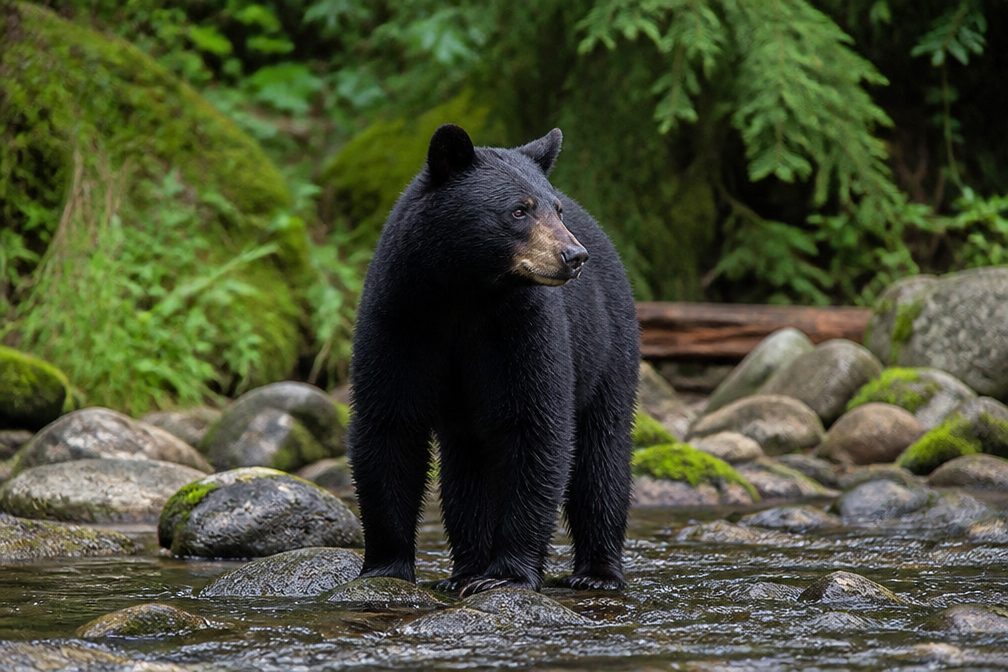 691 sightingsBlack BearMost seen around 6 PMSighting map
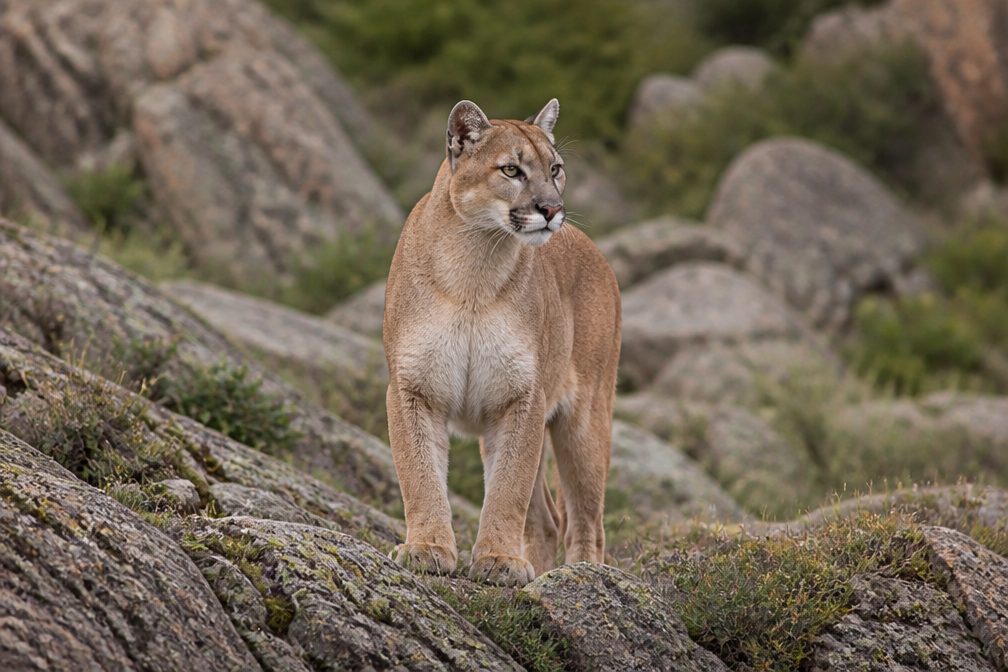 17 sightingsMountain LionMost seen around 6 AMSighting map
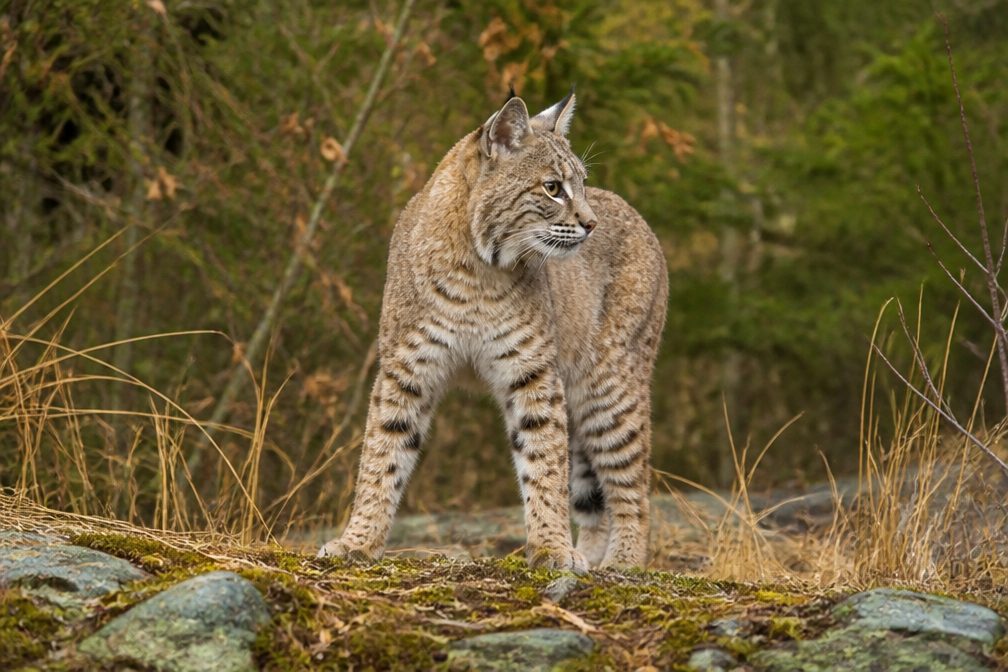 18 sightingsBobcatMost seen around 7 PMSighting map
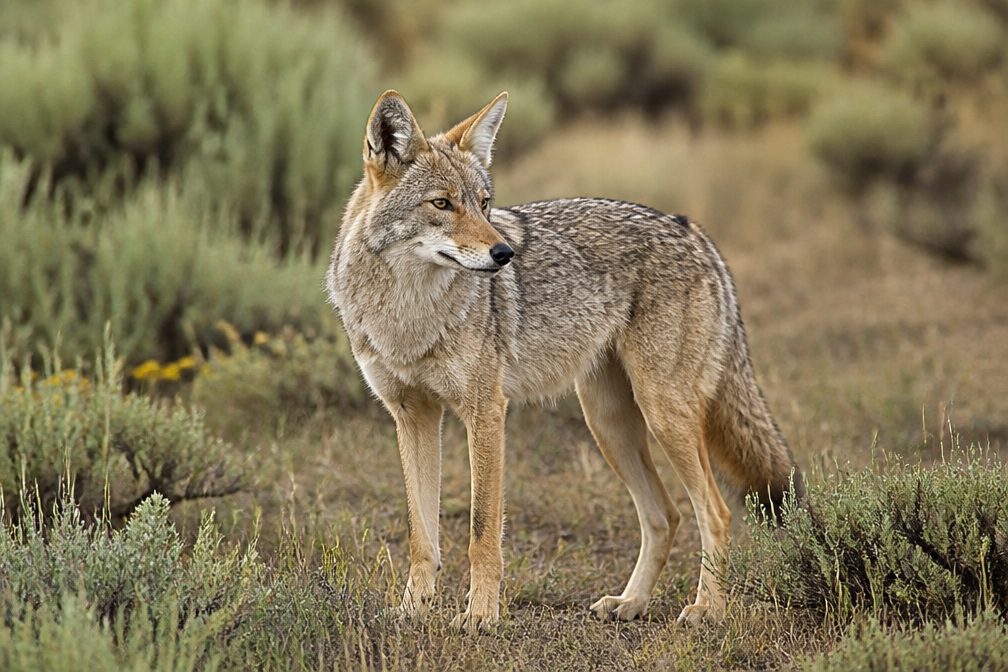 24 sightingsCoyoteMost seen around 7 PMSighting map
 15 sightingsGolden EagleMost seen around 11 AMSighting map
 20 sightingsSpotted OwlMost seen around 7 PMSighting map
Sighting maps show where each species has been reported across Sequoia. Wildlife moves, so no sighting is guaranteed.
Keep exploring
 EasyWashington Tree Trail1 mi · 45 min · 0.3 mi awayA short forest walk to a sequoia with a turbulent past.
 EasyHazelwood Nature Trail0.5 mi · 36 min · 0.7 mi awayA short loop for sequoias, meadow plants, and a creek footbridge.
 EasyHuckleberry Trail Loop4 mi · 2.5 hr · 0.7 mi awayA sequoia forest loop linking two meadows and a historic cabin.
 EasyBig Trees Trail0.7 mi · 1 hr · 0.8 mi awayA gentle circuit beneath sequoias, with the meadow at your feet.
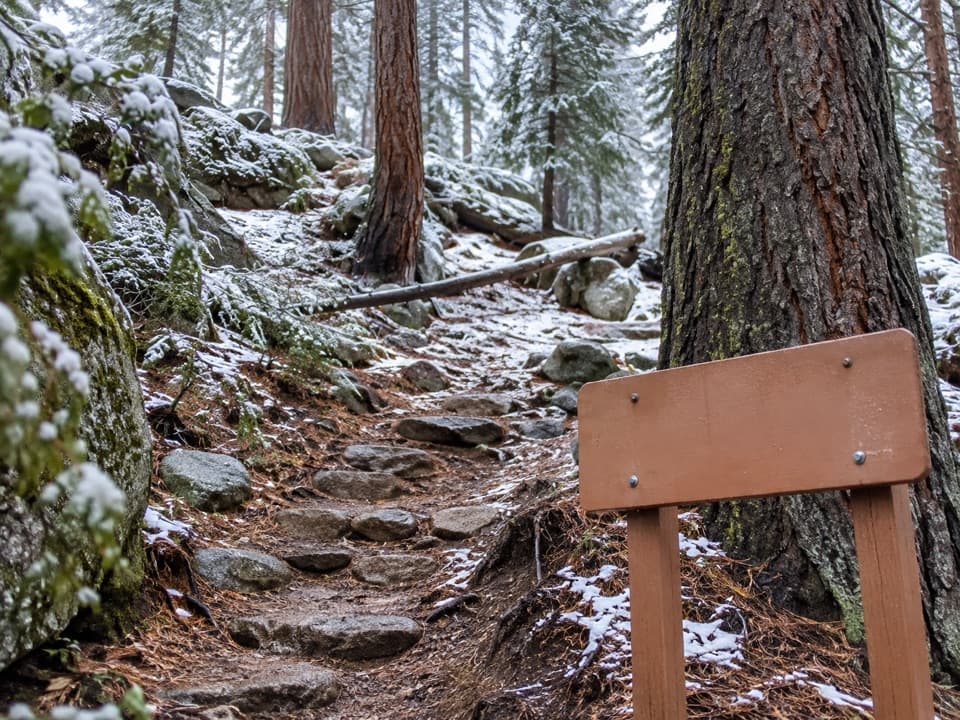 ModerateSoldiers Trail1.6 mi · 1.3 hr · 0.9 mi awayA short, steep sequoia walk ending at Moro Rock parking.
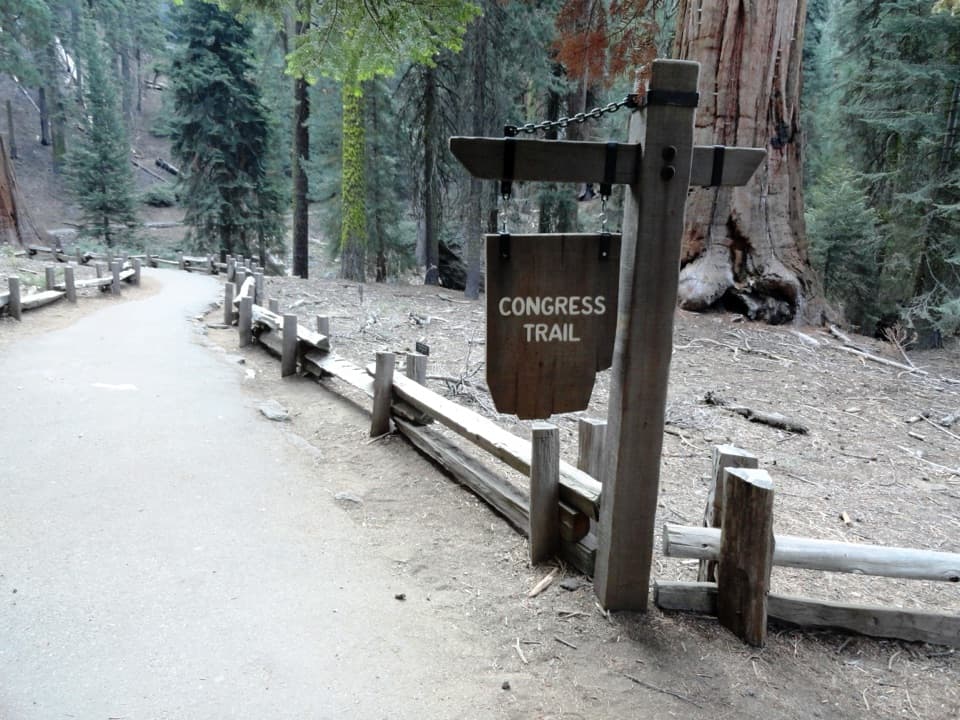 EasyCongress Trail2.7 mi · 2 hr · 1 mi awayPaved 2.7-mile loop past President Tree, House and Senate groves.
 ModerateGeneral Sherman Tree Trail1 mi · 45 min · 1 mi awayA stair-stepped descent reaches the world’s largest tree by volume.
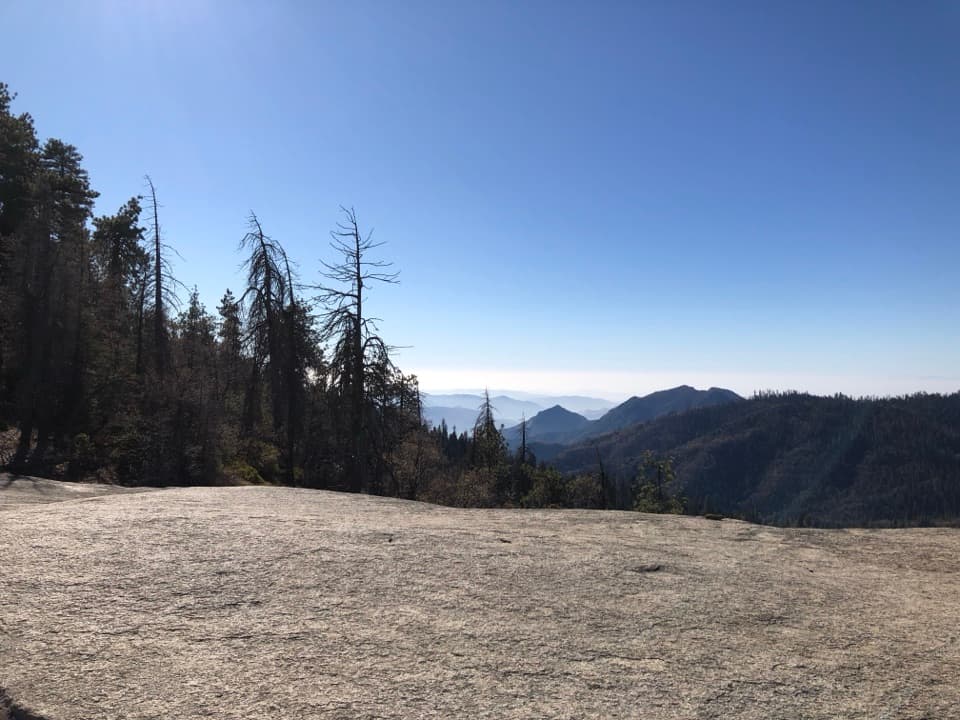 EasySunset Rock Trail1.4 mi · 1.5 hr · 1 mi awayA granite sunset perch over the forested Kaweah canyon
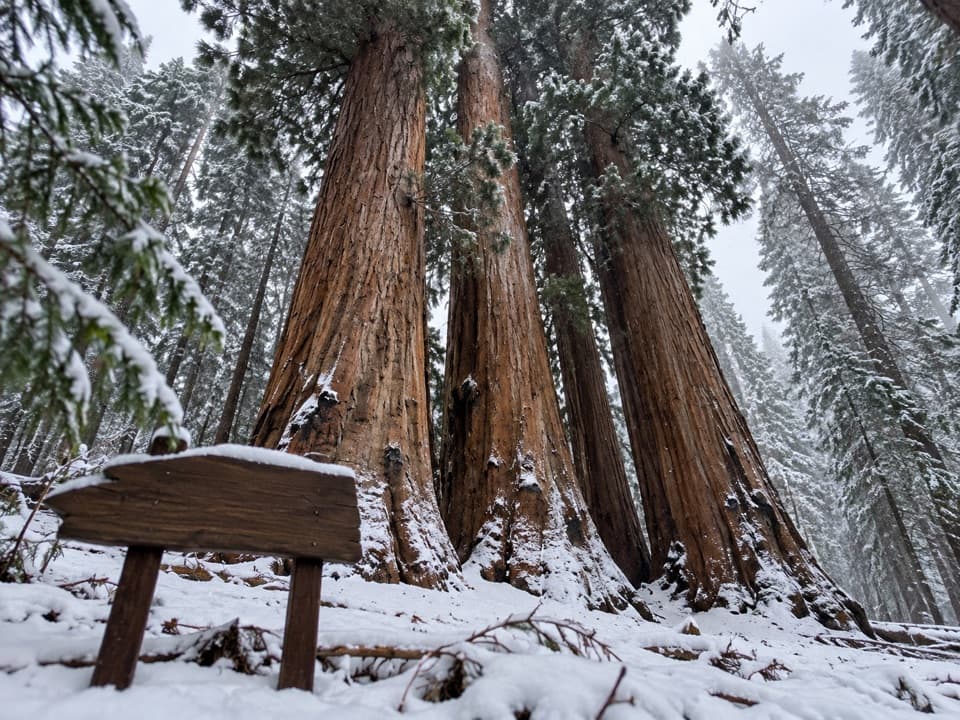 Sight · 0.3 mi awayThe HouseNamed for Congress, ringed by towering sequoia trunks.
 Sight · 0.4 mi awayPresident TreeOne of the world's largest sequoias, reached on Congress Trail.
 Sight · 0.4 mi awayThe SenateSeveral giant sequoias gather along the Congress Trail.
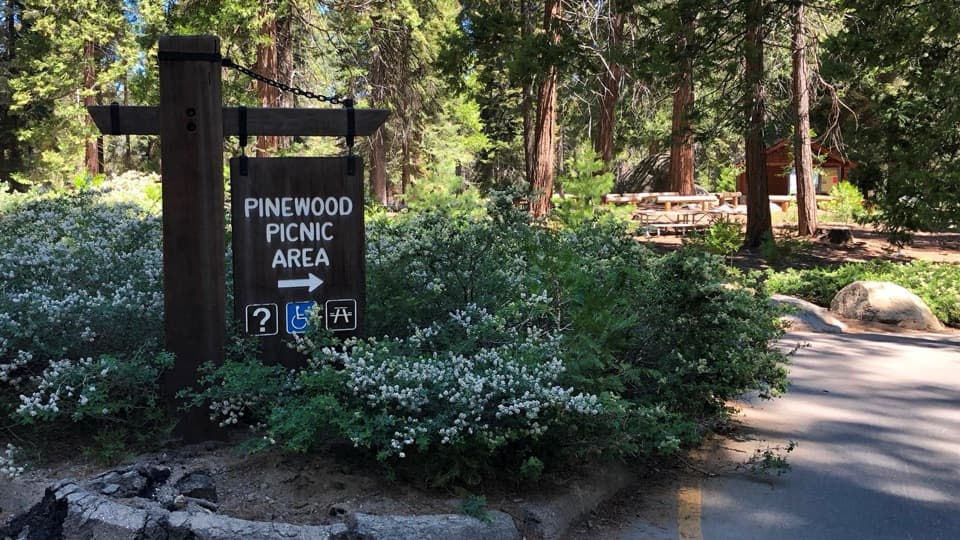 Picnic area · 0.6 mi awayPinewood Picnic AreaA shaded lunch break between Giant Forest and Lodgepole.Sight · 0.7 mi awayGeneral Sherman TreeSee the world's largest tree by trunk volume up close
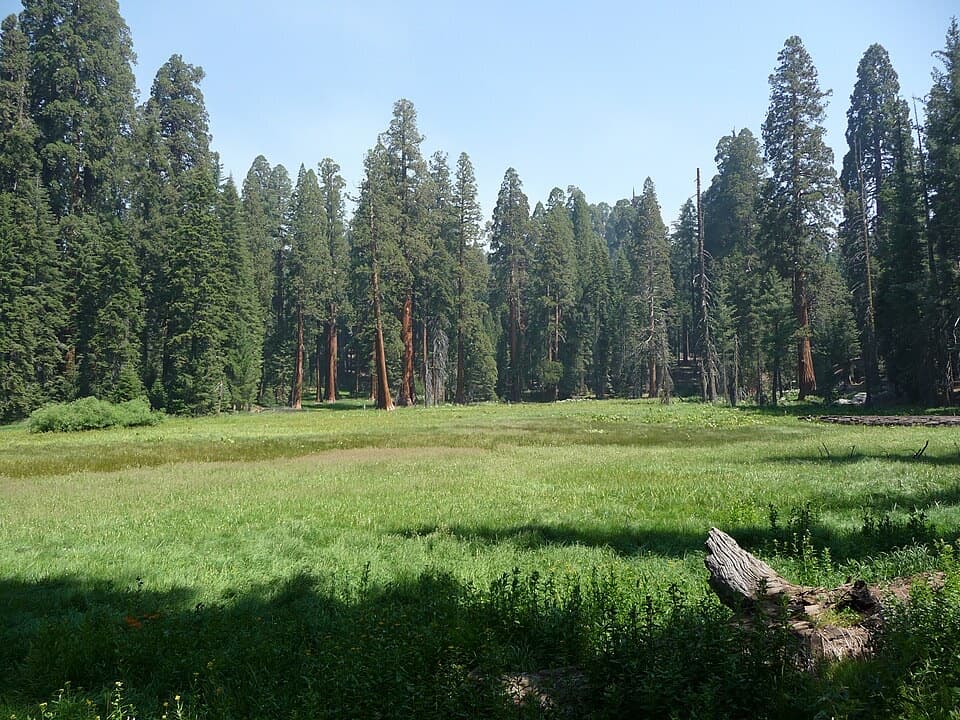 Sight · 0.8 mi awayRound MeadowAn easy paved loop, with meadow views framed by giant sequoias.Sight · 0.9 mi awaySquatters CabinA tiny log cabin anchors a larger Kaweah Colony story.
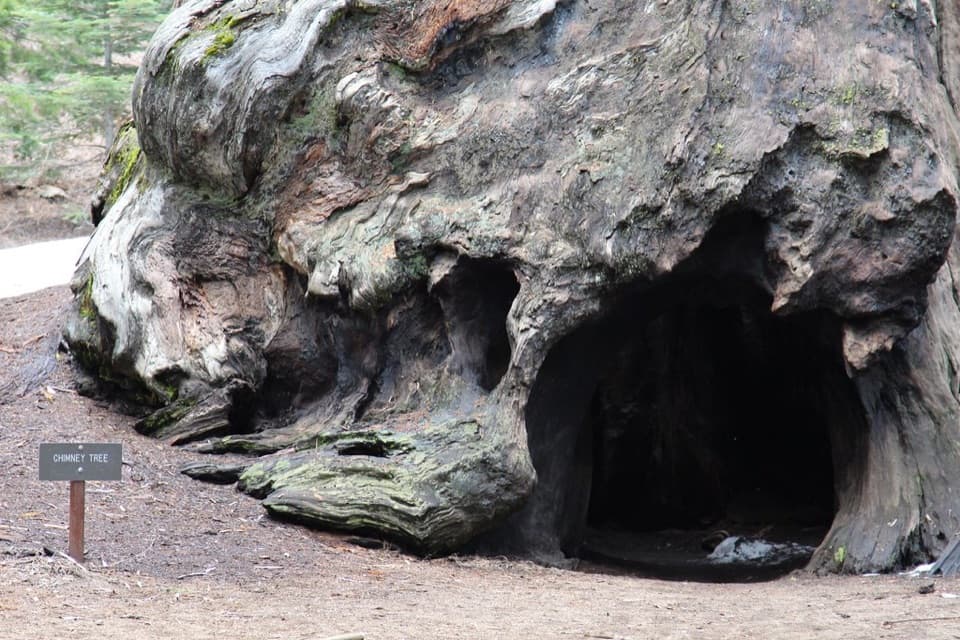 Sight · 1 mi awayChimney TreeStep inside the hollow left by a 1914 fire.
Parkwolf’s Sequoia ranking

The audio tour guide for the drive, plus offline maps, trails, and wildlife heatmaps for when the signal drops.