Round Meadow

Sequoias ring a lush meadow on an easy interpretive loop
Round Meadow, Sequoia National Park
InsideSequoia National Park

Overview

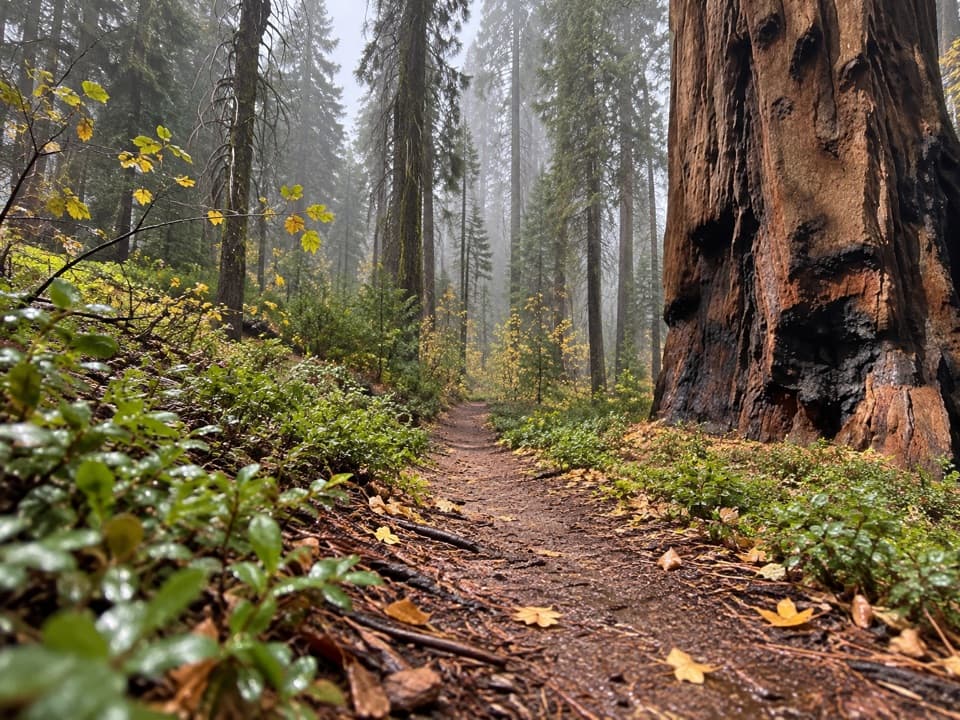
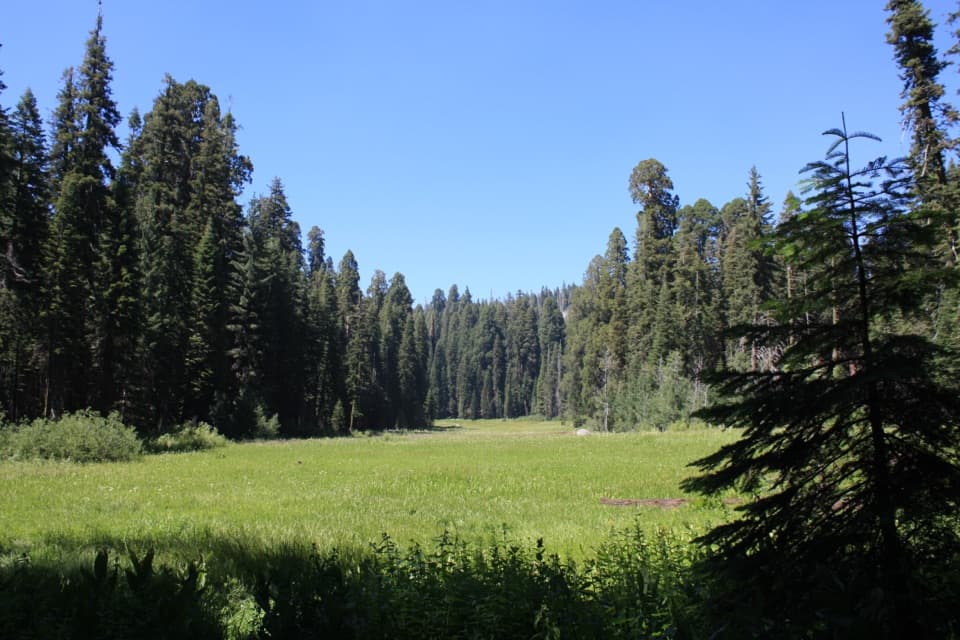
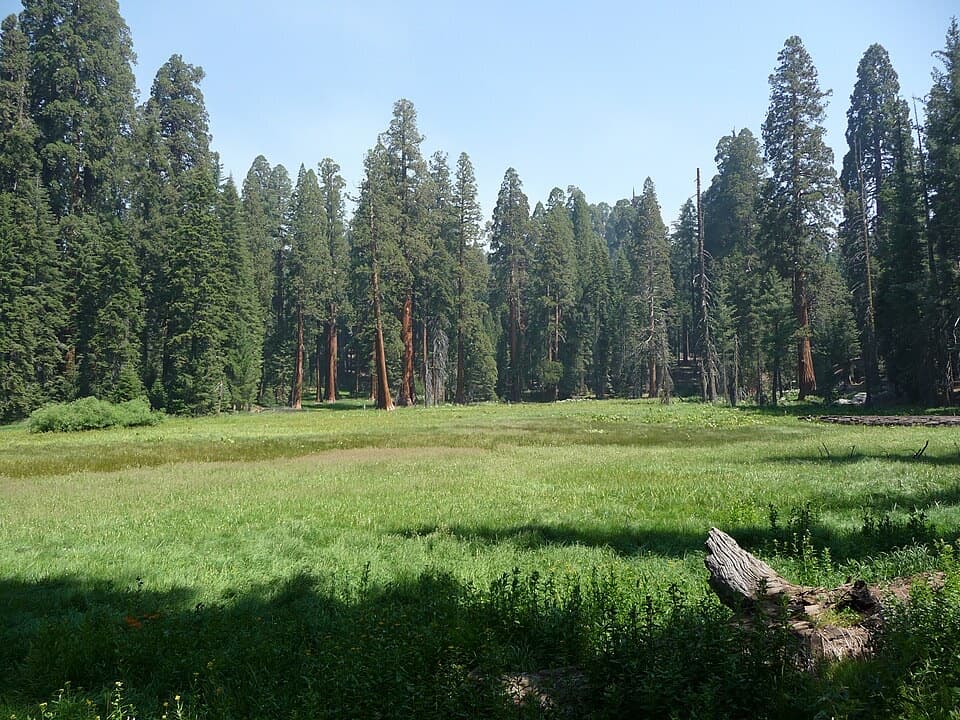
Round Meadow is a classic Giant Forest scene: a green, wildlife‑friendly meadow ringed by massive sequoias, circled by the easy Big Trees Trail. The loop mixes pavement and short boardwalks through wetter spots, with interpretive signs explaining why sequoias thrive here—think water, soil, sun, and fire. It’s a mellow walk with big payoff.

What You’ll See

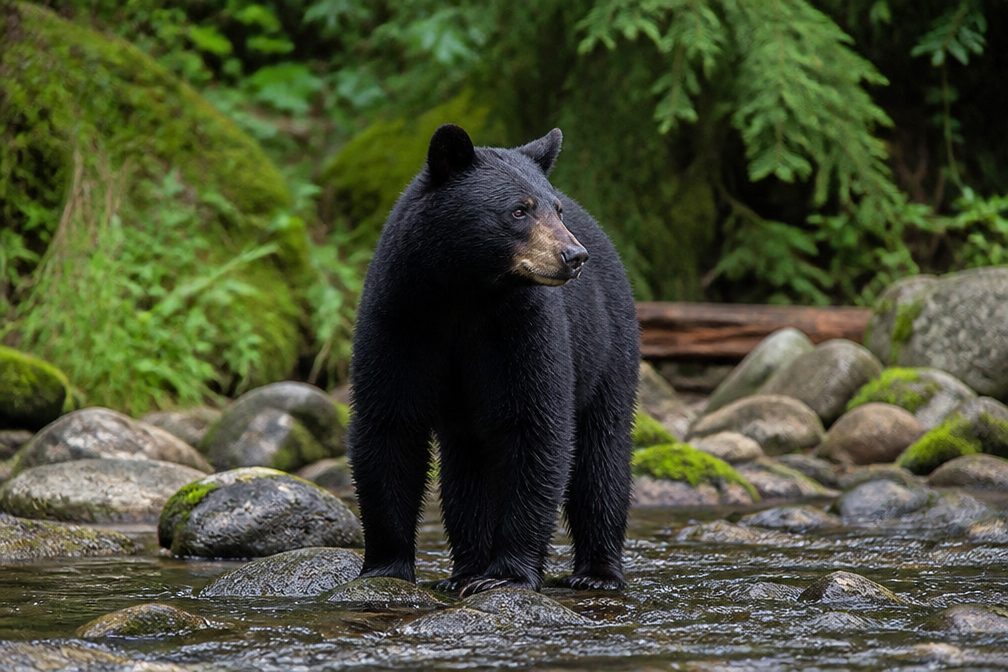
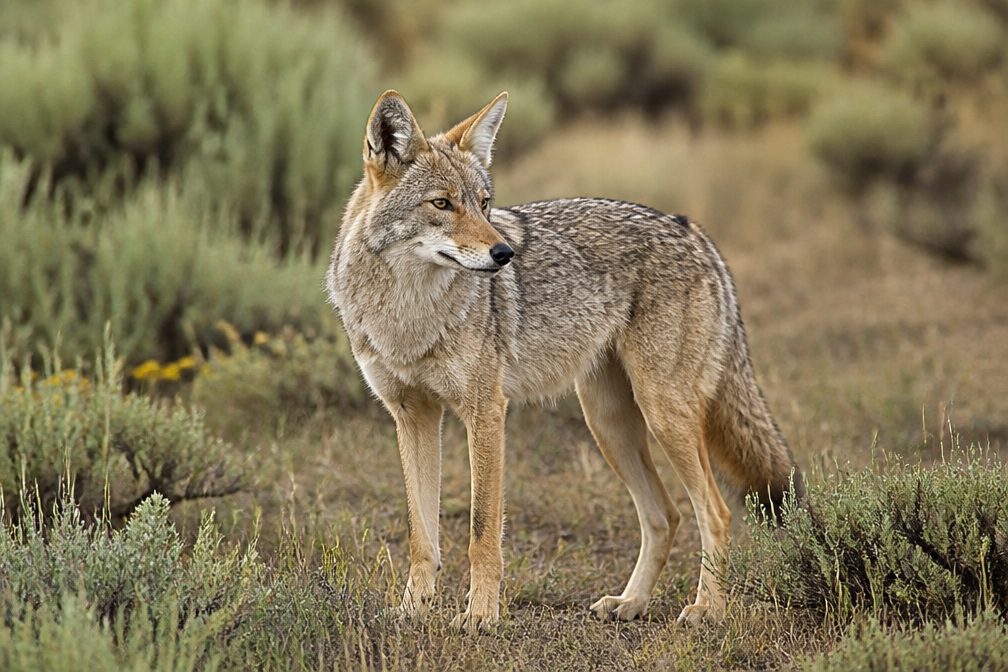
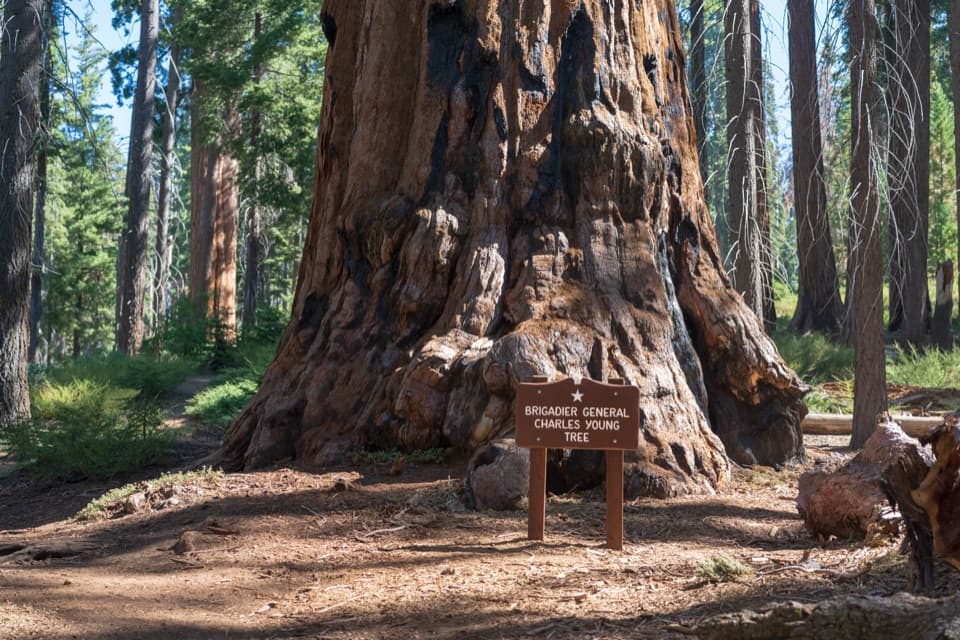
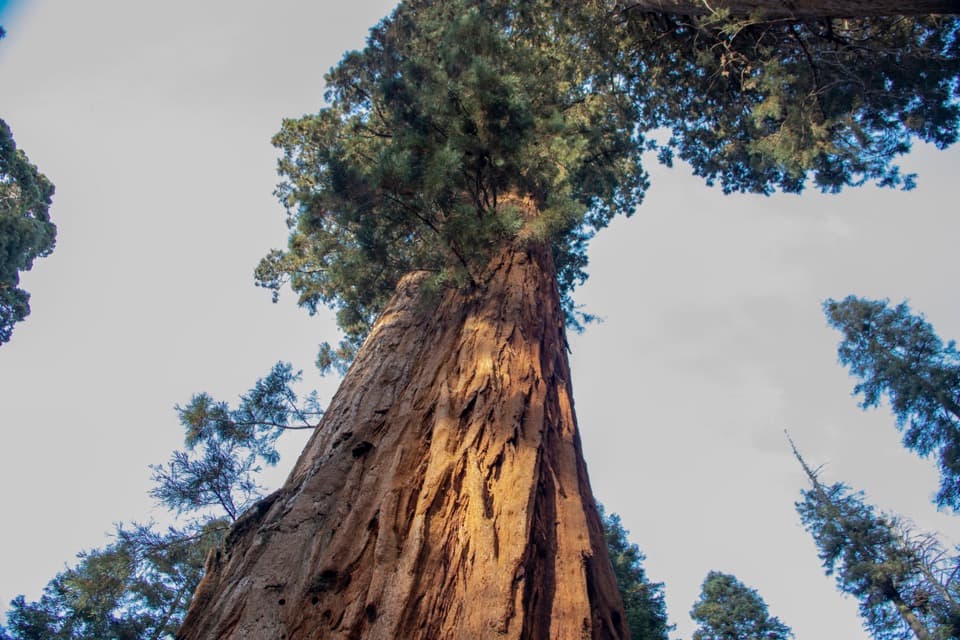
Expect meadow views framed by towering sequoias, with spring dogwoods blooming white and turning golden in fall. Look for deer grazing the edges and, with luck, black bears moving through—give them plenty of space and never approach or feed wildlife. You’ll also pass the base of a toppled sequoia that once crushed the park superintendent’s house—a memorable reminder of nature’s scale.

Routes and Easy Add‑Ons

  • Big Trees Trail: The main, mostly flat loop encircling Round Meadow—great for families and first‑timers.
  • Hazelwood Nature Trail: A gentle forest path that connects near the meadow; a pleasant extension among dogwoods and sequoias.
  • Circle Meadow + Congress/General Sherman: Turn your stroll into a longer, family‑friendly tour linking marquee trees and historic spots; go early to avoid crowds and bring water.
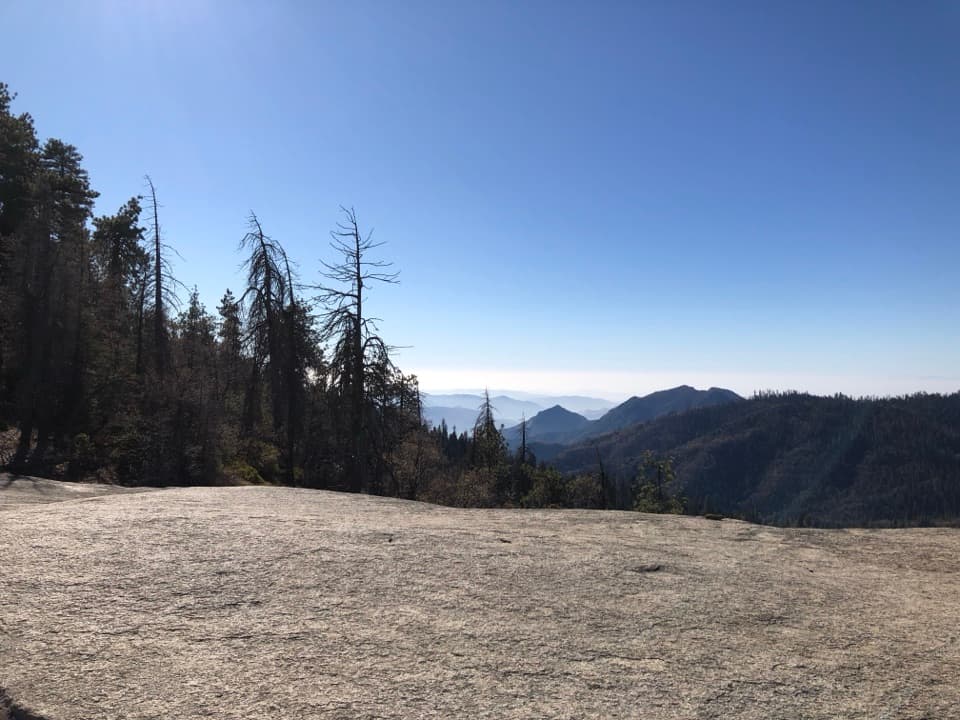
  • Sunset Rock: From the junction near the bridge by Round Meadow, a short out‑and‑back (about 0.7 miles) leads to a broad granite perch with sweeping views; note a ridge can block the literal sunset in late spring and early summer.

Getting There & Parking

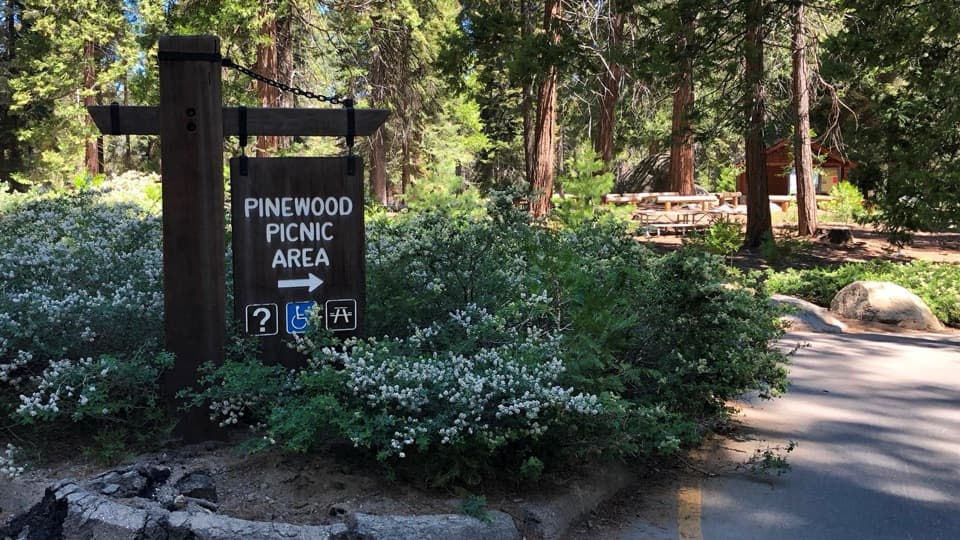
The small lot at Round Meadow is reserved for disabled parking. Most visitors park at the Giant Forest Museum or ride the seasonal shuttle. There’s also a tiny pullout uphill on Generals Highway that locals use to access Hazelwood—expect it to fill fast on busy days. In winter, roads can close and chains may be required; always check conditions.

History in the Grove

Round Meadow was once the hub of Giant Forest development. A tent camp grew into the Giant Forest Lodge complex beside the meadow, with cabins and extensive facilities woven among the big trees. As science and policy shifted toward restoring natural conditions, the entire complex was removed in 1997–98, relocating lodging out of the grove to protect sequoia roots and meadow hydrology. Today, you’re walking a landscape deliberately returned to something closer to what sequoias need.

Etiquette & Safety

Meadows are sensitive wetlands—stay on pavement and boardwalks to protect fragile soils and water flow. Keep food secured and never feed animals. The grove sits around 6,000–7,000 feet; even short walks can feel a bit harder, so pace yourself and hydrate.

Best Time to Visit

  • Light and crowds: Go early or late for soft light and fewer people; midday is the busiest, especially near the Congress and General Sherman areas.
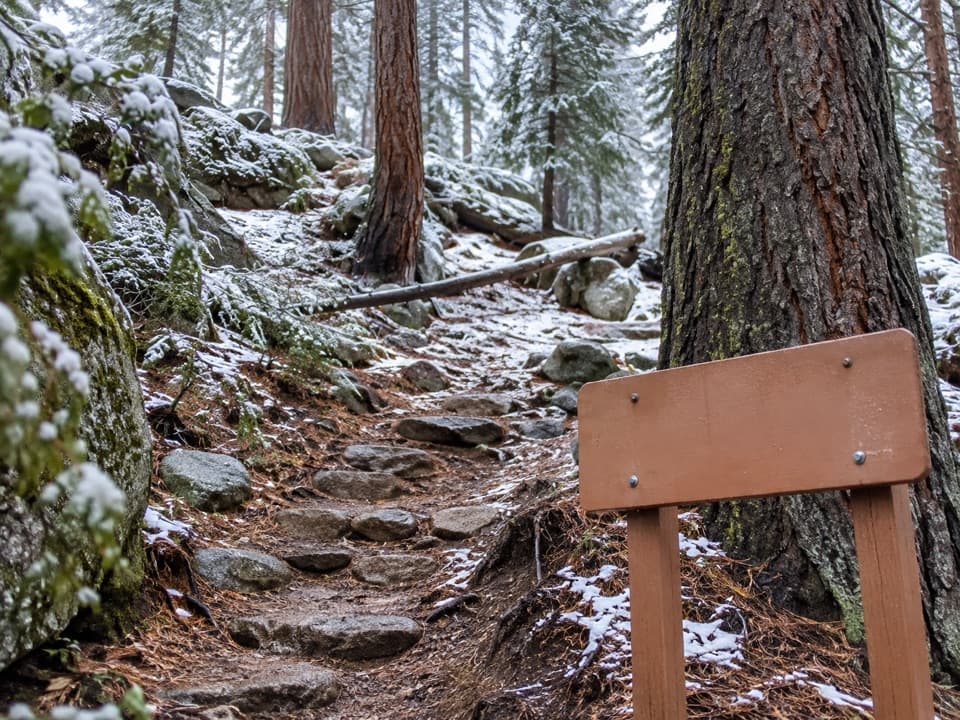
  • Seasonal highlights: Spring brings dogwood blooms; fall brings yellow foliage and crisp air. Dawn and dusk are best for wildlife sightings. Winter can be magical but requires close attention to road conditions.

Pros

  • Easy, mostly paved loop with interpretive signs around a lush meadow
  • Simple add‑ons to Hazelwood, Congress, and other Giant Forest highlights

Cons

  • Parking at the meadow is limited; most visitors use the museum lot or shuttle
  • Midday summer crowds; winter storms can close roads and require tire chains

Tips

  • Park at Giant Forest Museum or ride the shuttle in peak season.
  • Go early or late for soft light, cooler temps, and fewer people.
  • Stay on pavement and boardwalks—meadows are fragile and easily damaged.
  • Link your stroll to Sunset Rock for a wide‑open granite viewpoint.
  • Expect altitude around 6–7k feet; carry water and sun protection.
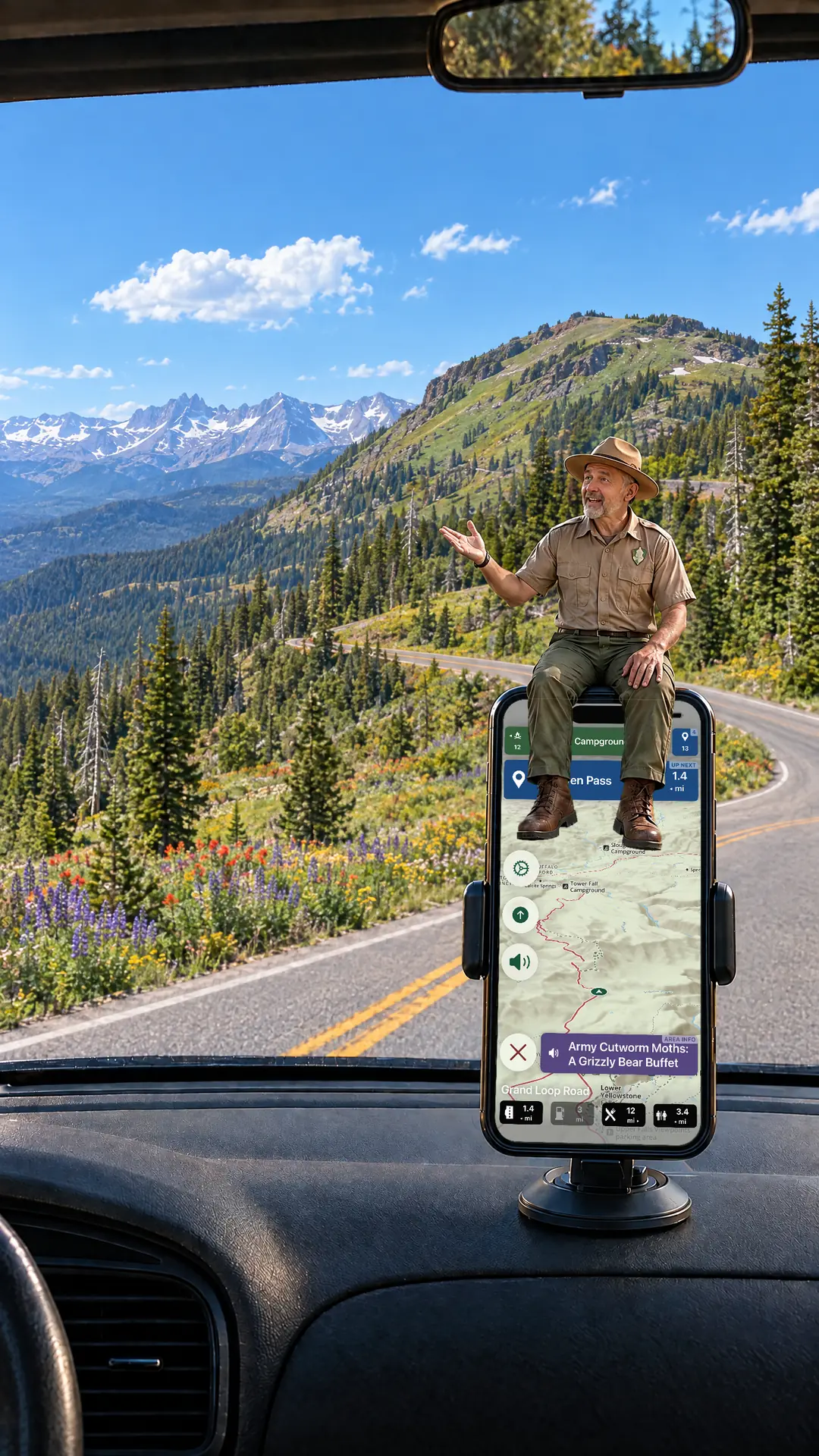
The Parkwolf tour guide sitting on a phone mounted in a car

Parkwolf Tour Guide

Like a tour guide in your car.

Save the places you found around Sequoia, then let Parkwolf guide the drive between them.Download Parkwolf on the App Store