Overview
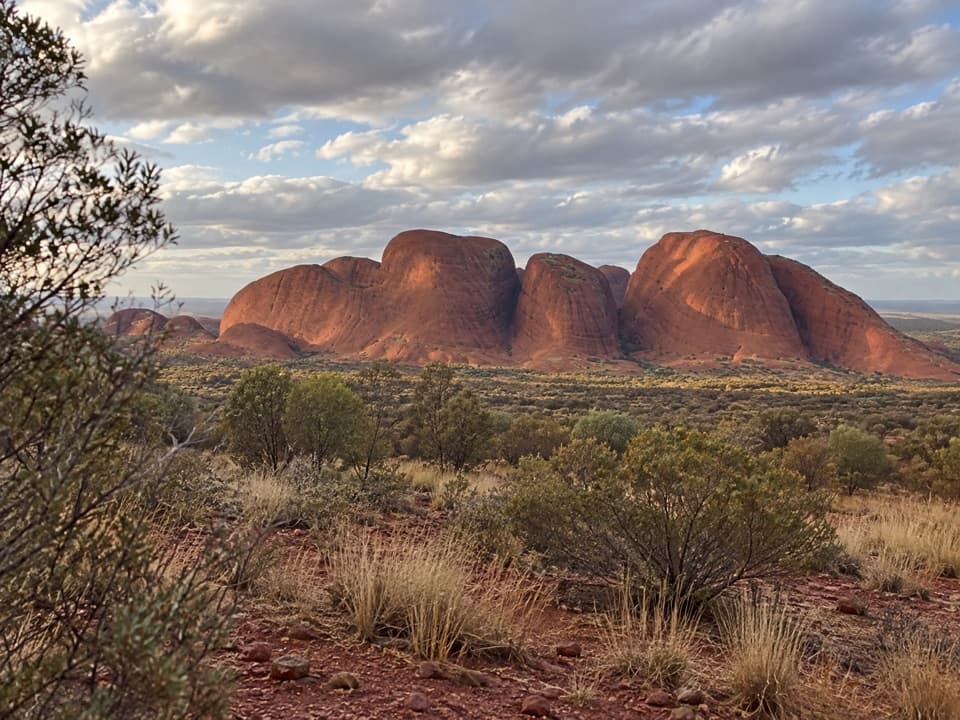
About Kata Tjuṯa Sunset Viewing Area
Heads up
- Usually busy at dusk, and foreground trees can interrupt parts of the view.
Map
Where it is

The highest, rockiest slopes around here are a summer buffet for grizzly bears.
Uluru-Kata Tjuta Tour Guide
Your drive to Kata Tjuṯa Sunset Viewing Area, narrated.
Parkwolf is a GPS audio tour guide for Uluru-Kata Tjuta National Park. As you drive, it chimes in with what’s ahead: hidden gems, upcoming stops, history, geology, and wildlife, right through your car’s speakers.
See the Uluru-Kata Tjuta audio tourRecorded for this place
Kata Tjuṯa Sunset Viewing Area: Bring Dinner“You're coming up on the Kata Tjuṯa Sunset Viewing Area, a picnic stop on the western side of the domes. If you've brought dinner, this is a good place to settle in and watch the evening light change across the rock.”
Plays as you drive up to Kata Tjuṯa Sunset Viewing Area in the Parkwolf Uluru-Kata Tjuta Tour Guide.
More stories near here in the app
- Waḻpa Gorge: Between the Domes
- Valley of the Winds: Choose Your Walk
- Why the Hotels Moved
- A Calendar You Can Notice
- 40 audio storiesacross Uluru-Kata Tjuta’s roads, triggered by GPS as you drive
- Wildlife heatmapsfor Dromedary Camel, Black-breasted Kite, Brown Falcon, and 13 more
- Works offlinemaps, 15 trails, 28 places, and audio download before you lose signal
- CarPlay readysimple controls built for the drive
“Fantastic app with many points of information… It’s great to just turn on while you’re driving and it gives you an audio tour of the national Park. We love it!!!!”


Guide
More about Kata Tjuṯa Sunset Viewing Area
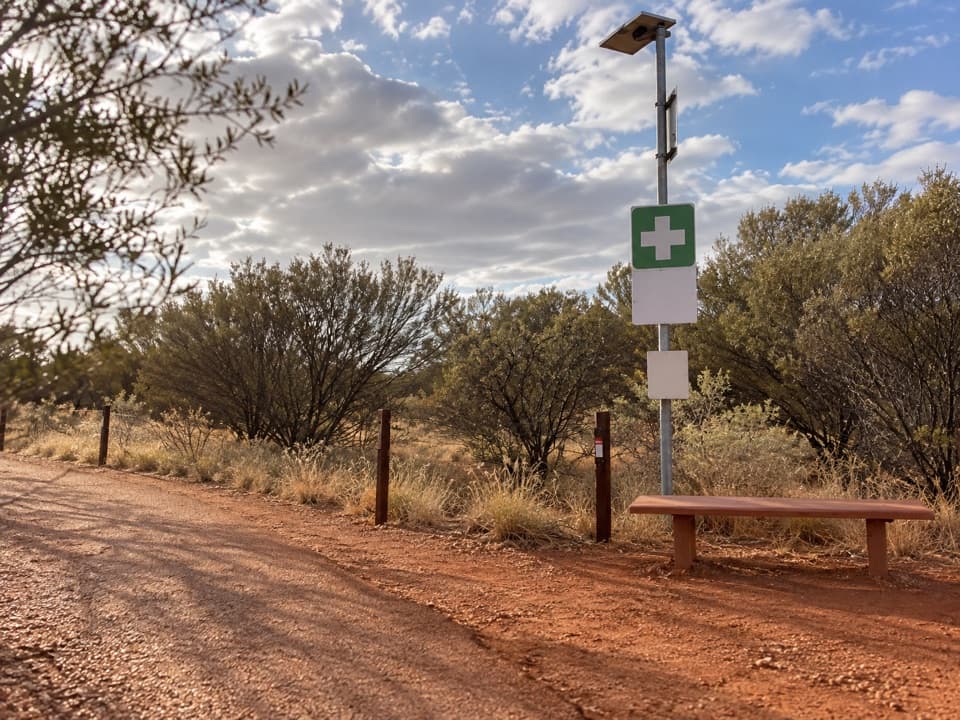
Settle in for the color changeKata Tjuṯa Sunset Viewing Area is a roadside picnic stop on the western side of the domes,…
Kata Tjuṯa Sunset Viewing Area is a roadside picnic stop on the western side of the domes, about a 40-minute drive from Yulara. Bring dinner and give the 36 domes time to shift from pink to deep red as the sun drops. It’s usually busy at dusk; for a quieter sunset, Waḻpa Gorge’s trackside benches are generally empty then.
Pack dinner and plan the drive backThis is a picnic area, not a place to buy a meal.
This is a picnic area, not a place to buy a meal. Water and toilets are listed, and the area is marked for wheelchair access. You need to be outside the park by its daily closing time, which changes through the year, so check the schedule before leaving Yulara.
Frame at least three domesAṉangu ask visitors to keep at least three domes in photos from this location so sacred places…
Aṉangu ask visitors to keep at least three domes in photos from this location so sacred places aren’t revealed. Foreground trees can interrupt parts of the view from some spots, so don’t count on an entirely open panorama at every angle.
Many heads on the plainKata Tjuṯa means “many heads.”
Kata Tjuṯa means “many heads.” Its domes cover more than 20 square kilometres, and the tallest rises 546 metres above the plain. They’re made of conglomerate, a rock formed from rounded stones cemented together. The formations are an extremely important site for Aṉangu men; the stories and cultural knowledge connected with them aren’t shared with visitors.
Wildlife
Wildlife in Uluru-Kata Tjuta
 32 sightingsDromedary CamelMost seen around 6 PMSighting map
 14 sightingsBlack-breasted KiteMost seen around 10 AMSighting map
 27 sightingsBrown FalconMost seen around 7 AMSighting map
 11 sightingsWestern Brown SnakeMost seen around 9 AMSighting map
 32 sightingsMain's FrogMost seen around 7 PMSighting map
 17 sightingsRed-backed KingfisherMost seen around 7 AMSighting map
Sighting maps show where each species has been reported across Uluru-Kata Tjuta. Wildlife moves, so no sighting is guaranteed.