Place · 3 mi away

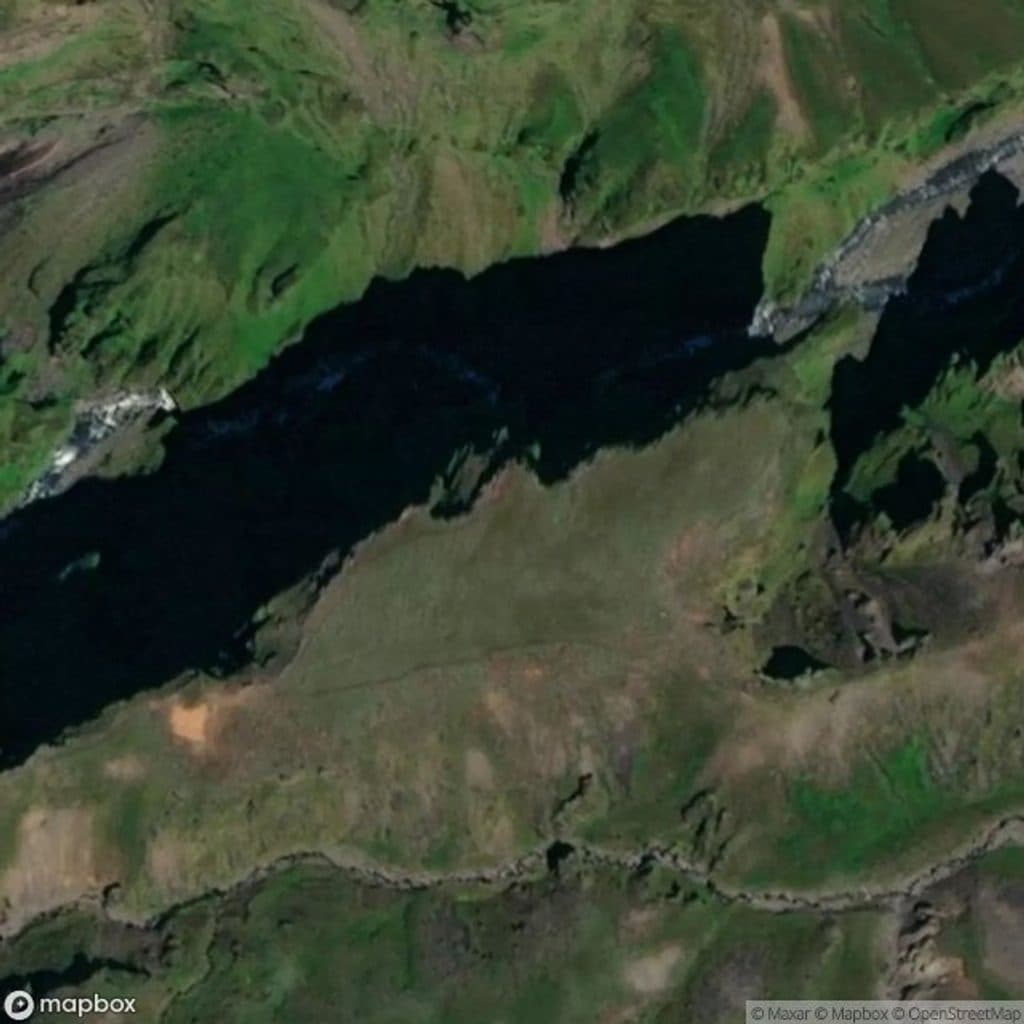
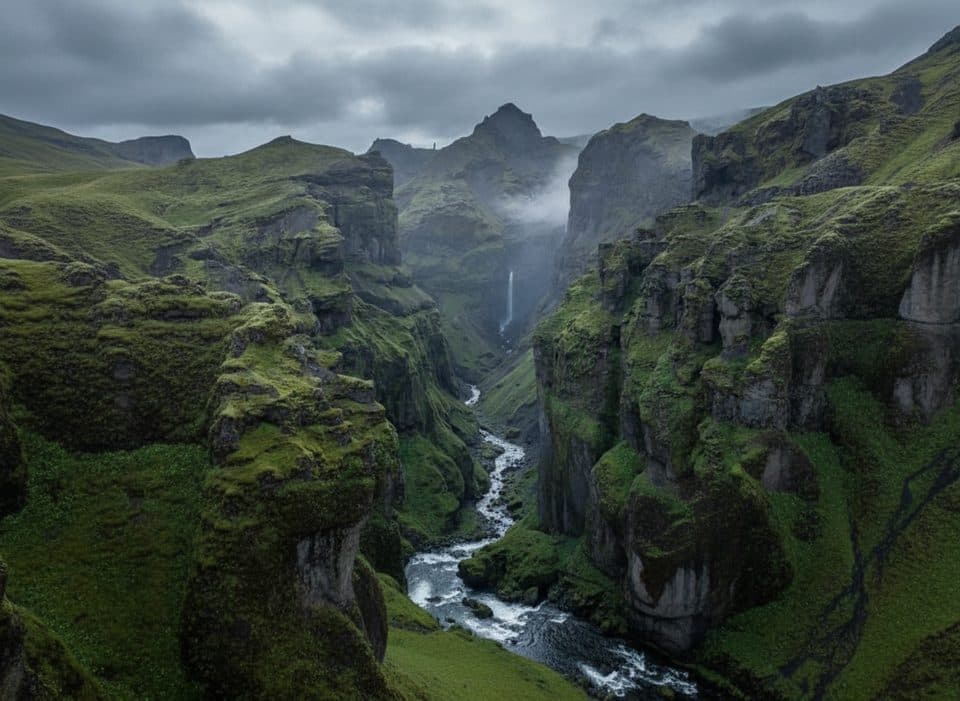
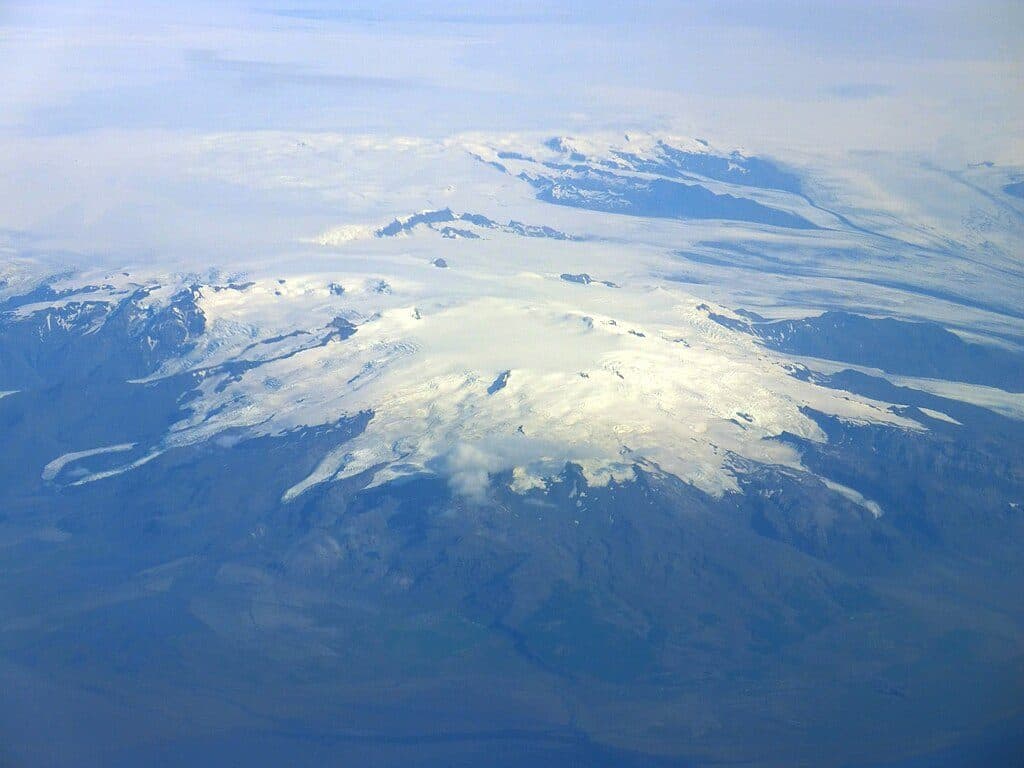
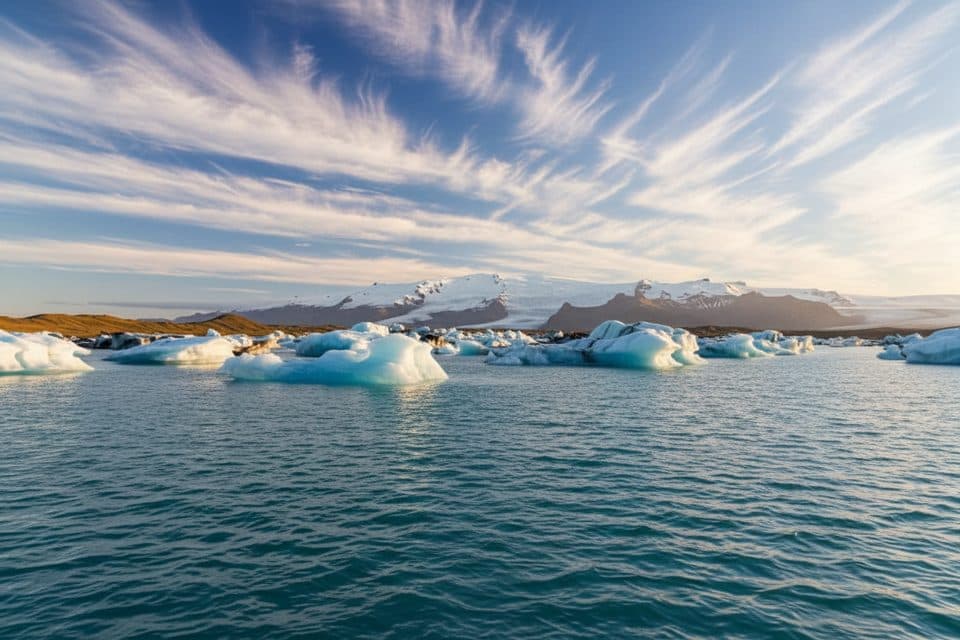
Kvíárjökull is a quieter outlet glacier on the south side of the ice cap—great if you want the drama of ice and mountains without the crowds. Expect a straightforward walk to the glacier foreland where you can read the landscape’s story in the ridges, hummocks, and braided streams carved by ice and meltwater.
Reviews describe this as a short and easy approach, roughly 30 minutes each way in calm conditions. In wet or muddy spells, expect a bit more effort and some rock-hopping. One traveler noted the small lagoon in front of the snout can look brown or partly thawed in early spring—season and weather matter a lot here.
This whole coastline is built by glaciers interacting with active volcanoes beneath the ice. Outburst floods (jökulhlaups) can quickly reshape channels and shorelines. Kvíárjökull is a front-row seat to that dynamism, and part of a UNESCO-listed landscape showcasing the ongoing dance between tectonics, volcanism, and ice.
Go in clear, calm weather for the best views of the glacier and foreland; fog can obscure the snout and surrounding peaks. There’s no timed entry here, and it’s typically quieter than the famous hotspots, so you can pick your moment around the day’s weather window.

Assume no services at the parking area. This spot is not listed among the region’s paid fee points; expect a small, likely unpaved pull-off, but always follow on-site signage as policies evolve. One local note mentions a road sign for Kvíamýrarkambur marking the turn and a short drive to parking.
Do not step onto glacier ice or approach any calving fronts without a certified guide—crevasses and icefall are real hazards. The foreland is dynamic; channels and shorelines can shift after rain or warm spells. Check park advisories for flood and road updates, dress for fast-changing weather, and wear waterproof layers and sturdy boots.
Life is patchy here: you’ll see more birds and vegetation on sheltered, greener slopes and wetland pockets than on the bare sandur. Treat these fragile areas gently and stay on existing footpaths where they exist.