Place · 2.3 mi away

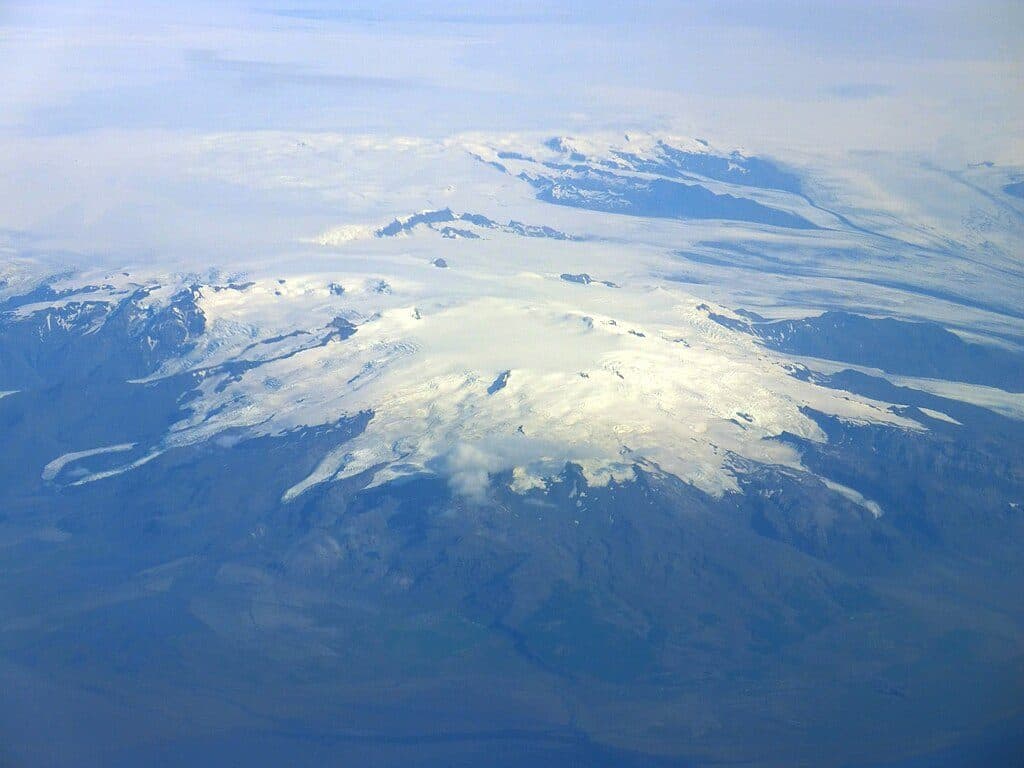
Öræfajökull is the ice-clad stratovolcano dominating the southern edge of the park, capped by Hvannadalshnjúkur (about 2,110 m), the highest point in Iceland. Its caldera lies hidden beneath the ice, and volcanic heat and subglacial activity have a way of reshaping this landscape—sometimes abruptly—through jökulhlaups (glacial outburst floods) and shifting ice.
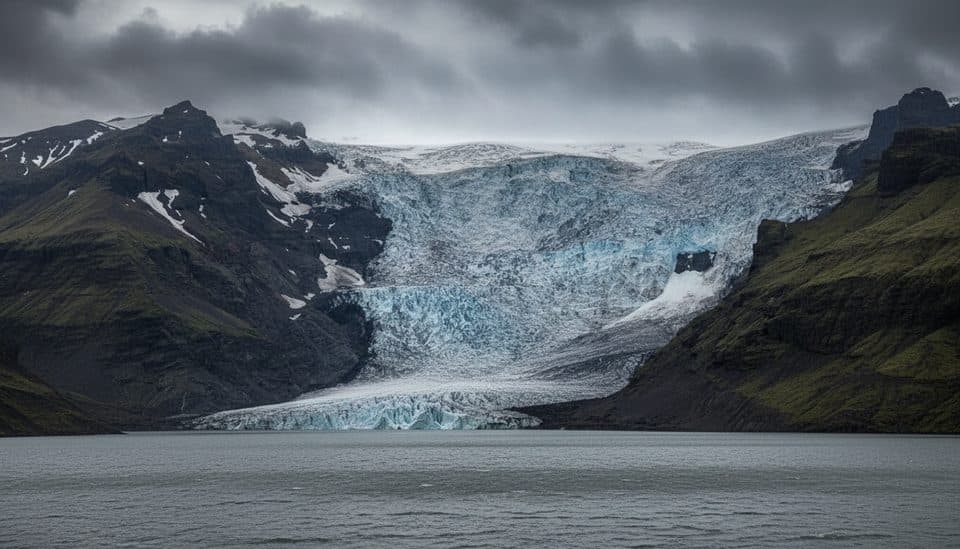
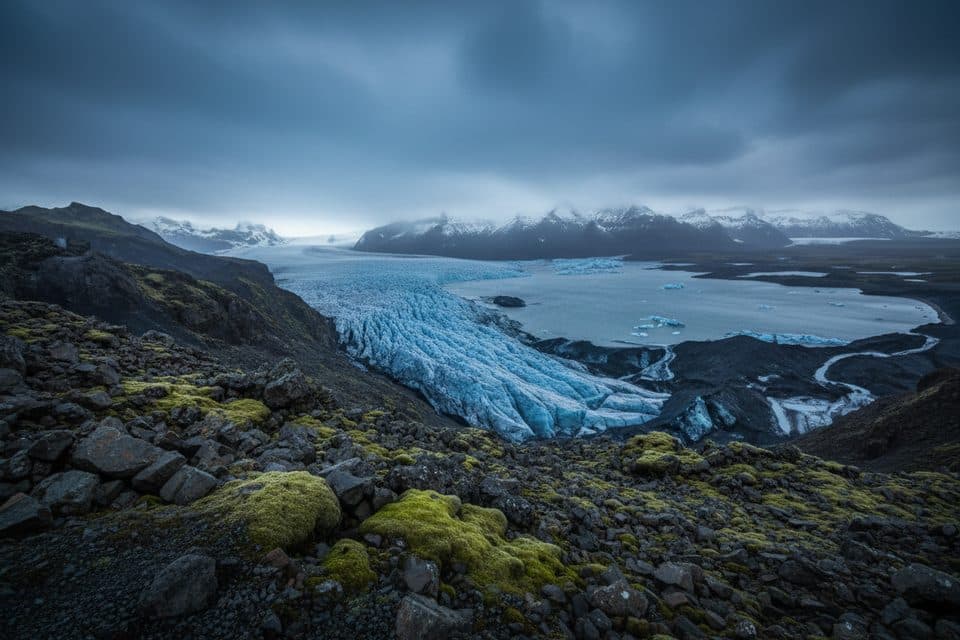
From roadside viewpoints and the Skaftafell area, you’ll scan a classic fire-and-ice scene: outlet glaciers pouring off the massif (like Falljökull) and textbook moraines marching across the forelands. On clear days, the summit dome and sprawling ice cap feel impossibly close; in minutes, fog can erase them. It’s a place to watch the earth at work in real time.
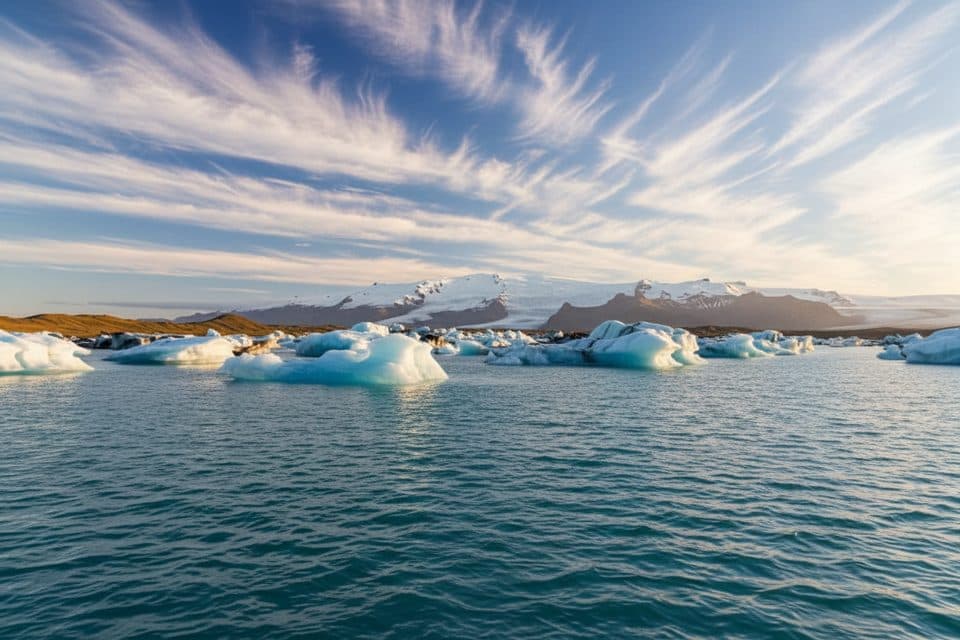
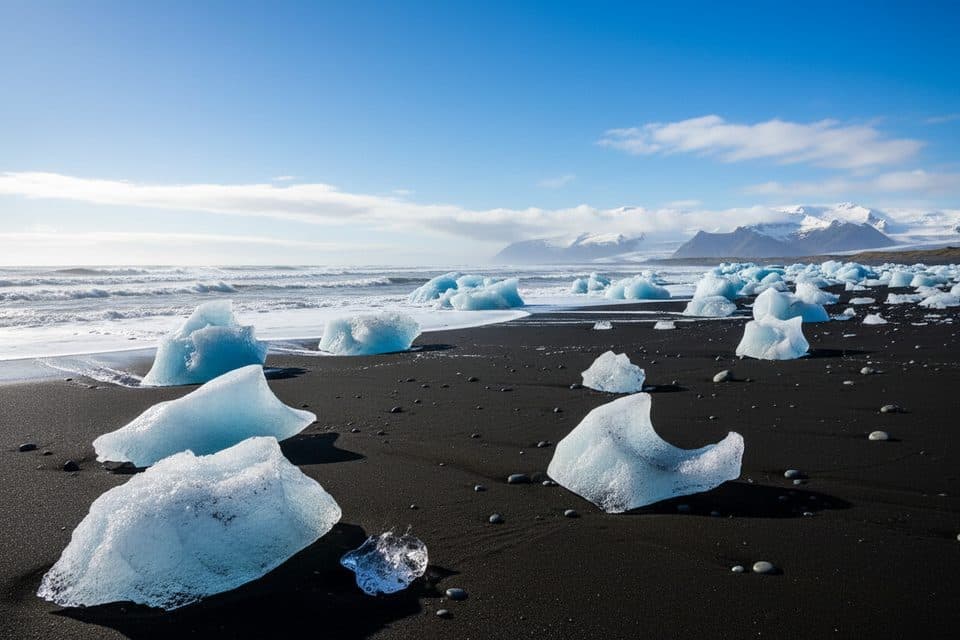
Most visitors treat Skaftafell as the base for exploring Öræfajökull’s flanks. Expect paid parking at major hubs and minimal-to-no facilities at smaller pull-offs; use restrooms and get trip updates at the main visitor areas before you venture out. The broader region also includes Fjallsárlón and Jökulsárlón—easy add‑ons for a full “glacier day.”
This is an active volcanic–glacial system. Terrain changes fast, crevasses open, and weather flips from sunny to socked-in without warning. Go with certified guides for any glacier travel, and always check official park advisories before committing to longer outings.
Glaciers here are retreating rapidly. Stick to marked paths, keep groups small, and leave the landscape as you found it—your restraint helps preserve the park’s wilderness feel.