Parking
Park at the Vikraborgir parking area at the end of F894. The marked hiking route begins at the road terminus; toilets are mapped nearby.
#3 of 16 trails in Vatnajökull
Vatnajökull National Park
Lunar walk from Vikraborgir to warm Víti crater views
Overview
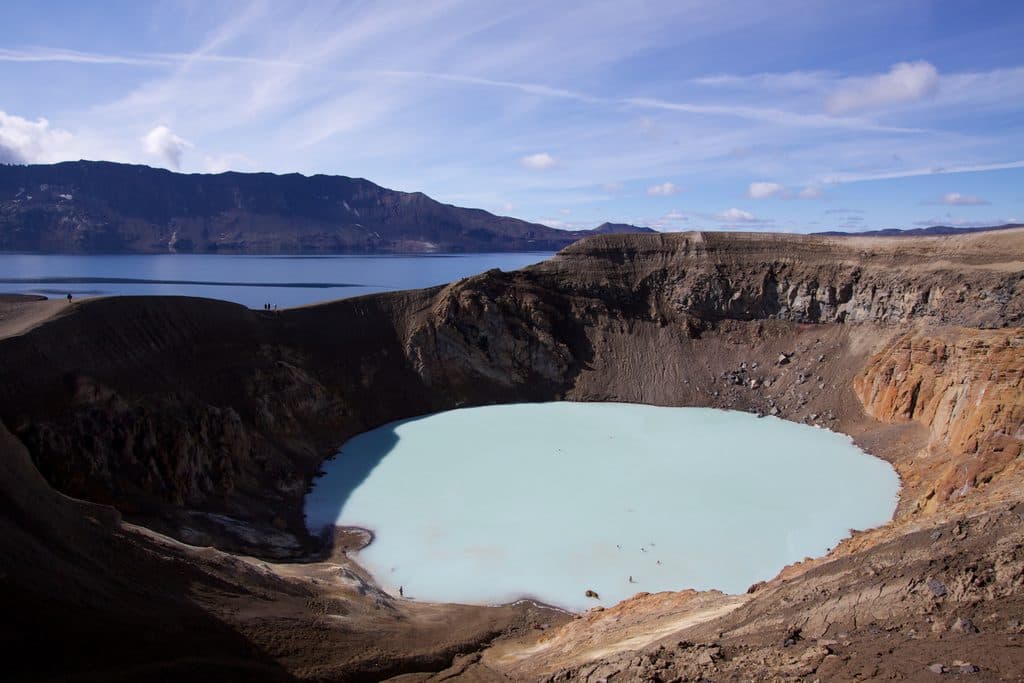
This marked highland walk crosses Askja’s stark lava-and-ash landscape to views of Víti and Öskjuvatn, with the route beginning at Vikraborgir Car Park at the end of F894. Expect big skies, volcanic terrain, and rapidly changing wind and weather.
Map & elevation
Plan your hike

The highest, rockiest slopes around here are a summer buffet for grizzly bears.
Vatnajökull Tour Guide
Parkwolf is a GPS audio tour guide for Vatnajökull National Park. As you drive, it chimes in with what’s ahead: hidden gems, upcoming stops, history, geology, and wildlife, right through your car’s speakers.
Recorded for this trailhead
Vikraborgir Trail: A Lunar Walk to a Warm Crater“The car park coming up is for the Vikraborgir trail, which is a really special hike. It’s an easy walk across a landscape that feels like it belongs on another planet, covered in black and red volcanic ash.”
Plays as you drive up to this trailhead in the Parkwolf Vatnajökull Tour Guide.
More stories near here in the app
“Fantastic app with many points of information… It’s great to just turn on while you’re driving and it gives you an audio tour of the national Park. We love it!!!!”


Trail guide
The stored line follows the mapped Vikraborgir–Víti/Öskjuvatn corridor south from the road terminus, including the short mapped approach around the crater viewpoint. It is an out-and-back: the corridor is about 1.6 miles one way and the visitor distance is about 3.2 miles round trip. Most hikers should allow about 1.5–2 hours. The official park classifies the A1 route as Easy, although loose ground and the optional descent into Víti require care. The descent is not needed to complete the walk.
Askja is a large subsidence caldera formed by volcanic activity. Öskjuvatn is Iceland’s deepest lake, while Víti is a smaller explosive crater formed during the 1875 eruption. The contrast between the milky geothermal crater and the deep blue lake creates the area’s distinctive lunar landscape.
Víti’s water may be warm, but the descent is steep and slippery when wet. Mud at the bottom can be hot, rockfall is possible around the crater edges, and bathing may be discouraged or restricted by on-site guidance. Follow posted signs and ranger instructions.
Wildlife
 22 sightingsGrey SealMost seen around 5 AMSighting map
 258 sightingsHarbor SealMost seen around 11 AMSighting map
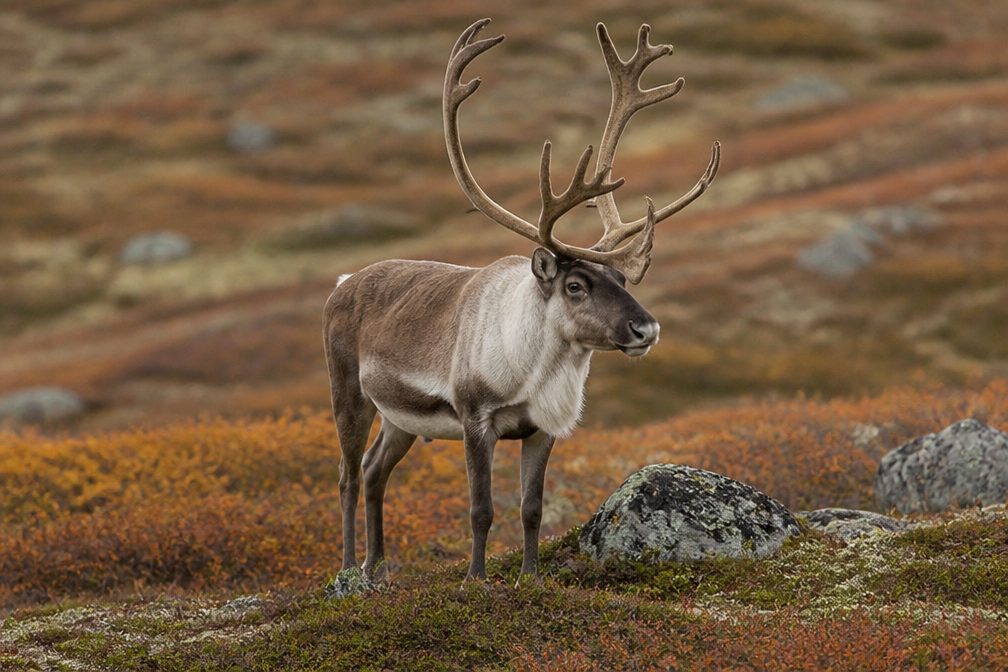 184 sightingsCaribouMost seen around 7 PMSighting map
 62 sightingsArctic FoxMost seen around 8 PMSighting map
 168 sightingsWhooper SwanMost seen around 5 PMSighting map
 68 sightingsAtlantic PuffinMost seen around 7 PMSighting map
Sighting maps show where each species has been reported across Vatnajökull. Wildlife moves, so no sighting is guaranteed.
Keep exploring
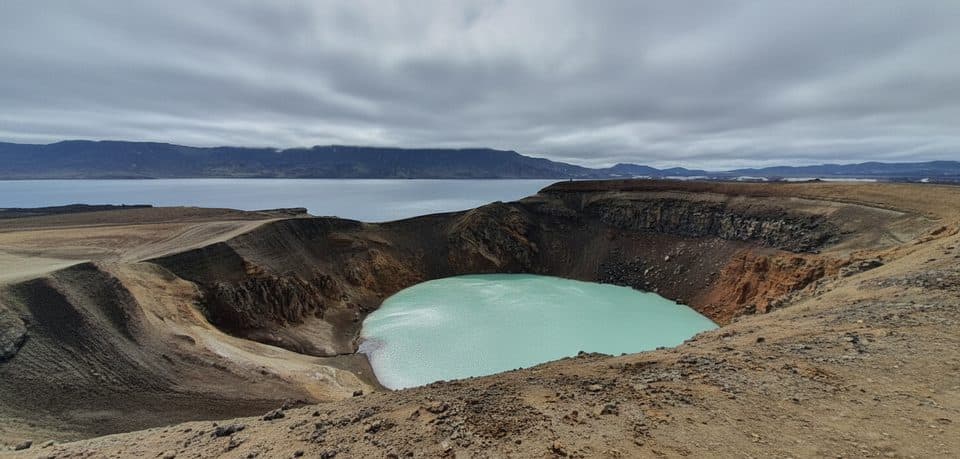 Sight · 2.2 km awayVíti CraterTurquoise geothermal crater pool in Askja’s otherworldly lava desert
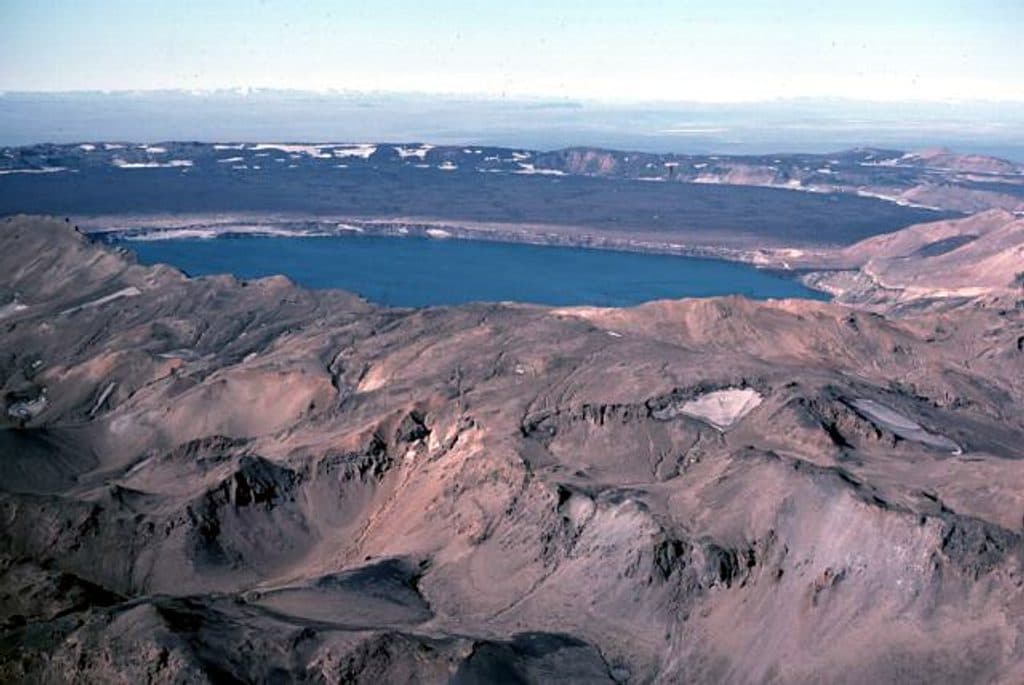 Sight · 3.9 km awayÖskjuvatnRemote caldera lake with stark, otherworldly Askja scenery
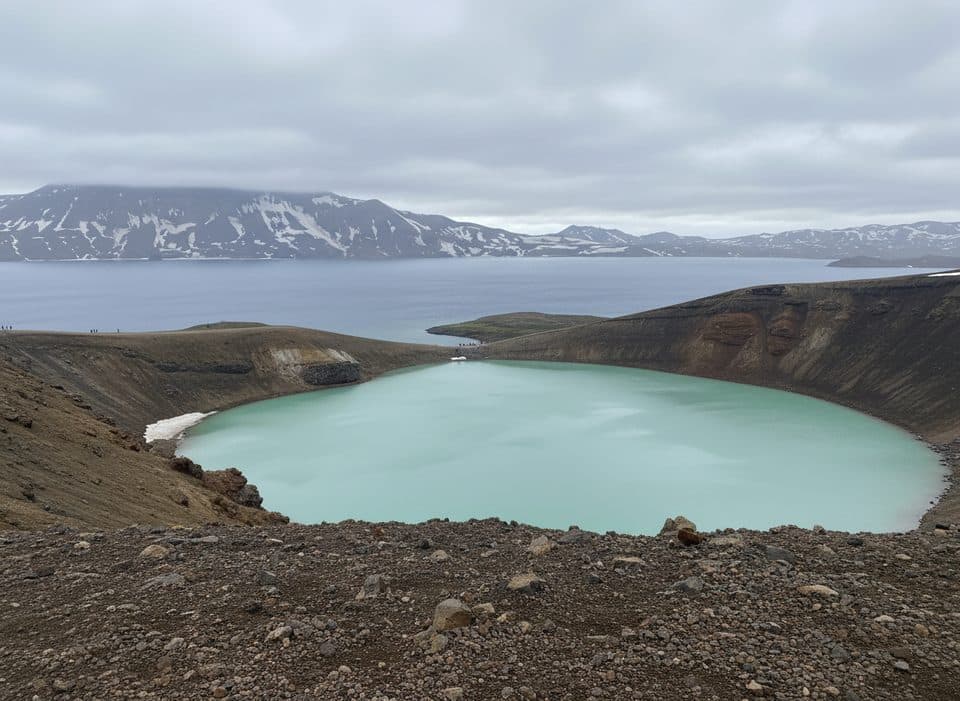 Sight · 6.3 km awayAskja CalderaA remote caldera of crater lakes, lunar lava, and real adventure
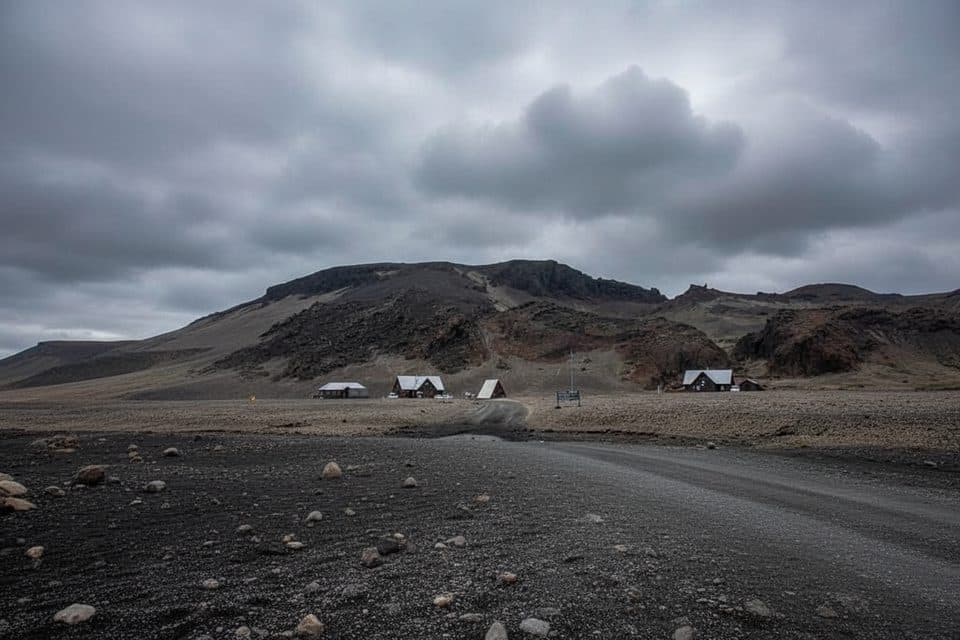 Lodging · 6.7 km awayDreki Mountain HutRemote Askja base with simple huts, water, and summer showers
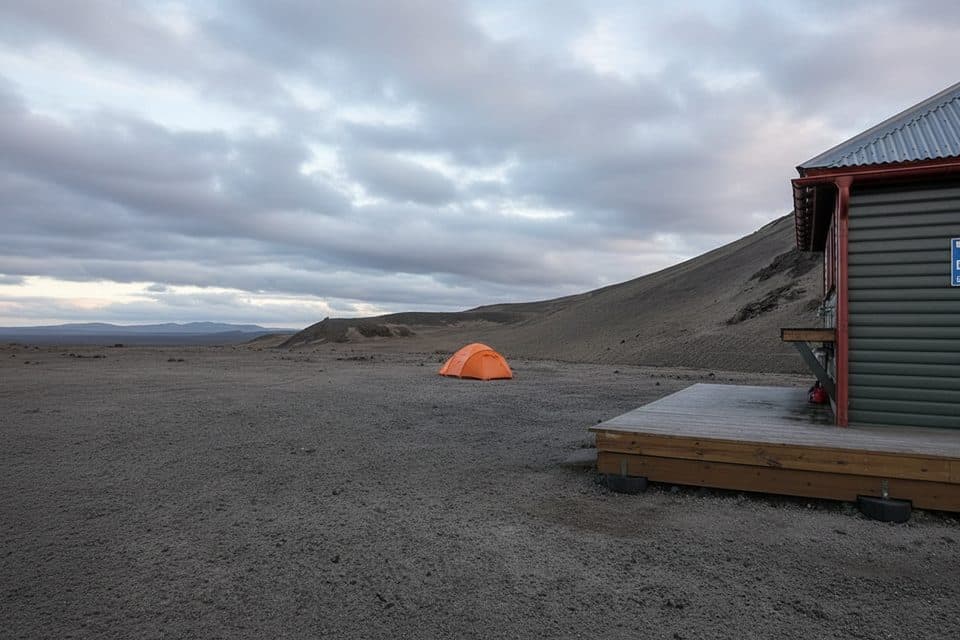 Campground · 6.7 km awayDreki Campsite (Askja)Remote highland basecamp for Askja with summer showers and trails
Parkwolf’s Vatnajökull ranking

The audio tour guide for the drive, plus offline maps, trails, and wildlife heatmaps for when the signal drops.


