Dreki Mountain Hut

Remote Askja base with simple huts, water, and summer showers
Dreki Mountain Hut, Vatnajökull National Park
InsideVatnajökull National Park

Overview

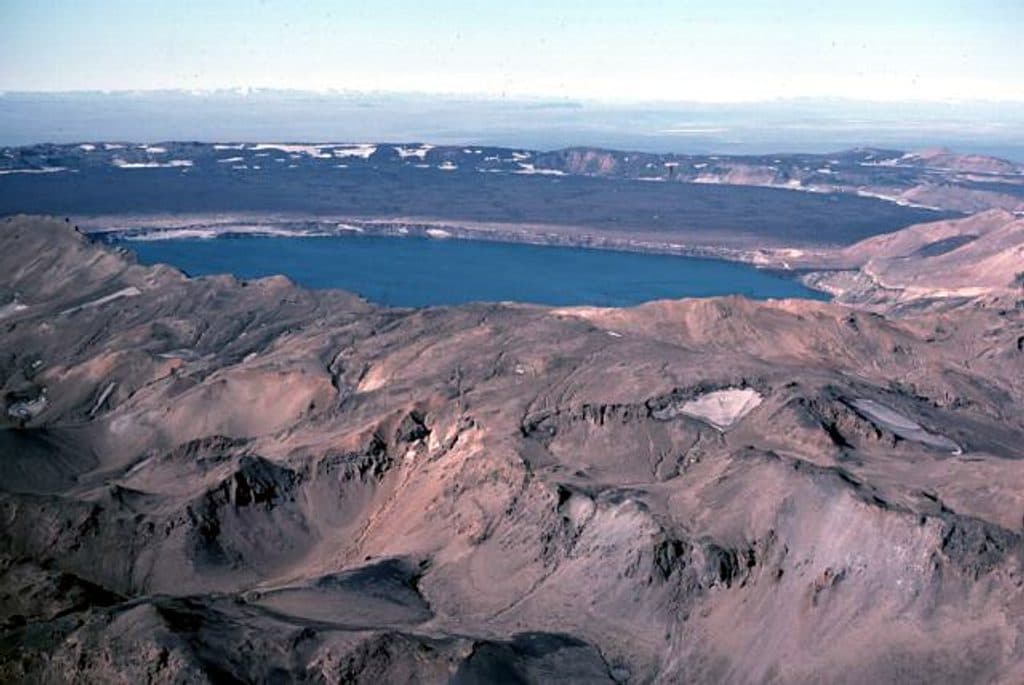
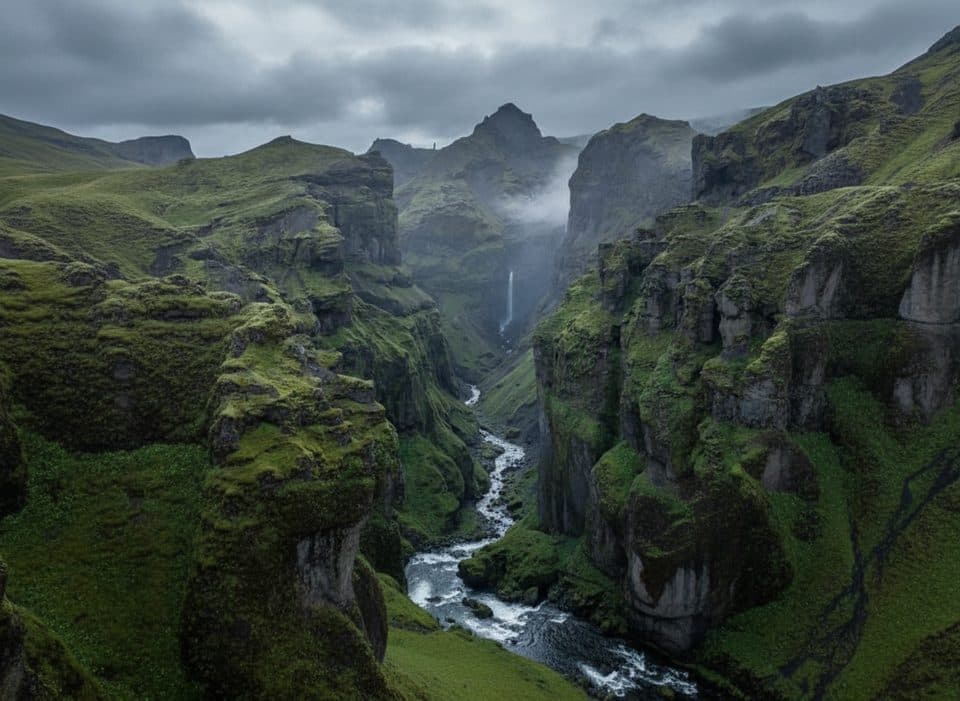
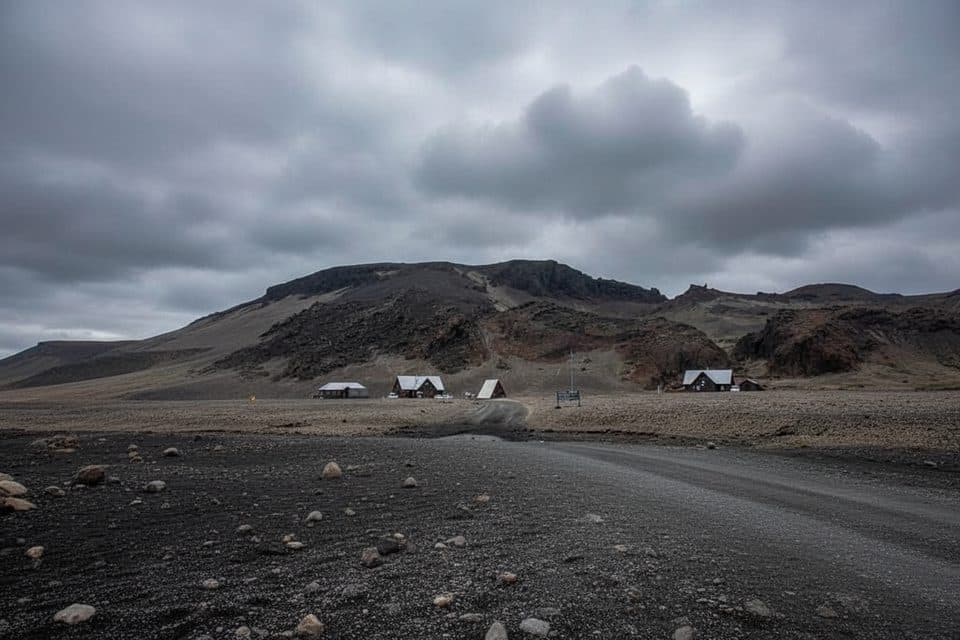
Dreki Mountain Hut sits at the mouth of Drekagil in the Dyngjufjöll mountains, a practical, no-frills base camp for exploring the Askja caldera just 9 km away by road. This is true Highlands country—barren volcanic deserts, pumice plains, and cratered ridgelines with occasional glacier views. The draw here is geology and solitude, not amenities.

Facilities

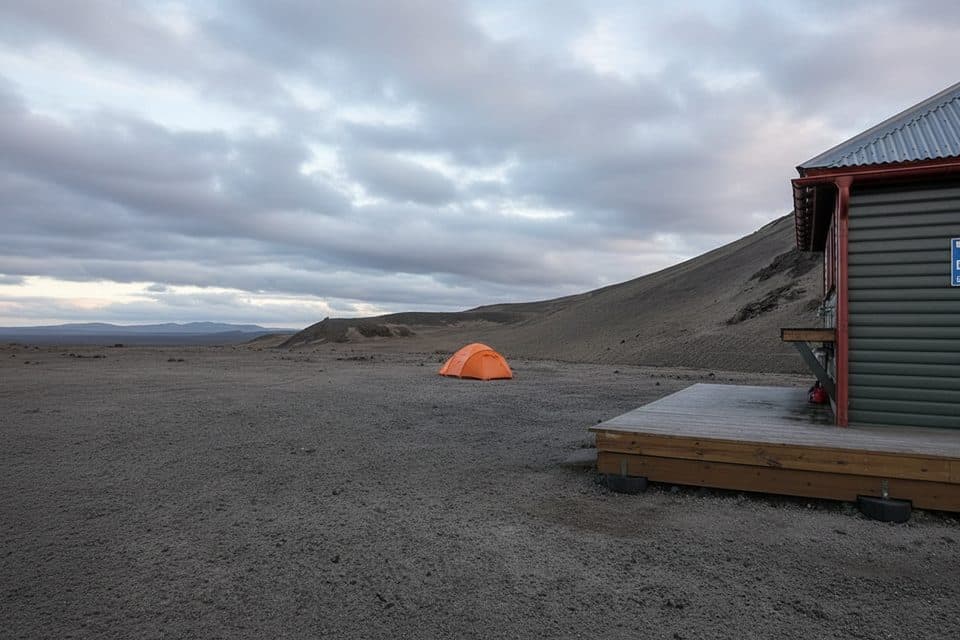
Two huts sleep about 55 people in sleeping-bag accommodation only. Inside you’ll find kerosene heat, gas stoves for cooking, and basic kitchenware (plates, cups, cutlery, pots, pans). A sanitary house offers multiple toilets and, in the staffed summer season, showers (typically paid). Water is available on site. There’s an adjacent campground (first come, first served). Note that cooking inside common rooms may be restricted and common areas can close in the evening.

What to Bring

Self-sufficiency is the rule. Bring a sleeping bag and pillow, all of your food, and robust layers for Highland weather. There are no services nearby—the nearest supermarket is by Lake Mývatn. While some visitors report limited snacks and drinks for sale on site in season, don’t count on it for meals.

Getting There

Access is via Highland F-roads (F88 or F910). A proper 4x4 with high clearance is required, and river fords and rough gravel are possible. Always check current road and weather conditions before you go. The huts sit around 780 m elevation and generally operate roughly from late June (around the 20th) to mid-September, depending on conditions.

Trails and Nearby

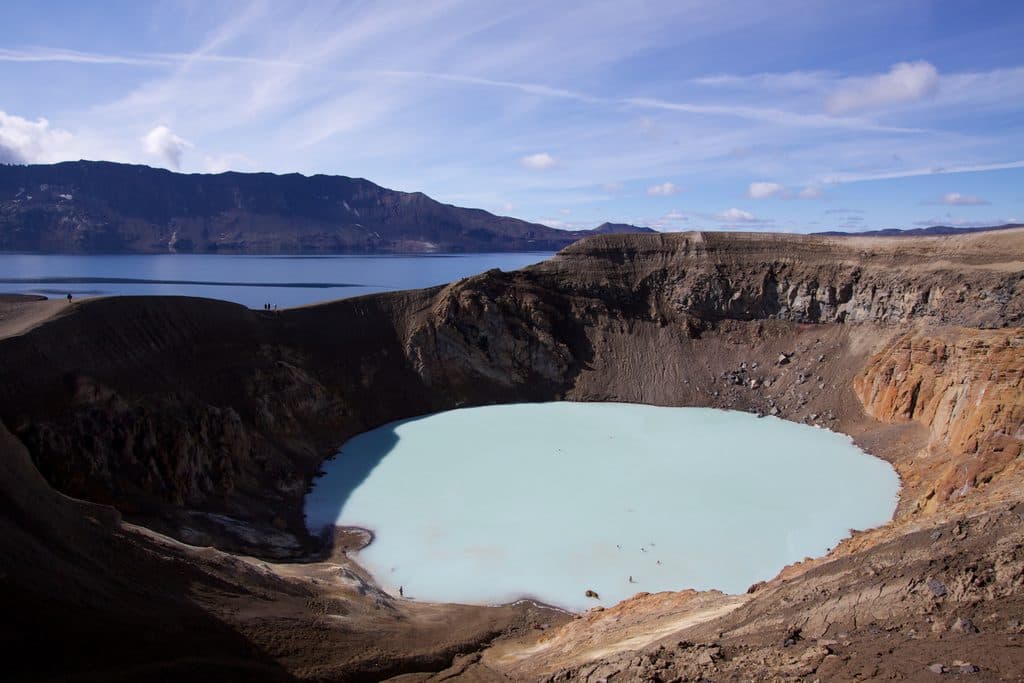
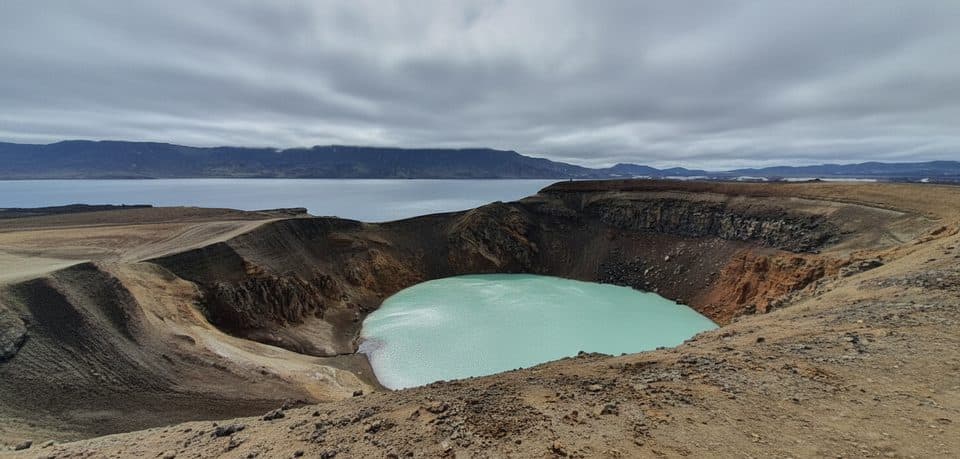
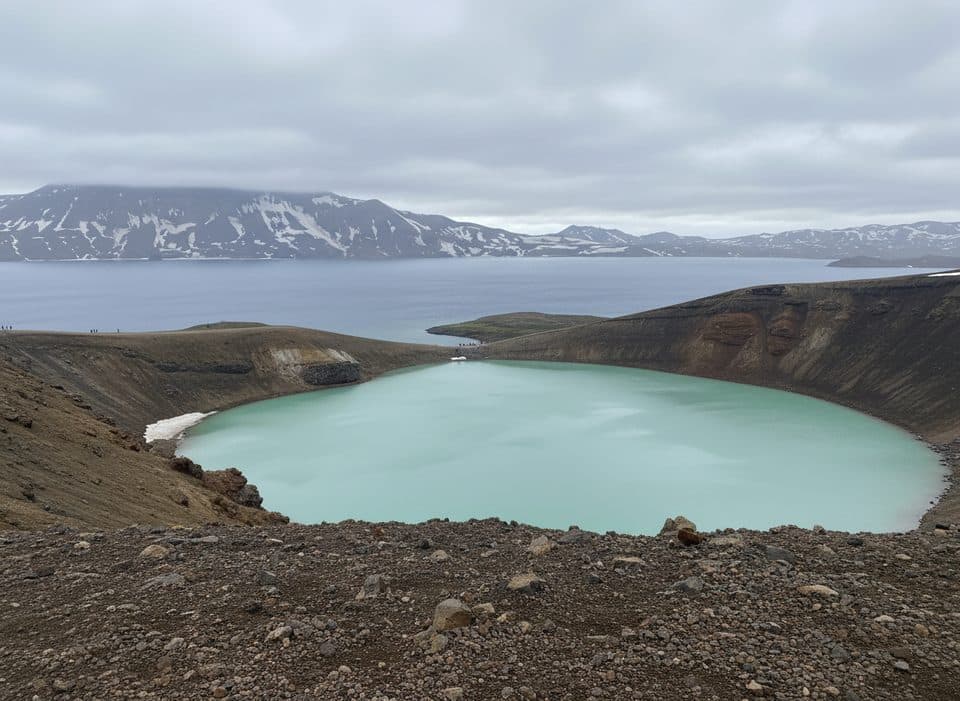
From Dreki, a marked trail heads west across the Dyngjufjöll massif into the Askja caldera and another runs north to Bræðrafell hut. Askja’s colorful caldera walls frame a striking lake, and the younger Víti crater holds a milky geothermal pool. Wider explorations in this region include Holuhraun, Kverkfjöll, and Herðubreiðarlindir—names that hint at how raw and volcanic this landscape feels.

What It’s Like

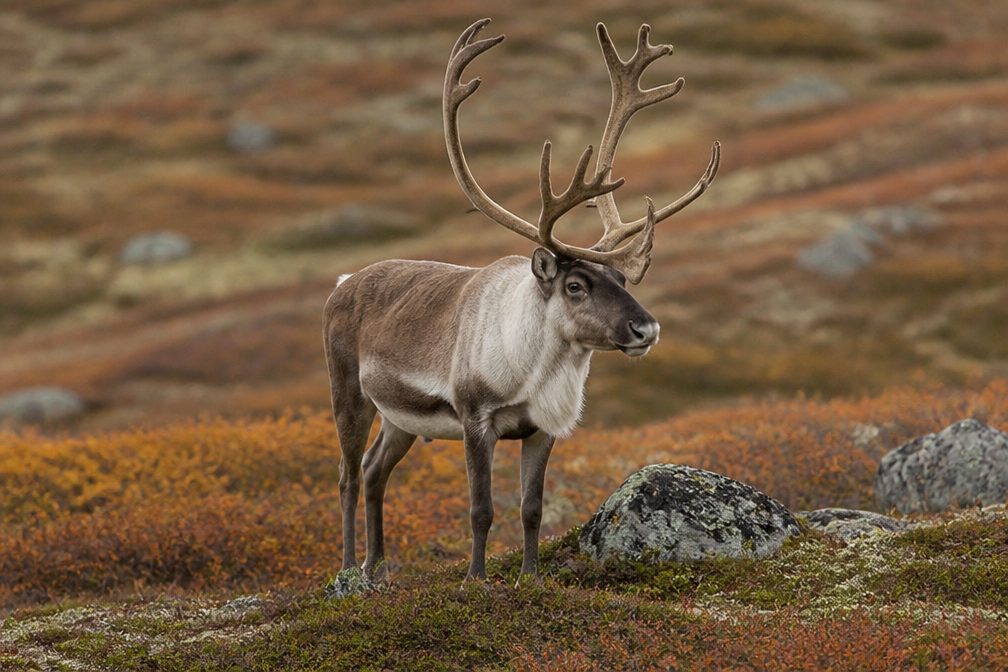
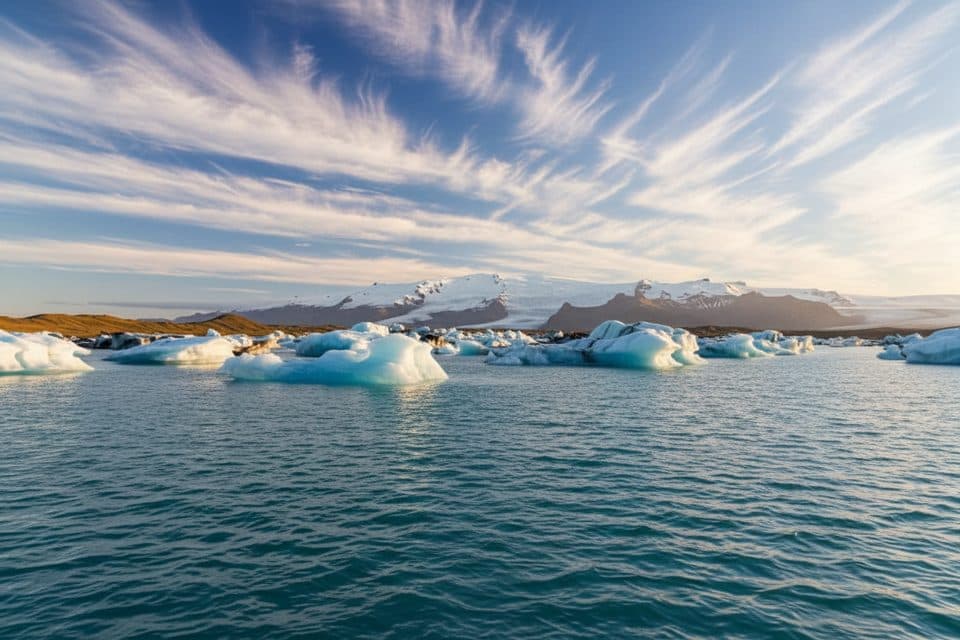
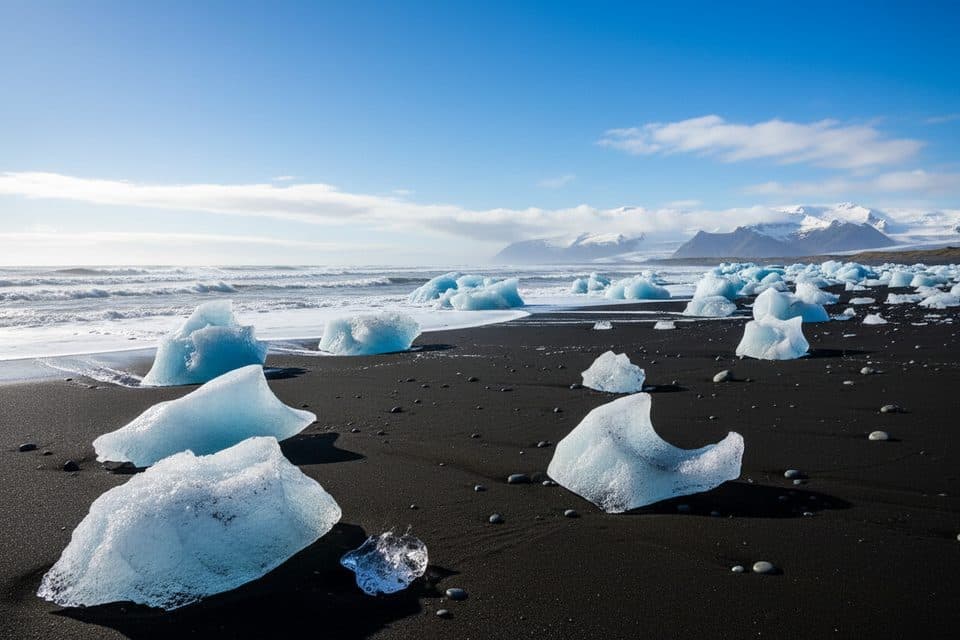
Compared to the park’s coast-hugging hotspots, the Highlands feel empty fast. Expect few amenities, big skies, and a lot of black sand and lava. Wildlife is sparse at altitude; the star is the terrain itself—classic Icelandic fire-and-ice country. Campers should expect rocky, exposed ground and dust, with limited shelter from wind.

Best Time to Visit

Summer only, when the F-roads are open—typically late June to mid-September. Arrive earlier in the day if you plan to camp, and build weather and road flexibility into your plan. Even in peak season this area sees far fewer people than the park’s lowland highlights.

Need-to-Know

  • Camping is first come, first served; huts require advance booking through the operator.
  • Facilities (including showers) depend on wardens being on site during the summer season.
  • Carry extra fuel and supplies before leaving the lowlands; there are no services in the Highlands.

Pros

  • Prime base for Askja and Víti hikes with trails from the hut
  • Simple, well-equipped huts plus summer toilets, water and paid showers
  • Adjacent campground and staffed summer season with wardens on site

Cons

  • Remote 4x4-only access via F-roads; no nearby services
  • Bring all food and a sleeping bag; no linens or meals provided
  • Rocky, exposed tent sites with dust and no indoor cooking

Tips

  • Bring a sleeping bag, pillow, and all your food; there’s no supermarket nearby.
  • Check opening dates and F-road status; a high-clearance 4x4 is required.
  • Arrive early if camping—tent spots are rocky, exposed, and unsheltered.
  • Showers are summer-only and typically paid; don’t rely on hot water.
  • Common rooms may close in the evening and cooking inside can be restricted.
The Parkwolf tour guide sitting on a phone mounted in a car

Parkwolf Tour Guide

Like a tour guide in your car.

Save the places you found around Vatnajökull, then let Parkwolf guide the drive between them.Download Parkwolf on the App Store