Place · 1.1 mi away

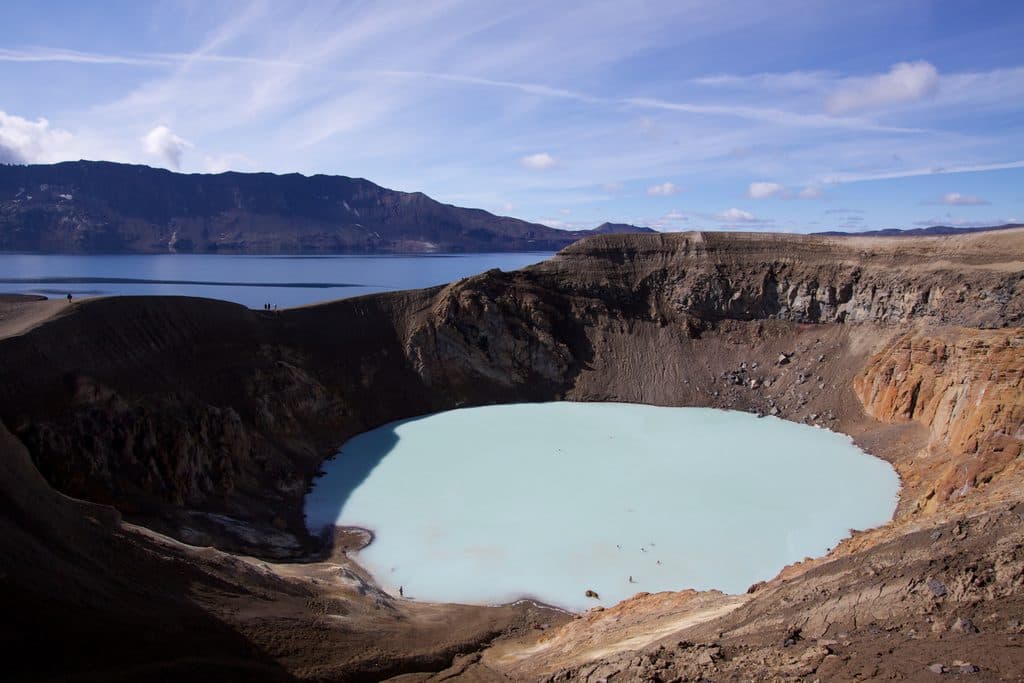
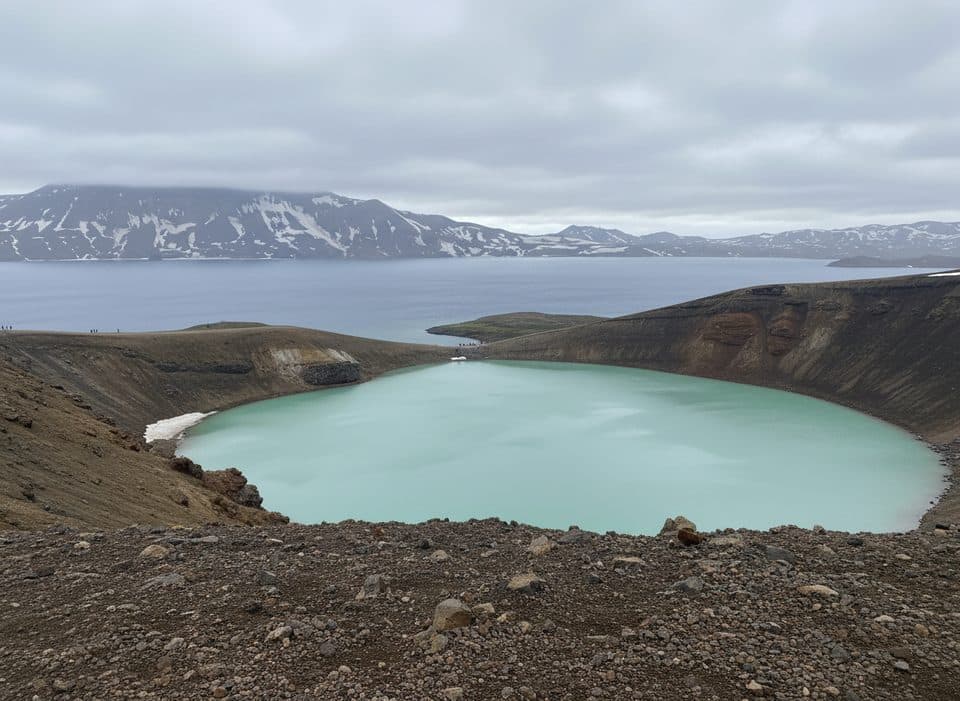
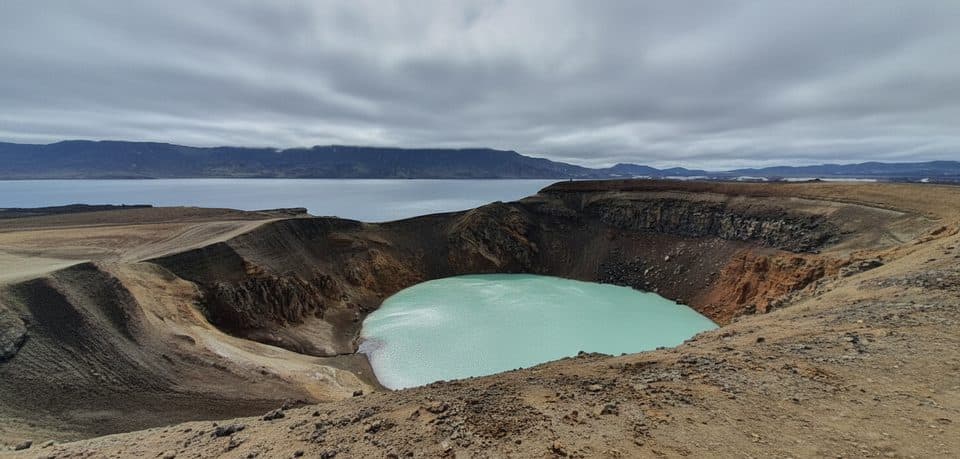
Víti is the photogenic, milky‑turquoise crater pool perched beside Lake Öskjuvatn in the Askja caldera—one of the most striking volcanic scenes in the Highlands. The name means “hell,” but the experience is pure geology‑nerd heaven: a warm explosion crater framed by pumice, ash, and stark lava.
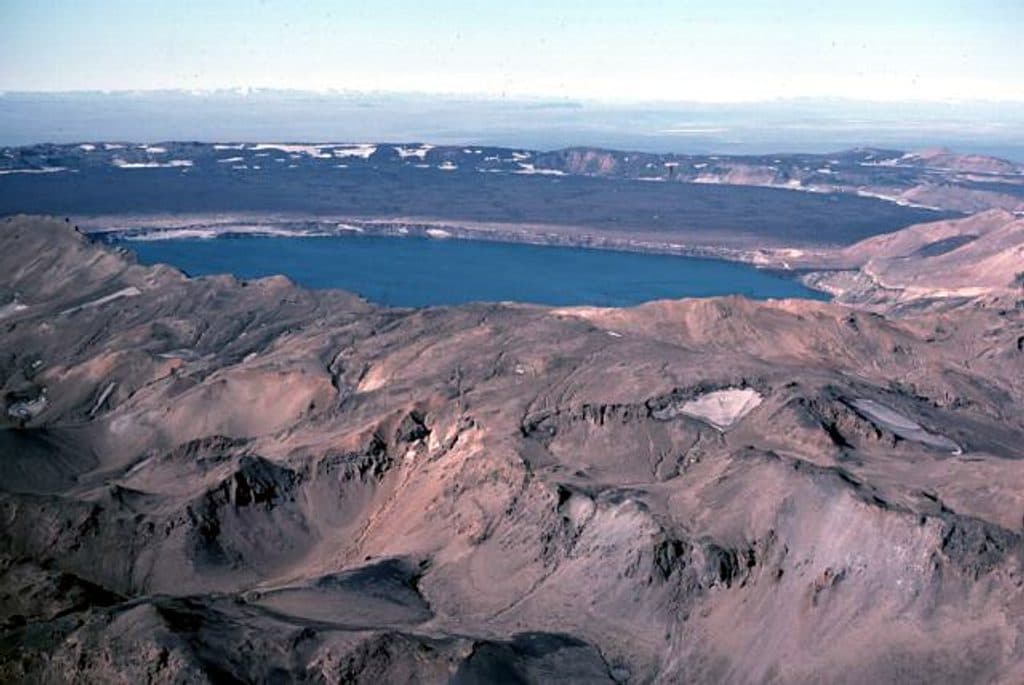
Víti is a maar crater formed by a violent steam‑driven blast during Askja’s major 1875 eruption. That same event excavated the large Öskjuvatn caldera lake next door. The broader Askja system sits within the Dyngjufjöll mountains, a famously lunar landscape that even hosted Apollo astronaut training in the 1960s.
Access is highly seasonal. Expect long drives on rough F‑roads with potential river crossings—true 4x4 only. Many visitors choose guided tours for safety and logistics. Conditions shift quickly; wind can be fierce and snow can linger even into August.

From the parking area, it’s a short, exposed walk over ash and pumice to the rim. You can continue along the rim for broader views; allow roughly an hour if you loop slowly and take photos. The path down into the crater is steep and can be muddy—treat it with caution, especially in wind or wet weather.
Some visitors do soak in Víti’s warm water, but temperatures and conditions vary. The rim can be unstable, and the descent is high‑consequence. Heed any park advisories or closures. Never enter Öskjuvatn—it's extremely cold and hazardous.
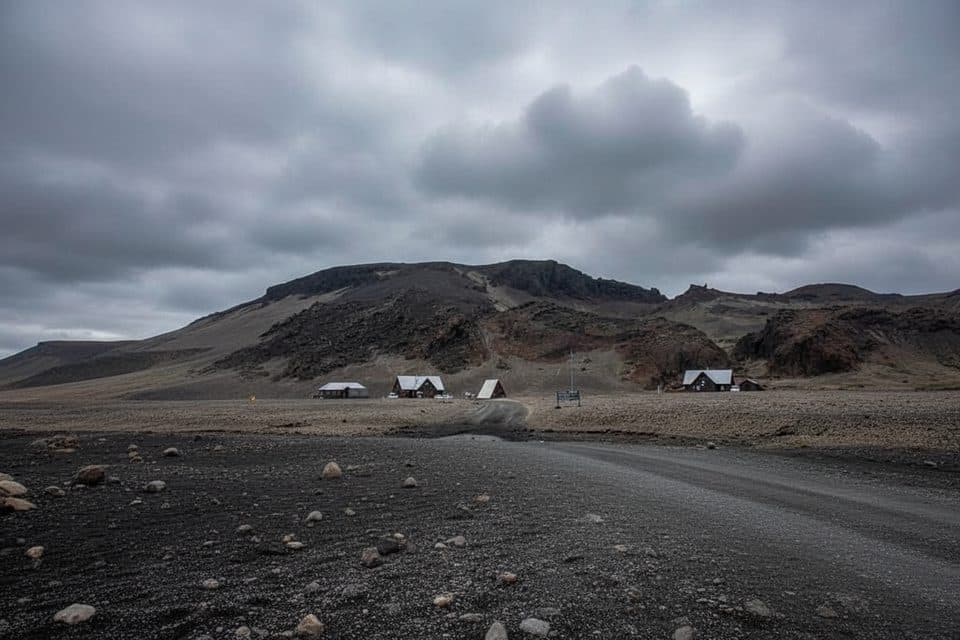
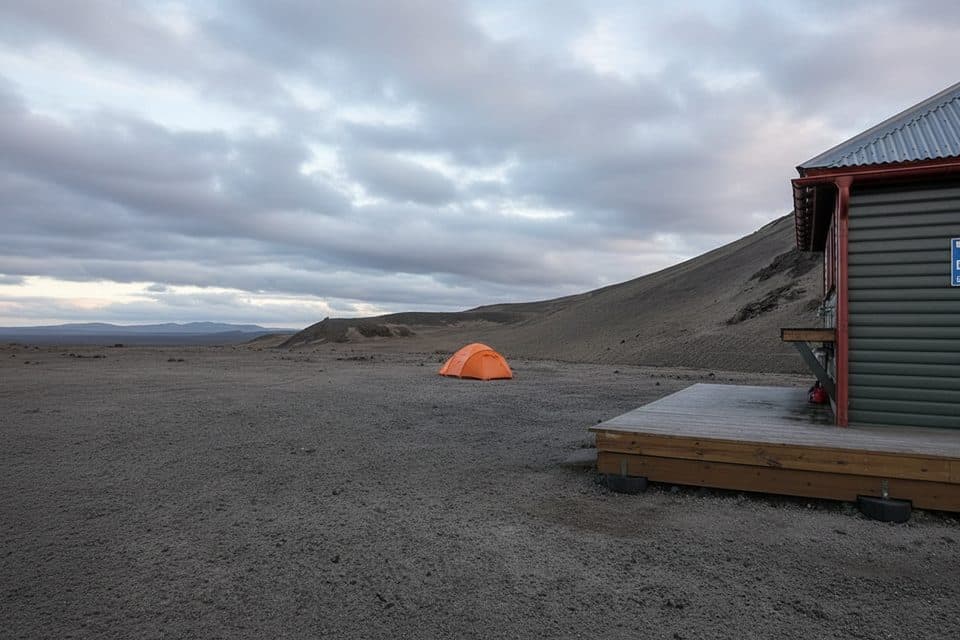
Don’t expect much at the crater itself. Plan as if there are no toilets on site; facilities in the Highlands are limited to basic options at select parking areas or nearby huts when available. The Dreki hut area is a common staging point for Askja.
Late June through August is the usual window once F‑roads open. Start early to build in time for slow tracks, weather, and river levels. This is a remote spot, so crowds are rarely an issue, but July–August is the busiest period. For photography, early or late light softens the harsh contrast of ash and snow patches.