Place · 1.1 mi away

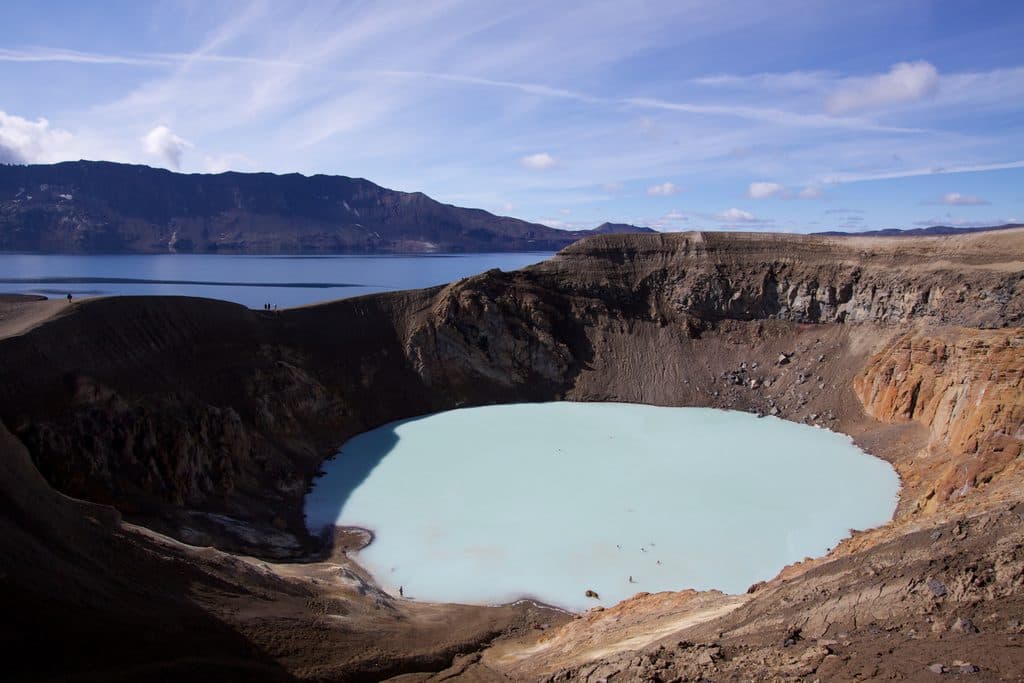
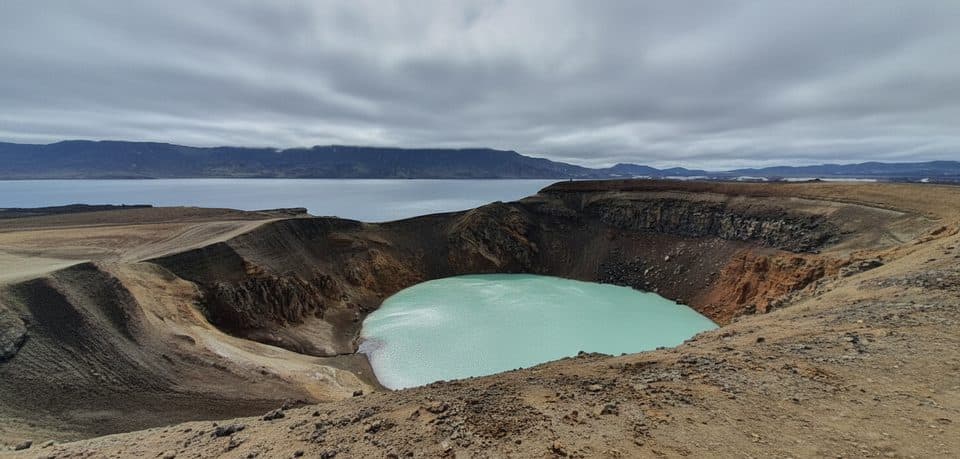
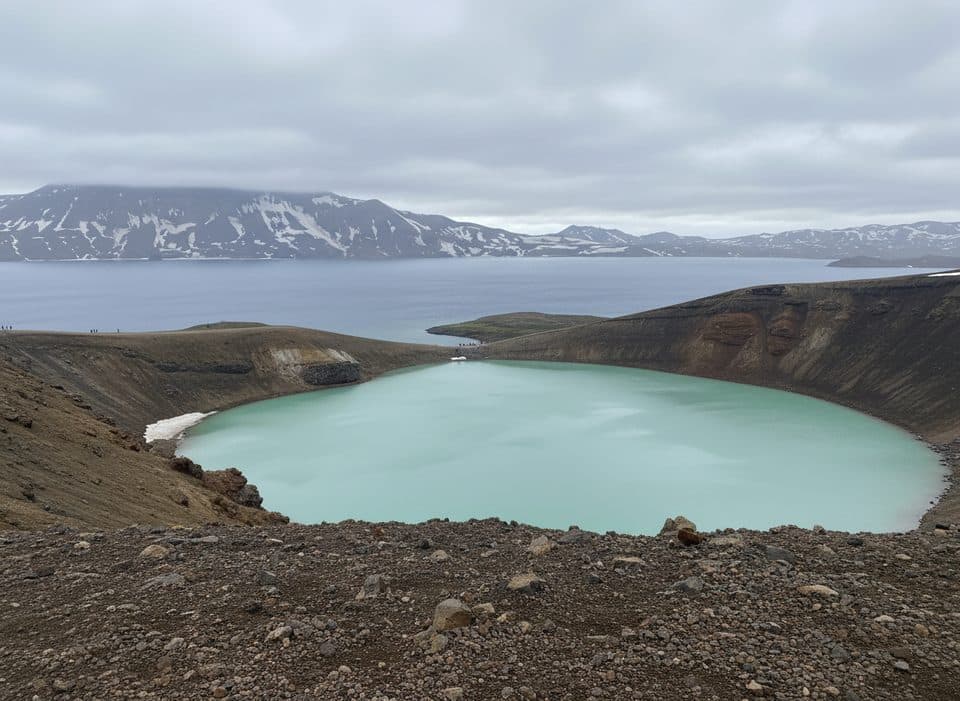
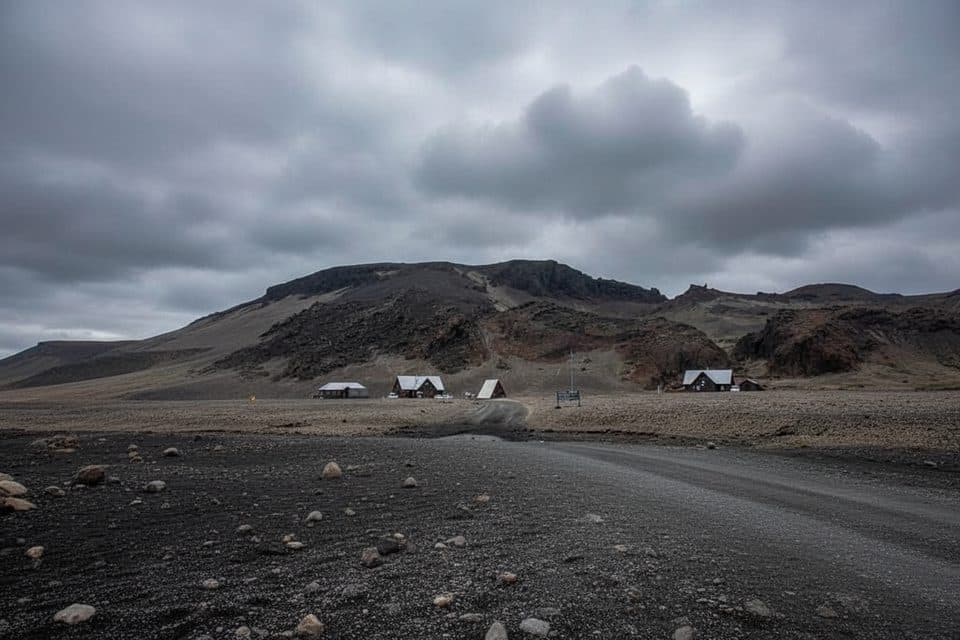
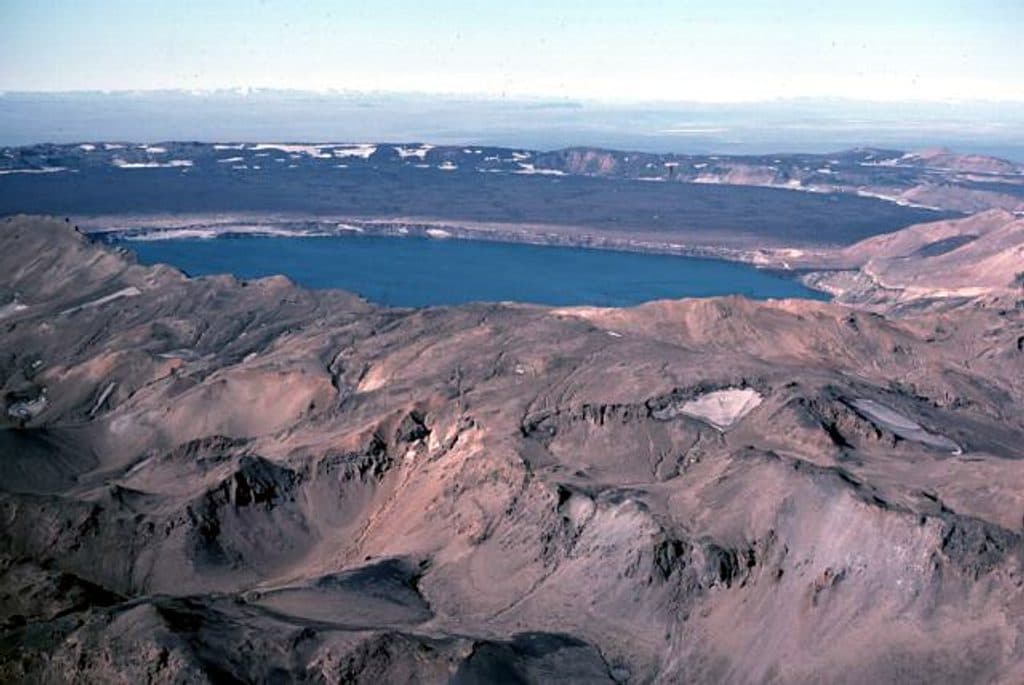
Öskjuvatn is a tranquil, deep lake set within the Askja caldera—part of a raw Highland wilderness where fire and ice constantly reshape the land. The basin formed in the aftermath of an 1875 eruption from the adjacent Askja volcano, leaving stark lava slopes and a brooding water-filled depression that feels far removed from the busy south-coast sights.
Expect sweeping views across the caldera: dark lava plains, ash-streaked slopes, and, nearby, the famed Víti crater. The approach hike crosses rough lava and gravel, heightening that “on another planet” vibe. Wildlife is sparse out here; the draw is the geology and the silence. Some visitors dip in the warm Víti crater, but the banks can be very muddy and slippery—treat it with caution and follow current guidance.
Vatnajökull’s Highlands sit atop a rifted, hotspot-fed crust where volcanic systems build land even as glaciers, meltwater, and wind grind it down. Calderas like Askja form through eruptions and subsidence; downstream landscapes can be reshaped by sudden glacial outburst floods. Öskjuvatn is a front‑row seat to that ongoing tug‑of‑war between eruption and erosion.
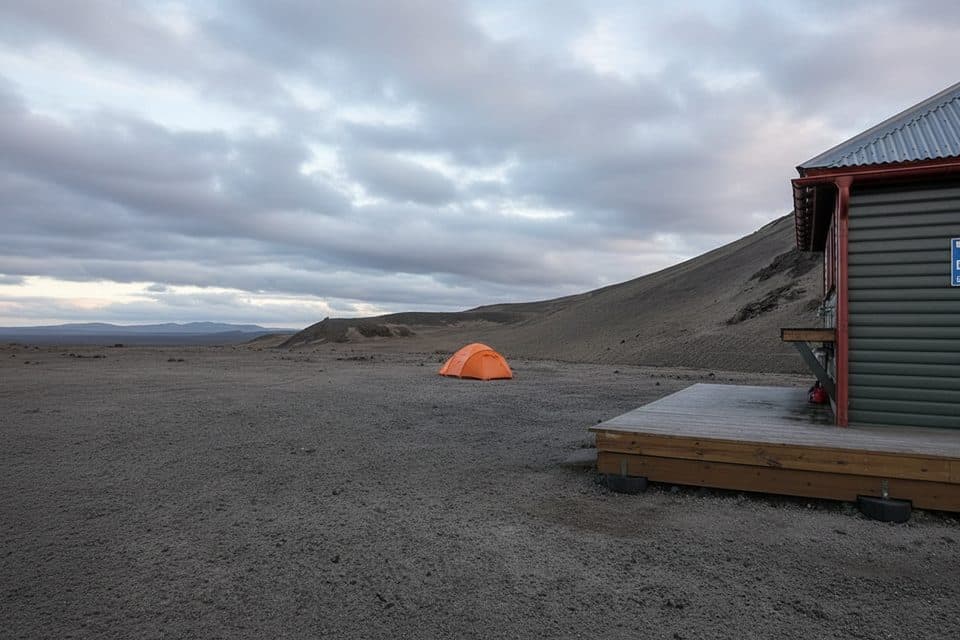
Access is via F-roads (notably F88/F910) and requires a proper 4×4. River crossings are possible and conditions can change quickly. You’ll drive to the Askja/Víti parking area and then hike roughly 2–3 km each way on rough underfoot. There are no services at the lake or along the Víti–Öskjuvatn trail—no food, water, or trash facilities. The nearest reliable toilets are seasonal at Dreki (Drekagil) Mountain Hut/campsite; stock up on fuel, water, and supplies before entering the Highlands and pack out everything.
Highland weather turns on a dime. Check current forecasts and road conditions before committing, and speak with park staff or visitor centres for the latest. Expect mud, wind, and limited shelter on the hike; sturdy waterproof boots are a smart call. Treat crater edges with care—they can be slick.
This is a summer-window destination. Highland routes typically open in late June/early July, when access is most reliable and crowds are lighter than on the south coast. August brings more visitors. Conditions often deteriorate by September as rainfall increases and rivers become trickier. Start early for the longest weather window and easier driving.

If you crave solitude and stark volcanic drama, absolutely. The drive is demanding and there are zero frills, but Öskjuvatn delivers a rare, big-scale Highland experience far from the tour-bus loop.