Place · 0.5 mi away

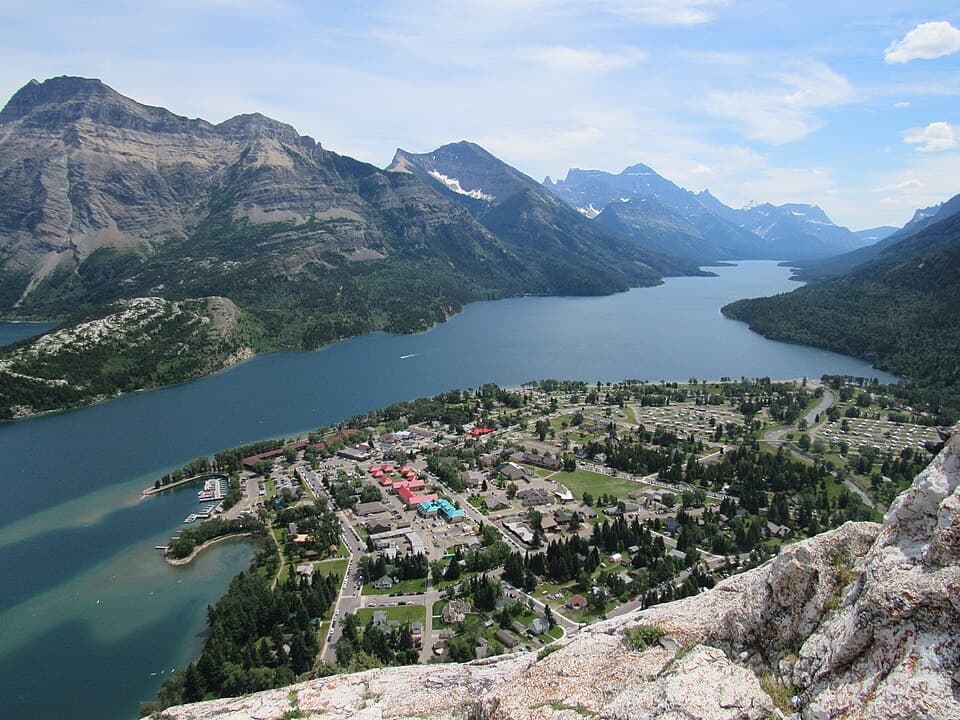
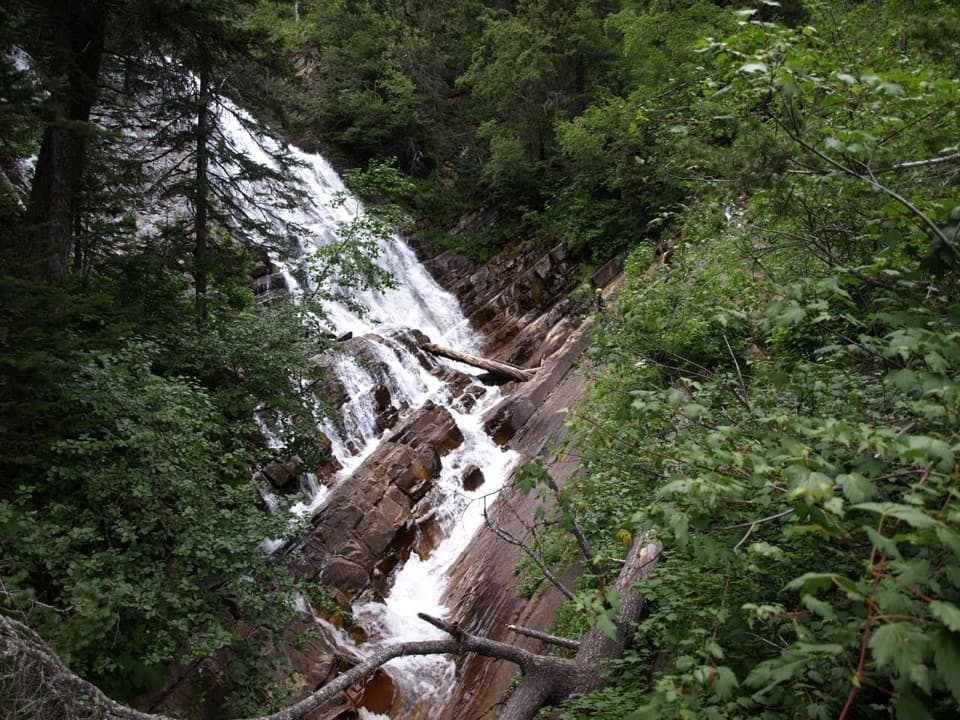
Lower Bertha Falls is the classic in-town waterfall hike: a short, scenic climb from the Waterton townsite to a photogenic, fan-shaped cascade. It’s approachable for most hikers yet rewarding the whole way with views over Upper Waterton Lake and the park’s striking layered peaks.
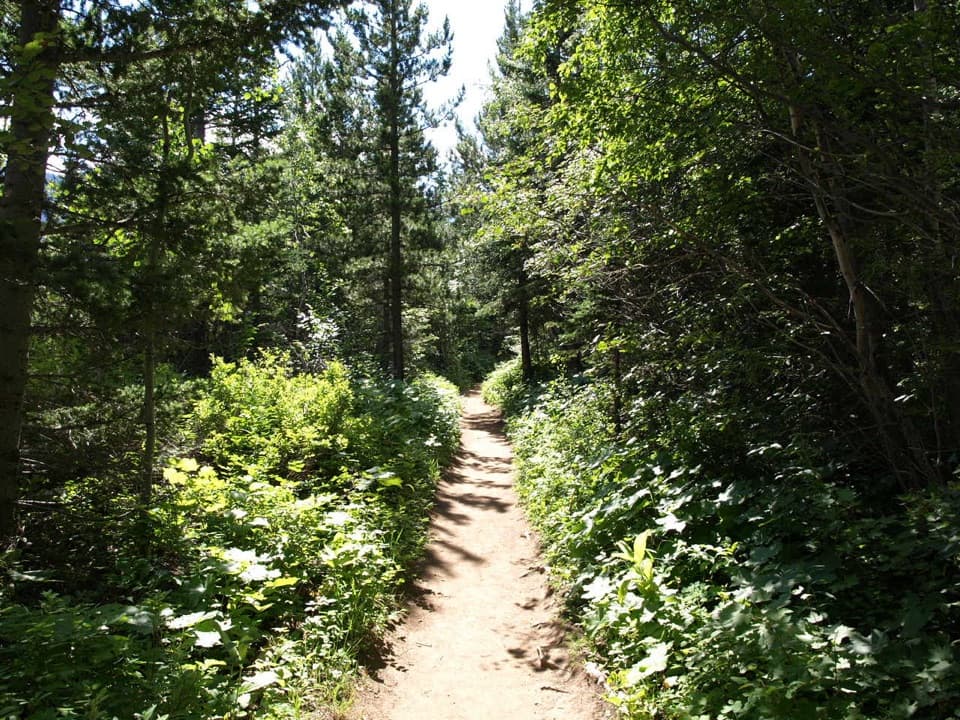
Expect roughly 5.2–6 km round-trip, 175–200 m of elevation, and 1.5–2 hours total. The trail begins at the edge of the Townsite Campground on Evergreen Avenue (just past Cameron Falls), is well signed, and generally heads steadily uphill on a narrow, sometimes rocky path. A wooden bridge near the falls provides a great viewing angle without scrambling.
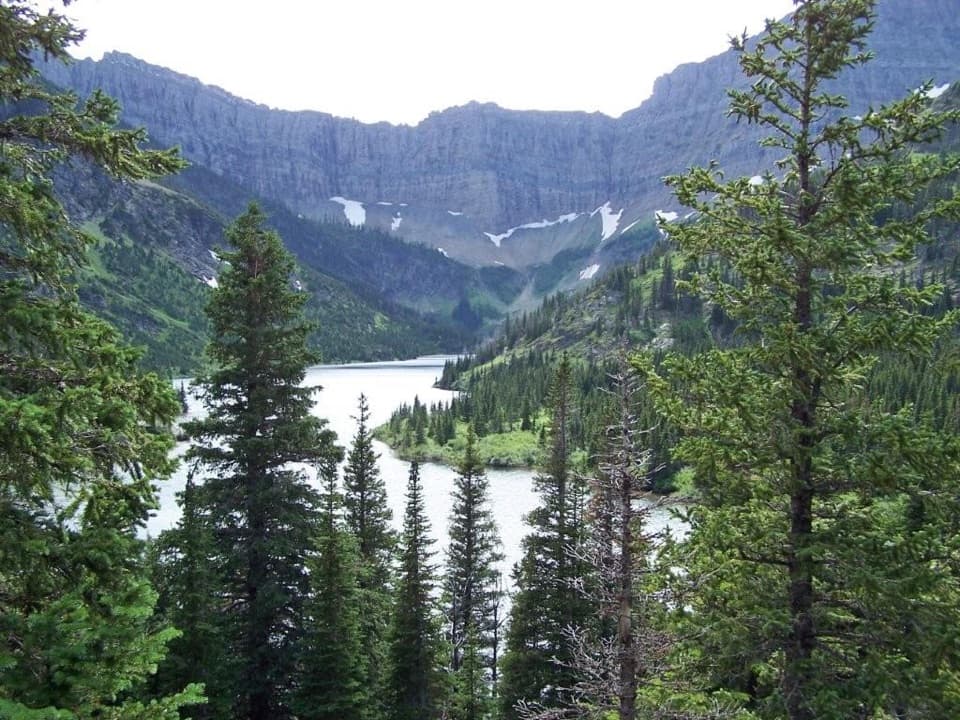
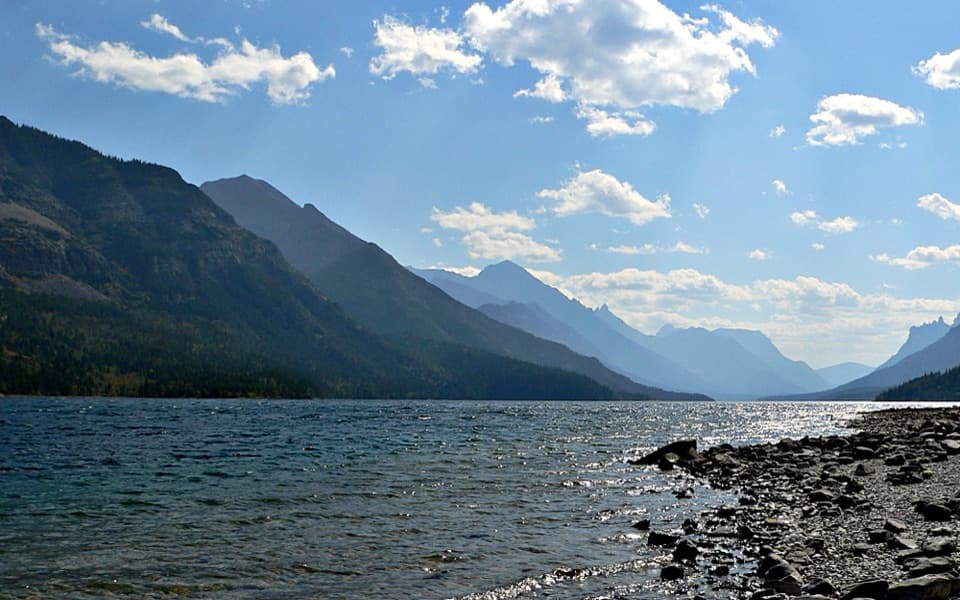
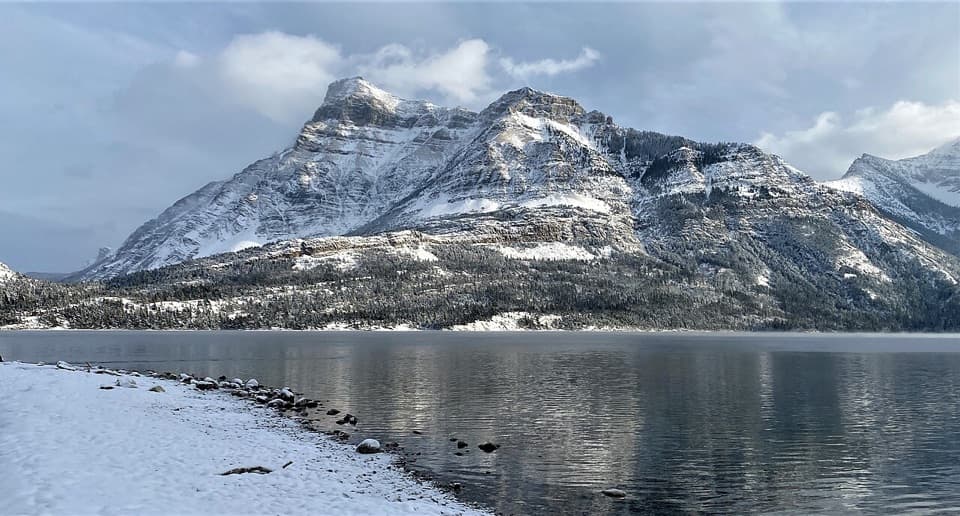
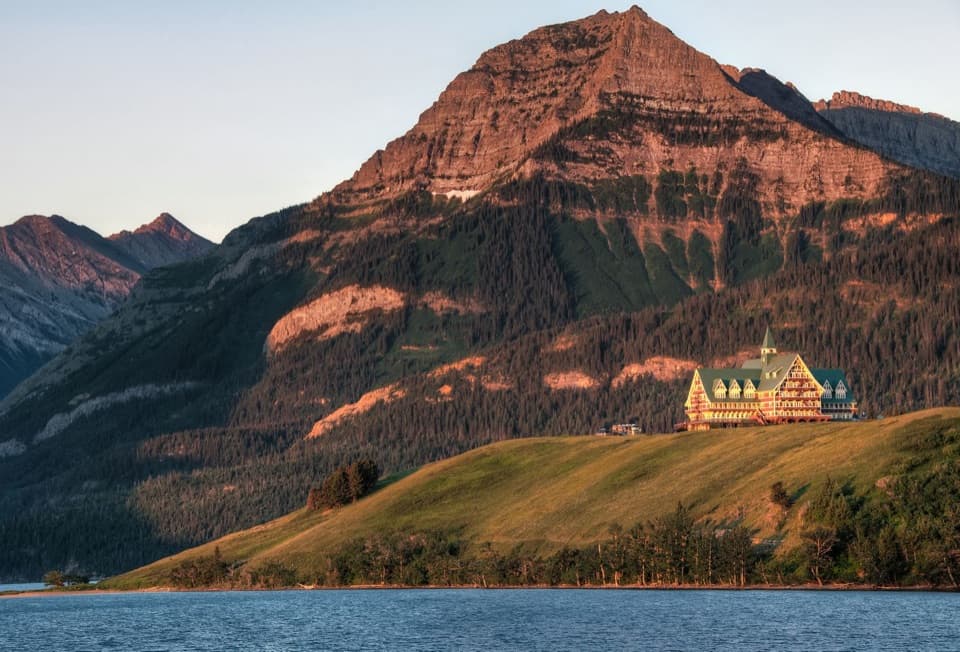
This waterfall drapes over upturned sedimentary layers, giving it that graceful “bridal veil” look. Along the way you’ll get sweeping looks at Upper Waterton Lake, Vimy Peak, Mt. Boswell, and Bertha Peak. You’ll also walk through a living lesson in forest recovery: sections burned in the Kenow Fire now mix wildflowers and young pines with surviving patches of old forest.
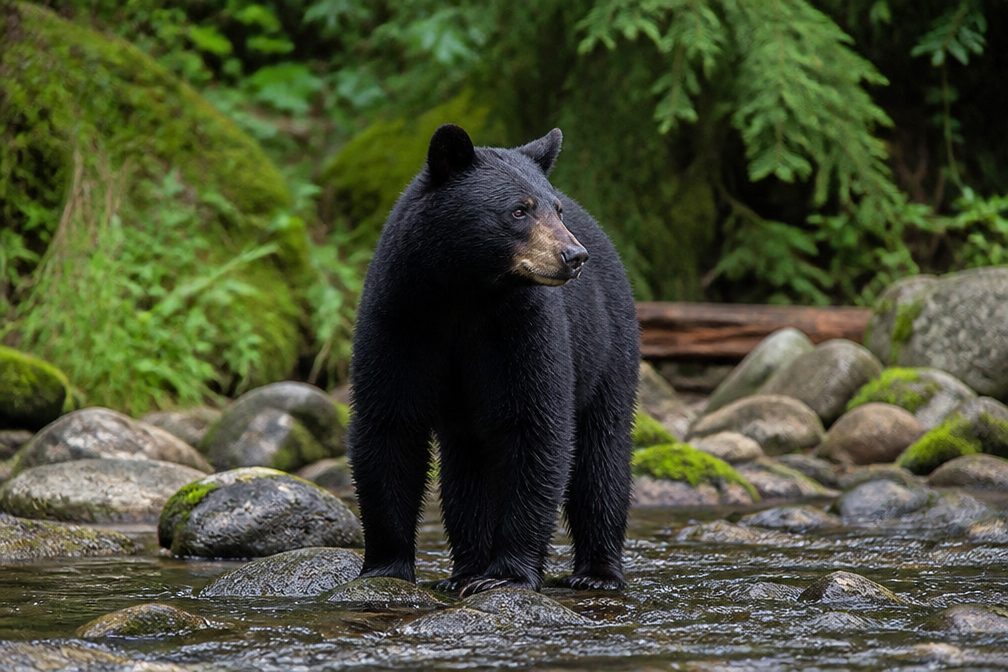
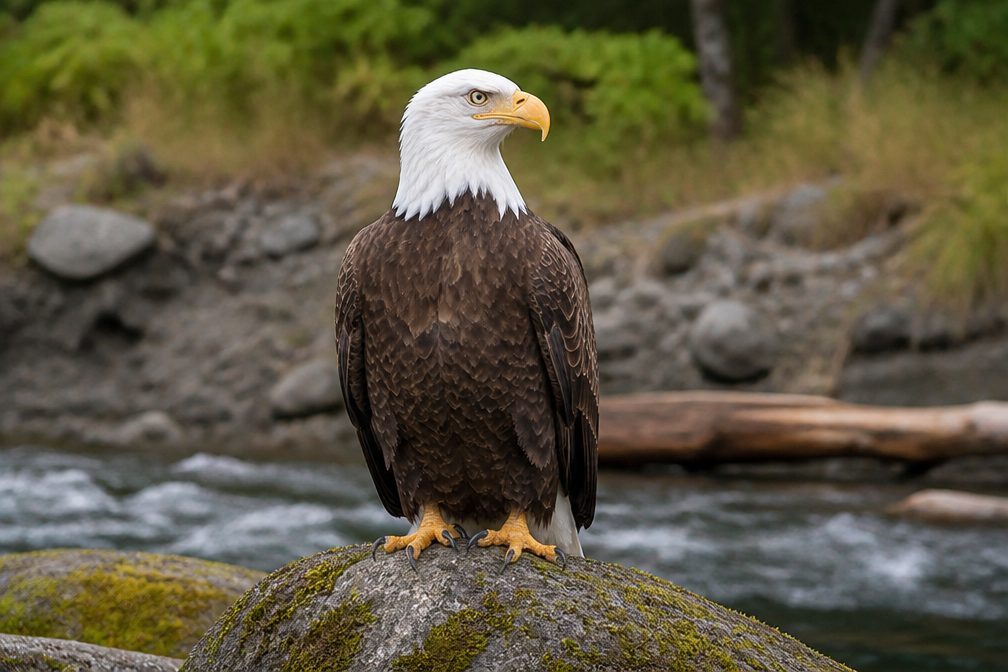
You’re in bear country—carry spray and practice standard precautions. Deer and a variety of birds are commonly noted. Summer brings plenty of wildflowers, including fireweed and other blooms brightening the regenerating hillsides.
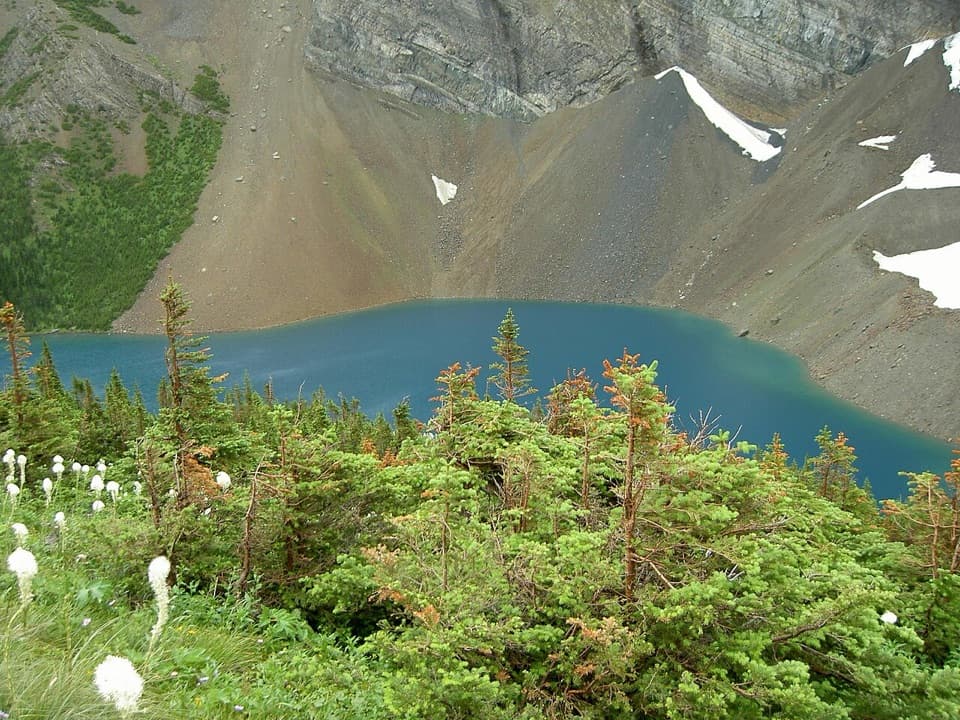
Trailhead access and parking are right in town at the Townsite Campground end of Evergreen Avenue. Restrooms and other facilities are at the trailhead in the townsite; there are no services at the falls themselves. Dogs are allowed but must stay leashed. If you’re feeling strong, continue to Upper Bertha Falls and on to Bertha Lake for a bigger day on the same trail.
Rocks near the falls can be wet and slick—skip the scramble and enjoy the view from the bridge and established spots. The path is narrow in places and can feel congested at peak times. In winter or early spring, parts of the approach sit in avalanche paths—check seasonal advisories before you go.
Summer is busiest; go early to beat crowds and sun exposure. Weekdays are quieter than weekends and holiday periods. Shoulder seasons can be lovely with lighter traffic, pending trail and safety conditions.