Bertha Lake

Turquoise alpine lake with waterfalls and a quiet backcountry camp
Bertha Lake, Waterton Lakes National Park
InsideWaterton Lakes National Park

Overview

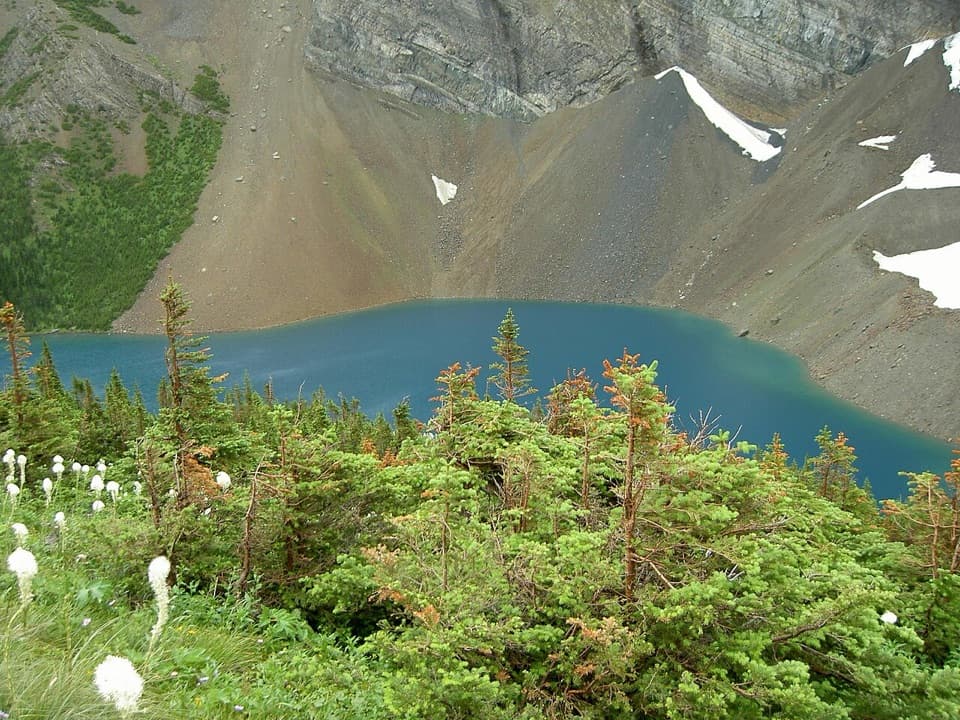
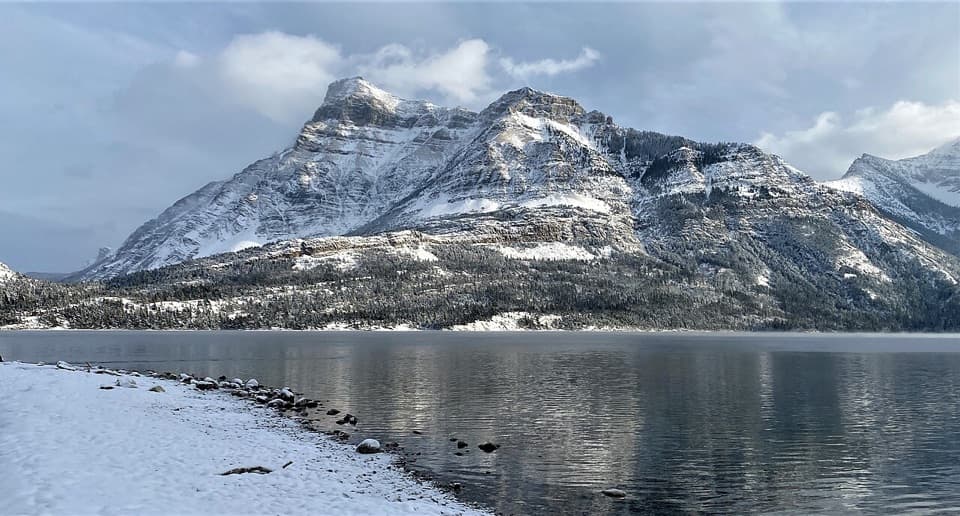
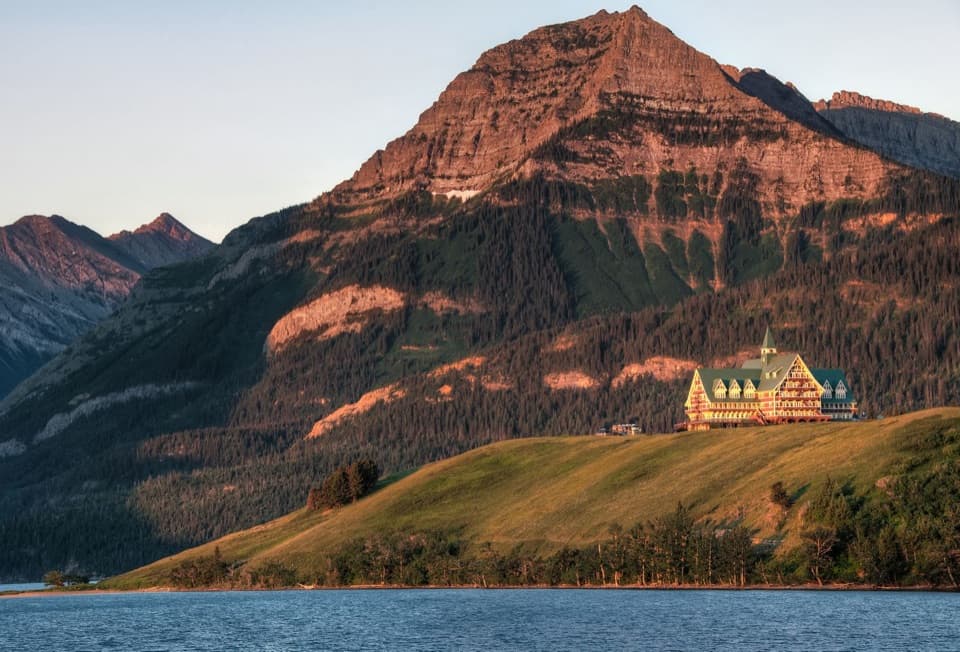
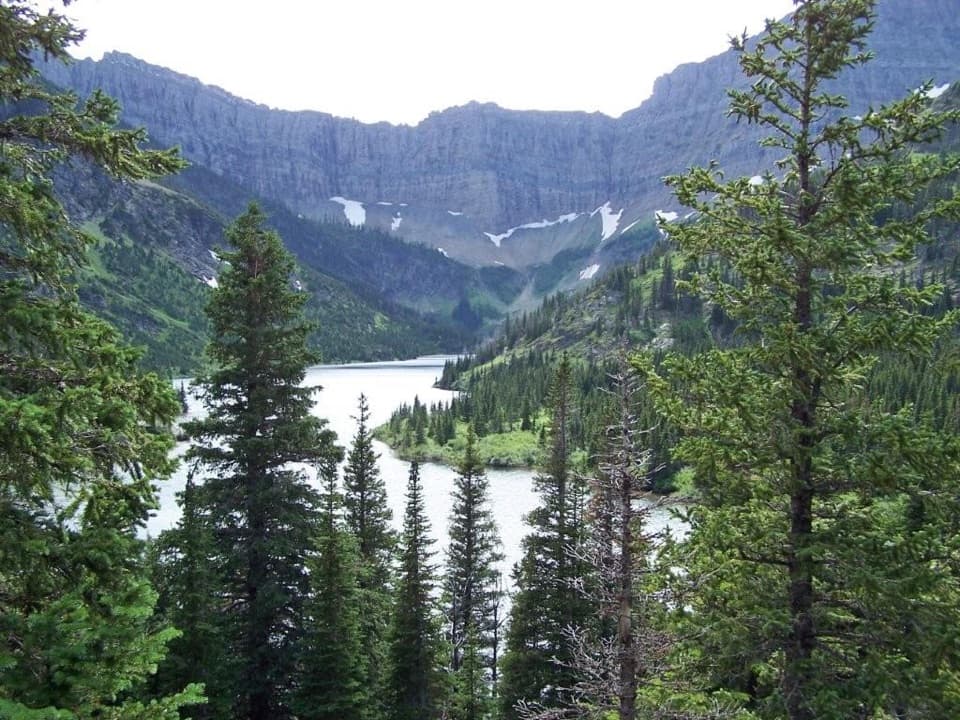
Bertha Lake is the classic alpine payoff in this corner of the park: a blue-green bowl of water tucked beneath sheer cliffs and peaks like Mount Richards and Mount Alderson. The shoreline is laced with ruby-red argillite, the water glows turquoise on sunny days, and the whole basin feels surprisingly wild despite starting right from the townsite.

What Makes It Special

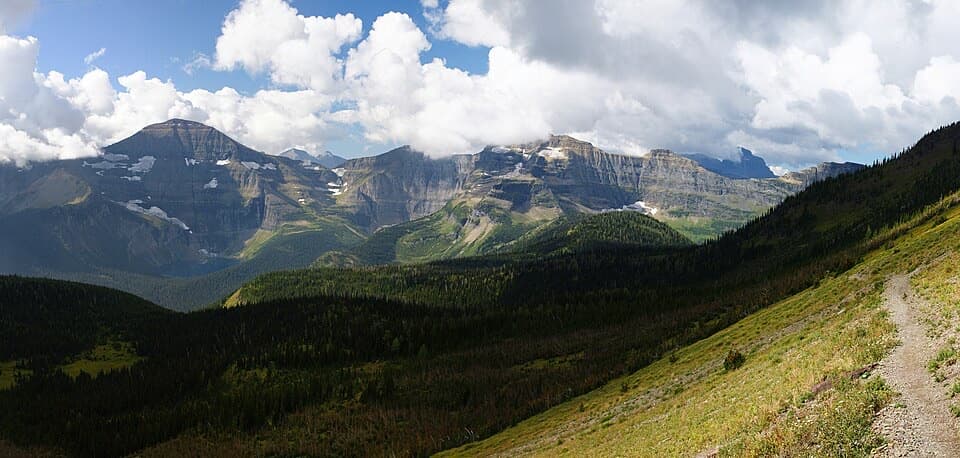
The basin’s layered cliffs are some of the oldest exposed sedimentary rocks in the Rockies, uplifted by the Lewis thrust fault. On the way up you’ll walk through areas shaped by the 2017 Kenow Fire—expect open views, wildflowers, and a front-row seat to the forest’s recovery. It’s a vivid mix of color, geology, and rebirth you don’t get on every hike here.

Getting There & The Hike In

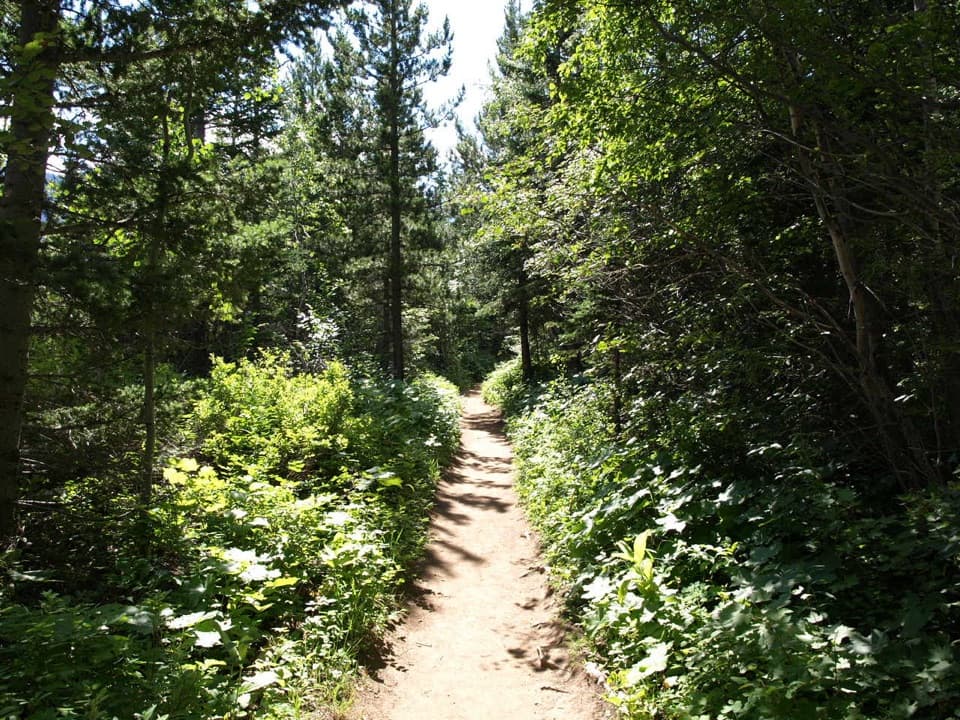
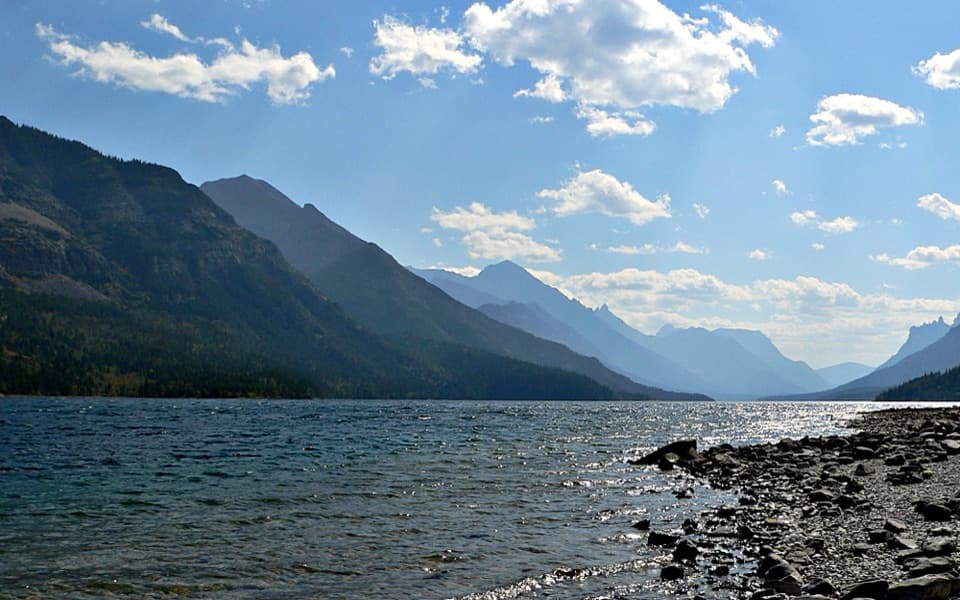
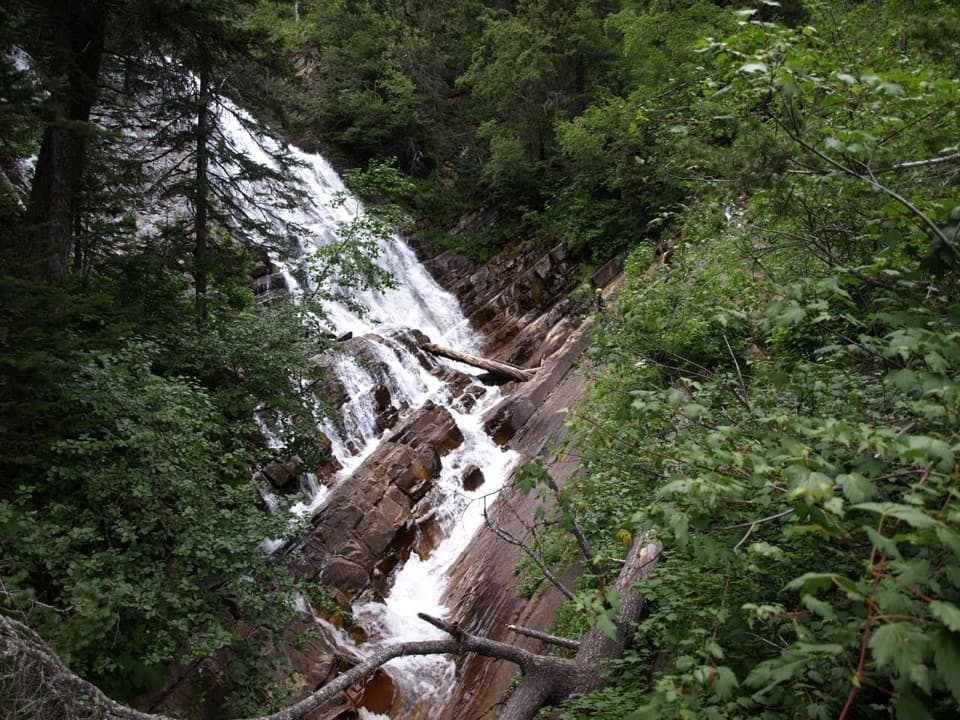
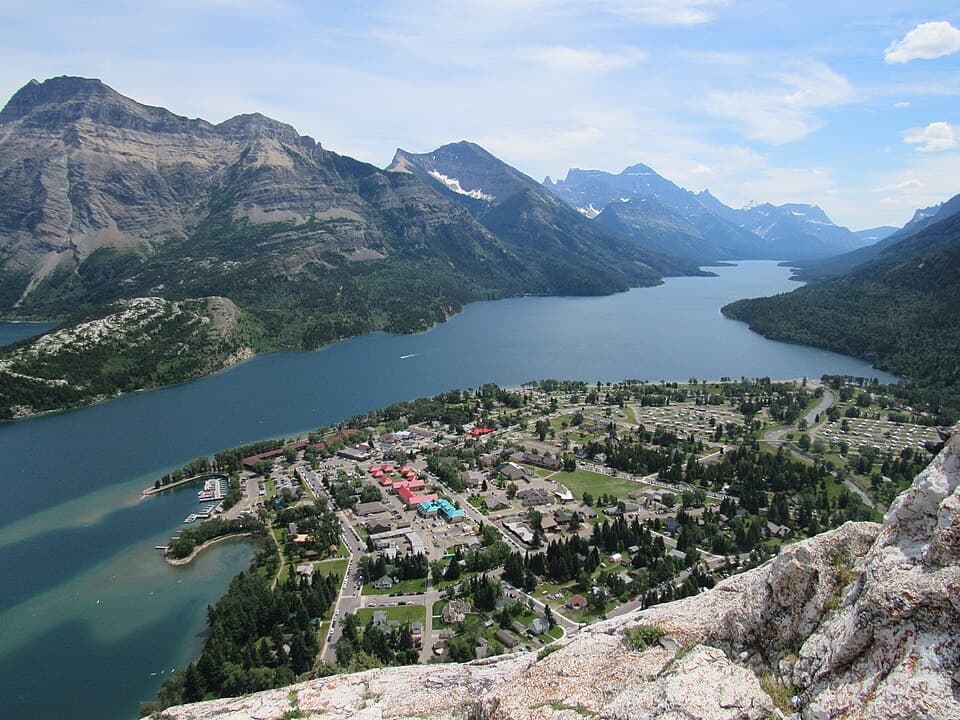
The signed trail begins at the edge of the Waterton townsite and follows Upper Waterton Lake before turning uphill past Lower and Upper Bertha Falls. From there, expect a steady climb with numerous switchbacks, narrow and rocky sections, and very little shade—start early and pace yourself. It’s popular, especially near the falls, so plan for courteous passing and a bit of patience.

At the Lake

When the trail finally pops you into the cirque, the scene is all drama—steep walls, cold clear water, and big sky. There’s an optional loop around the lake for fresh angles and quieter pockets. Hardy folks sometimes take a quick, very cold dip.

Wildlife & Wildflowers

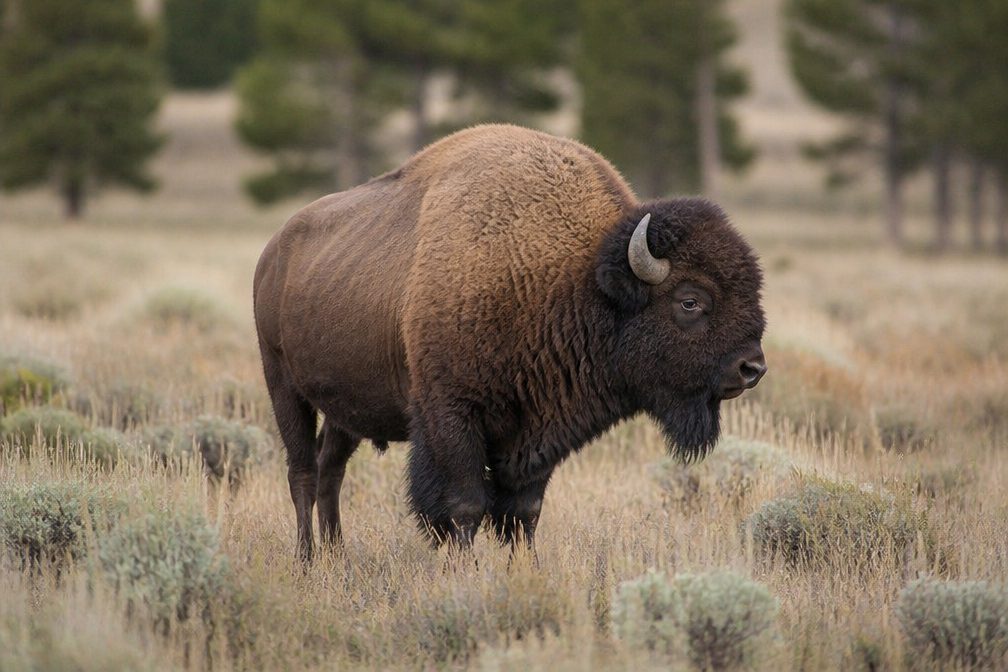
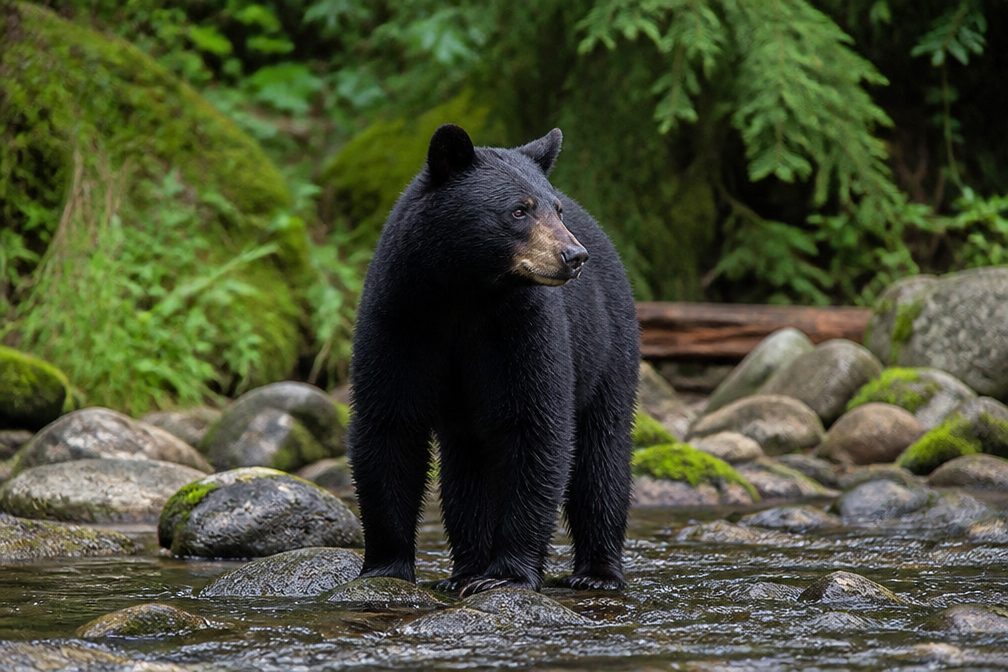
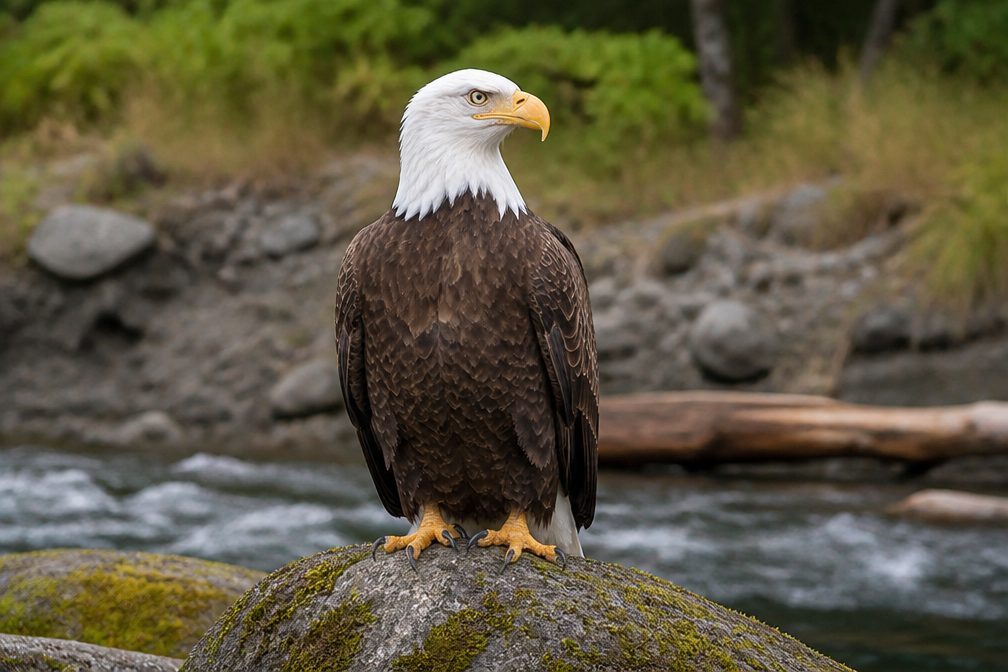
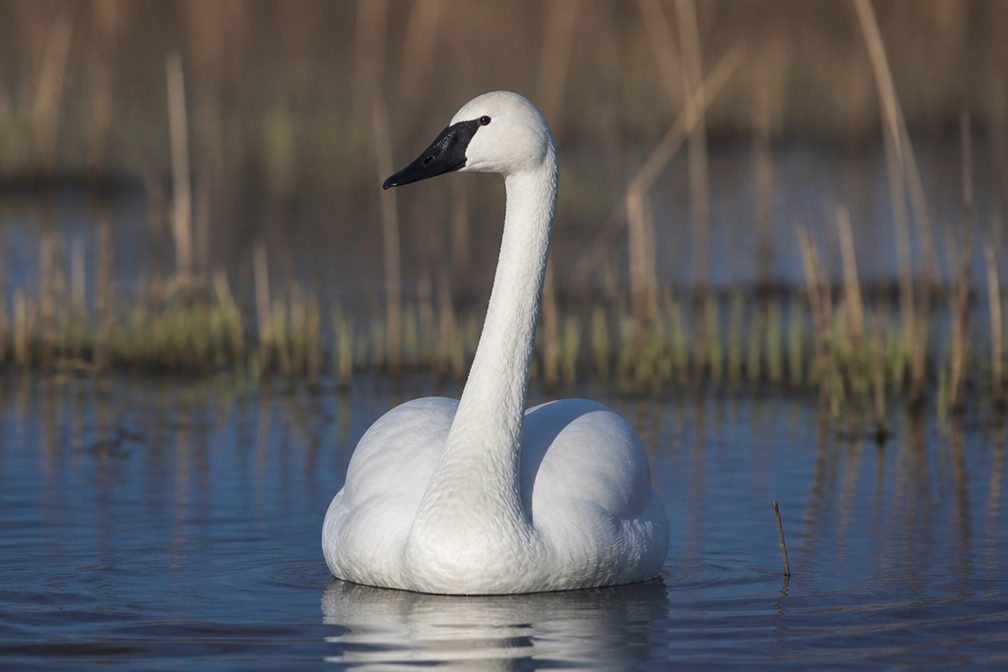
Deer, chipmunks, and birds are common along the trail, with wildflowers flourishing in summer. Bears do move through the area, particularly in berry season—stay bear aware and check advisories before you go.

Camping

A designated backcountry campground sits on the shore, making this an easy overnight for first-time backpackers. Expect minimal amenities (tent pads and basic toilets) and no potable water—treat lake water. Permits are required.

Best Time to Visit

  • Timing: Start early to beat heat and crowds on the switchbacks. Weekdays and shoulder seasons are calmer.
  • Light: Mid-morning and late afternoon light bring out the lake’s color best; even on overcast days the water stays striking.
  • Season: Summer is busiest; spring and fall offer quieter trails but more variable weather.

Need to Know

  • Bring layers—alpine weather can flip quickly.
  • Sun protection and plenty of water are essential; shade is limited after the falls.
  • This route is not stroller-friendly.
  • Always carry bear spray and know how to use it.

Pros

  • Gem-toned alpine lake in a dramatic cirque basin
  • Backcountry campground right on the shore (basic toilets)

Cons

  • Steep, sun-exposed switchbacks to reach the lake
  • Busy in summer weekends; crowds around the falls

Tips

  • Start before 9 am to beat crowds and heat on the switchbacks.
  • Carry bear spray and check current wildlife advisories.
  • Bring plenty of water and sunscreen; shade is limited after the falls.
  • Hike the loop around the lake for quieter viewpoints and better photos.
  • Backcountry camping requires a permit; treat lake water before drinking.
The Parkwolf tour guide sitting on a phone mounted in a car

Parkwolf Tour Guide

Like a tour guide in your car.

Save the places you found around Waterton Lakes, then let Parkwolf guide the drive between them.Download Parkwolf on the App Store