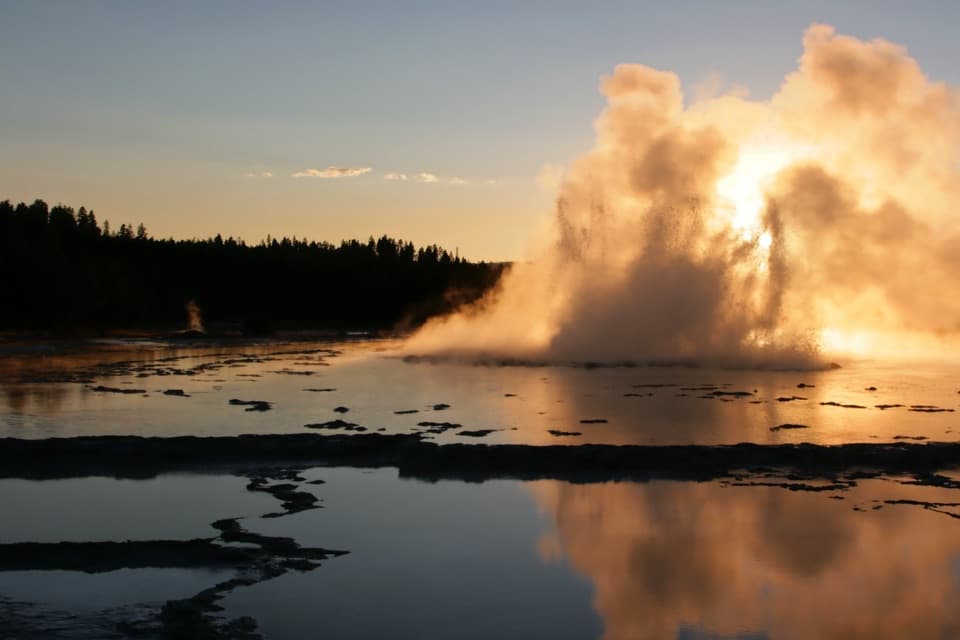
Great Fountain Geyser

Long, dramatic geyser shows with helpful pre-eruption overflow clues
Great Fountain Geyser, Yellowstone National Park
InsideYellowstone National Park

Overview

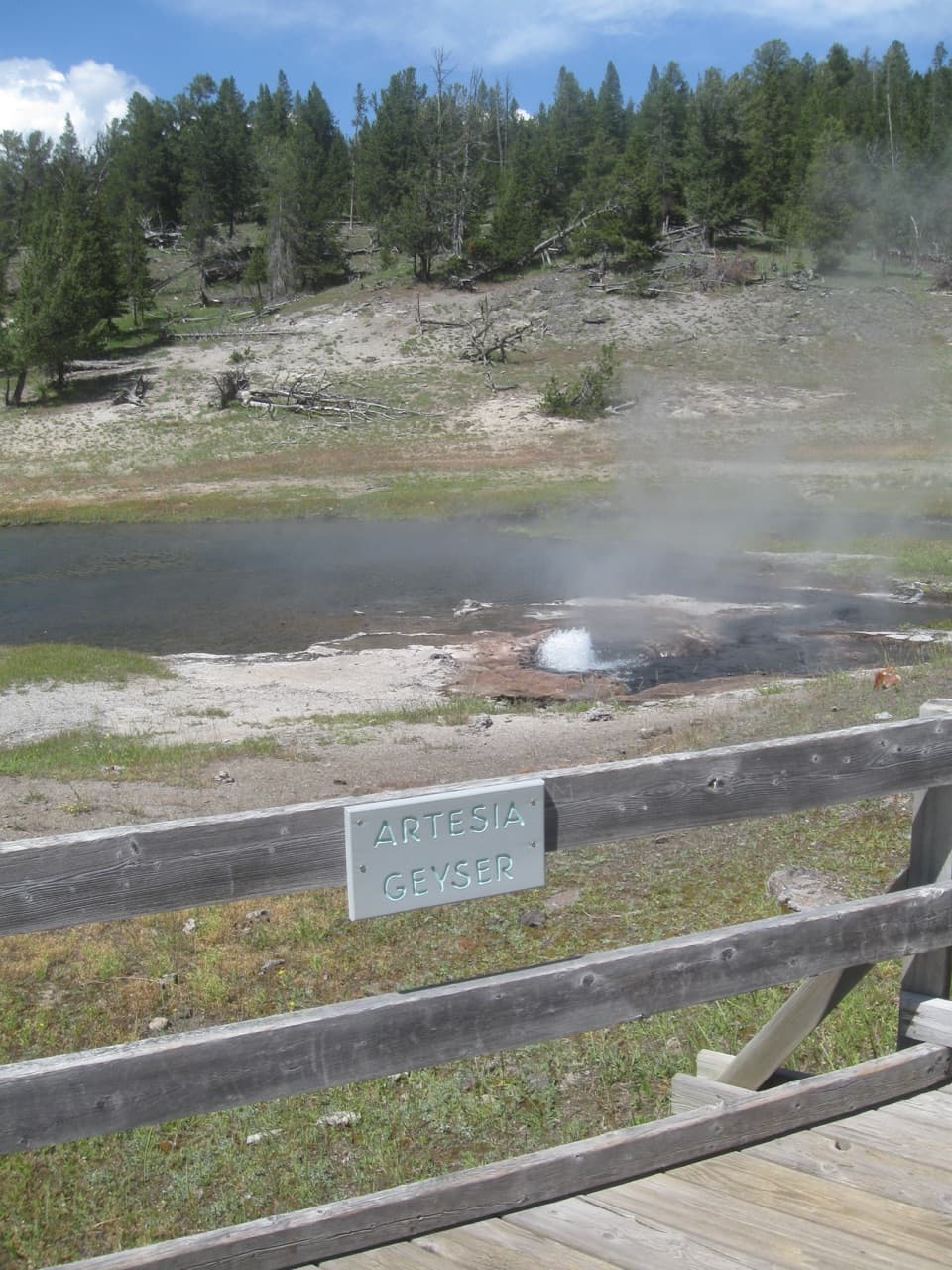
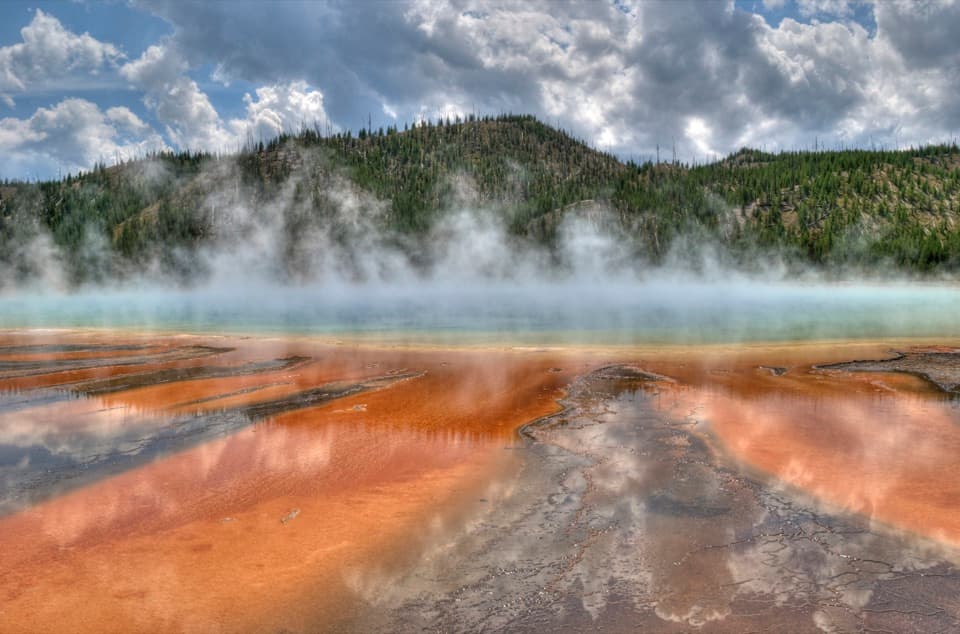
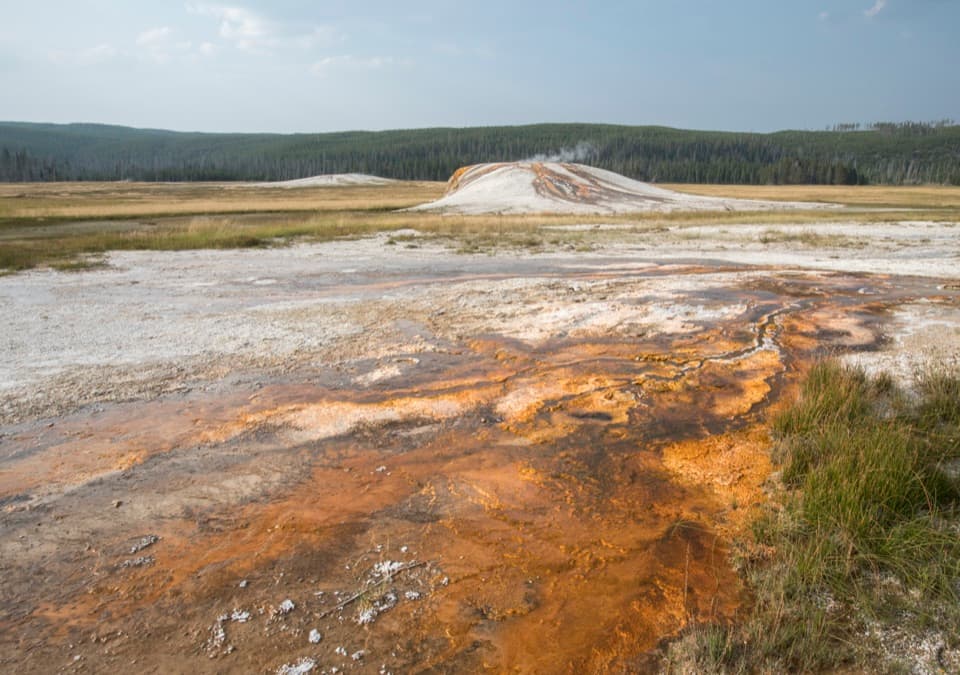
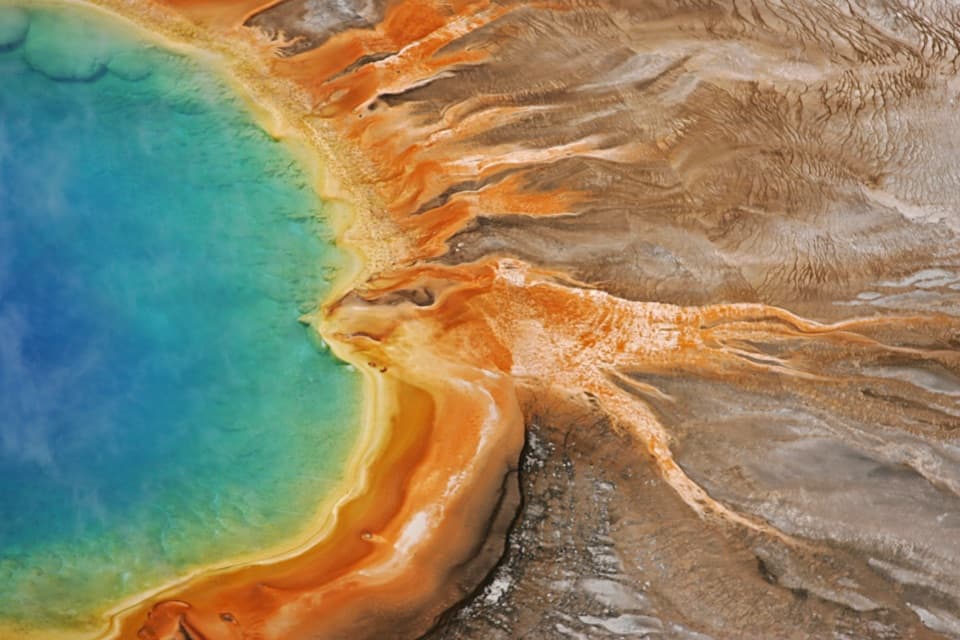
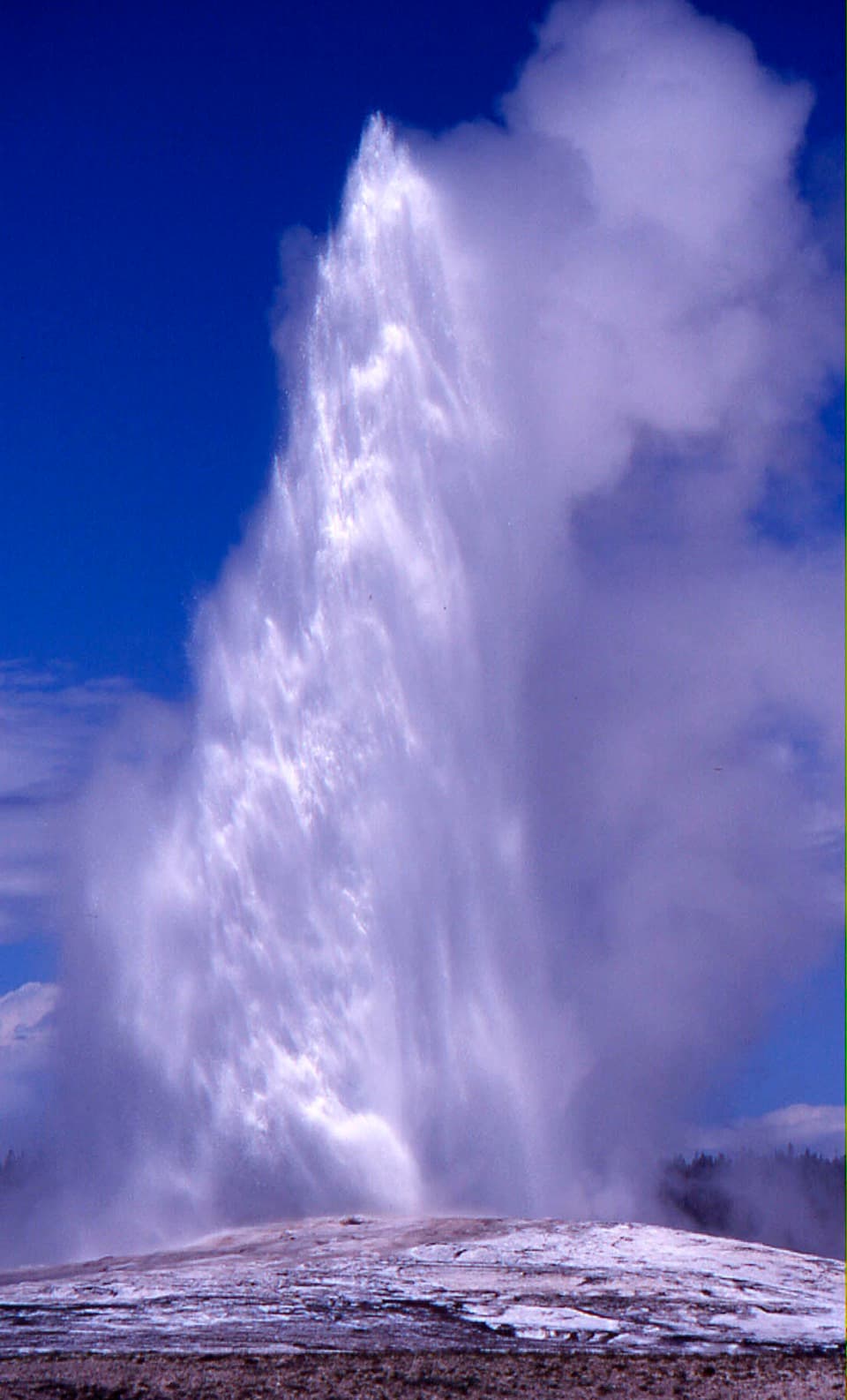
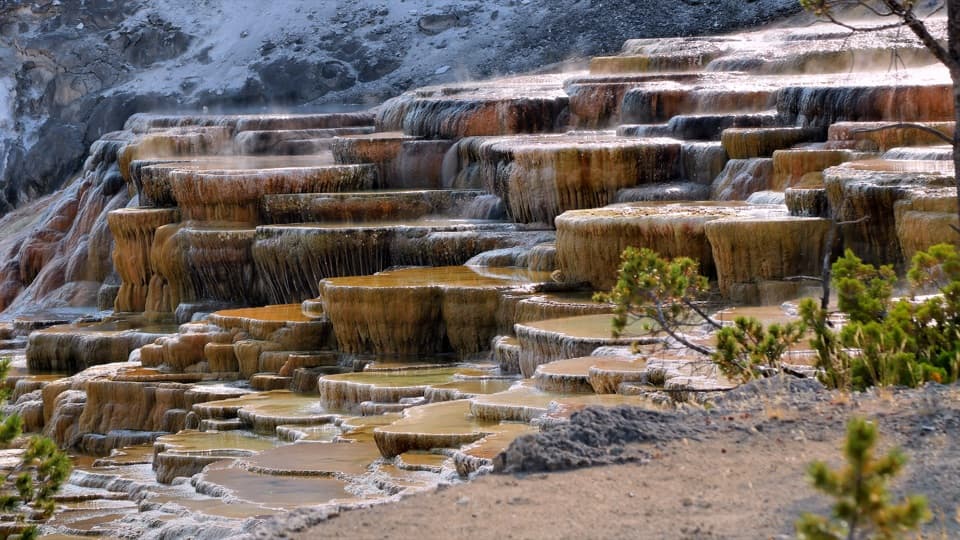
Great Fountain Geyser is the crown jewel of Firehole Lake Drive in the Lower Geyser Basin—broad, terraced, and built for drama. When it goes, it often goes for nearly an hour in a series of powerful bursts, throwing water roughly 100 feet high with occasional larger "superbursts."

Eruption basics

  • Interval: typically every 10–14 hours.
  • Duration: about 45–60 minutes, usually in multiple burst series.
  • Height: commonly around 100 ft, with rare superbursts over 200 ft.
  • On-site clue: the pool slowly fills and begins to overflow roughly 70–100 minutes before the main show—your best tell that it’s worth settling in.

How to catch it

  • Check for the day’s predictions at the Old Faithful Visitor Education Center or in the NPS app. Predictions can be irregular or carry broad windows, so plan flexibly.
  • If no official time is posted, use the overflow cue. Once you see steady overflow around the rim, you’re generally within 70–100 minutes of showtime.
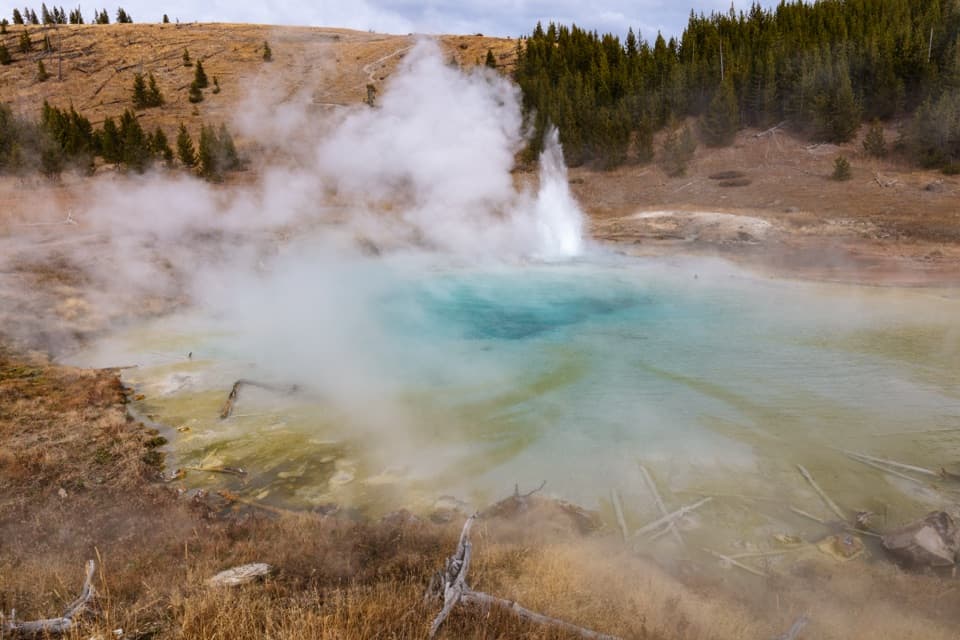
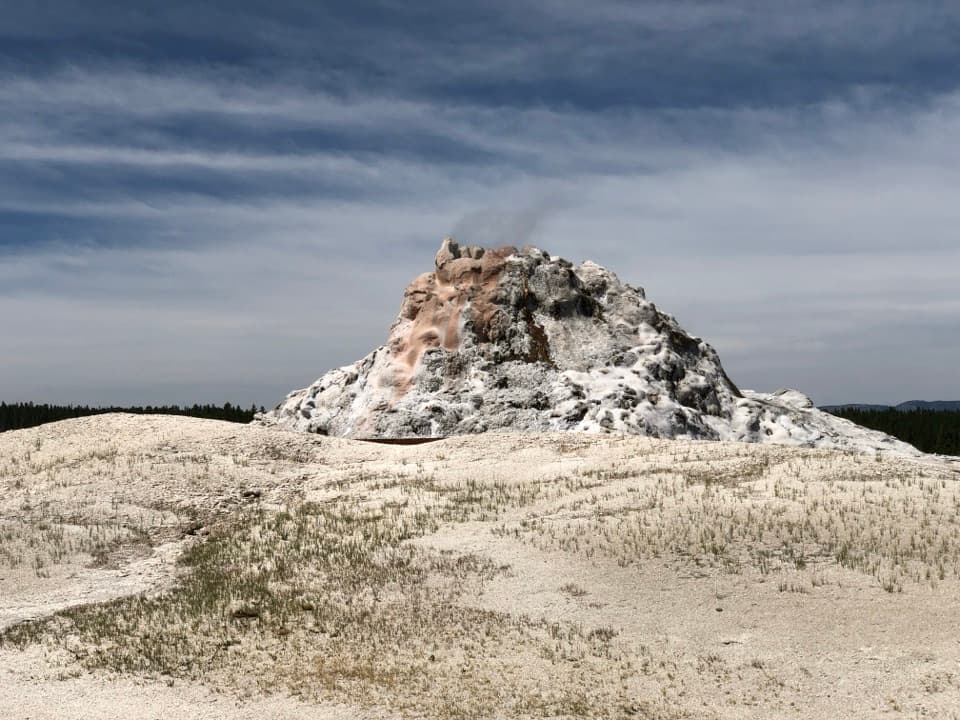
  • While waiting, keep an eye on nearby White Dome Geyser, which often erupts and helps pass the time.

Planning and services

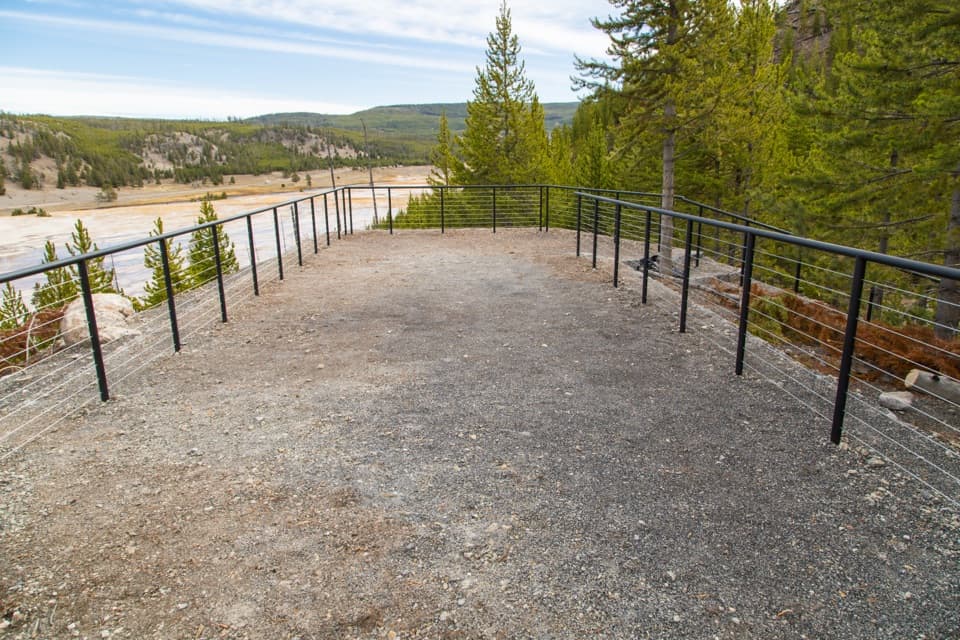
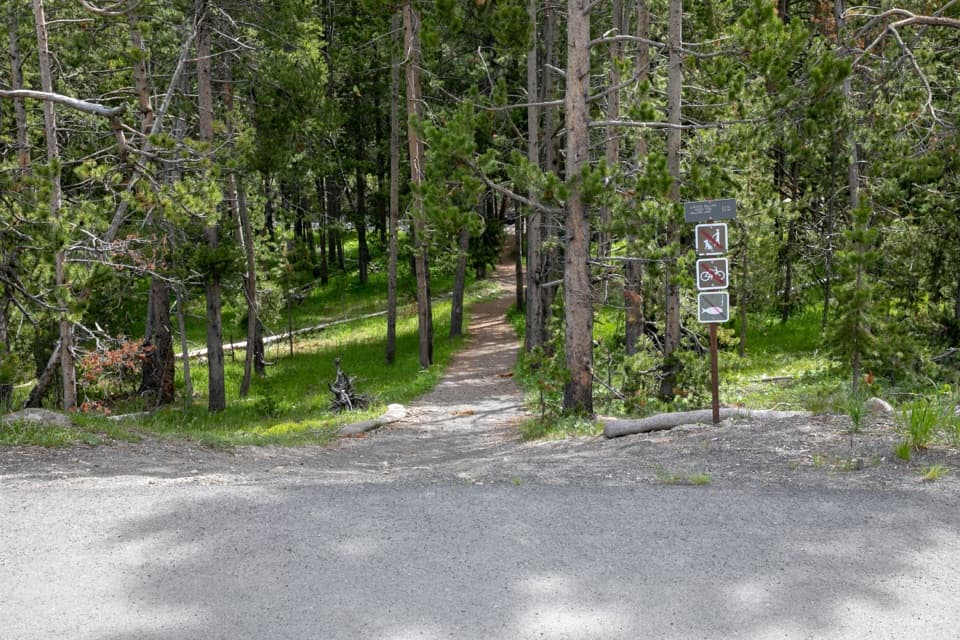
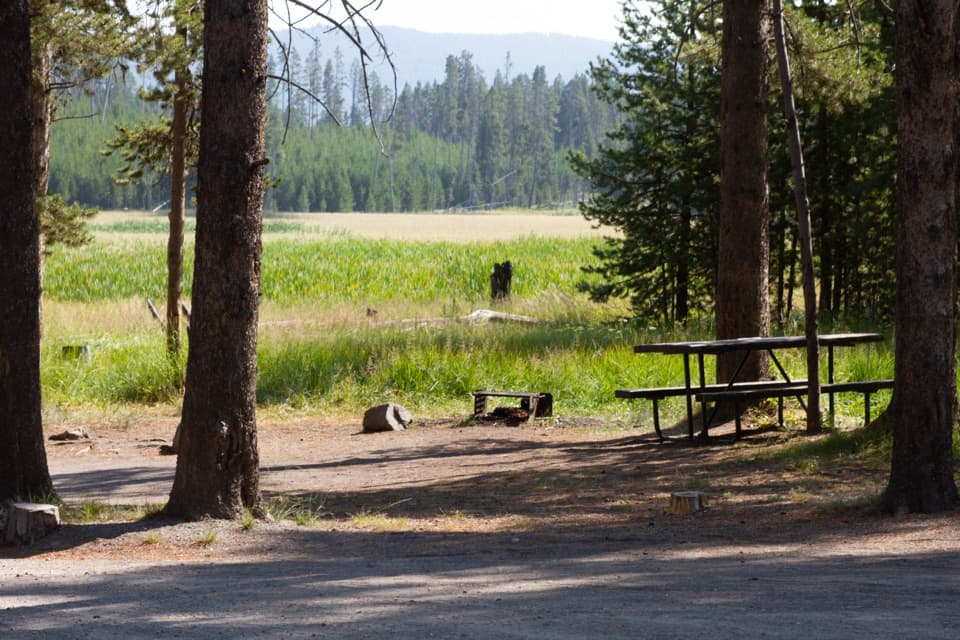
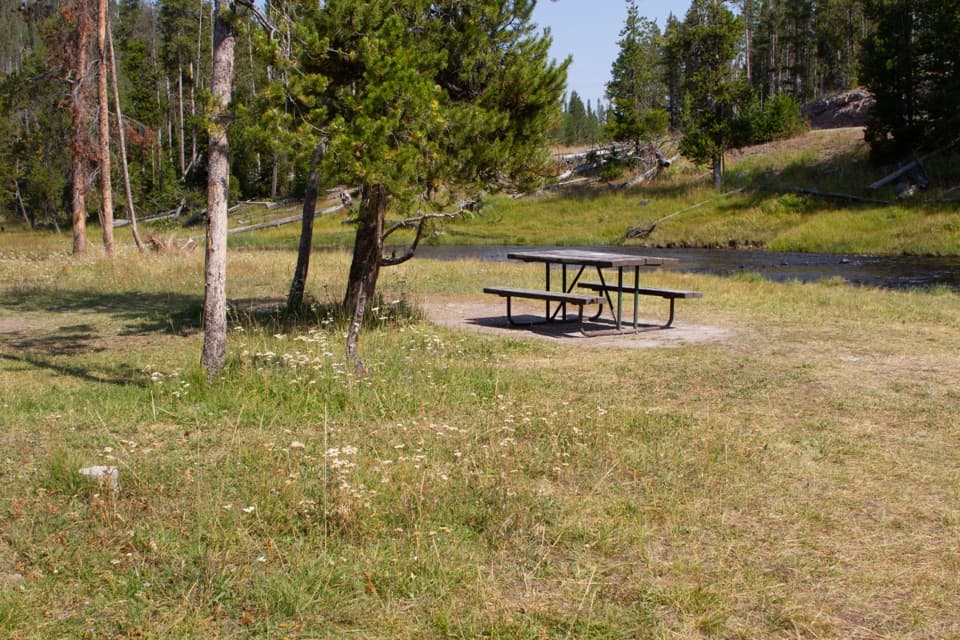
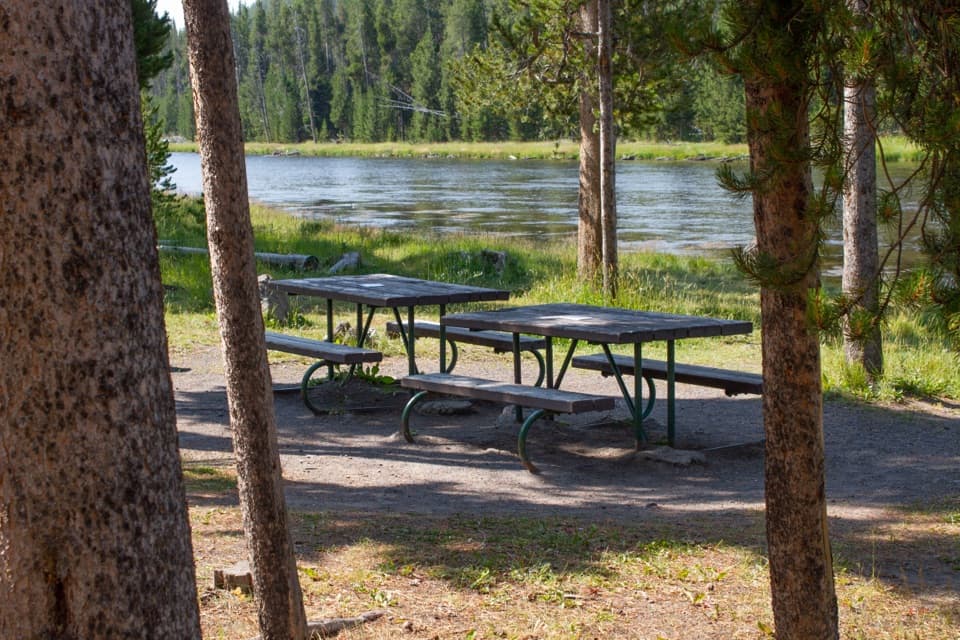
Firehole Lake Drive is a short side road with a small parking area/pullout at Great Fountain. There are no services here—no food, water, or restrooms—so prep before you arrive. Bring water, layers, snacks, and something to do during the wait. Parking is limited and fills up around predicted windows; arrive early.

Safety

Thermal areas are unforgiving—stay on boardwalks and designated paths, supervise kids closely, and never run or push. The water here can cause severe burns. Wildlife may pass through; give them space and follow ranger guidance.

Geology and change

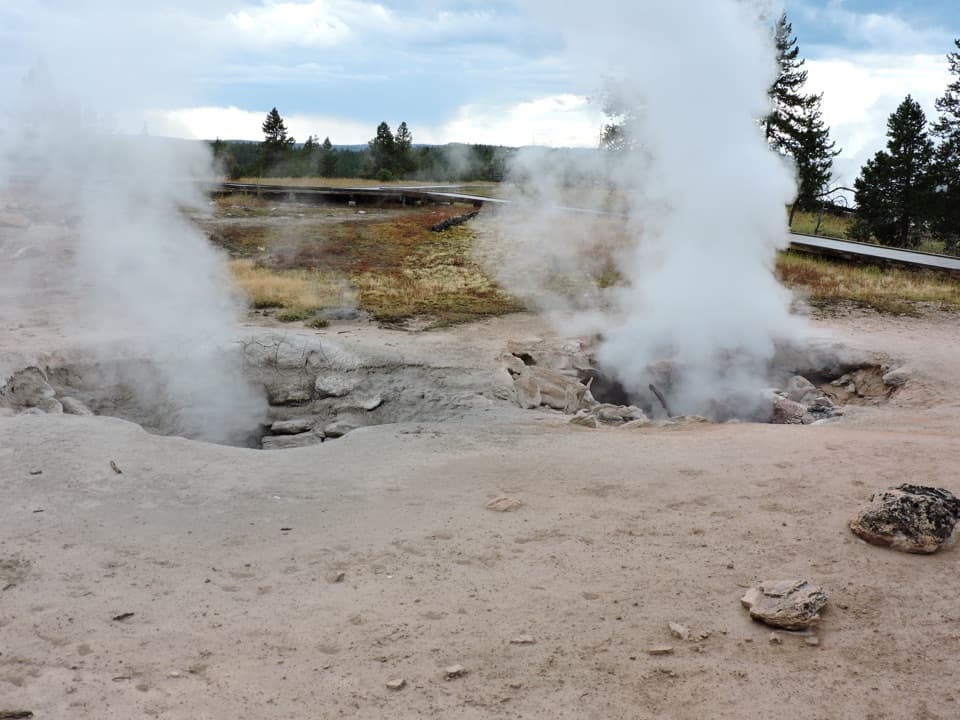
Yellowstone’s geysers need heat, water, and tight plumbing. Constrictions below ground trap superheated water until pressure forces it upward in an eruption. The Lower Geyser Basin sits atop unstable glacial gravels, and earthquakes (like the 1959 Hebgen Lake quake) have historically altered water supplies and behaviors of nearby features, so variability over time is normal here.

Best time to visit

Plan your stop around a posted prediction or after you confirm overflow has started. Light winds make for clearer photos; position upwind to avoid drifting spray. Late-day light can be gorgeous on the terraces, but parking gets tight near any active eruption window. Weekday visits usually feel calmer than peak weekend hours.

Pros

  • Long, multi-burst eruptions with a reliable 70–100 minute overflow signal
  • Easy pullout stop along Firehole Lake Drive; watch from your car
  • Nearby White Dome Geyser offers action while you wait

Cons

  • Wide prediction windows mean long waits are common
  • Minimal services and limited parking near eruption times

Tips

  • Check the NPS app or Old Faithful Visitor Education Center for day-of predictions.
  • Use overflow as your on-site cue; once it starts, expect 70–100 minutes to go-time.
  • Arrive early for parking and bring water, layers, snacks, and patience.
  • Stand upwind for clearer photos and to avoid spray drift during the bursts.
  • Pair the wait with a lap of Firehole Lake Drive—White Dome Geyser often erupts.
The Parkwolf tour guide sitting on a phone mounted in a car

Parkwolf Tour Guide

Like a tour guide in your car.

Save the places you found around Yellowstone, then let Parkwolf guide the drive between them.Download Parkwolf on the App Store