Parking
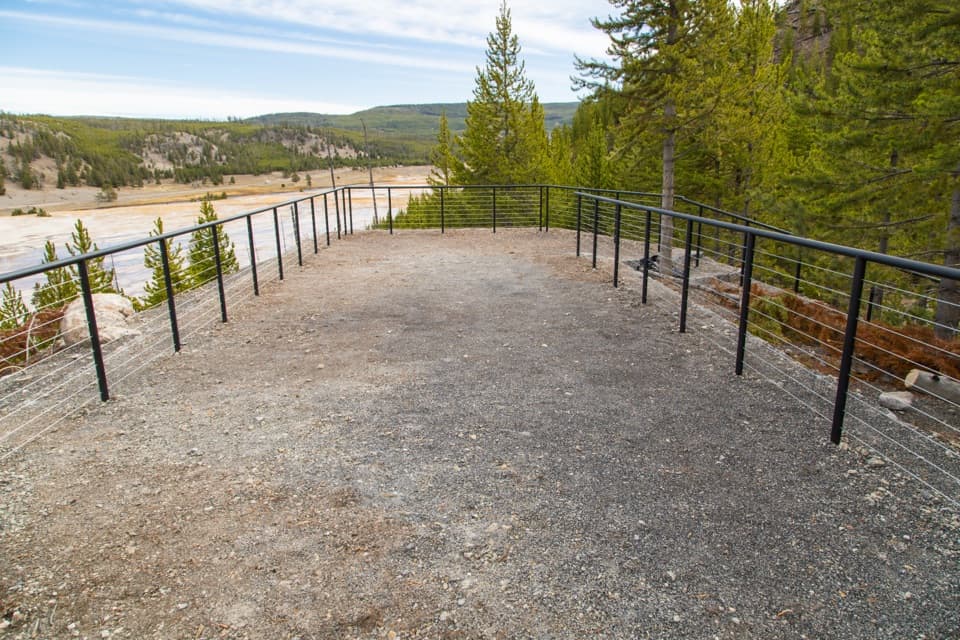
Use the roadside pullout at Monument Geyser Basin Trailhead on the Grand Loop Road. Sources differ on its size; plan on roadside parking and take care entering and leaving the road.
Yellowstone National Park, WY · MT · ID
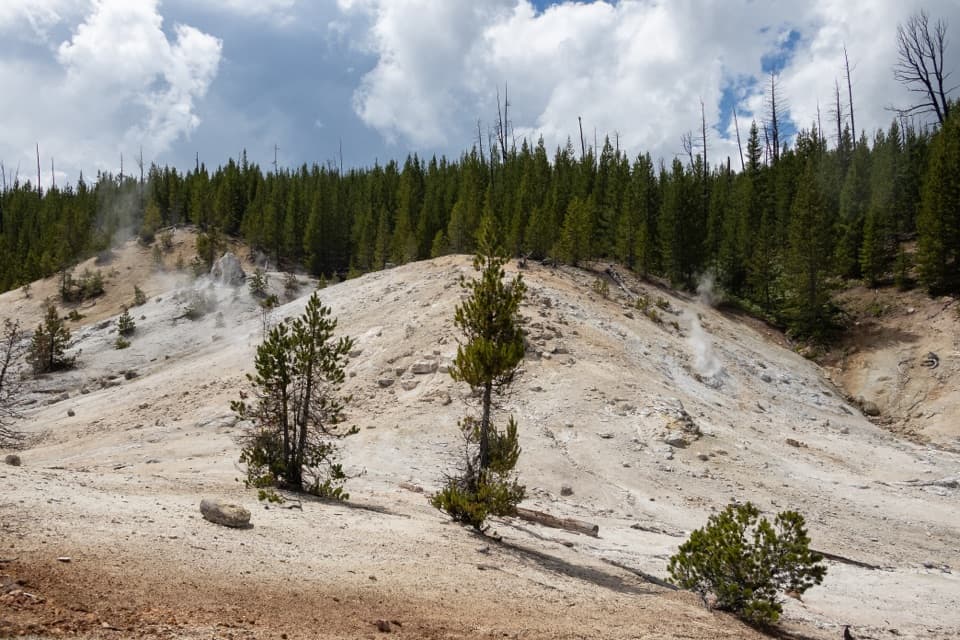
A steep climb from the Gibbon River to a pale thermal basin.
Overview
Map & elevation
Plan your hike

The highest, rockiest slopes around here are a summer buffet for grizzly bears.
Yellowstone Tour Guide
Parkwolf is a GPS audio tour guide for Yellowstone National Park. As you drive, it chimes in with what’s ahead: hidden gems, upcoming stops, history, geology, and wildlife, right through your car’s speakers.
See the Yellowstone audio tourRecorded for this trailhead
Monument Geyser Basin Trailhead“You're approaching the trailhead for Monument Geyser Basin, where a steep hike leads to pale, chimney-like silica spires and steaming vents.”
Plays as you drive up to this trailhead in the Parkwolf Yellowstone Tour Guide.
More stories near here in the app
“First time driving through a national park. We used the Yellowstone tour on grand loop Road and it’s just like having a tour guide in your car with you.”


Trail guide
Monument Geyser Basin Trail is a 2.4-mile out-and-back from a roadside pullout on the Grand Loop Road to a small thermal basin on a hillside. Plan on about two hours. The climb gains roughly 640 feet and is direct, so the short mileage is a little misleading, especially at Yellowstone’s elevation.
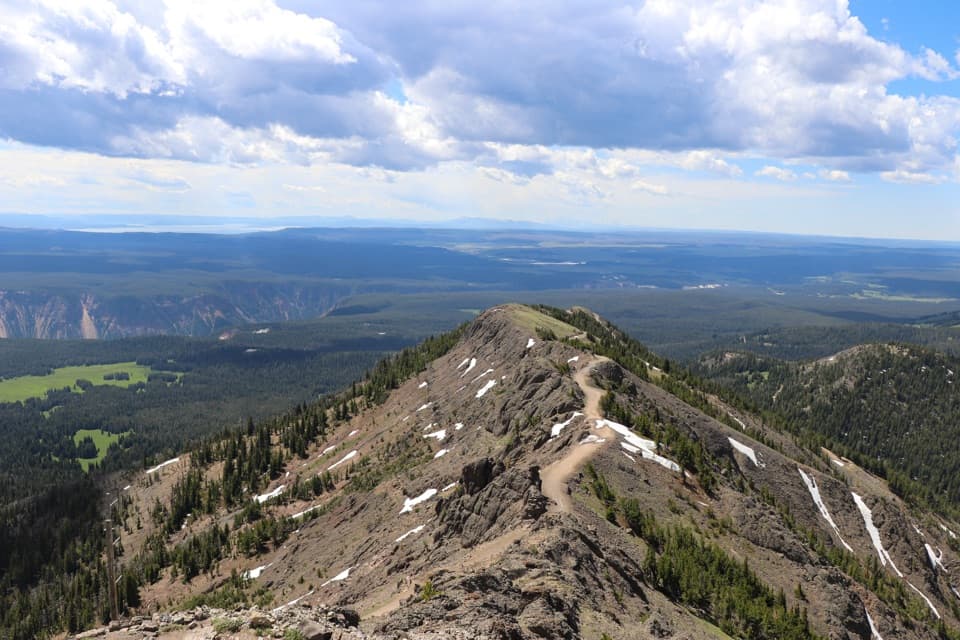
A short rise from the trailhead gives way to about half a mile alongside the Gibbon River under pines. Then the trail turns southwest and climbs sharply, with few switchbacks. Look back for the river winding through the meadow, Norris Geyser Basin, and Mount Holmes. Near the top, the grade eases and a rocky trench opens a view south before the forest gives way to pale mineral ground.
The trail ends at the edge of a pale thermal slope, where tall sinter spires, scattered pines, and steaming vents make the payoff. This is a quieter, less colorful kind of thermal basin than Yellowstone’s famous boardwalk stops. Turn around where the established tread ends; the basin beyond is not a place to wander around for a closer look.
Parking is in the roadside pullout at Monument Geyser Basin Trailhead. Descriptions differ on its size, so plan on roadside parking and take care pulling back onto the road. The climb is steep and exposed to Yellowstone’s high elevation. Pets are prohibited, and off-trail travel in thermal areas is not allowed. NPS backcountry guidance recommends hiking in groups of three or more and keeping bear spray accessible.
Wildlife
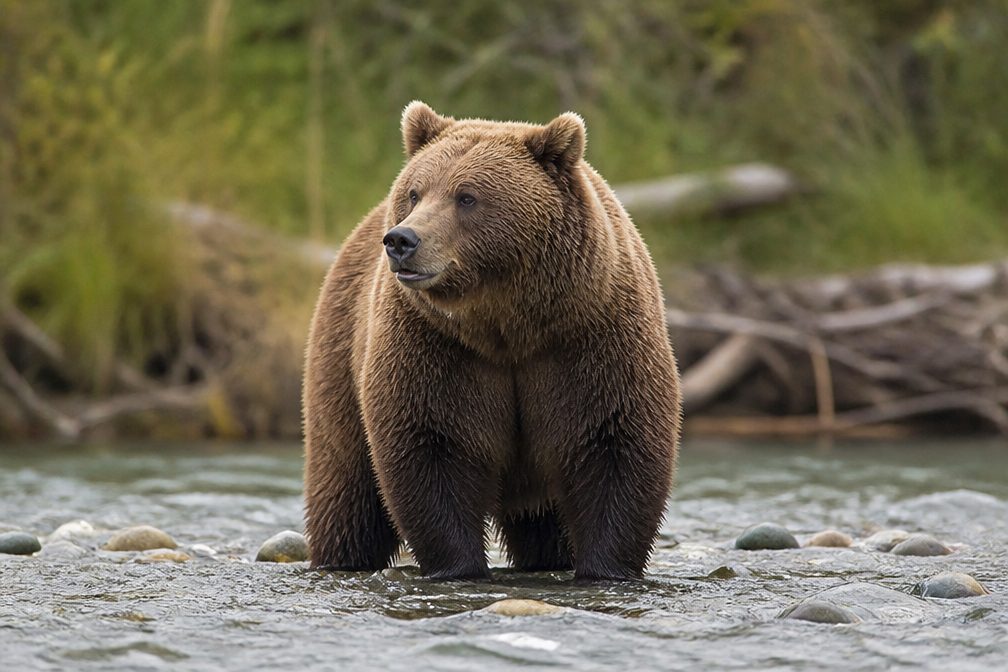 713 sightingsGrizzly BearMost seen around 6 AMSighting map
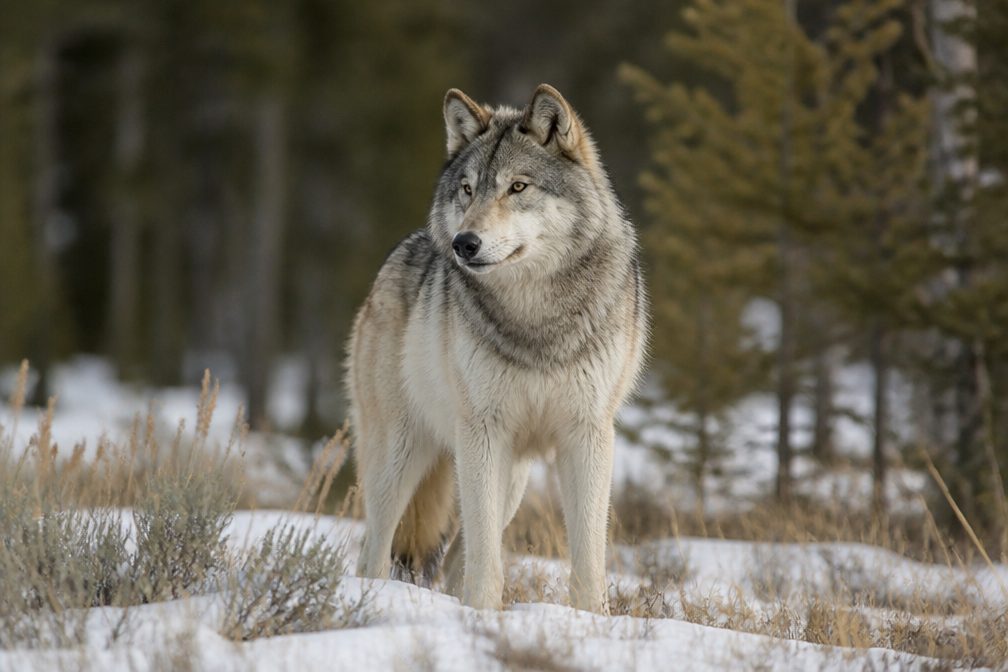 743 sightingsWolfMost seen around 6 AMSighting map
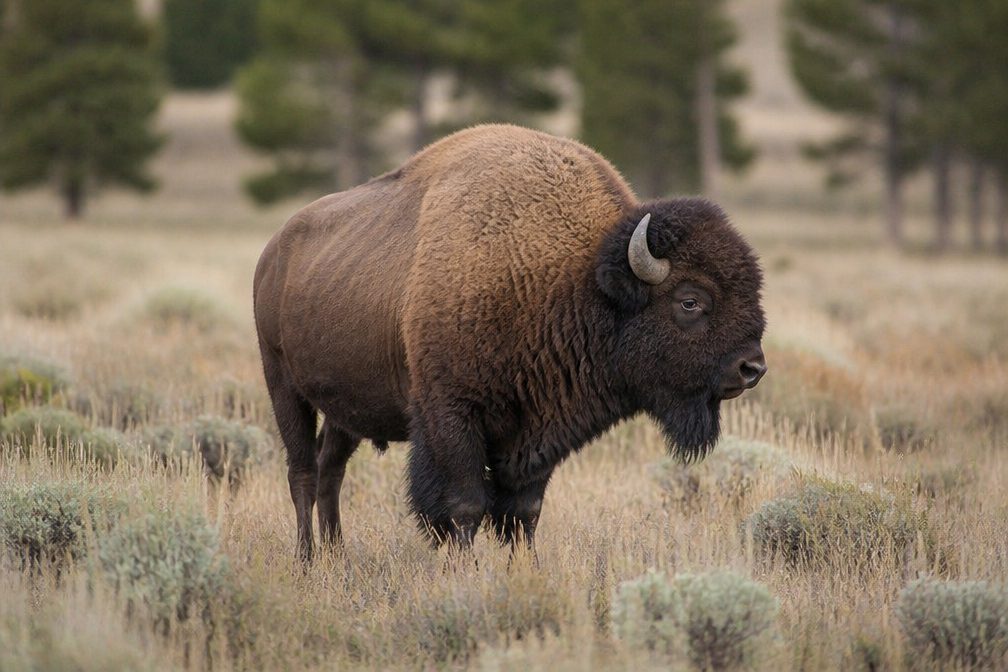 5,273 sightingsBisonMost seen around 7 AMSighting map
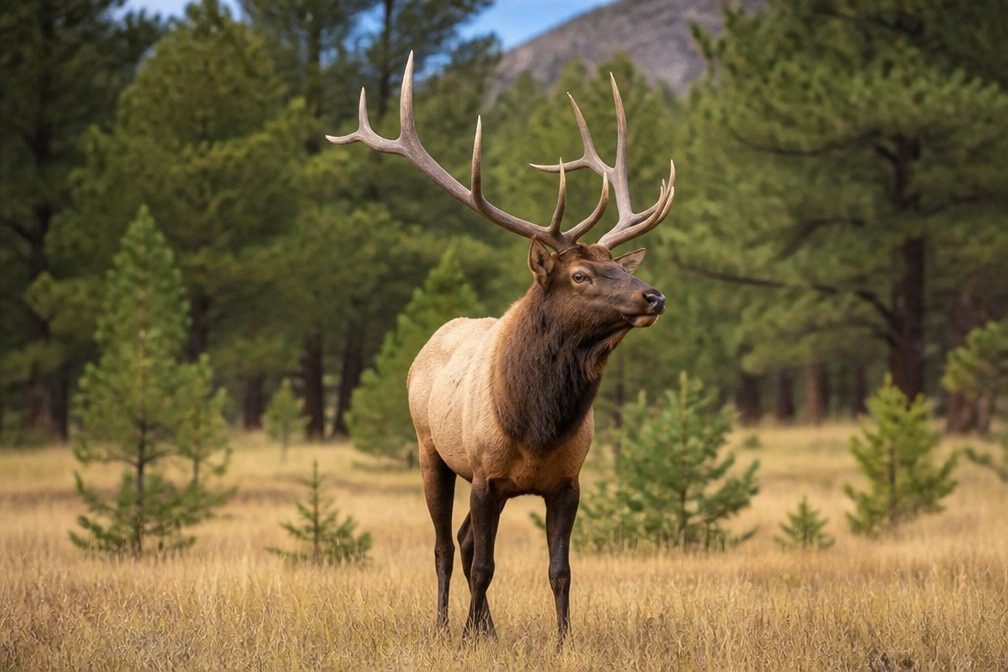 3,258 sightingsElkMost seen around 7 PMSighting map
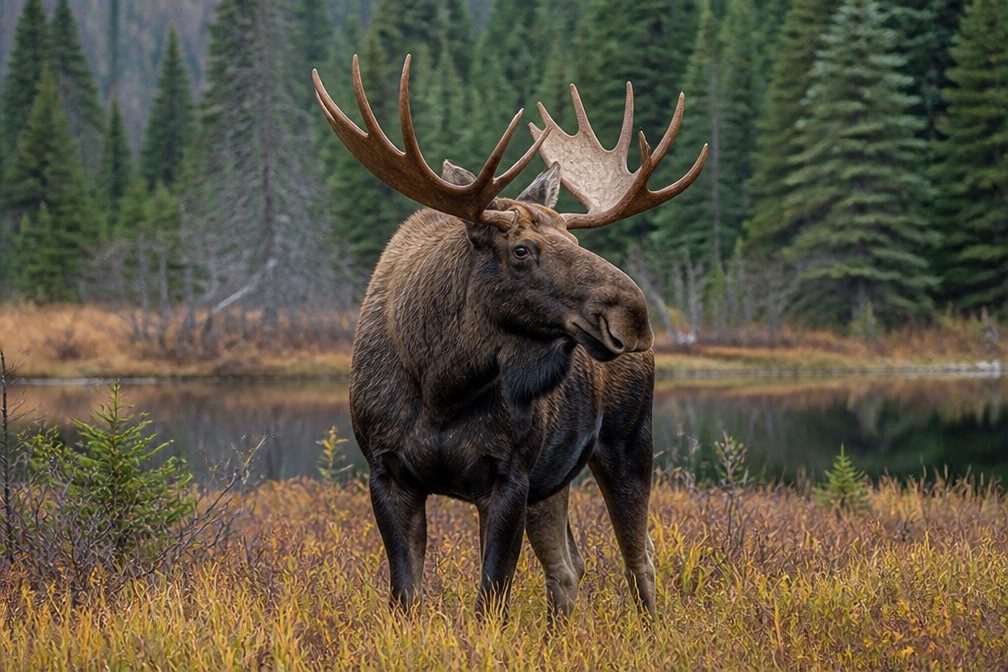 397 sightingsMooseMost seen around 7 PMSighting map
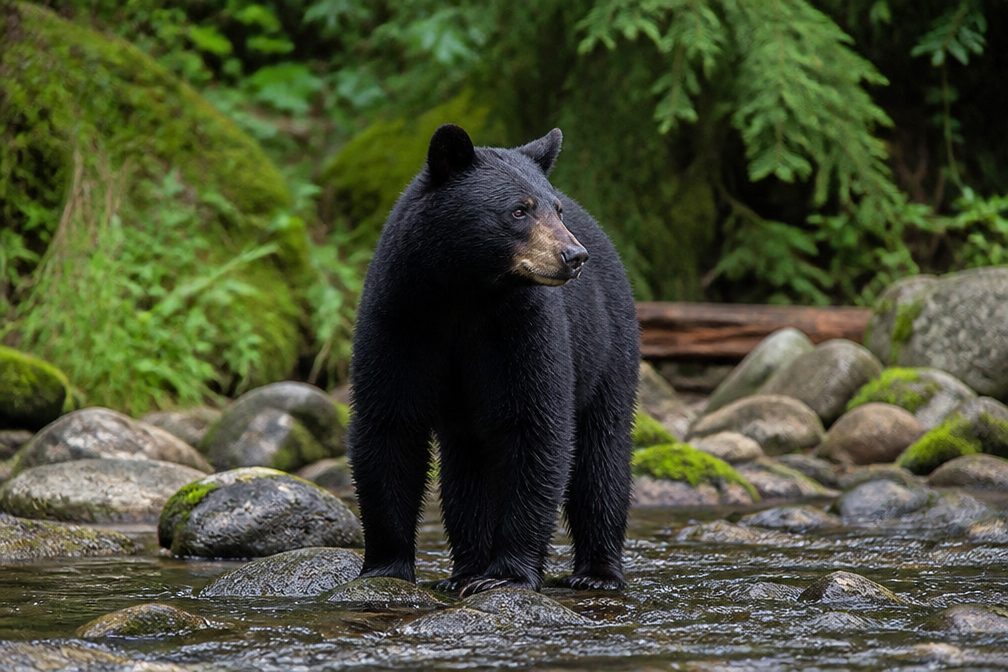 1,494 sightingsBlack BearMost seen around 7 PMSighting map
Sighting maps show where each species has been reported across Yellowstone. Wildlife moves, so no sighting is guaranteed.
Keep exploring
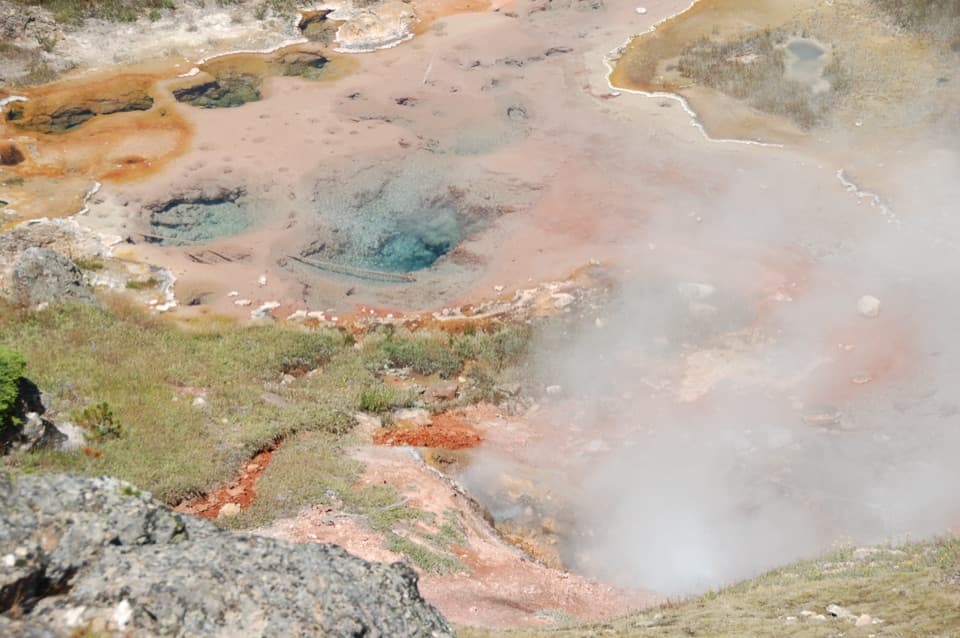 EasyArtists Paintpots Trail1 mi · 45 min · 0.9 mi awayA short loop past bubbling mud and a steep climb.
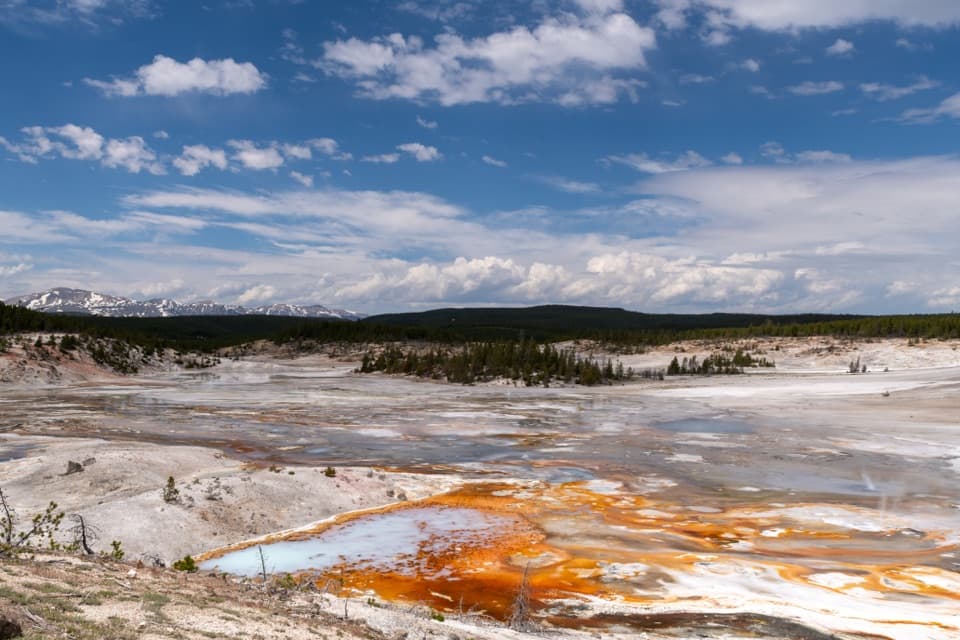 EasyPorcelain Basin Trail1 mi · 45 min · 3.6 mi awayLoop past steaming geysers and vivid runoff in a pale basin.
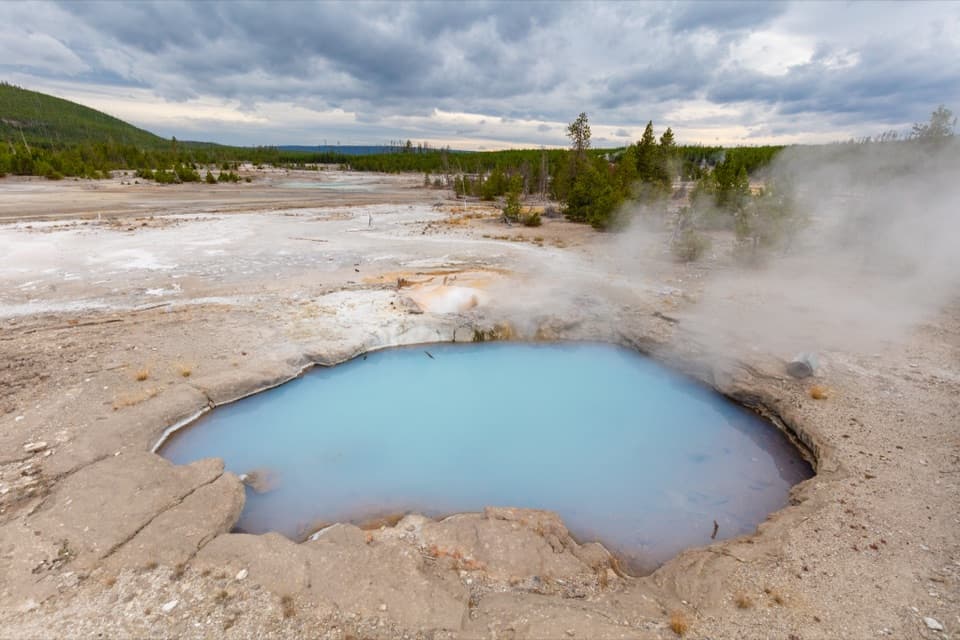 EasyBack Basin Trail1.5 mi · 1.3 hr · 3.6 mi awayA wooded thermal loop with geysers scattered through the pines.
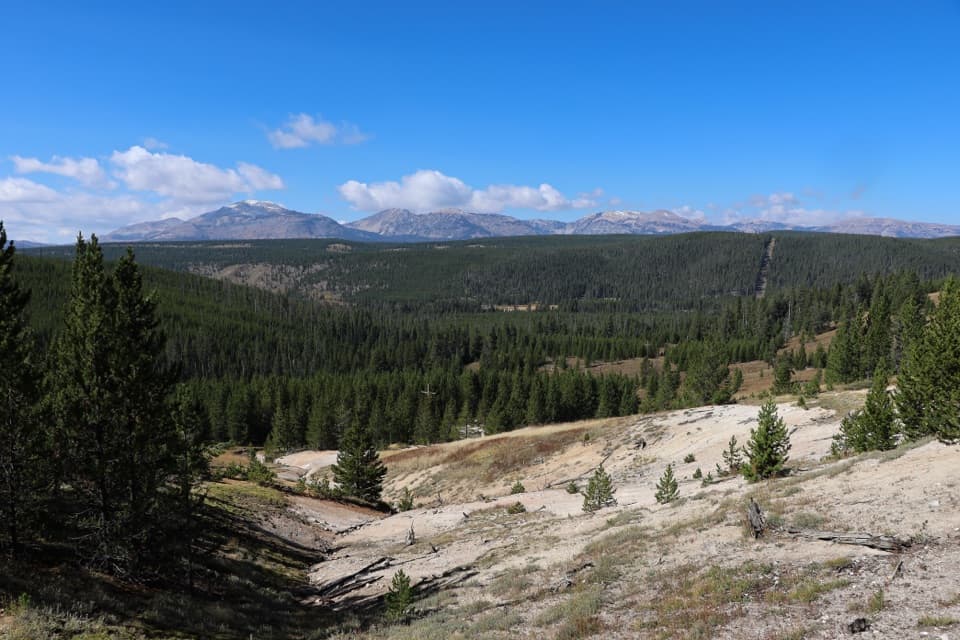 ModerateSolfatara Creek Trail6.3 mi · 3.5 hr · 4.6 mi awayA long thermal creek walk through forest, meadows, and hot springs
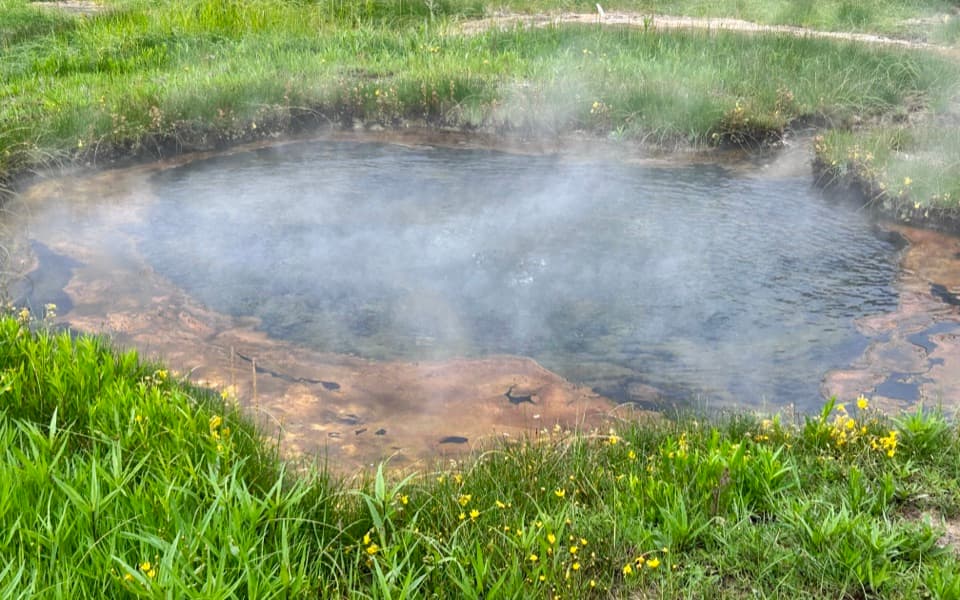 EasyTerrace Spring Trail0.2 mi · 15 min · 5.5 mi awayA short boardwalk loop to Yellowstone’s small thermal area.
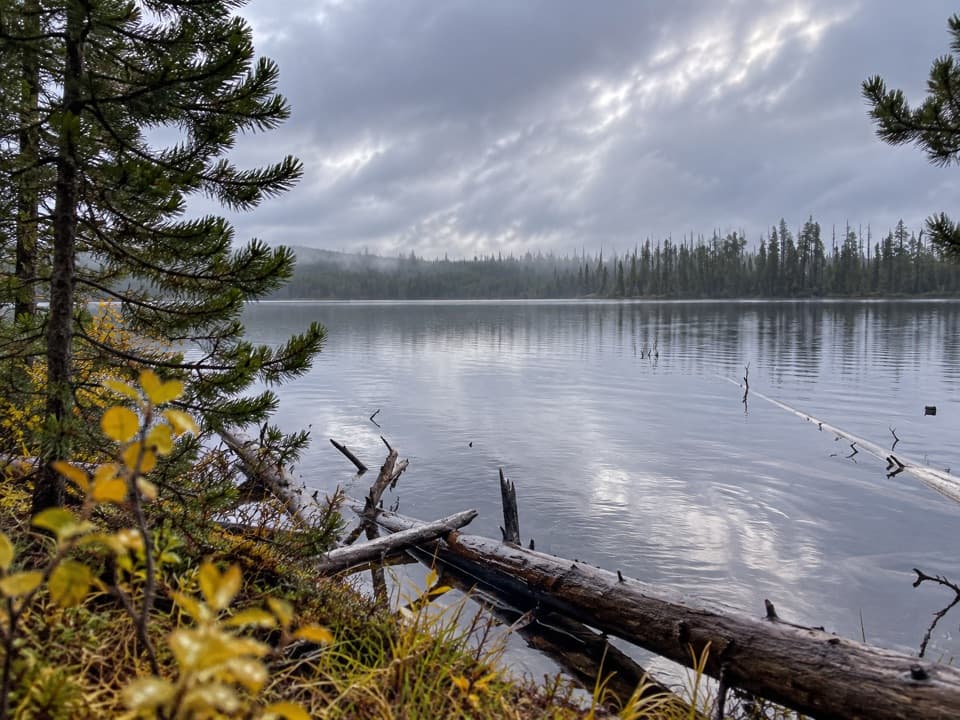 EasyIce Lake Trail1 mi · 45 min · 5.9 mi awayA short forest walk to the western edge of Ice Lake.
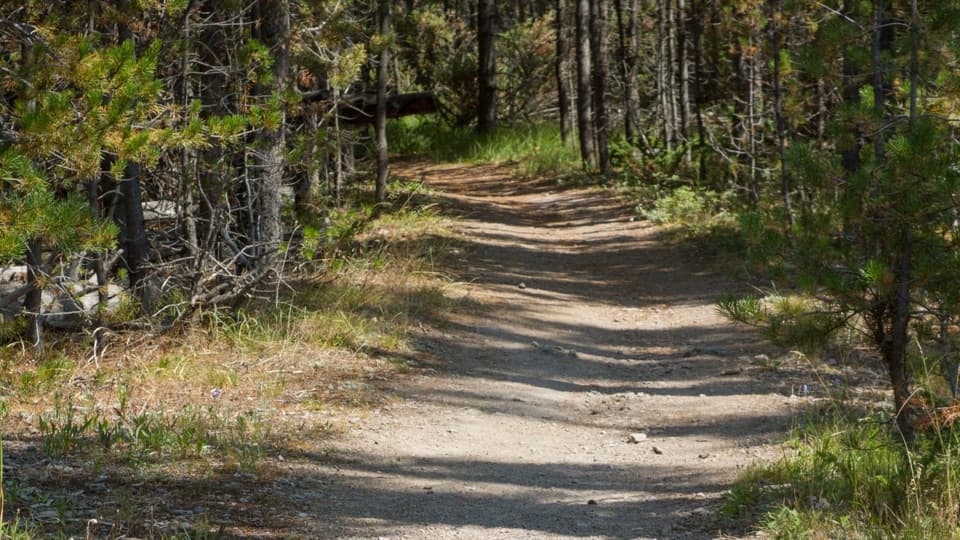 ChallengingPurple Mountain Trail6.6 mi · 4 hr · 6 mi awayEleven switchbacks climb to views over the Gibbon and Madison valleys.
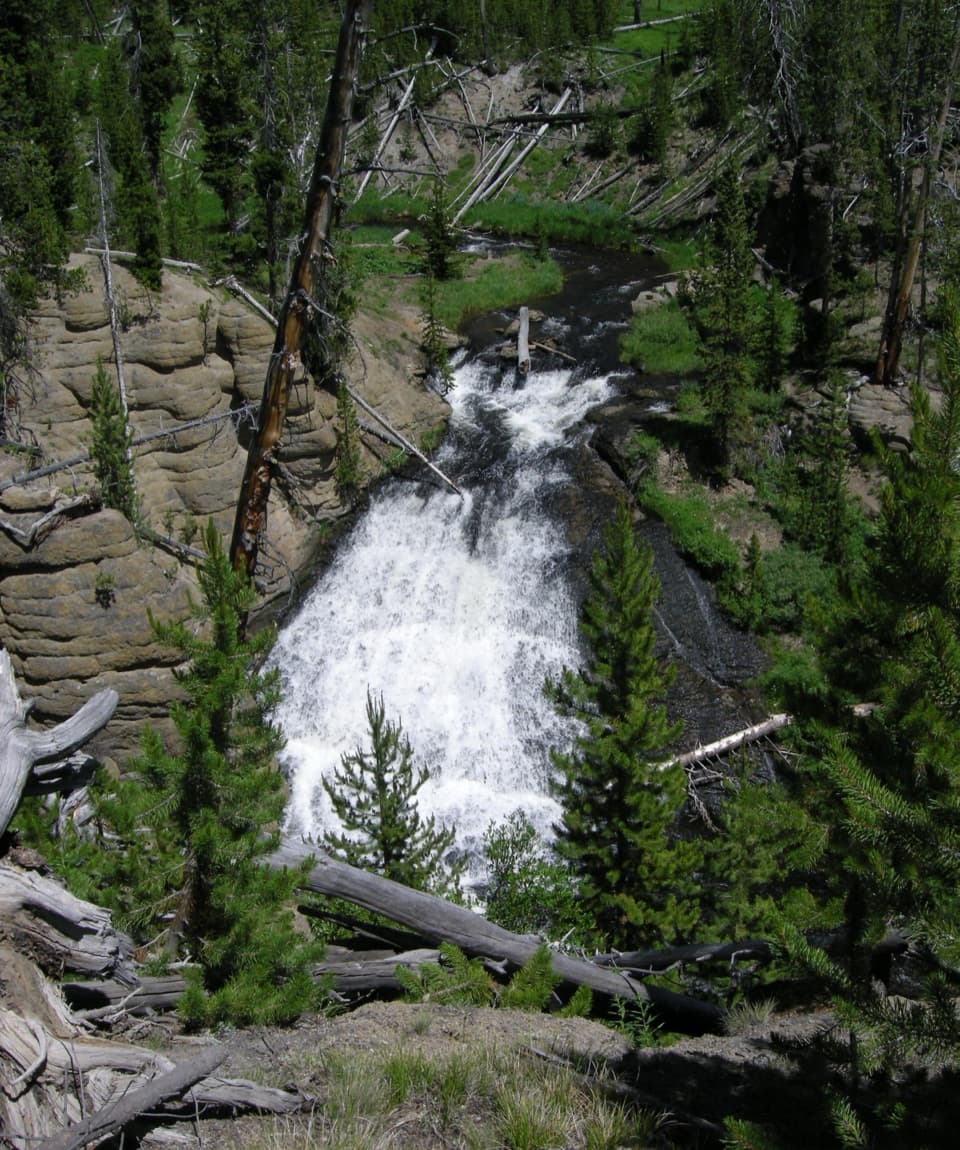 EasyWolf Lake Trail2.4 mi · 1.5 hr · 6.1 mi awayA short waterfall walk through Yellowstone's forest and wet meadows.
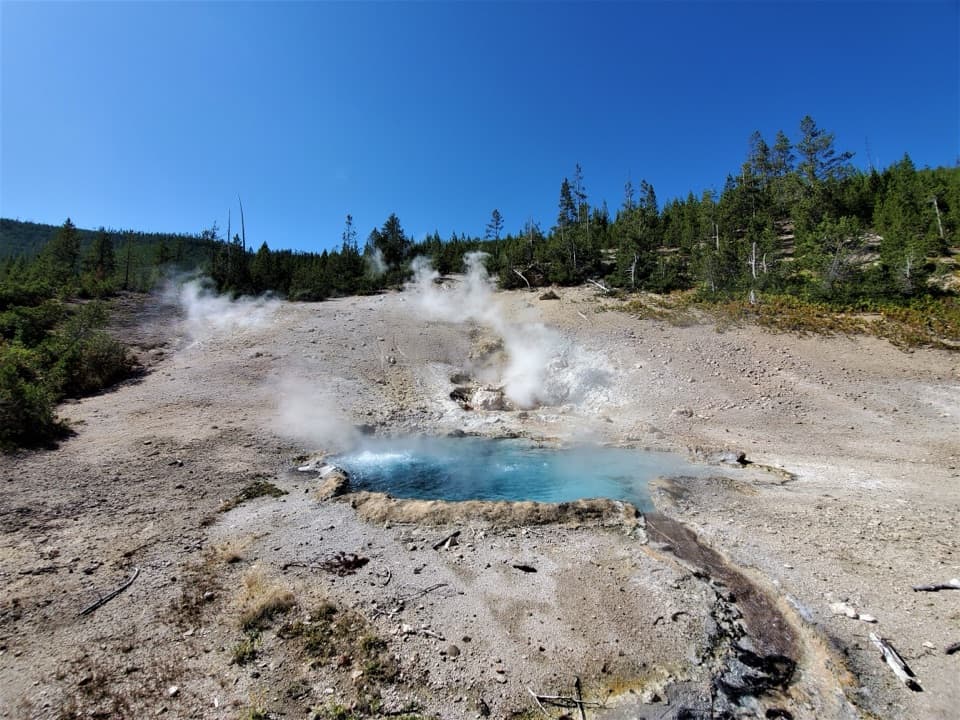 Sight · 0.4 mi awayBeryl SpringA bright blue roadside spring with a vent you can hear.Sight · 0.5 mi awayMonument Geyser BasinA steep hike to a hillside of pale, steaming silica spires.
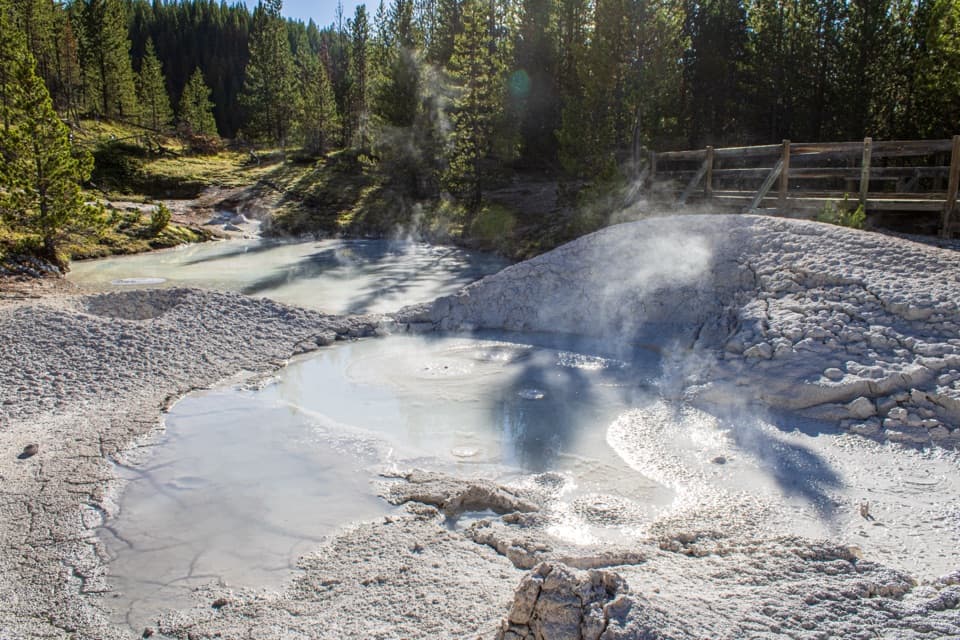 Sight · 0.6 mi awayArtists PaintpotsA short loop through bubbling mud, bright pools, and small geysers.
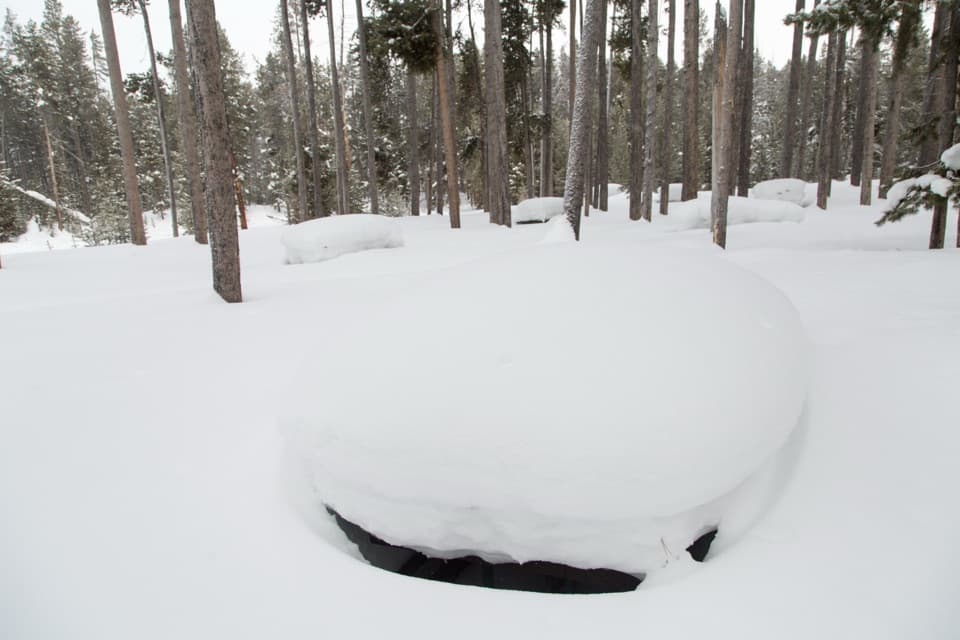 Picnic area · 1.6 mi awayGibbon Meadows Picnic AreaTen picnic tables beside the Gibbon River and a broad meadow.
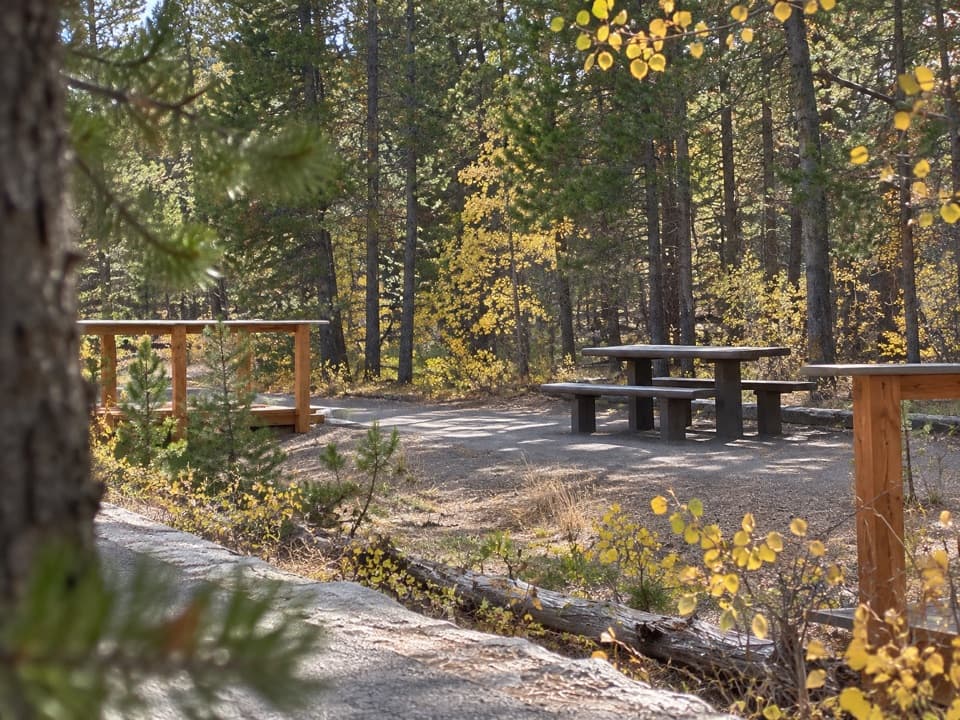 Picnic area · 1.7 mi awayCaldera Rim Picnic AreaA three-table picnic stop beside the Gibbon River.
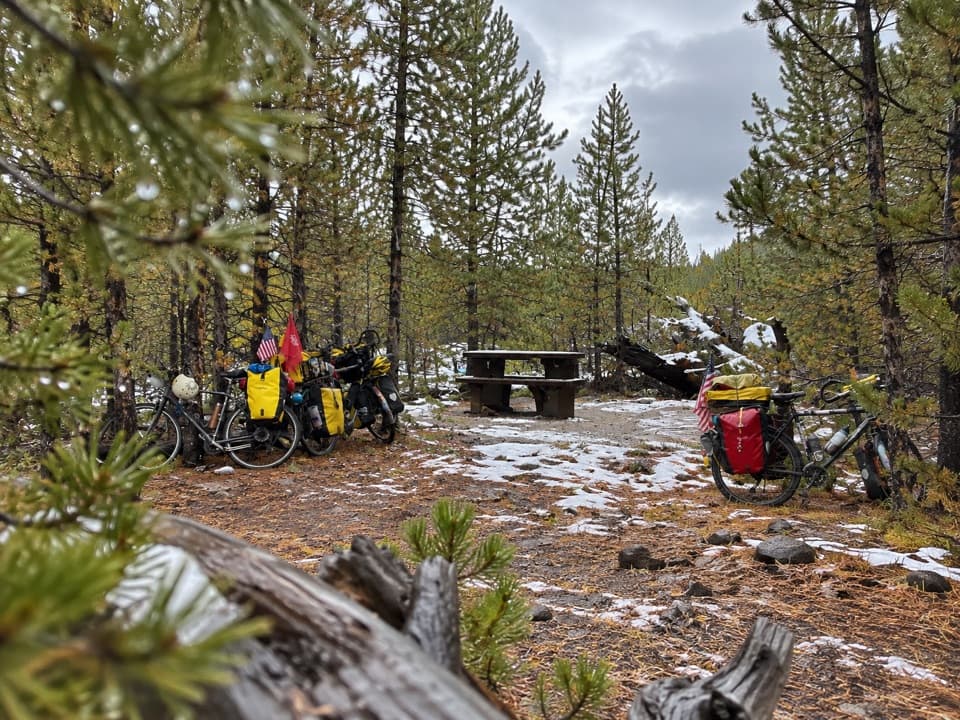 Picnic area · 2 mi awayIron Spring Picnic AreaFive tables make this a handy US-89 picnic break.
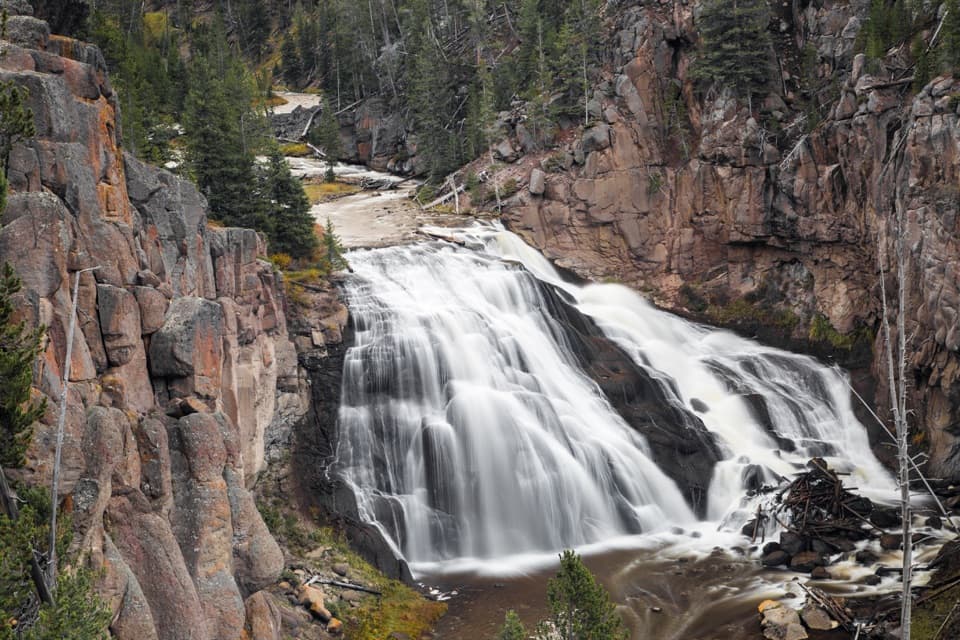 Sight · 2.4 mi awayGibbon FallsA quick roadside stop beside an 84-foot caldera-rim waterfall.
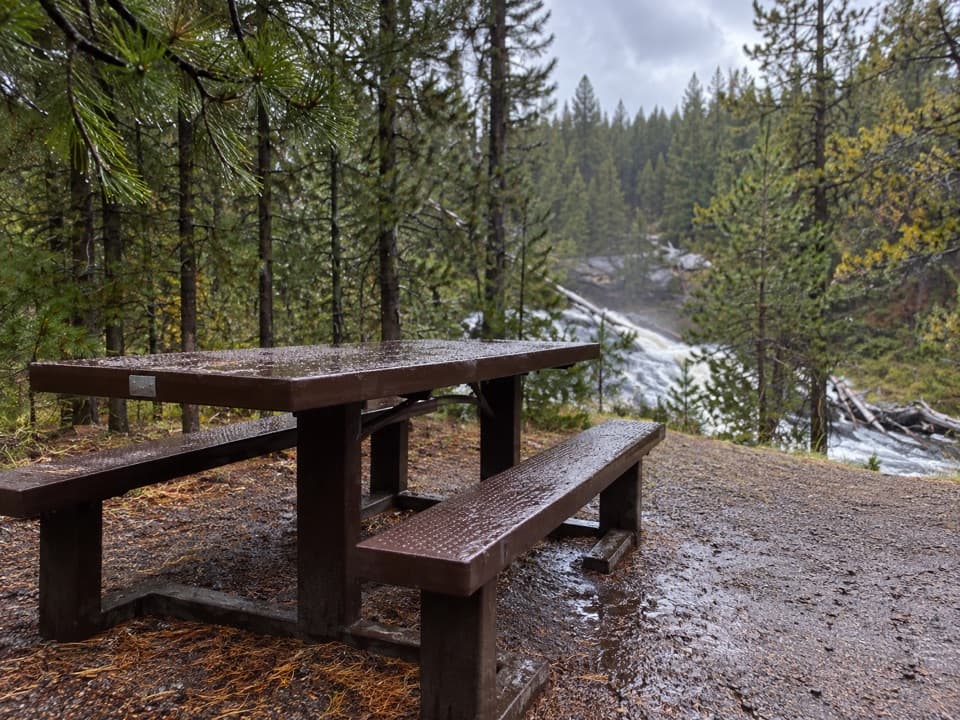 Picnic area · 2.8 mi awayGibbon Falls Picnic AreaA riverside lunch stop below Gibbon Falls.
Parkwolf’s Yellowstone ranking

The audio tour guide for the drive, plus offline maps, trails, and wildlife heatmaps for when the signal drops.