Solitary Geyser

Frequent, quiet eruptions on a short loop above Old Faithful
Solitary Geyser, Yellowstone National Park
InsideYellowstone National Park

Overview

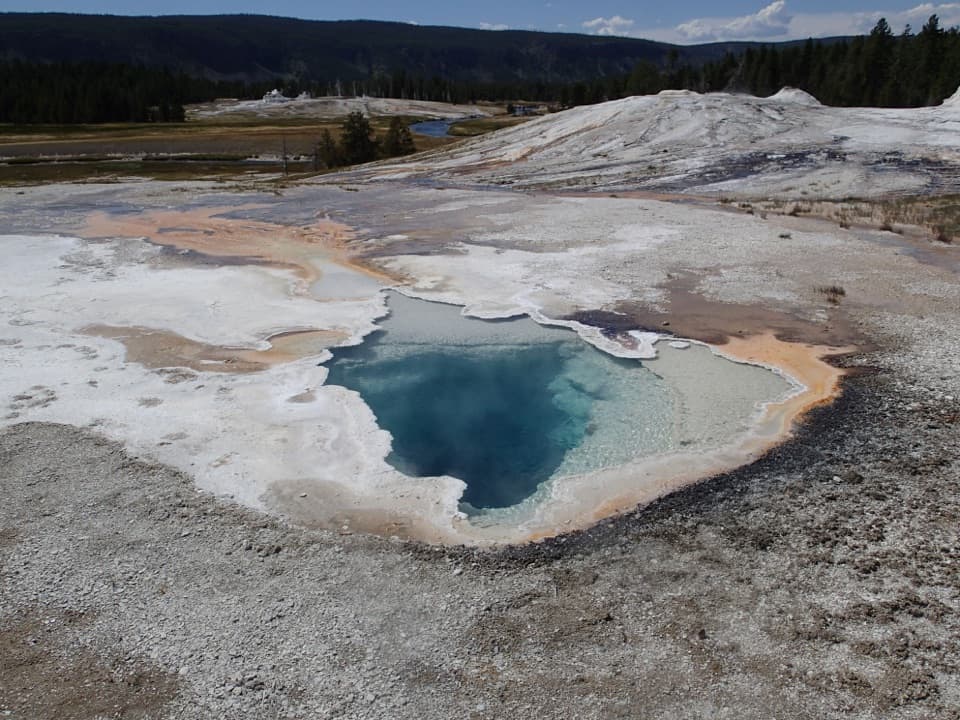
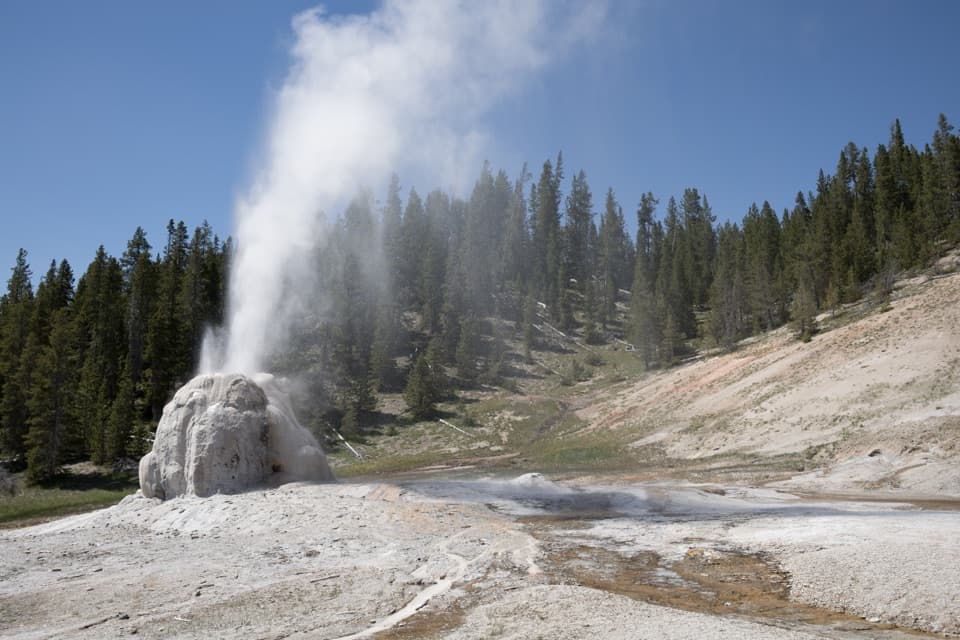
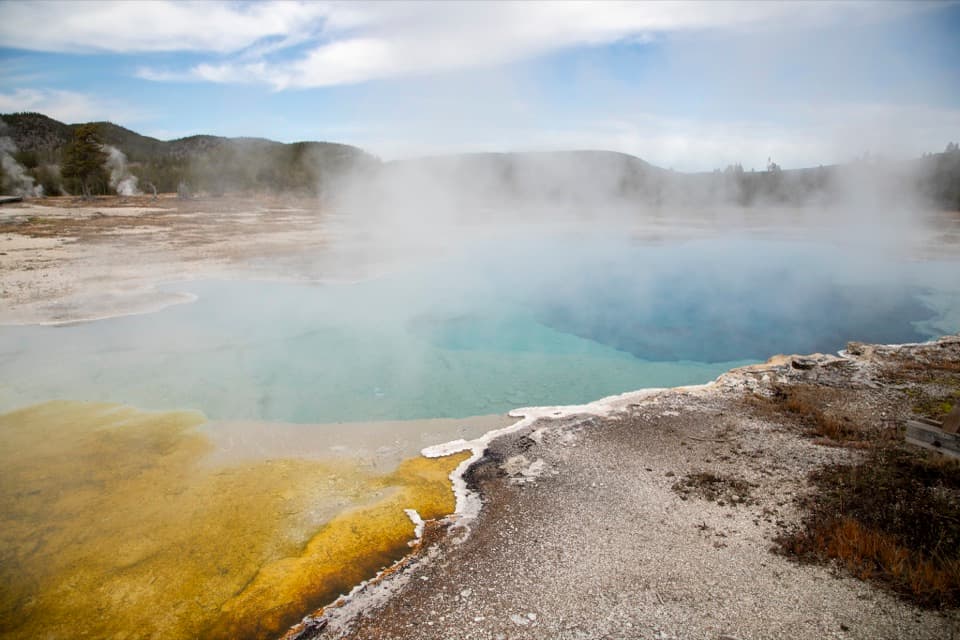
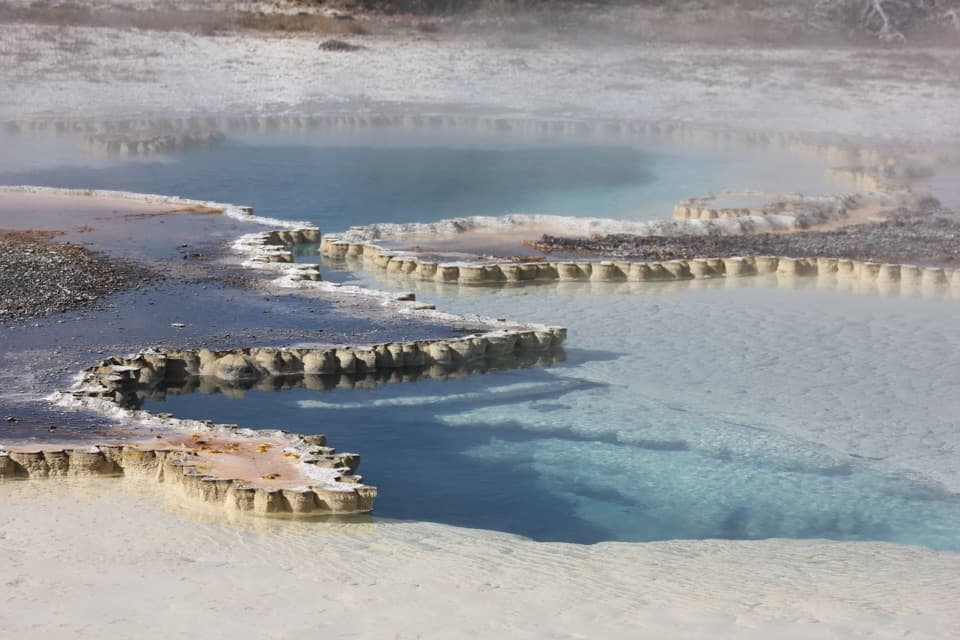
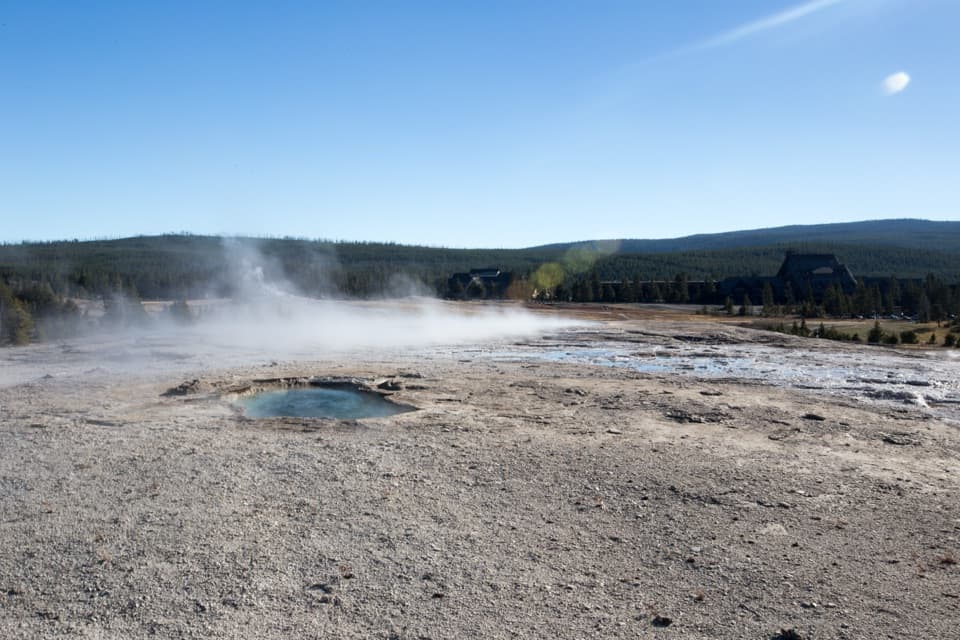
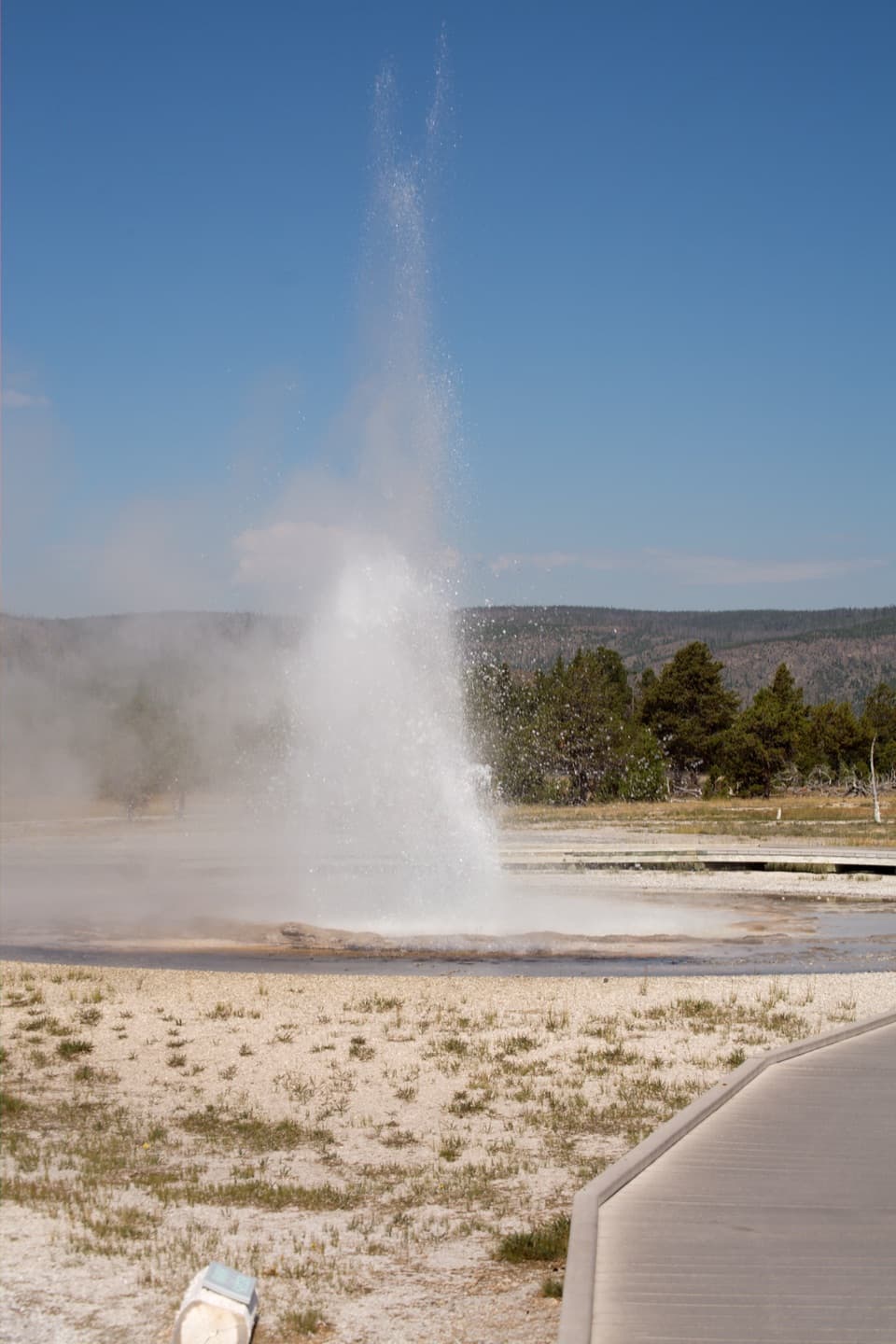
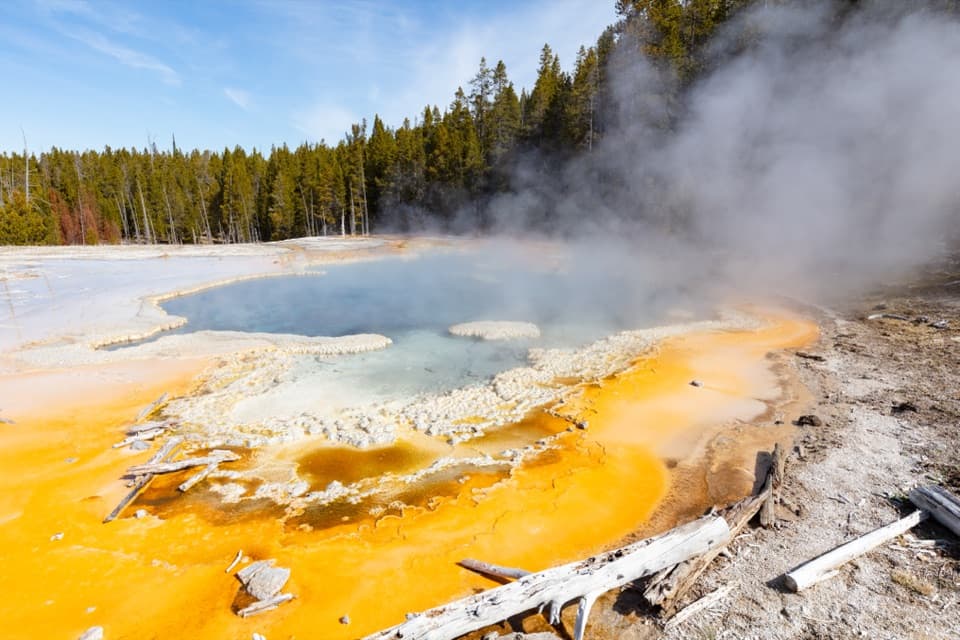
A short detour from the Old Faithful area, Solitary Geyser is a clear blue pool ringed by geyserite that erupts every few minutes. It’s a low‑key, rewarding stop where you trade crowds for frequent, close‑up play and colorful thermophile mats along the runoff channels.

Getting There & The Walk

Reach it via the Observation Point–Solitary Geyser loop above the Upper Geyser Basin. The loop is about 1.7 miles with roughly 187 feet of gain and typically takes around 40 minutes, not counting time spent watching eruptions. You’ll start from the Old Faithful/Upper Geyser Basin network, cross the Firehole River, pass through pine‑dotted meadow and light forest, then crest the ridge near Observation Point before dropping to the geyser. Expect quieter paths than the main boardwalks.

There are no facilities on the hilltop portion of this loop. Restrooms, water, and food are down in the Old Faithful complex; plan ahead before heading uphill.

What You’ll See

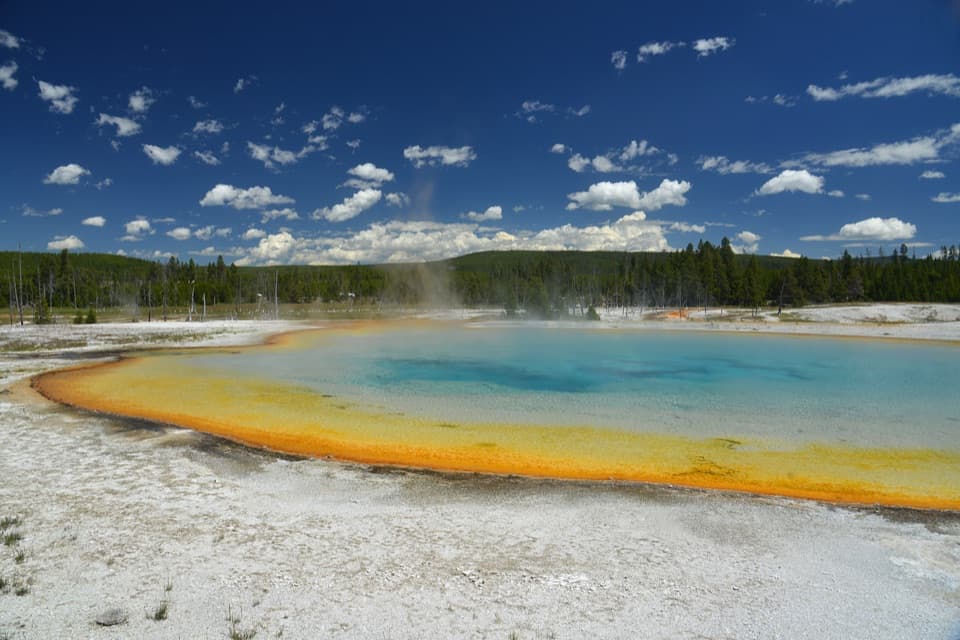
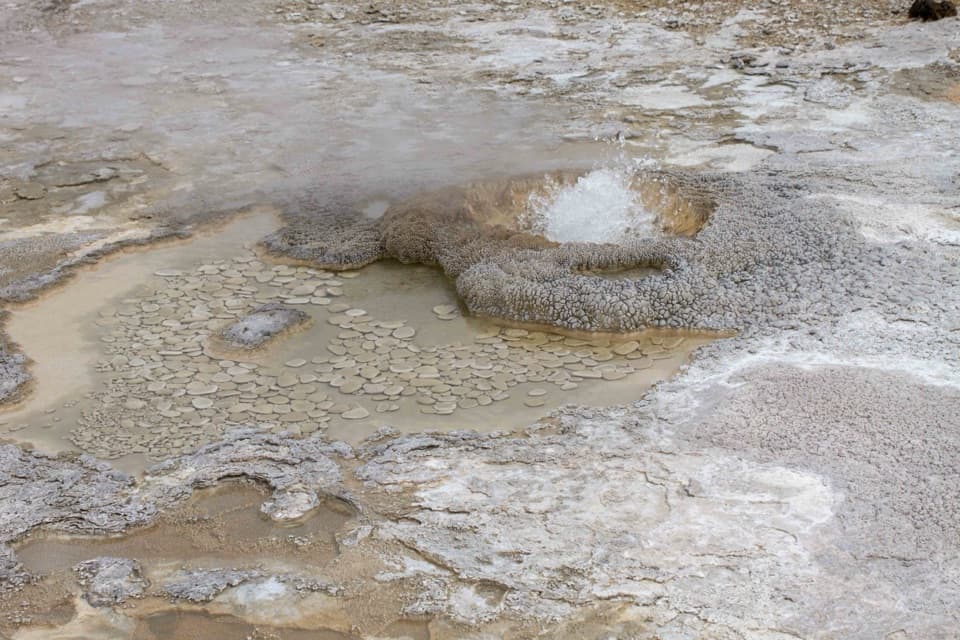
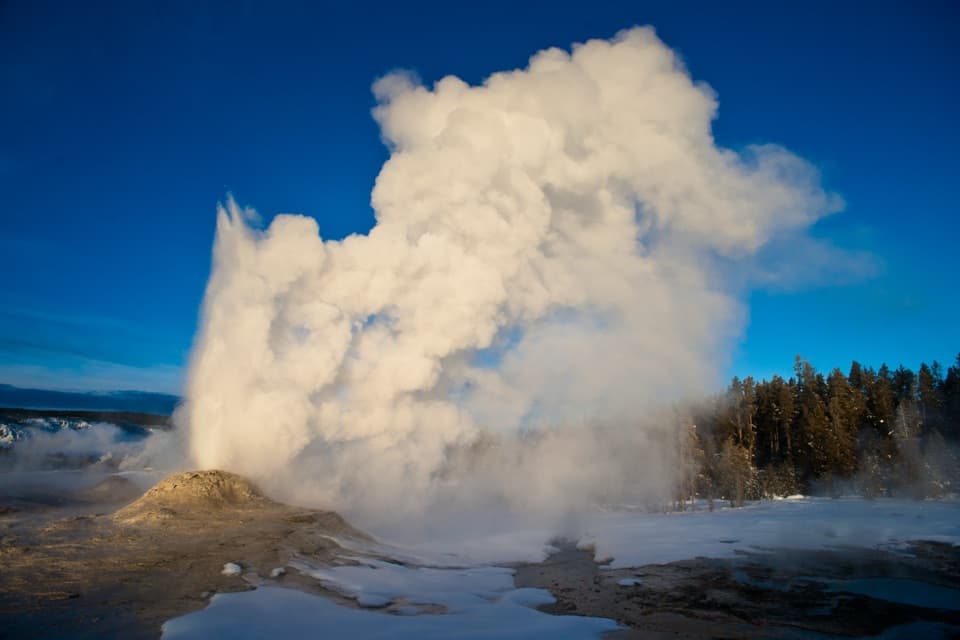
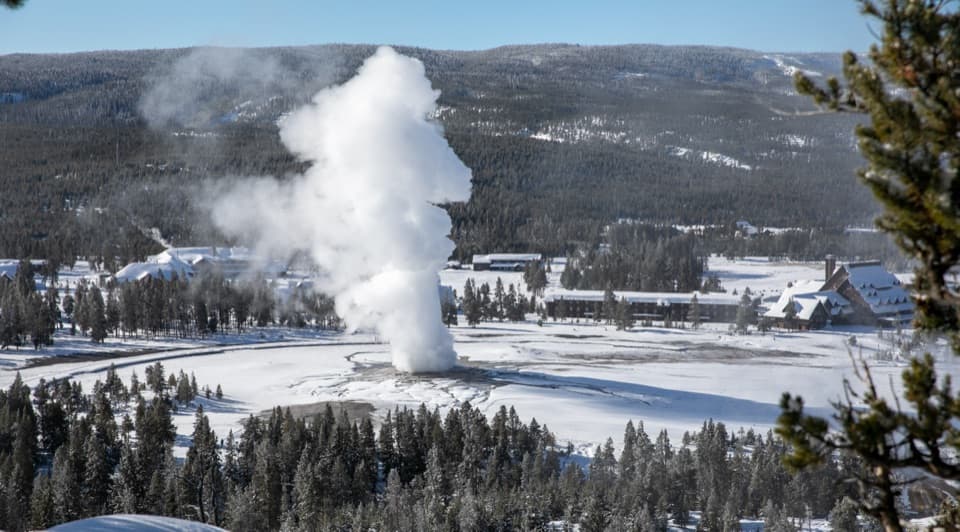
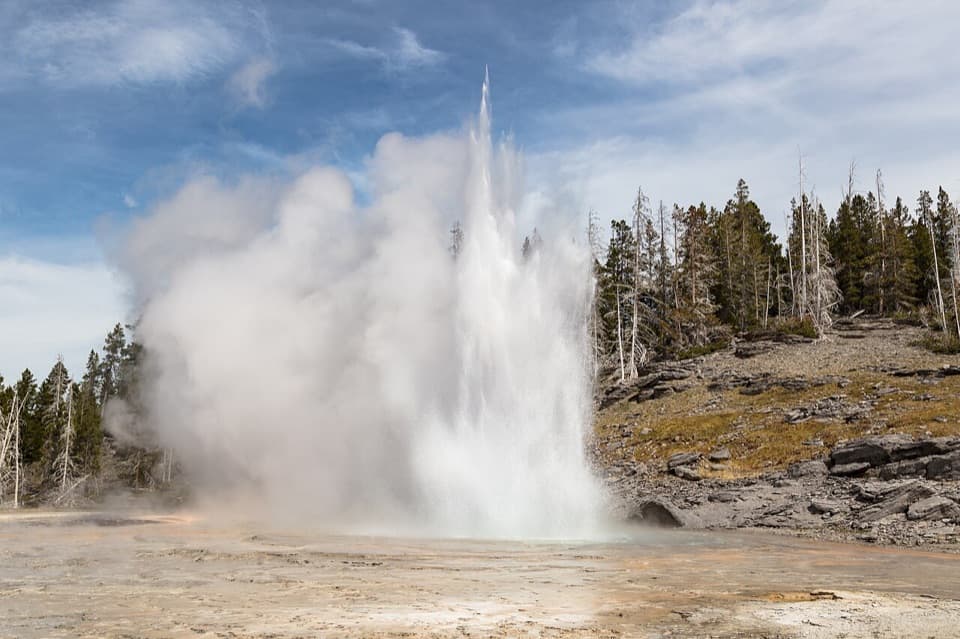
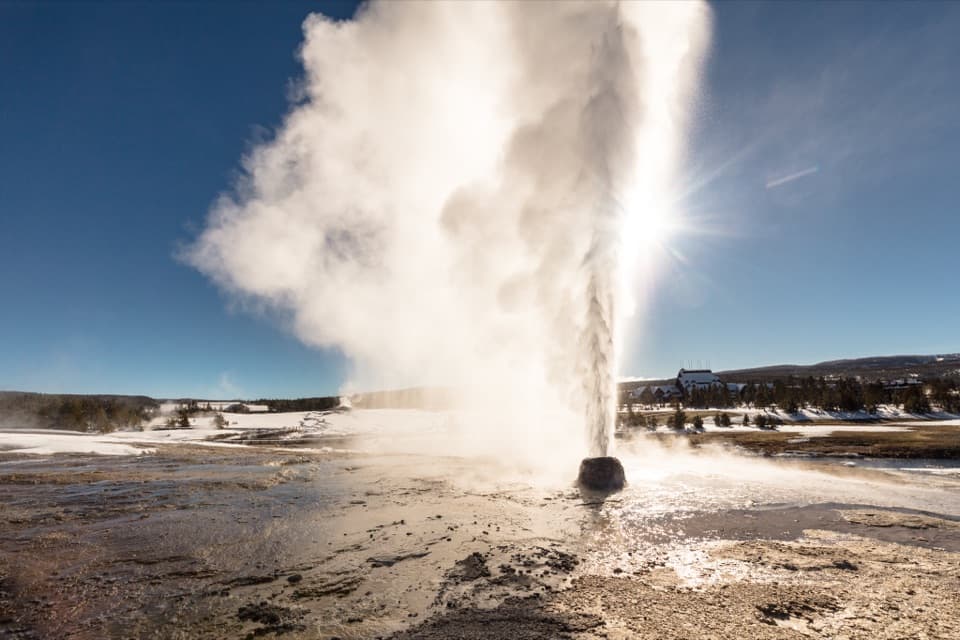
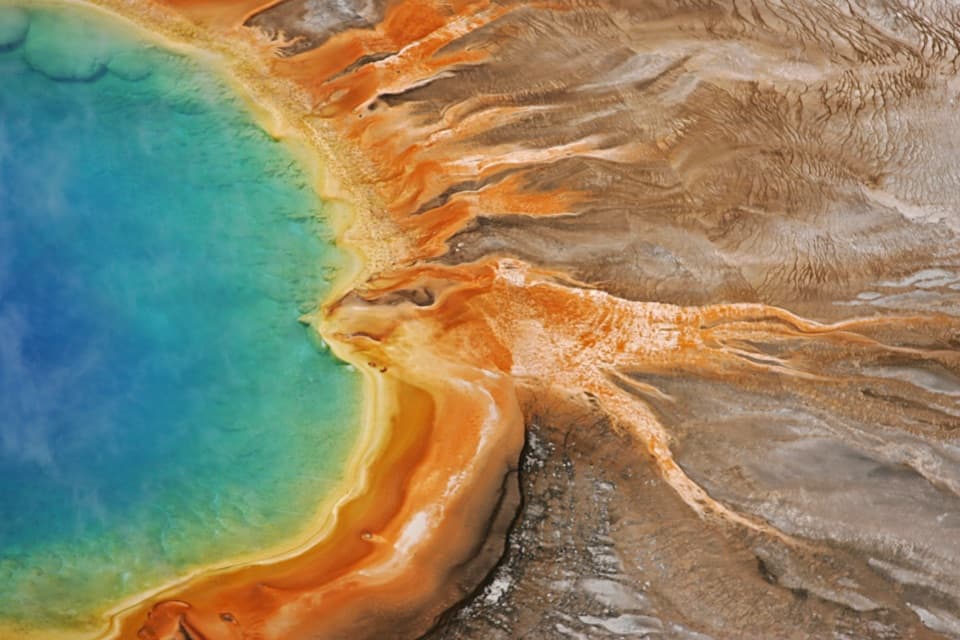
Solitary’s eruptions are frequent and varied—often a minute or less, generally under about 6 feet, but reliable enough that you won’t be waiting long. The pool is strikingly clear and blue, with orange and yellow microbial mats around the edges. Many visitors linger for multiple cycles to see how the height and duration change from one burst to the next. Views along the loop also offer broader perspectives over the Upper Geyser Basin.

Geology & Behavior

Like all of Yellowstone’s hydrothermal features, Solitary is powered by heat from the underlying volcano. Rain and snowmelt percolate deep underground, heat up, and rise through fractures. Constrictions in the plumbing trap steam until pressure forces water out as an eruption. Measurements here average about 182.8°F (83.8°C) with a pH near 6.7. Originally a hot spring, Solitary began erupting in 1914 after water diversion lowered its level; it continued erupting regularly even after diversion stopped in 1951.

Safety & Wildlife

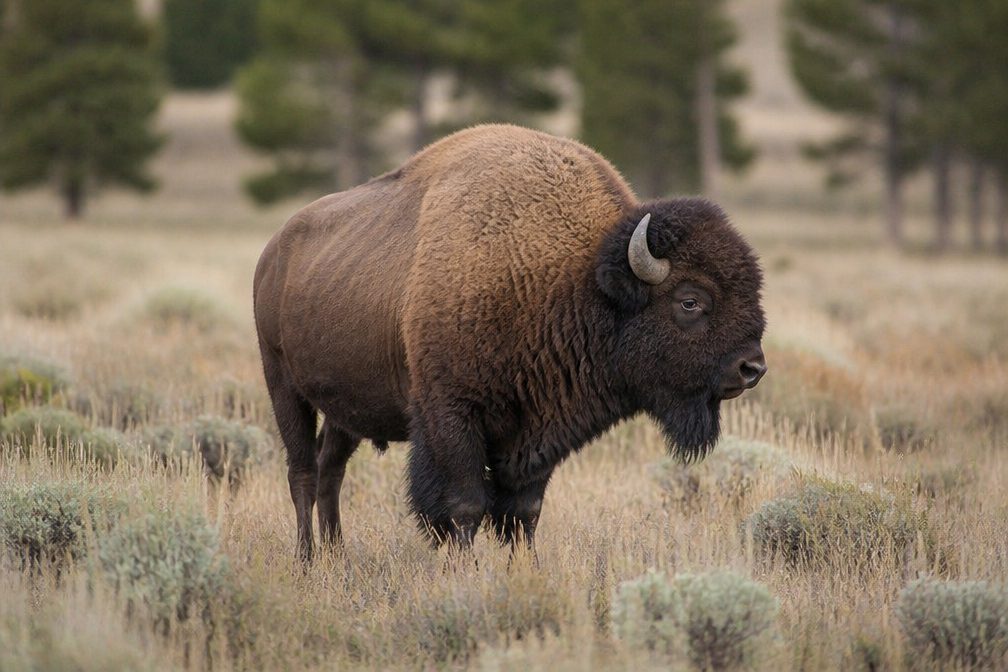
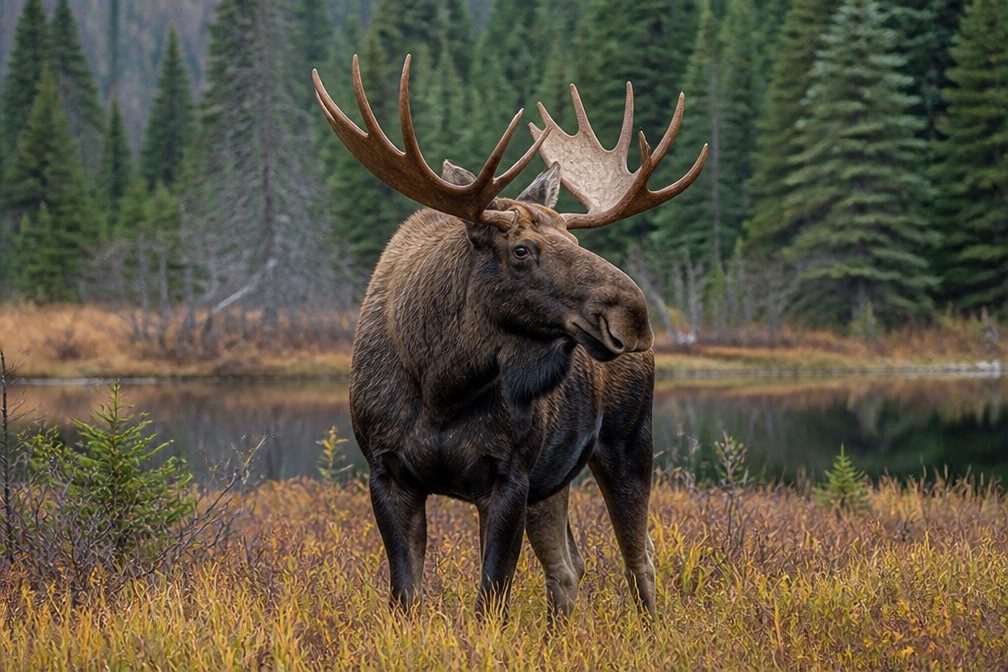
Thermal ground is thin and can cause severe burns. Stay on designated trails and boardwalks, supervise children, and never throw objects into features. This loop passes meadow and forest where bison may roam—give them a wide berth and yield the trail. Upper Geyser Basin is dynamic; trails and segments can temporarily close when conditions change. Obey all closures.

Best Time to Visit

Go early to enjoy cooler temps, easier parking down at Old Faithful, and fewer people on the loop. Midday brings heavier crowds in the basin below, though Solitary typically remains calmer. Eruptions are frequent all day, so there’s no need to time a specific window—just plan to stay for a few cycles. In cooler seasons or early mornings, expect occasional icy patches.

Pros

  • Frequent eruptions every 4–8 minutes
  • Short, quieter loop above Old Faithful with views

Cons

  • Small eruptions (often under 6 feet)
  • No restrooms or services on the loop
  • Occasional temporary closures due to changing thermal activity

Tips

  • Use restrooms and fill water at the Old Faithful complex before the hike.
  • Plan to watch 3–5 eruption cycles to see how the height and duration vary.
  • Start early; the loop is quieter in the morning even when the basin is busy.
  • Give bison plenty of space if they’re on or near the trail.
  • Check for temporary trail closures; conditions in the Upper Geyser Basin can change.
The Parkwolf tour guide sitting on a phone mounted in a car

Parkwolf Tour Guide

Like a tour guide in your car.

Save the places you found around Yellowstone, then let Parkwolf guide the drive between them.Download Parkwolf on the App Store