Baker Island Light Station

Remote island lighthouse with a wildlife-rich boat ride and history
Baker Island Light Station, Acadia National Park
InsideAcadia National Park

Overview

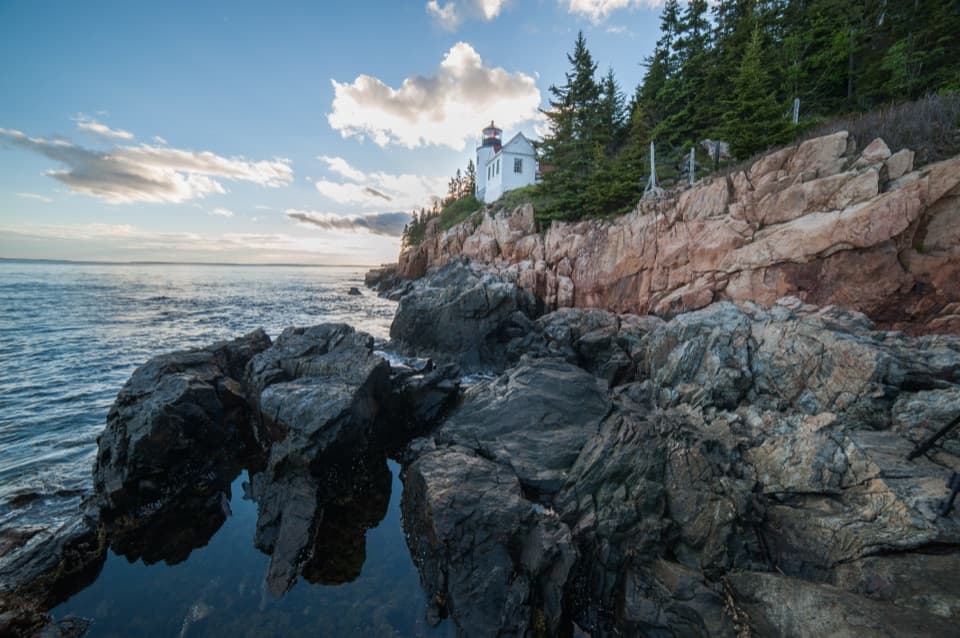
Baker Island Light Station is Acadia’s offshore time capsule—an 1855 brick lighthouse and cluster of historic outbuildings perched on a rugged island in the Cranberry Isles. It’s still an active aid to navigation, which keeps its purpose alive while the setting stays blissfully quiet.

What You'll See

  • The cylindrical brick tower (viewed from outside), keeper’s house, and associated historic structures.
  • Traces of island life like the Gilley family farmstead (early 1800s) and the quirky, flat "dance floor" rock formation.
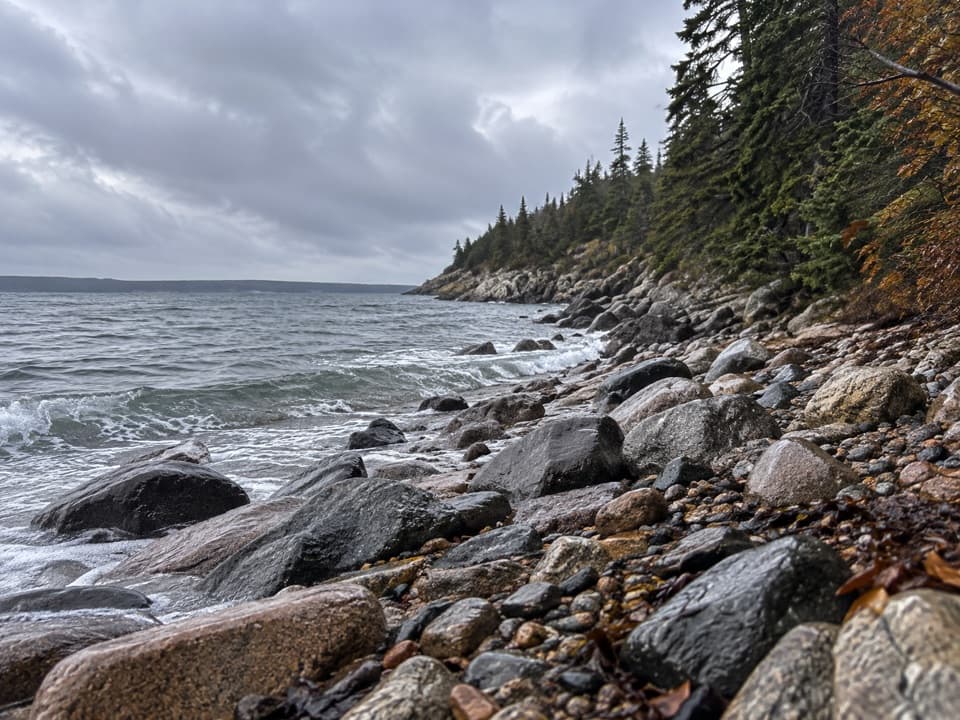
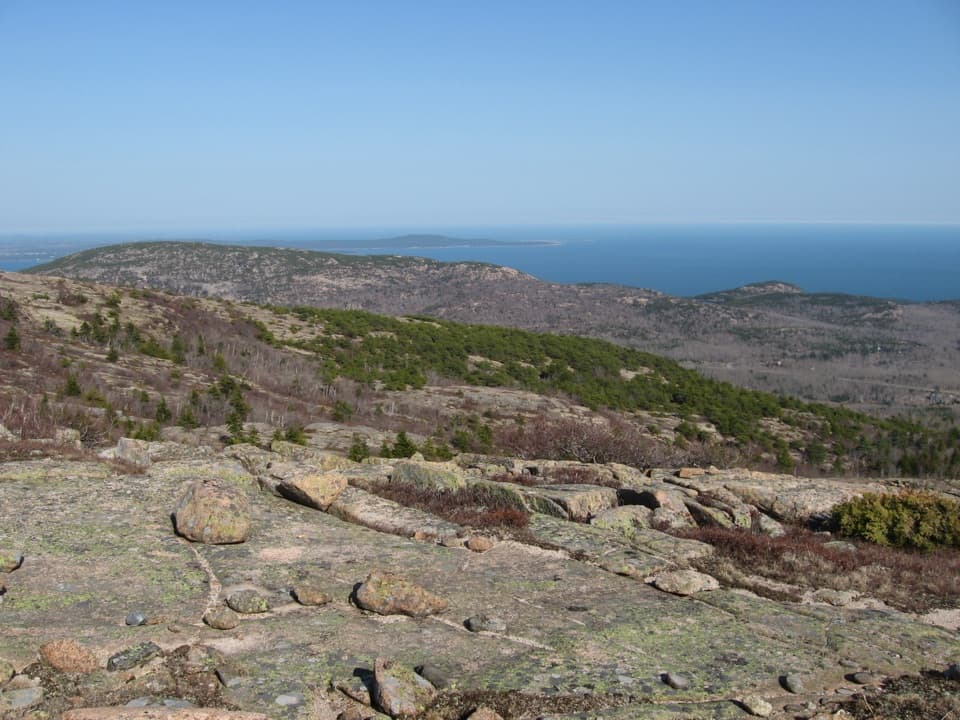
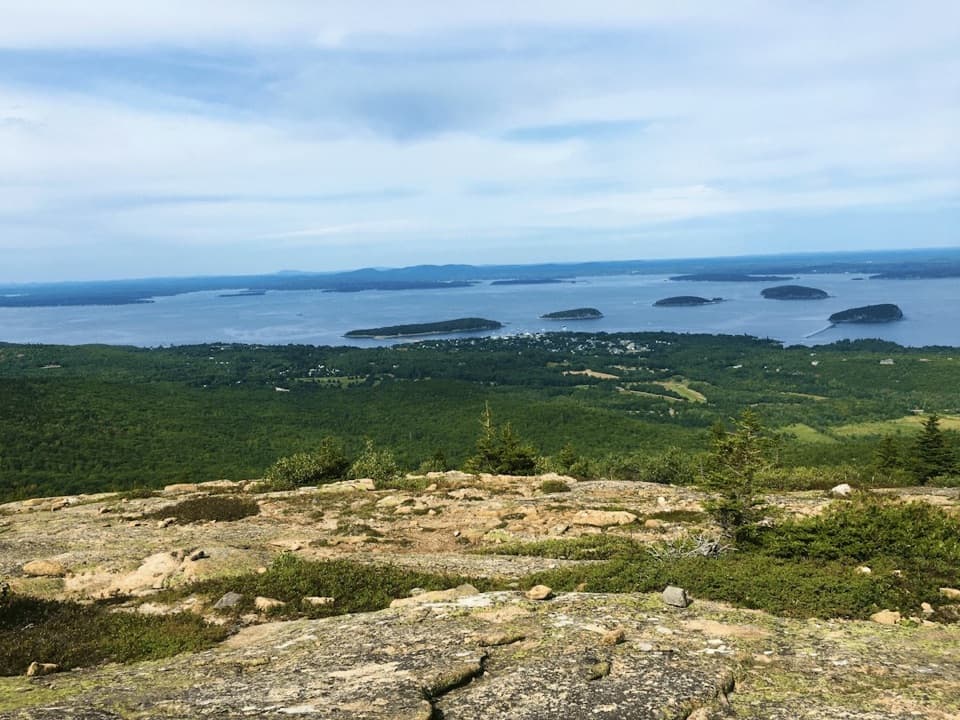
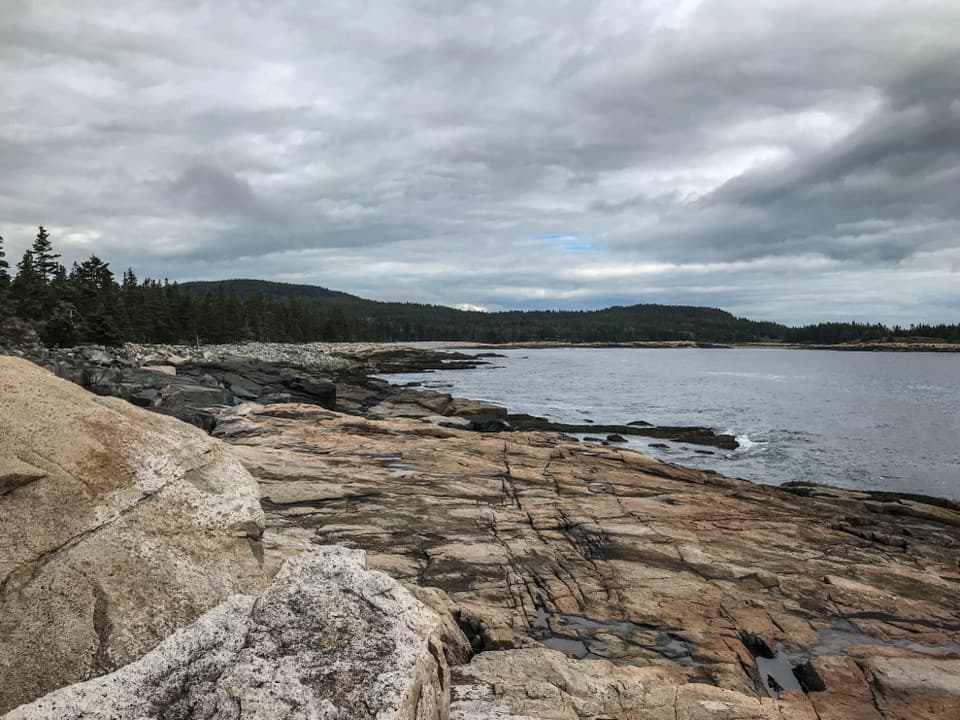
  • Wide-open Atlantic vistas with granite ledges and an undeveloped shoreline.

Access and How to Visit

There’s no dock—access is by small craft only. In summer, ranger-led boat trips from Bar Harbor typically land visitors for a guided island walk. Because sea conditions rule the day, departures can change or cancel, and spaces are limited. Plan ahead and stay flexible.

History Snapshot

Established in 1828 to guide mariners toward Frenchman Bay, the station’s current tower dates to 1855. The light was automated in 1957 and the keeper’s house has been unoccupied since. The National Park Service now owns the station (the tower joined the NPS portfolio in 2011) while the U.S. Coast Guard maintains the active beacon.

Wildlife

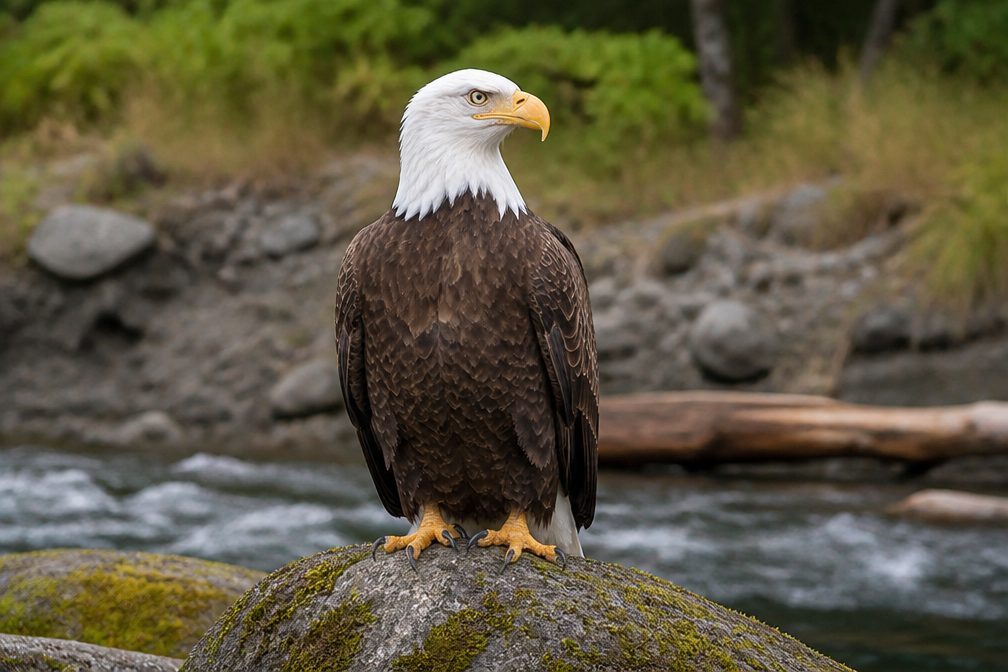
The journey is half the fun: boat trips commonly spot seals, porpoises, and a variety of seabirds. On-island, look for intertidal life and coastal birds along the shore.

What’s Unique Here

Unlike roadside lighthouses, Baker Island’s isolation keeps the experience intimate. The combination of preserved buildings, a lived-in maritime landscape, and a true offshore approach makes it feel more like stepping into the working past than visiting a museum.

Know Before You Go

  • There are no services on the island—no restrooms, food, or shops.
  • Footing is uneven and rocky; expect a short walk over natural terrain to the station.
  • The tower isn’t open for climbing; exterior views only.

Best Time to Visit

Summer is the window for ranger-led landings. Aim for morning trips when seas are often calmer and light is softer for photos. Weekdays typically have fewer visitors, but tour availability is the real limiter—book early and build in a weather buffer.

Tips

  • Reserve a ranger-led boat tour well in advance.
  • Bring water, snacks, and layers; it’s exposed and breezy.
  • Wear sturdy shoes for the rocky shoreline and "dance floor" rock.
  • Pack binoculars for marine wildlife on the ride.

Pros

  • Remote, boat-only visit that feels like a hidden gem
  • Historic 1855 lighthouse complex with panoramic ocean views
  • Frequent seabird, seal, and porpoise sightings on the boat ride

Cons

  • No dock or facilities; trips can be canceled by weather
  • Lighthouse tower isn’t open to climb
  • Limited tour availability; advance booking needed

Tips

  • Book a ranger-led boat tour early; seats are limited.
  • Build a backup day in case wind or seas cancel trips.
  • Bring water, snacks, and layers—there are no services on the island.
  • Wear sturdy shoes for uneven, rocky terrain.
  • Carry binoculars for seals, porpoises, and seabirds on the crossing.
The Parkwolf tour guide sitting on a phone mounted in a car

Parkwolf Tour Guide

Like a tour guide in your car.

Save the places you found around Acadia, then let Parkwolf guide the drive between them.Download Parkwolf on the App Store