Place · 0.2 mi away

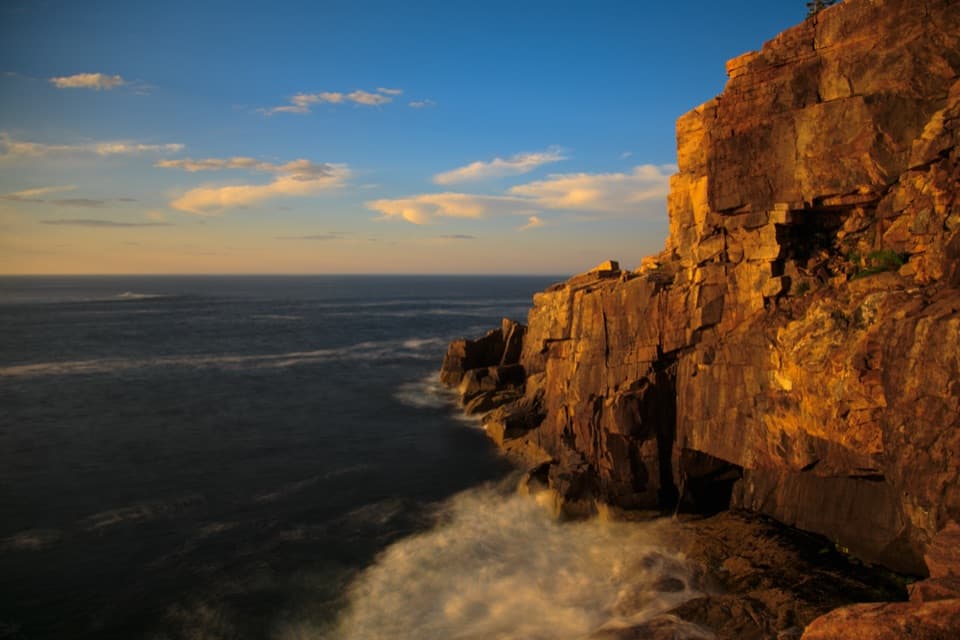
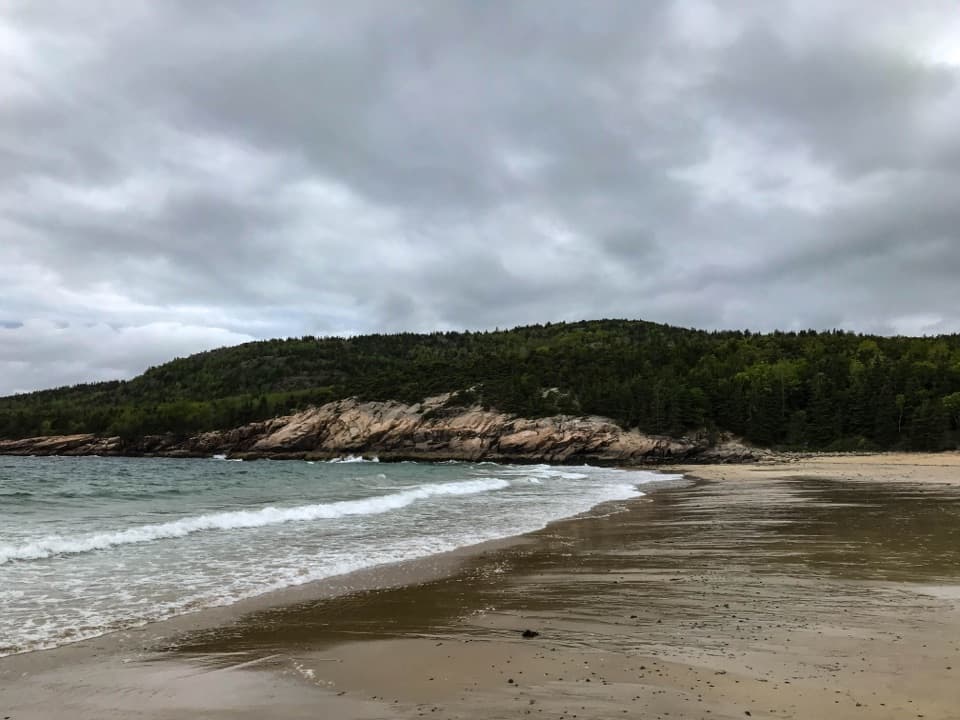
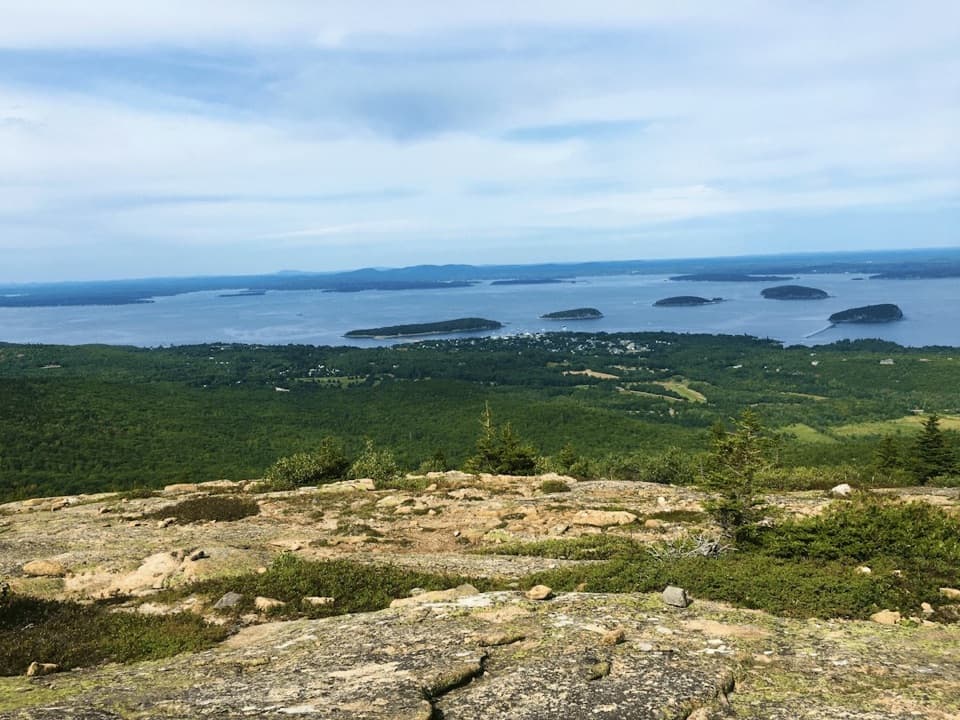
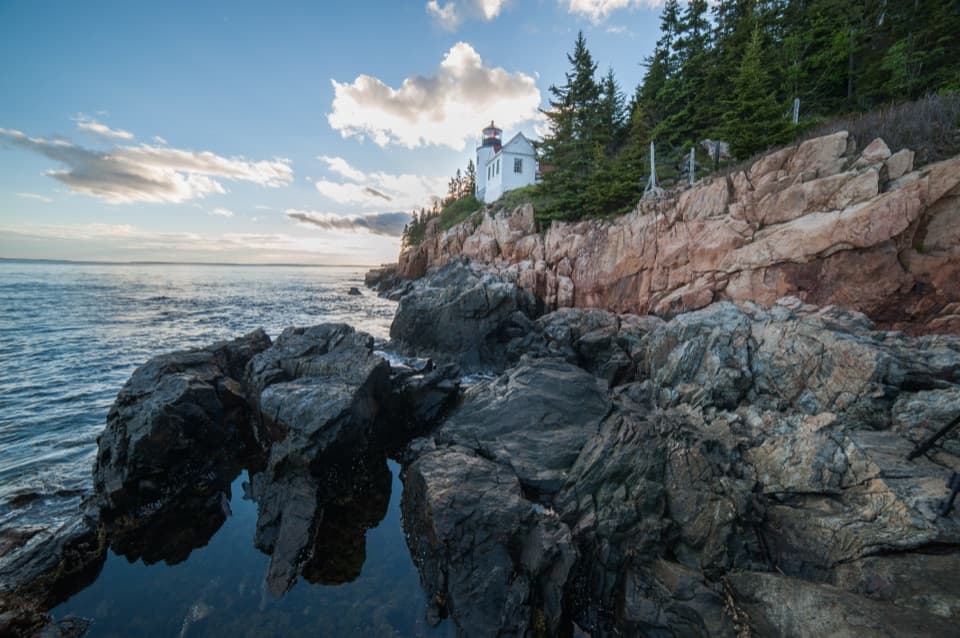
Otter Cliff is Acadia’s signature sea cliff: a sheer, 110‑foot wall of pink/red granite dropping straight into the Atlantic. It sits right off Park Loop Road between Thunder Hole and Otter Point, with Ocean Path delivering quick, on‑foot access and multiple vantage points. Expect thundering surf, salt spray, and wide‑open coastal views—this is the rugged shoreline most people picture when they think of Acadia.
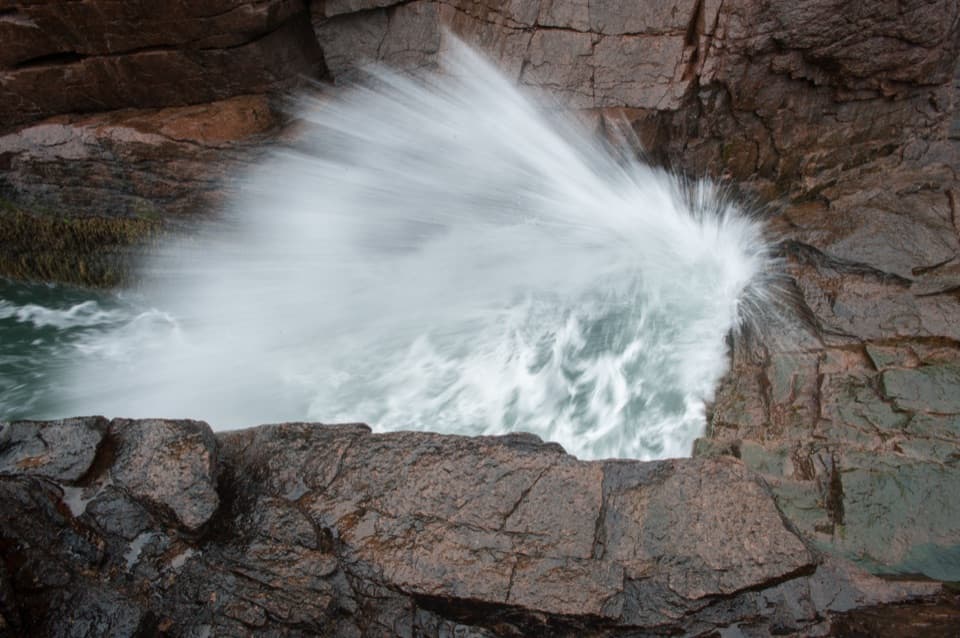
True sea cliffs are rare on the U.S. East Coast, and this one puts you nose‑to‑wind with the North Atlantic. The granite here glows in soft light and the waves detonate against the base—great for photography and simply soaking it in. It’s a high‑reward stop even if you’re short on time.
Otter Cliff is one of Acadia’s marquee climbing areas. Most parties rappel to the tide‑washed base and top‑rope back out on varied granite routes. Conditions and access can change—check for closures tied to rockfall or nesting raptors before you gear up.
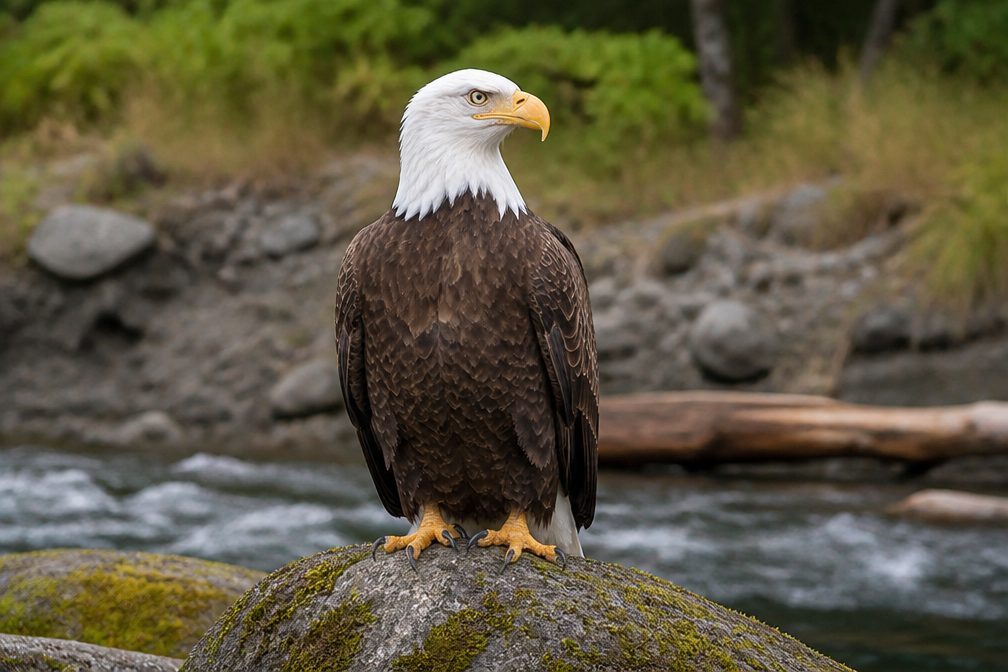
You may see seabirds riding the updrafts and the occasional marine life offshore. Despite the name, don’t expect sea otters here; the “otter” reference is tied to river otters, not resident sea otters. Peregrine falcons nest in the area—respect seasonal restrictions when posted.
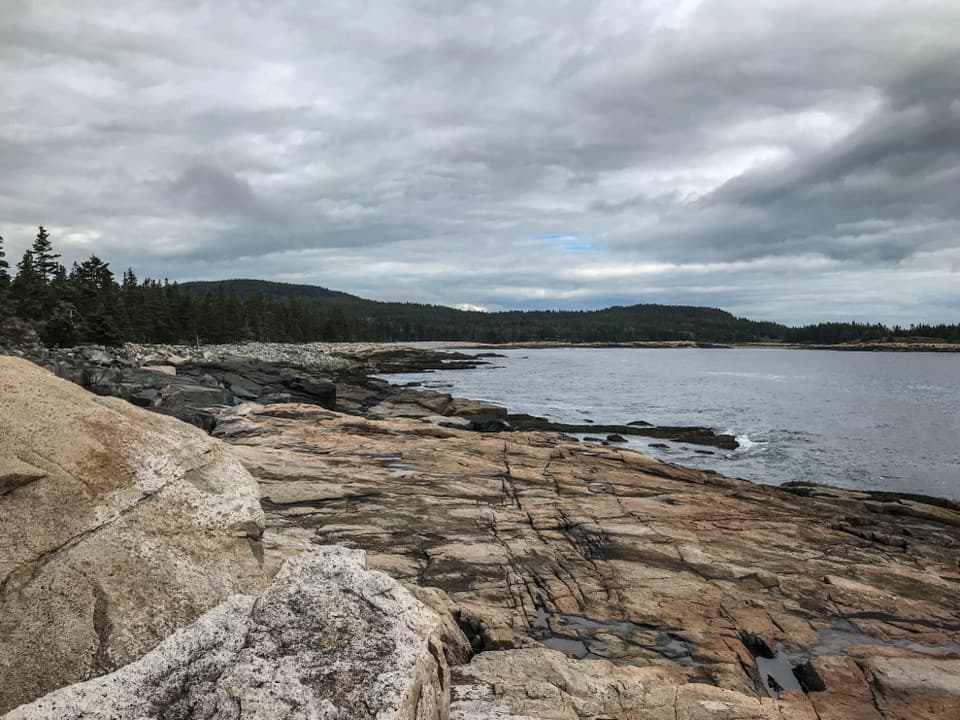
The headland’s bold profile comes from a mix of glacial sculpting and relentless marine erosion of Acadia’s pink granite. Offshore sits the notorious “Spindle” rock formation—early explorer Samuel Champlain reportedly struck it and sought shelter in nearby waters.
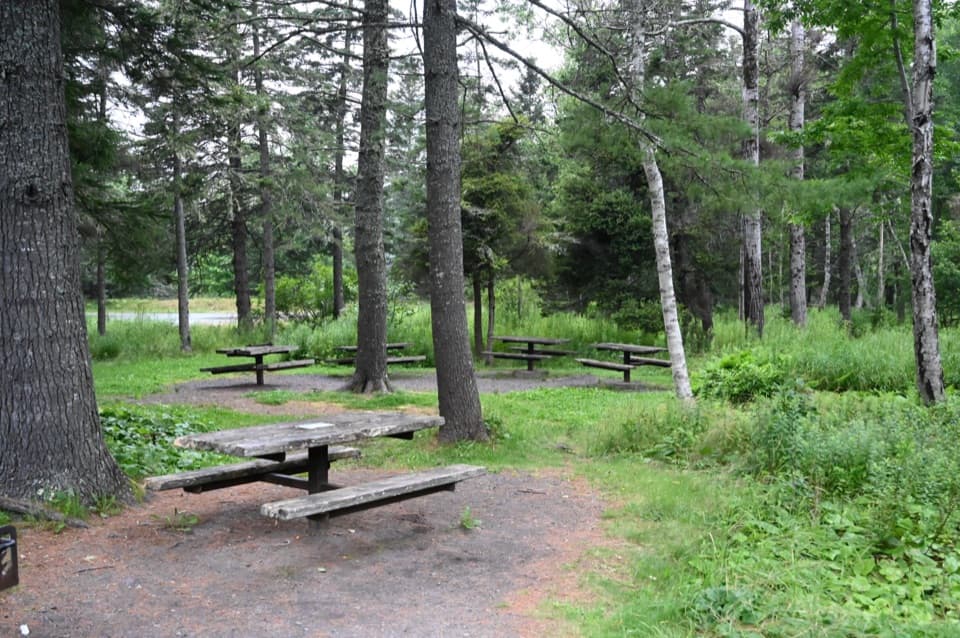
Parking is limited to small pullouts/roadside spaces along Park Loop Road here and can fill early. There’s no restroom or services at the cliff; the nearest facilities are at Fabbri Picnic Area farther south along the road. Ocean Path threads right by, making it easy to wander to viewpoints without committing to a long hike.
Granite slabs and pebbly ledges get slick, especially with fog or sea spray—keep a healthy margin from the edge. Big swells and wind amplify the exposure. Climbers should wear helmets and be proficient with sea‑cliff systems.