Hawdon Shelter Campsite

Big alpine flats with a fireplace shelter and river walks
Hawdon Shelter Campsite, Arthur's Pass National Park
InsideArthur's Pass National Park

Overview

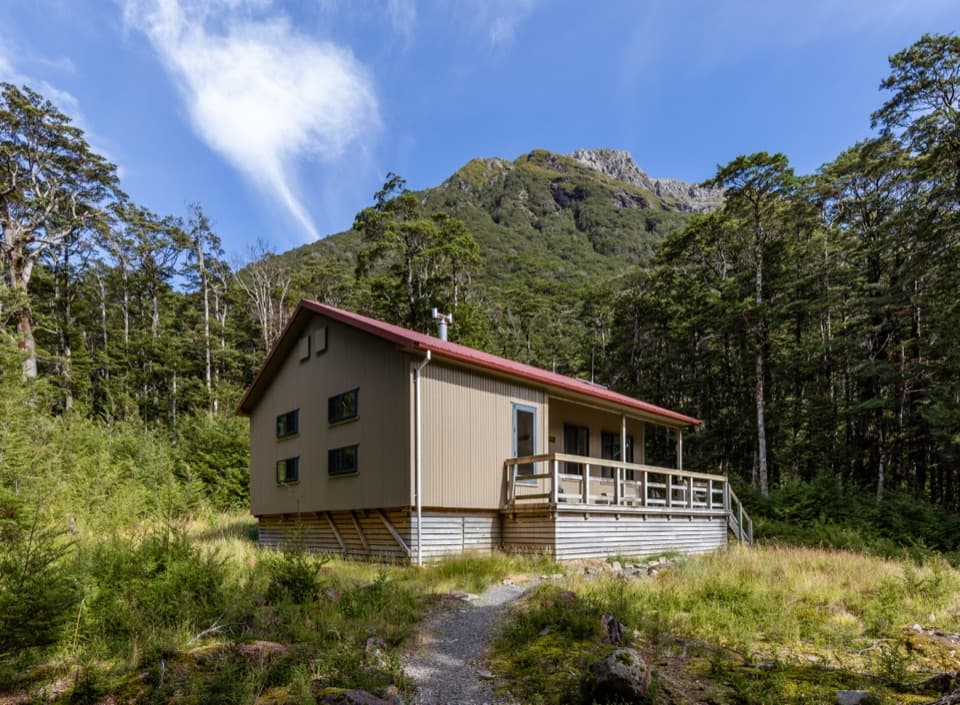
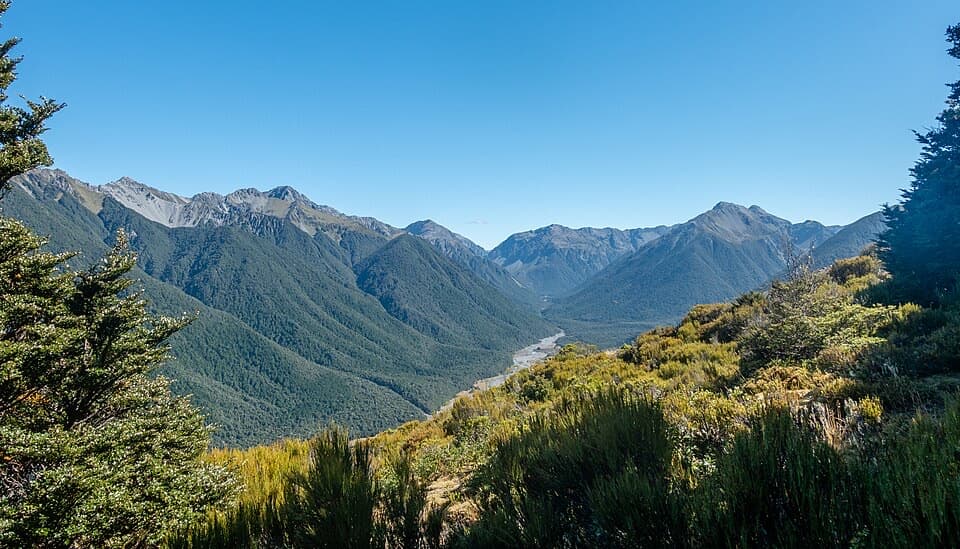
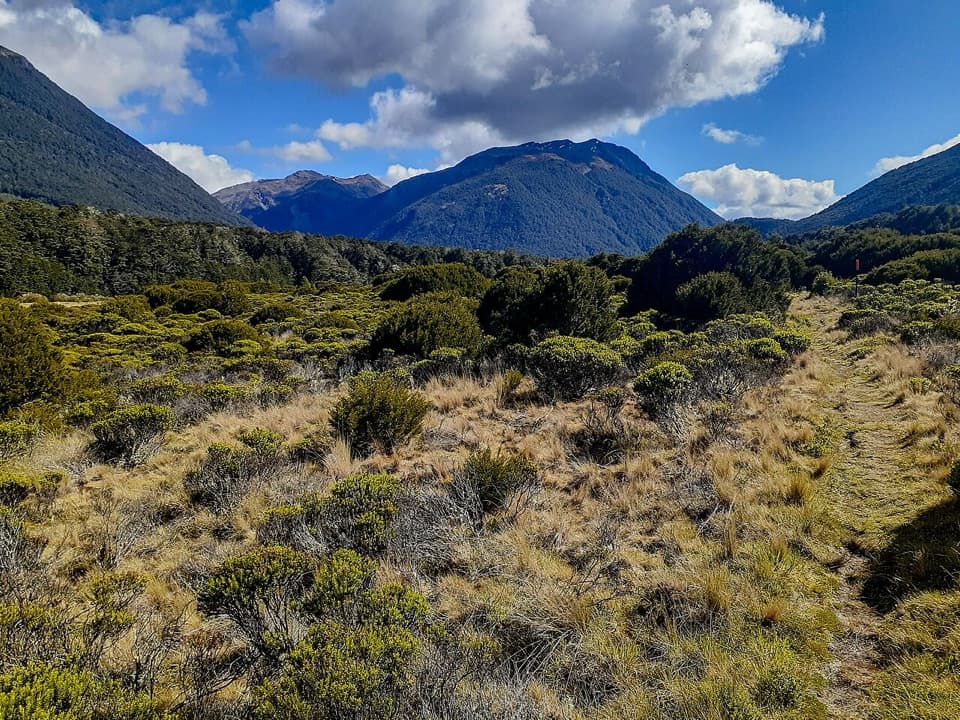
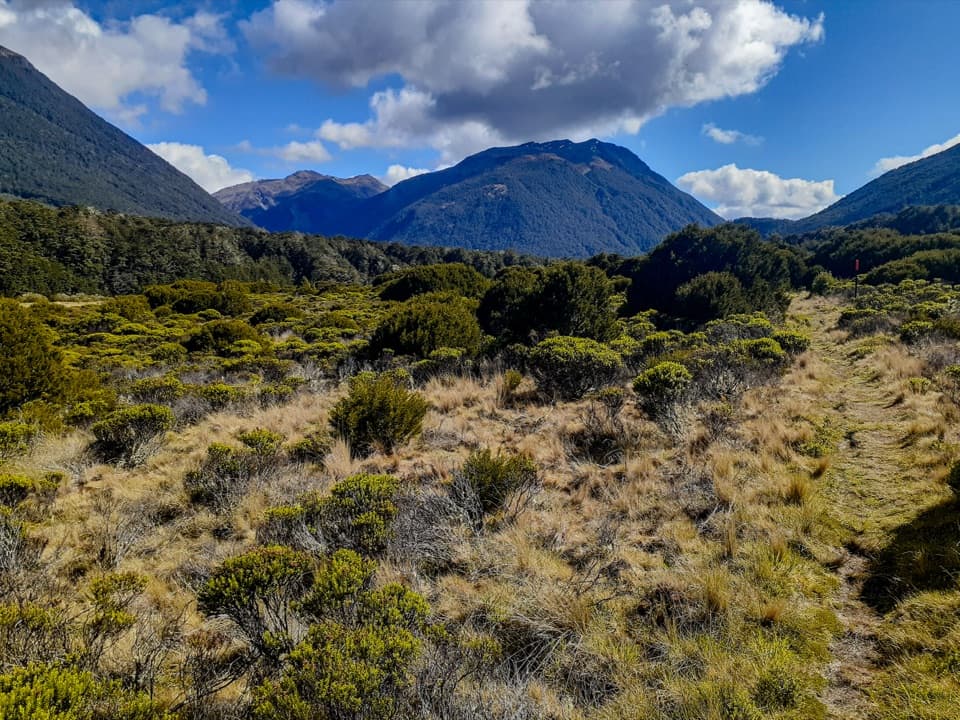
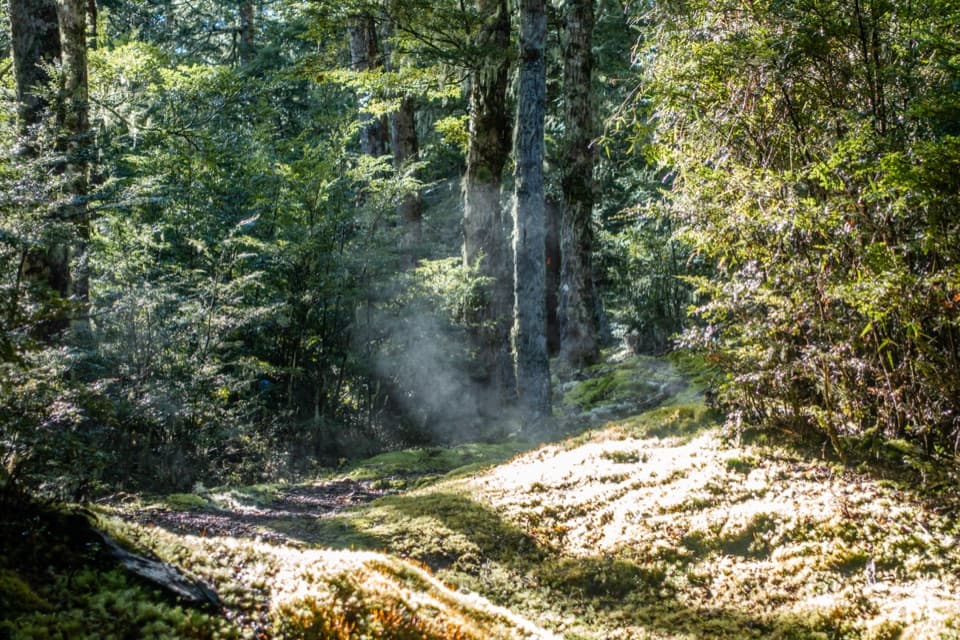
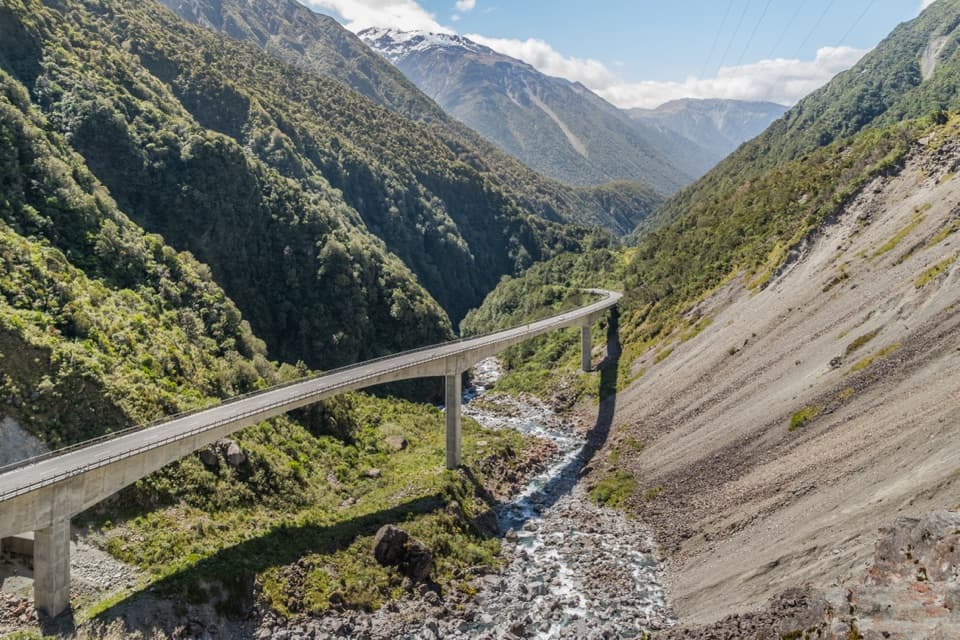
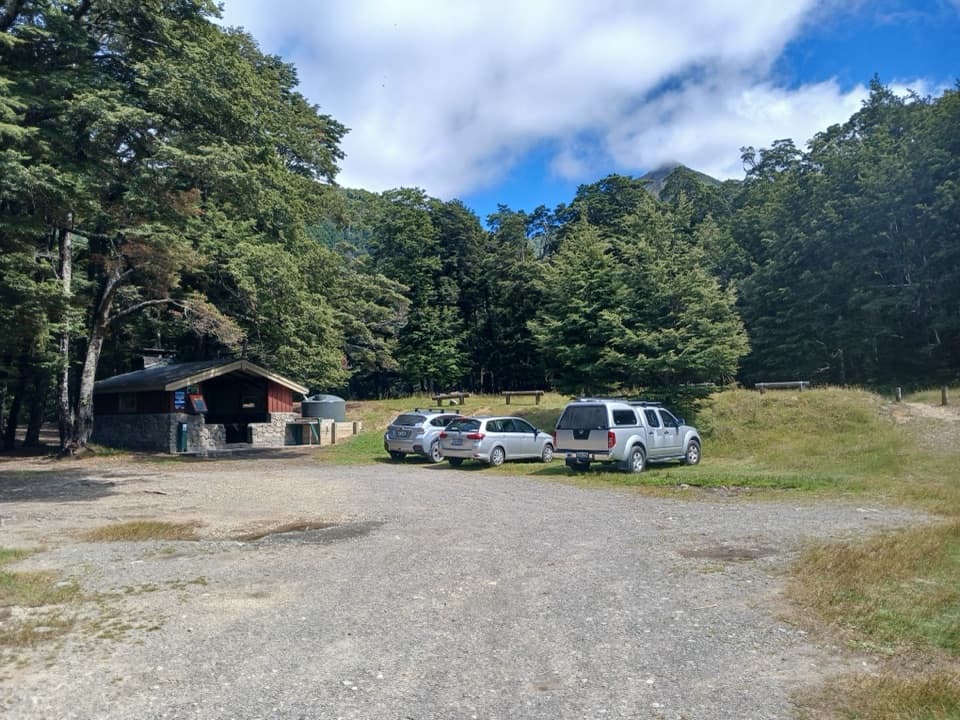
Set on broad grassy flats in the lower Hawdon Valley, this DOC standard campsite feels wide‑open and wild, with mountain beech nearby and big views. It’s a simple, scenic base that’s noticeably quieter than the camps right on SH73 thanks to the extra drive down Mount White Road.

Facilities & What to Expect

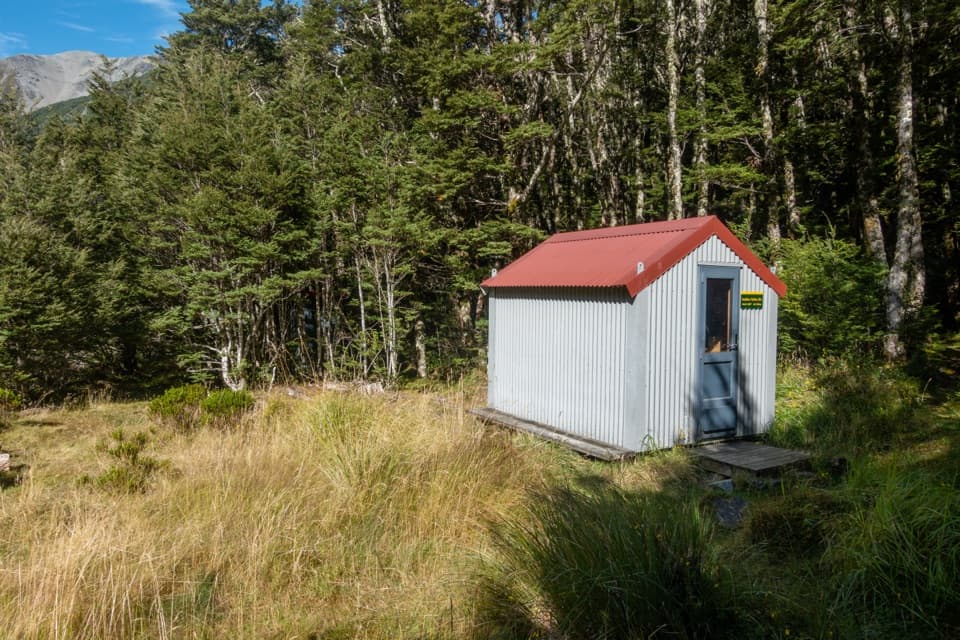
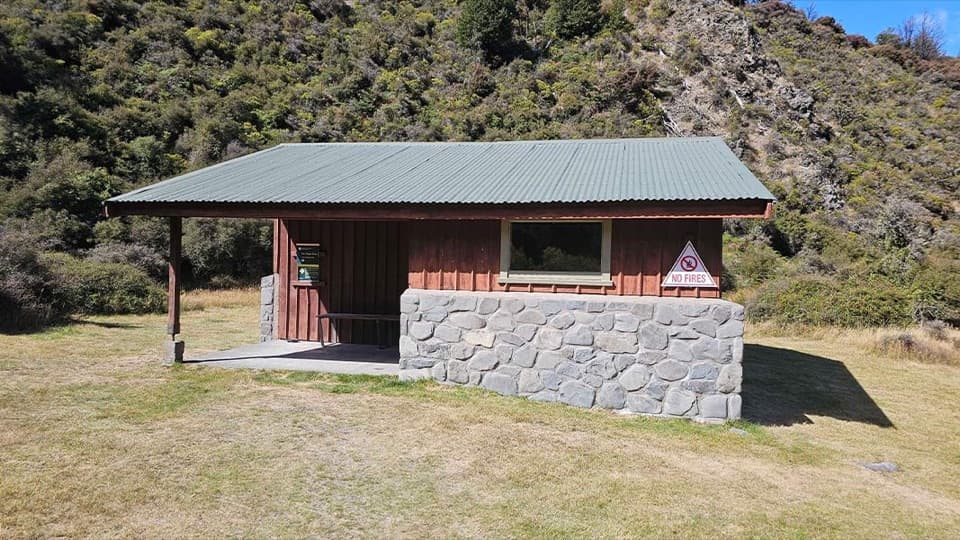
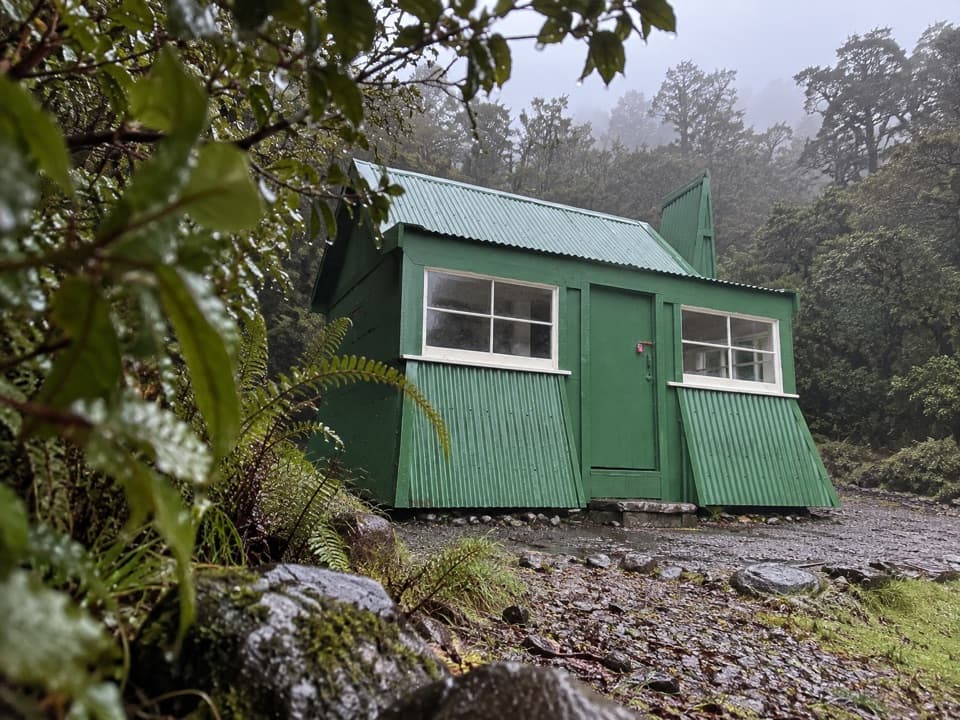
You’re here for the setting, not the frills. Expect long‑drop toilets, a basic shelter with tables and a fireplace (the only place you’re allowed an open fire), and water from the stream—boil or treat it. There are no bins, so plan to pack out all rubbish. The area is spacious and suits tents or vehicles (no power), and recent visitors often mention plenty of room.

Booking, Fees and Access

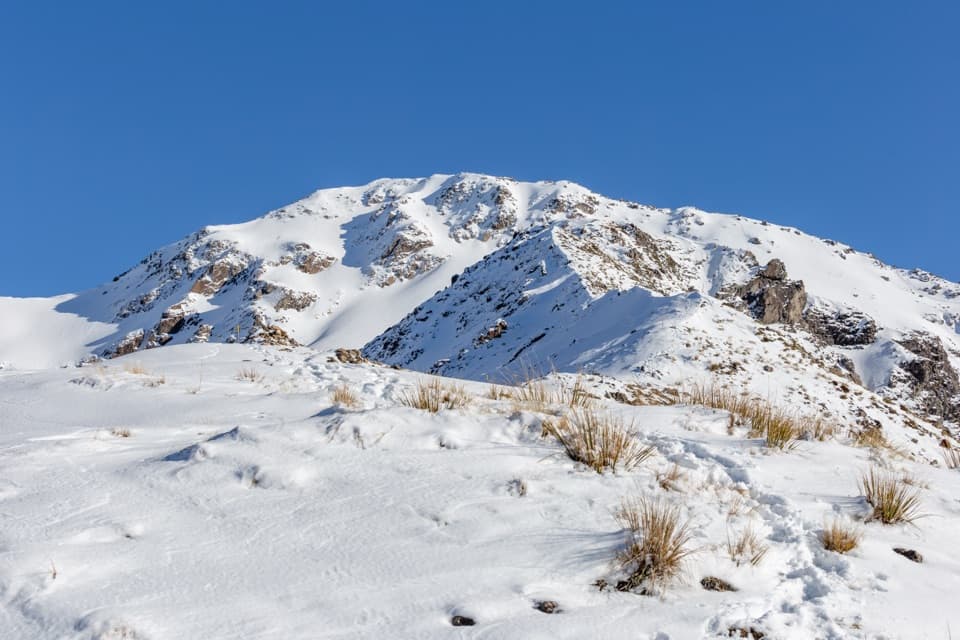
Bookings are required year‑round and are made online before you occupy a site. As a DOC standard campsite, fees are NZ$10 per adult per night, NZ$5 per child (5–17), and infants are free. A DOC Campsite Pass is accepted. Phone or in‑person bookings add a NZ$10 service fee. Access is via gravel along Mount White Road, about 24 km south of Arthur’s Pass village; it’s usually straightforward but can be a long, rattly drive. In winter, this alpine area can be snow‑covered and very cold.

Trails & Setting

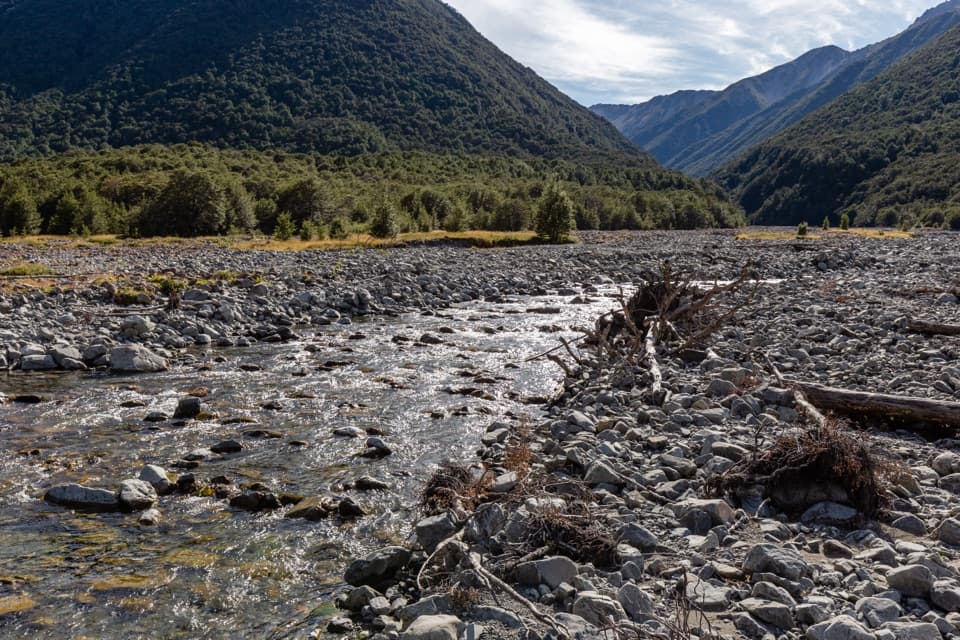
From camp, easy walks follow the Hawdon River, including the track toward Hawdon Hut. Do not attempt river crossings in flood conditions. There’s a stock‑exclusion fence near the shelter that can act as a strainer in the river—give it a wide berth.

Hazards, Wildlife and Seasonal Notes

  • Insects: Sandflies are common; bring strong repellent. Wasps can be numerous January–March—light‑coloured clothing and antihistamines help.
  • Weather: The open flats catch wind; winter nights can be well below freezing.
  • Predator control: Non‑toxic cereal bait was applied by helicopter on November 23–24, 2025 in the Arthur’s Pass East area; toxic 1080 bait is scheduled within a month of that—obey all onsite signage and keep children (and any permitted service dogs) well away from bait areas.
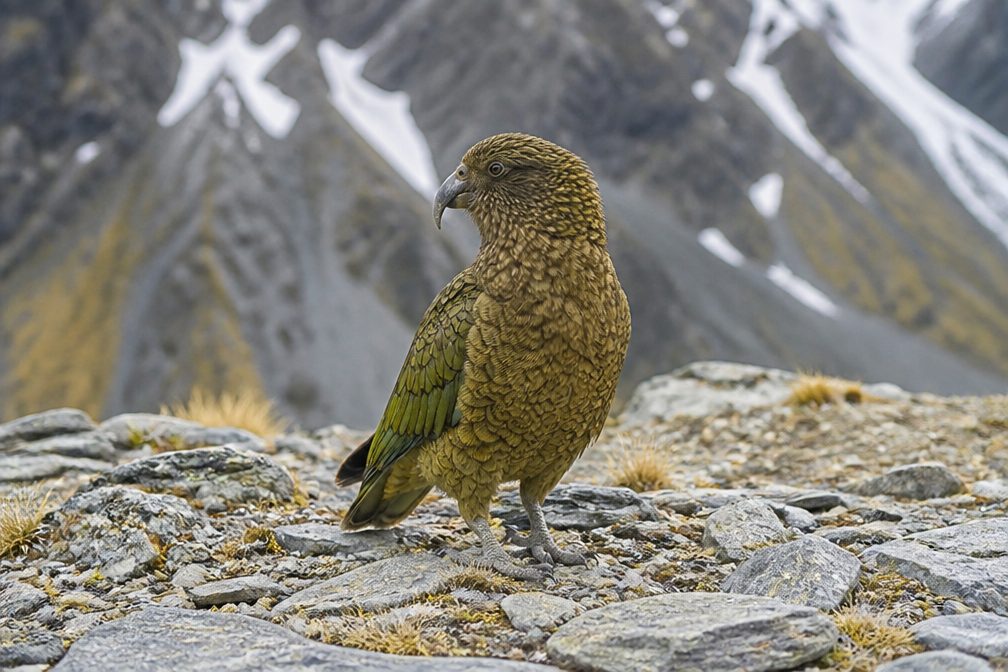
  • Wildlife: One recent camper reported hearing great spotted kiwi calling at night—consider it a rare treat rather than a guarantee.
  • Connectivity: Cell service is limited—download maps for offline use.

Best Time to Visit

Aim for shoulder seasons and cooler months outside the peak wasp window (January–March). Arrive earlier in the day if you want a spot close to the shelter, as it’s the only place fires are permitted. In winter, check DOC alerts and weather before committing to the gravel road.

Bottom Line

Underrated if you value space and quiet: basic facilities, big views, easy river rambles, and a handy shelter for foul weather. Come prepared, and you’ll have a mellow alpine base without the highway noise.

Pros

  • Shelter with a fireplace for cooking and warmth
  • Huge grassy flats with mountain views
  • Quieter than highway-side camps; river walks from camp

Cons

  • Sandflies and summer wasps can be intense
  • Basic facilities only—treat stream water and pack out rubbish
  • Gravel access and open flats can be windy; winter snow possible

Tips

  • Book online before you go; sites are chosen on arrival at the campground.
  • Bring strong insect repellent and consider a head net for sandflies.
  • Treat or boil all water from the stream and pack out every bit of rubbish.
  • Carry a stove; open fires are only allowed in the shelter fireplace.
  • Check river levels, DOC alerts and weather—access and crossings can be unsafe in flood or winter conditions.
The Parkwolf tour guide sitting on a phone mounted in a car

Parkwolf Tour Guide

Like a tour guide in your car.

Save the places you found around Arthur's Pass, then let Parkwolf guide the drive between them.Download Parkwolf on the App Store