Insh Marshes

Europe-class wetland with hides and seasonal bird spectacles
Insh Marshes, Cairngorms National Park
InsideCairngorms National Park

Overview

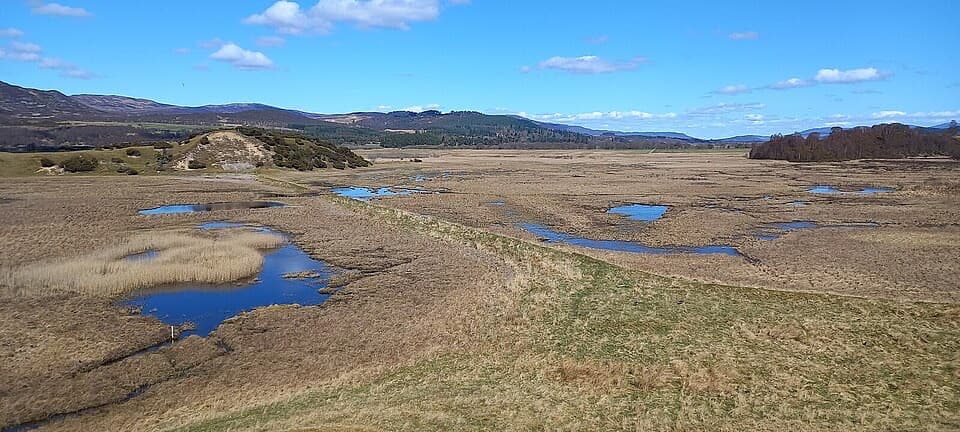
A vast floodplain wetland between Kingussie and Kincraig, RSPB Insh Marshes covers roughly 10 km² of dynamic habitat shaped by the River Spey. It’s widely regarded as one of Europe’s most important wetlands, prized for its natural floodplain and the wildlife that depends on it. Entry is free year‑round, and you’re here for big skies, big views, and big seasonal spectacles.

Trails, hides, and how it works

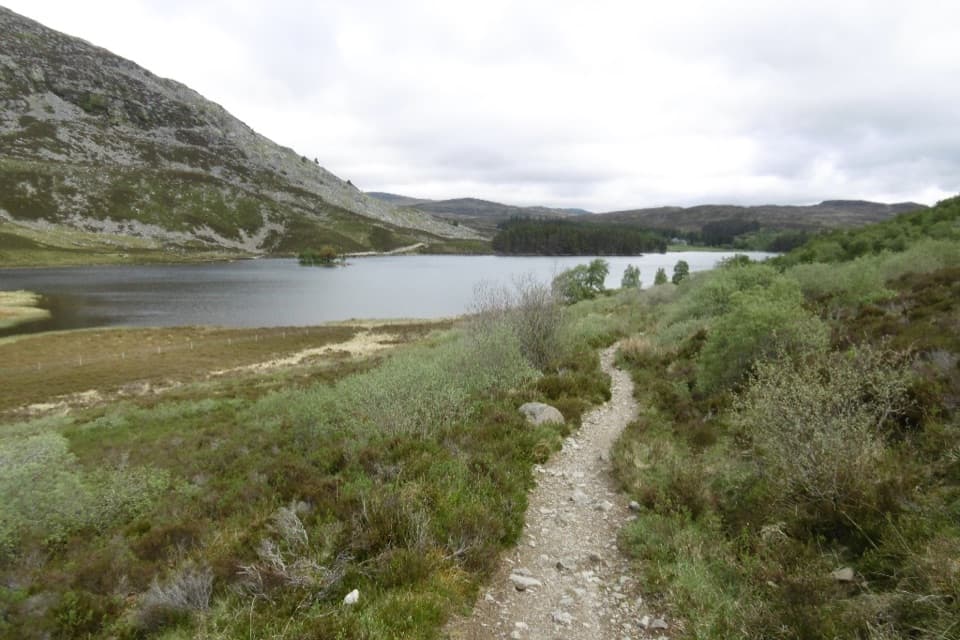
A small reserve car park leads to signed trails and bird hides overlooking the marsh. The Invertromie route starts right from the car park, with an easy early detour to Gordonhall Hide for instant views. Paths are unsurfaced and can be wet or uneven; expect a mix of woodland and open viewpoints across the floodplain. Some sections or hides may occasionally be closed for repairs, so be flexible.

Wildlife highlights by season

Spring is prime time for breeding waders—curlew, lapwing, redshank, and snipe—putting on noisy displays over the meadows. In winter, flooding draws whooper swans and greylag geese into the basin for stirring, big‑flock scenes. Year‑round you can spot ducks and raptors like buzzards; in spring/summer, ospreys are possible in the wider area. Deer and foxes also slip through the margins.

Why it’s special

This is a rare, relatively natural floodplain system. Ongoing restoration is working to undo historic drainage and river straightening—reconnecting river and marsh, improving climate resilience, and boosting biodiversity. The result is a living landscape that looks different with every season and every flood pulse.

What to expect on the ground

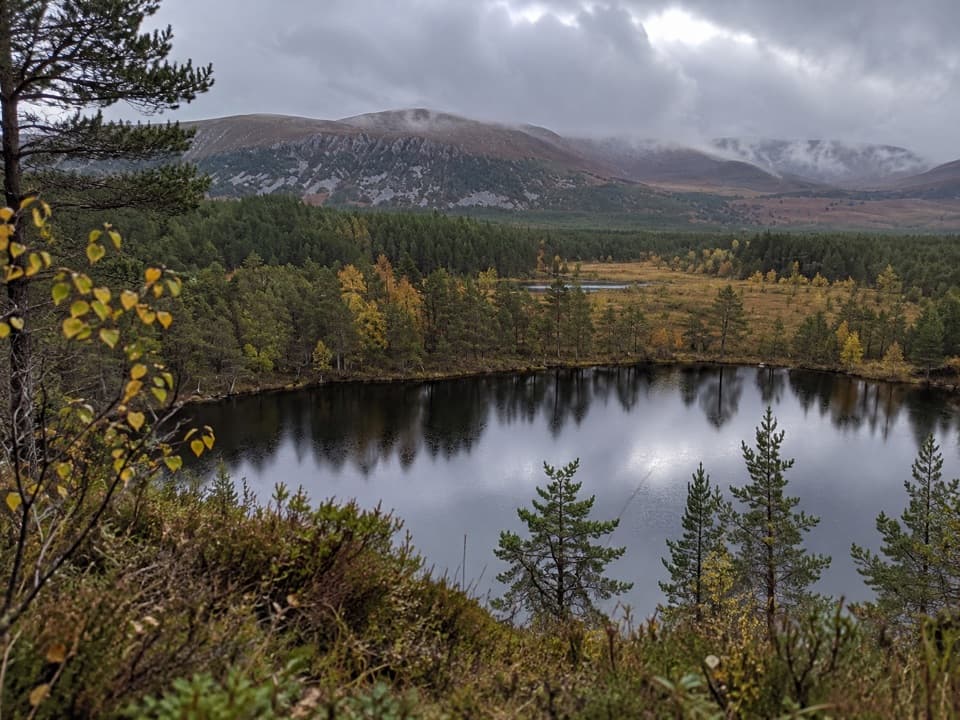
  • Landscapes: expansive wet meadows, channels, reedbeds, with distant hills framing the views.
  • Experience: peaceful, less crowded than headline Highland sights; you’re here to slow down and watch.
  • Facilities: very limited—no toilets, café, or water—so come prepared. Picnic benches are dotted along trails.

Best time to visit

  • Spring for wader song and display; winter for swans and geese on floodwater.
  • Early morning or late afternoon offers the best wildlife activity and softer light across the marsh.
  • Weekdays are usually quieter. After heavy rain, expect flooding that can close sections—part of the marsh’s rhythm.

Is it for you?

If you love birds, big open wetlands, and unhurried nature time, it’s a gem. If you want paved paths, a café, and exhibits, you’ll be happier elsewhere. Bring optics, patience, and waterproof footwear, and Insh Marshes will reward you.

Pros

  • Excellent birdwatching hides with sweeping floodplain views
  • Free entry with waymarked nature trails across a vast wetland

Cons

  • No restrooms, food, or water on site
  • Trails can be muddy and occasional flooding limits access

Tips

  • Bring binoculars or a spotting scope to make the most of the wide views.
  • Detour early to Gordonhall Hide for quick, rewarding marsh panoramas.
  • Wear waterproof boots; trails are unsurfaced and can be muddy year‑round.
  • Spring and winter are the standout wildlife seasons; arrive early for activity.
  • Keep dogs under close control, especially during the April–August nesting season.
The Parkwolf tour guide sitting on a phone mounted in a car

Parkwolf Tour Guide

Like a tour guide in your car.

Save the places you found around Cairngorms, then let Parkwolf guide the drive between them.Download Parkwolf on the App Store