Long Point Light

Remote Cape tip lighthouse with seal-watching and big-sky views
Long Point Light, Cape Cod National Seashore
InsideCape Cod National Seashore

Overview

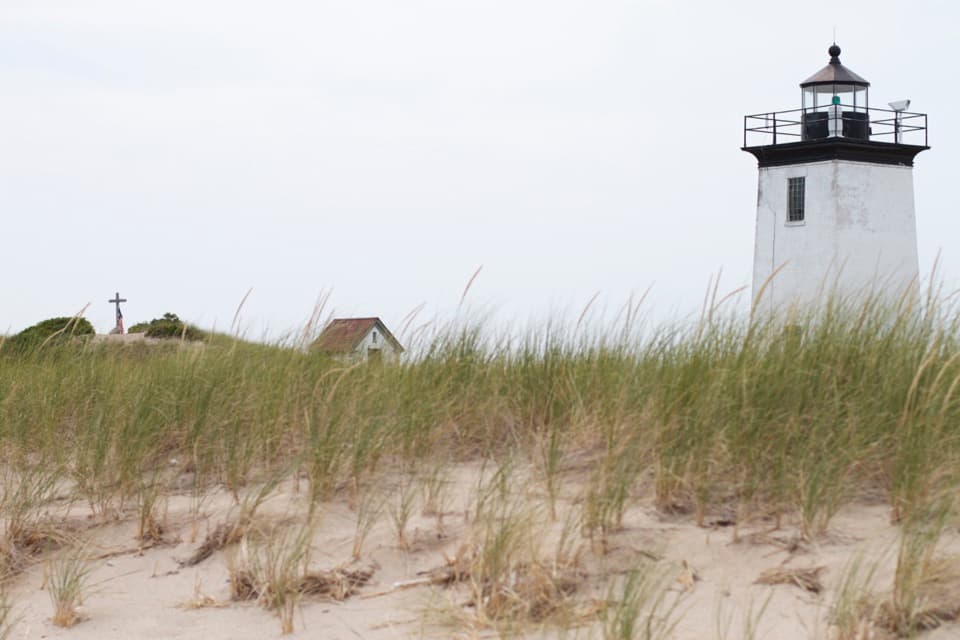
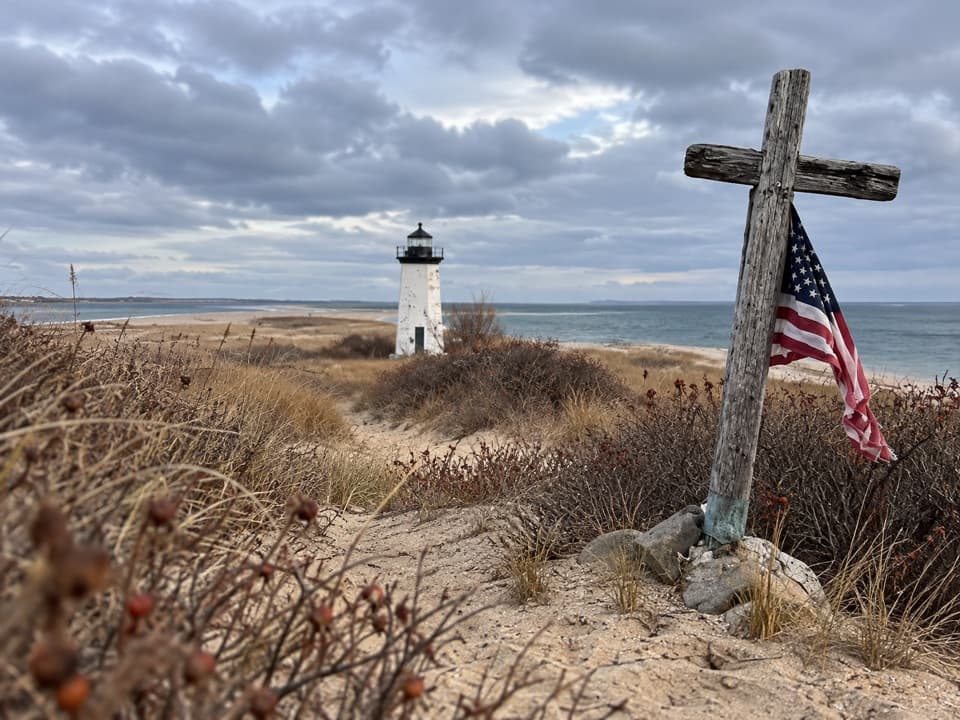
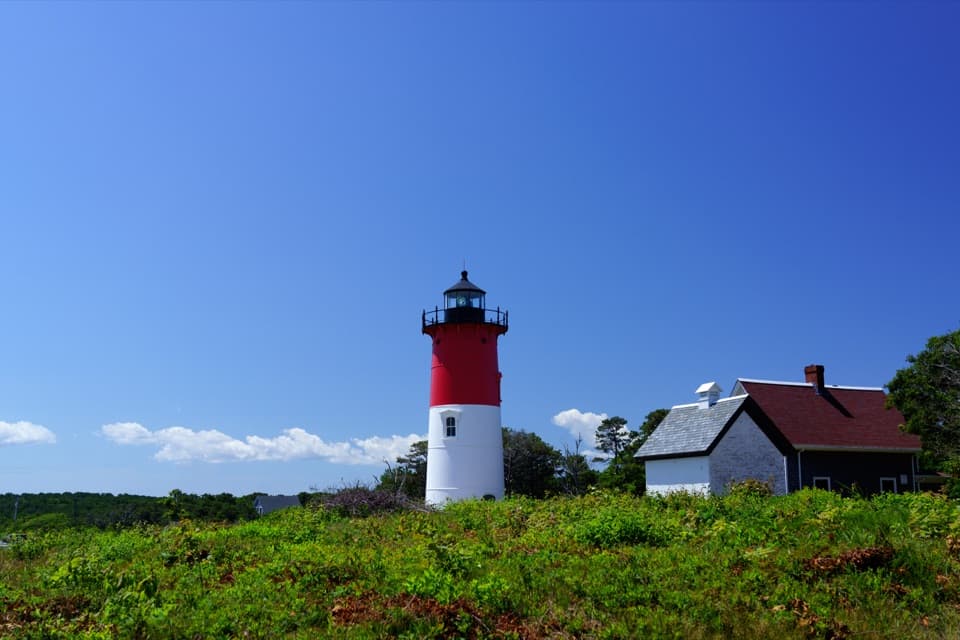
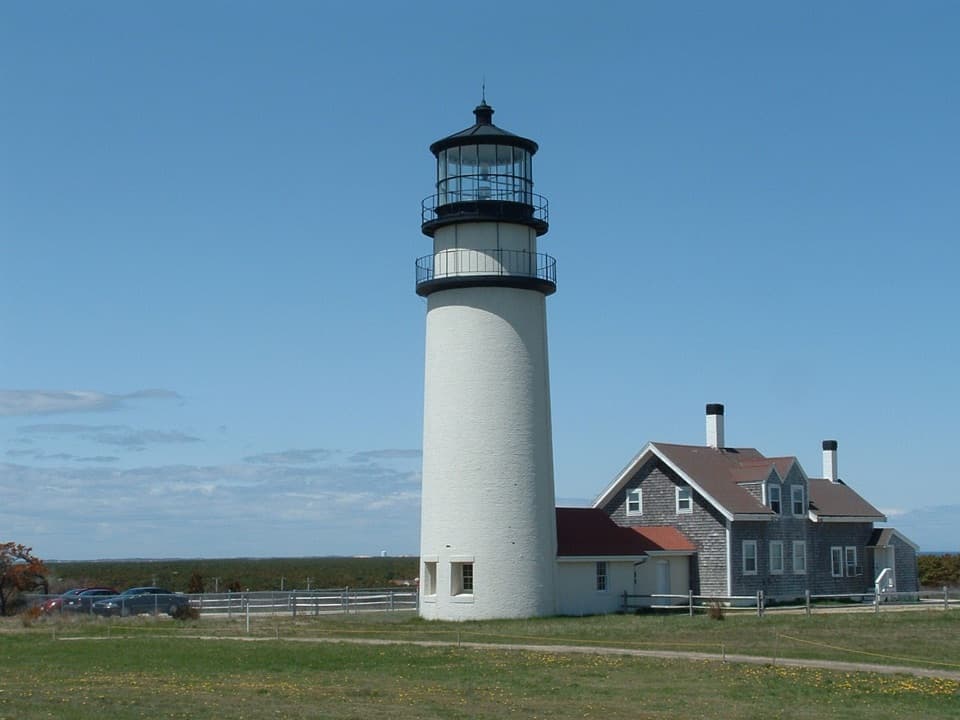
Long Point Light caps the sandy tip of Provincetown with a simple square brick tower and a big sense of remoteness. The current 38‑foot lighthouse dates to 1875; its green light occulting every 4 seconds and a fog horn that sounds for 2 seconds every 15 seconds still mark the harbor entrance. The light was automated in 1952 and converted to solar power in the early 1980s. Grounds are open, but the tower is closed.

A Bit of History

The first light here (1827) was a classic “Cape Cod style” house with a lantern on the roof—long gone from the Cape. Long Point once hosted a small village with a school, post office and saltworks; many of its homes were famously floated across the harbor to Provincetown’s West End. During the Civil War, the nearby Long Point Battery earned the tongue‑in‑cheek nicknames “Fort Useless” and “Fort Ridiculous.” The surviving 1904 oil house still stands beside the tower, which is listed on the National Register of Historic Places.

Getting There

You’ve got two solid options:

  • By water: a seasonal shuttle/ferry runs from MacMillan Pier (and the West End) straight to the beach by the light; small‑boat and kayak rentals are another way to go when conditions allow.
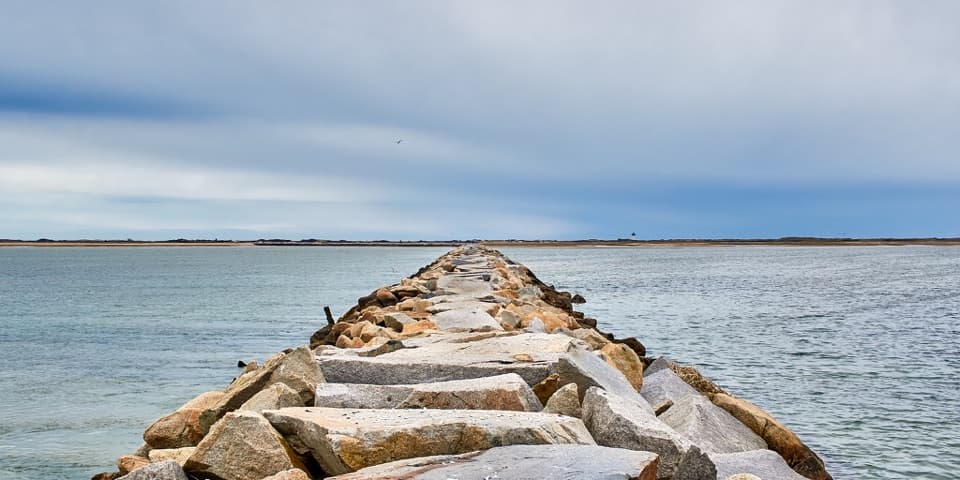
  • On foot: start near Pilgrim’s First Landing Park, cross roughly a mile of granite breakwater, then continue on sand—about 3 miles each way. Expect rock‑hopping, soft sand, and no shade. There’s a small paid lot by the park and additional parking in downtown Provincetown.

What You’ll See

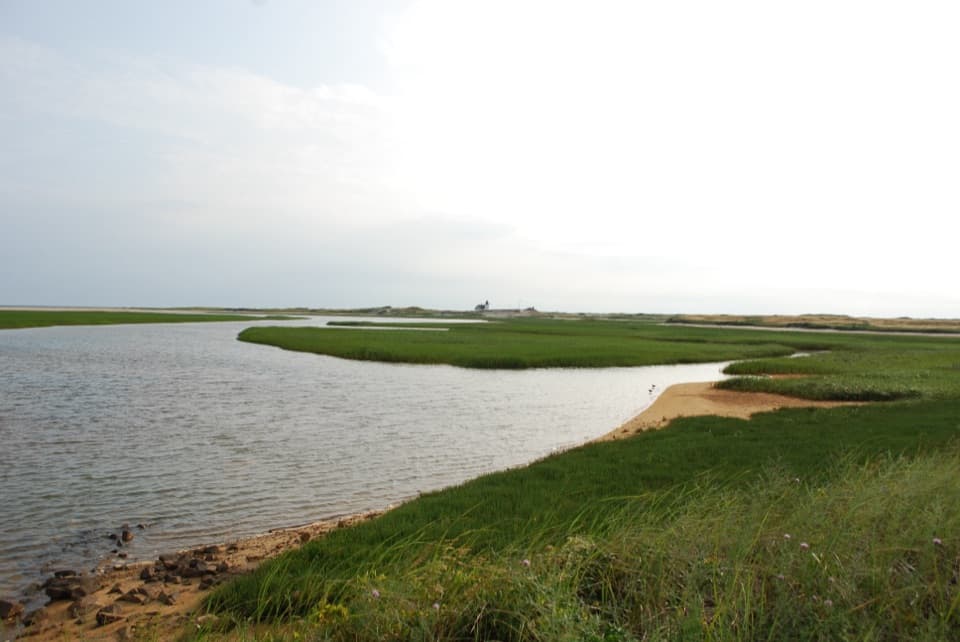
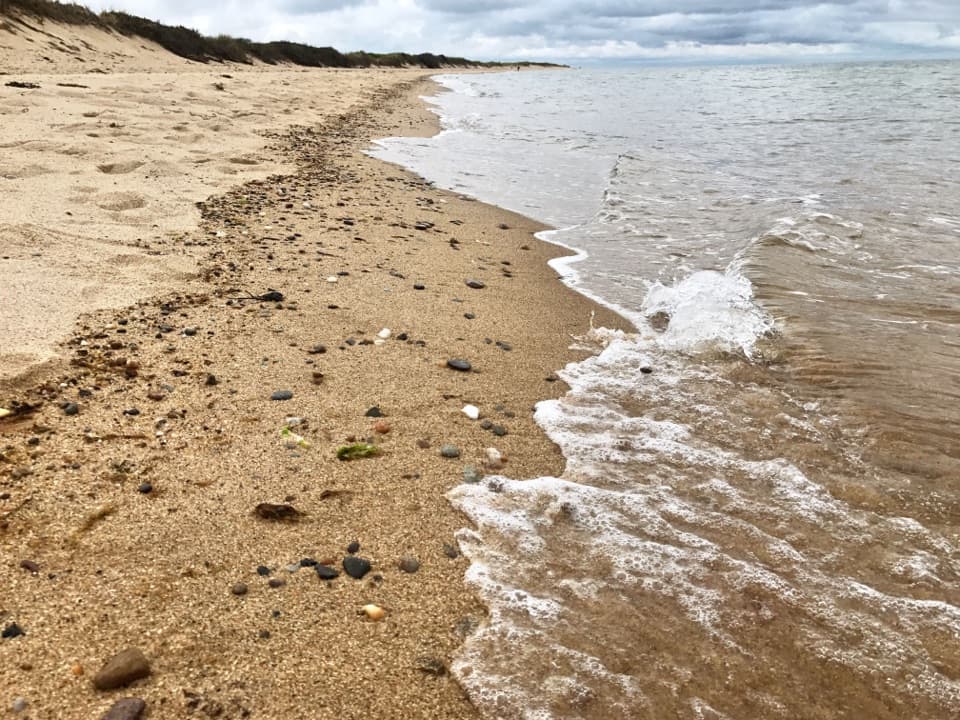
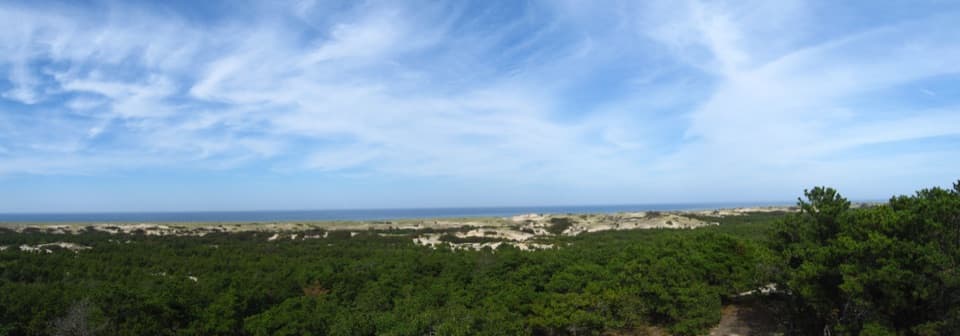
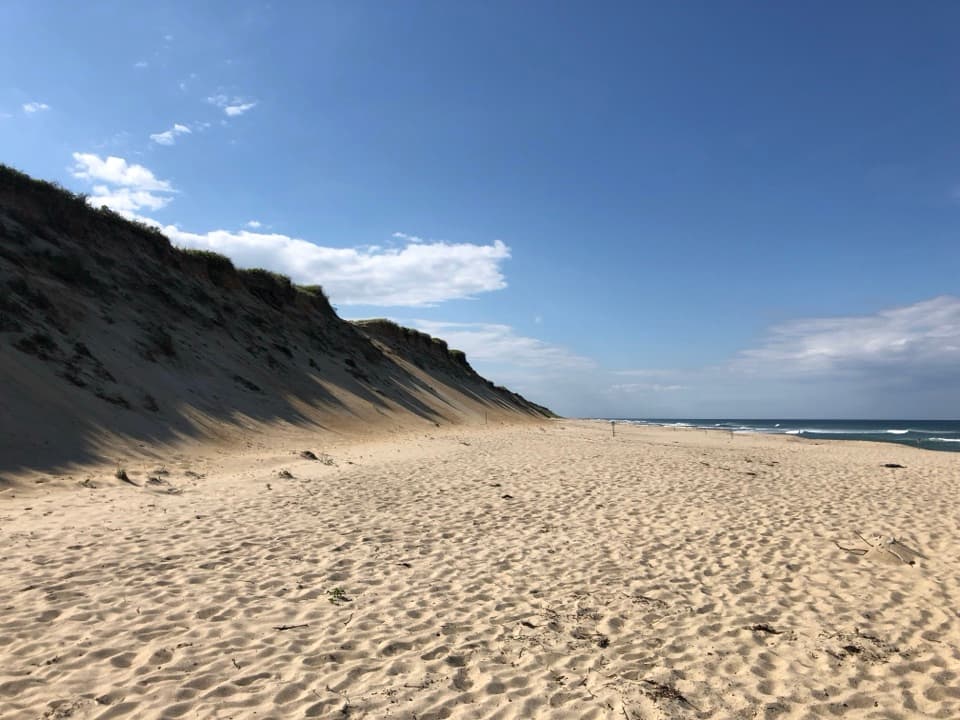
A windswept, end‑of‑the‑world beach with the lighthouse and oil house as the last outposts. Views sweep across Provincetown Harbor, with Race Point and Wood End in sight. It’s a favorite spot for solitude, photography, and watching harbor traffic—and seals frequently cruise the shoreline.

On‑Site Practicalities

There are no services: no restrooms, water, food, or trash pickup. Pack everything you need and carry it out. The tower is not open for climbs or tours. The fog horn can be radio‑activated by mariners (VHF 83A), but for visitors it’s simply part of the atmosphere.

Safety & Terrain

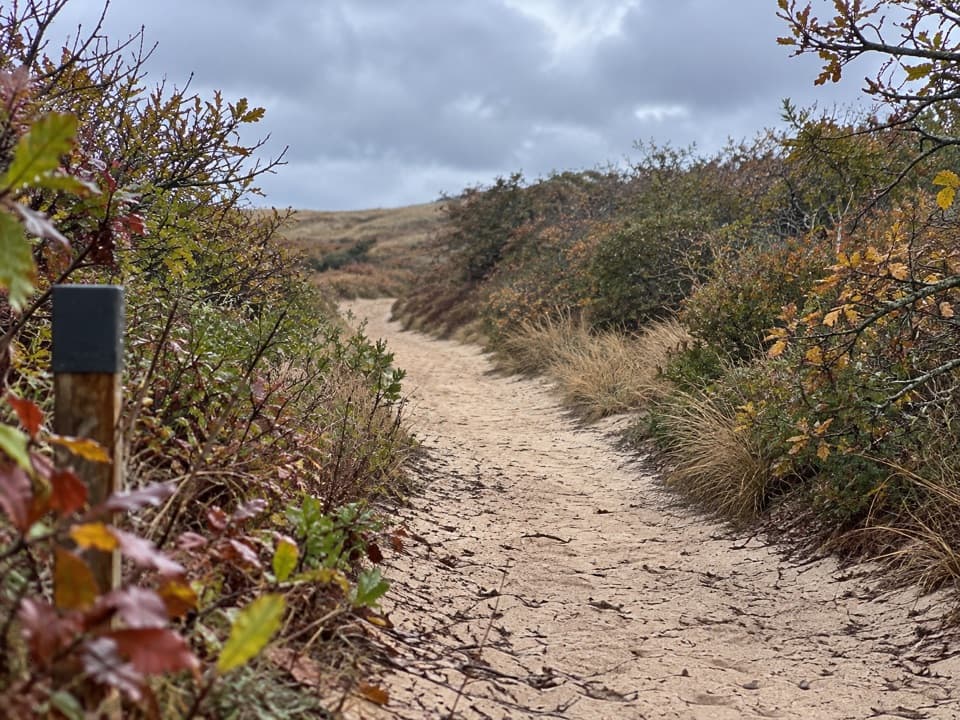
Time your hike with the tides—the breakwater can be slippery and sections may be wet or partly submerged at higher water. Wear sturdy shoes for the rocks and coarse sand. In warm months, bring bug spray and check for ticks; poison ivy grows near the lighthouse area. Wind can make the walk feel longer than it looks on a map.

Best Time to Visit

The grounds are effectively open anytime. For fewer people, aim for early mornings or weekdays; summer Saturdays around midday tend to be the busiest. In peak season the shuttle typically runs more frequently, with reduced frequency in the shoulder season. For hikers, lower tides and calmer weather make the crossing easier and more enjoyable.

Pros

  • Secluded, photogenic lighthouse with sweeping harbor views
  • Reachable by short seasonal ferry or a rewarding causeway hike
  • Frequent seal sightings along the beach approach

Cons

  • No facilities of any kind on site
  • Access is by boat or a long, tide‑dependent walk over rocks and sand
  • Biting flies and ticks can be an issue in warm months

Tips

  • If hiking, start at Pilgrim’s First Landing Park and cross the breakwater at low tide.
  • Bring plenty of water, snacks, and sun protection—there are no services or shade.
  • Wear closed‑toe shoes for rock‑hopping and coarse sand; avoid flip‑flops.
  • Pack bug spray and check for ticks; poison ivy is present near the lighthouse.
  • Short on time? Take the seasonal shuttle ferry from MacMillan Pier.
The Parkwolf tour guide sitting on a phone mounted in a car

Parkwolf Tour Guide

Like a tour guide in your car.

Save the places you found around Cape Cod, then let Parkwolf guide the drive between them.Download Parkwolf on the App Store