Place · 0.6 mi away

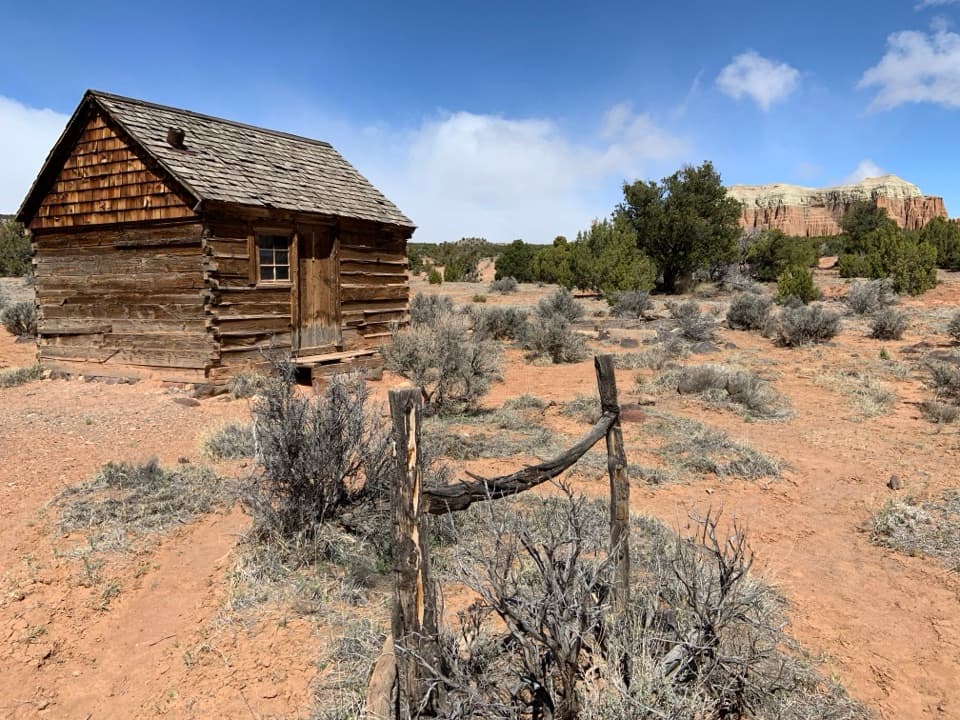
Tucked into Cathedral Valley, the Lesley Morrell Line Cabin is a small, one-room log cabin that feels frozen in time. It’s one of the park’s best surviving remnants of the ranching era and is formally listed on the National Register of Historic Places. Expect solitude, desert silence, and an evocative glimpse of working life here before this landscape became a national park.
Originally built as a summer house tied to a sawmill operation in the 1920s, the cabin was sold to rancher Lesley Morrell around 1935. He dismantled it, hauled the pieces into Cathedral Valley, and reassembled it as a winter line camp for cowboys. Morrell’s family used it until 1970, when it became National Park Service property. The story of a moved and rebuilt cabin is part of what makes this site unusual.
A compact, rectangular log cabin (about 10 by 14 feet) with squared logs, half-lapped corners, and a simple stone foundation, plus the adjacent corral. Visitors note an informative plaque on the approach and an atmosphere that invites lingering—quiet enough to imagine tending cattle here decades ago.
The cabin sits roughly 1,500 feet west of Cathedral Valley Road, about 1.5–2 miles north of the Hartnet Road junction, reached via the Cathedral Valley Loop. It’s a short walk from the road across open desert. There are no services: no restroom, water, picnic tables, or formal parking. Road conditions vary widely with weather; after storms, mud can make travel difficult.
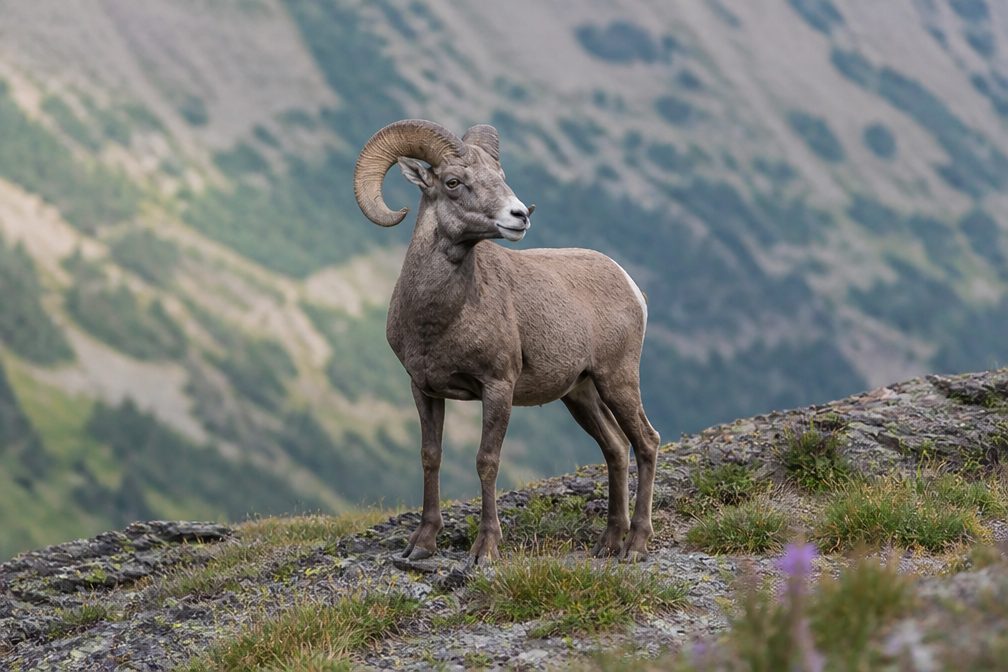
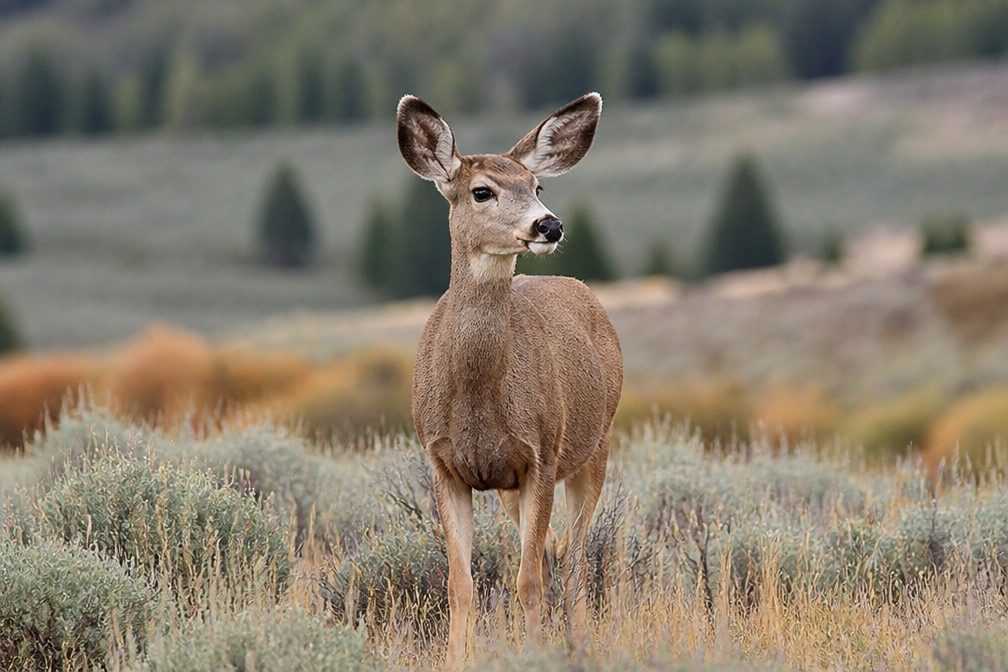
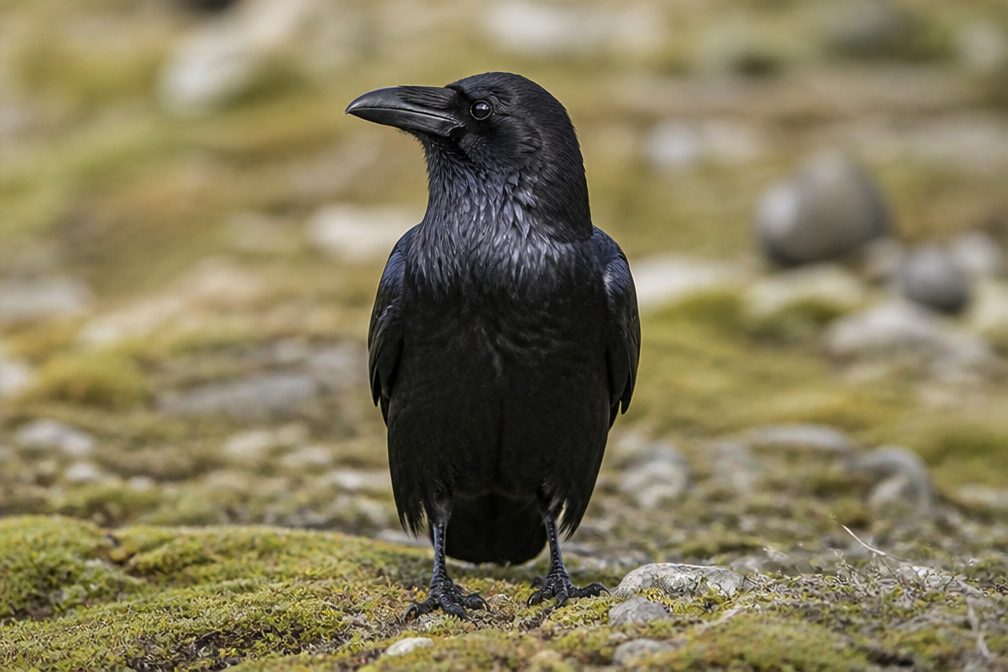
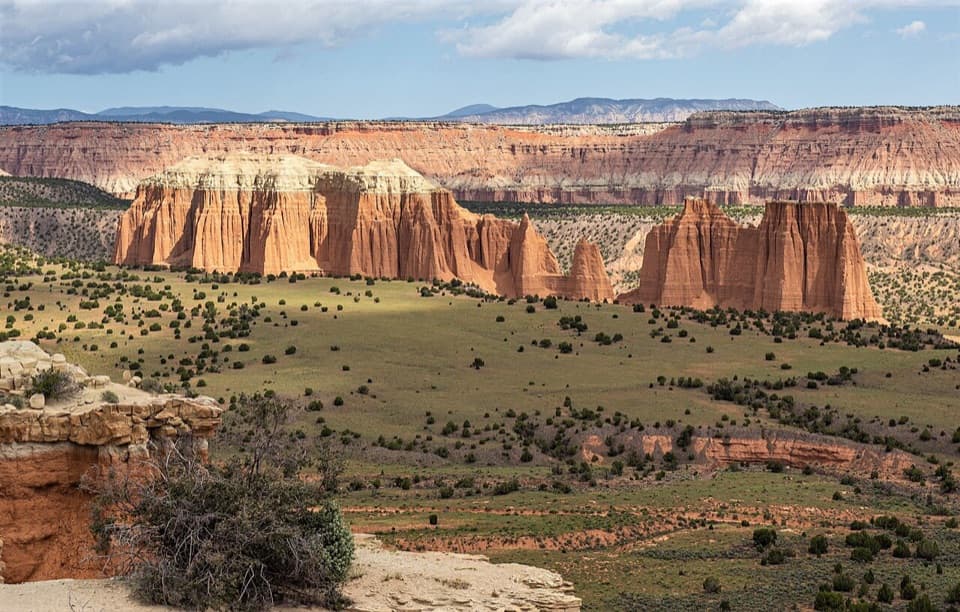
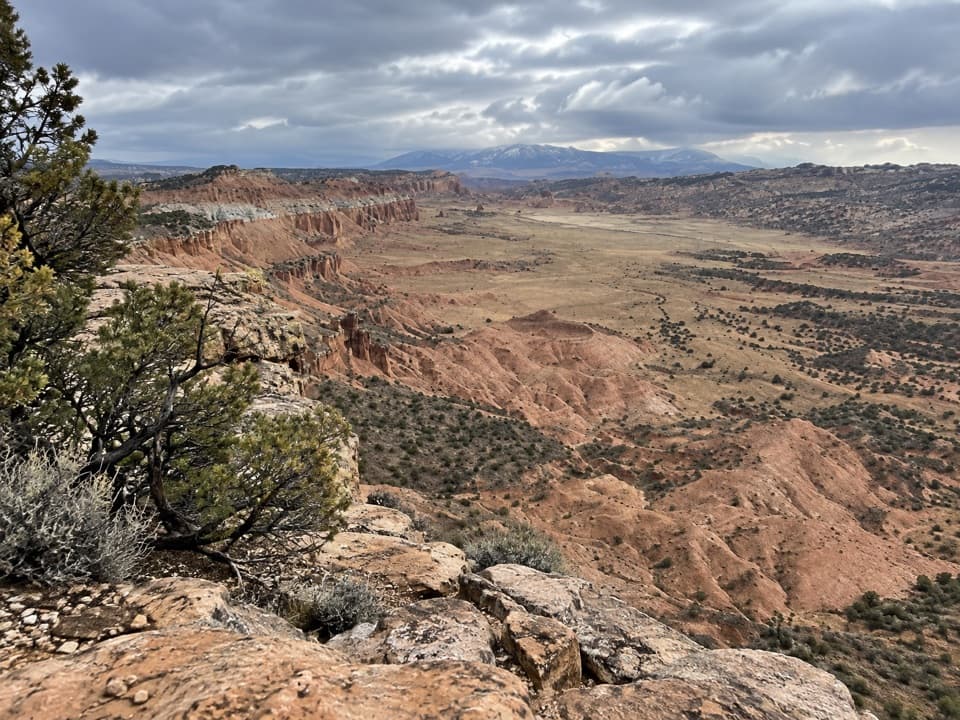
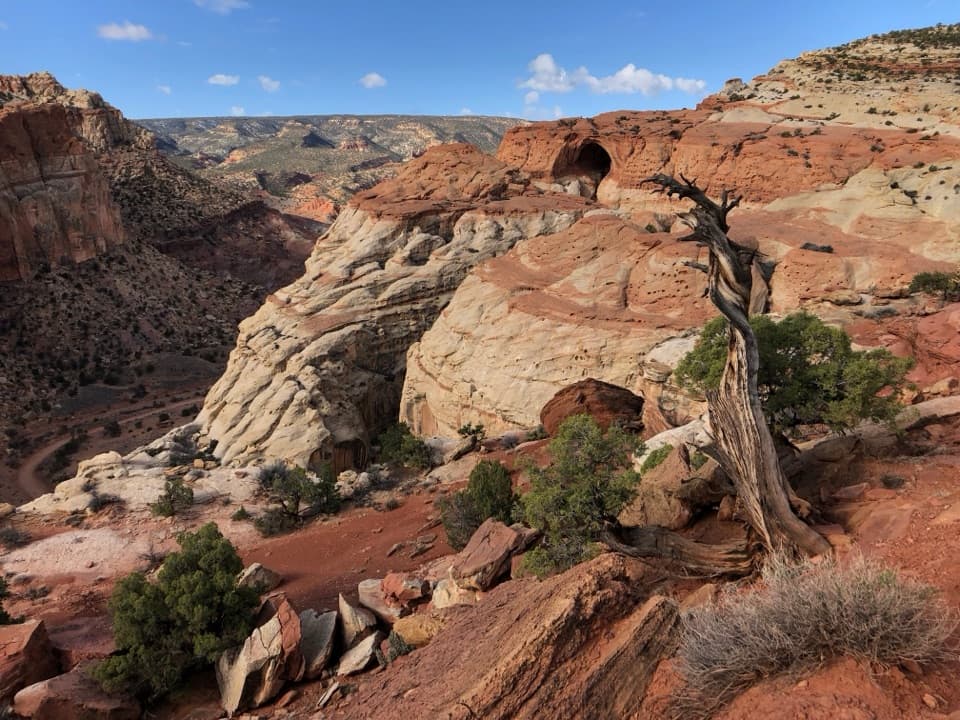
This is classic remote Utah desert—badlands, buttes, and big skies. In this quiet corner, it’s possible to spot typical desert wildlife like pronghorn, mule deer, coyotes, jackrabbits, reptiles, and a mix of birds, especially during cooler parts of the day.
If you’re drawn to human history in wild places, this stop delivers. The cabin’s relocation story, its intact feel, and the wide-open setting make it a rewarding detour for photographers, history buffs, and anyone chasing true quiet.
Anytime roads are dry is the right time here. Summer heat can be intense, so aim for cooler seasons or early/late in the day. Crowds are minimal year-round, and soft light at the ends of the day pairs well with the weathered wood and desert hues.
Leave everything as you find it—don’t move or remove historical items. This is a fragile piece of the park’s cultural history.