Stovepipe Wells Airport

Remote NPS airstrip with big skies and a short walk to services
Stovepipe Wells Airport, Death Valley National Park
InsideDeath Valley National Park

Overview

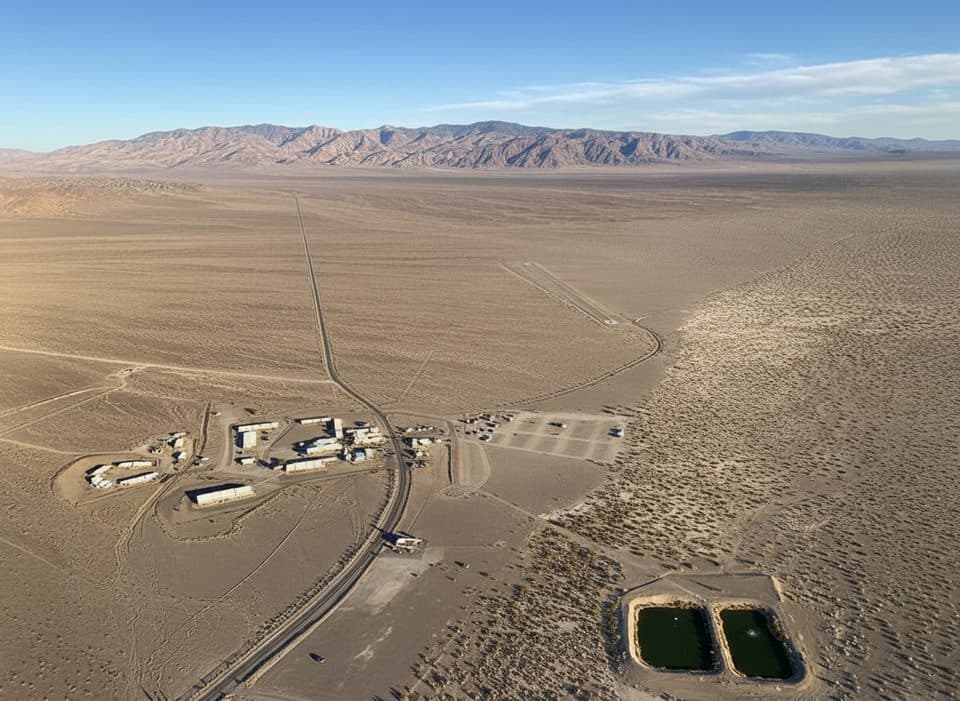
A minimalist, public-use airstrip inside the park, Stovepipe Wells Airport (L09) is an unattended strip just west of Stovepipe Wells Village. It’s owned and managed by the National Park Service and exists primarily for general aviation pilots who want quick access to central Death Valley. Expect a single, non‑towered runway and a whole lot of wide‑open desert.

What You’ll Experience

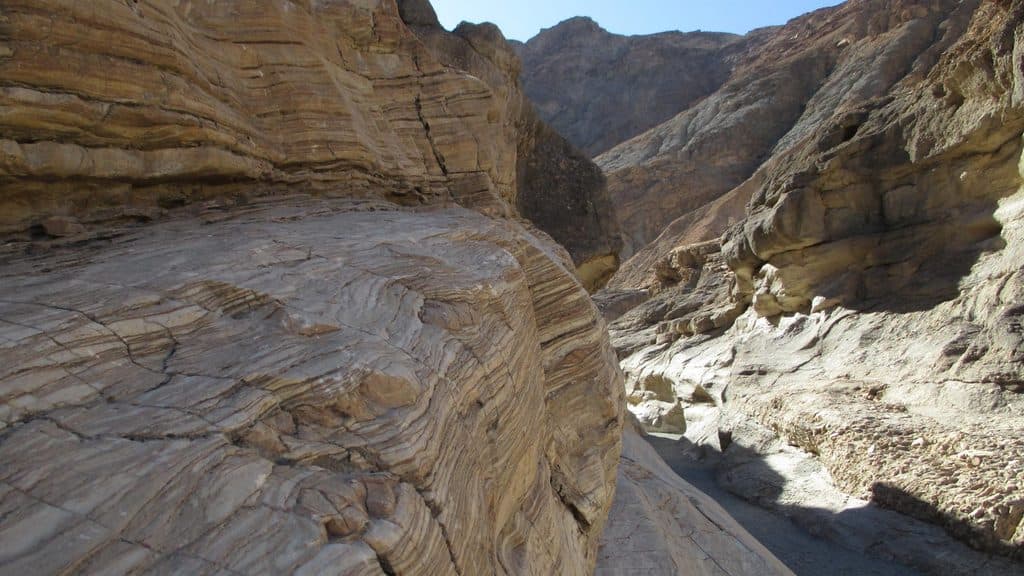
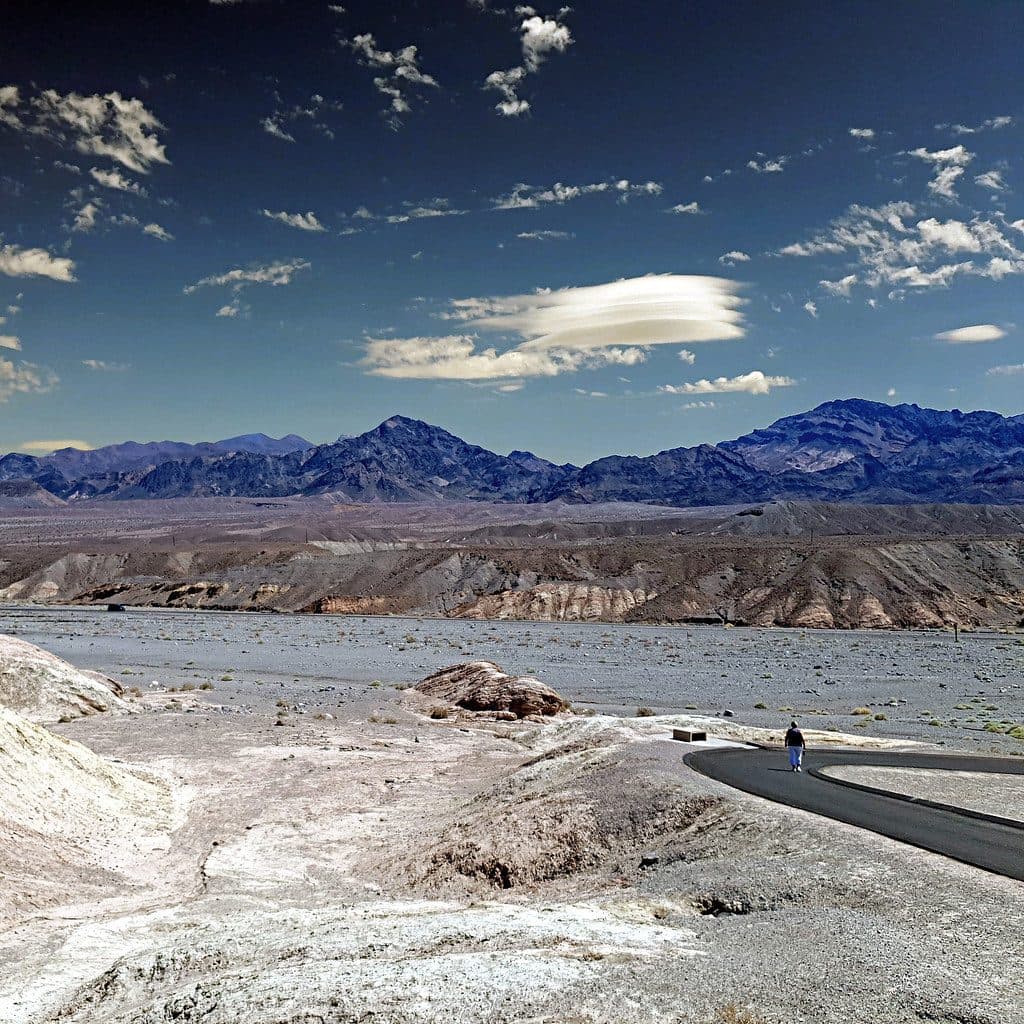
You’re landing in a stark basin framed by mountains, with the Mesquite Flat Sand Dunes and other classic Death Valley sights nearby. On the ground, it’s all about simplicity: a runway, ramp space, and big skies. Pilots praise the novelty and scenery; non‑flyers will find it more of a curiosity than a destination.

Facilities and Nearby Services

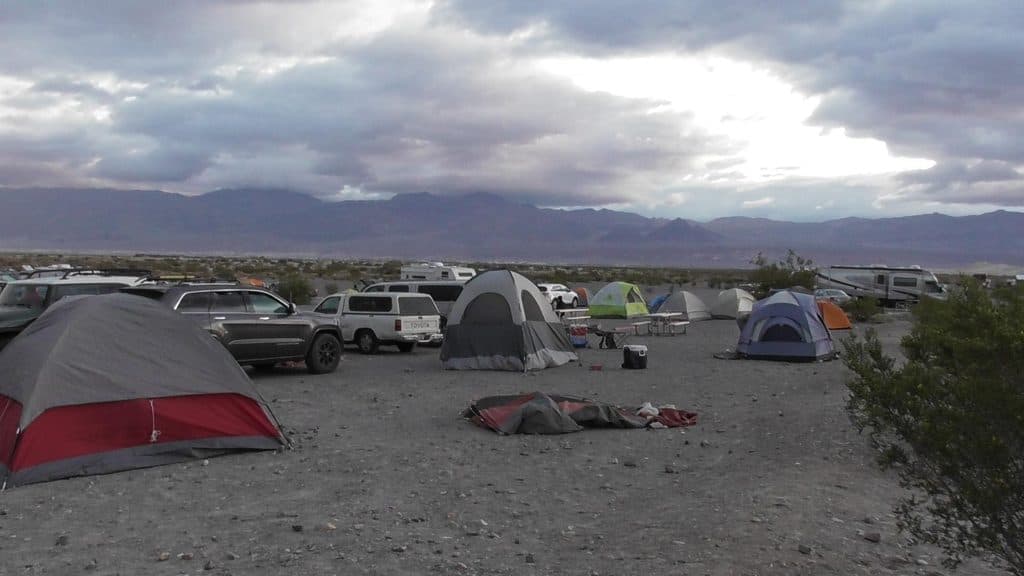
There are no restrooms, fuel, food, water, or shops at the airstrip itself. The good news: Stovepipe Wells Village is close—about 1/3 mile to the campground and roughly 1/2 mile to the general store and lodge—so basic services, meals, and fuel (for vehicles) are an easy walk away.

Runway & Operations Notes

This is a non‑towered field with no instrument procedures. Runway markings are non‑standard, and low obstacles are documented near a threshold—study current publications and NOTAMs. Multiple reports note a rough surface with cracks; plan accordingly. There’s no on‑field fuel (and no 100LL within a short flying hop), and there are no runway lights for night use.

Stargazing

The airstrip area is prized for dark skies, and astronomy events can draw far more people than aircraft traffic. That said, the strip isn’t lighted and is considered day‑use for operations—treat it as a ground‑based stargazing spot rather than a place to arrive or depart at night.

Wildlife

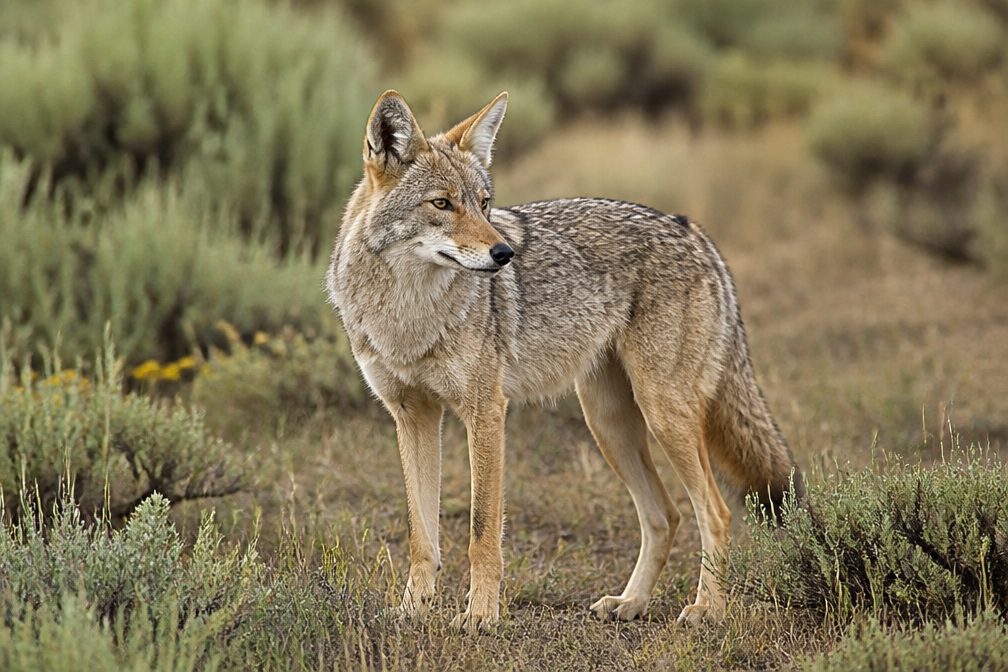
Nothing special is documented for the strip itself, but typical desert life—lizards, birds, and the occasional coyote—may wander the edges, especially around dawn and dusk.

Best Time to Visit

For flying, aim for early morning to beat heat and bumps. Midday brings harsh light and the hottest temperatures. For night sky viewing, head over after dark on foot; bring layers and a red‑light headlamp. Overall, this is a lightly used strip—crowds aren’t the issue; conditions are.


Should You Go?

Pilots looking for a quintessential desert landing will find it memorable and practical for accessing the Stovepipe Wells hub. For everyone else, it’s mostly just a bare runway—interesting to see briefly, but the real action is in the nearby village and dunes.

Pros

  • Walkable to Stovepipe Wells Village services (~0.5 mile)
  • Unique fly-in access with a dramatic desert approach
  • Excellent dark-sky setting for stargazing on the ground

Cons

  • No on-field services: no fuel, food, water, or restrooms
  • Runway surface is rough with cracks and non‑standard markings
  • Day-use only with no lighting; no instrument procedures

Tips

  • Plan VFR only; review current NOTAMs and the published obstacle notes.
  • No on‑field fuel or services—carry water and plan your fuel stop carefully.
  • The surface is rough and cracked; a soft‑field‑style landing helps.
  • Expect a 1/3–1/2 mile walk to the campground, store, and lodge.
  • No night operations; for stargazing, arrive by day and bring a red‑light headlamp.
The Parkwolf tour guide sitting on a phone mounted in a car

Parkwolf Tour Guide

Like a tour guide in your car.

Save the places you found around Death Valley, then let Parkwolf guide the drive between them.Download Parkwolf on the App Store