Overview
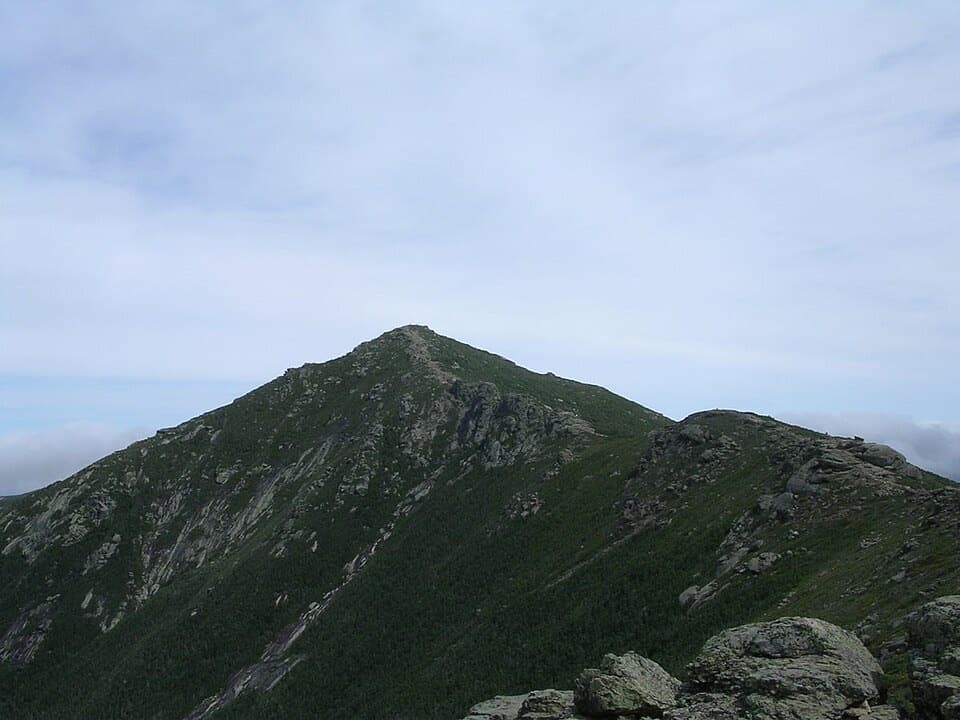
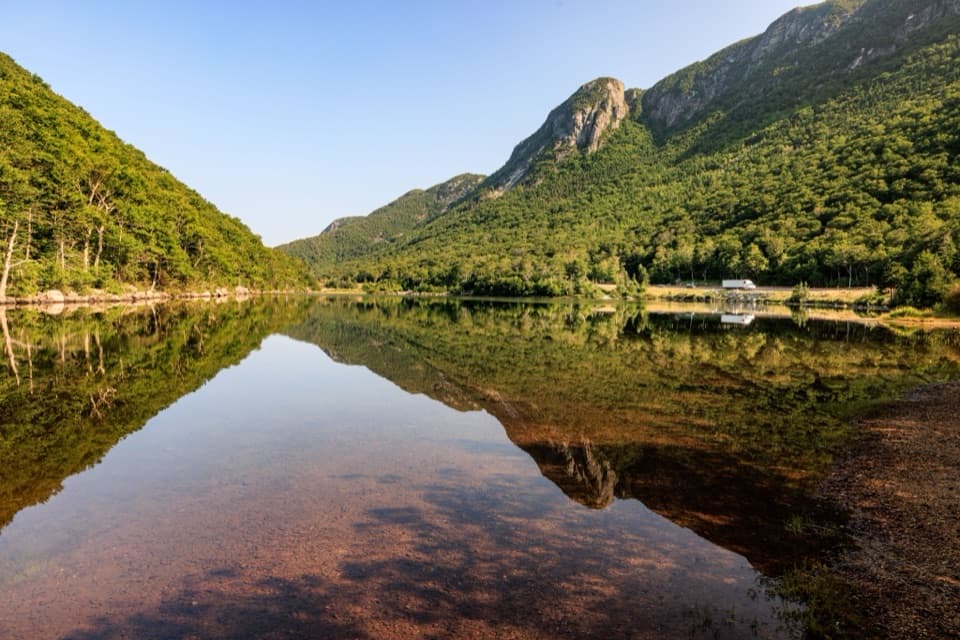
Mount Lincoln is the airy middle summit on Franconia Ridge, with nonstop alpine views stretching between Little Haystack and Mount Lafayette. Much of the traverse follows the Appalachian Trail, so you get that big-mountain feel without technical climbing.
Routes That Make Sense
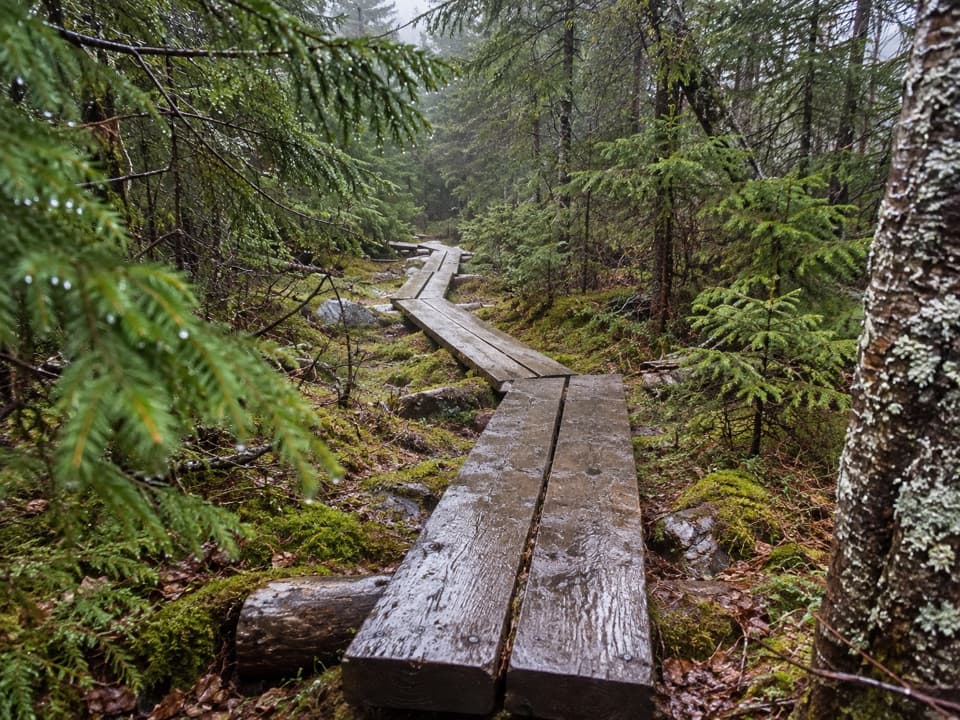
- Classic loop: about 9.3 miles with roughly 3,800 feet of gain. Most hikers go counterclockwise—up Falling Waters to Little Haystack, then over Lincoln to Lafayette, down Greenleaf Trail past the hut, and finish on Old Bridle Path. Plan on 6–8 hours including breaks.
- Shorter out-and-back: about 6.9 miles via Little Haystack, starting up Falling Waters. Expect 6–6.5 hours; it’s still a serious day.
Why This Hike Pops
- The ridge delivers around 1.5 miles of continuous, above-treeline scenery—Lincoln sits right in the sweet spot for views south to Liberty and Flume and north to Lafayette.
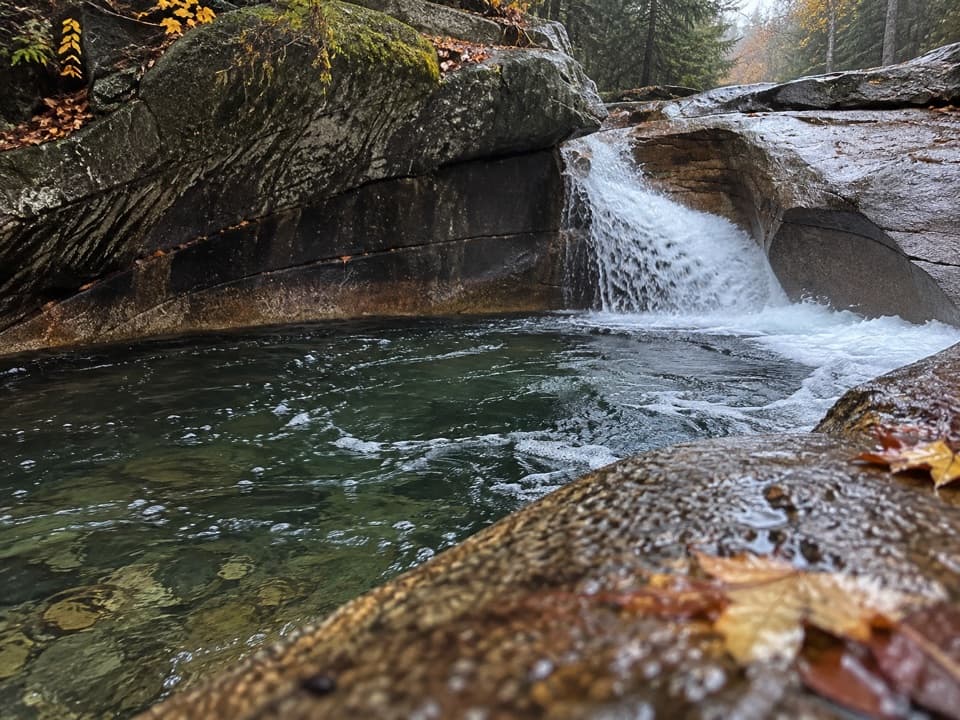
- The approach is half the fun: Falling Waters passes a string of cascades, including Stairs Falls, Swiftwater Falls, and Cloudland Falls.
Season, Weather, and Safety
- Winter is doable for experienced hikers with proper gear; shoulder seasons often mean lingering ice—microspikes can be essential.
- Summer and foliage season are the busiest; start early and aim for a clear, low-wind day. The ridge is fully exposed, and temperatures/wind can be much harsher up high. Layers, a wind/rain shell, plenty of water, and trekking poles pay off.
Facilities and Logistics
- Primary parking is at the Old Bridle Path/Falling Waters area along I‑93; it’s sizable (about 133 spots) but fills very early on popular days. Overflow at Lafayette Place and a weekend shuttle sometimes operate; hours and fees vary.
- Don’t expect robust services at the hiker lots. In season, you can find restrooms near the start and at AMC Greenleaf Hut; off-season, many park comfort stations are closed or unstaffed. Greenleaf Hut typically offers snacks/drinks to day hikers when in season.
- Hikers are not allowed to park inside Lafayette Place Campground itself.
Wildlife and Care for the Place
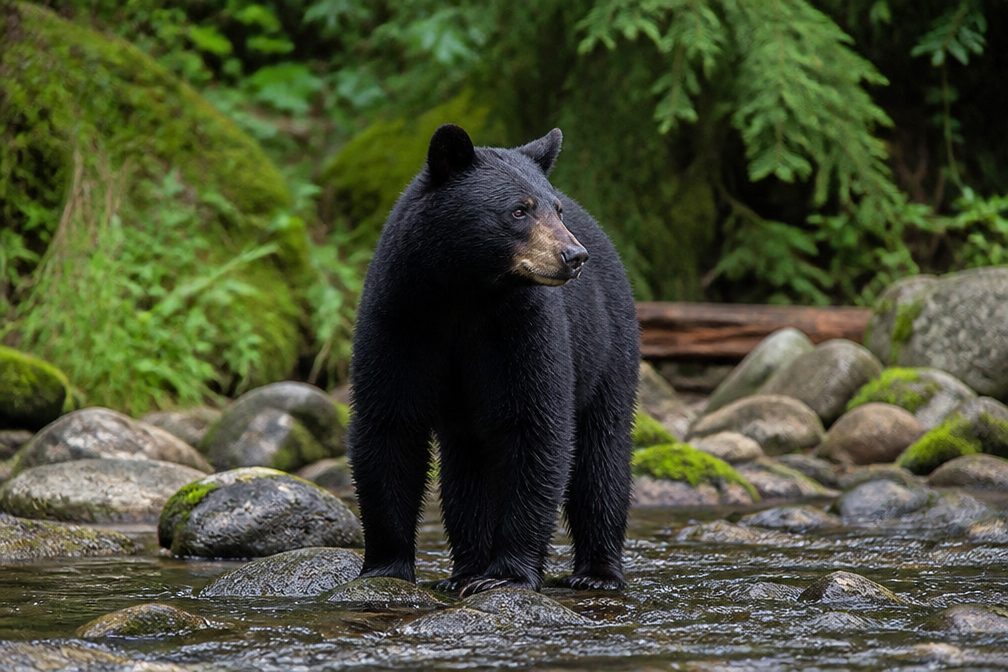
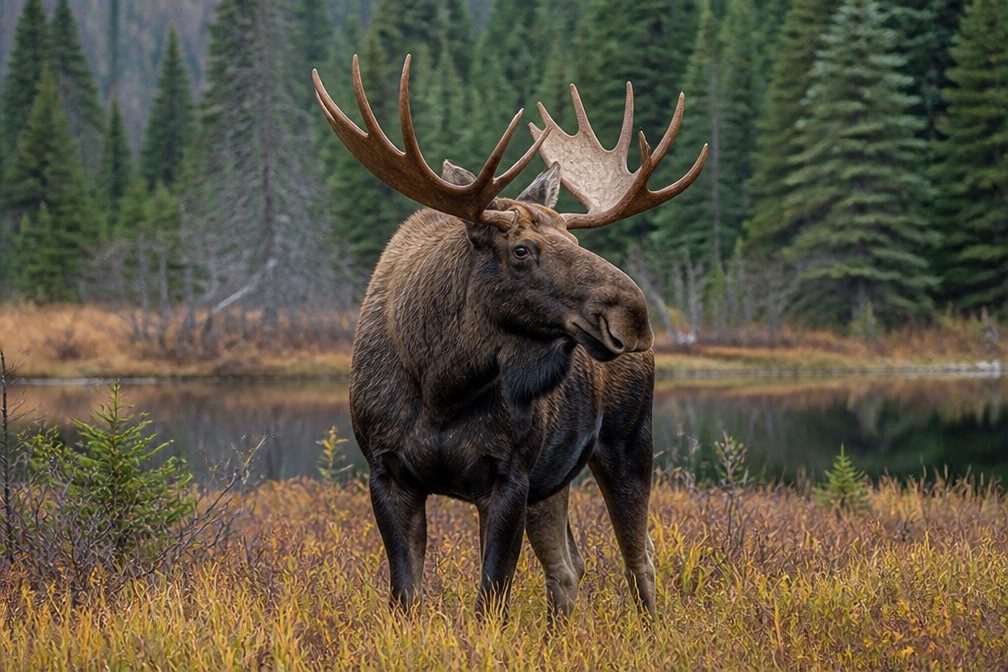
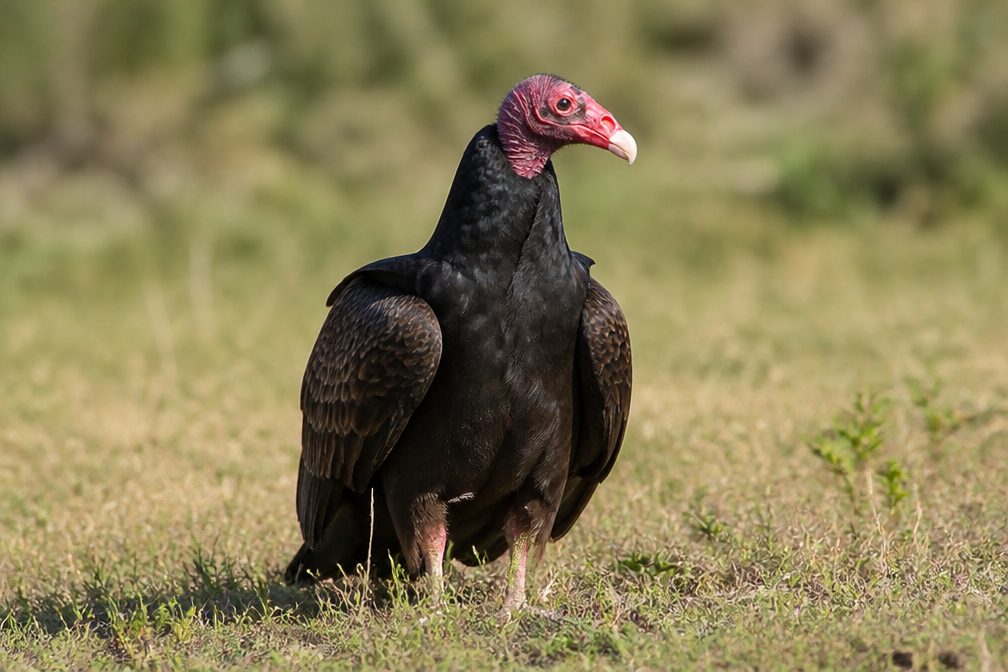
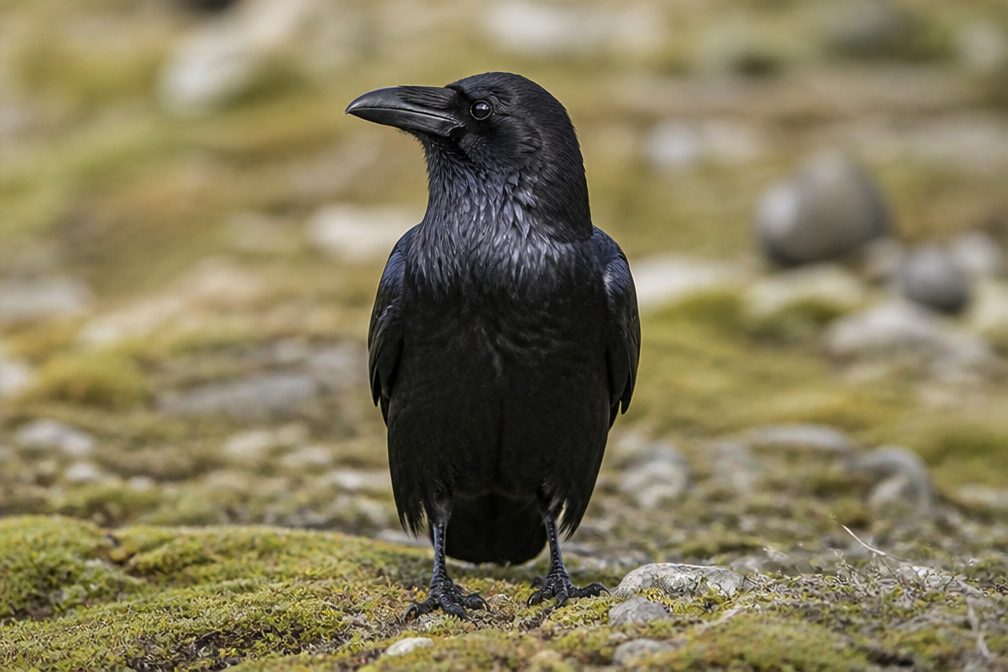
You’ll be traveling through a fragile alpine zone—stay on rock and marked paths, pack out everything, and give any wildlife (moose, black bear, and birds are possible) plenty of space.
Best Time to Visit
- A bluebird day with low wind is ideal. Midweek or a pre‑dawn start helps with parking and crowds.
- For color, late September to early October is prime. If you want the hut experience for snacks and bathrooms, target June through mid‑October.