Place · 0.8 mi away

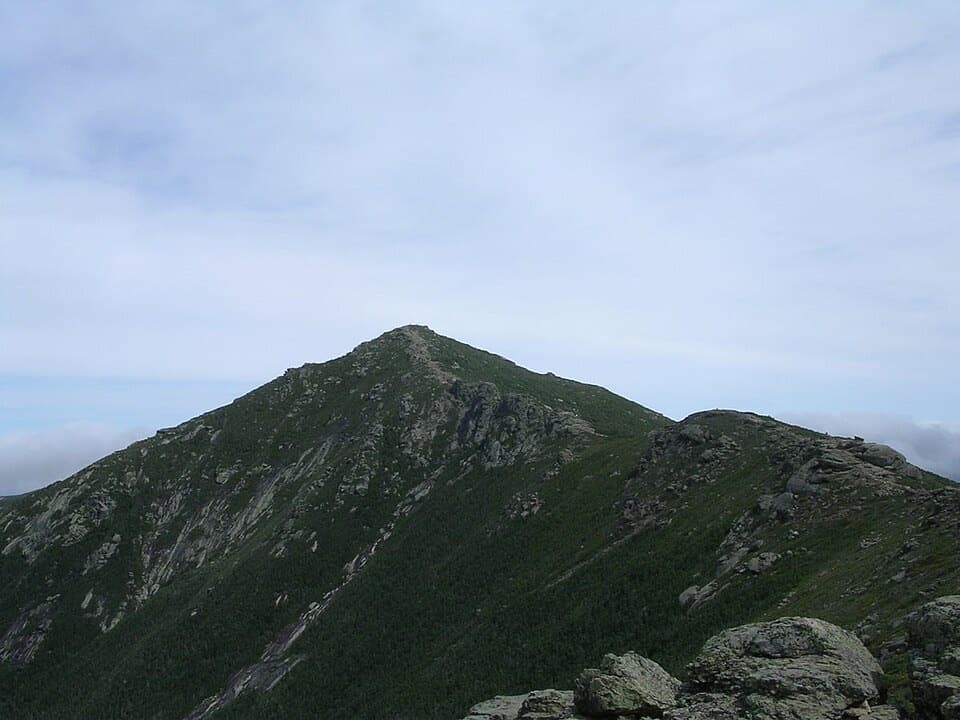
Mount Lafayette caps the celebrated Franconia Ridge Loop, a strenuous but wildly scenic hike that links Little Haystack, Mount Lincoln, and Lafayette along an exposed ridgeline. Expect 8.5–9.1 miles, roughly 3,800–4,154 feet of elevation gain, and 6–9 hours on rugged, rocky trail. Lafayette tops out around 5,260 feet and is often cited as the highest summit in New Hampshire outside the Presidential Range.
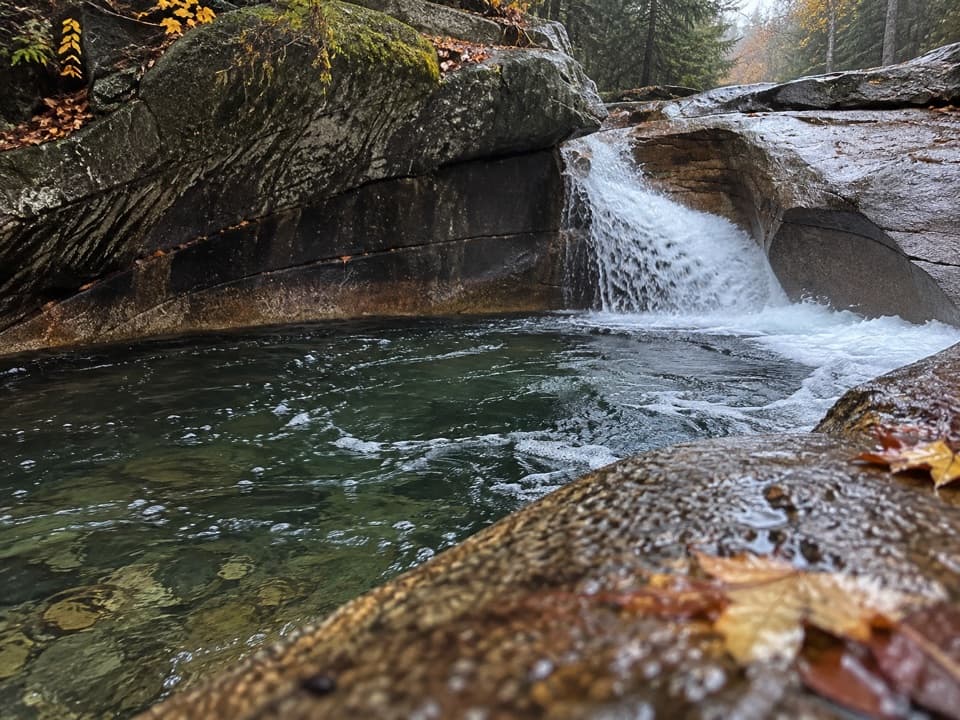
Most hikers go counterclockwise: climb Falling Waters Trail past a string of cascades (including Cloudland Falls) to Little Haystack, traverse the open Franconia Ridge over Mount Lincoln to Mount Lafayette, then descend the Greenleaf Trail to AMC’s Greenleaf Hut before finishing down Old Bridle Path. The ridge is part of the Appalachian Trail and stays above treeline—glorious views, zero shelter. Dogs are allowed on the trail, but not inside the hut. Greenleaf Hut offers toilets, water, and snacks in season and is closed in winter.
This is a long, airy ridge walk with nonstop panoramas—on clear days you can pick out the Presidential Range and distant horizons. The mix of waterfalls on the ascent, alpine terrain on top, and classic ledges on the way down makes it one of the state’s most balanced big days.
It’s a real workout: long mileage, steady climbing, and rough footing. Above-treeline weather in the White Mountains is famously fickle—strong winds and cold are common even in summer. In winter, this loop becomes serious mountaineering; traction like microspikes (or more) and winter experience are recommended. If the forecast deteriorates, a common bailout is to drop from Lafayette down the Greenleaf Trail to the hut and continue to Old Bridle Path.
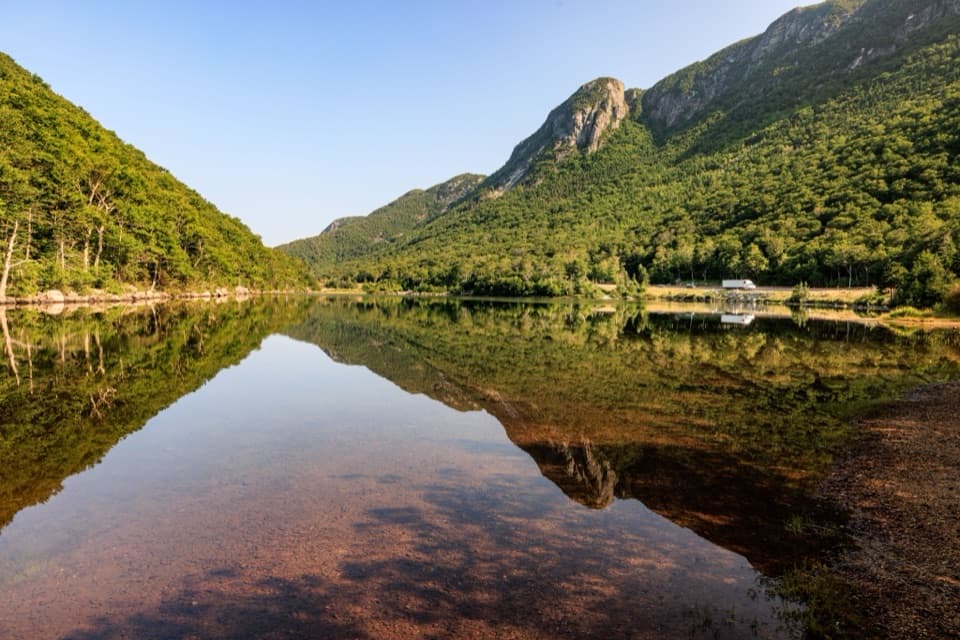
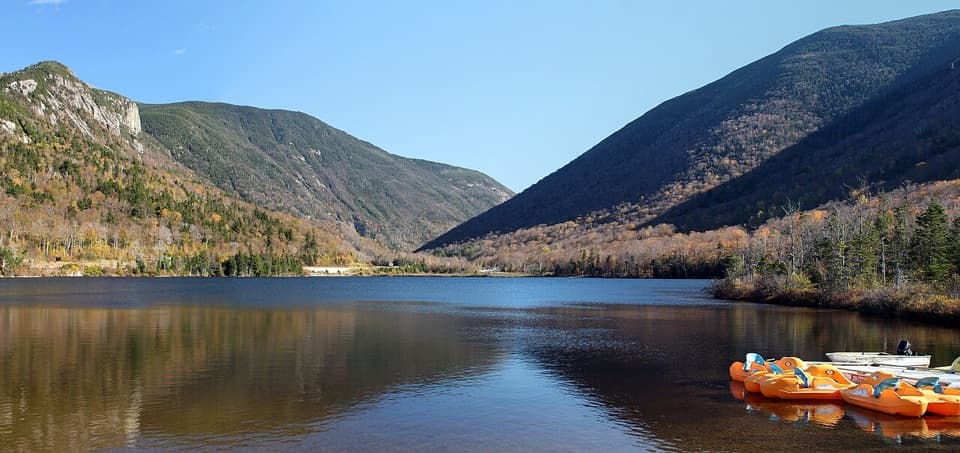
Start from the Lafayette Place area off I‑93, the hub for both Falling Waters and Old Bridle Path. The lot is large and free but fills early in peak season. Expect limited or no cell service. In season, Lafayette Place has comfort stations, potable water, coin‑op showers, and a small camp store; outside the main season, facilities are limited.
Late May through September offers the most reliable conditions for the ridge. Go mid‑week and start at dawn to snag parking and quieter summits. A hiker shuttle typically runs on weekends/holidays from late May to mid‑October—handy during the busiest weeks—so check the current year’s schedule before you go.
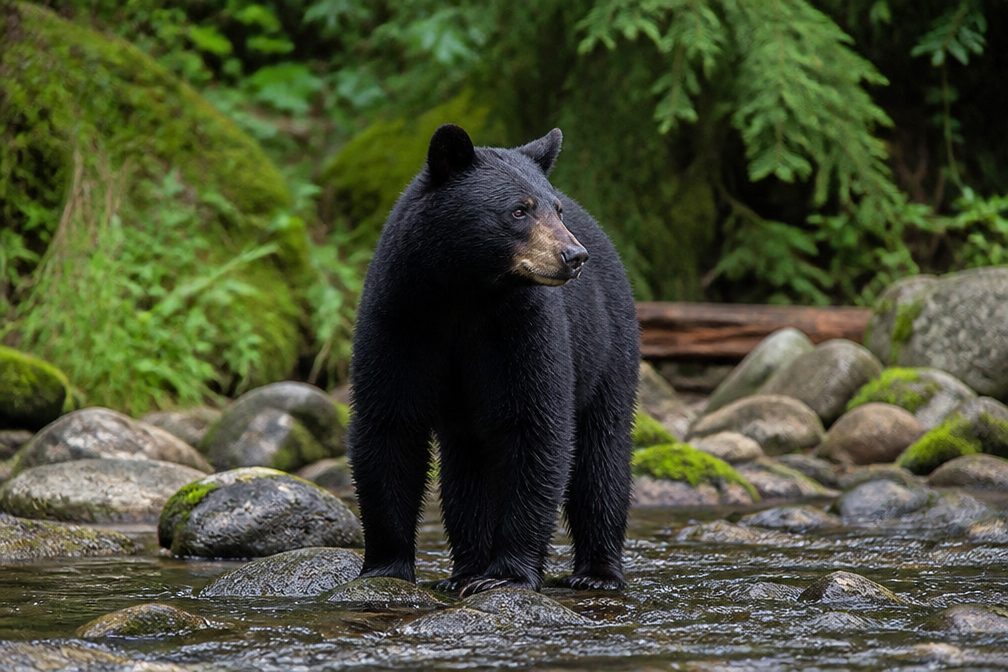
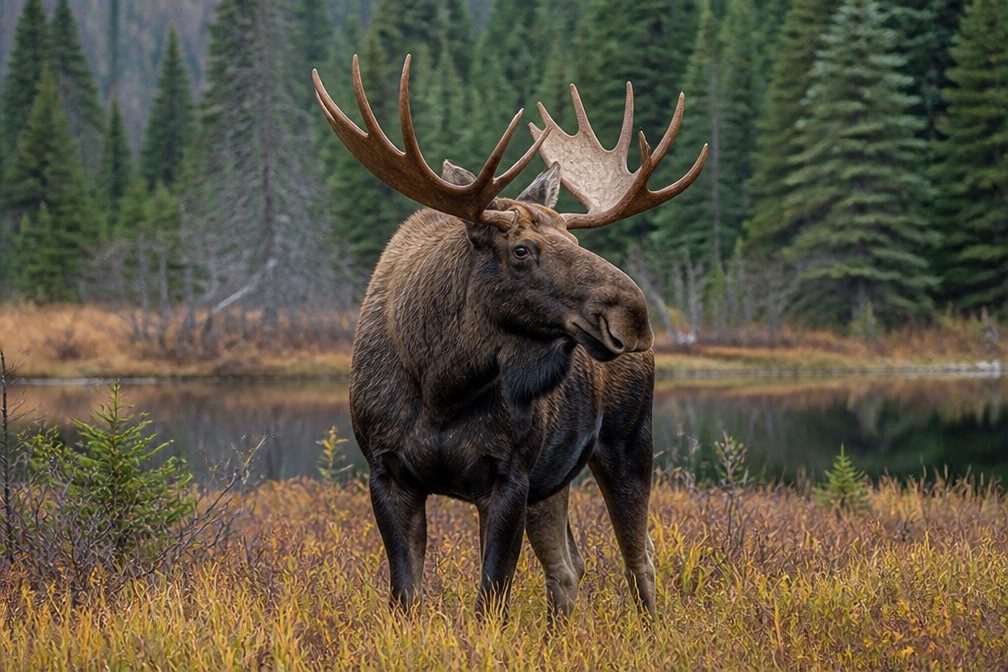
Stay on the marked path to protect fragile alpine vegetation, pack out all trash, and give wildlife a wide berth. The ridge is spectacular precisely because it’s harsh—treat it gently.