Place · 0 mi away

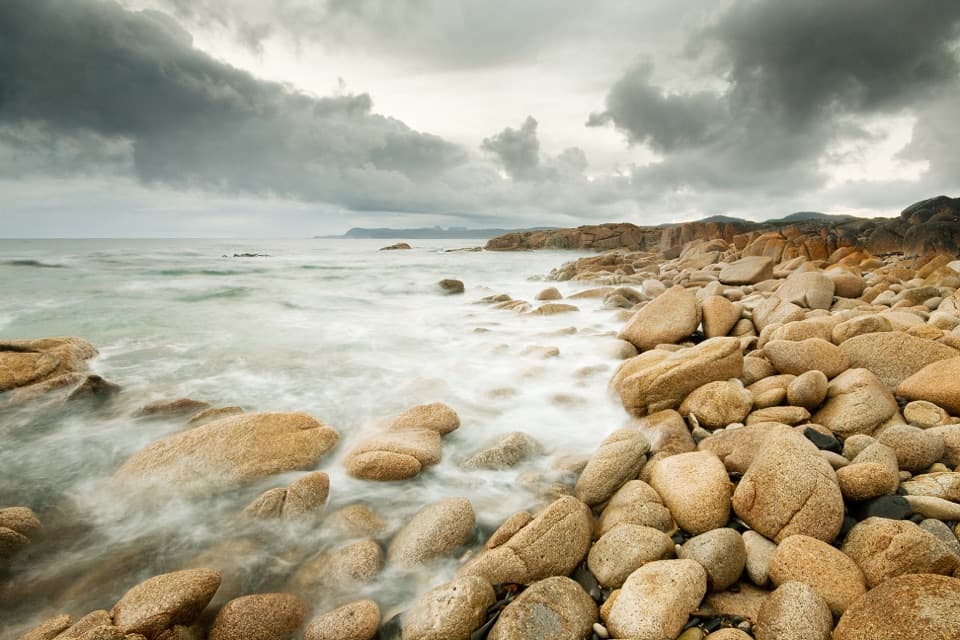
Freycinet Lodge is the in-park stay if you want nature on your doorstep without roughing it. Timber cabins and pavilions are tucked into coastal forest beneath the pink‑granite Hazards, connected by raised boardwalks that keep the bush feel intact while making it easy to wander to the main lodge for a drink or dinner.
Expect standalone cabins aimed at privacy and immersion in the landscape. Options range from simple bushland cabins to Coastal Pavilions that dial up the design and romance—some include outdoor soaking tubs facing the bush or bay. The overall vibe is quiet, low‑key, and nature‑forward rather than resort‑flash.
You’ve got three on-site choices: The Bay Restaurant for a premium sit‑down meal, Richardson’s Bistro for casual bites (also handy for takeaway), and Hazards Bar & Lounge for Tasmanian wine or whisky by the fire. Views over Great Oyster Bay do a lot of heavy lifting at sunset. Food gets plenty of love from many guests, though some report average mains or slow service—book early in peak season.
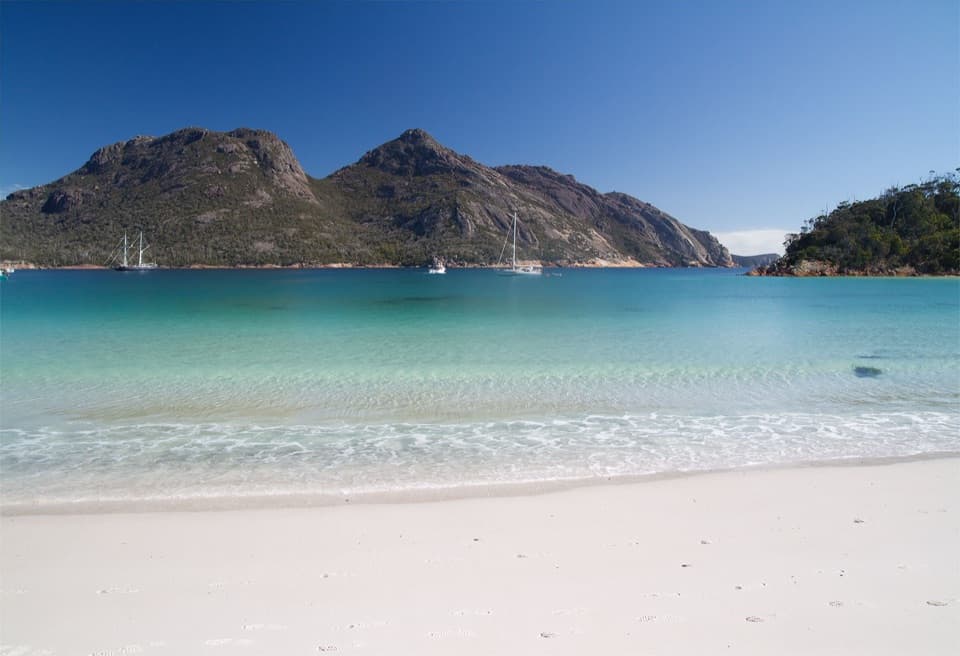
Practical touches include free guest parking, Wi‑Fi in the main lodge, a guest laundry, library/lounge, a gift shop, tour bookings, and national park pass sales. Some listings note EV charging as well. The standout perk: a private jetty used for Wineglass Bay cruise pickups, which saves a drive.
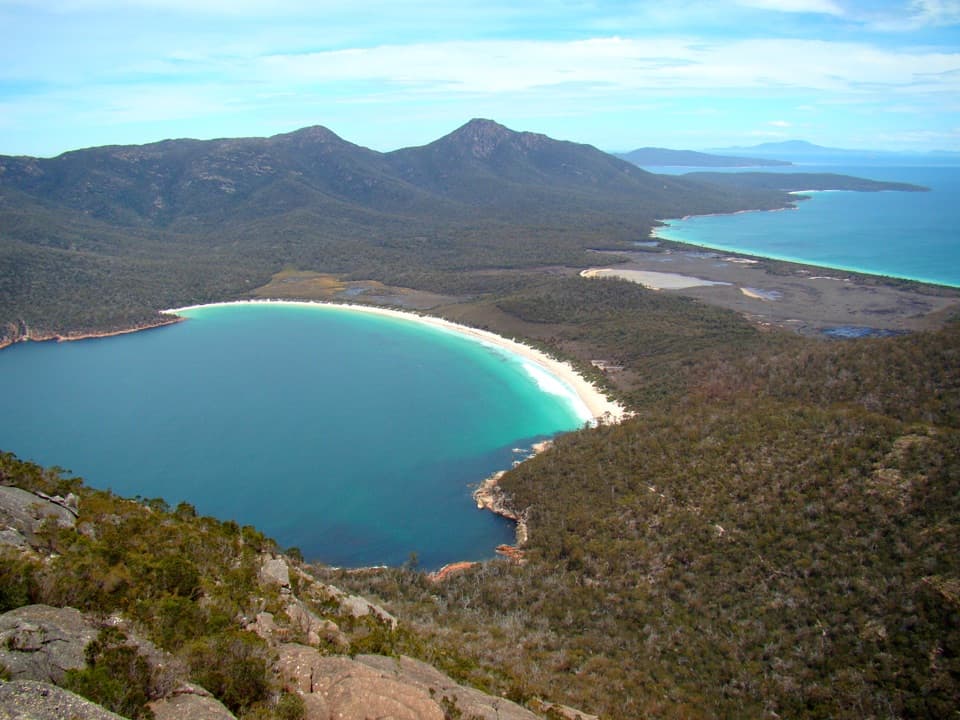
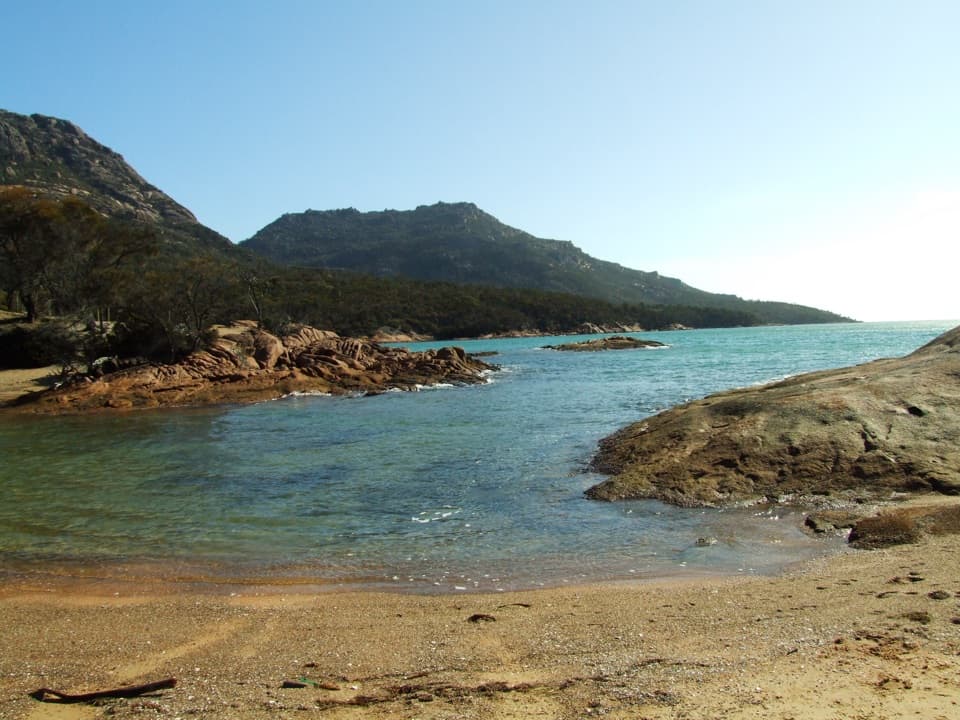
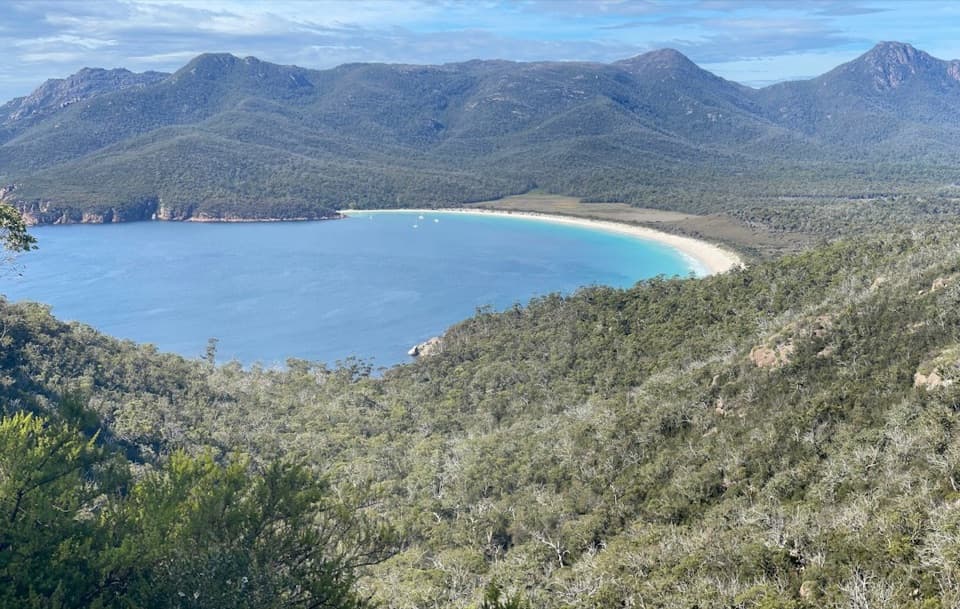
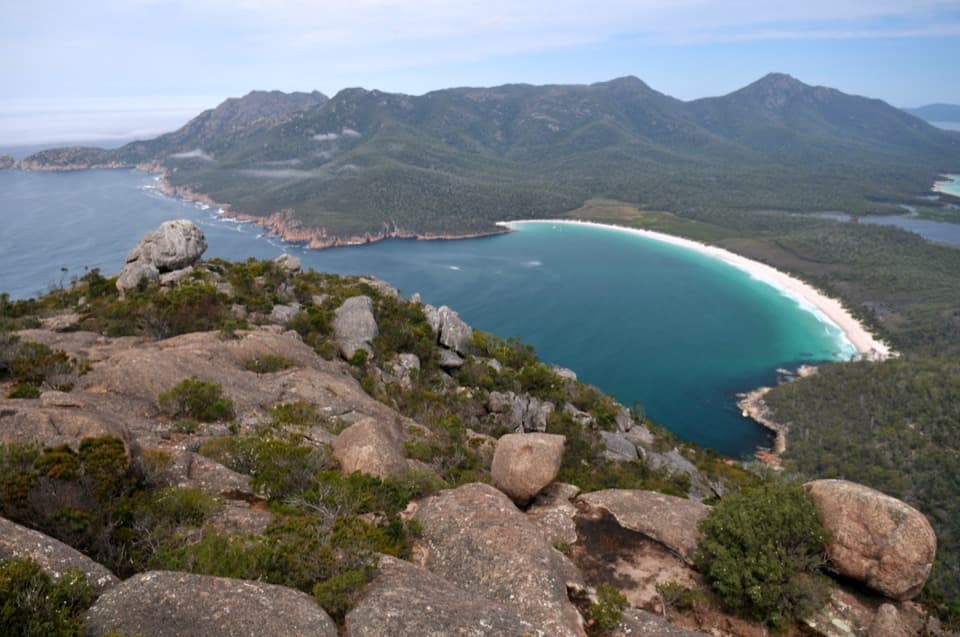
From here you’re well placed for the park’s big hitters—Wineglass Bay Lookout, the Hazards Beach circuit, short wanders to Honeymoon Bay or Sleepy Bay, and sea‑kayaking tours. If you’re here for wildlife, keep an eye out for Bennett’s wallabies and pademelons around dusk; birdlife is excellent, with sea‑eagles often patrolling the coast.
Rates reflect the address more than the frills. Some of the simpler cabins can feel dated compared to the slick Coastal Pavilions, and a few guests report service lapses or long waits at breakfast and dinner.
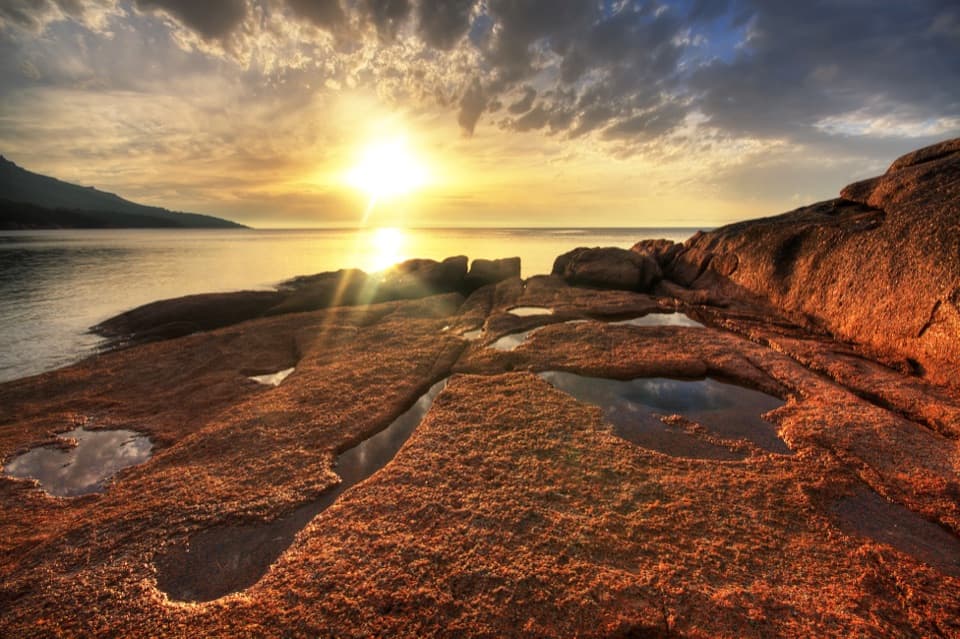
December–April is peak: long days, warm water, and the best shot at those golden‑hour bay views—book rooms and dinner times well ahead. Shoulder seasons are terrific for hiking temps and thinner crowds. For photography, aim for sunrise or late afternoon when the Hazards glow; mid‑day is harsher. The park’s visitor centre typically runs shorter hours in winter and longer in summer, so plan pass purchases and questions accordingly.
Refill water at established points and pack out rubbish. Drones aren’t permitted in Tasmania’s parks. Roads and grounds see a lot of wildlife after dark—drive slowly and bring a small headlamp for walking the boardwalks at night.