Place · 0.2 mi away

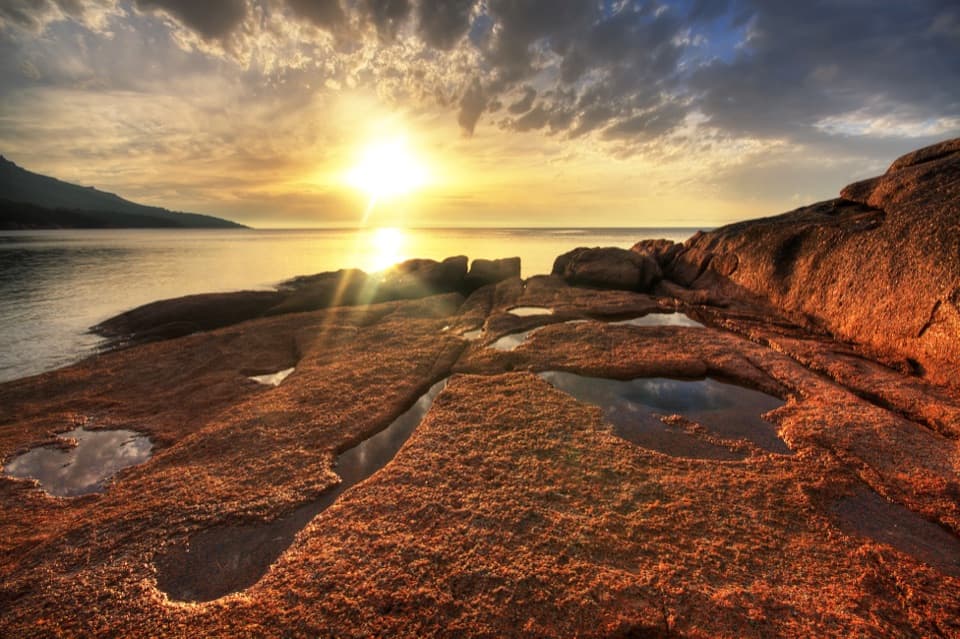
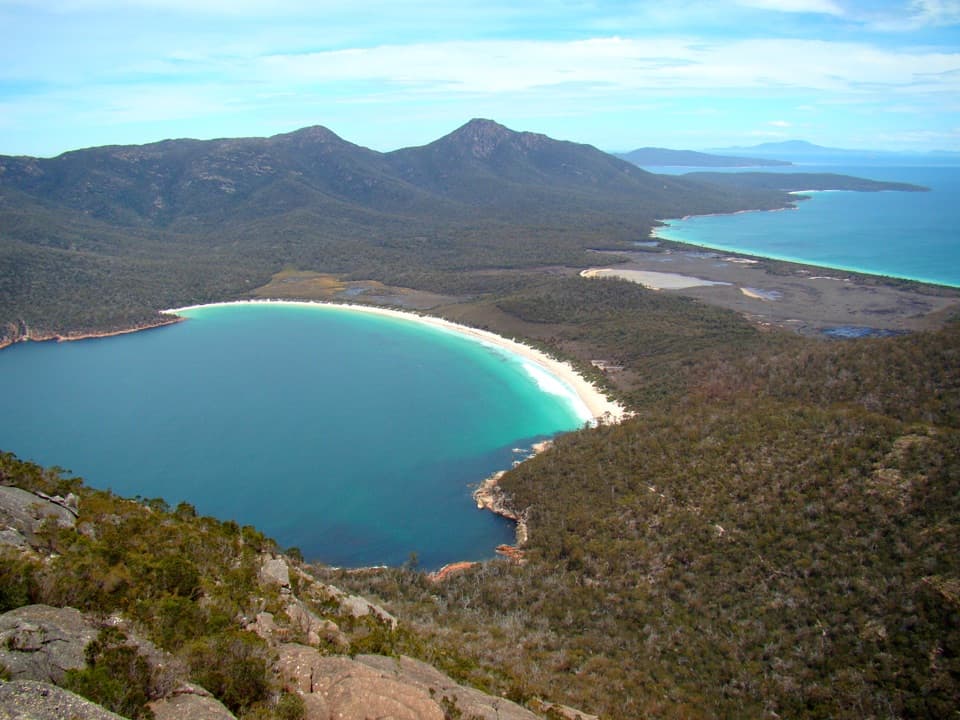
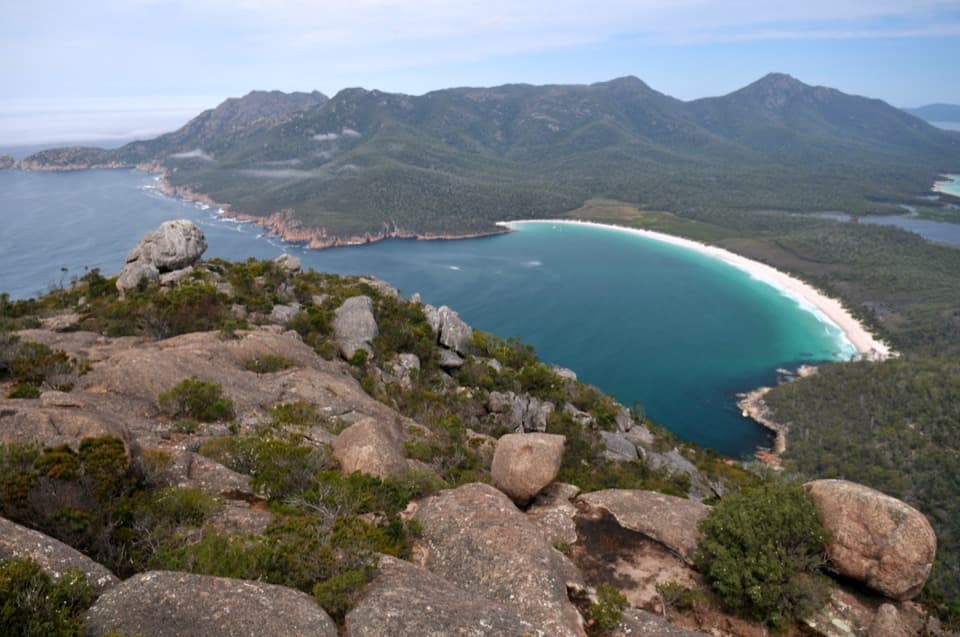
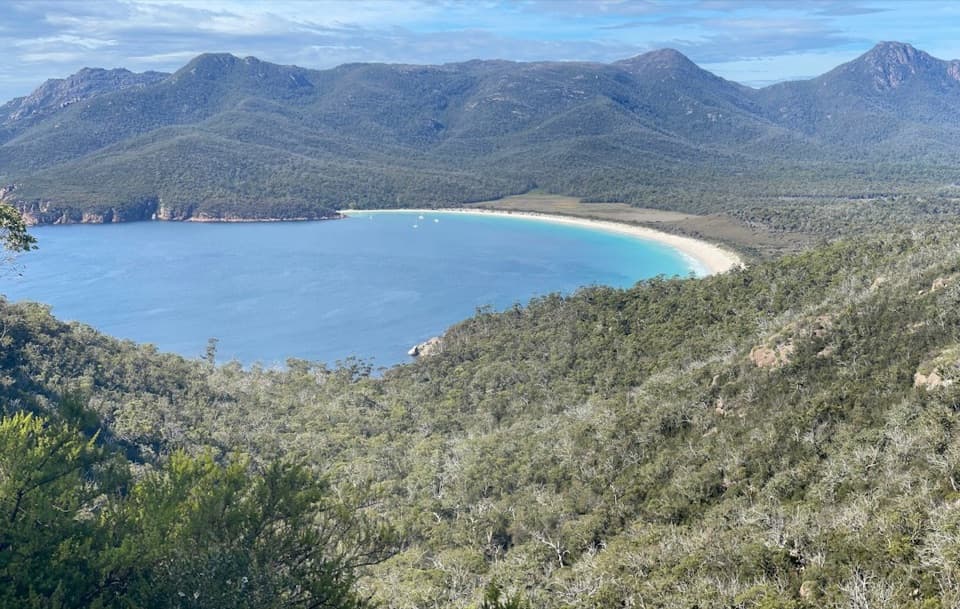
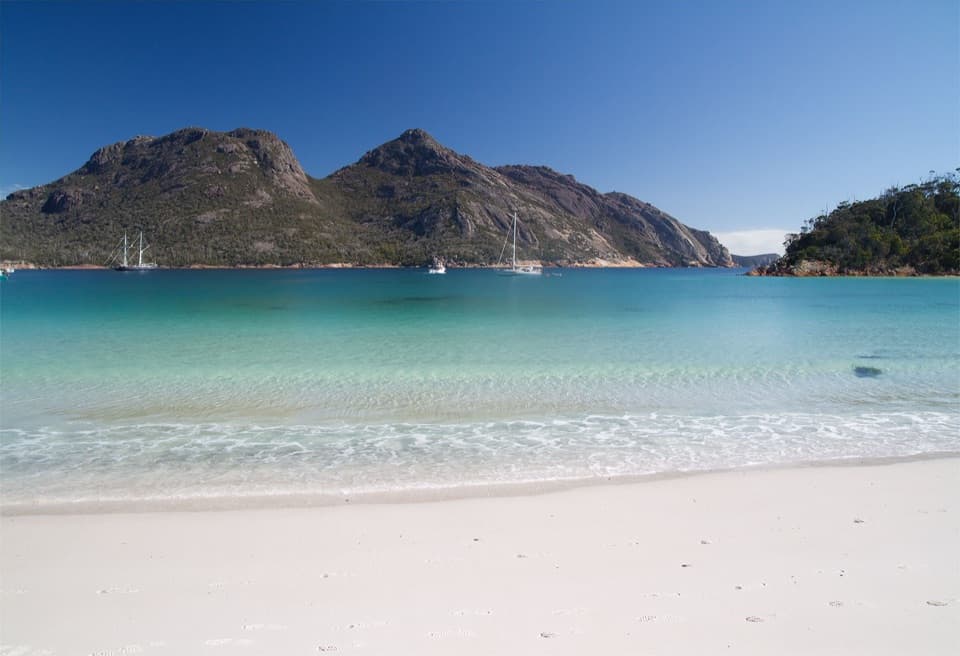
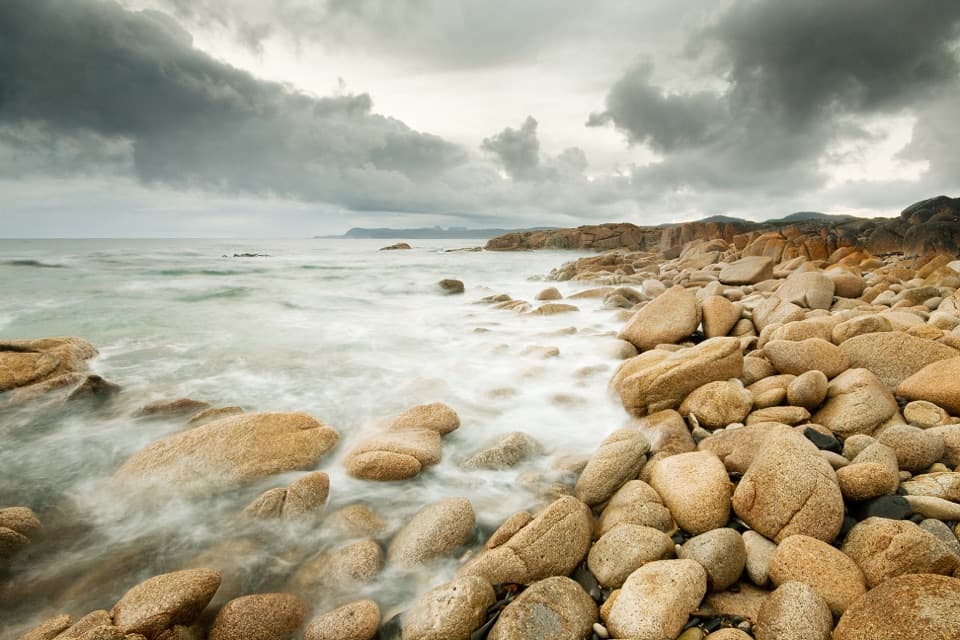
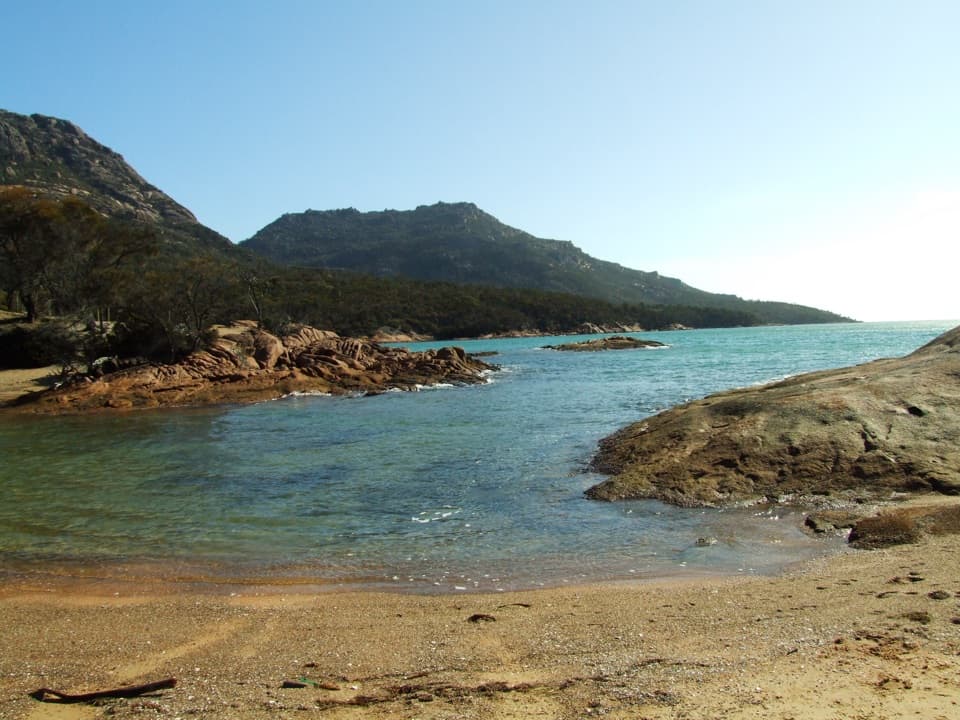
Honeymoon Bay is the classic Freycinet postcard in miniature—a small, sheltered granite cove with glassy turquoise water and the Hazards rising pink behind it. It’s the kind of spot where you spread a picnic, scramble a few rocks, and end up staying longer than planned.
Short rock scrambles link to nearby coves—fun, but there are occasional steep drops, so keep an eye on kids.
Day‑use gear is dialed: electric barbecues, picnic tables and toilets right by the bay. There’s a tap at Honeymoon Bay, but it’s non‑treated; overall drinking water in the park is limited, so refill bottles at the Visitor Centre’s filtered/chilled station. Nearby Ranger Creek has additional BBQs, picnic tables and a cold‑water shower block.
Expect the usual Freycinet cast: Bennett’s wallabies, pademelons and echidnas around the bushy fringes. Out on Great Oyster Bay you may spot dolphins or Australian fur seals, and humpback whales pass offshore in winter. Sea‑eagles and gannets are regular aerial company.
Late afternoon is magic for golden light on the Hazards; summer mornings are typically calmest for swimming and paddling. Weekdays and the shoulder seasons are quieter, while midday tends to be the busiest. Most people spend up to 30 minutes here, but sunset lingers often stretch longer. The bay is effectively open all hours.
The park’s “Richardsons Beach, Honeymoon Bay and Ranger Creek” camping area includes a handful of tent‑only sites on the granite knoll above the bay, open during summer holidays and Easter. Peak‑season sites are allocated by ballot; outside those dates, book via the Visitor Centre. Fees and rules change—confirm details before you go.
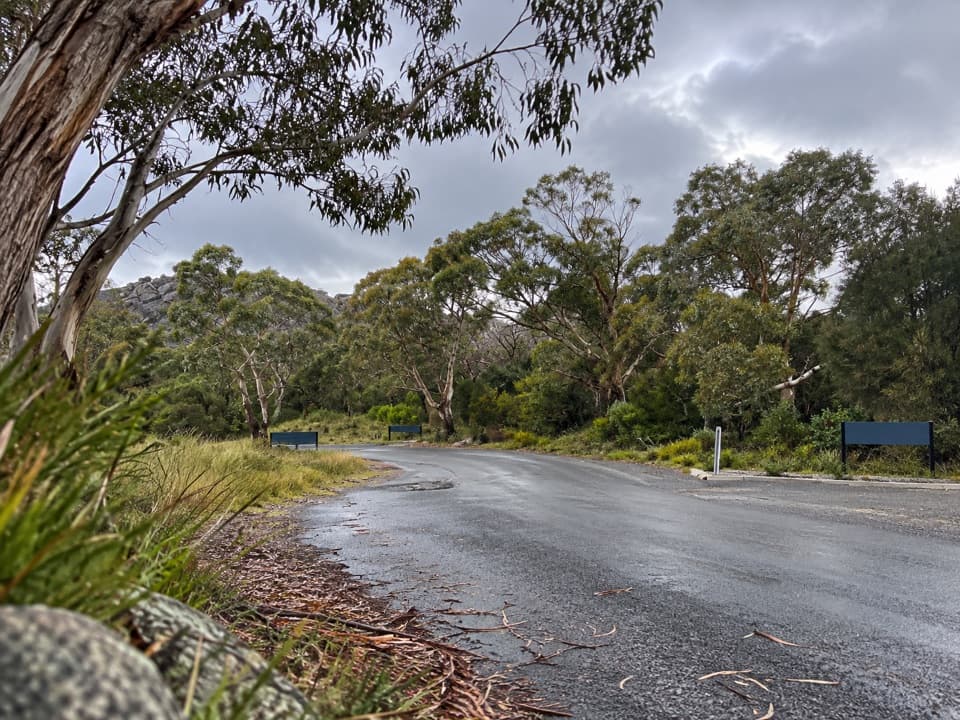
A valid Parks Pass is required. Drones aren’t permitted in Tasmanian national parks, and you must pack out all rubbish. This is a fuel‑stove‑only area; on Total Fire Ban days, no naked flames—electric BBQs remain available. Drive slowly after dark; wildlife is frequently on the road.