Sleepy Bay

Short stroll to a wave-battered cove of lichen-stained granite
Sleepy Bay, Freycinet National Park
InsideFreycinet National Park

Overview

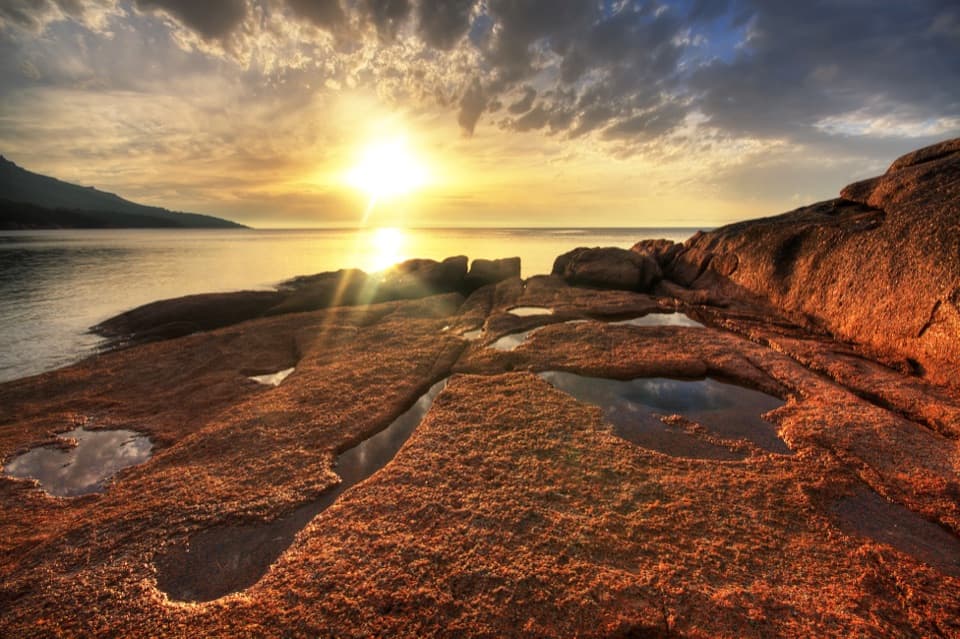
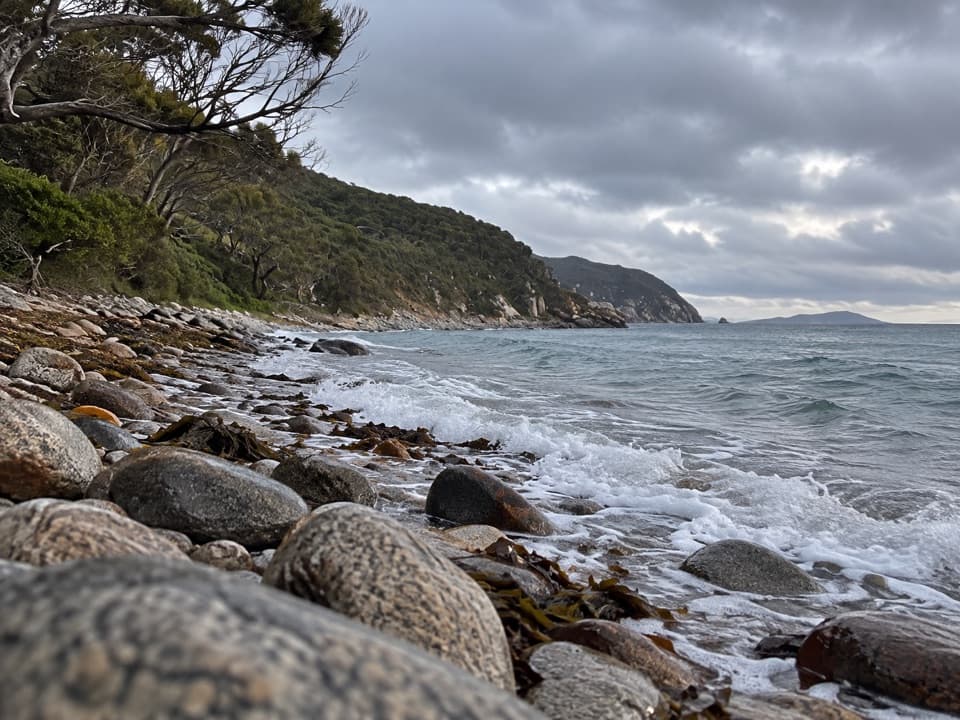
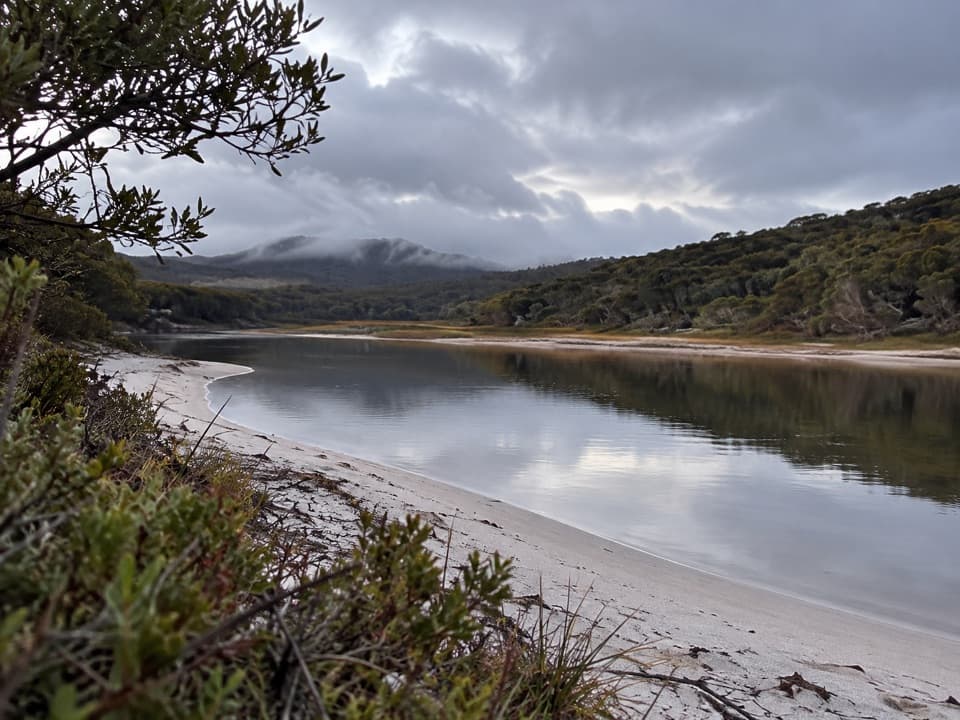
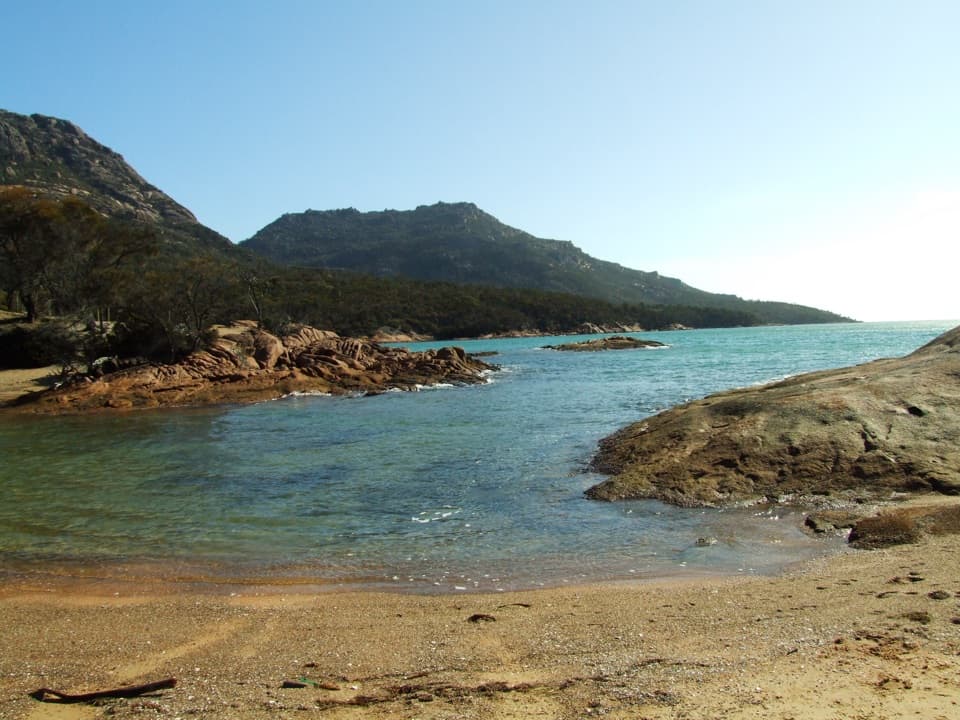
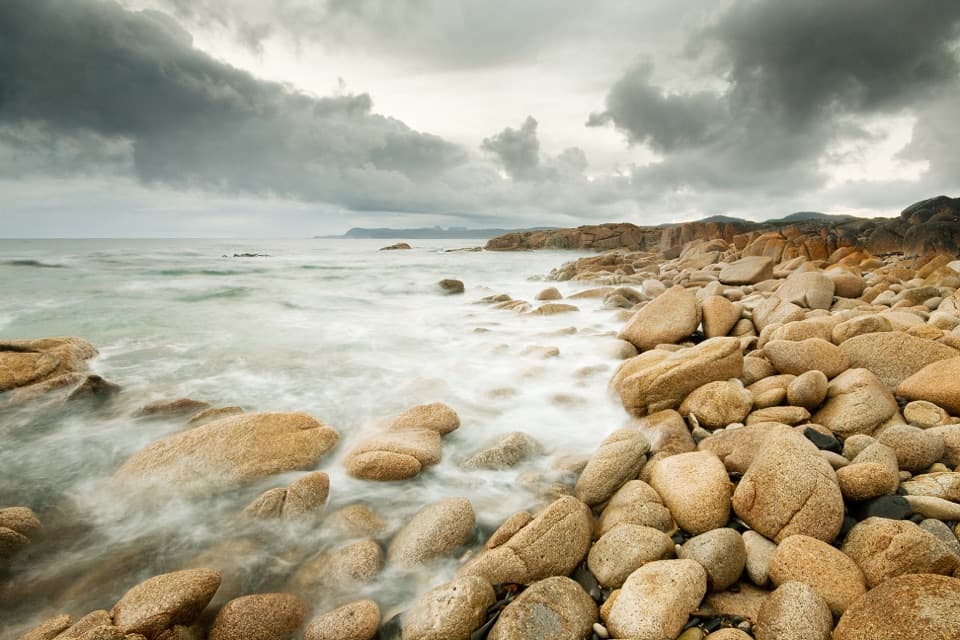
Sleepy Bay is a compact, wave-battered cove on the Tasman Sea side of the peninsula. Think pink granite boulders splashed with vivid orange lichen, jade-blue water and the crash of swell echoing off rock—moody in bad weather, luminous in calm. It’s a quick detour that feels wild and a touch secret compared to the park’s headline stops.

The Walk

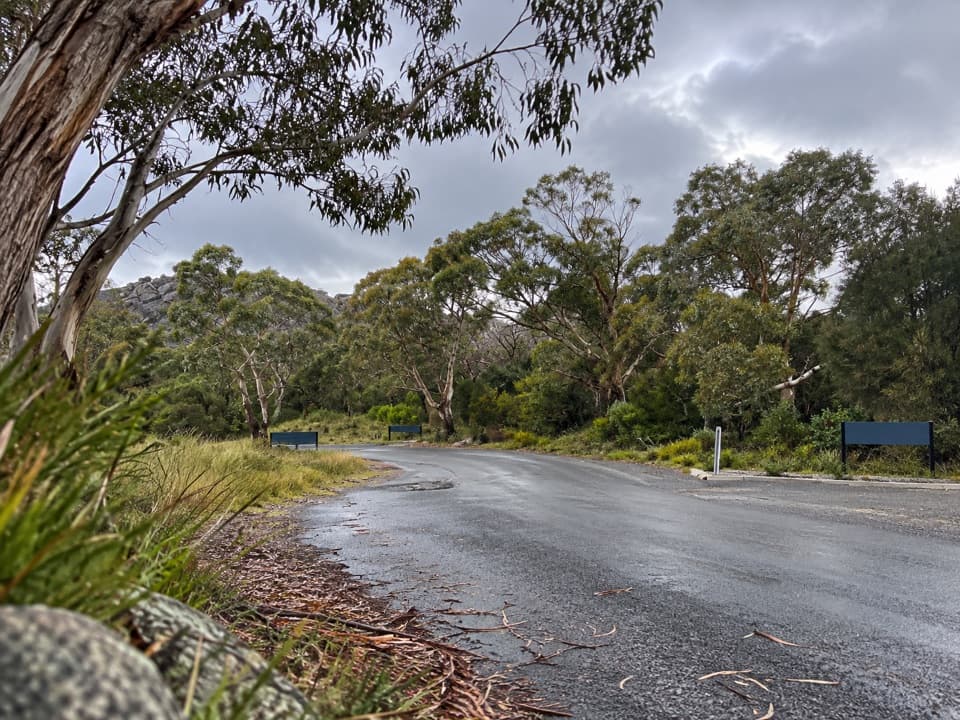
From the Sleepy Bay car park on Cape Tourville Road, it’s a 500 m return walk (about 20 minutes, Grade 3). The track is short but has steps and rough patches, then sidles close to high cliffs before dropping to the cove. Keen to linger? Continue down the steeper section to Little Gravelly Beach; the full out-and-back typically runs 30–40 minutes (about 1.1 km).

Geology & Look

Despite what you might have heard, these shores aren’t basalt columns. The signature rock here is Devonian granite—its pink hue from feldspar—often coated in bright orange lichen. Dolerite does occur elsewhere as intrusions, but at Sleepy Bay the rounded granite and lichen are the stars.

Wildlife & Sea Conditions

Scan the sky for white-bellied sea‑eagles riding the coastal winds. Offshore, humpback and southern right whales move along Tasmania’s east coast most years, with sightings typically from May to November. Seas here can be surgy even on seemingly calm days—treat wet rock and wave-washed ledges with respect.

Practicalities

  • No toilets, water or shelters at Sleepy Bay; use facilities at Honeymoon Bay, Ranger Creek, or the Wineglass Bay Walking Tracks Car Park. The Visitor Centre has public toilets and a filtered/chilled water refill station.
  • A valid Parks Pass is required. Drones aren’t permitted in Tasmanian national parks. Drinking water is scarce in the field—refill before you go and pack out all rubbish.
  • Driving from Hobart or Launceston takes roughly 2.5–3 hours; roads are sealed to the park. Avoid night driving due to wildlife on the roads.

Best Time to Visit

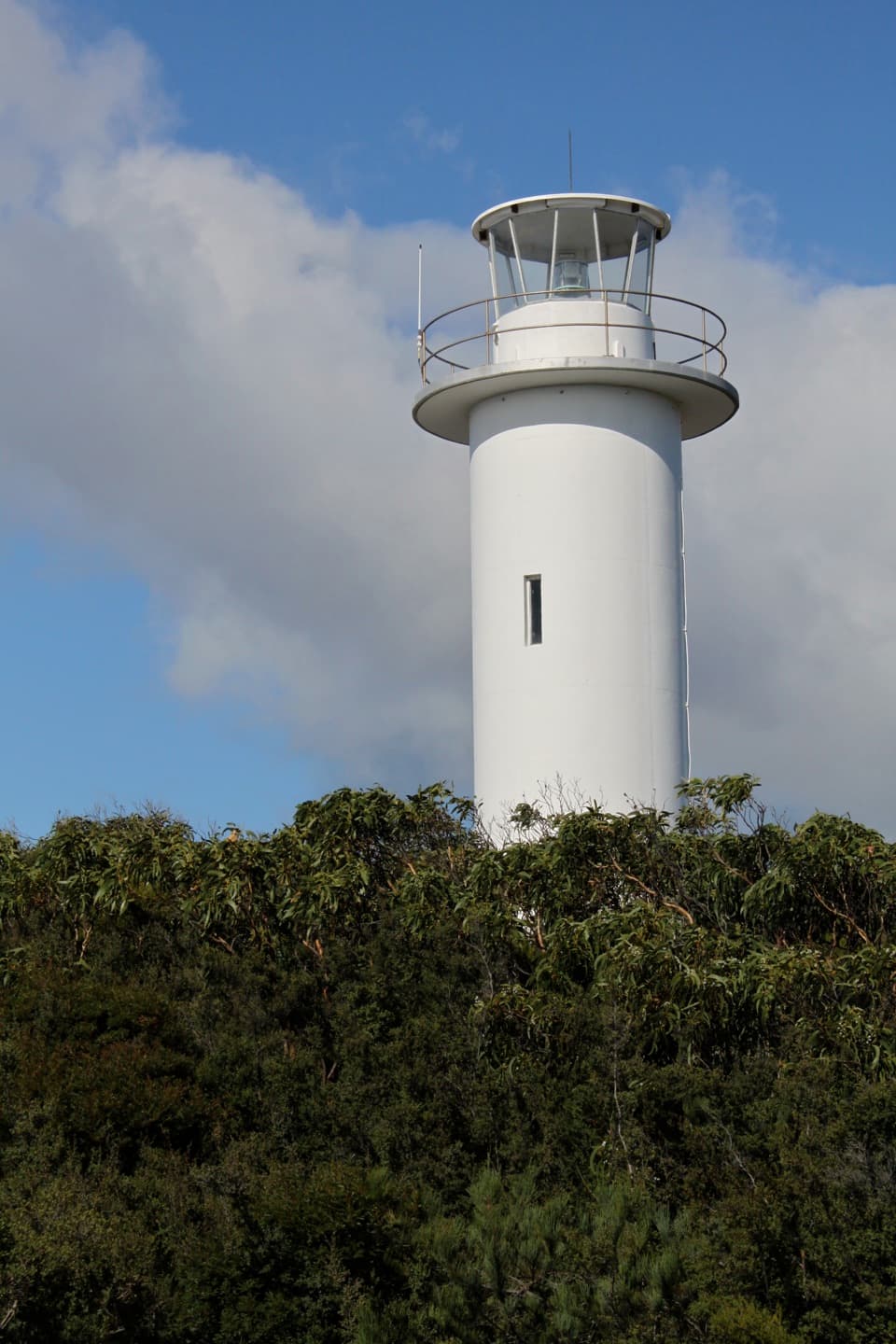
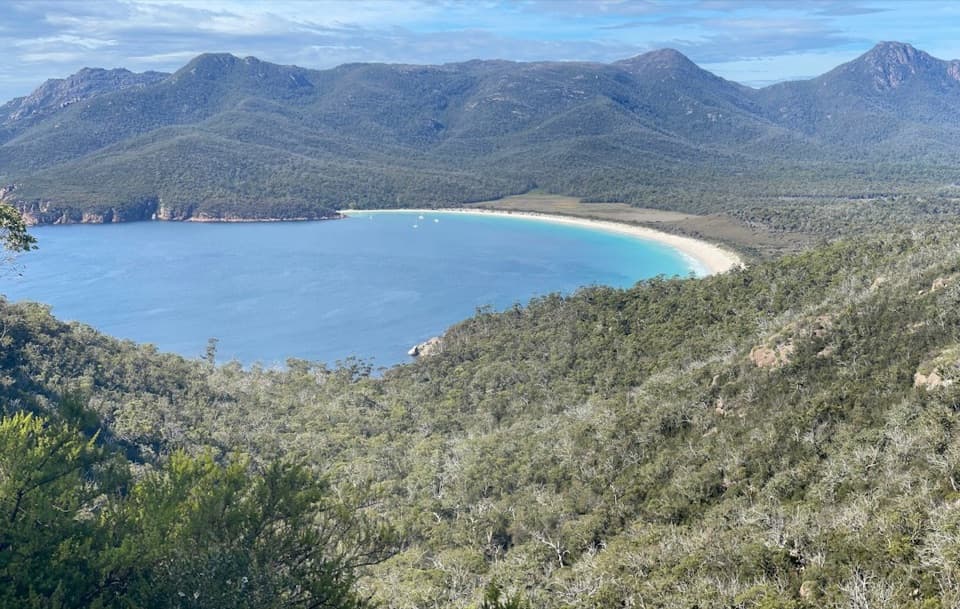
Go early morning or late afternoon for softer light on the lichen-stained granite and fewer people. Weekdays and the shoulder seasons (spring/autumn) are extra mellow. Photographers: bring a tripod for long exposures and a wide-angle lens for the cove; pair your stop with nearby Cape Tourville for elevated coastal vistas.

Pros

  • Short, scenic stroll to a dramatic rocky cove
  • Lichen-stained granite and turquoise water make standout photos
  • Often quieter than the park’s marquee viewpoints

Cons

  • No facilities at the bay itself
  • Steep, rough sections and slippery rocks with hazardous swell

Tips

  • Use toilets and refill water before you leave the Visitor Centre or Honeymoon Bay.
  • Wear sturdy shoes—the track has steps, rough patches and slippery granite.
  • If swell is up, keep well back from wave-washed ledges and wet rock.
  • Whale season is May–November; bring binoculars and scan from higher viewpoints.
  • Pair this stop with Cape Tourville for golden-hour coastal views.
The Parkwolf tour guide sitting on a phone mounted in a car

Parkwolf Tour Guide

Like a tour guide in your car.

Save the places you found around Freycinet, then let Parkwolf guide the drive between them.Download Parkwolf on the App Store