Parking
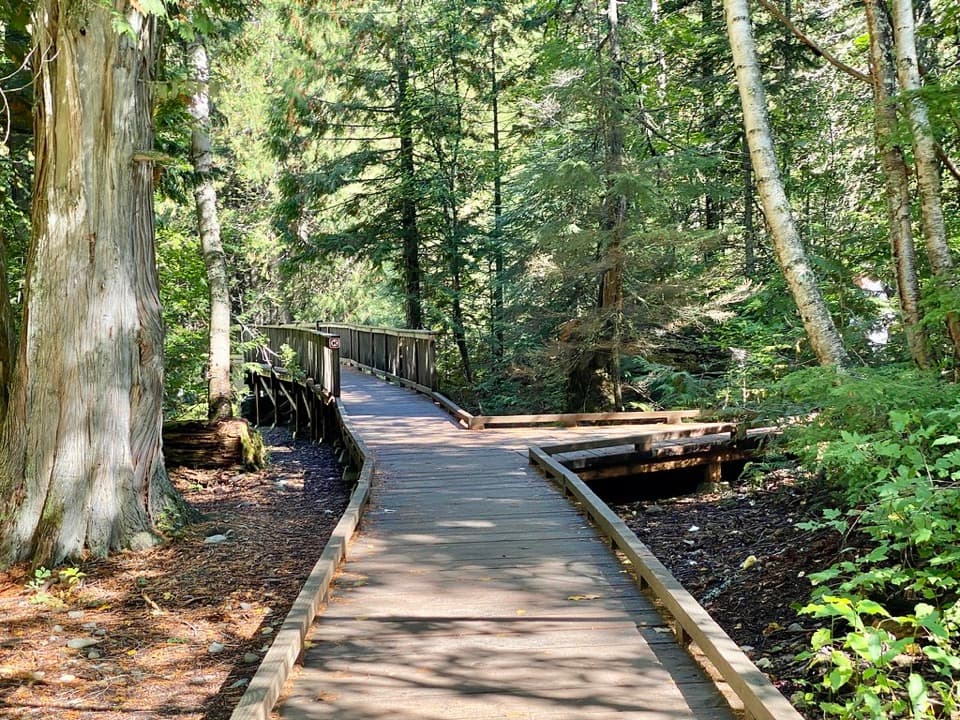
Use the roadside trail access on Inside North Fork Road, north of Logging Creek Ranger Station and between Quartz Creek and Logging Creek Campgrounds. The North Fork approach is a remote gravel road.
Glacier National Park, MT
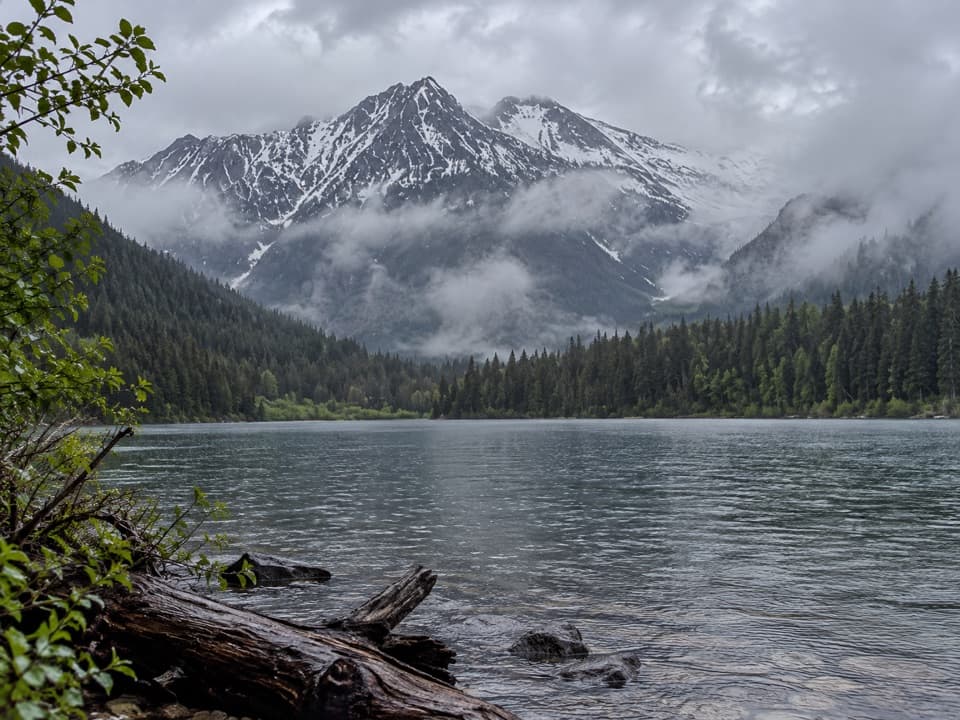
A gentle forest walk to a remote lake beneath mountain peaks.
Overview
Map & elevation
Plan your hike

The highest, rockiest slopes around here are a summer buffet for grizzly bears.
Glacier Tour Guide
Parkwolf is a GPS audio tour guide for Glacier National Park. As you drive, it chimes in with what’s ahead: hidden gems, upcoming stops, history, geology, and wildlife, right through your car’s speakers.
See the Glacier audio tourRecorded for this trailhead
Logging Creek and Logging Lake“Up ahead is the Logging Creek area, with a seven-site primitive campground and the trail access for Logging Lake. The campground has no drinking water, and RVs and trailers aren’t permitted.”
Plays as you drive up to this trailhead in the Parkwolf Glacier Tour Guide.
More stories near here in the app
“Our first time to glacier and we used the audio portion for Going to the Sun Road. Wonderful information with perfect advice of what to see and do along the road.”


Trail guide
Logging Lake Trail is an 8.8-mile out-and-back from Inside North Fork Road to the southwest foot of Logging Lake. The lake is about 4.4 miles in; plan roughly 4.5 hours and around 400 feet of climbing. Most of the climb comes early, then the path eases across a forested plateau. Choose this for a long, low-angle walk to a remote lake, not a high alpine viewpoint.
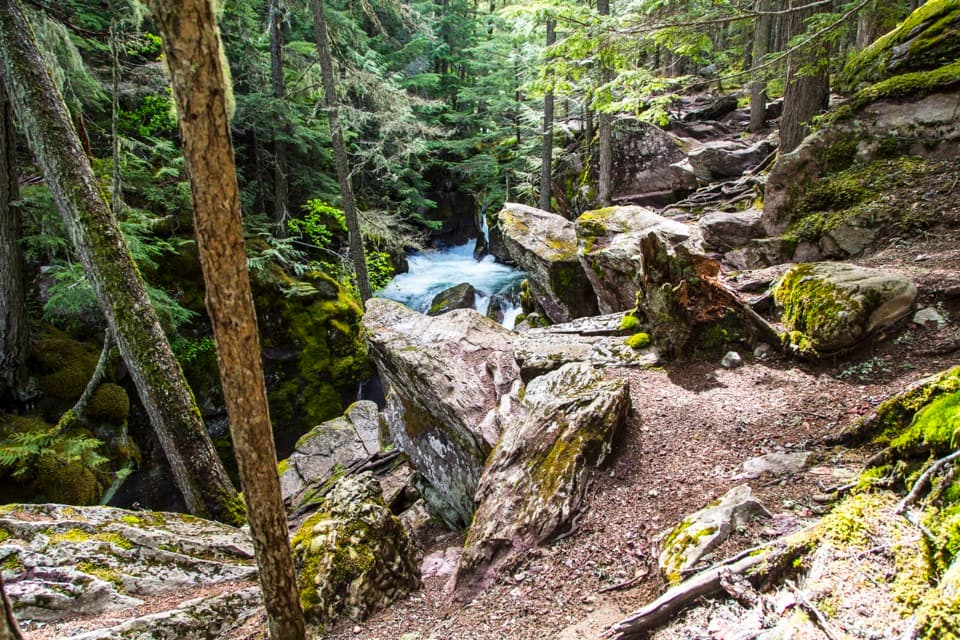
Old-growth conifers cover most of the approach, with occasional glimpses down to Logging Creek. A patch burned in the mid-2000s opens one of the few broad views toward the Livingston Range. Expect a long stretch of trees before the lake becomes the payoff.
The route represented here stops at the southwest foot of Logging Lake. From the open shore, the water frames Mount Geduhn and the Livingston Range; this is the place to compose the mountain across the lake. A short continuation along the north shore reaches a branch for the 1930 Logging Lake Patrol Cabin. The trail then carries on toward Adair and Grace Lakes, a much longer backcountry trip outside this route and its mileage.
Start from the trail access on Inside North Fork Road, north of Logging Creek Ranger Station. The approach is remote gravel road, so check access before driving in. Pets are not allowed on Glacier trails or along undeveloped lakeshores.
Wildlife
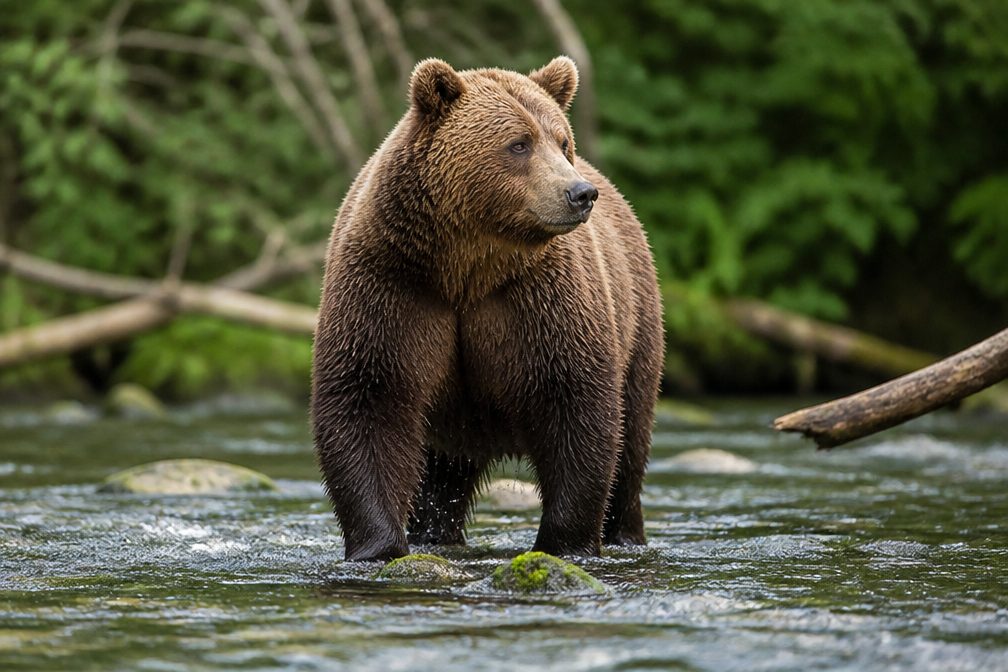 404 sightingsGrizzly BearMost seen around 6 AMSighting map
 11 sightingsWolverineMost seen around 8 PMSighting map
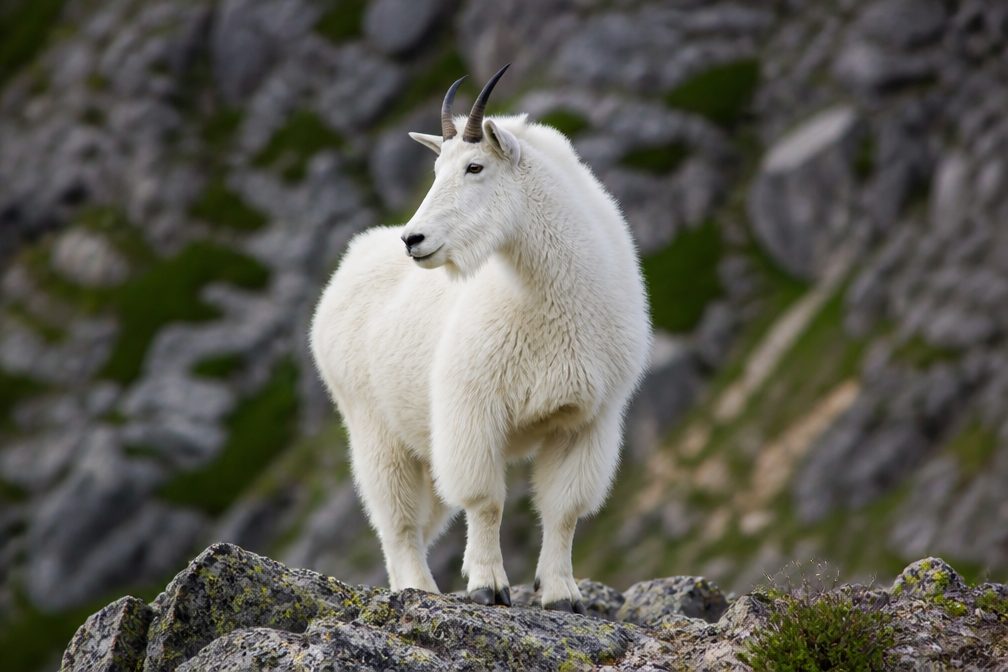 1,173 sightingsMountain GoatMost seen around 6 AMSighting map
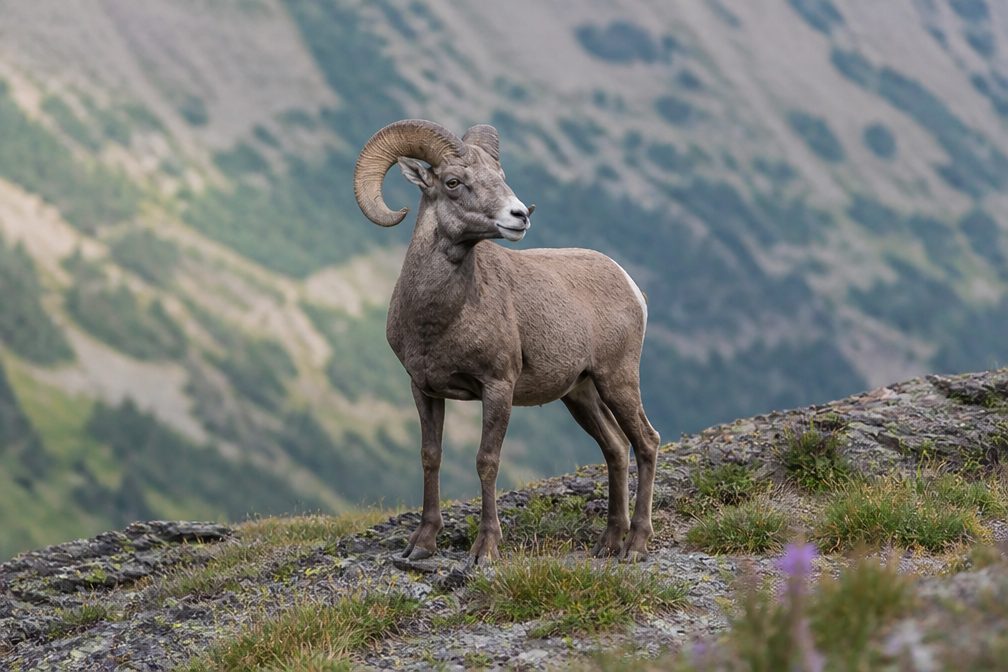 1,000 sightingsBighorn SheepMost seen around 6 AMSighting map
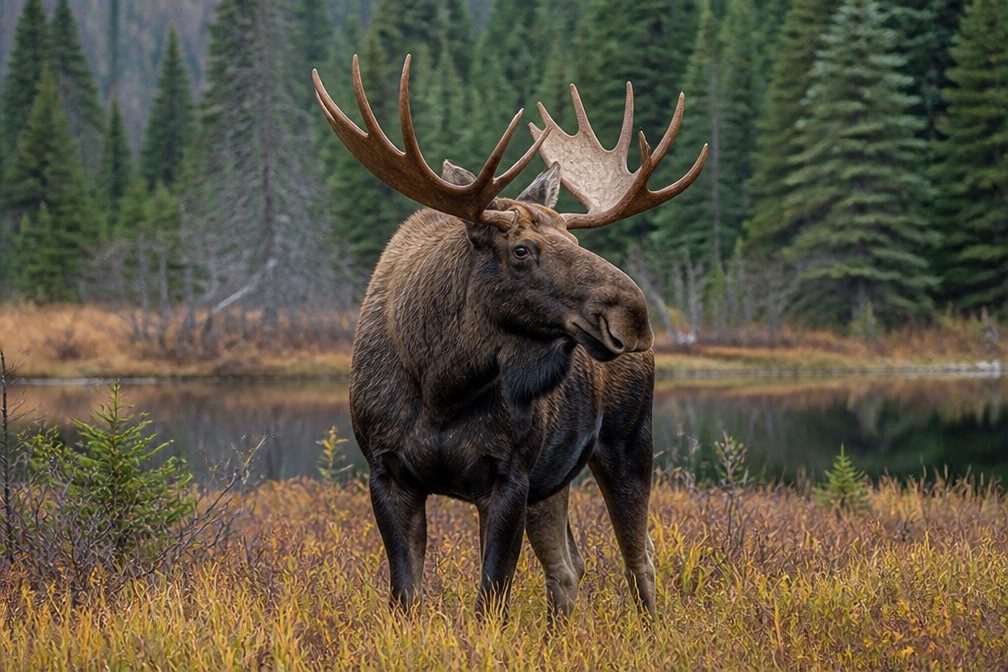 395 sightingsMooseMost seen around 6 AMSighting map
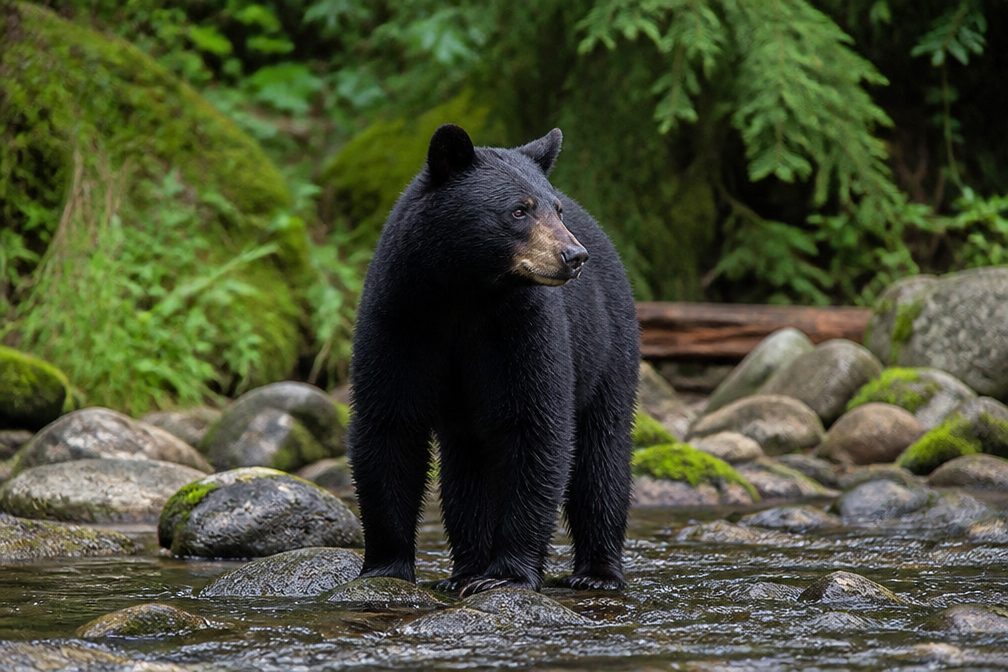 506 sightingsBlack BearMost seen around 8 PMSighting map
Sighting maps show where each species has been reported across Glacier. Wildlife moves, so no sighting is guaranteed.
Keep exploring
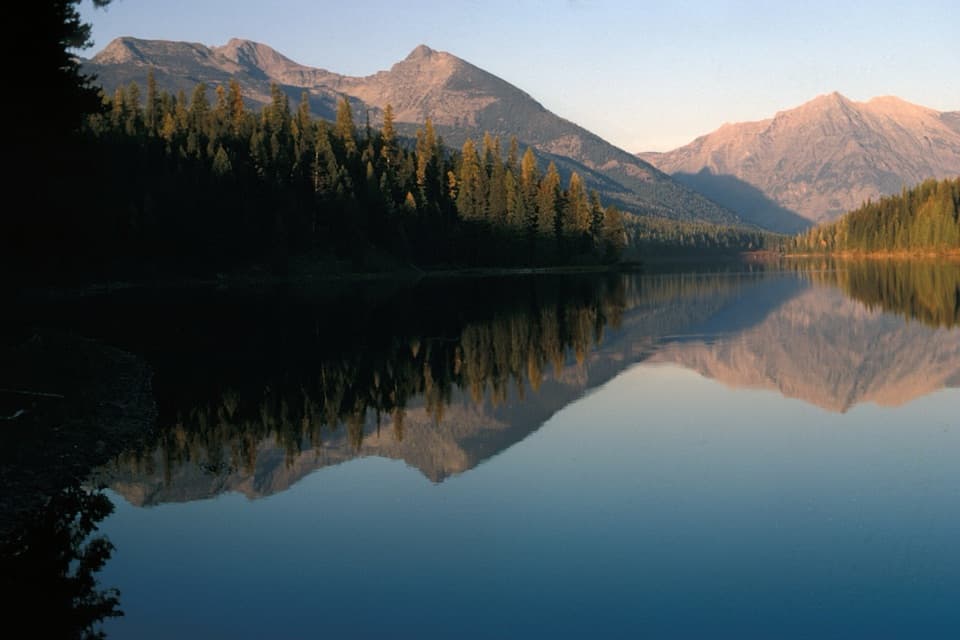 ChallengingGrace Lake via Logging Lake Trail24.9 mi · 11.5 hr · At the trailheadA remote 25-mile return through forest to Grace Lake
 ChallengingQuartz Creek Trail13.8 mi · 6 hr · 2.4 mi awayA long forest walk to Lower Quartz Lake and back.
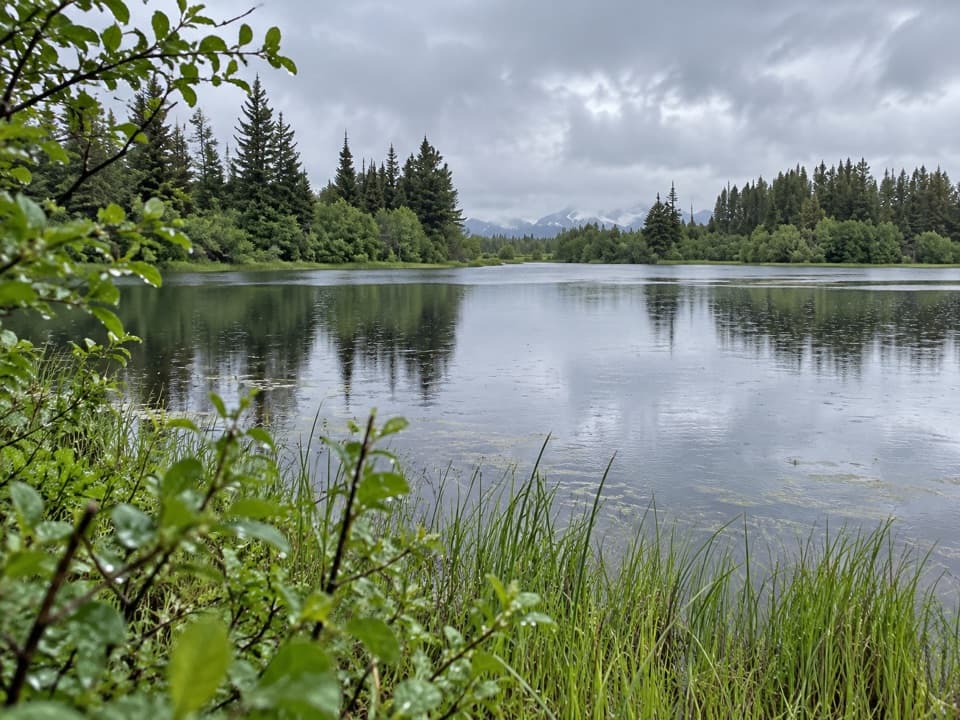 EasyHidden Meadow Trail3 mi · 1.6 hr · 4.3 mi awayA young forest walk that opens at a homestead pond.
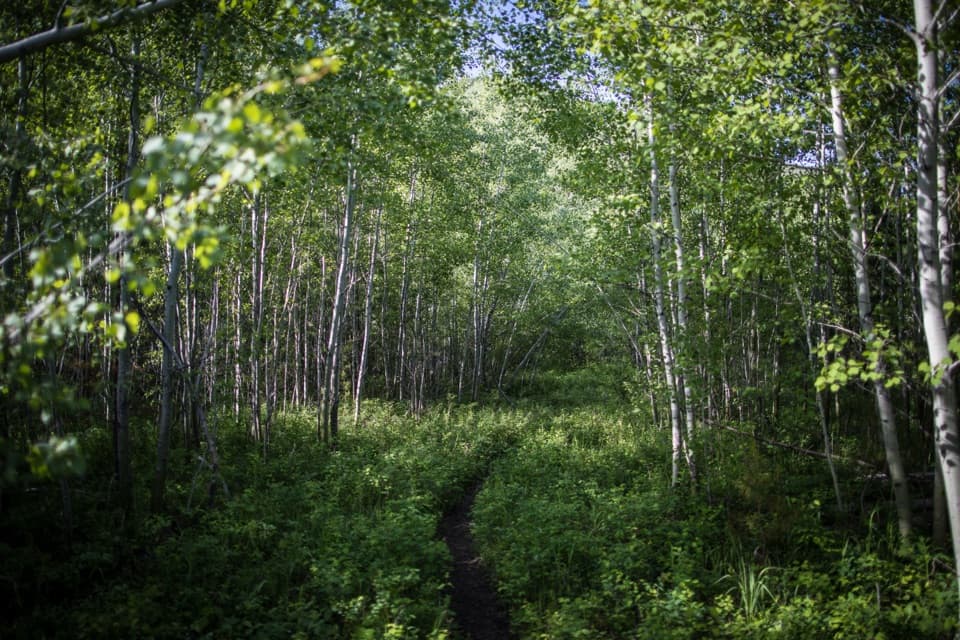 EasyForest and Fire Nature Trail1.1 mi · 45 min · 5.9 mi awayA short loop through the forest growing back after fire.
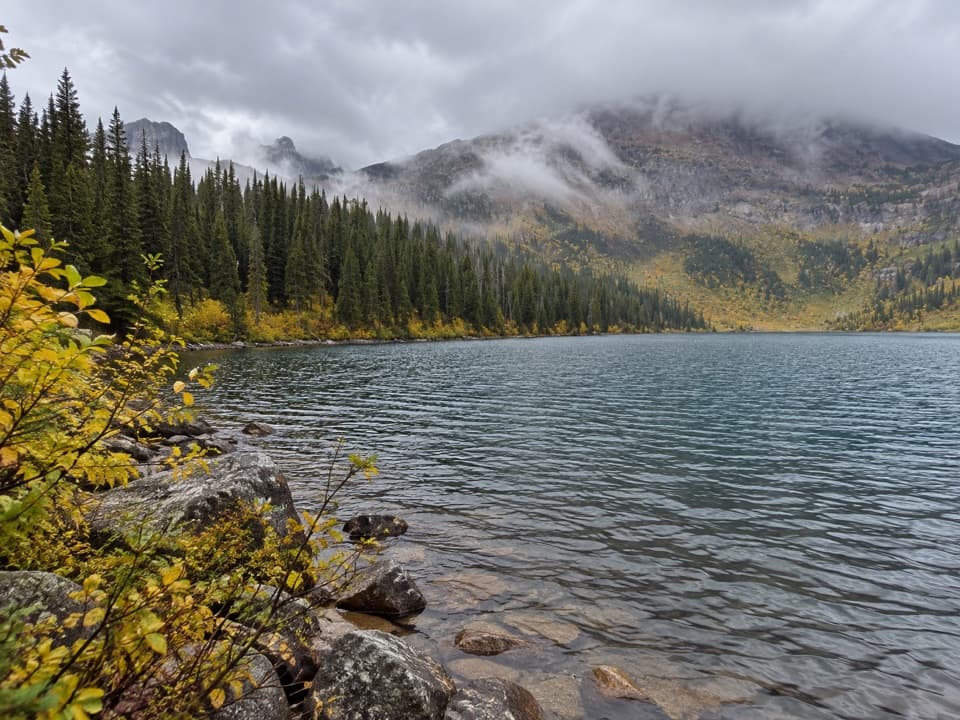 ChallengingDutch Lakes Trail18.8 mi · 11 hr · 6.4 mi awayA long, rough route to a remote alpine basin.
 EasyCovey Meadow Loop Trail1.6 mi · 45 min · 6.6 mi awayA short meadow loop with Livingston Range views and homestead history.
 ChallengingQuartz Lake Loop Trail13.1 mi · 7.5 hr · 8.9 mi awayThree secluded lakes, a high ridge, and a full day on foot.
 ChallengingBrown Pass Trail via Bowman Lake27.6 mi · 13 hr · 9 mi awayA long lakeshore walk climbs to open views at Brown Pass.
 Campground · 0.1 mi awayLogging Creek CampgroundSeven primitive creekside sites near the Logging Lake trail.
 Campground · 2.1 mi awayQuartz Creek CampgroundA primitive North Fork base camp near the Lower Quartz Lake trail.
 Store · 6.2 mi awayPolebridge Mercantile & BakeryA 1914 North Fork mercantile with huckleberry bear claws.
 Ranger station · 7.1 mi awayPolebridge Ranger StationRanger advice and boat checks before you head into the North Fork.
 Sight · 9 mi awayBowman LakeA broad mountain lake reached by a slow North Fork backroad.
 Campground · 9 mi awayBowman Lake CampgroundA pine-shaded lake base, if you can handle the long, rough road.
Parkwolf’s Glacier ranking

The audio tour guide for the drive, plus offline maps, trails, and wildlife heatmaps for when the signal drops.