Roaring Springs

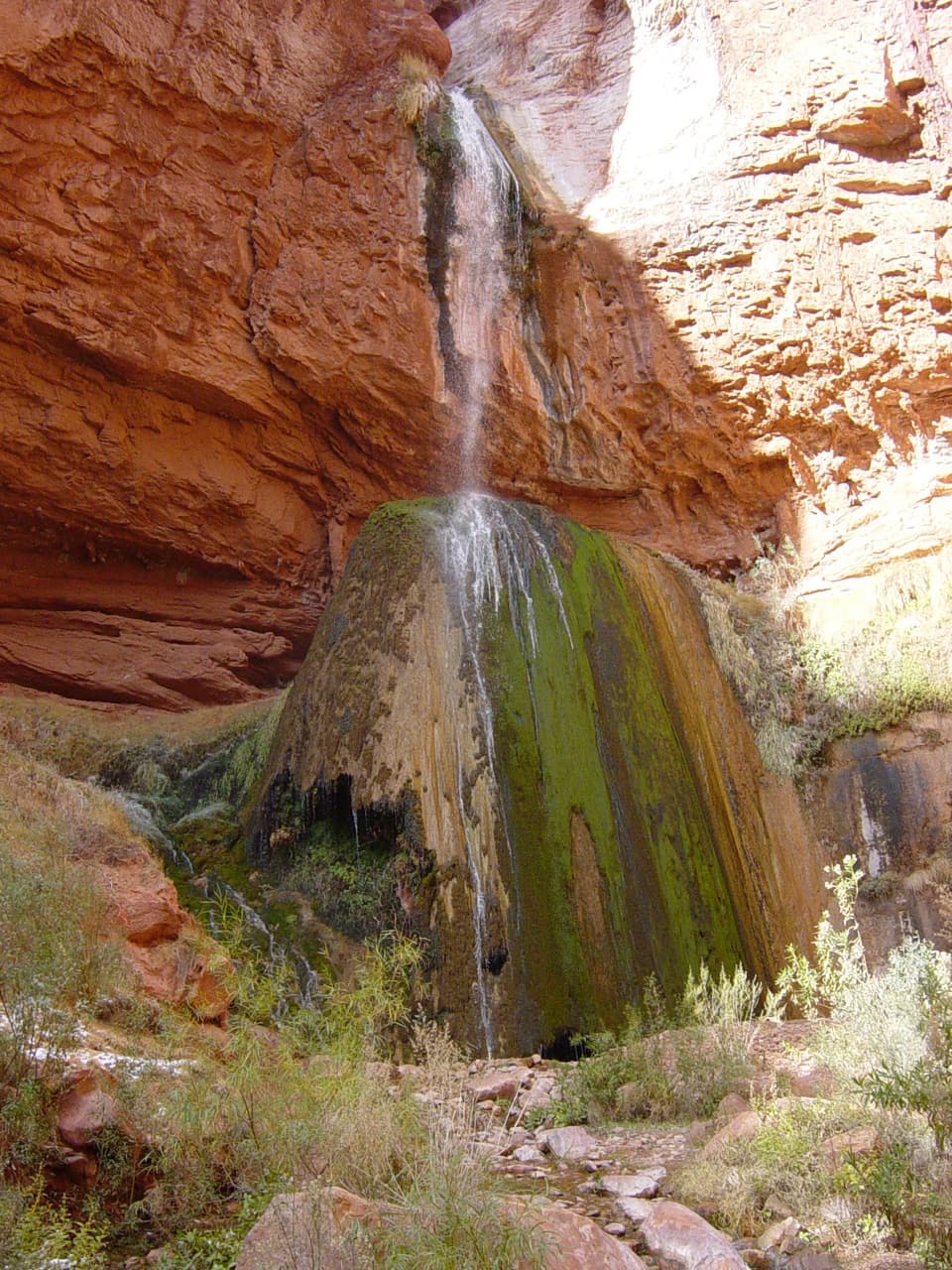
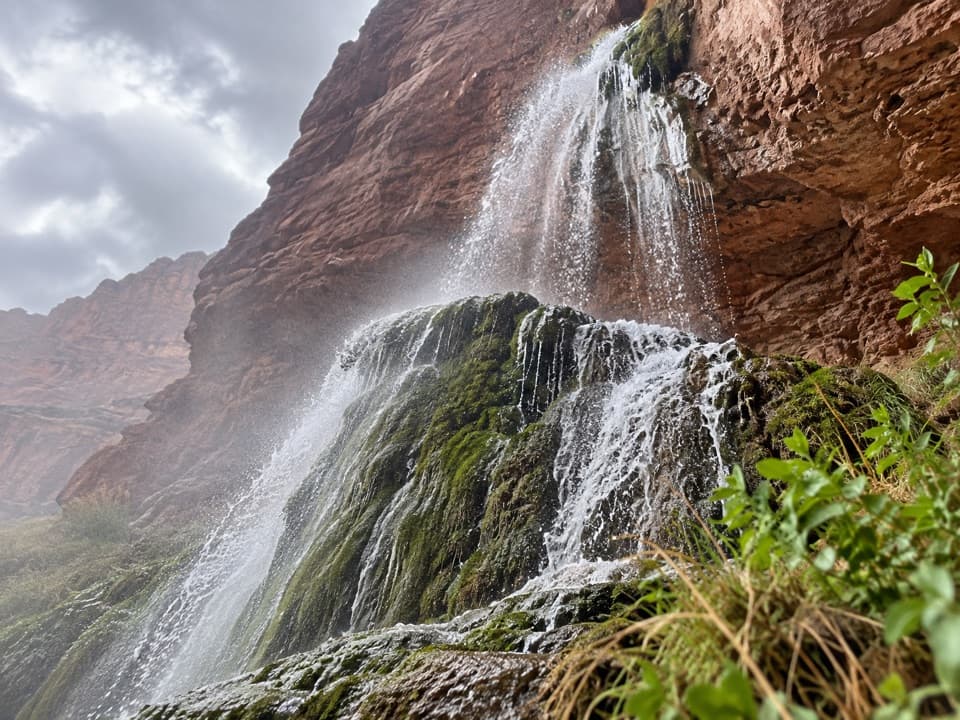
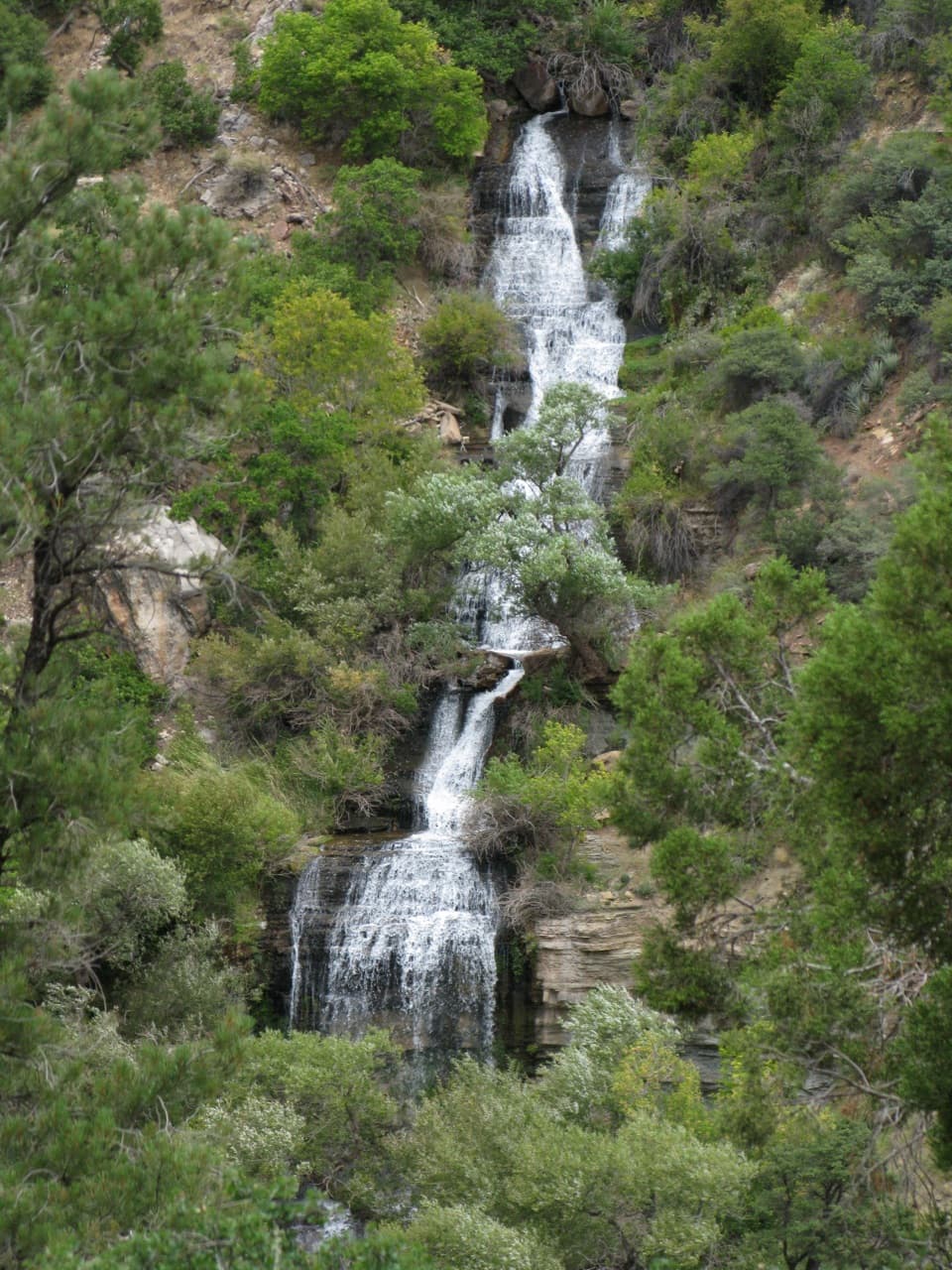
Thundering spring and waterfall below the North Rim
Roaring Springs, Grand Canyon National Park
InsideGrand Canyon National Park

Overview

Roaring Springs is the thundering heart of the North Rim—water blasting straight out of a cliff deep in Roaring Springs Canyon. It’s the park’s primary drinking water source and a surprisingly lush, cool oasis after a hot descent.

What you’ll see

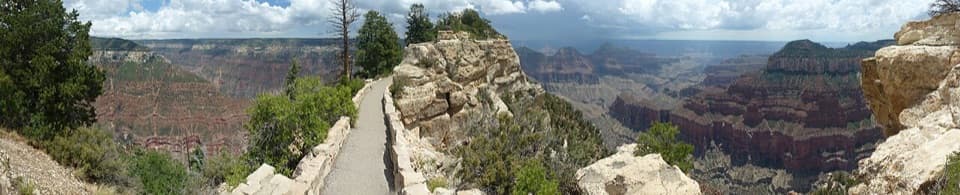
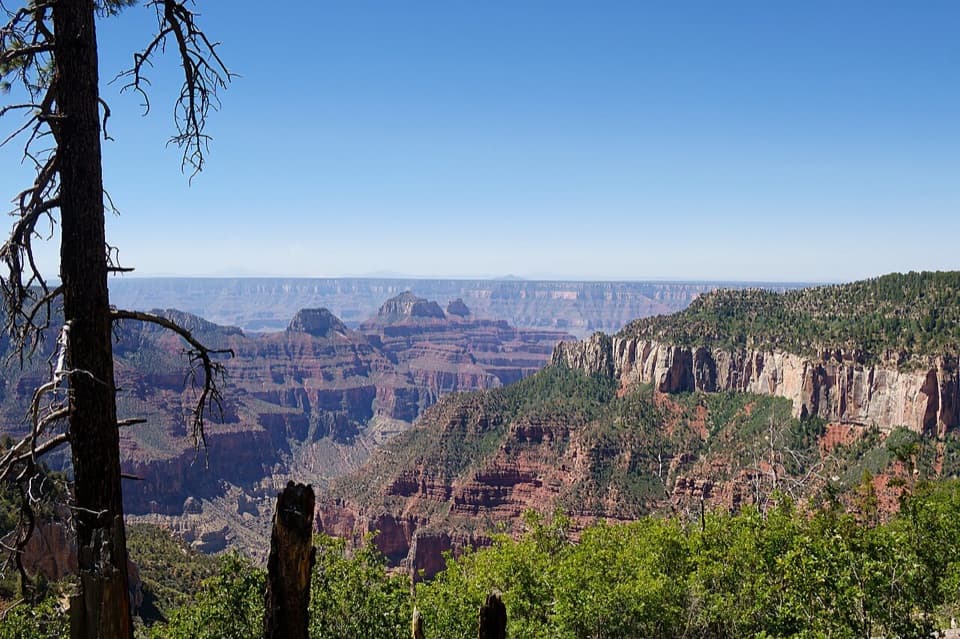
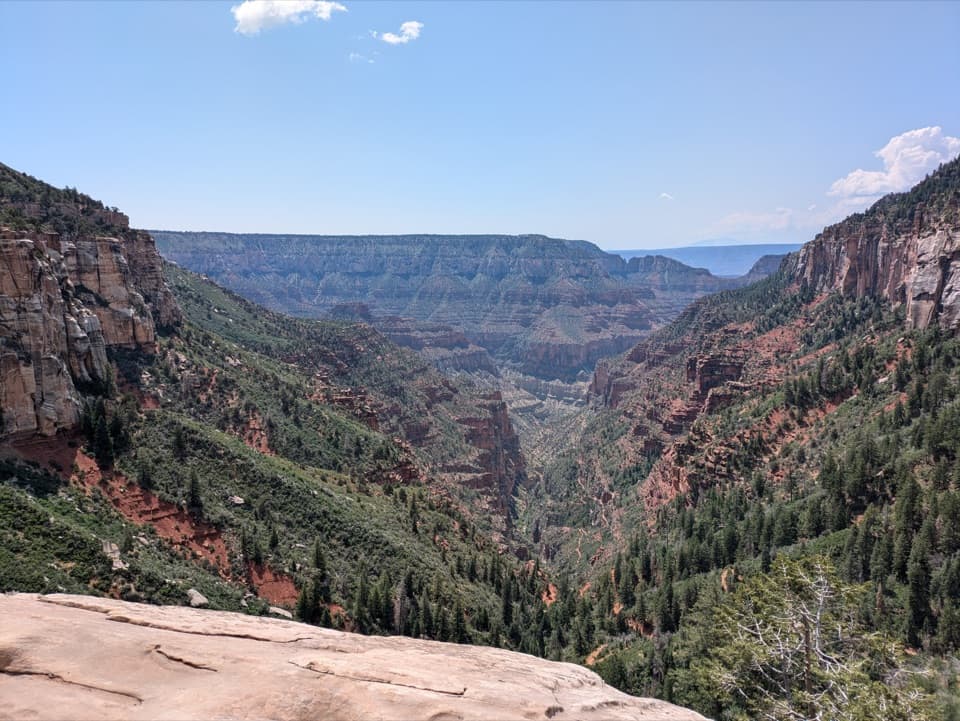
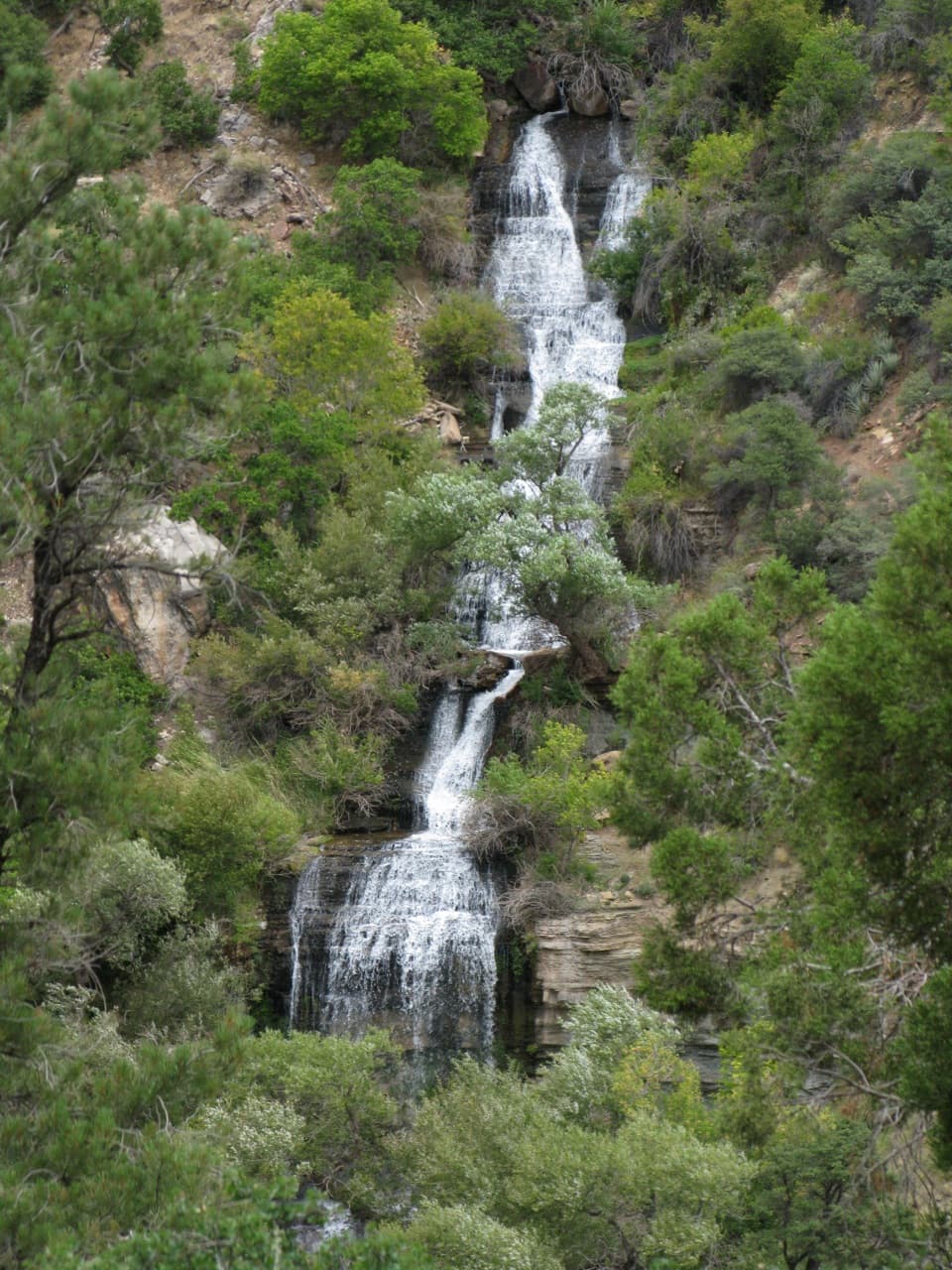
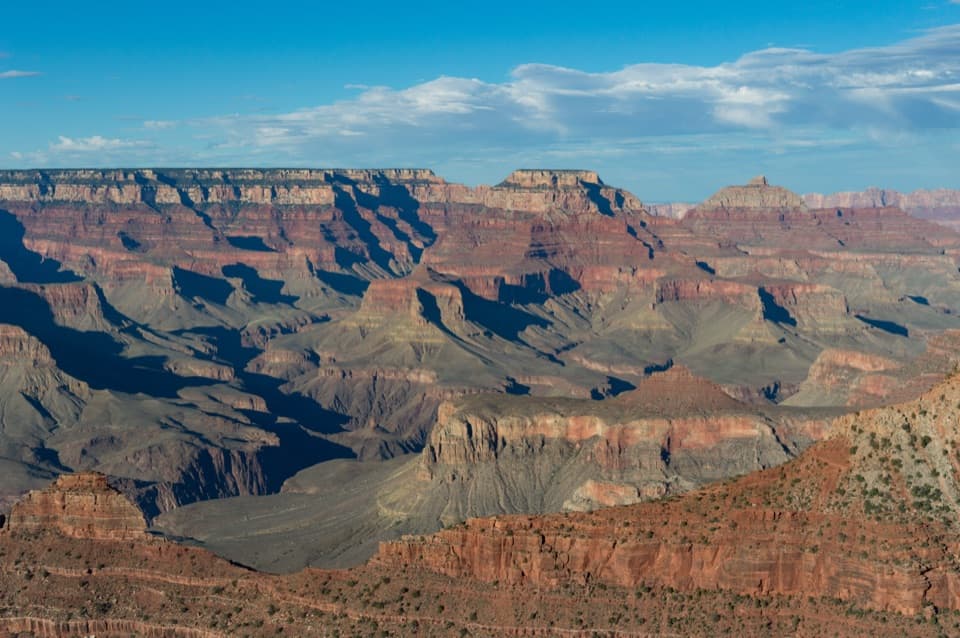
Expect a dramatic waterfall gushing from the rock face, feeding bright, mossy cascades and a shaded riparian pocket with cottonwoods, ferns, and tall grasses. The approach on the North Kaibab Trail drops through big views into Roaring Springs Canyon and toward Bright Angel Canyon. You’ll also notice the pumphouse infrastructure that taps the spring—this is the system that supplies water across the canyon to both rims.

The hike

From the North Kaibab Trailhead, it’s about 4.7 miles down to the springs. The descent feels easy; the return is not. You’ll gain roughly 3,050 feet on the way back, with long, exposed switchbacks. Portions near the top can be sandy and dusty, and summer heat is no joke—start early and pace yourself.

Why it’s unique

Unlike a typical creek-fed waterfall, Roaring Springs is a high‑volume, pressurized groundwater outlet. Rain and snowmelt percolate through faults and sinkholes deep within the canyon’s limestone and shale, then burst from the cliff—enough flow to power the park’s entire water system and form the headwaters of Bright Angel Creek.

Wildlife

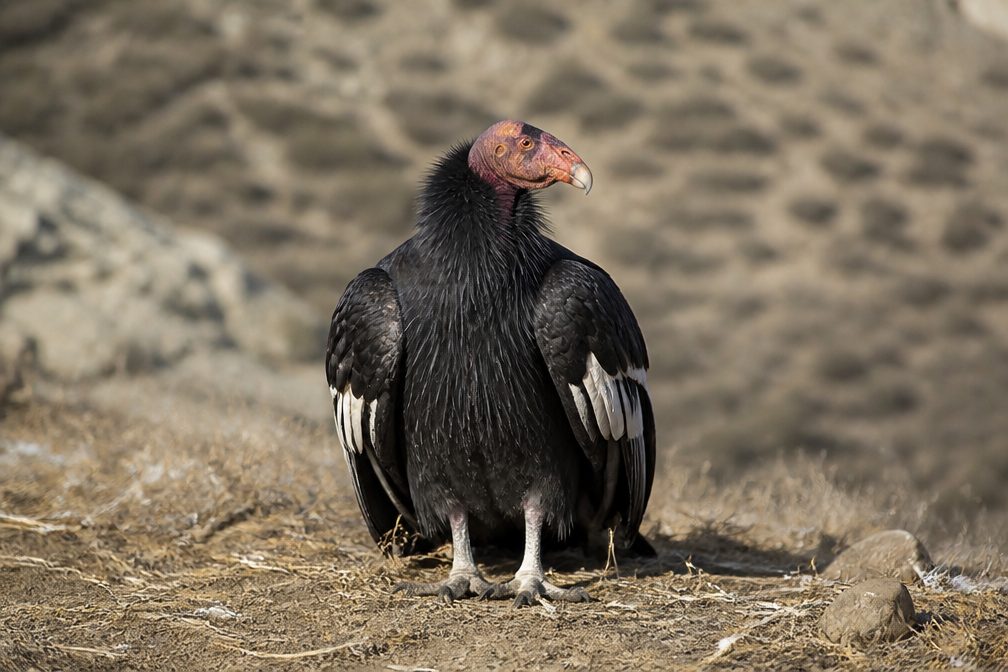
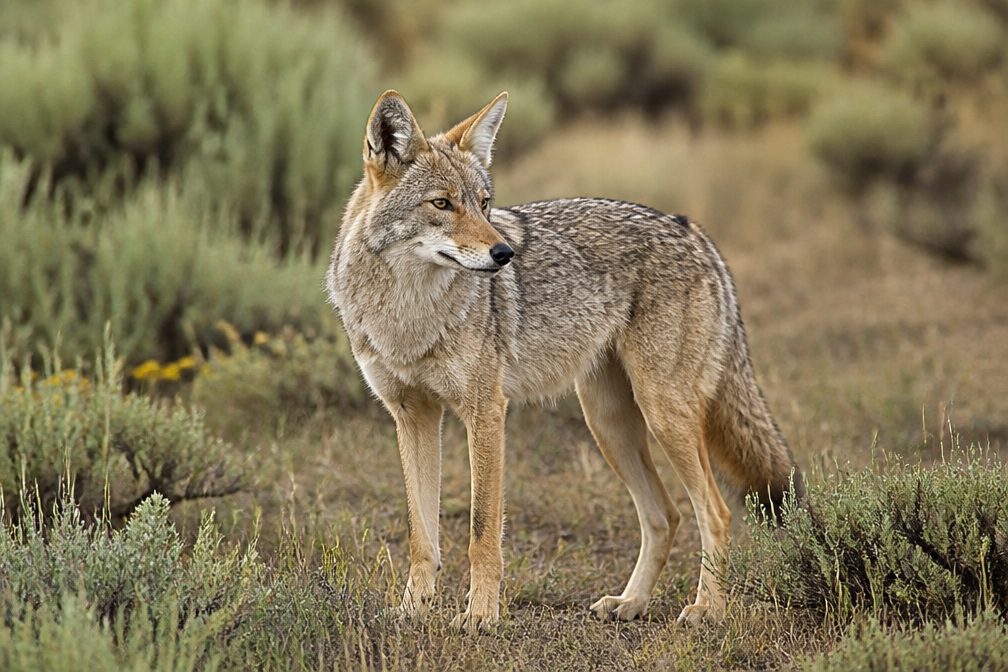
That ribbon of green supports riparian life—think songbirds and small mammals that gravitate to watercourses in the desert. Keep your eyes and ears open around the shaded pools and vegetation.

Best time to visit

Start at dawn for cooler temps and a more forgiving climb out. It’s generally quieter than rim overlooks, and crowding thins the farther you go. Full North Rim services are typically mid‑May to mid‑October; after October 15 the highway may close with snow, and day‑use access only lasts until the first snow. Always confirm current road and trail status.

Planning notes

There are no public amenities at Roaring Springs itself—no restrooms, no water fill, no picnic tables. Use the facilities and bottle‑filling stations at the North Kaibab Trailhead and at Supai Tunnel on your way. Do not plan to refill from the spring; it’s part of the park’s protected water system. Bring ample water, salty snacks, sun protection, sturdy footwear, and a realistic turnaround time.

Pros

  • Powerful spring and cascades in a lush canyon oasis
  • Rewarding North Kaibab day hike with big views en route
  • Up‑close look at the park’s vital water source and pumphouse

Cons

  • Long, steep return climb that bakes in the sun
  • No amenities at the springs—plan water and restroom stops elsewhere

Tips

  • Start at dawn; the climb out is long, hot, and exposed.
  • Use restrooms and water fills at the trailhead and Supai Tunnel—none at the springs.
  • Set a firm turnaround time; descending is easy, the return is not.
  • Expect sandy, dusty trail near the top; gaiters or taller socks help.
  • Confirm North Rim road status if visiting around mid‑October or later.
The Parkwolf tour guide sitting on a phone mounted in a car

Parkwolf Tour Guide

Like a tour guide in your car.

Save the places you found around Grand Canyon, then let Parkwolf guide the drive between them.Download Parkwolf on the App Store