Jackson Point Overlook

Elevated Teton and Jackson Lake panorama with historic photo pedigree
Jackson Point Overlook, Grand Teton National Park
InsideGrand Teton National Park

Overview

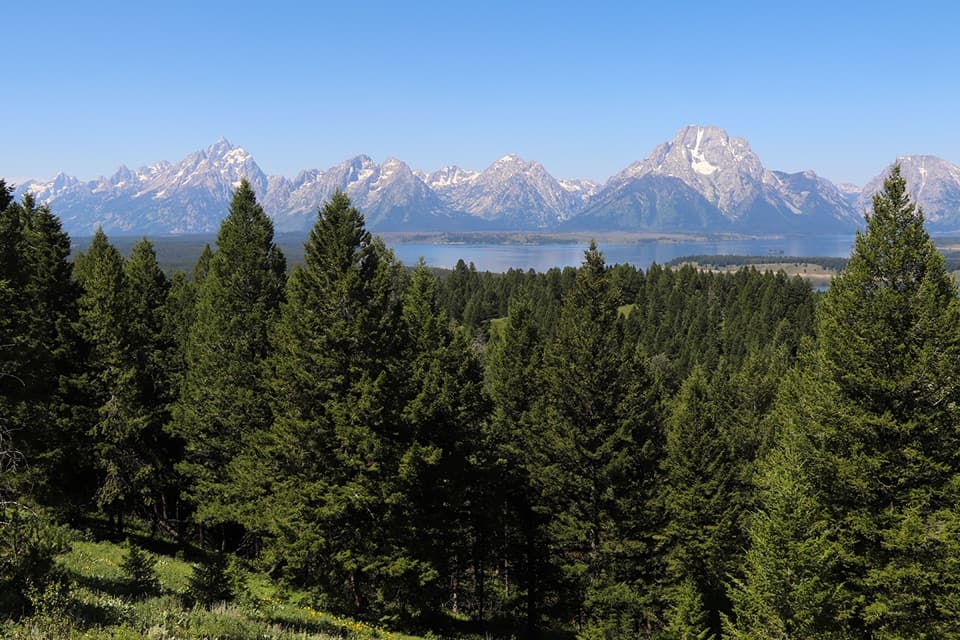
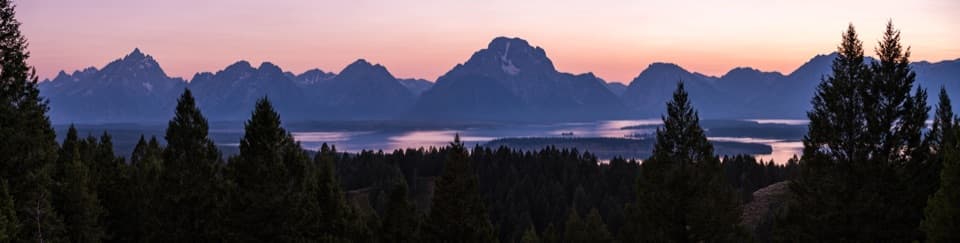
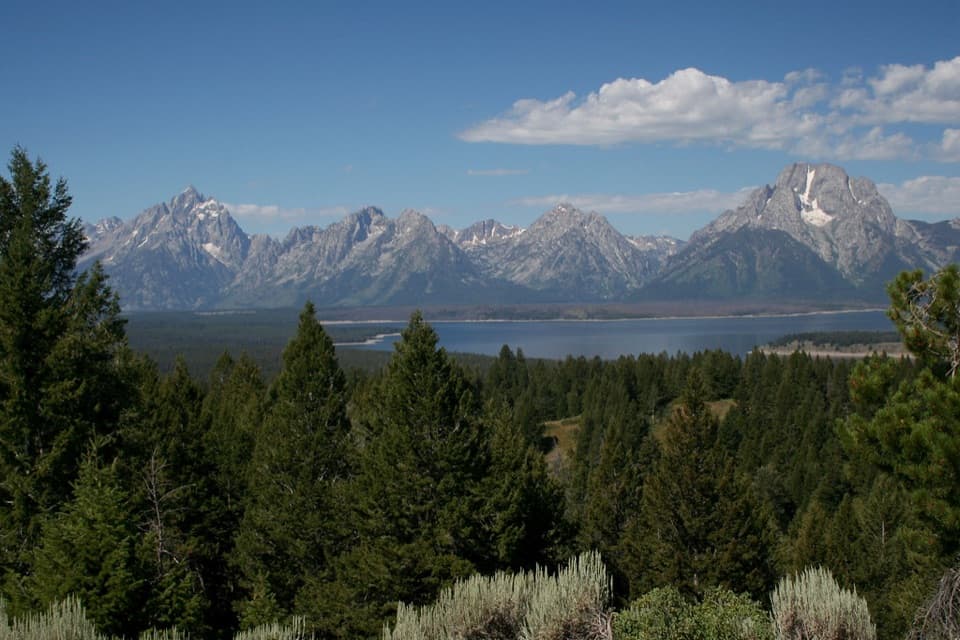
Perched on Signal Mountain, Jackson Point Overlook dishes up a high, cinematic angle on the Teton Range, Jackson Lake, and the broad Jackson Hole valley. It’s a quick stroll from a small lot at a hairpin turn on Signal Mountain Road—easy to reach, but popular.

What You'll See

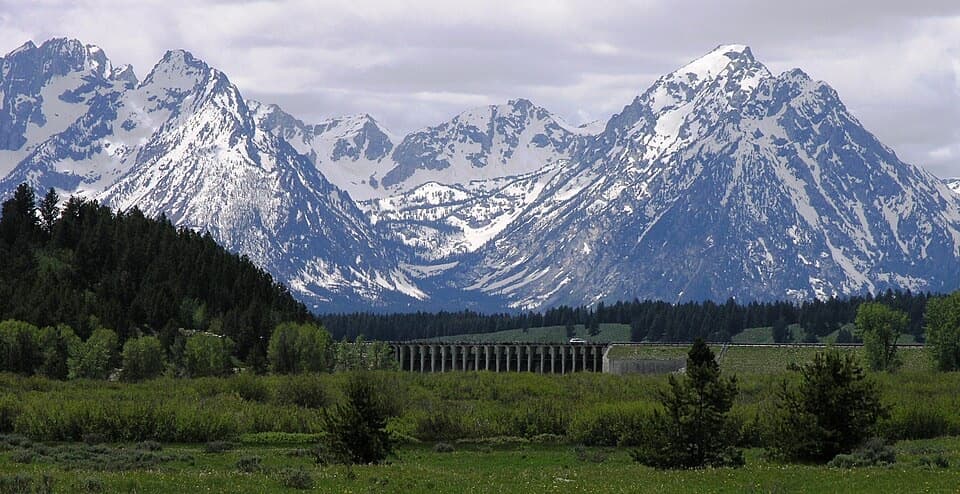
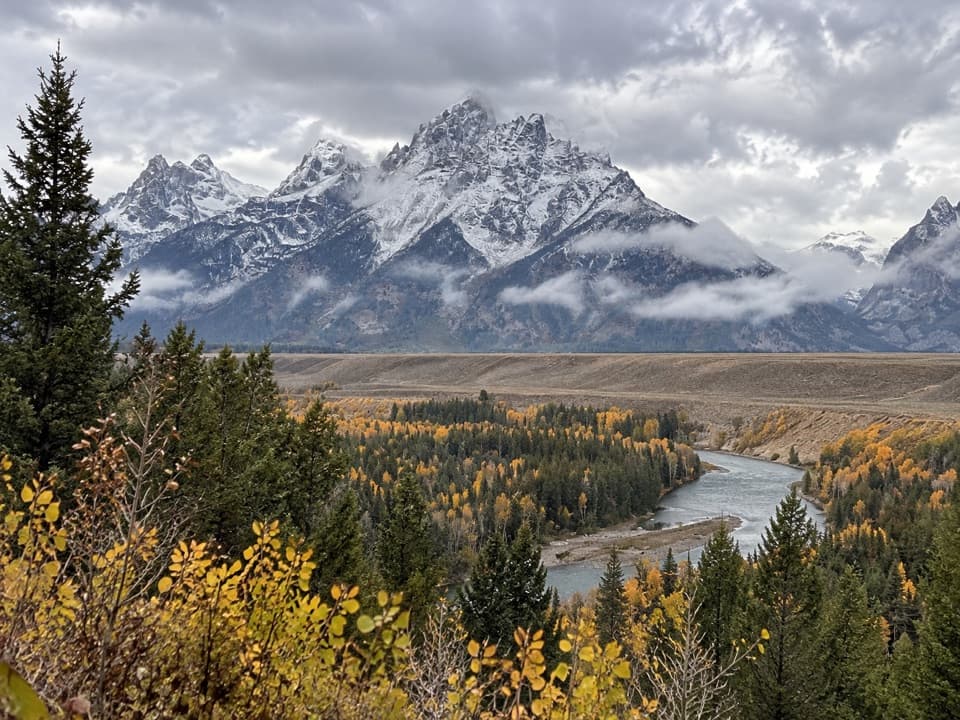
Expect a dramatic sweep of jagged peaks rising over portions of Jackson Lake, with the Snake River drainage and the broader Yellowstone Plateau in view on clear days. The scene doubles as a geology lesson: glacial valleys and moraines spread across the valley floor beneath the abrupt uplift of the Tetons.

Why It’s Special

This is a classic Teton vantage with a bit of history—the overlook is associated with William Henry Jackson’s 1878 photography work that helped popularize the range. It’s also one of the few viewpoints that feels both elevated and intimate: big mountain drama with fine-grained detail in the lake and forests below.

On the Ground

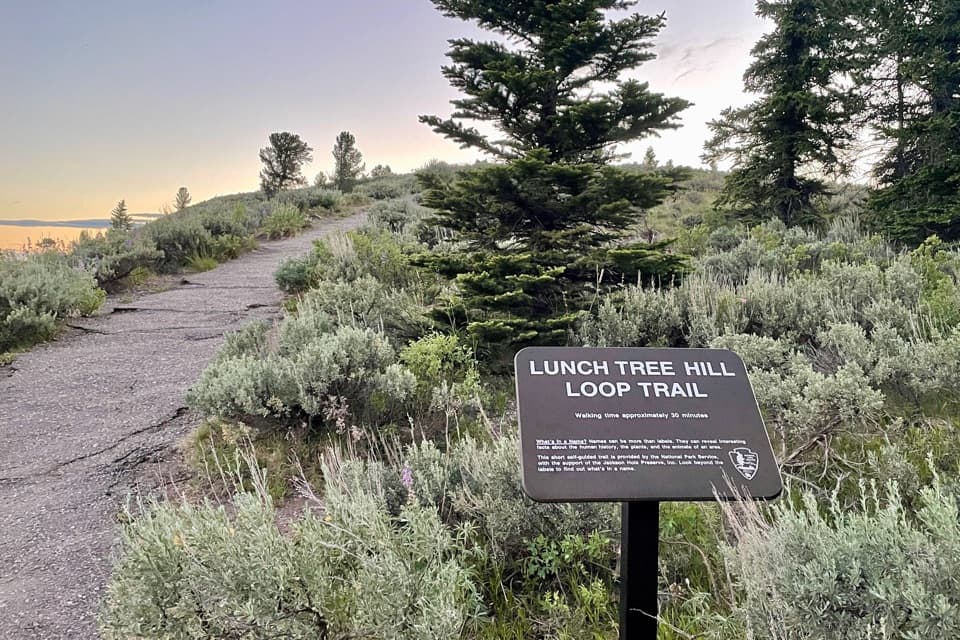
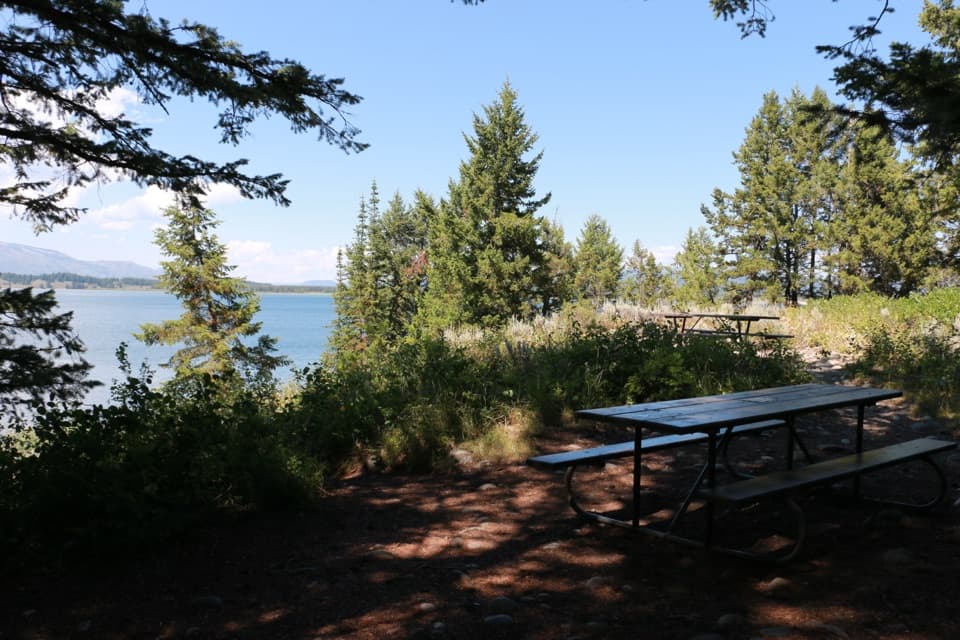
The main platform can have some tree interference. Do yourself a favor and wander both directions from the lot—left to the signed viewpoint, and right for a more open angle. There are no services here (no water, no restrooms). The road up is narrow and winding; drive cautiously and watch for cyclists. Most visits are short—budget about 20–30 minutes unless you’re settling in for light or wildlife.

Wildlife

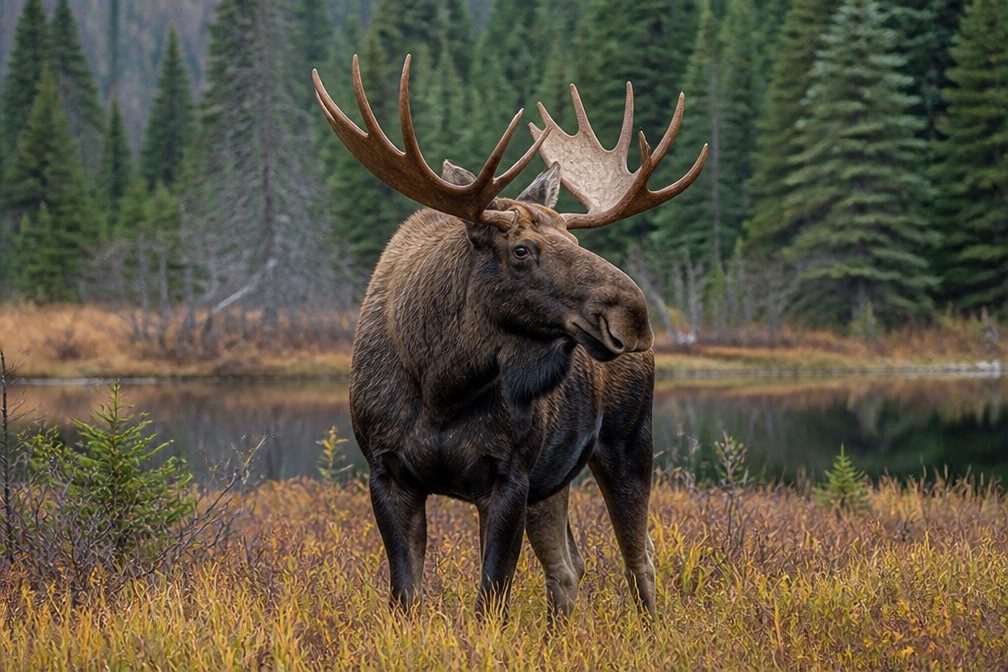
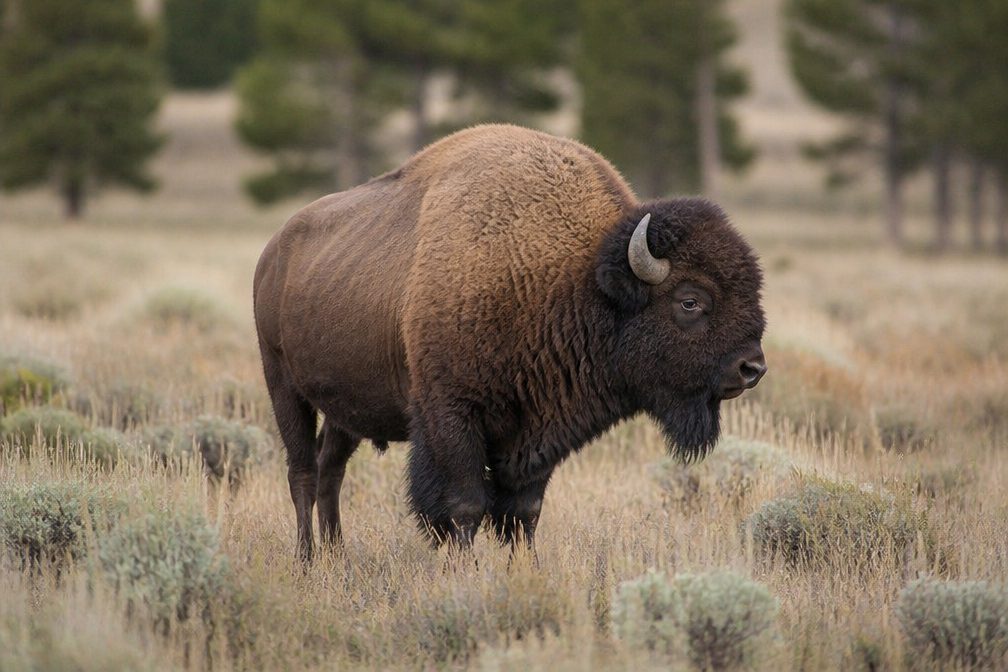
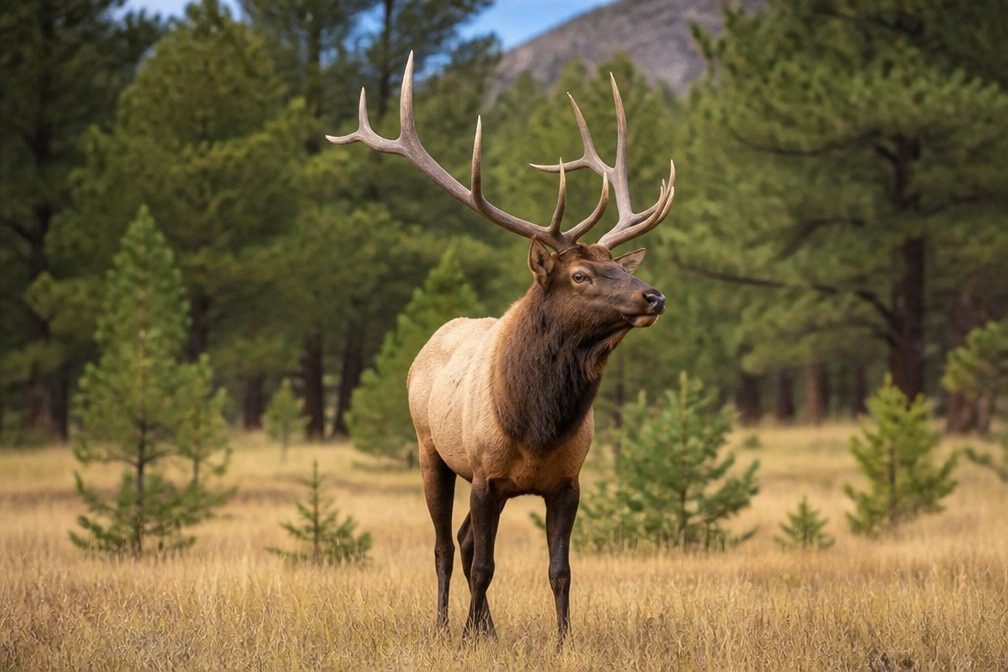
Keep your eyes peeled for elk, moose, bison in the flats, and raptors like bald eagles and osprey riding thermals. Early morning improves your odds of activity.

Best Time to Visit

The overlook is accessible around the clock, but the sweet spots are sunrise and late-day golden hour when the light rakes across the peaks. Crowds surge late morning through mid‑afternoon, often peaking around 1–2 PM; arriving before 9 AM or after 6 PM makes parking and quiet much easier. If you’re chasing reflections on Jackson Lake, get there early when the wind is down.

Photography Tips

  • Work both viewpoints for different foregrounds and fewer trees.
  • Sunrise offers calm water and soft color; sunset warms the granite.
  • Bring a mid‑range zoom to frame peaks over the lake and river textures.

Need to Know

  • Parking is limited; the lot fills quickly in peak season.
  • No restrooms, food, or water—come prepared.
  • In warm months, biting flies can be a nuisance; pack repellent.

Geology & History

From this perch you’re looking straight at the Teton fault’s handiwork: a mountain block thrust skyward beside a down‑dropped valley, later sculpted by ice into the sharp horns and broad U‑shaped valleys you see. The overlook nods to 19th‑century photographer William Henry Jackson, whose work from this area helped put the Tetons on the national map.

Pros

  • Elevated, sweeping view of the Tetons and Jackson Lake
  • Short, easy walk from a small parking area
  • Historic photo vantage used by William Henry Jackson (1878)

Cons

  • Very limited parking on a narrow, winding mountain road
  • No restrooms or services at the overlook

Tips

  • Arrive before 9 AM or after 6 PM to snag a parking spot.
  • Explore both left and right from the lot to dodge tree‑blocked views.
  • Drive Signal Mountain Road slowly; it’s narrow, winding, and popular with cyclists.
  • Bring water and snacks—there are no services at the overlook.
  • For calm water reflections, aim for early morning and light winds; pack bug repellent in summer.
The Parkwolf tour guide sitting on a phone mounted in a car

Parkwolf Tour Guide

Like a tour guide in your car.

Save the places you found around Grand Teton, then let Parkwolf guide the drive between them.Download Parkwolf on the App Store