Mormon Row Historic District

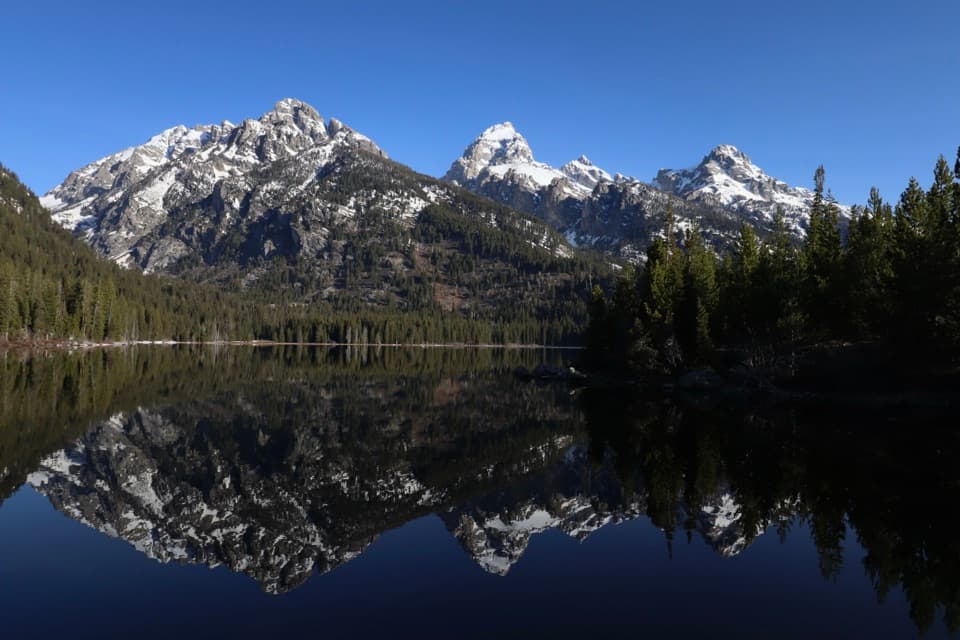
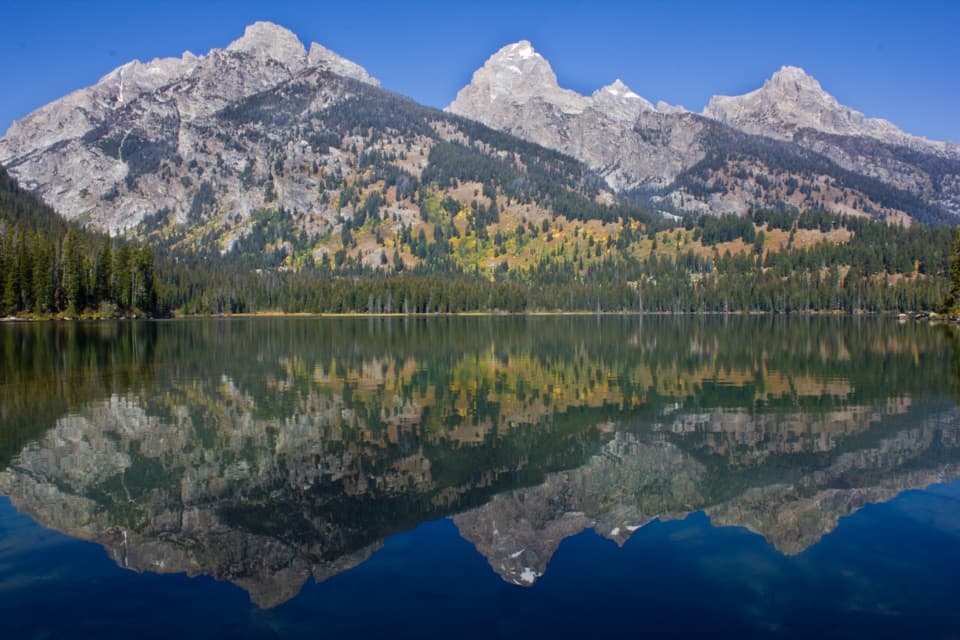
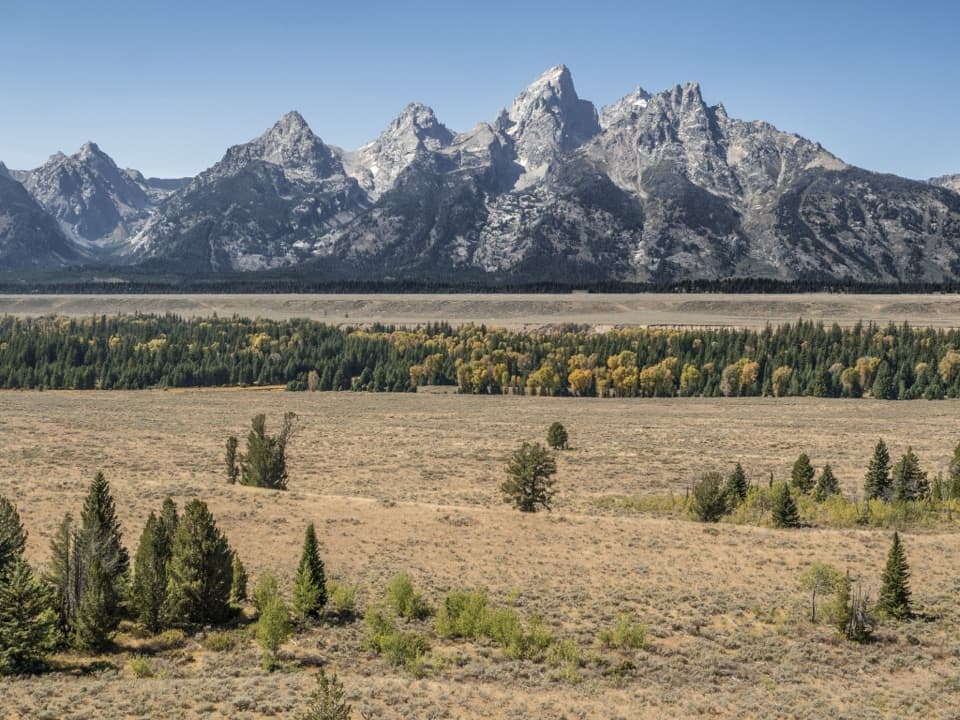
Iconic barns with Tetons backdrop on open Antelope Flats
Mormon Row Historic District, Grand Teton National Park
InsideGrand Teton National Park

Overview

Mormon Row Historic District is a cluster of late‑19th to mid‑20th century homestead sites set on the open Antelope Flats, with the Teton Range towering behind. It’s the classic “barns with mountains” shot—simple to reach, easy to wander, and packed with history and scenery in one stop.

What You’ll See

  • The famous T.A. Moulton Barn and the John Moulton Homestead (look for the distinctive pink stucco house).
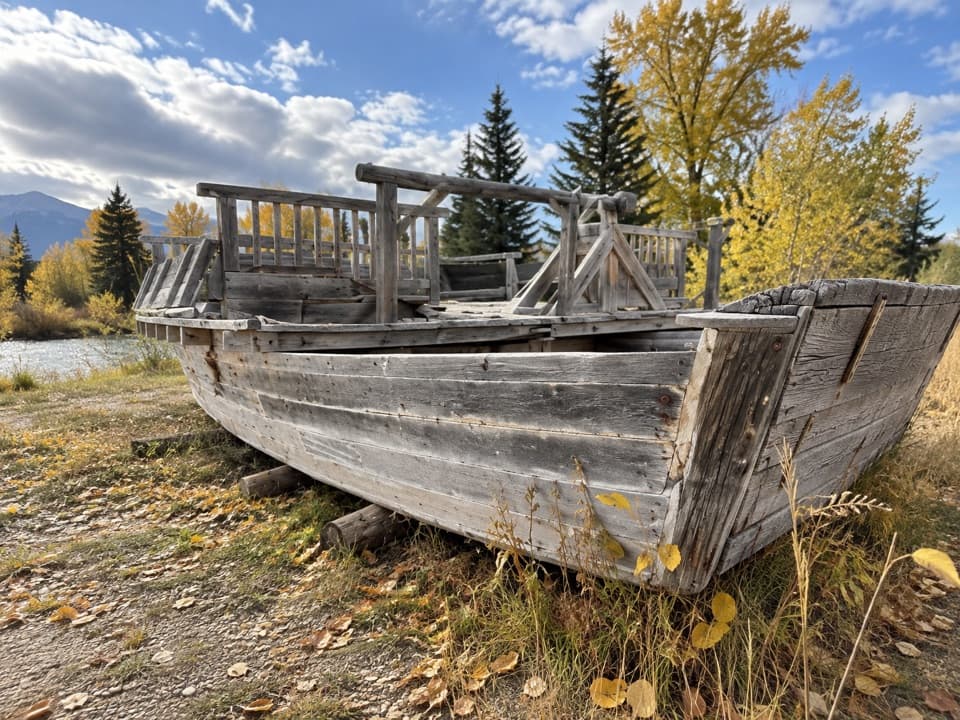
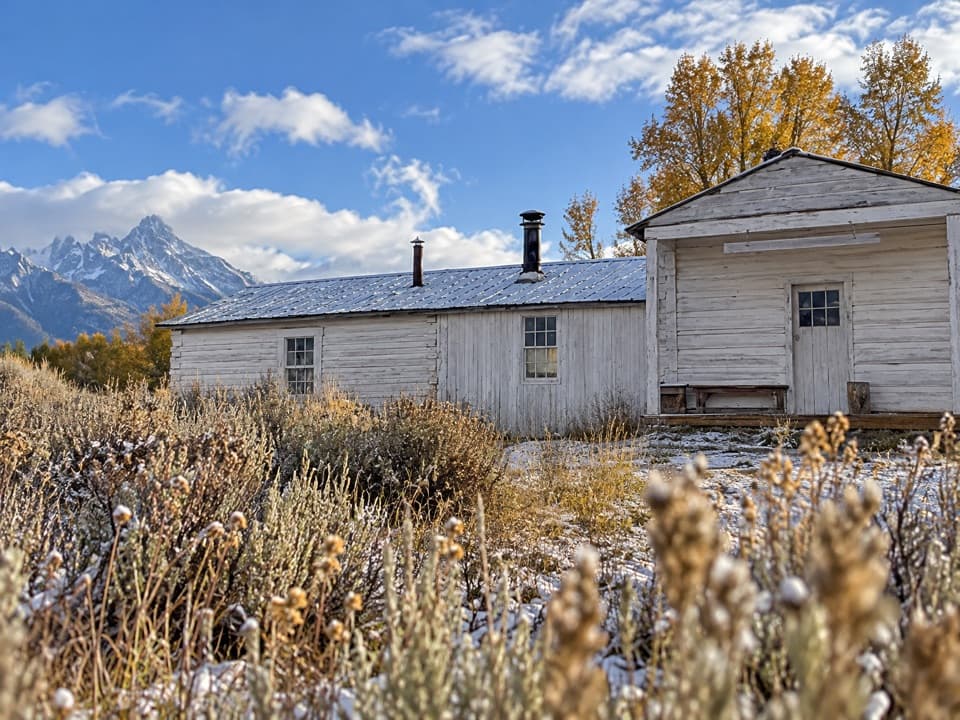
  • A linear “row” of historic ranch buildings, corrals, and open sage/grass flats that frame wide views of the Tetons.
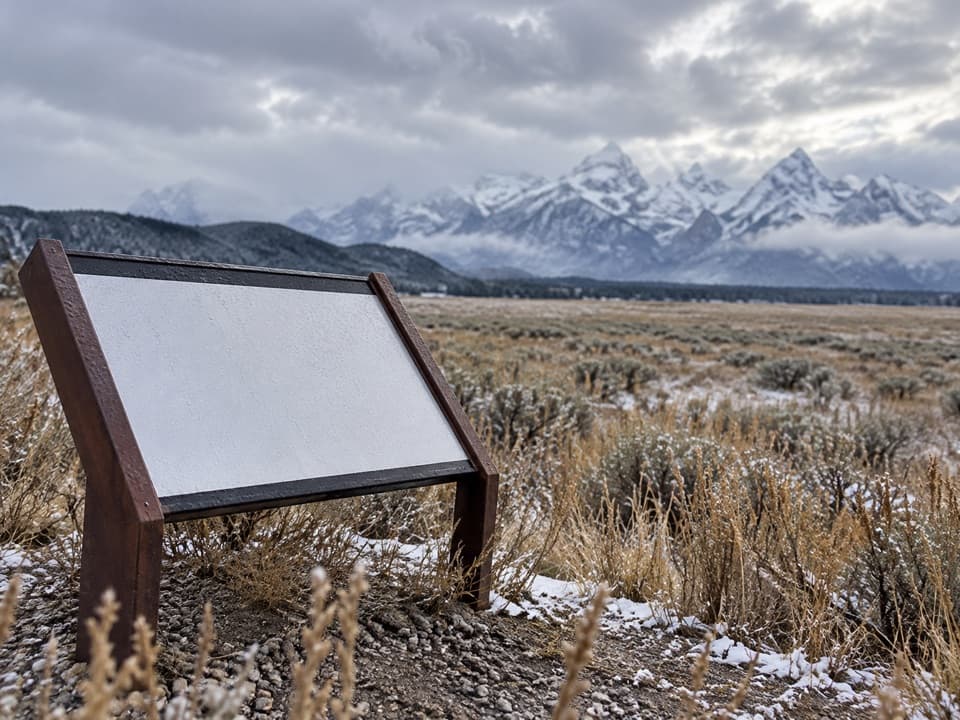
  • Interpretive signs and on‑site brochures that help you connect the buildings to the people who built them.

Why It Matters

This area is listed on the National Register of Historic Places as a preserved rural homestead landscape within the park. Unlike scattered ranches elsewhere in Jackson Hole, this community clustered together, leaving a rare, photogenic window into early settlement life.

Wildlife

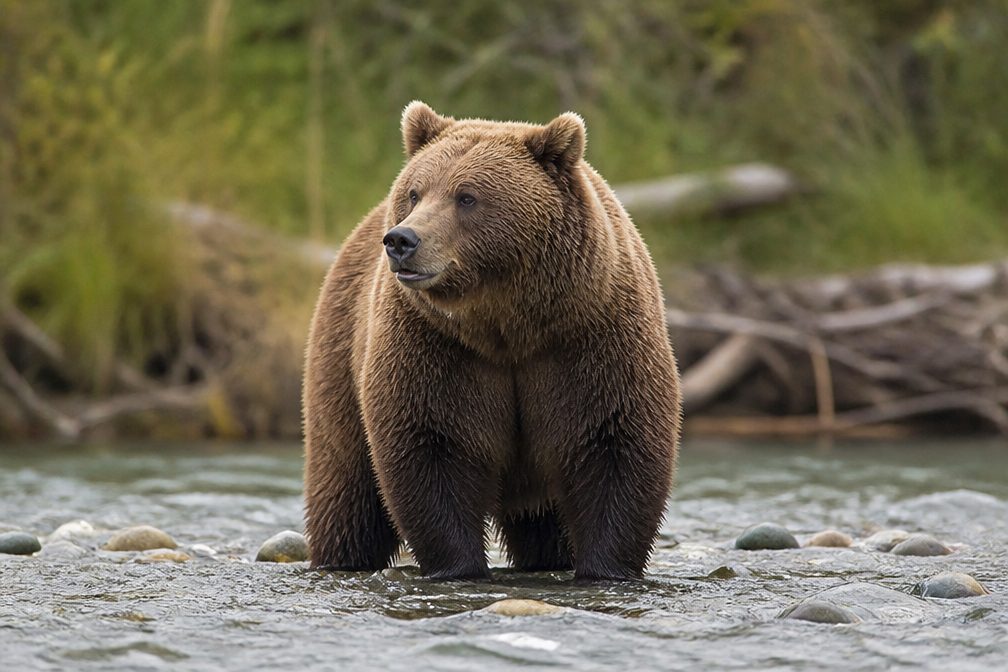
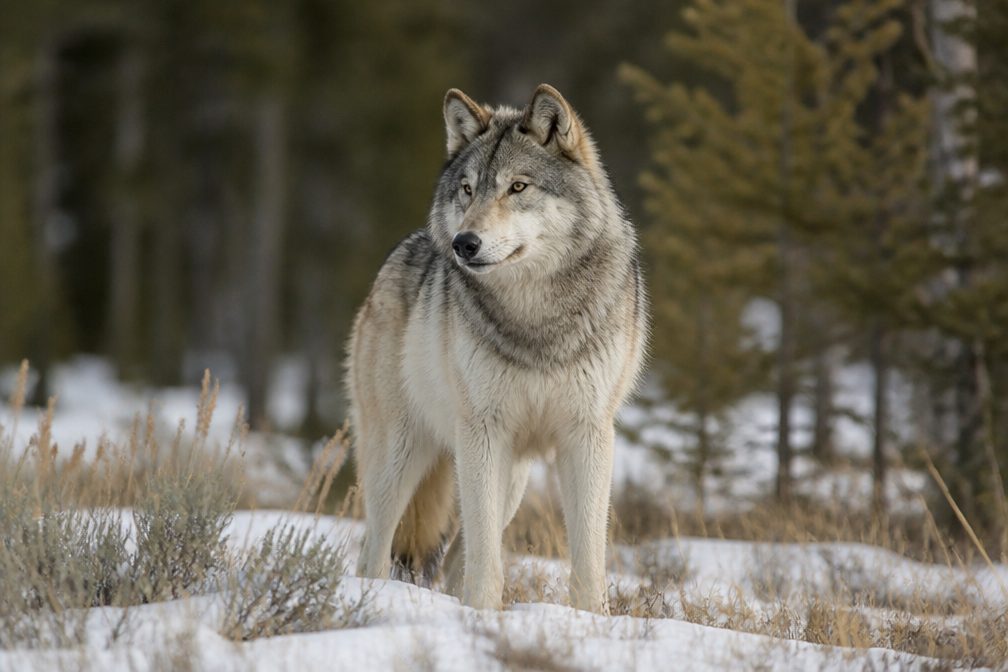
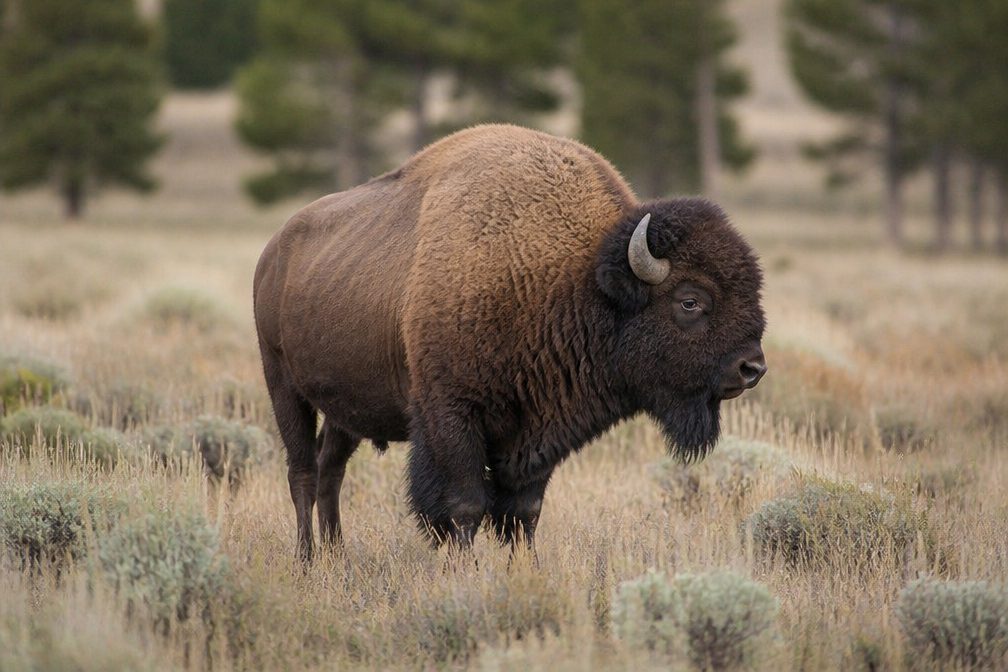
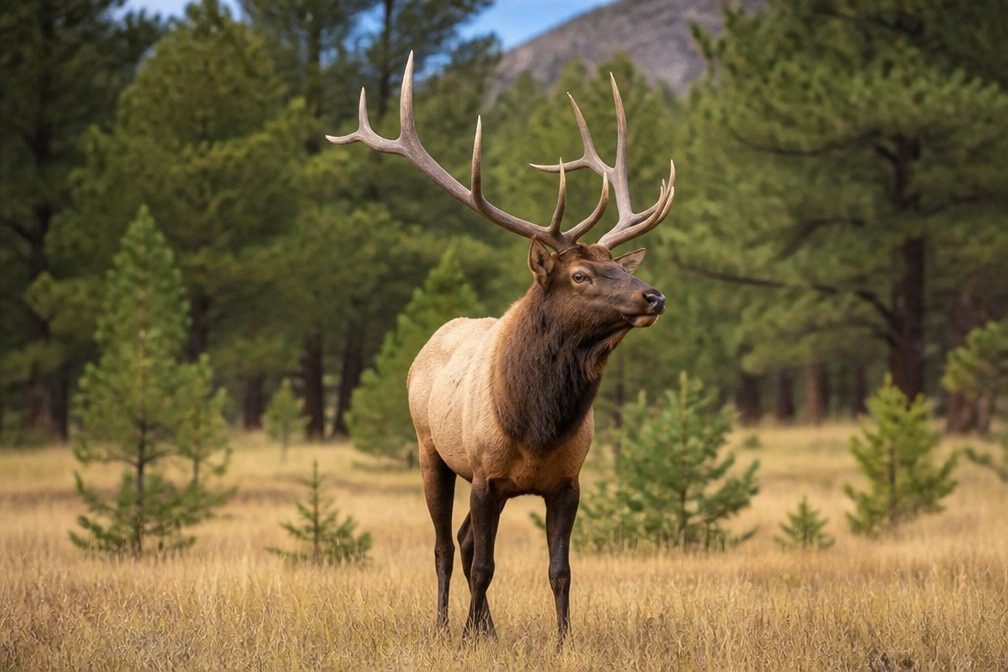
Antelope Flats lives up to its name—keep an eye out for pronghorn and, at times, bison grazing across the flats, plus deer and birds. Give wildlife plenty of space and bring binoculars; you don’t need to be close to enjoy the view.

Getting There & On‑Site Basics

Drive east on Antelope Flats Road to a small parking lot near the pink stucco house at the John Moulton Homestead, then walk short, flat distances along the gravel road to the barns and other structures. The area sits outside the park’s fee booths, so visiting here is free. Expect dust, wind, and no services on site.

Best Time to Visit

  • Light: Sunrise is the money hour—the barns glow and the Tetons usually pop before midday haze builds. Sunset can be lovely too, but you’ll often be shooting into the light.
  • Crowds: Photographers line up at dawn in peak season. Arrive early or come on weekdays for a calmer scene.
  • Seasons: Late spring through fall brings easier road conditions and greener flats; shoulder seasons mean fewer people but more variable weather.

Photo Tips

  • Compose wide with the Tetons and barns, then switch to a longer focal length for cleaner mountain layers and details.
  • A small step in any direction matters; explore angles along the road and give others room to shoot.

Need to Know

Roads here are unpaved and can be bumpy or dusty; drive slowly. Facilities are minimal—current improvements aim to add basic amenities, but plan as if none exist. Pack water, layers, and patience if you’re chasing the perfect light.

Pros

  • Iconic barns and Teton backdrop tailor‑made for photography
  • Free to visit with brochures at the small parking area

Cons

  • Crowded at sunrise and peak seasons
  • Bumpy, dusty dirt road and limited on‑site facilities

Tips

  • Arrive between blue hour and sunrise for the best light and fewer people.
  • Park by the pink stucco house at the John Moulton homestead and walk the row.
  • Expect a short, flat gravel walk; closed‑toe shoes keep dust out.
  • Bring a zoom lens or binoculars for wildlife and barn details.
  • Carry water and snacks—there are no services on site.
The Parkwolf tour guide sitting on a phone mounted in a car

Parkwolf Tour Guide

Like a tour guide in your car.

Save the places you found around Grand Teton, then let Parkwolf guide the drive between them.Download Parkwolf on the App Store