Signal Mountain Summit

Drive-up summit with sweeping Teton, lake, and Snake River views
Signal Mountain Summit, Grand Teton National Park
InsideGrand Teton National Park

Overview

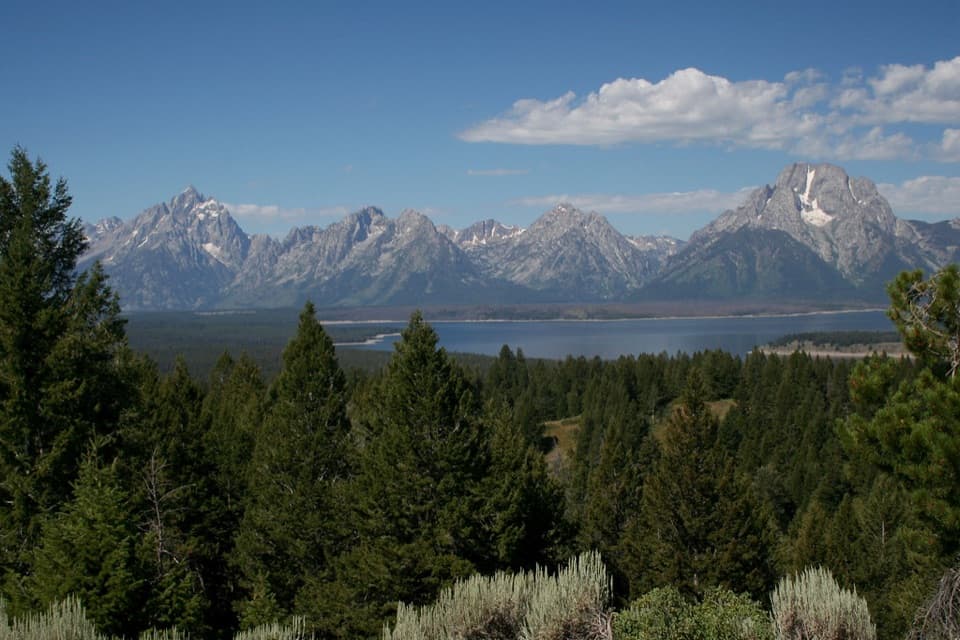
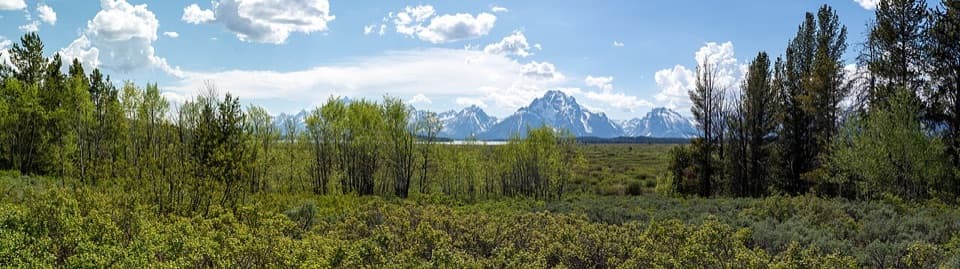
Signal Mountain Summit is the park’s drive-up high point (about 7,720 feet) and an easy win for knockout views without a big hike. Because it stands apart from the craggy Teton Range, the sightlines are wide open in every direction—perfect for soaking in the full sweep of Jackson Hole.

What You'll See

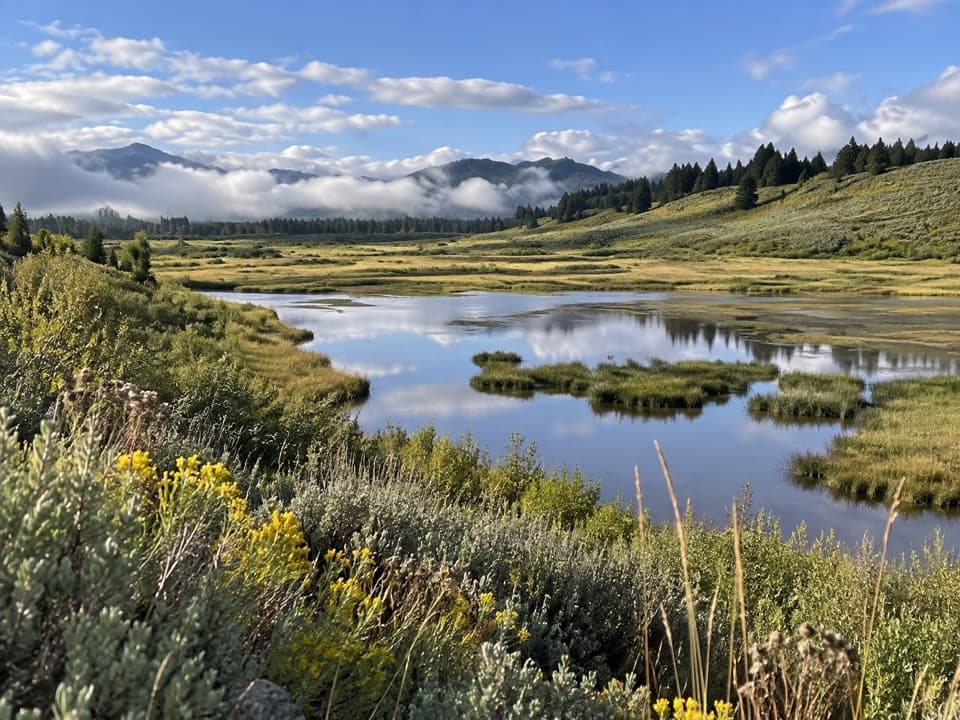
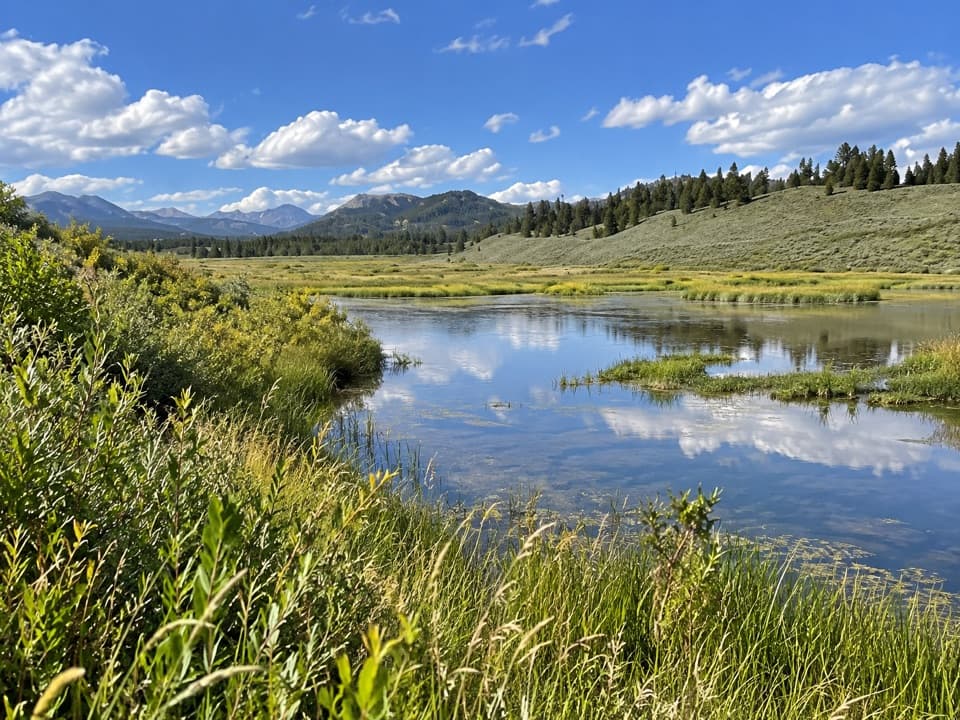
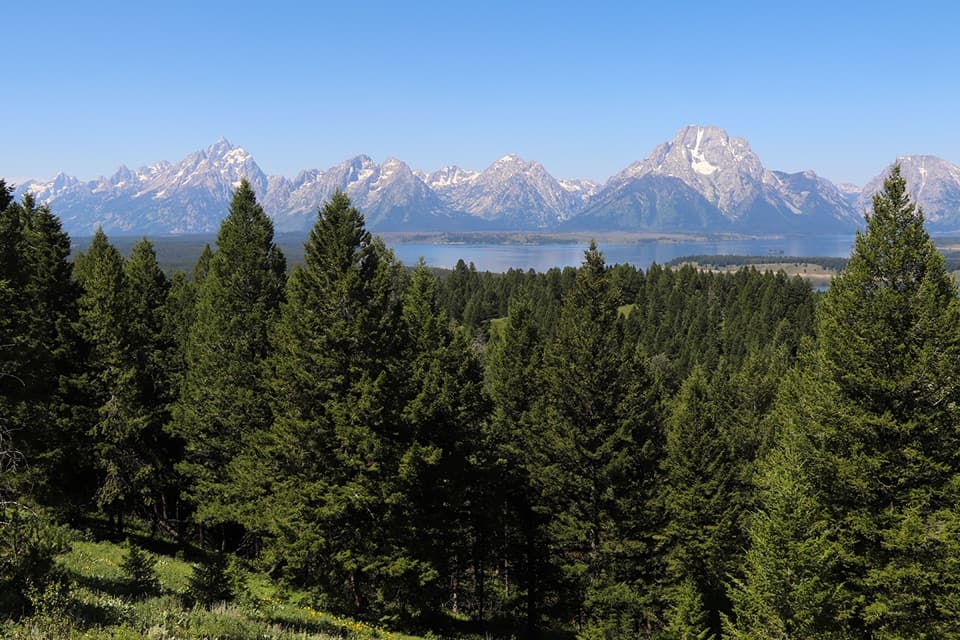
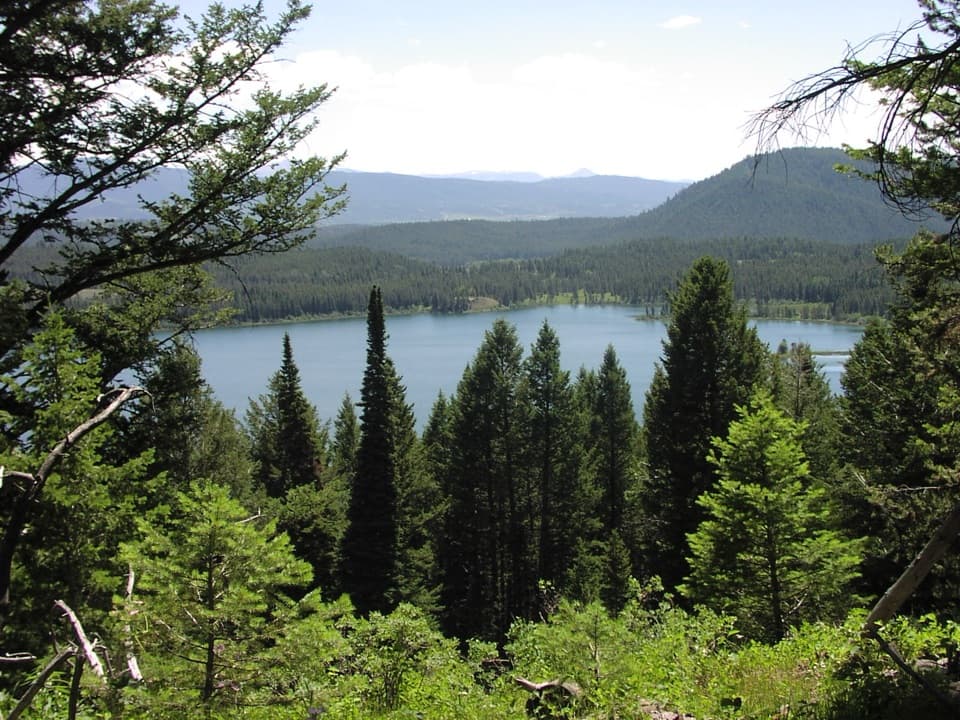
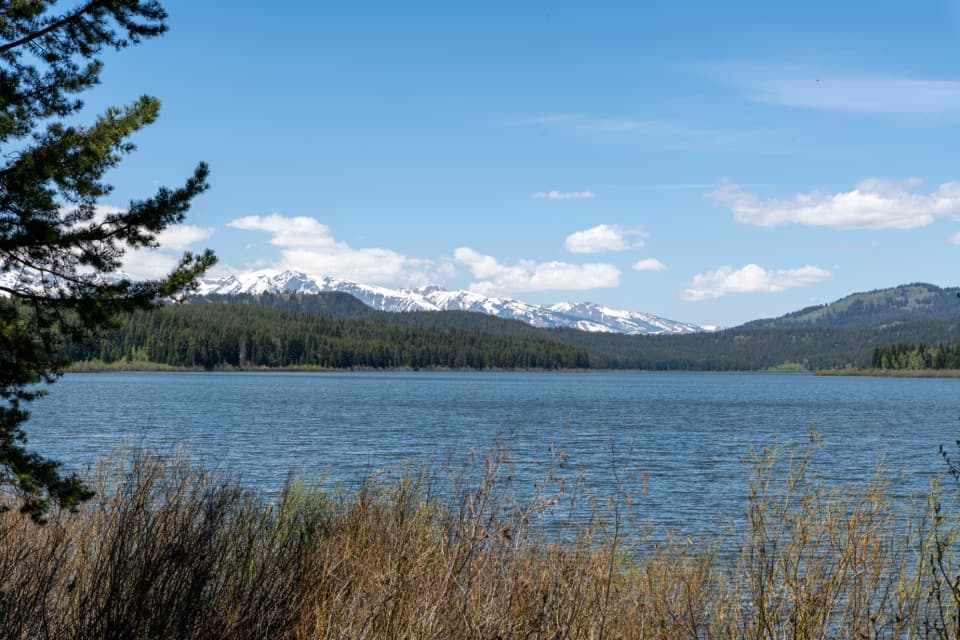
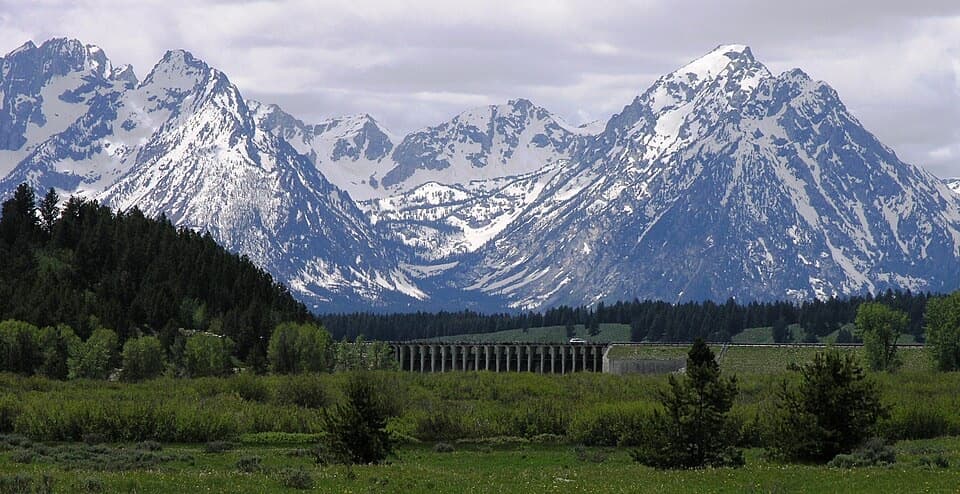
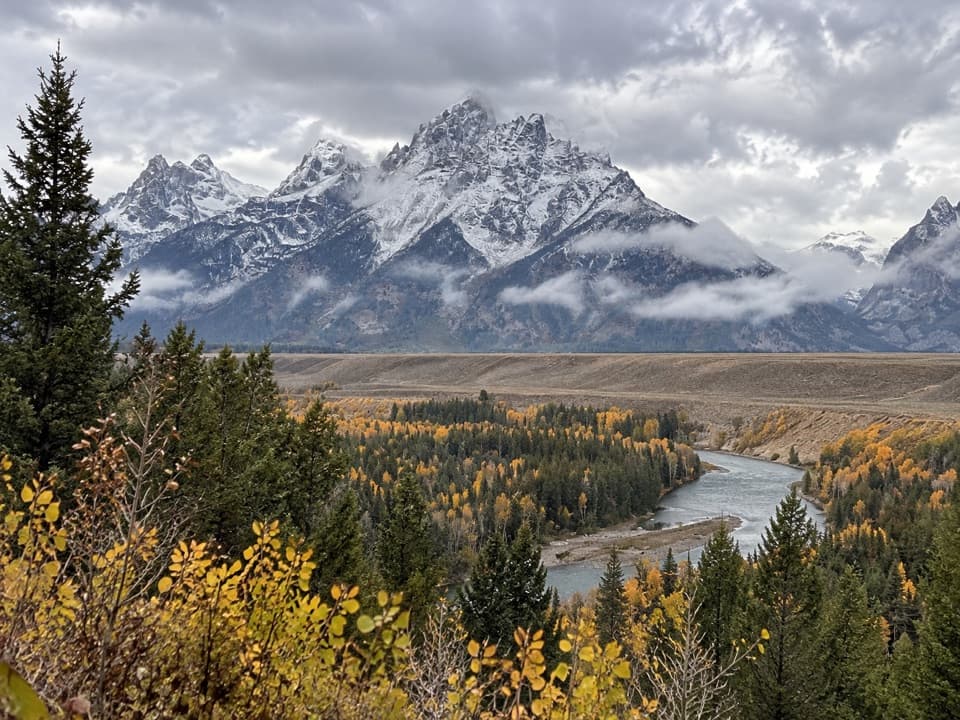
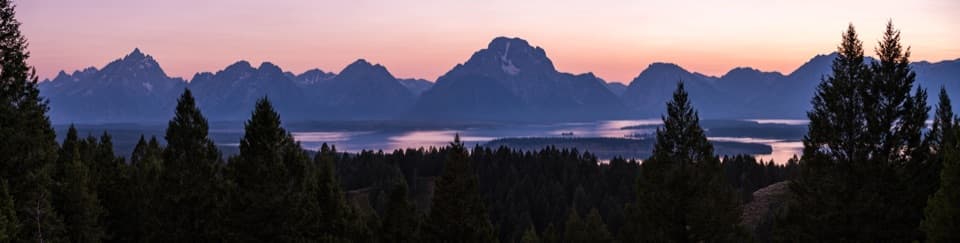
From the observation area at the top, you’ll get a grandstand look at the Teton Range, glittering Jackson Lake, and the Snake River snaking across the valley floor. On clear days, the horizon stretches for miles. Early summer often adds a bonus: hillsides of wildflowers along the ascent.

Getting There

You can either hike up or take the paved, switchbacking Signal Mountain Road (about 5 miles and ~1,000 feet of gain). The road is narrow and winding—RVs and trailers are prohibited—and it typically closes in late fall through late spring due to snow. Drive slowly, use pullouts for photos, and keep an eye out for wildlife on the way.

Best Time to Visit

Go early morning or late evening for softer light, fewer cars, and better chances of spotting wildlife down in the valley. Sunrise paints the Tetons; sunset can be spectacular over Jackson Lake. Midday is brightest but also the busiest. In early summer, the wildflower display along the road can be lovely.

History & Geology

The mountain’s name nods to a late‑19th‑century signal fire lit here during a search effort. Geologically, it’s a bit of an oddball: unlike the uplifted Tetons, Signal Mountain owes its summit to Yellowstone‑hotspot ash deposits and glacial leftovers—one reason it stands alone and delivers those 360‑style views.

On‑Site Realities

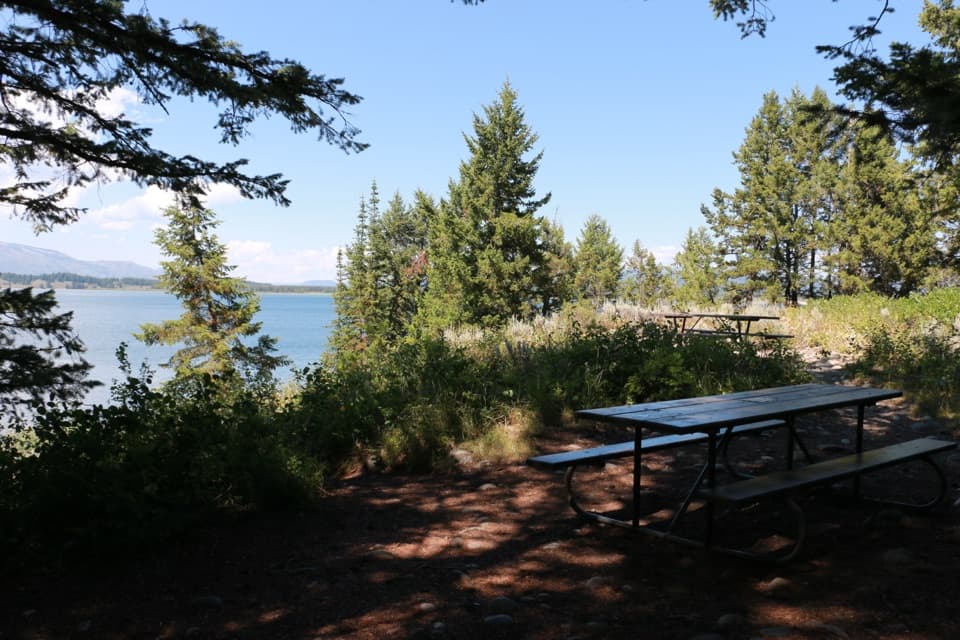
There are no services at the summit—no water, food, or confirmed restrooms—so plan accordingly and take care of necessities at the base before you head up. Expect a small parking area and short paths to the viewpoints.

Photography & Wildlife Tips

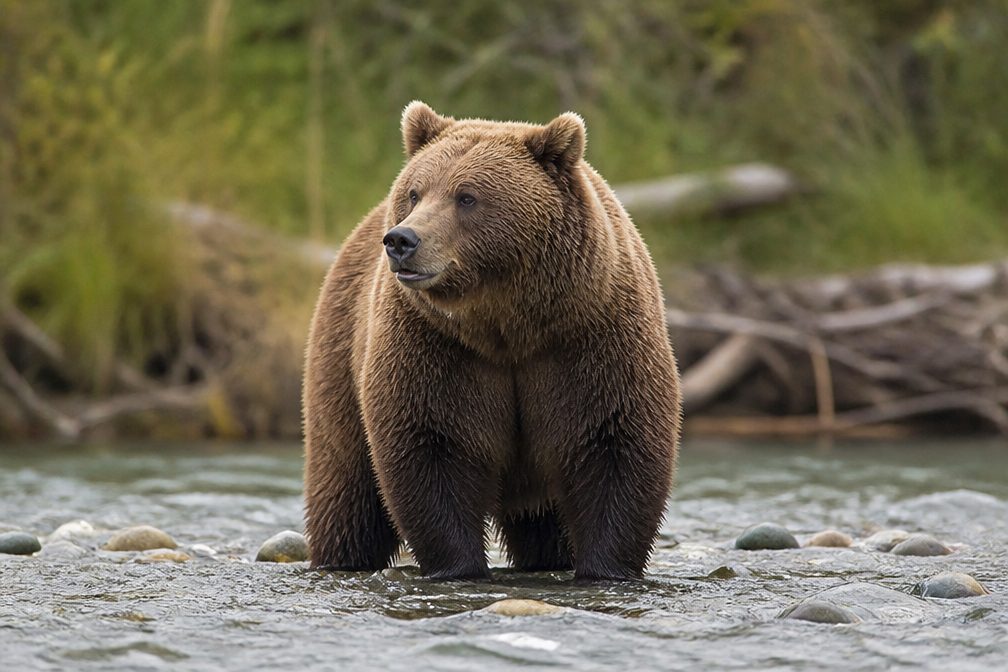
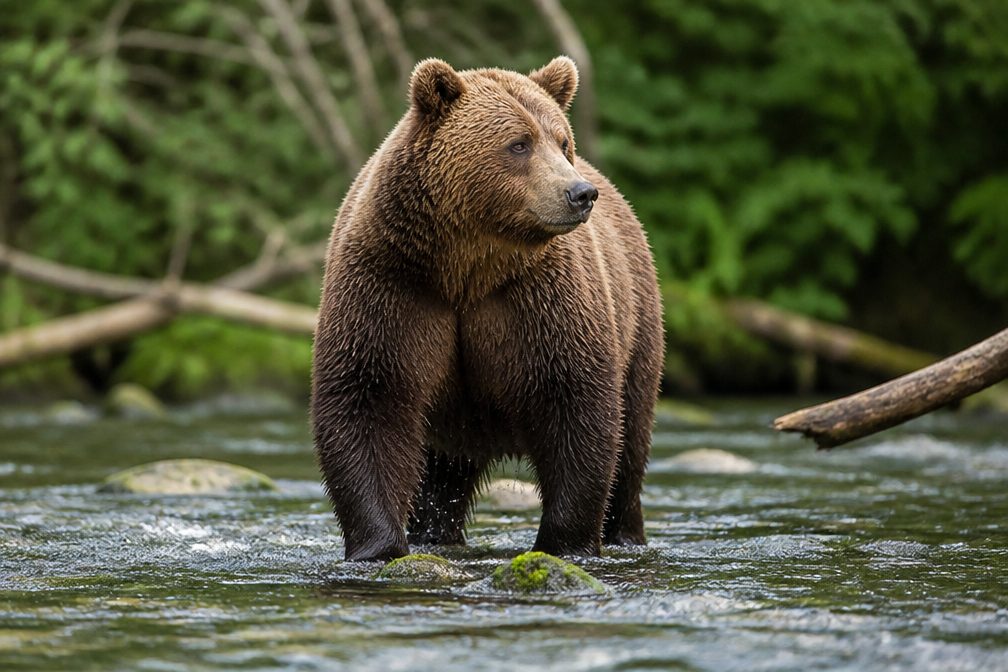
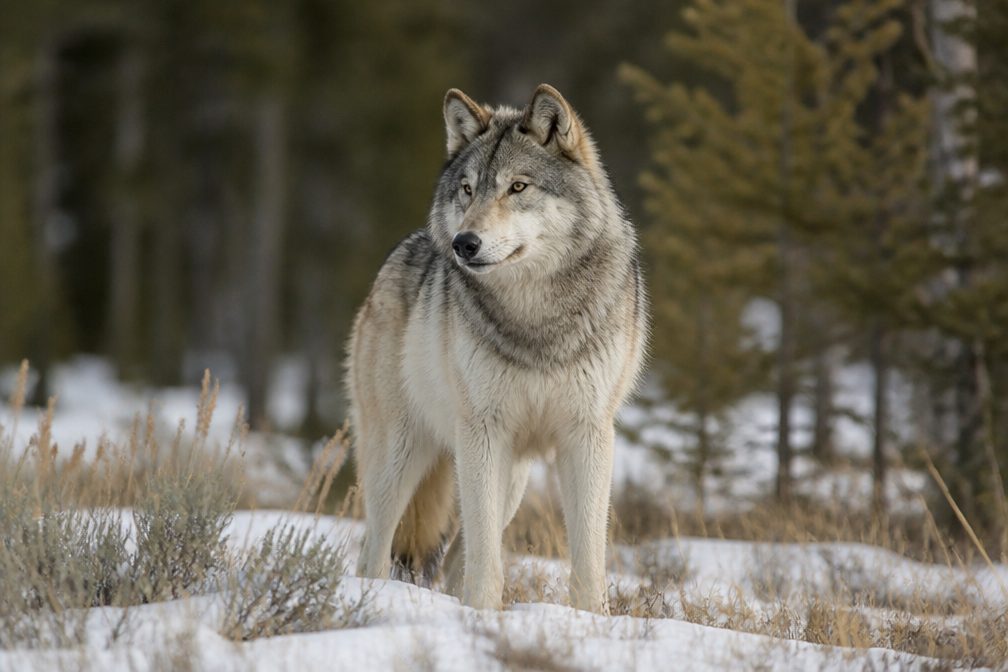
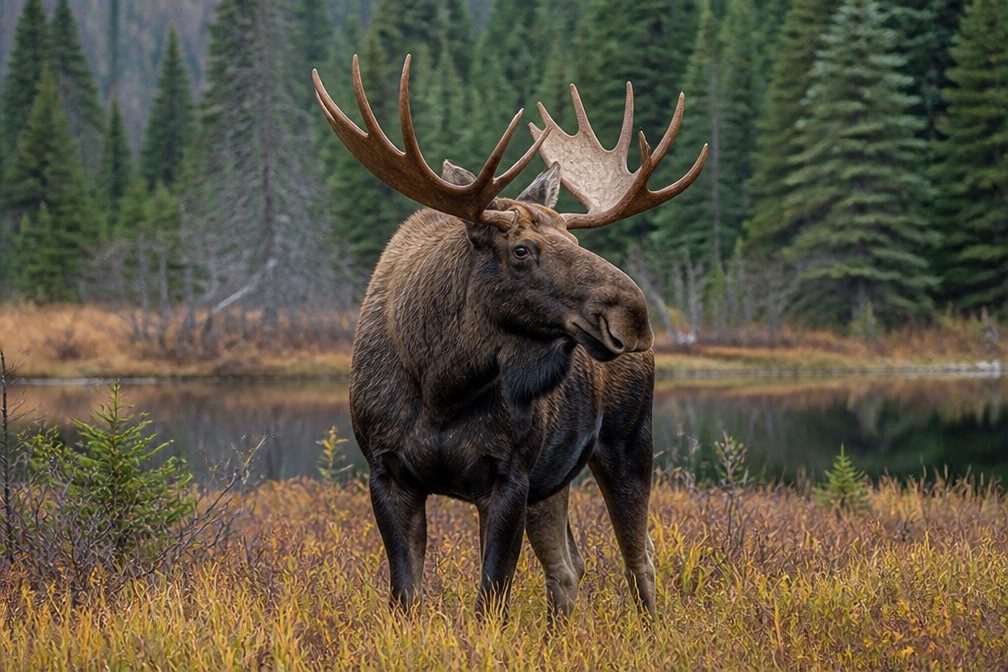
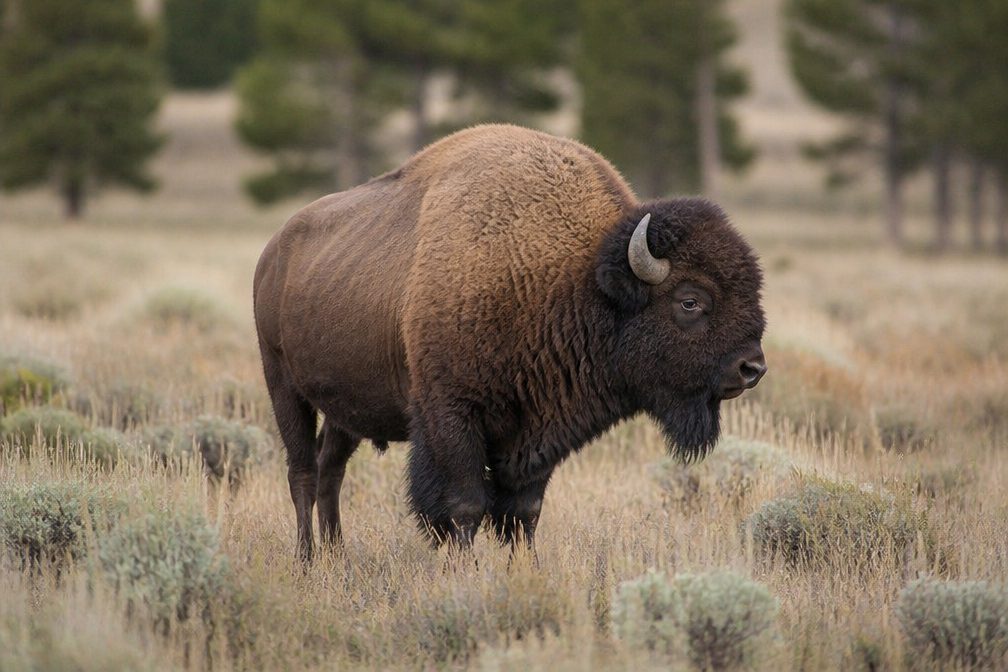
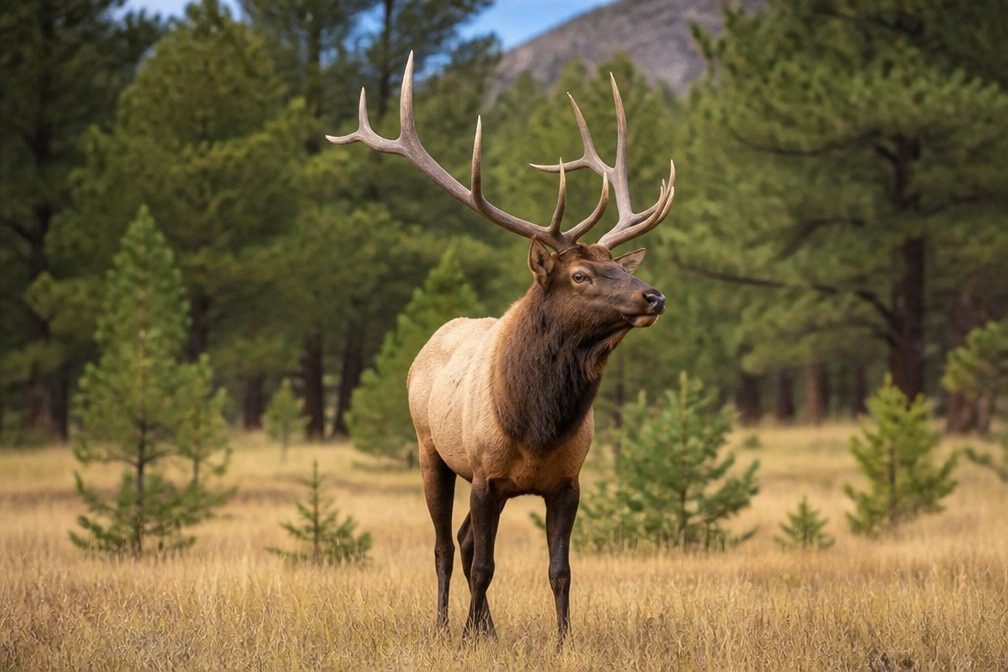
Bring binoculars to scan the willow flats and lakes below; you’re more likely to spot animals at dawn and dusk. For photos, a polarizer helps tame lake glare, and a telephoto lens lets you pick out river bends and distant peaks. Wind can be brisk up top—pack a light layer even on warm days.

Pros

  • Highest car-accessible viewpoint in the park
  • Huge panoramas of the Tetons, Jackson Lake, and the Snake River

Cons

  • Narrow, winding summit road; RVs and trailers not allowed
  • No services at the top; plan for restrooms and water beforehand

Tips

  • Catch sunrise or sunset for the best light and lighter traffic.
  • No services at the top—use base facilities and bring water and snacks.
  • RVs and trailers aren’t allowed; the summit road is narrow with tight switchbacks.
  • Early summer often brings colorful wildflowers along the drive—bring binoculars.
The Parkwolf tour guide sitting on a phone mounted in a car

Parkwolf Tour Guide

Like a tour guide in your car.

Save the places you found around Grand Teton, then let Parkwolf guide the drive between them.Download Parkwolf on the App Store