Lake Elizabeth

Misty ghost-forest lake with dawn platypus and eerie trunks
Lake Elizabeth, Great Ocean Road
InsideGreat Ocean Road

Overview

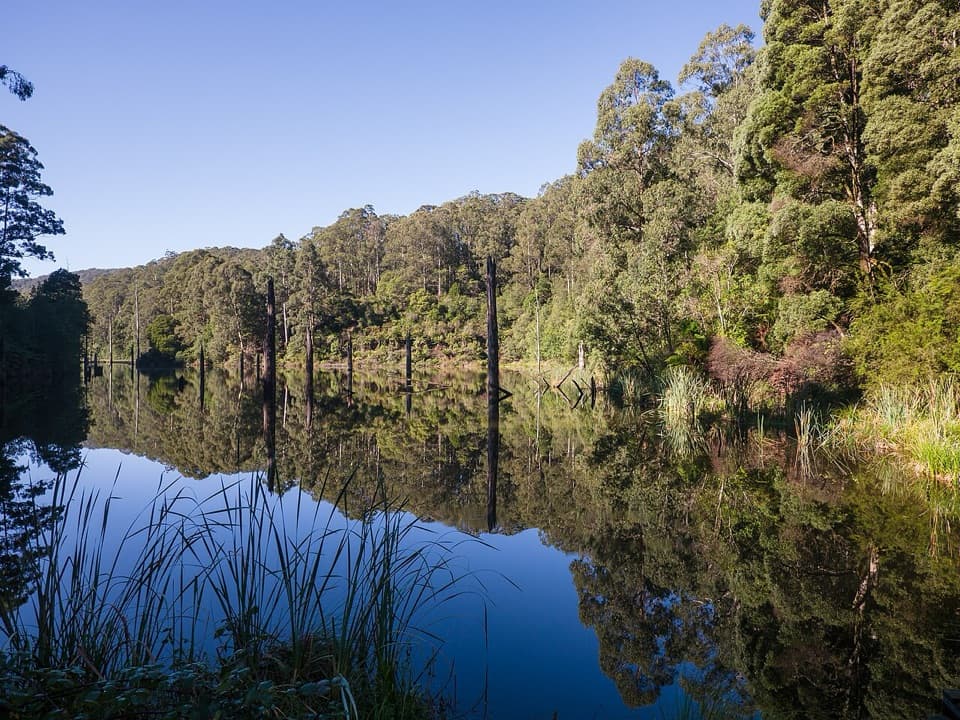
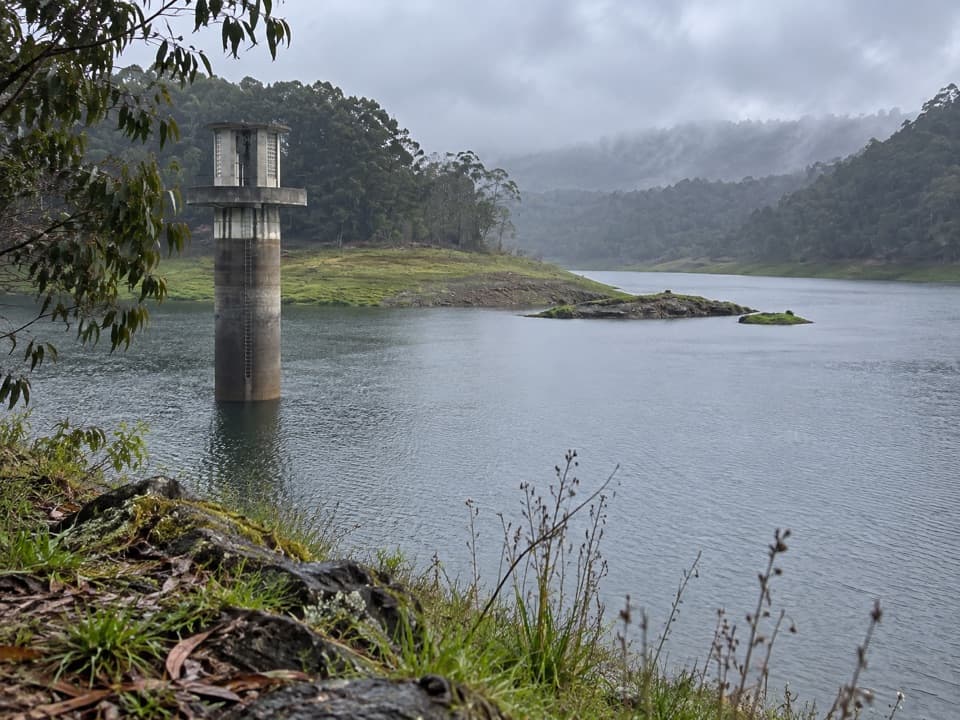
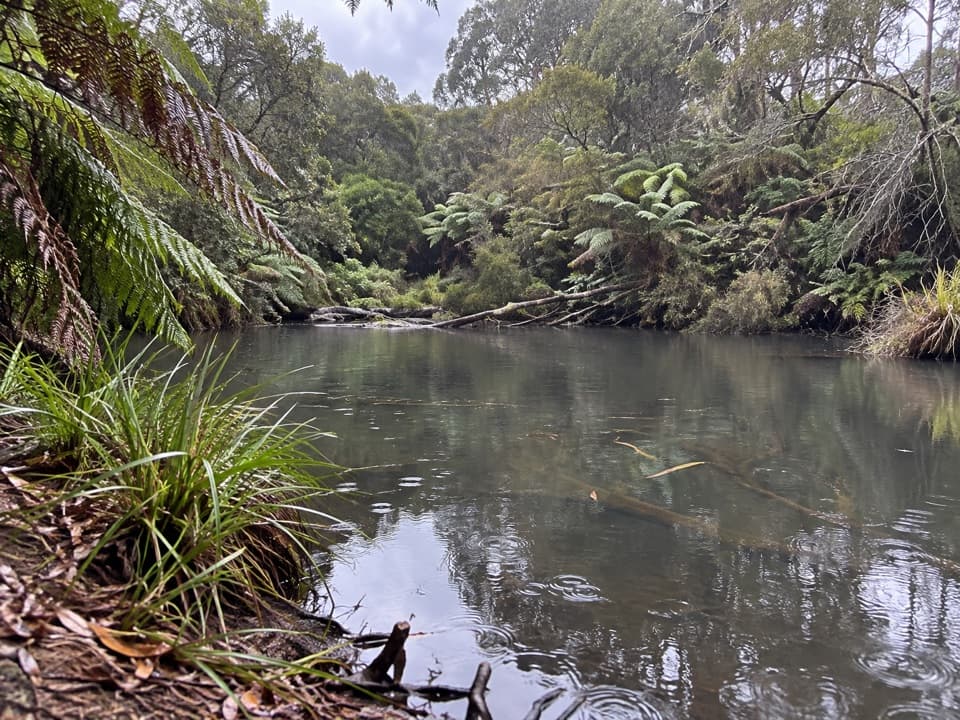
A landslide in 1952 dammed the East Barwon River and created Lake Elizabeth—a glassy, fern-fringed basin punctuated by drowned tree trunks. It feels hushed and a little eerie, a perfect foil to the surfy energy along the coast.

Why It’s Special

This is one of the region’s most reliable wild platypus spots, especially at first light and dusk. On still mornings you’ll get moody reflections and mist weaving through the “ghost forest.” After dark, seasonal glow‑worms sparkle along damp banks.

Getting There

Drive via Kaanglang Road to the signed Lake Elizabeth car park near the town of Forrest (about 2 hours from Melbourne; roughly 30 minutes from Apollo Bay). Take it slow if it’s been raining—local roads can be slick.

Trails and Time

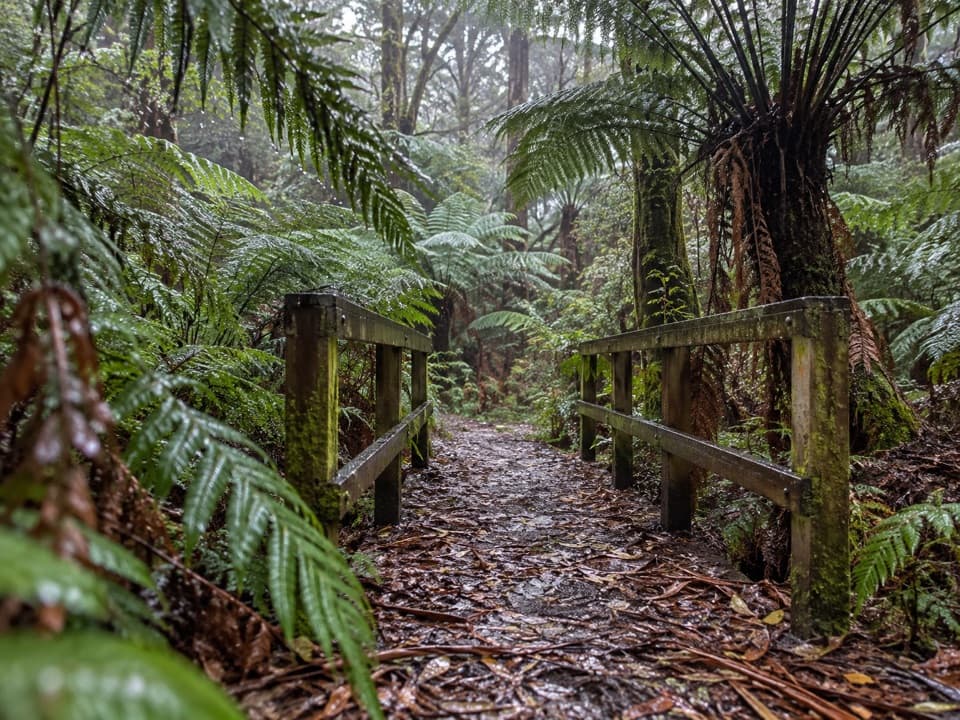
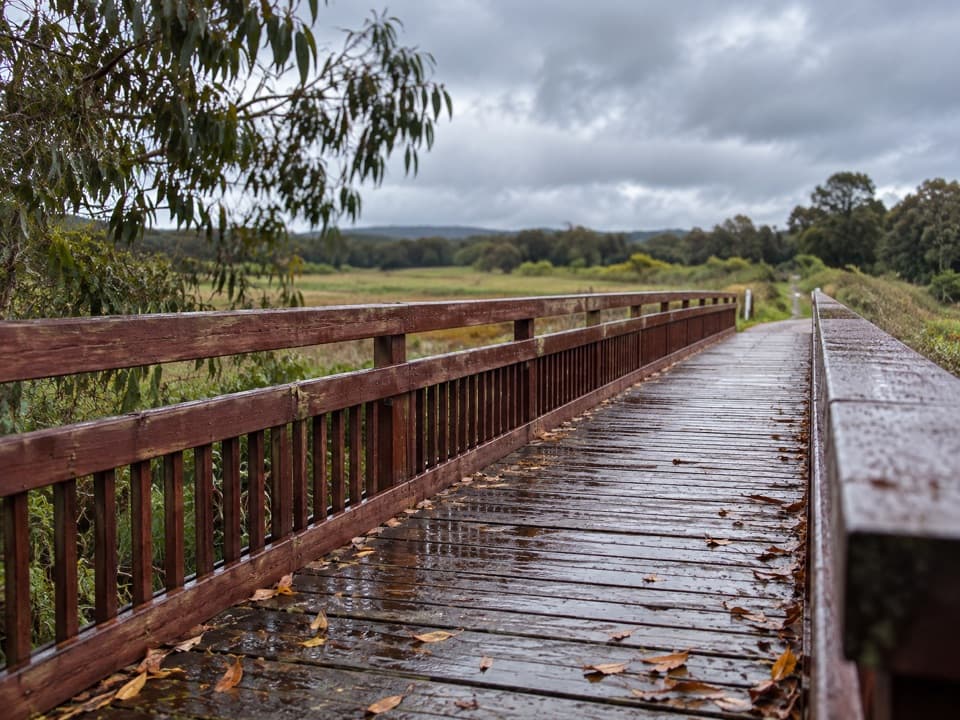
From the carpark it’s an easy 1 km stroll to the water. The Lake Elizabeth Loop/Circuit is about 2 km through ferny gullies with multiple viewpoints; allow 45–90 minutes at an easy–moderate pace. Mind kids—there’s deep water right beside parts of the track.

Wildlife: When and How to Look

  • Platypus: Arrive 30–45 minutes before sunrise or come at dusk. Stand or sit quietly and watch for V‑shaped ripples and brief surfacings.
  • Other sightings: Birdlife is lively; you may encounter echidnas and kangaroos nearby. Glow‑worms can appear after dark along moist, shaded banks.

Things To Do

  • Photography: Misty mornings and calm evenings deliver the best reflections.
  • Canoeing: Sheltered water suits gentle paddling; early sessions often target platypus viewing (check availability in Forrest).
  • Fishing: Quiet shore casting for rainbow trout; bring your own gear.
  • Picnic: There’s a small “beachy” edge near viewpoints that’s great for a simple spread.

Facilities and Rules

There’s a day‑use area with toilets near the lake; a tent‑only campground sits nearby with picnic tables and non‑potable water—bring drinking water and pack out rubbish. Dogs are permitted on‑lead on this walk. No fires, horses, bicycles, vehicles or camping on the walking track itself.

Best Time to Visit

Dawn is king for platypus and soft light; late afternoon into dusk is a strong second. Weekdays are quieter. Aim for still, overcast or lightly misty conditions for moodiest photos.

Safety & Prep

Wear sturdy shoes and carry a headlamp if starting or finishing in low light. Watch for falling limbs, snakes and European wasps in warmer months. Roads and tracks can be slippery after rain.

Planning Notes

Check Parks Victoria’s changed conditions before you go. The nearby Lake Elizabeth Campground is scheduled to be closed for upgrades from January 27 to March 31, 2026; day‑use areas and walks remain open.

Pros

  • High chance of spotting wild platypus at dawn and dusk
  • Otherworldly “ghost forest” of drowned tree trunks and mirror-calm water
  • Short, easy walk from the carpark to lake viewpoints

Cons

  • Best wildlife viewing requires very early or late visits
  • Some steep/uneven sections with deep water beside the track
  • Roads can be slippery after rain

Tips

  • Arrive 30–45 minutes before sunrise and wait quietly for platypus.
  • Bring a headlamp for pre‑dawn starts or glow‑worm viewing after dark.
  • Move slowly and scan for V‑shaped ripples rather than the animal itself.
  • Pack insect repellent and your own drinking water.
  • After rain, drive and walk with caution—surfaces get slick.
The Parkwolf tour guide sitting on a phone mounted in a car

Parkwolf Tour Guide

Like a tour guide in your car.

Save the places you found around Great Ocean Road, then let Parkwolf guide the drive between them.Download Parkwolf on the App Store