Lake Elizabeth Campground

Walk-in, tent-only bush camp near a platypus-haunted lake
Lake Elizabeth Campground, Great Ocean Road
InsideGreat Ocean Road

Overview

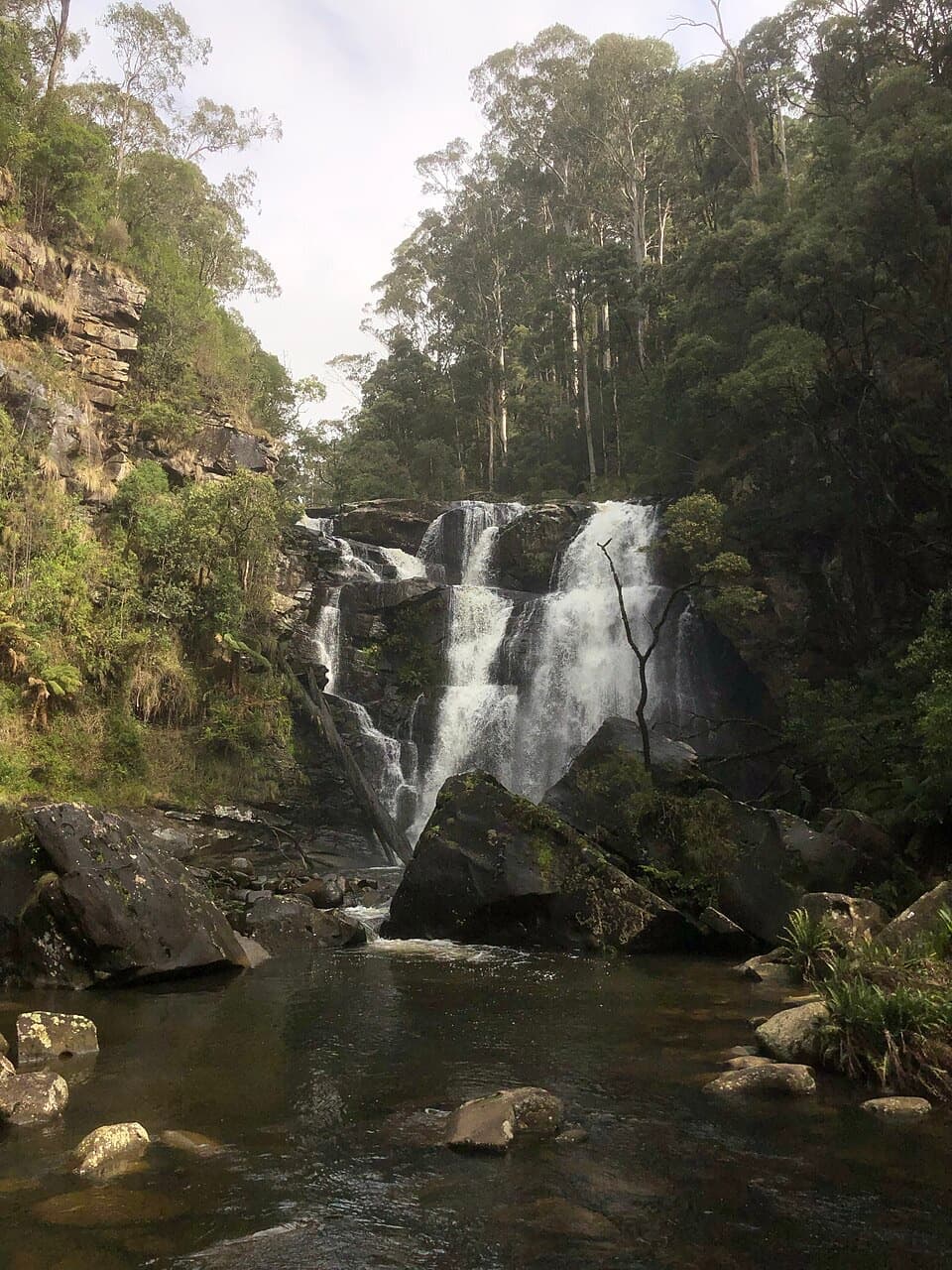
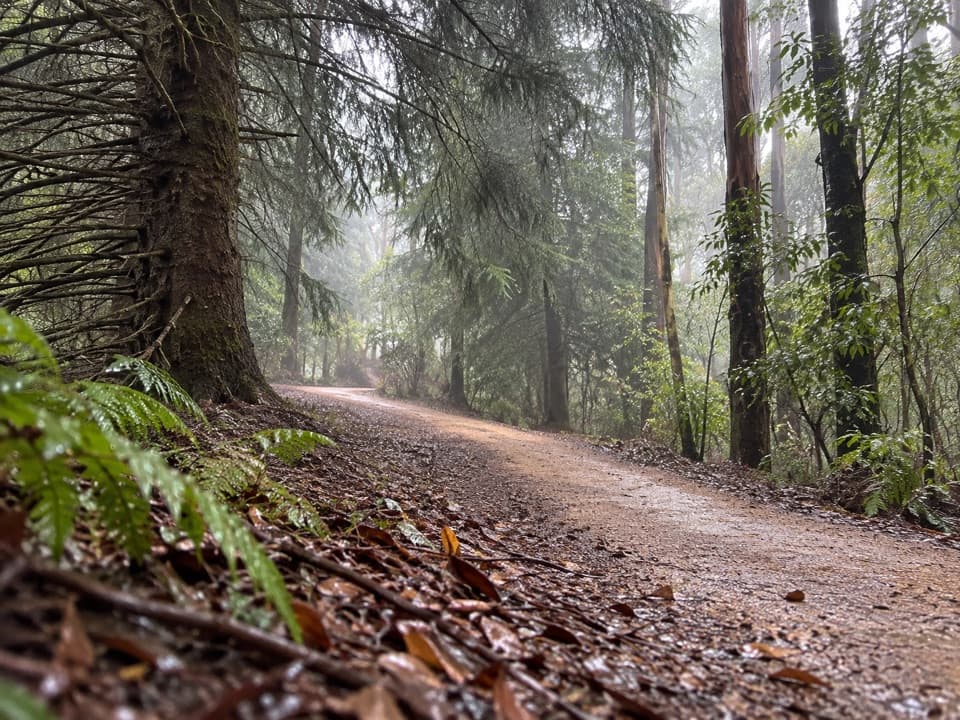
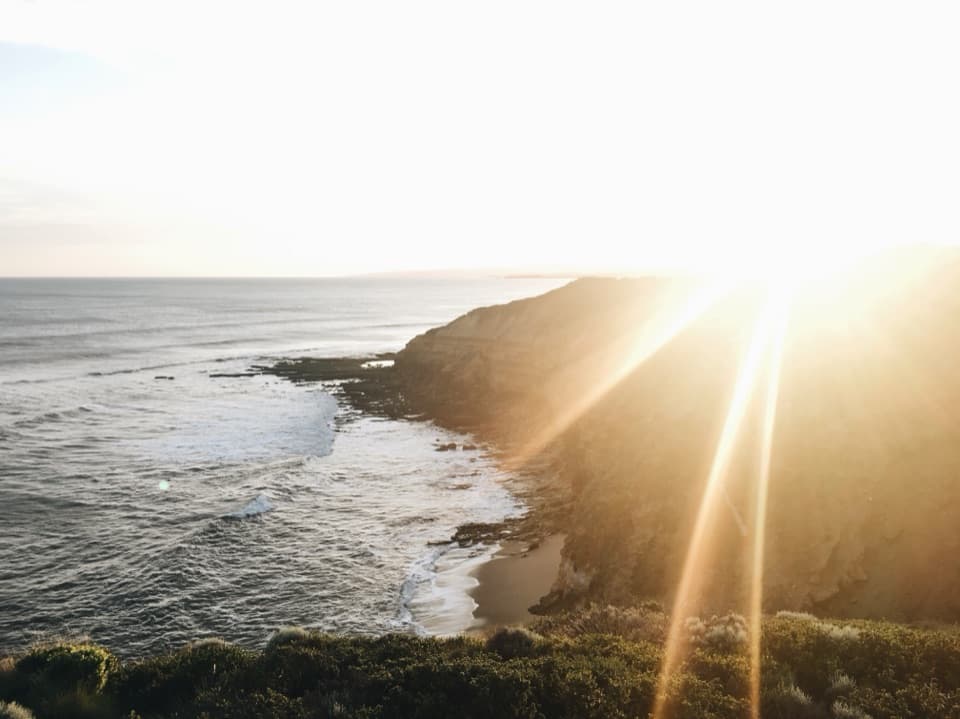
Tucked into tall eucalypt forest beside the East Barwon River, Lake Elizabeth Campground is the quiet, back-to-basics base you come to for birdsong and starry nights. It’s about 10 minutes from Forrest and roughly two hours from Melbourne, with poor mobile reception that helps the place feel properly off‑grid. Dogs are allowed on‑lead.

Camp Setup & Facilities

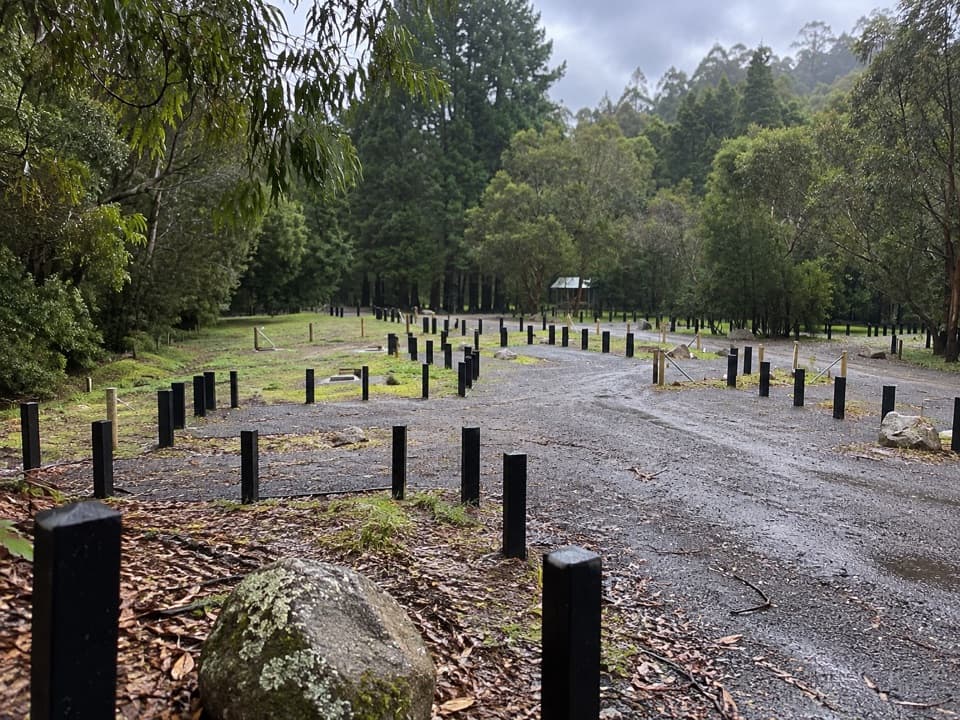
There are 20 unpowered, tent‑only sites (up to six people per site). You can’t park at your tent: use the 15‑minute unloading bay, then leave your car in the separate car park a short two‑minute walk away. Facilities are simple—non‑flush toilets, shared fireplaces, and picnic tables. Bring all your own drinking water. Bookings are required, and camping fees are currently half‑price for a two‑year period starting July 1, 2025.

Why Camp Here

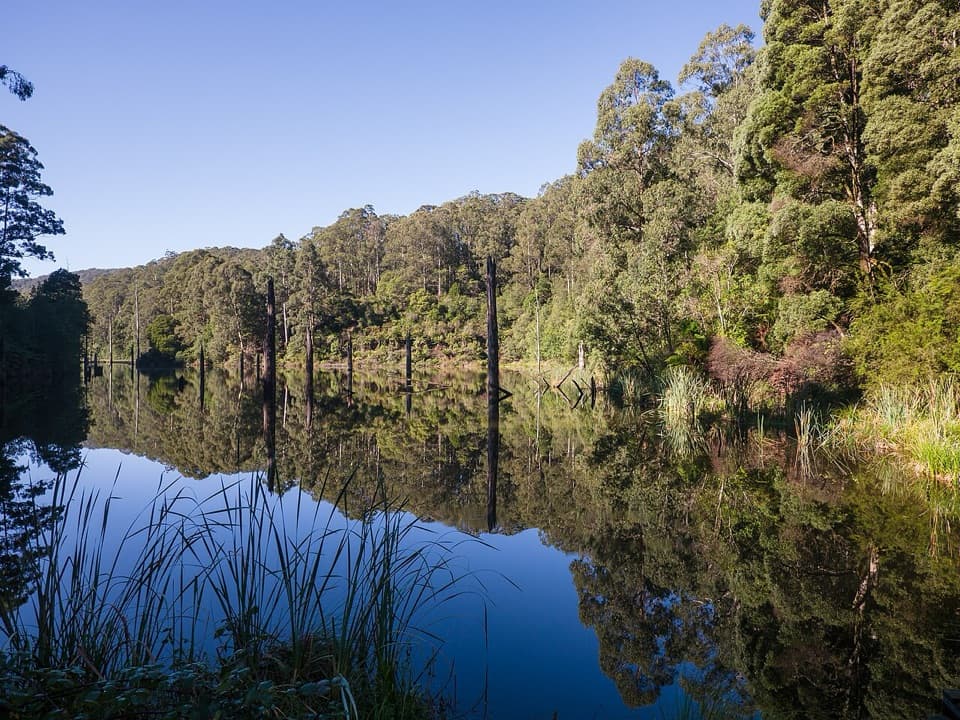
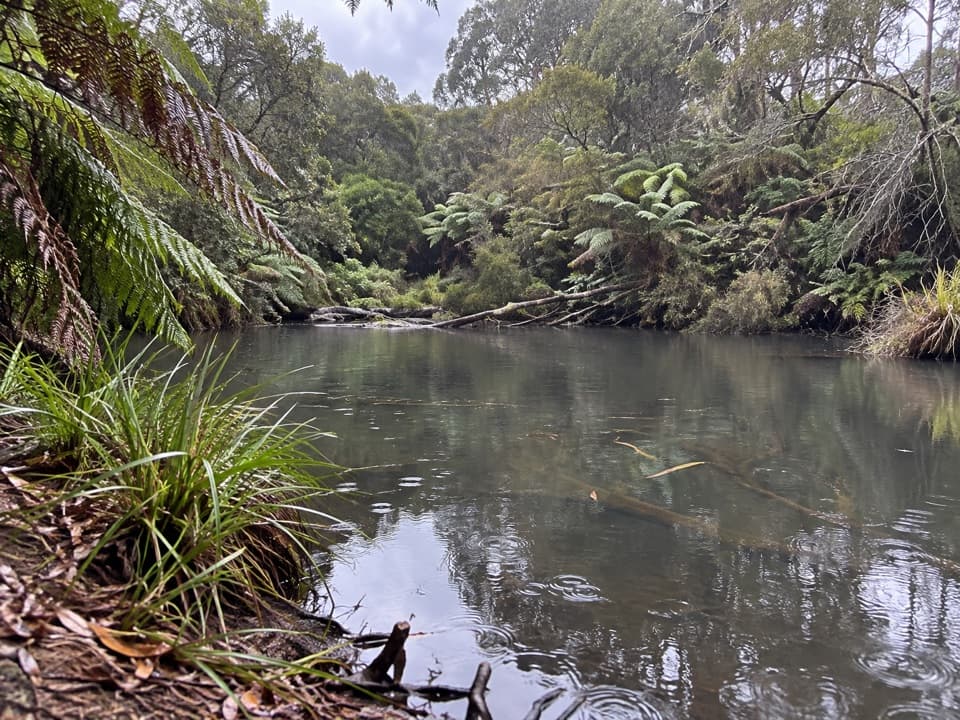
Lake Elizabeth is just 1 km from camp, a moody, photogenic lake with drowned tree trunks and a good reputation for wildlife. At dusk and dawn, you’ve got a shot at seeing platypus on the still water; after dark, glowworms may sparkle along the track. Birdlife is rich—expect regular encounters with species like Satin Bowerbirds, Superb Fairy‑wrens and Eastern Yellow Robins.

Walks, Riding & More

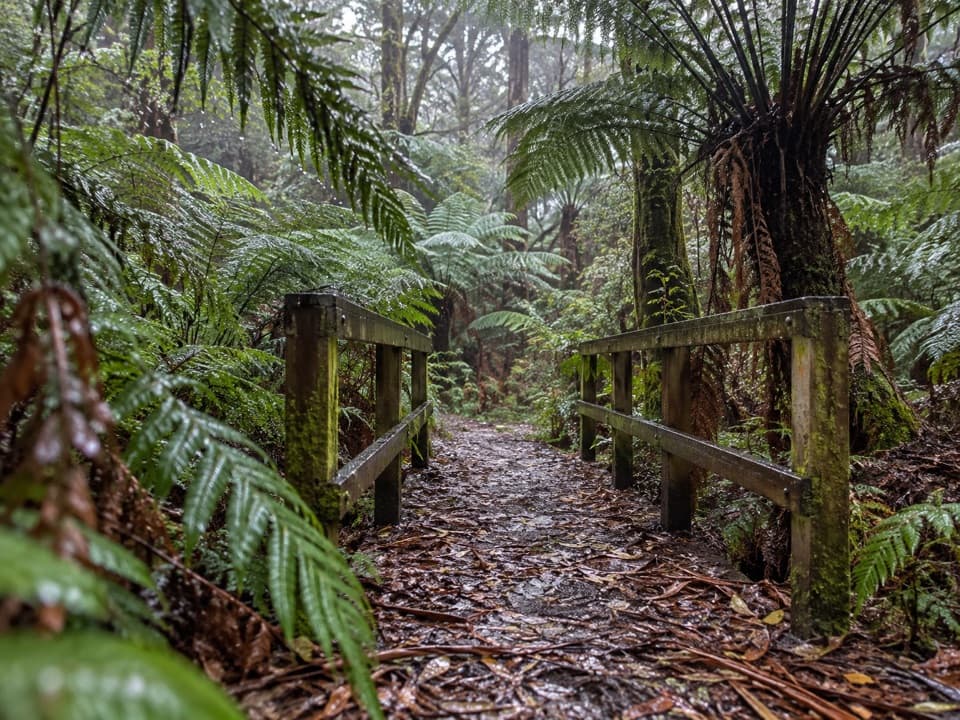
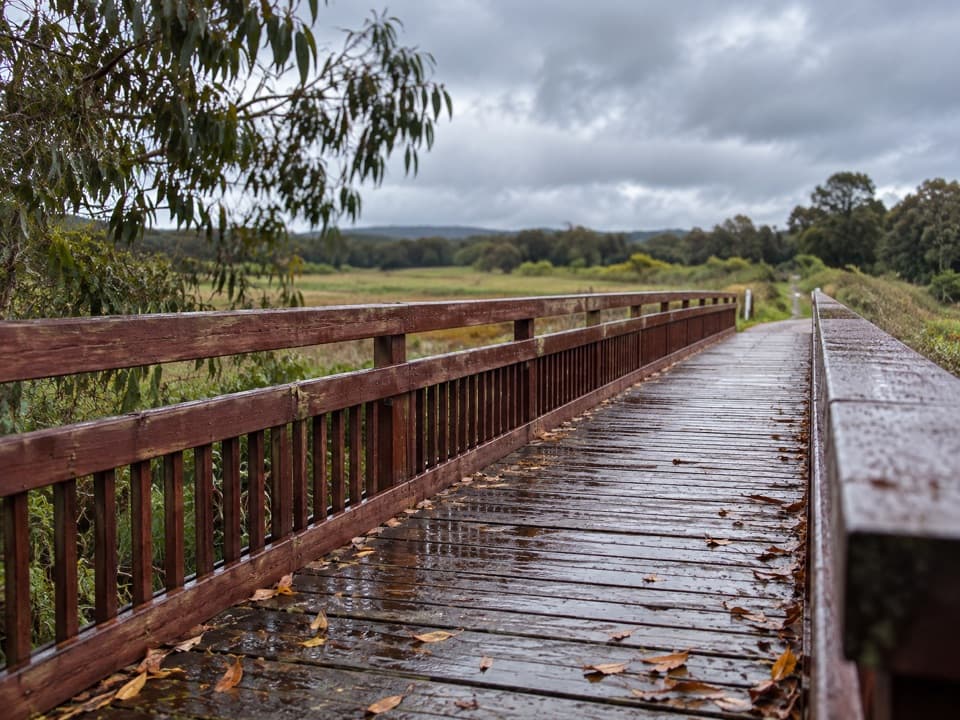
The Lake Elizabeth Loop is commonly described as an easy‑to‑moderate 4–5 km circuit taking around 1.5–2 hours from the car park/camp. The track can be muddy after rain and includes a few short, steep pinches. Beyond walking, people come here to paddle on the lake, birdwatch, and link a stay with mountain biking out of nearby Forrest.

Geology Snapshot

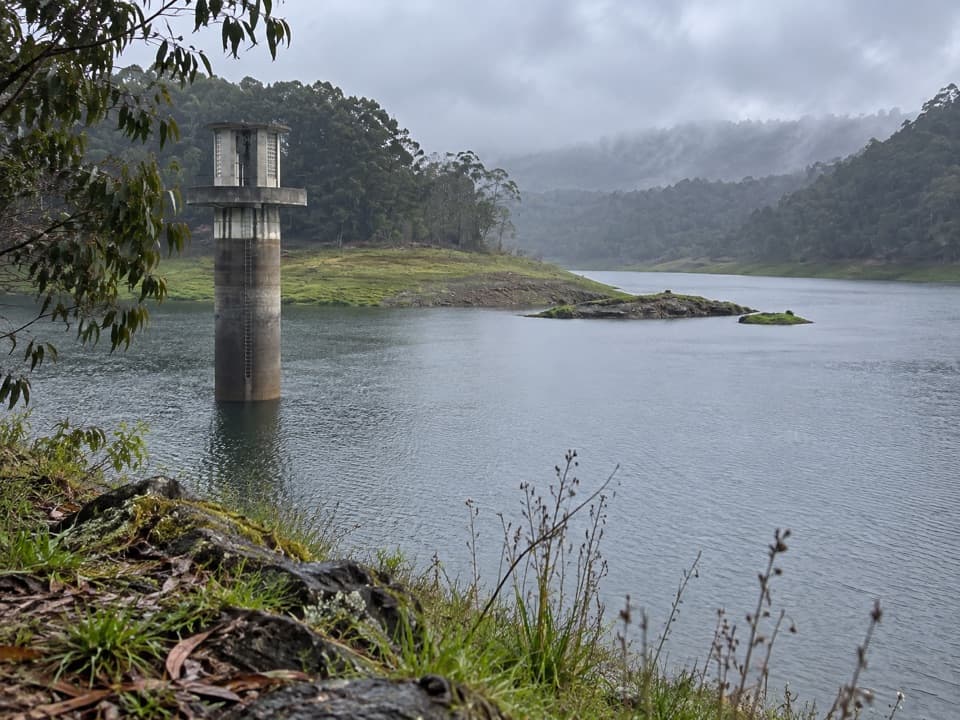
Lake Elizabeth is relatively young. A 1952 landslide dammed the river to form the original, much larger lake; a partial breach in 1953 lowered the water level to today’s size, leaving the eerie, upright tree trunks you see poking from the water.

Safety & Practicalities

This is a bushfire‑prone area—check conditions and fire danger ratings. Use fireplaces provided; campfires are banned on Total Fire Ban days (gas cookers are allowed). Take care around the river and lake edges. Snakes are common—keep dogs leashed and watch where you step. The access road is unsealed and can be bumpy on busy or wet days; arrive early if you want the smoothest run and easier parking/unloading.

Best Time to Visit

  • Dawn and dusk for the best platypus odds.
  • After dark for glowworms on the track near the lake (use a dim light and avoid shining directly on them).
  • Weekdays are quieter; tracks can be muddy after rain, which adds ambience but slows the loop.

Closures & Upgrades

Parks Victoria plans an upgrade closure from January 27 to March 31, 2026. During that period the campground and its associated car park will be closed, but day‑use areas and the lake walk are set to remain open. Upgrades include a new toilet, shelter, improved car parking and paths, new signage, and more picnic tables and wood‑fired barbecues.

Pros

  • Peaceful walk-in, tent-only sites beneath towering eucalypts
  • Lake Elizabeth is a short 1 km stroll with chances to spot platypus
  • Shared fireplaces and picnic tables for easy camp cooking

Cons

  • No vehicle access to sites; short carry from the car park
  • No drinking water on site
  • Mobile reception is poor

Tips

  • Bring all your drinking water; there’s none available on site.
  • Pack light and use the 15‑minute unloading bay, as cars can’t stay at sites.
  • Be on the lake at dawn or dusk for the best platypus chance.
  • Carry a headlamp for the walk back and use a dim beam to glimpse glowworms.
  • Check fire danger ratings and Total Fire Ban status before lighting a fire.
The Parkwolf tour guide sitting on a phone mounted in a car

Parkwolf Tour Guide

Like a tour guide in your car.

Save the places you found around Great Ocean Road, then let Parkwolf guide the drive between them.Download Parkwolf on the App Store