Johanna Beach

Wild Southern Ocean beach with powerful surf and a quiet campground
Johanna Beach, Great Otway National Park
InsideGreat Otway National Park

Overview

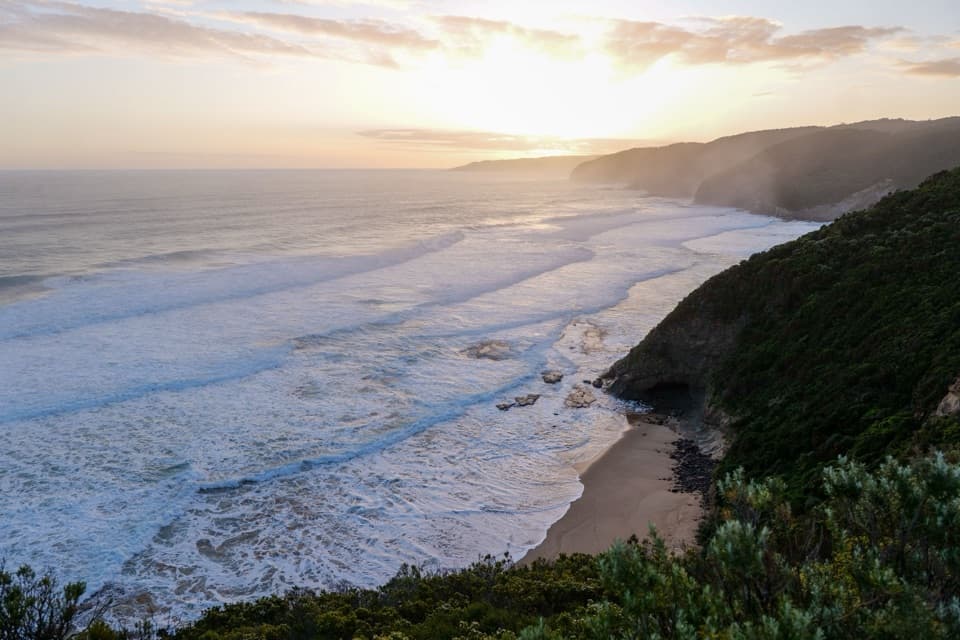
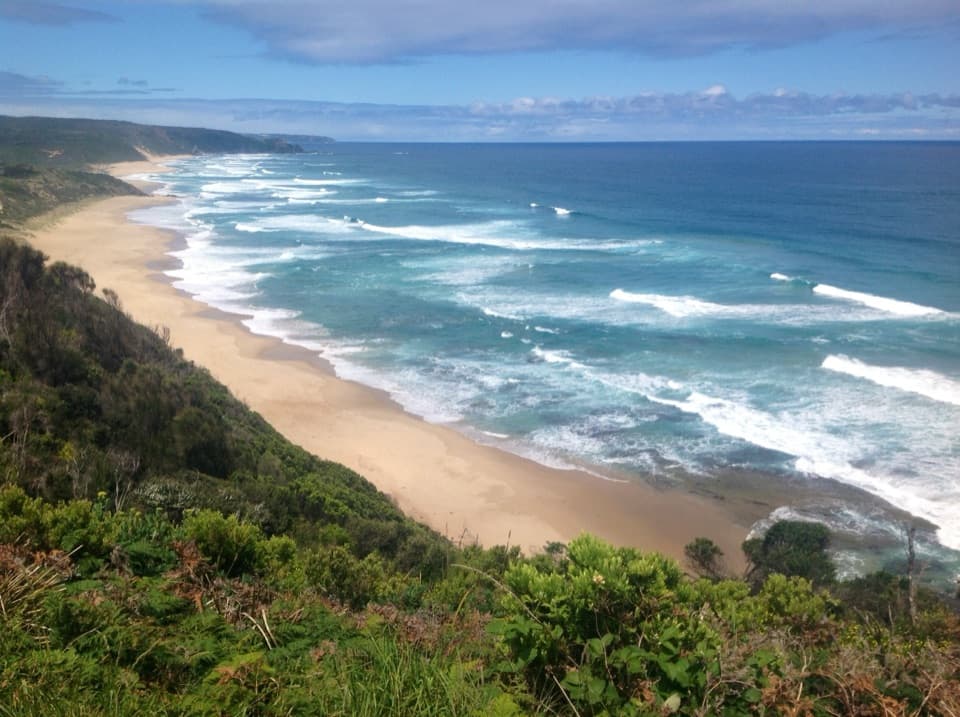
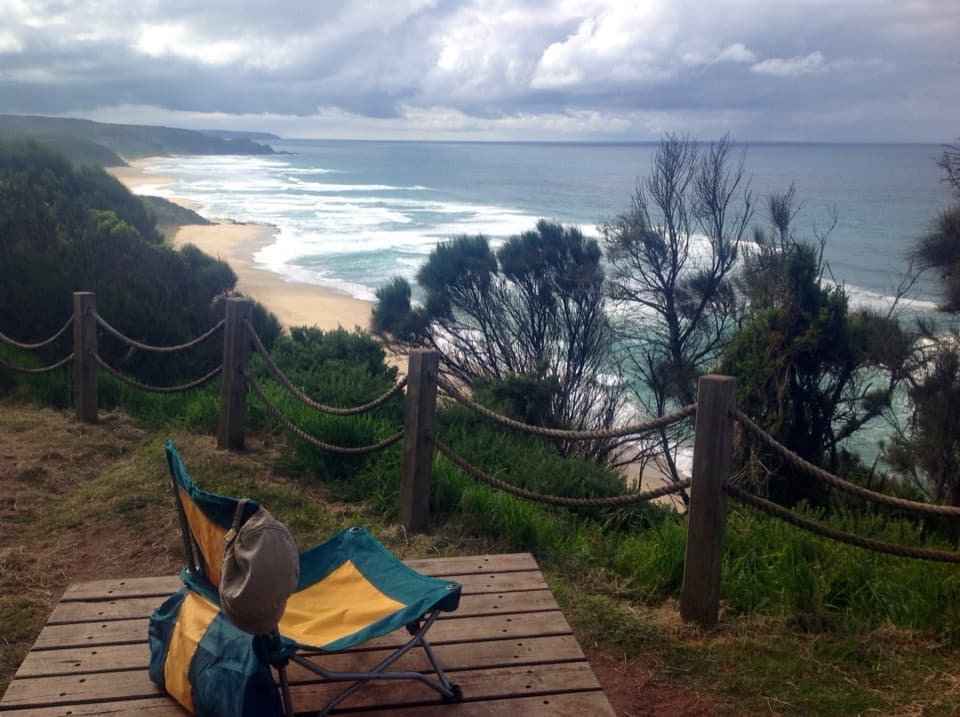
Johanna Beach is the Otways at full volume: a sweeping Southern Ocean shoreline, booming surf, and that delicious sense of being far from the crowds. It’s a favorite with experienced surfers and a dramatic waypoint for the Great Ocean Walk, but casual swimming isn’t the play here—the rips are serious and conditions change fast.

What You’ll See

Expect big skies, a broad arc of sand, and rugged headlands. On a calm day you might spot dolphins, and in season you can scan for passing whales from the beach. Birders keep your ears out for coastal specialists, and the broader park supports species like rufous bristlebird and pink robin. Inland and at dusk, it’s not uncommon to encounter native mammals such as echidnas and long‑nosed bandicoots—look, don’t touch.

Facilities & Logistics

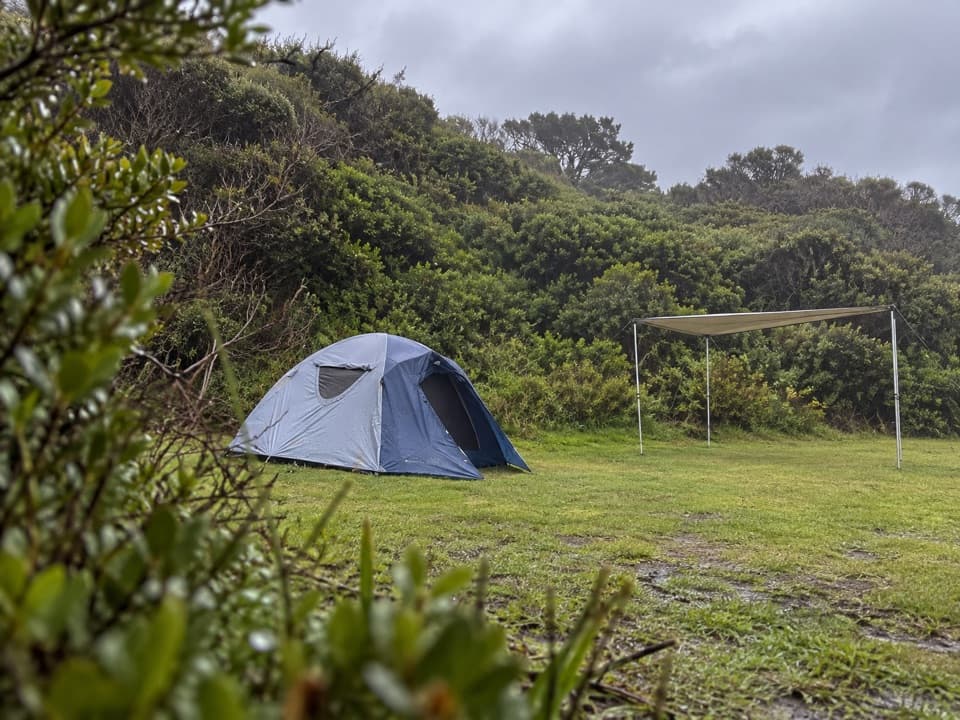
There’s a signed day‑visitor area with beach access and parking, plus a simple campground tucked just behind the dunes with toilets. Bring all your own drinking water and take your rubbish out—there are no services here. Solid‑fuel fires and generators aren’t permitted. Dogs are not allowed in the Johanna Beach Day Visitor Area. Shops are a drive away (think Lavers Hill for basics; medical services are in Apollo Bay or Colac), and phone reception can be patchy.

Safety First

Treat this as a look, walk, fish, or expert‑surf beach—not a swim beach. The surf is unpatrolled with strong currents, rough waves, and submerged obstacles. Cliffs and rocks can be slippery, and some coastal sections are pinched by the sea; check tides and know your exit points so you don’t get cut off. Always check Parks Victoria’s current advice for hazards and any closures before you go.

Activities

  • Walking: Sections of the Great Ocean Walk traverse this coast, delivering big‑view beach strolling and dune‑to‑headland variety.
  • Surfing: For skilled surfers only; conditions are exposed and powerful.
  • Fishing: Beach fishing is popular when the swell and winds cooperate.

Wildlife Etiquette

All native wildlife here is protected. If you come across an injured animal, don’t handle it—report it to Parks Victoria so trained carers can respond.

Best Time to Visit

Year‑round is fair game, but come prepared: the Otways are famously wet and windy (roughly 1,900+ mm of annual rain and lots of rainy days). For photography and solitude, aim for sunrise or late afternoon golden light. Weekends and holidays can see a bump in day‑use traffic—arrive early if you want an easy park and emptier sands. Winter brings moody storm energy; summer still throws showers, so pack layers and a rain shell.

Pros

  • Wild, open-coast scenery with long, empty sands
  • Simple campground with toilets right behind the dunes
  • Good shore-fishing when conditions allow

Cons

  • Powerful, unpatrolled surf with strong rips—poor for swimming
  • Remote feel with limited mobile reception

Tips

  • Skip swimming—use this for walking, photography, fishing, or expert surfing.
  • Bring all your drinking water and pack out every scrap of rubbish.
  • Check tides and know your exit points so you’re not trapped by headlands.
  • Arrive early on summer weekends and holidays; day‑use parking is limited.
  • If you find injured wildlife, don’t handle it—report it to Parks Victoria.
The Parkwolf tour guide sitting on a phone mounted in a car

Parkwolf Tour Guide

Like a tour guide in your car.

Save the places you found around Great Otway, then let Parkwolf guide the drive between them.Download Parkwolf on the App Store