Place · 0 mi away

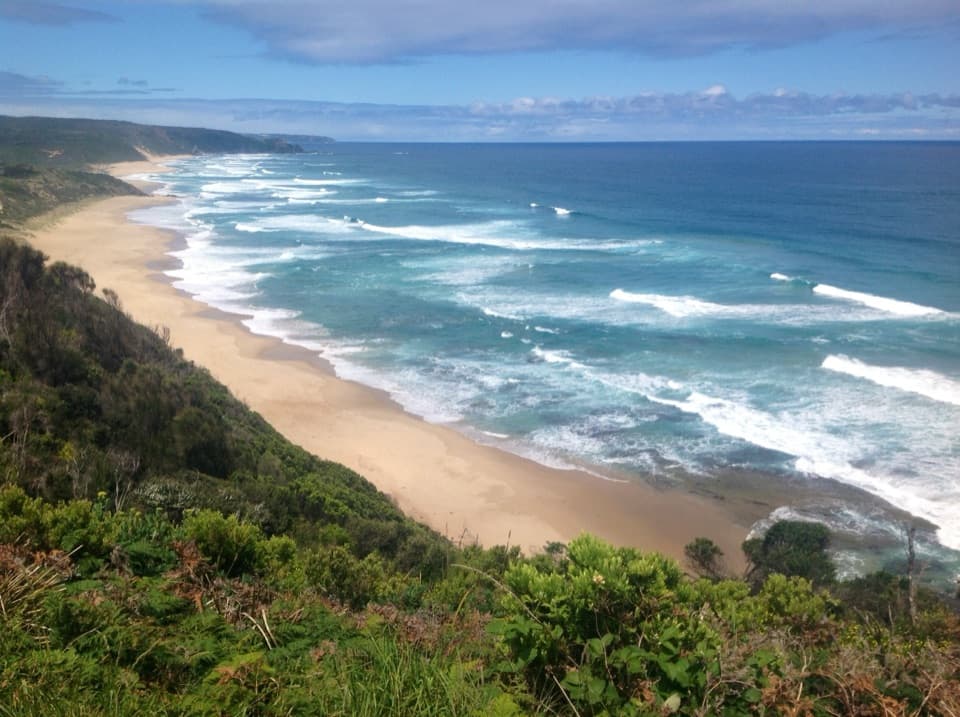
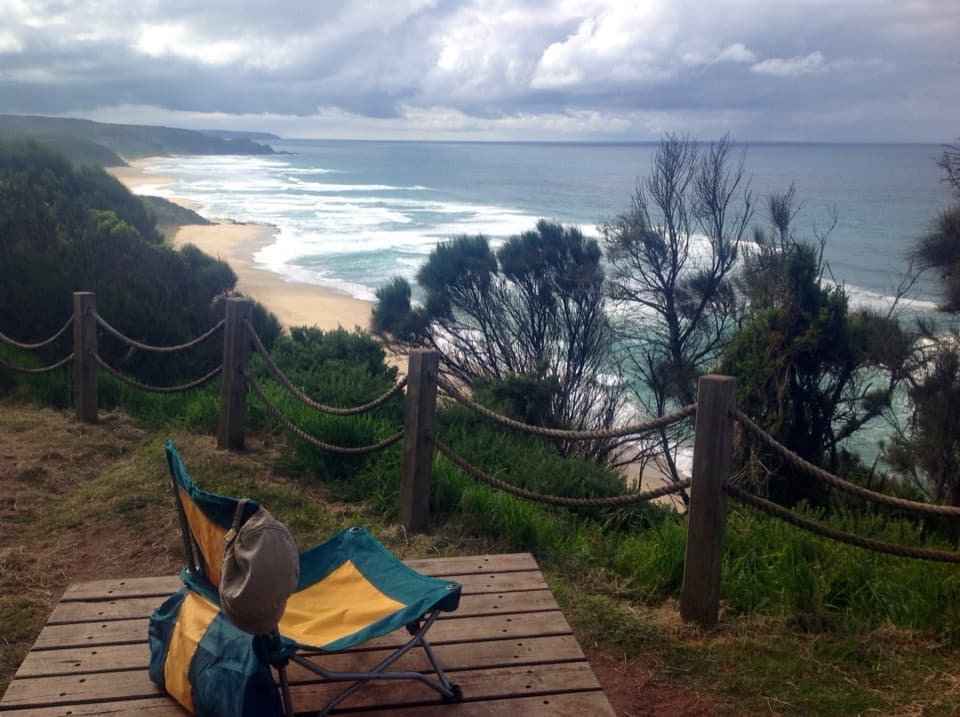
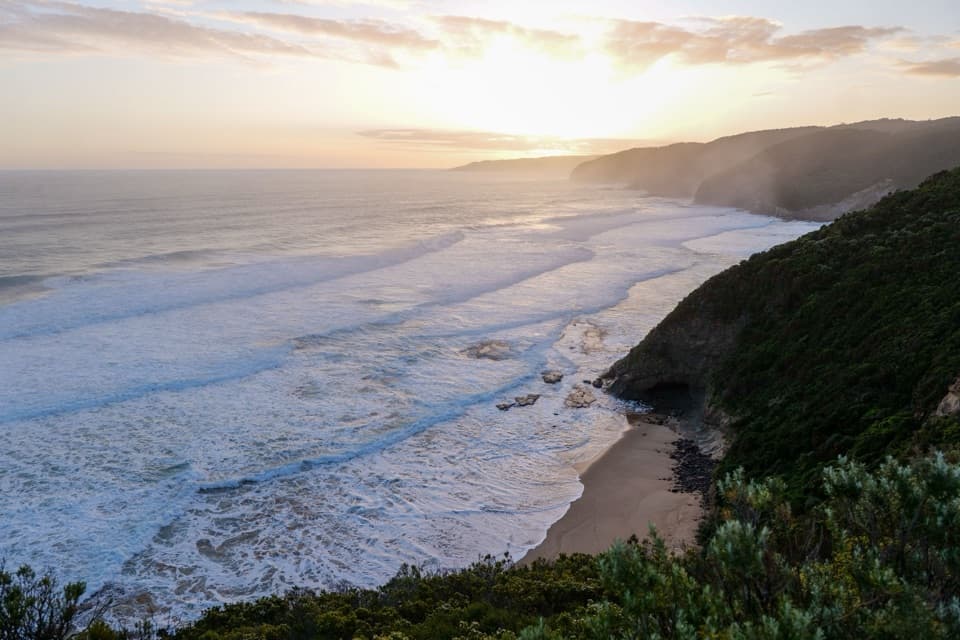
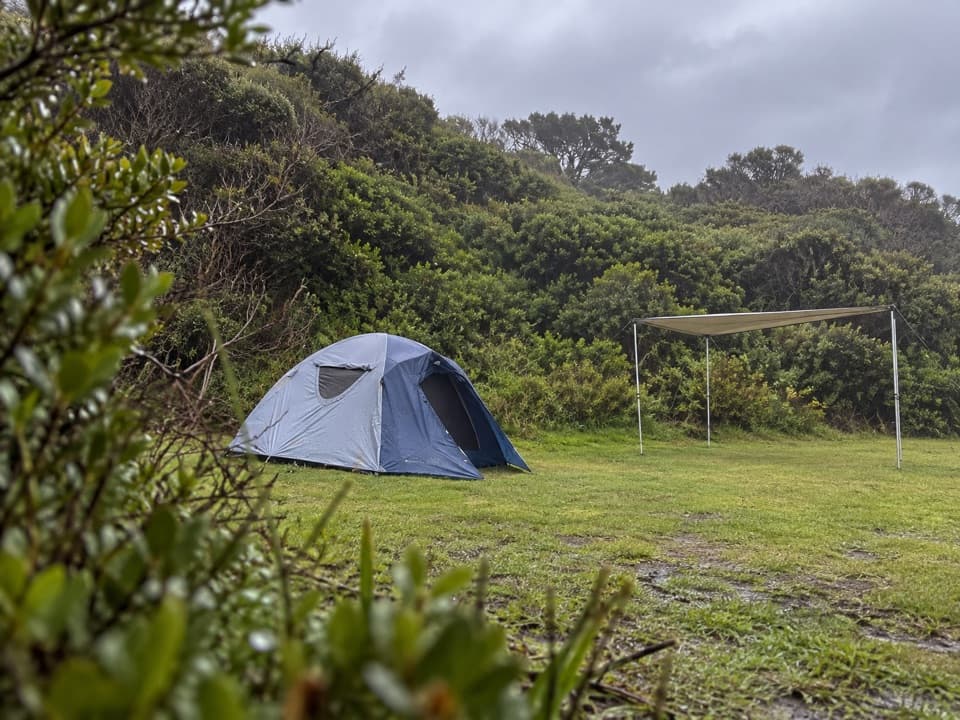
A classic coastal bush camp tucked behind the dunes, Johanna Beach Campground trades frills for space, sea air and surf. It sits beside a 3.6 km beach with big, beautiful swell—glorious for sunsets and surf watching, less ideal for casual swimming. Expect open grassy sites, ocean roar at night, and the feeling you’re properly out on the Shipwreck Coast.
Reach the campground via Red Johanna Road (or Blue Johanna Road). The last stretch is unsealed and can be potholed, but 2WD vehicles, camper trailers and caravans regularly make it in. Sites are drive‑in on grass; some are sloped and catch the wind, so take a spin before you commit. It’s a short stroll over the dunes to the beach.
Johanna is famous for its powerful, consistent SW swell, rips spaced along the beach, and quality surf breaks—great for experienced surfers, not a swimming beach for most visitors. It even hosted the Surfing World Championships back in 1970. If you want an easier swim, pick a more sheltered or patrolled spot elsewhere along the coast. Anglers target Australian salmon and gummy shark from the sand.
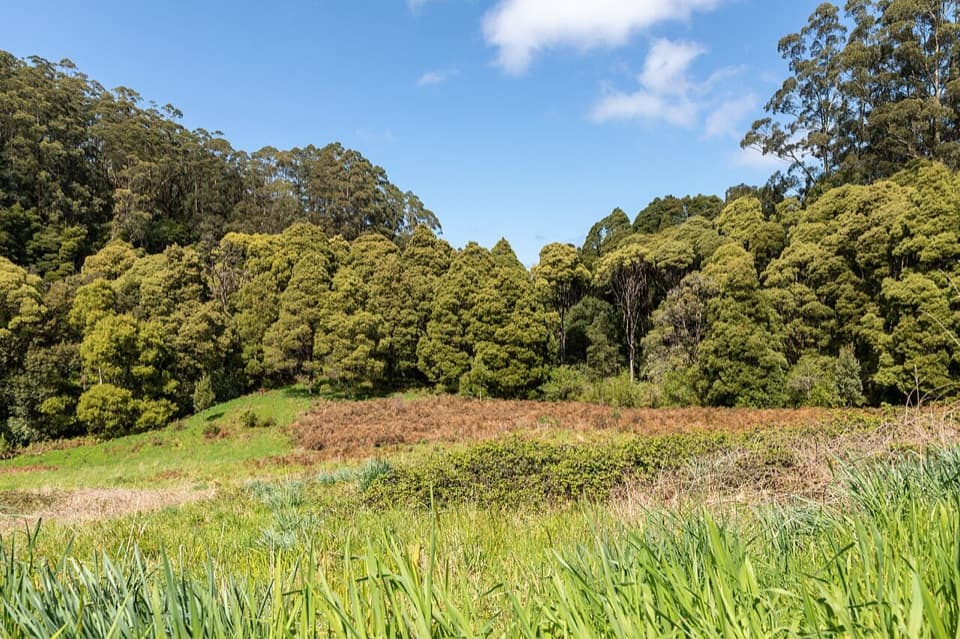
You’re in prime Otways country: coastal heath and eucalypts attract wrens and other birdlife, and snakes are possible on warm days. From July to September, keep an eye on the horizon—whales sometimes cruise past offshore.
Summer brings the crowds and stronger afternoon sea breezes; arrive earlier in the day for your pick of sites and softer light on the water. Winter is quieter and dramatic (pack for wind and rain), and it aligns with whale season. Golden hour is gorgeous for photos; mornings are calmer for walks on the sand.
You’re well placed for Great Ocean Road highlights, with the Twelve Apostles/Port Campbell under an hour away. If you need showers or more amenities, nearby options like Princetown Recreation & Camping Reserve or Marengo Holiday Park offer them. The Great Ocean Walk passes through the area, and there’s also the separate Johanna Beach GOW campsite for walkers.
Fees apply. Check Parks Victoria for bookings, changed conditions, planned burns and seasonal closures. Mobile reception can be weak/intermittent. Follow the usual coastal safety basics: watch the surf, give wildlife space, and stick clear of unstable cliffs.