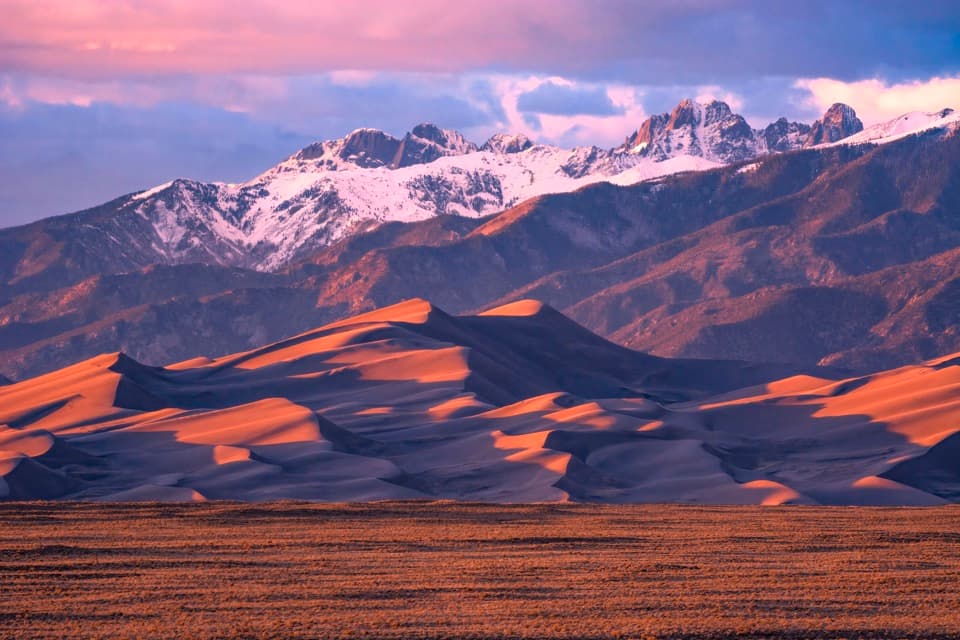
Indian Grove in Great Sand Dunes National Park

#10 of 17 sights in Great Sand Dunes

Sight · Great Sand Dunes National Park

Indian Grove

Generations of bark harvesting left their mark on this living pine grove.

Photo: Wikimedia Commons
Type
Sight
Nearest trail
2.2 mi
Audio stories
4 nearby
  • Restrooms

Hear the audio tour

Point of No Return and Sand Pit Trail

Overview

About Indian Grove

Why stop

  • Seventy-two scarred pines make the cultural history visible in a living forest.

Heads up

  • Reaching it takes a moderate 4.1-mile backcountry walk from Horse Parking Lot.

Map

Where it is

Loading the Great Sand Dunes map
Full map
SightIndian Grove37.78967, -105.50951
Keep this map with you offline in the Parkwolf app

Plan your stop

Before you go

2 active Great Sand Dunes alerts

  • CautionSwift, deep water on Medano Pass Primitive RoadMentions Medano Pass Primitive Road, referenced in this guideMedano Pass Primitive Road is open, but heavy rain has created swift water up to 3 feet deep, especially at creek crossings 3, 4, and 5.Official details
  • CautionStage 1 fire restrictionsStage 1 fire restrictions are active throughout Great Sand Dunes; use fires only in designated steel fire rings or picnic-site barbecues.Official details
Great Sand Dunes alerts
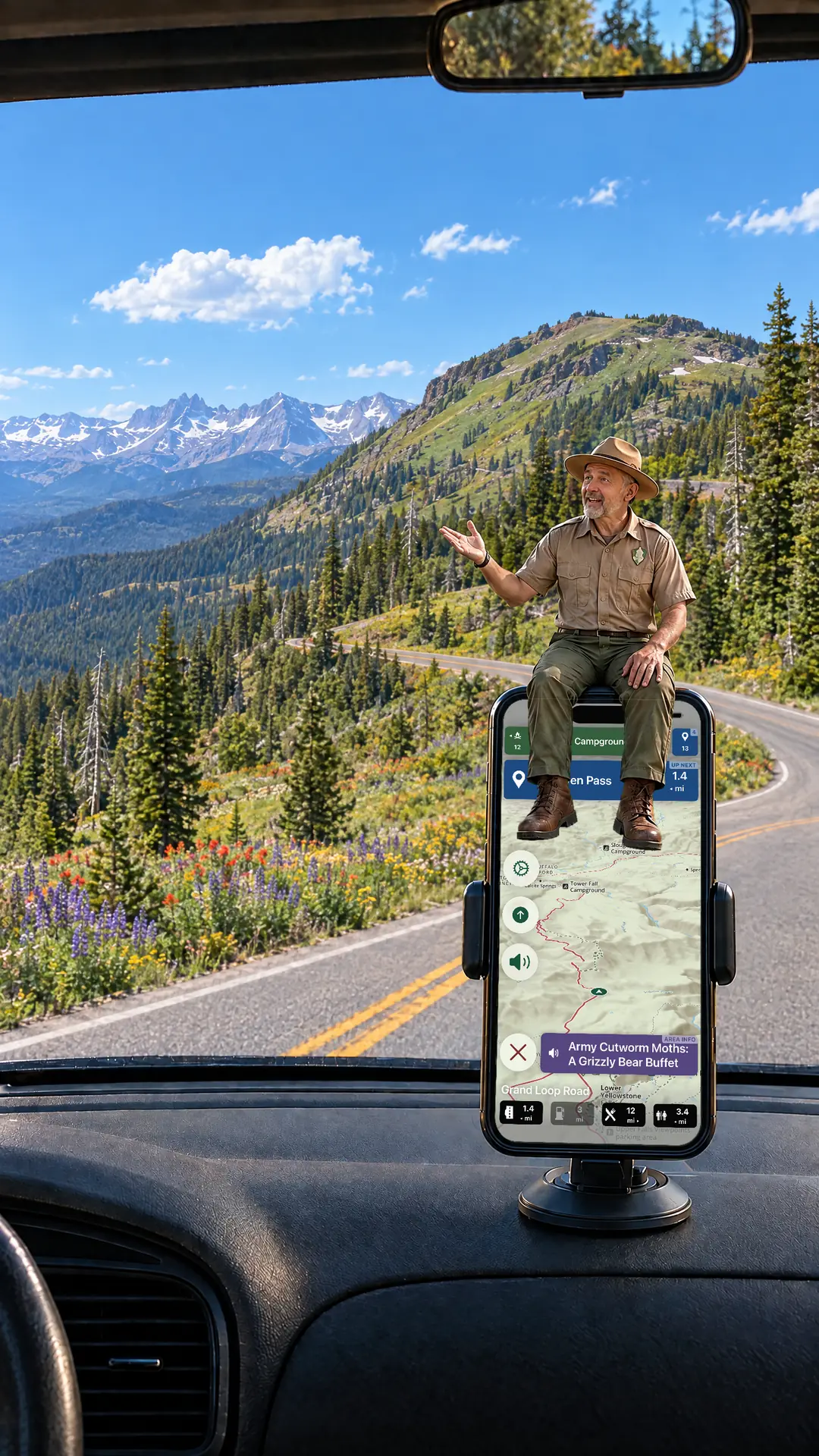
A park ranger sits on a dash-mounted phone, talking, as Parkwolf’s Tour Guide plays “Army Cutworm Moths: A Grizzly Bear Buffet” on Grand Loop Road below Dunraven Pass in Yellowstone
Parkwolf Tour GuideThe highest, rockiest slopes around here are a summer buffet for grizzly bears.

Great Sand Dunes Tour Guide

Your drive to Indian Grove, narrated.

Parkwolf is a GPS audio tour guide for Great Sand Dunes National Park. As you drive, it chimes in with what’s ahead: hidden gems, upcoming stops, history, geology, and wildlife, right through your car’s speakers.

Recorded for this place

Point of No Return and Sand Pit Trail
0:00 / 0:26
“You're nearing Point of No Return, the last parking area for two-wheel-drive vehicles on Medano Pass Primitive Road.”

Plays as you drive up to Indian Grove in the Parkwolf Great Sand Dunes Tour Guide.

More stories near here in the app

  • History in a Living Pine
  • Castle Creek Picnic Area
  • Sand Pit Picnic Area
  • Ponderosa Point
  • 31 audio storiesacross Great Sand Dunes’s roads, triggered by GPS as you drive
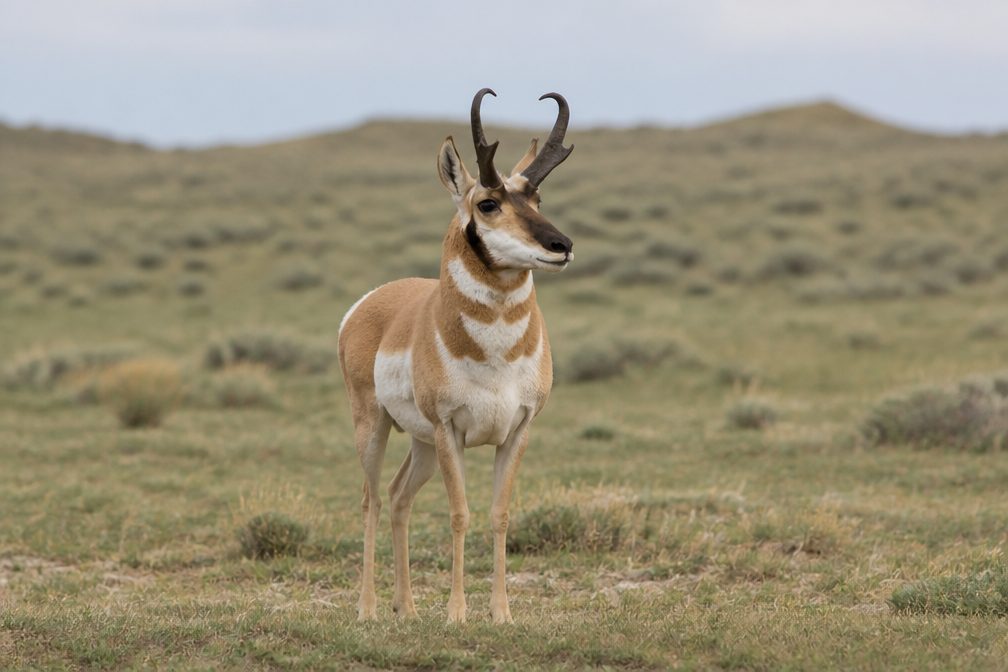
  • Wildlife heatmapsfor Elk, Pronghorn, Wild Turkey, and 13 more
  • Works offlinemaps, 17 trails, 29 places, and audio download before you lose signal
  • CarPlay readysimple controls built for the drive
★★★★★
“Fantastic app with many points of information… It’s great to just turn on while you’re driving and it gives you an audio tour of the national Park. We love it!!!!”
JMJamesApp Store review
Download Parkwolf on the App StoreGet Parkwolf on Google Play

4.7 from 8,600+ ratings

Guide

More about Indian Grove

A living cultural siteIndian Grove is a backcountry stand of about 200 ponderosa pines east of the dunefield; 72 of…

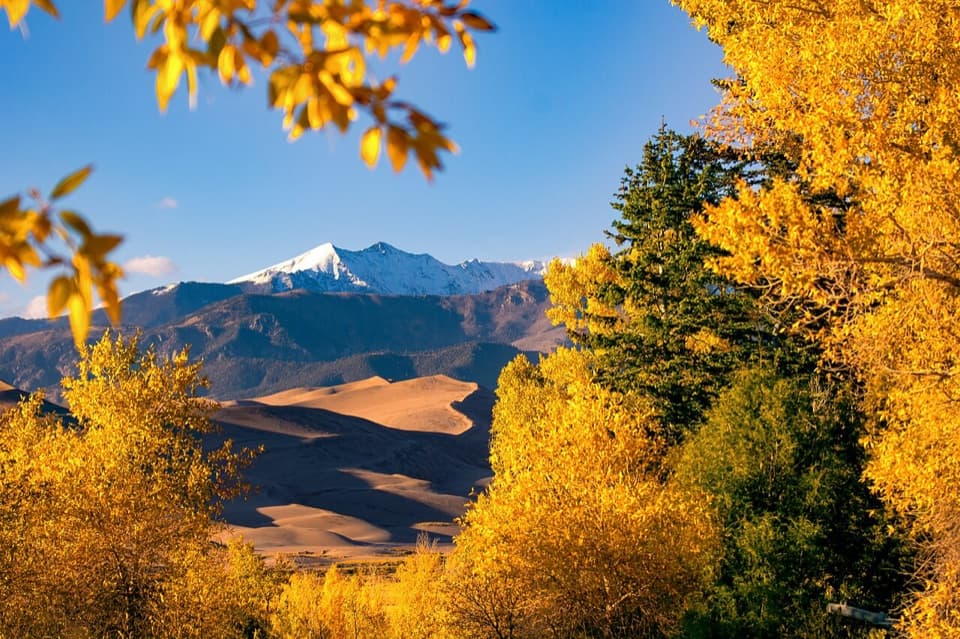
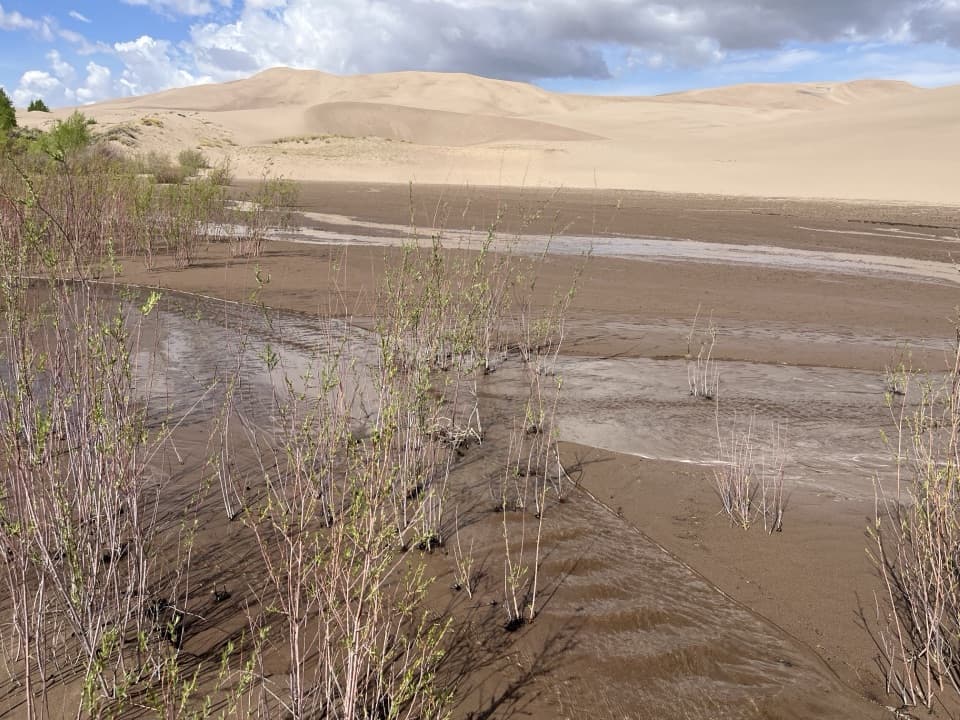
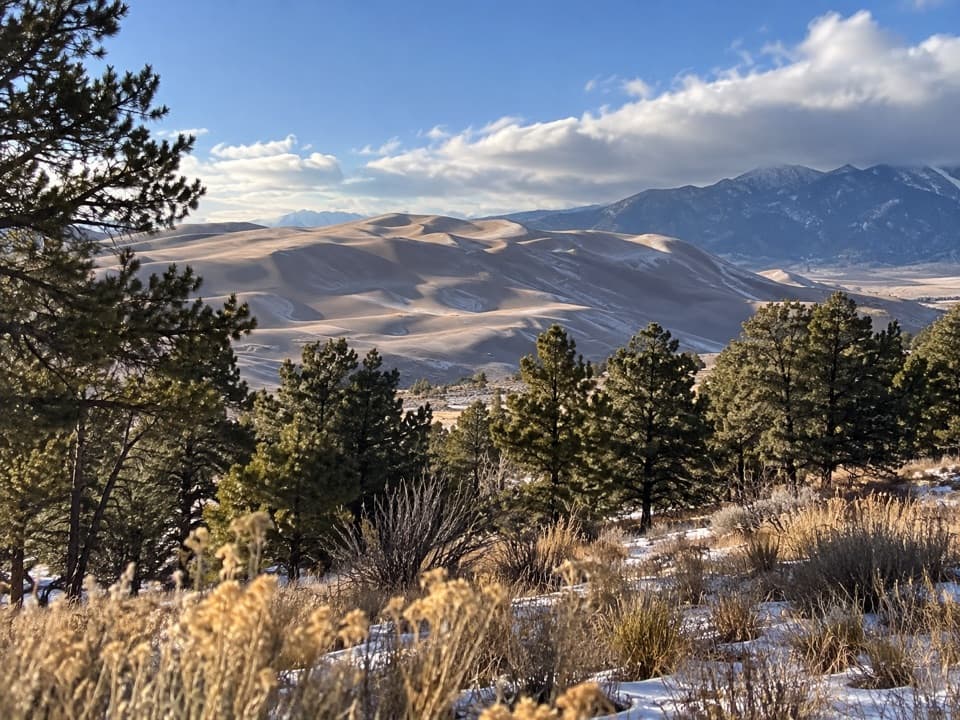
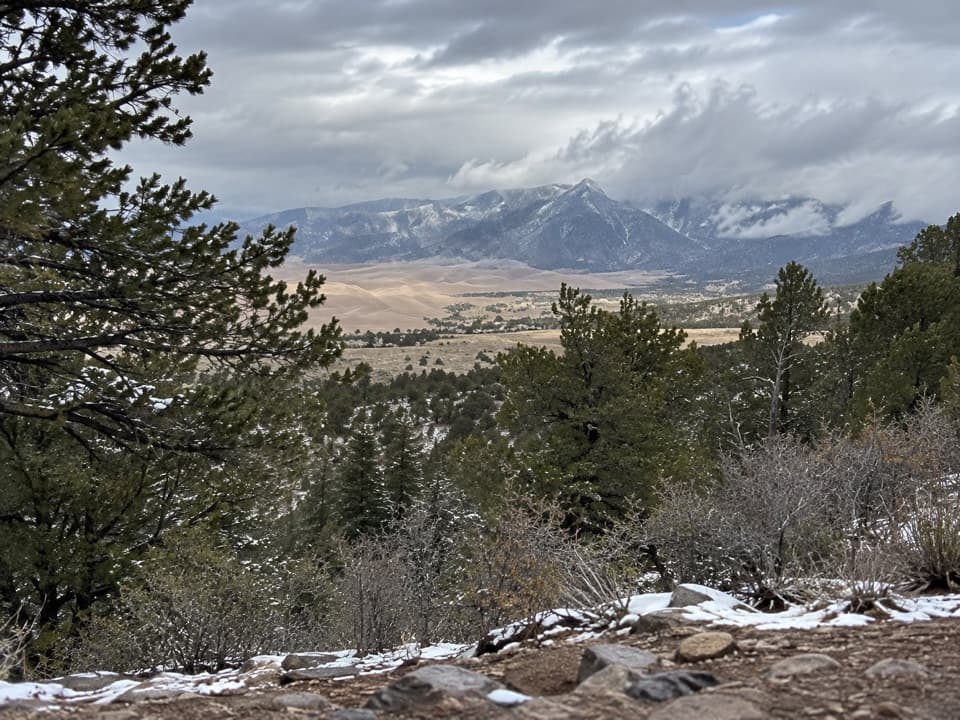
Indian Grove is a backcountry stand of about 200 ponderosa pines east of the dunefield; 72 of the trees bear large bark-removal scars left by Indigenous people. It is a meaningful stop for hikers interested in the human history of this landscape, with pines and cottonwoods beside Medano Creek and the dunes.

Plan for the walk inThis is a backcountry destination, not a roadside pullout. The designated site is 4.

This is a backcountry destination, not a roadside pullout. The designated site is 4.1 miles from Horse Parking Lot by the park’s route estimate, rated moderate. The lot is reached by Medano Pass Primitive Road; beyond its Point of No Return, the road requires high-clearance 4WD with low range. Overnight stays require a permit.

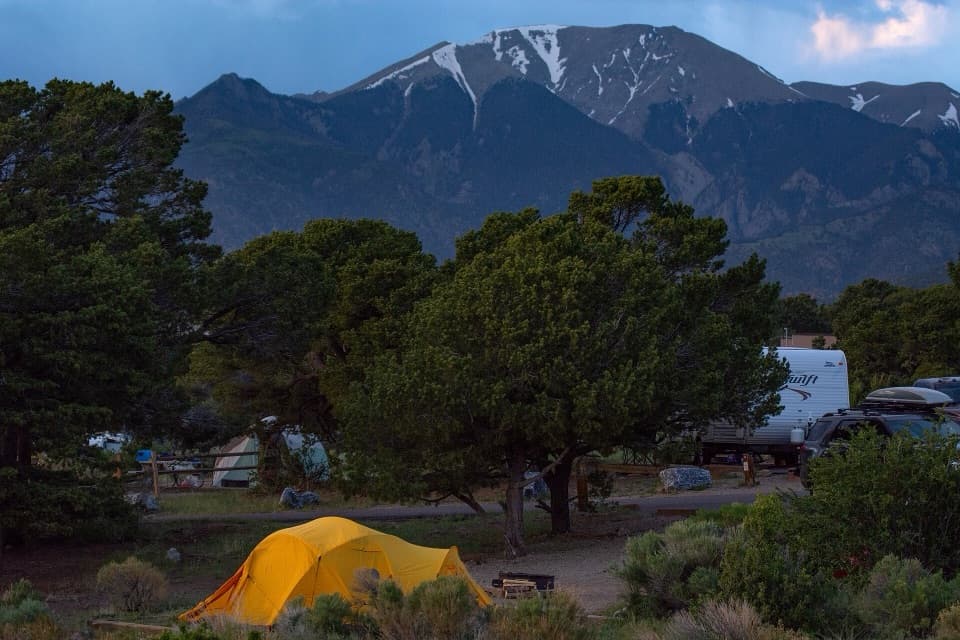
The backcountry camp has a solar-composting toilet. Water is usually reliable at the site, but streams can be seasonal, and all stream water needs treatment before drinking.

Look for the scarsExplore the grove to find several scarred trunks rather than expecting a single marked…

Explore the grove to find several scarred trunks rather than expecting a single marked viewpoint. The average scar is about 4 feet long and 17 inches wide. These are living cultural resources, so look without touching or peeling them.

What the bark providedInner bark could be eaten fresh, ground into flour, or made into tea; outer bark was useful for…

Inner bark could be eaten fresh, ground into flour, or made into tea; outer bark was useful for trays, baskets, and building materials. Pitch and sap also had medicinal and practical uses, including as an adhesive. The pines were harvested over generations, mostly during the 19th century.

Older routes through the valleyThe grove sits in a landscape with a much longer Indigenous history.

The grove sits in a landscape with a much longer Indigenous history. The nearby North Branch of the Old Spanish Trail followed routes used by Ute people and their ancestors, then carried commercial traffic between northern New Mexico and southern California from 1829 to 1848. The Ute name recorded for the dunes, Saa waap maa nache, means “sand that moves.”

Wildlife

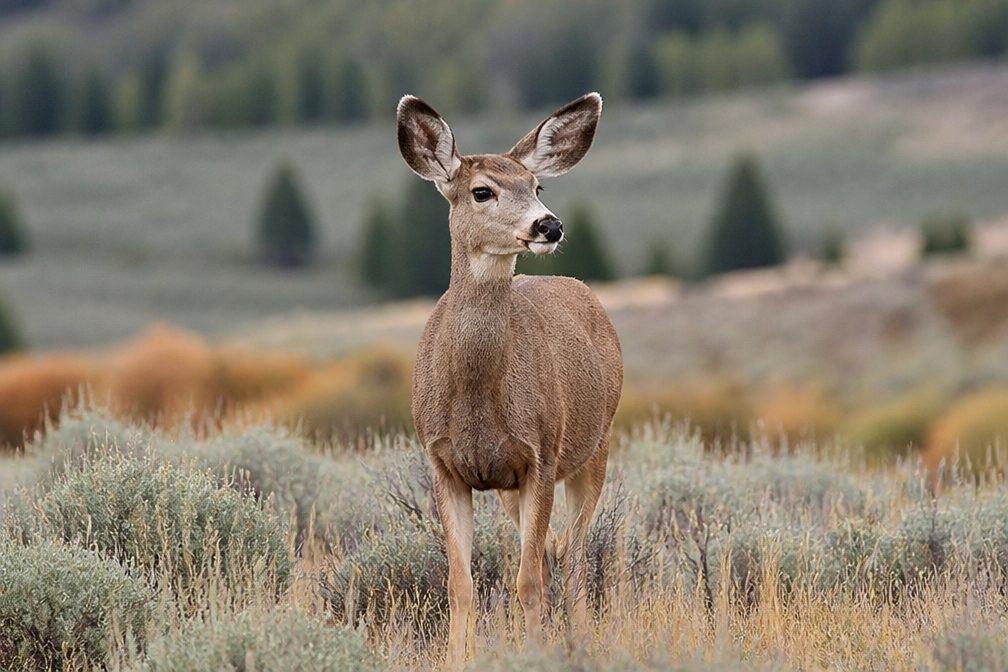
Wildlife in Great Sand Dunes

All Great Sand Dunes wildlife maps

Sighting maps show where each species has been reported across Great Sand Dunes. Wildlife moves, so no sighting is guaranteed.

Keep exploring

Near Indian Grove

See it all on the map

Trails nearby

More stops nearby

Parkwolf’s Great Sand Dunes ranking

Top sights in Great Sand Dunes

All 29 places
  1. 1High Dune on First RidgeSight
  2. 2Medano CreekBeach
  3. 3Star DuneSight
  4. 4Zapata FallsSight
  5. 5Hidden DuneSight
  6. 6Dunes OverlookSight

Take Parkwolf to Great Sand Dunes.

The audio tour guide for the drive, plus offline maps, trails, and wildlife heatmaps for when the signal drops.

4.7 from 8,600+ ratings

Download Parkwolf on the App StoreGet Parkwolf on Google Play