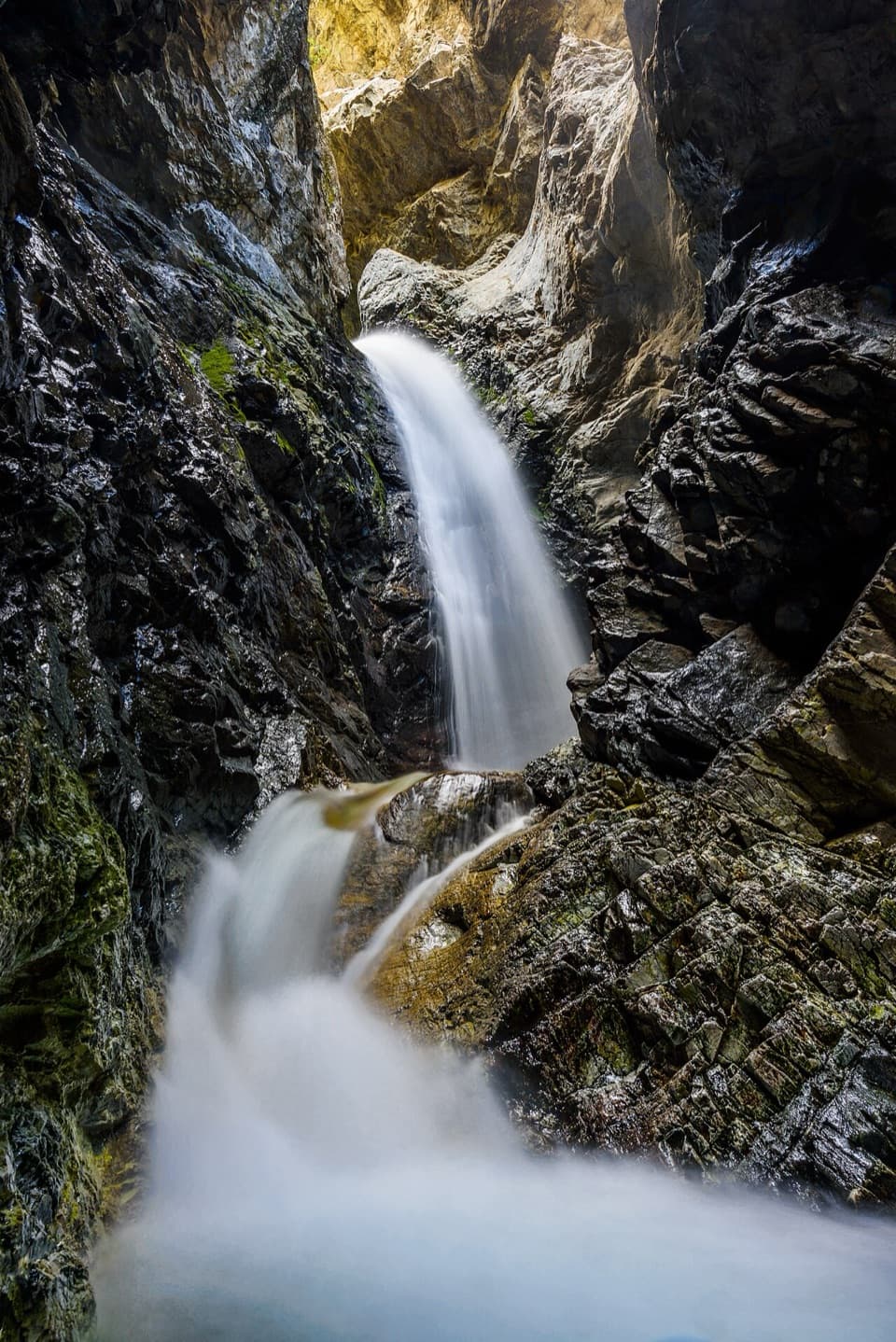
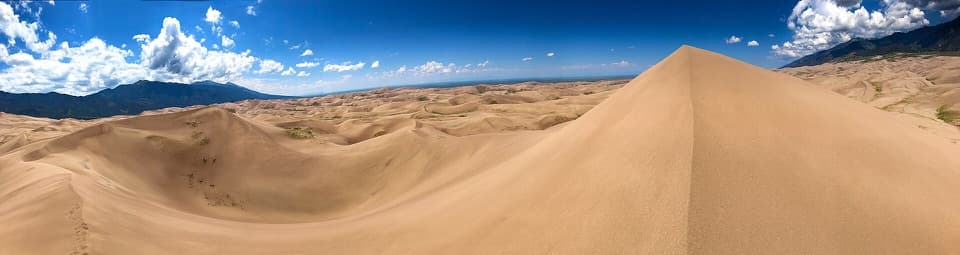
Hidden Dune in Great Sand Dunes National Park

#5 of 17 sights in Great Sand Dunes

Sight · Great Sand Dunes National Park

Hidden Dune

A remote high dune reached by a long, unmarked sand hike.

Photo: Wikimedia Commons
Type
Sight
Nearest trail
2.1 mi
Audio stories
3 nearby
  • Scenic viewpoint

Hear the audio tour

Dunes Parking and Medano Creek

Overview

About Hidden Dune

Why stop

  • A far-reaching view from one of the continent’s tallest dunes.

Heads up

  • A long, unmarked hike over soft, shifting sand.
  • Summer heat and thunderstorms make timing important.

Map

Where it is

Loading the Great Sand Dunes map
Full map
SightHidden Dune37.77592, -105.53191
Keep this map with you offline in the Parkwolf app

Plan your stop

Before you go

2 active Great Sand Dunes alerts

  • CautionStage 1 fire restrictionsStage 1 fire restrictions are active throughout Great Sand Dunes; use fires only in designated steel fire rings or picnic-site barbecues.Official details
  • CautionSwift, deep water on Medano Pass Primitive RoadMedano Pass Primitive Road is open, but heavy rain has created swift water up to 3 feet deep, especially at creek crossings 3, 4, and 5.Official details
Great Sand Dunes alerts
A park ranger sits on a dash-mounted phone, talking, as Parkwolf’s Tour Guide plays “Army Cutworm Moths: A Grizzly Bear Buffet” on Grand Loop Road below Dunraven Pass in Yellowstone
Parkwolf Tour GuideThe highest, rockiest slopes around here are a summer buffet for grizzly bears.

Great Sand Dunes Tour Guide

Your drive to Hidden Dune, narrated.

Parkwolf is a GPS audio tour guide for Great Sand Dunes National Park. As you drive, it chimes in with what’s ahead: hidden gems, upcoming stops, history, geology, and wildlife, right through your car’s speakers.

Recorded for this place

Dunes Parking and Medano Creek
0:00 / 0:35
“You're coming up on Dunes Parking, the main access to Medano Creek and the dunefield. You don't have to climb a summit to enjoy this stop.”

Plays as you drive up to Hidden Dune in the Parkwolf Great Sand Dunes Tour Guide.

More stories near here in the app

  • Castle Creek Picnic Area
  • Sand Pit Picnic Area
  • Ponderosa Point
  • History in a Living Pine
  • 31 audio storiesacross Great Sand Dunes’s roads, triggered by GPS as you drive
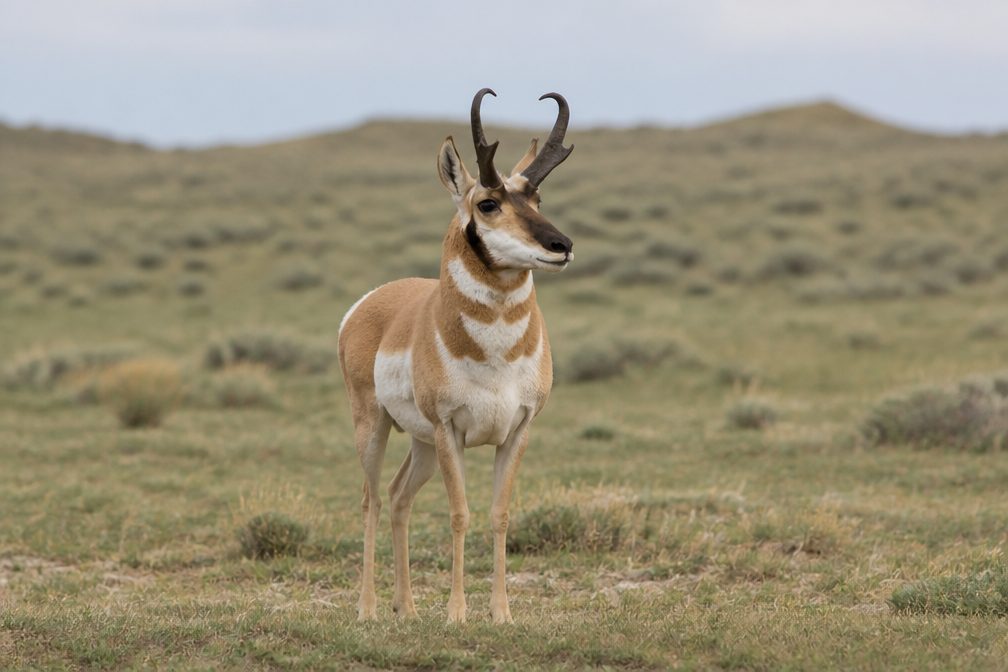
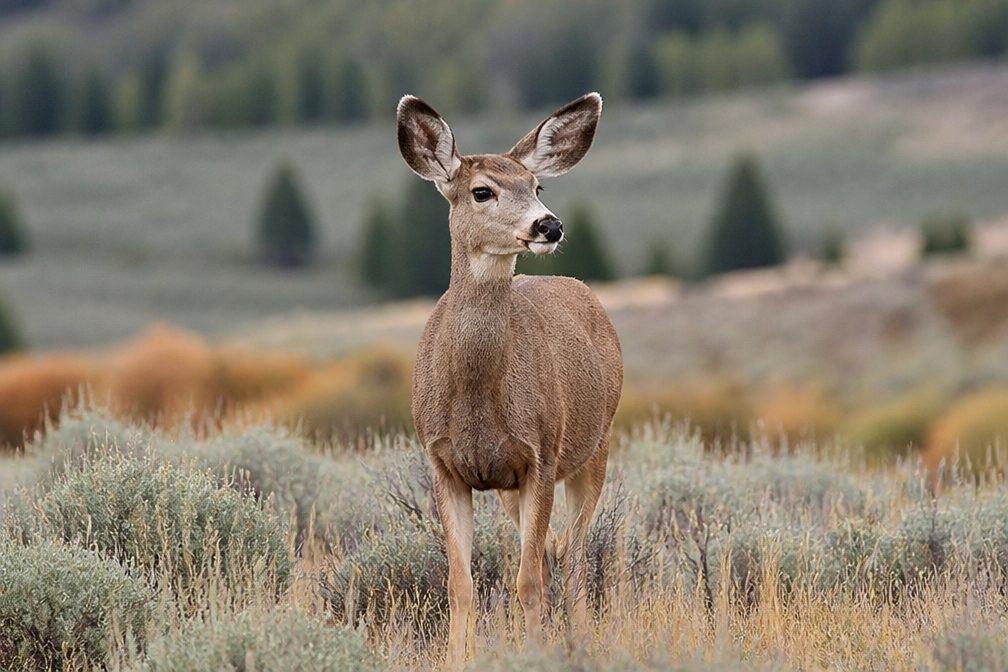
  • Wildlife heatmapsfor Elk, Pronghorn, Wild Turkey, and 13 more
  • Works offlinemaps, 17 trails, 29 places, and audio download before you lose signal
  • CarPlay readysimple controls built for the drive
★★★★★
“Fantastic app with many points of information… It’s great to just turn on while you’re driving and it gives you an audio tour of the national Park. We love it!!!!”
JMJamesApp Store review
Download Parkwolf on the App StoreGet Parkwolf on Google Play

4.7 from 8,600+ ratings

Guide

More about Hidden Dune

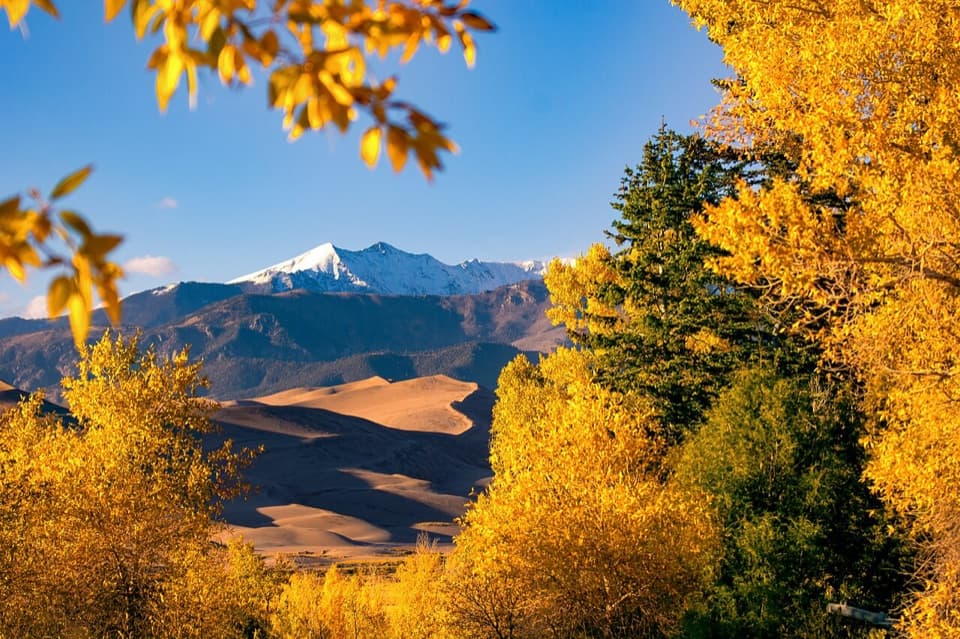
Is this the hike you want?Hidden Dune is a remote summit near the middle of Great Sand Dunes’ 30-square-mile dunefield.

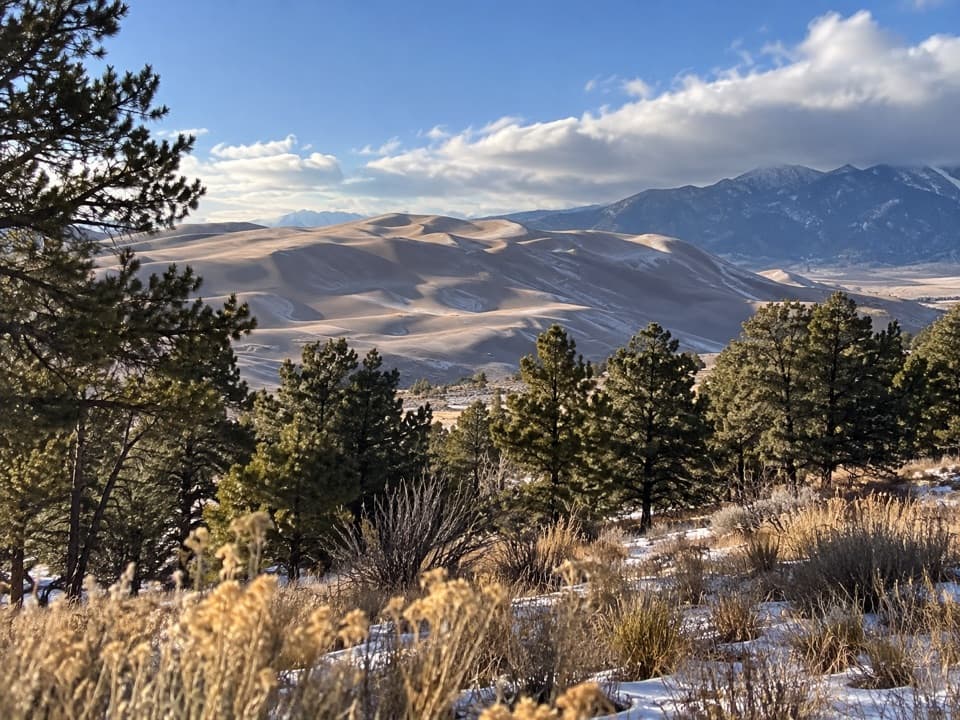
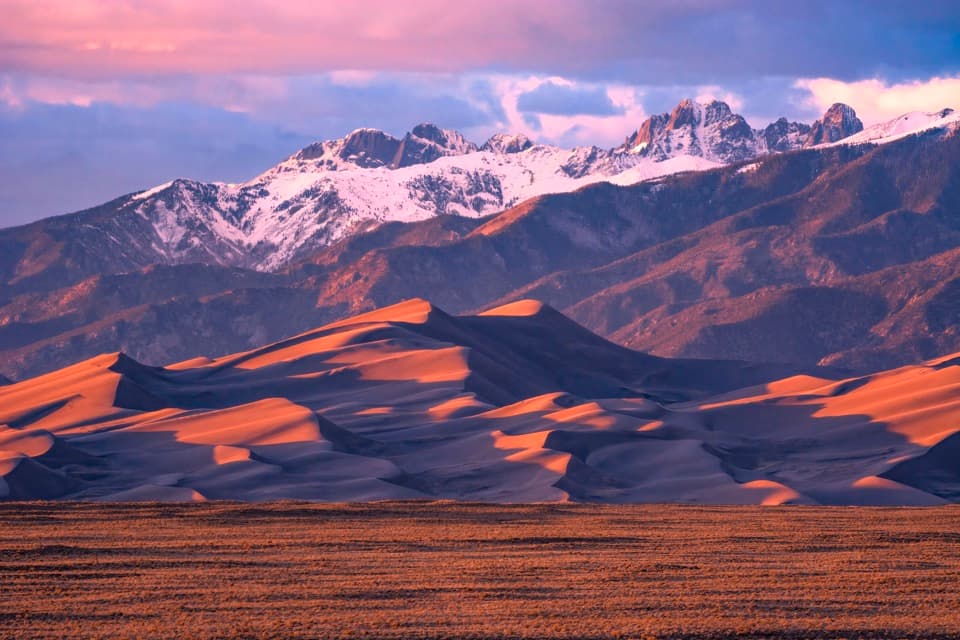
Hidden Dune is a remote summit near the middle of Great Sand Dunes’ 30-square-mile dunefield. It is one of North America’s tallest dunes, but the real draw is reaching a high crest deep among the ridges. The name fits: it is out of sight from most day-use areas, and a false summit hides the real one for much of the approach. Choose it if a long, demanding day on open sand sounds like fun; otherwise, it is fine to enjoy the dunes closer to the main lot.

Budget around six hoursFrom the main Dunes Parking Lot, allow about 7 miles round trip and six hours.

From the main Dunes Parking Lot, allow about 7 miles round trip and six hours. Published route descriptions differ by roughly a mile, so plan around the longer figure. There are no trails in the sand: ridge tops have firmer footing, and the false summit makes the approach easy to misread. With a high-clearance 4WD, you can start from Sand Pit or Castle Creek on the east side; those options are shorter in miles but have more ups and downs.

Make a plan for heat and weatherOpen sand can reach 150°F in summer, and thunderstorms can bring lightning and strong winds.

Open sand can reach 150°F in summer, and thunderstorms can bring lightning and strong winds. Start early or go later in the day during hot months, and check the weather before you set out. Wear sturdy boots and long pants to keep sand out, and carry sun protection, food and enough water for the full outing. The summit has no listed facilities. Pets are not allowed beyond the first high dune ridge, so leave them out of this hike.

Where all that sand comes fromThe dunefield is fed by two mountain ranges.

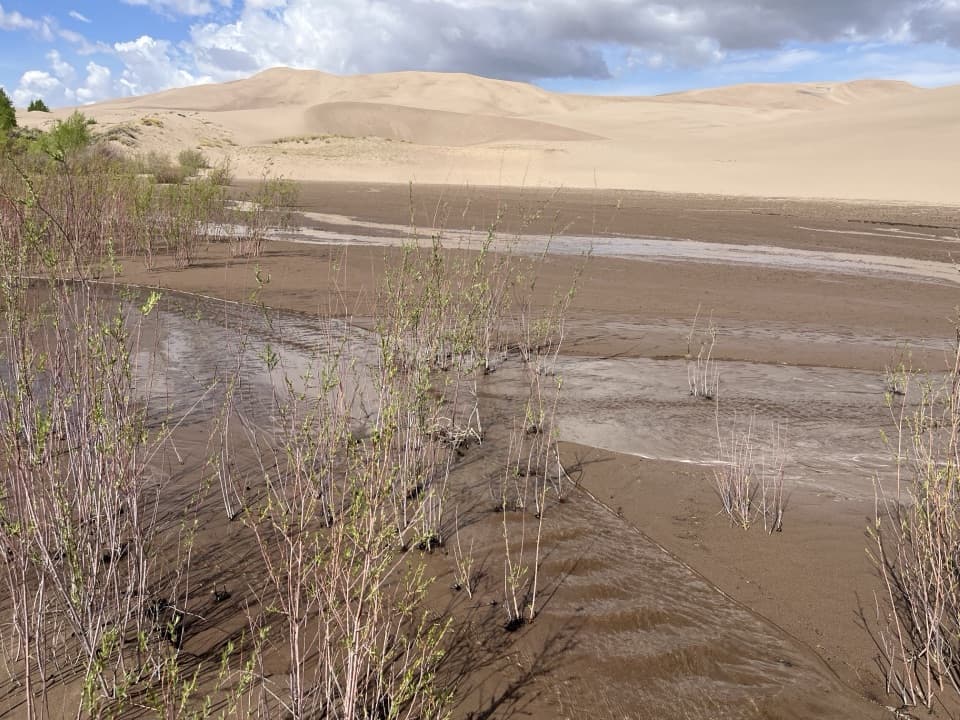
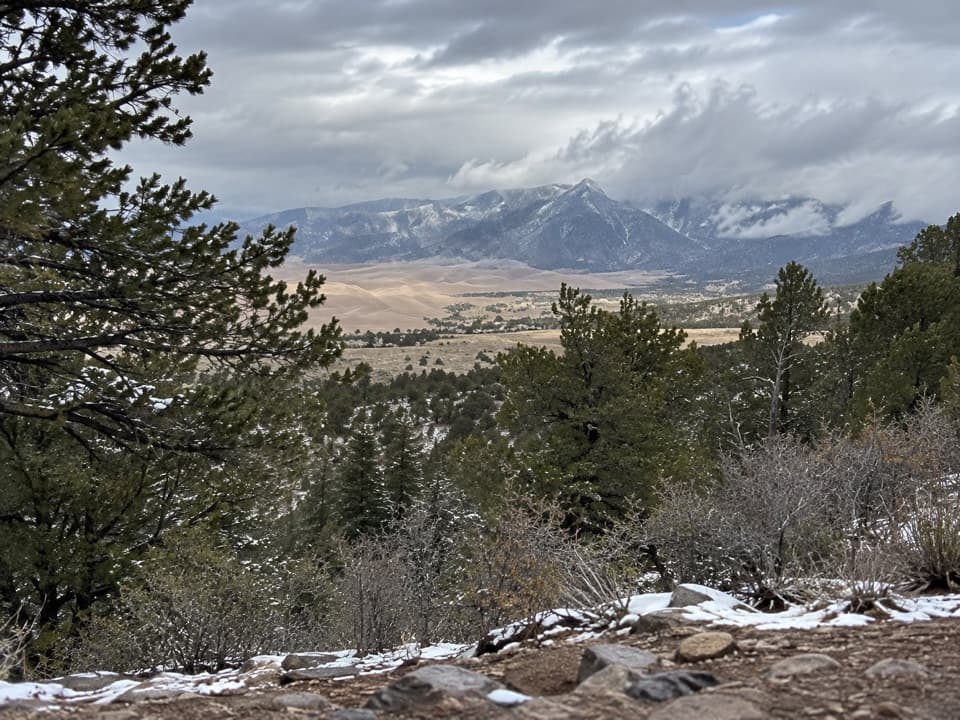
The dunefield is fed by two mountain ranges. Coarser, lighter grains come from the nearby Sangre de Cristo Mountains; finer, darker volcanic sand traveled from the San Juan Mountains. Medano and Sand creeks keep moving grains back toward the dunes. Prevailing winds push sand toward the mountain bend, while opposing storm winds help pile it upward.

A landscape that keeps movingSome individual ridges shift a few feet in a year; others can move tens of feet in a day.

Some individual ridges shift a few feet in a year; others can move tens of feet in a day. The larger megadunes change more slowly. That steady reshaping is part of what makes this summit feel remote: the ridgelines and the route across them are never a fixed path.

Listen when the sand movesAn avalanche of sand can make a low humming sound as moving grains push air between them.

An avalanche of sand can make a low humming sound as moving grains push air between them. It is a small detail in a huge landscape, but worth listening for on a steep slope.

Look for life between the tracksAt least seven insect species in the dunefield are found nowhere else.

At least seven insect species in the dunefield are found nowhere else. The Great Sand Dunes tiger beetle favors sparsely vegetated sand away from busy foot traffic, where it dashes in short runs and flights. You may not spot one, but quiet patches reward a closer look at the life sharing the sand.

Catch the dunes in different lightSunrise and sunset bring out the dunes’ changing contours.

Sunrise and sunset bring out the dunes’ changing contours. From the summit, a wide view shows how the crests run toward the mountains; closer in, ripples and streaks of dark grains make a more detailed frame. A slope can look entirely different as the light shifts.

Wildlife

Wildlife in Great Sand Dunes

All Great Sand Dunes wildlife maps

Sighting maps show where each species has been reported across Great Sand Dunes. Wildlife moves, so no sighting is guaranteed.

Keep exploring

Near Hidden Dune

See it all on the map

Trails nearby

More stops nearby

Parkwolf’s Great Sand Dunes ranking

Top sights in Great Sand Dunes

All 29 places
  1. 1High Dune on First RidgeSight
  2. 2Medano CreekBeach
  3. 3Star DuneSight
  4. 4Zapata FallsSight
  5. 6Dunes OverlookSight
  6. 7Mount HerardSight

Take Parkwolf to Great Sand Dunes.

The audio tour guide for the drive, plus offline maps, trails, and wildlife heatmaps for when the signal drops.

4.7 from 8,600+ ratings

Download Parkwolf on the App StoreGet Parkwolf on Google Play