Cataloochee Horse Camp

Shady, horse-only camp with direct access to Cataloochee riding trails
Cataloochee Horse Camp, Great Smoky Mountains National Park
InsideGreat Smoky Mountains National Park

Overview

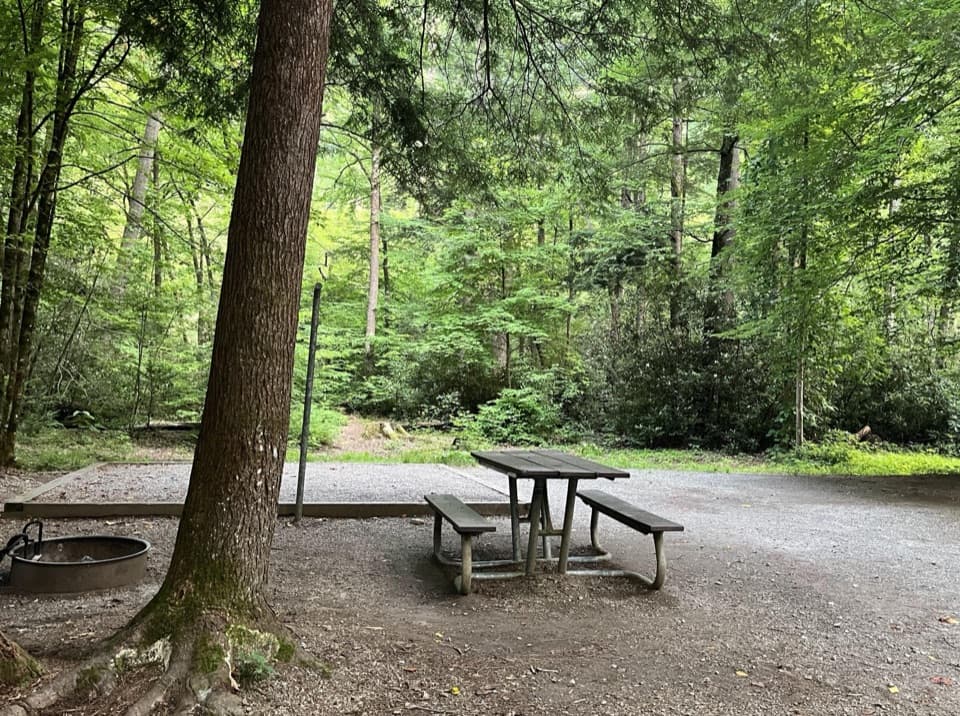
If you’re hauling horses, this is the Smokies basecamp you want. Cataloochee Horse Camp sits in a quiet, shady corner of Cataloochee Valley and is reserved for equestrians only—you must have a horse to camp here. It’s primitive and peaceful, with direct riding access into some of the park’s best horse trails.

What You’ll Find

  • Primitive woods camping with vault toilets and no hookups. There’s no potable water for people, so bring every drop you need. Water for stock is available in-camp or from a nearby stream.
  • Horse-first facilities at each site: a four-horse stall with hitching racks, picnic tables, a fire ring/grill, tent pads, and designated gravel parking. Each campground section has a manure cart.
  • Site limits are straightforward: up to six people and four horses per site.
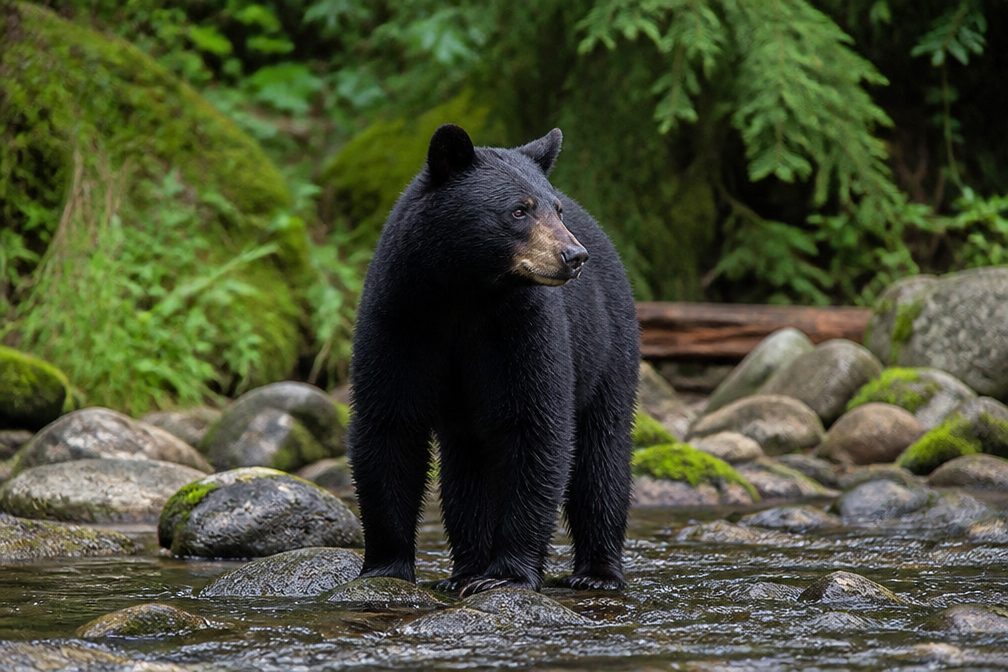
  • Bear country rules are enforced. Store all food, scented items, cooking gear, and horse feed in a sealed vehicle or hard-sided unit when not in use.
  • Firewood must be heat-treated and certified; you may also collect dead and down wood within the park.
  • Expect no cell service. Quiet hours run 10 pm–6 am (generators 8 am–8 pm).

Getting There (Read This If You Tow)

The approach road is narrow, steep, and includes several miles of gravel with blind curves. Trailers over about 25 feet and long motorhomes are discouraged. Drive slow, use low gear, and try to arrive in daylight—your nerves (and your rig) will thank you.

Riding Highlights

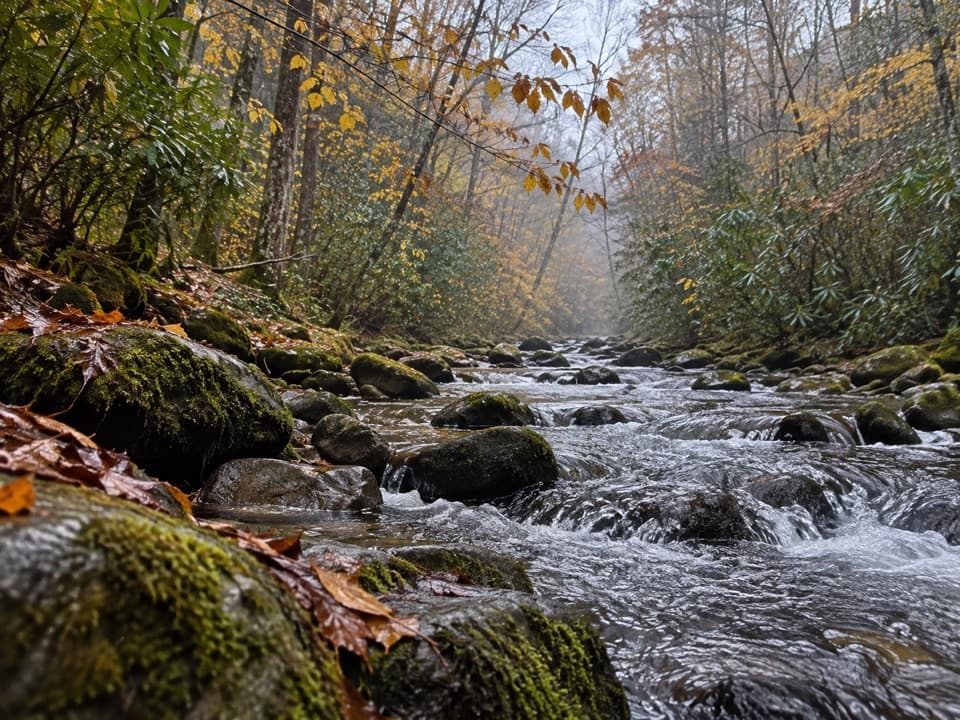
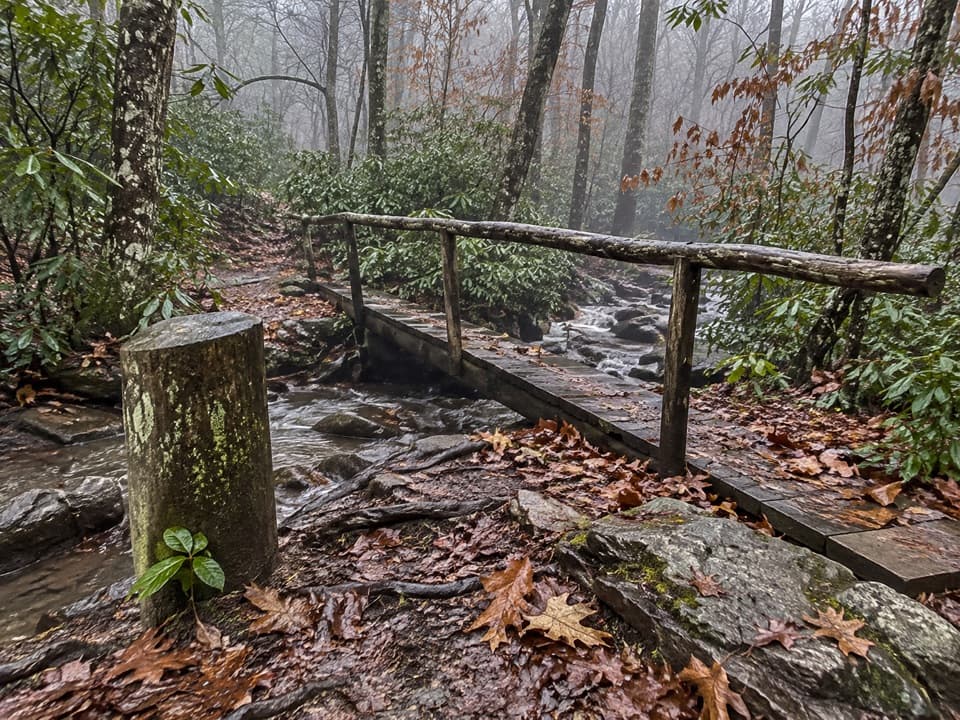
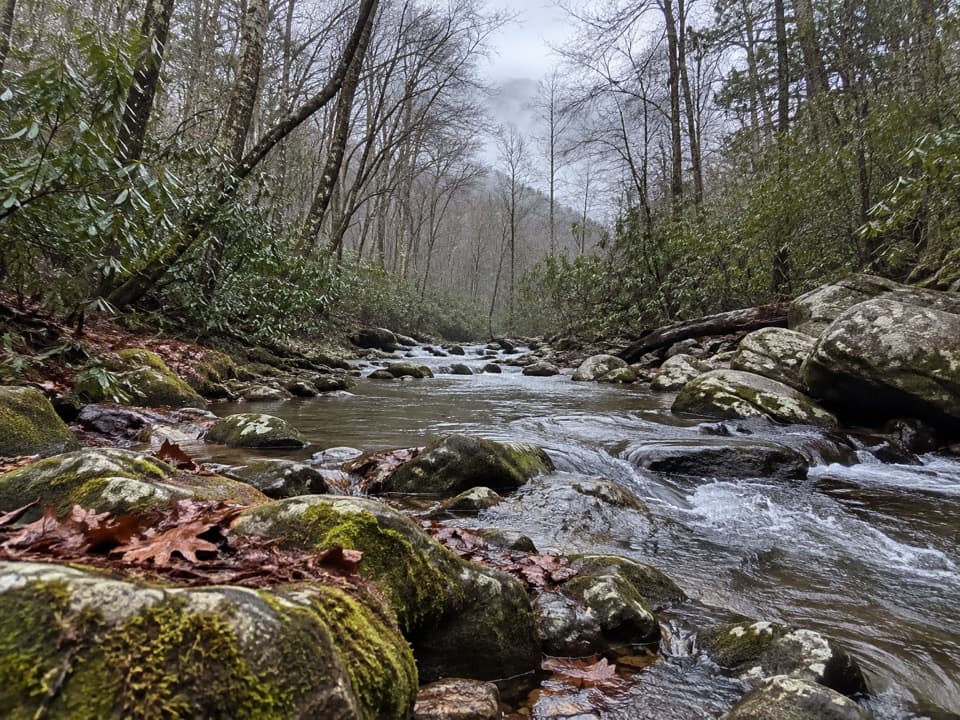
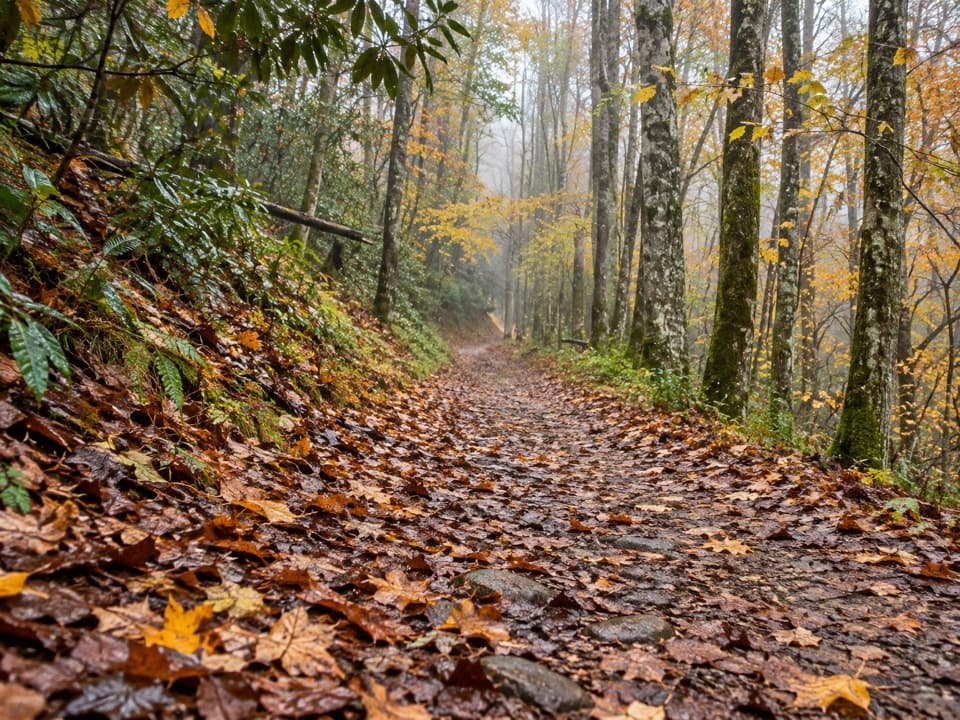
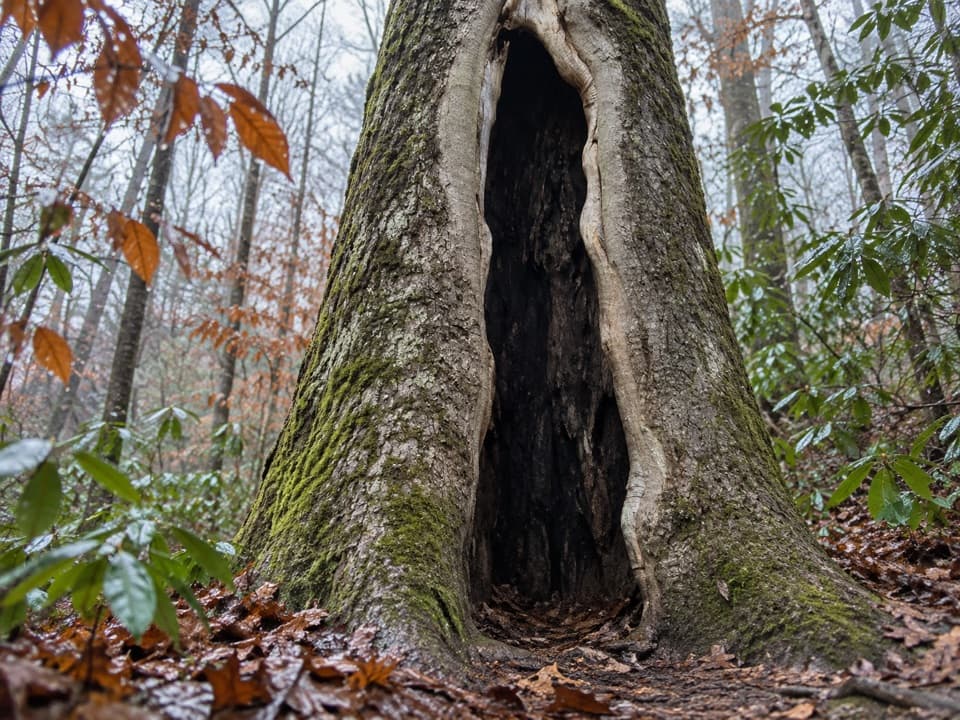
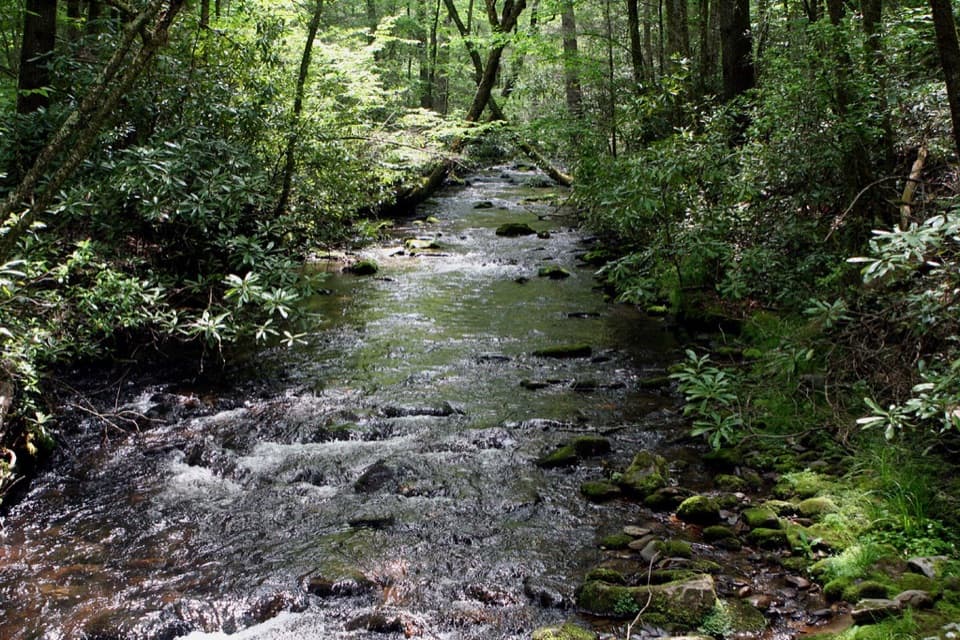
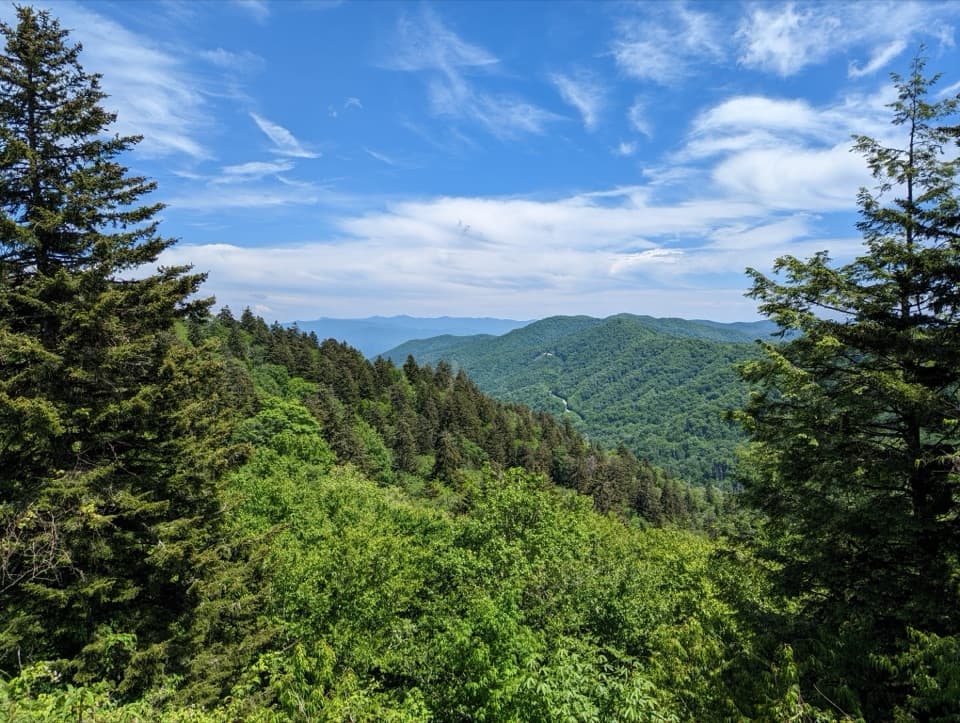
From camp you can roll straight onto Rough Fork and Caldwell Fork, with a link to Boogerman Trail. Expect lush forest, old-growth pockets, and multiple stream crossings. Sections can be rocky—many riders swear by hoof boots or shoes to keep horses comfortable.

Wildlife and Nearby Sights

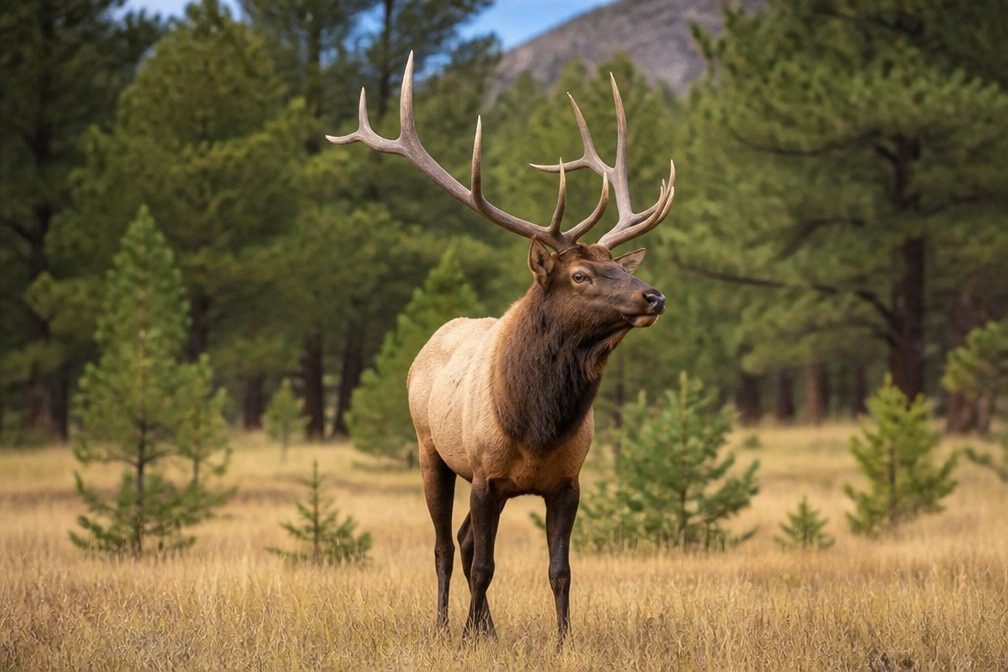
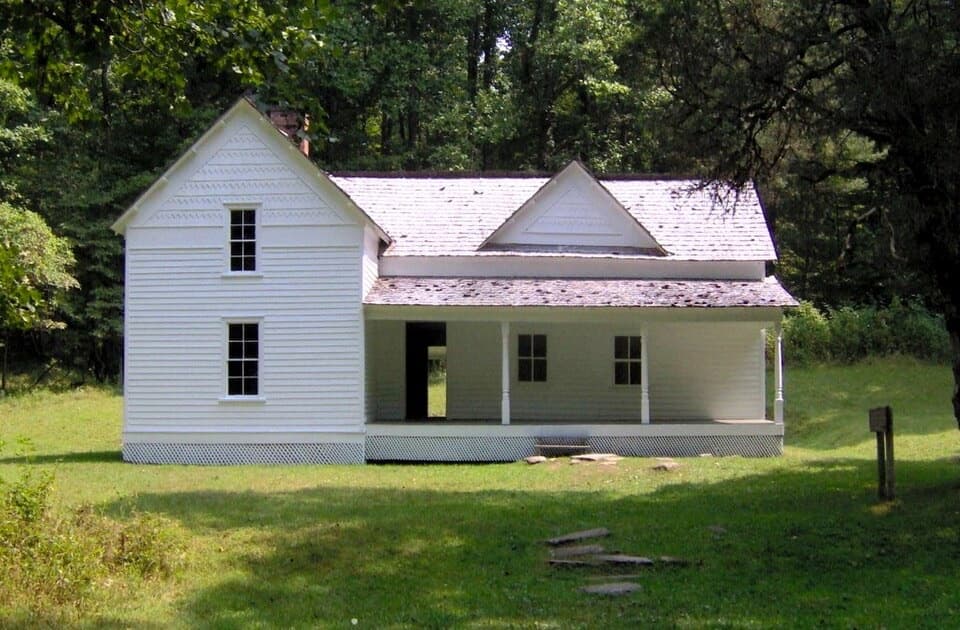
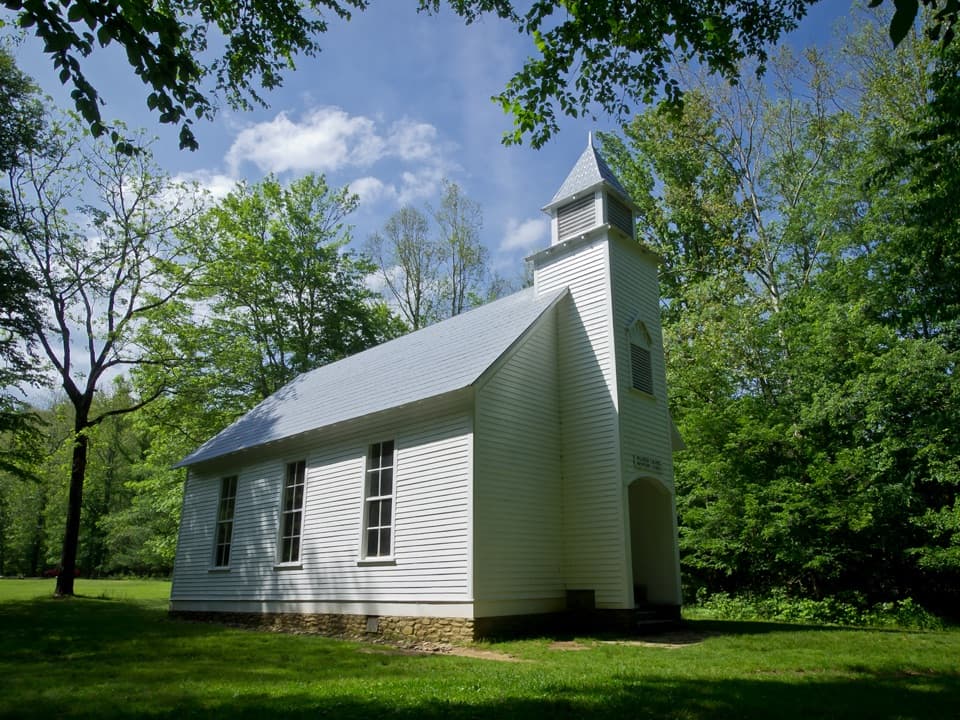
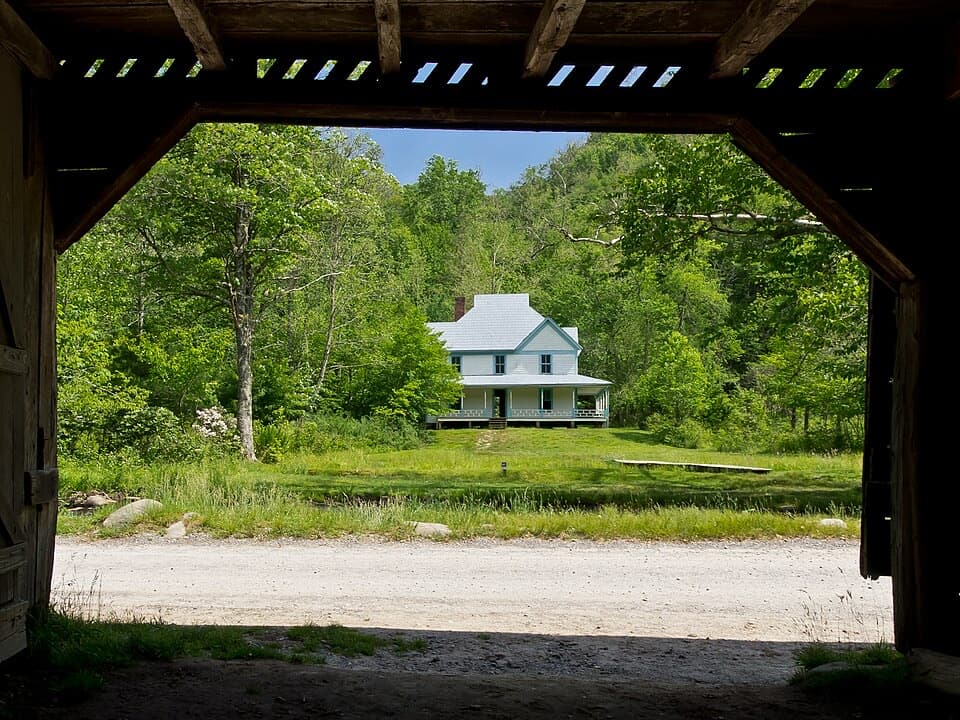
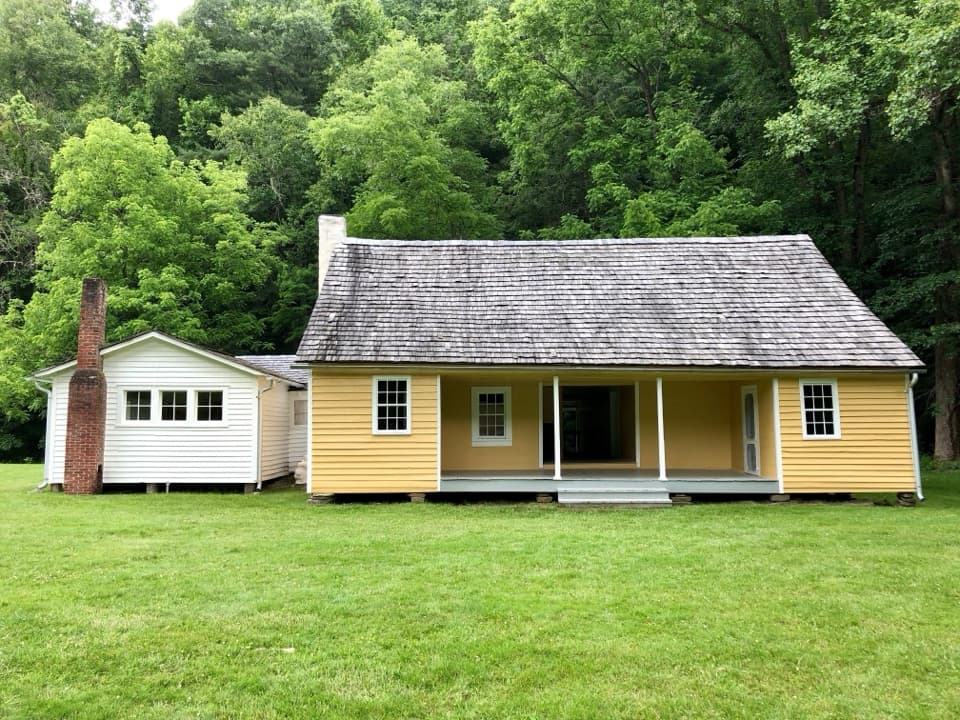
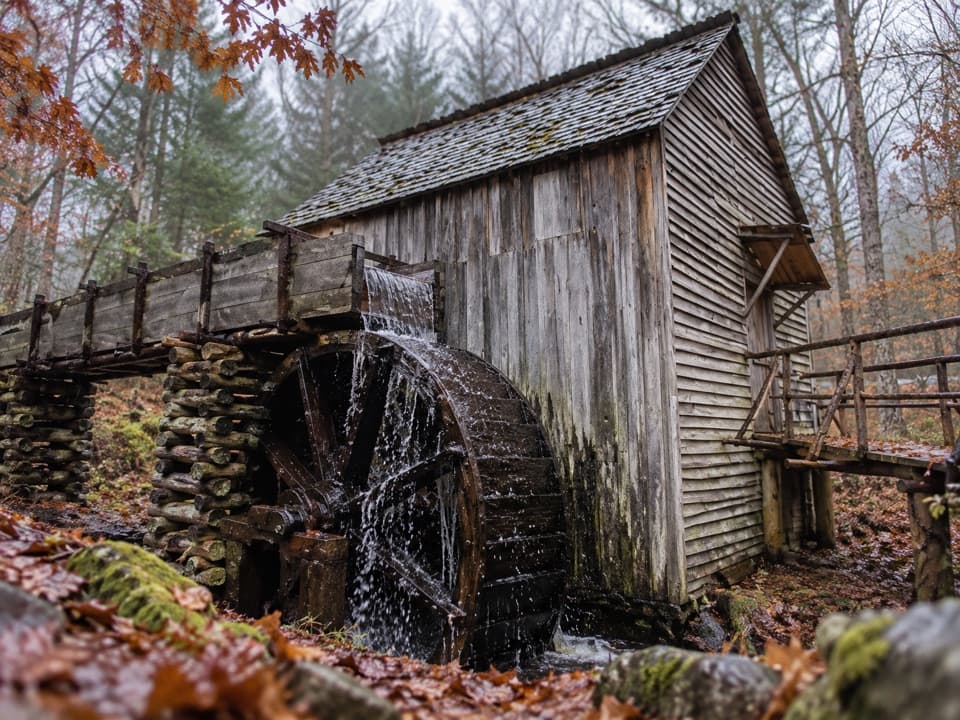
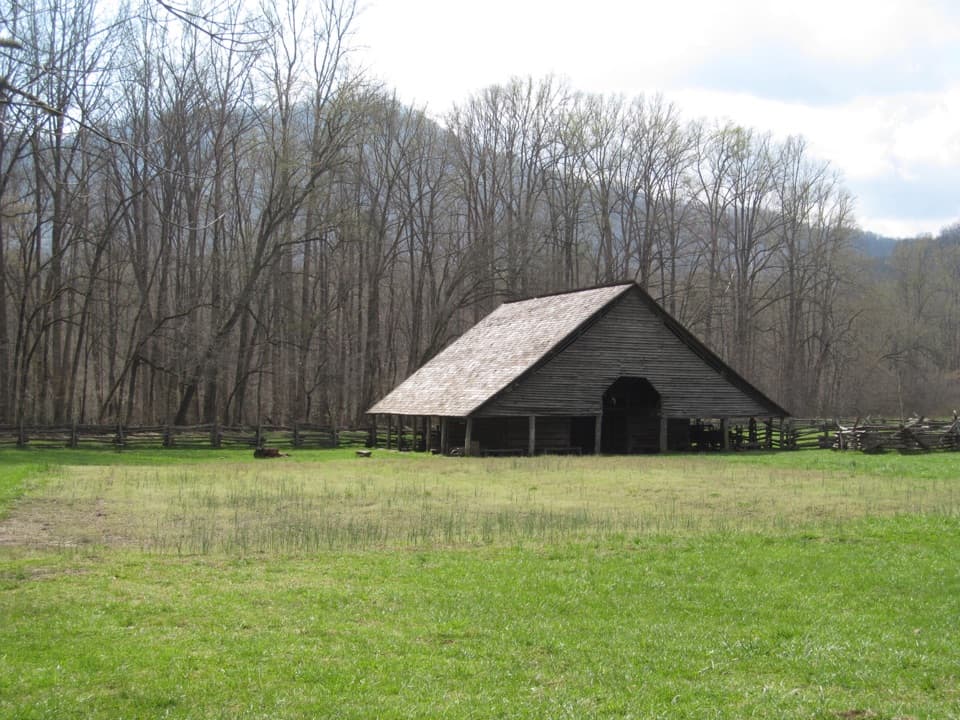
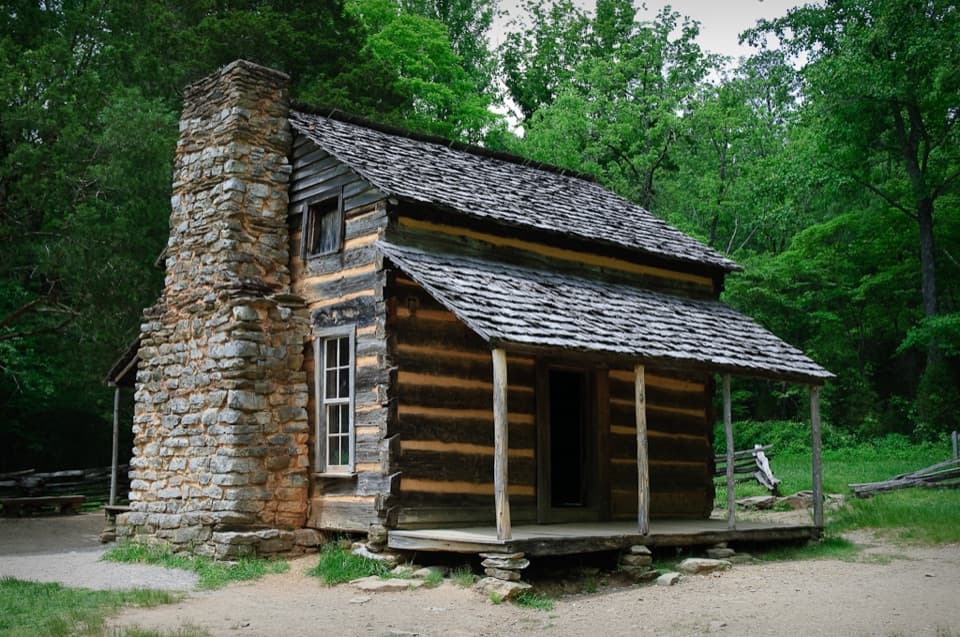
Cataloochee Valley is famous for elk and has plenty of bear activity. Give wildlife room and keep feed tightly secured. Between rides, wander the valley’s historic log buildings (like the Palmer House) or try your luck on nearby streams—this area is known for quality backcountry fishing.

Reservations and Season

Reservations are required and often book out well in advance during peak months. The horse camp typically operates spring through fall—always check current status before you go. Note: frontcountry campers parked at their designated site are exempt from the park-wide parking tag requirement.

Best Time to Visit

  • For riding comfort: spring and fall bring cooler temps and fewer bugs. After heavy rains, expect slick fords and soft trails; avoid freeze–thaw periods.
  • For solitude: weekdays and early arrivals beat weekend traffic on the access road.
  • For wildlife: dawn and dusk are prime for elk in late September–October; keep your distance and never crowd animals.

Pros

  • Direct access to Rough Fork and Caldwell Fork riding trails
  • Each site has four horse stalls plus picnic tables and fire ring

Cons

  • No potable water; bring all drinking and cooking water
  • Narrow, winding gravel access road; large rigs not advised

Tips

  • Bring all your own drinking and cooking water; there’s none on-site for people.
  • You must have a current negative Coggins for each horse and keep them in stalls.
  • Arrive in daylight—the final gravel approach is narrow with blind curves.
  • Book months ahead in peak season and verify your rig length against site limits.
  • Only certified heat-treated firewood is allowed; store all food and feed in vehicles.
The Parkwolf tour guide sitting on a phone mounted in a car

Parkwolf Tour Guide

Like a tour guide in your car.

Save the places you found around Great Smoky Mountains, then let Parkwolf guide the drive between them.Download Parkwolf on the App Store