Overview
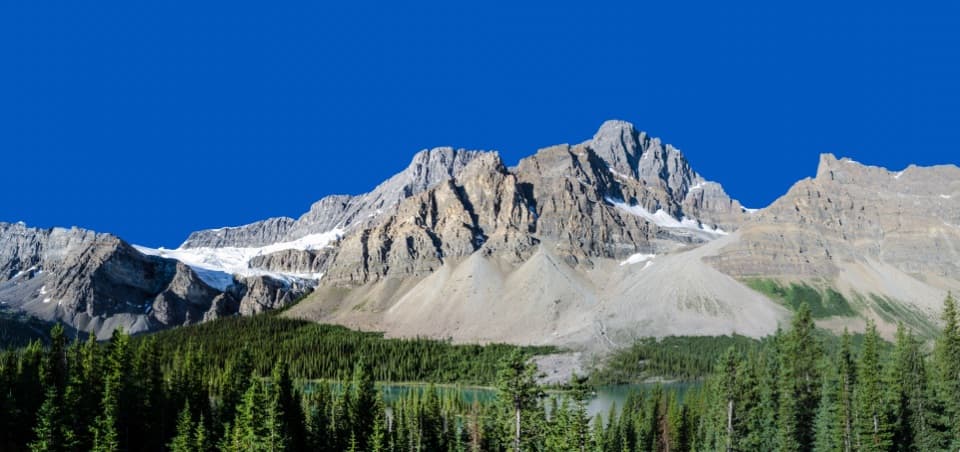
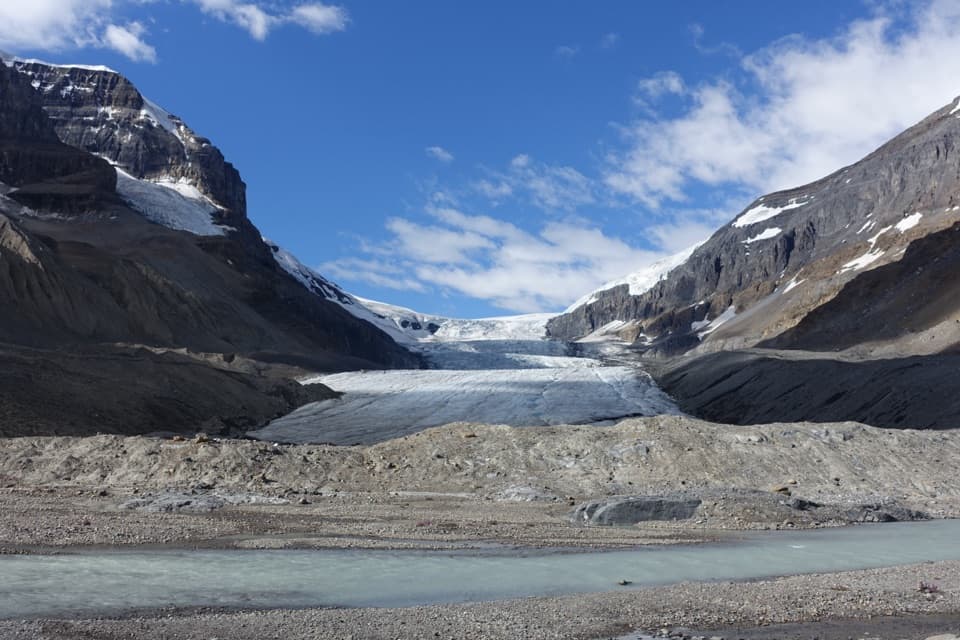
This classic roadside pullout delivers a straight-on look at Crowfoot Glacier on the flanks of Crowfoot Mountain. It’s one of the Parkway’s easiest high‑impact stops: pull over, step out, and the views hit immediately. The glacier once had three distinct “toes” (hence the name); today you’ll clearly see the remaining two and the story of a shrinking icefield written on the rock.
What You’ll See
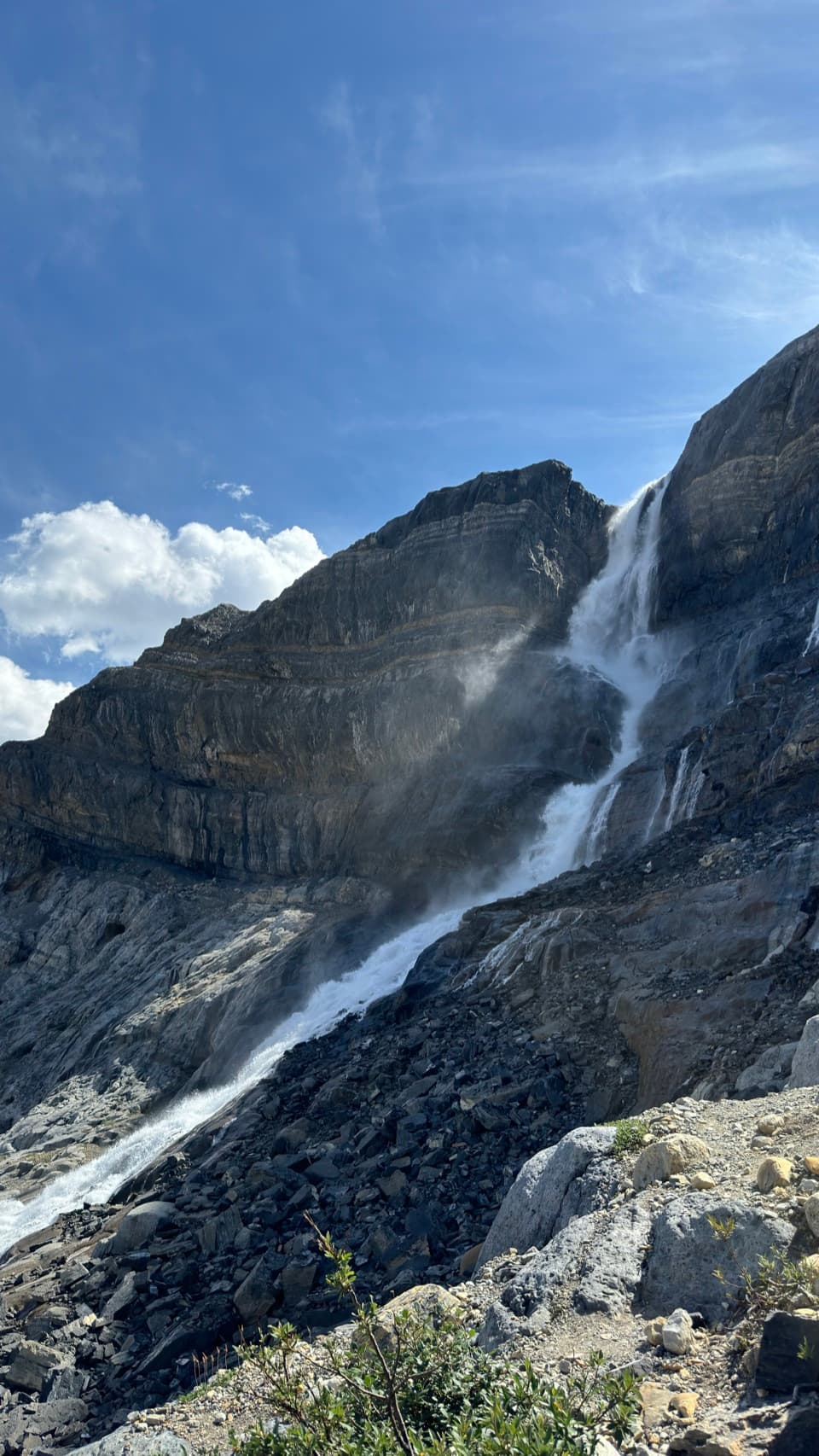
- Crowfoot Glacier’s hanging ice and “toes” spread across Crowfoot Mountain.
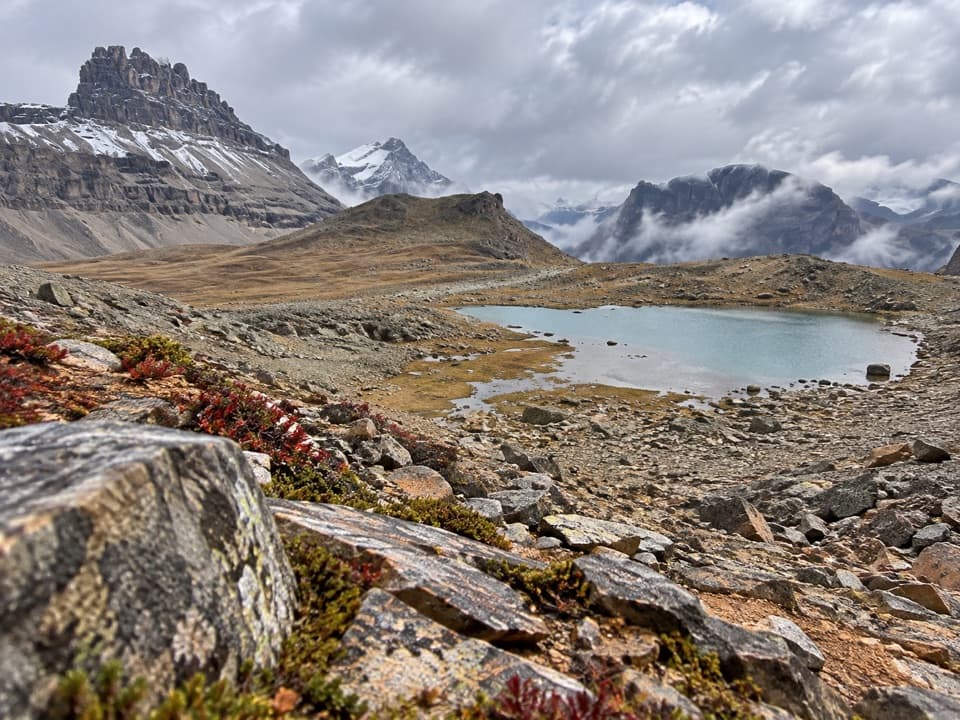
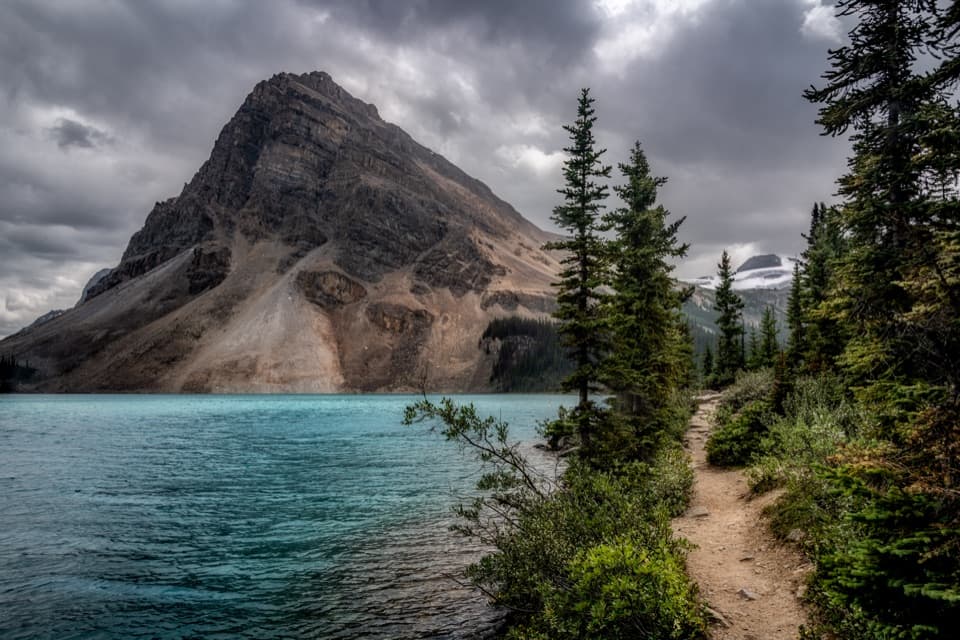
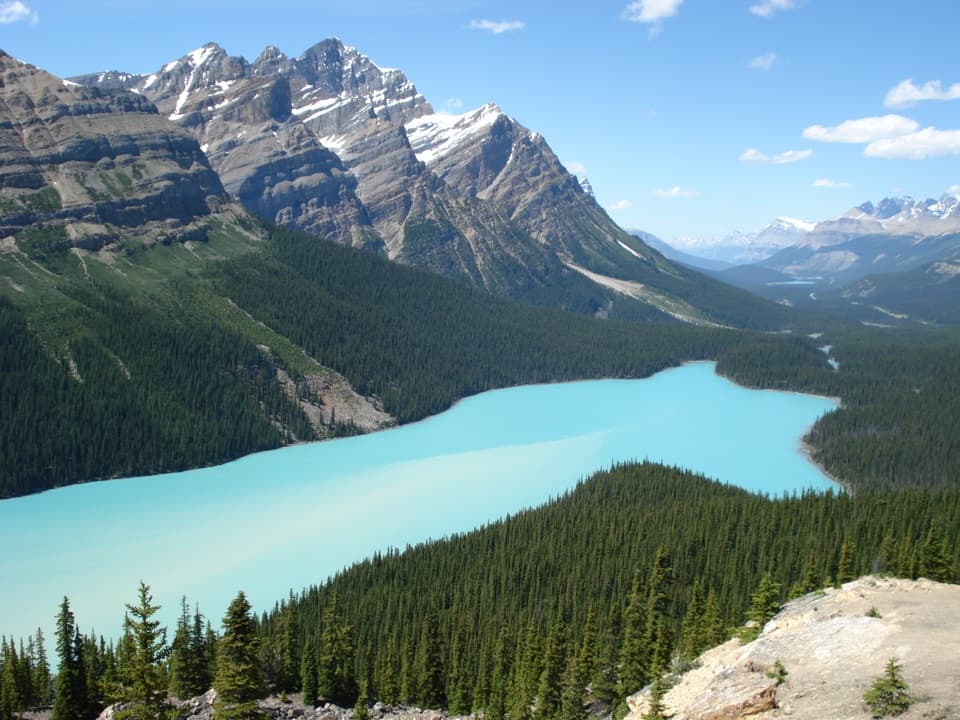
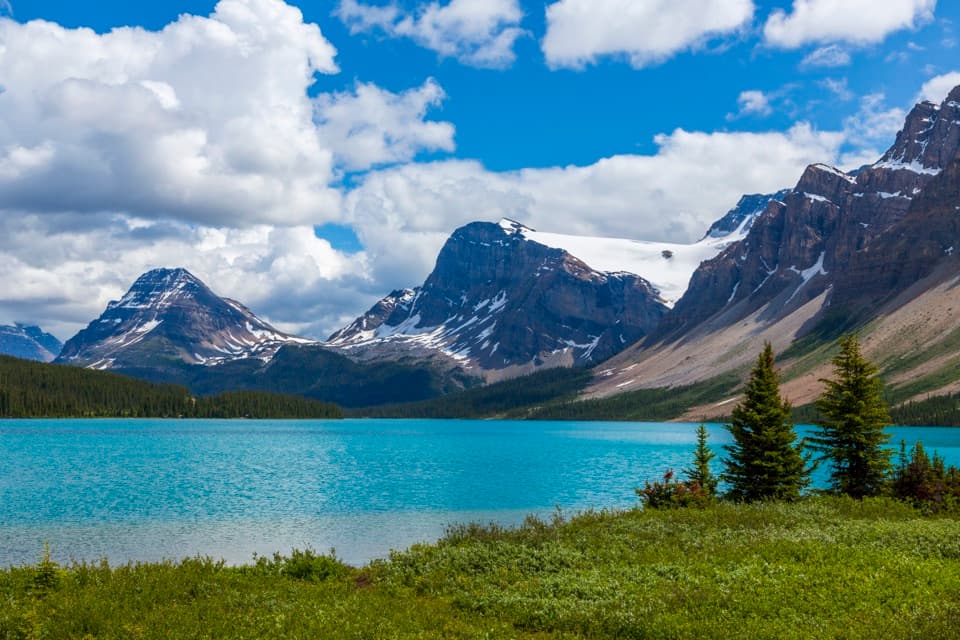
- Bow Lake below, fed by glacial meltwater that helps give it that signature turquoise color.
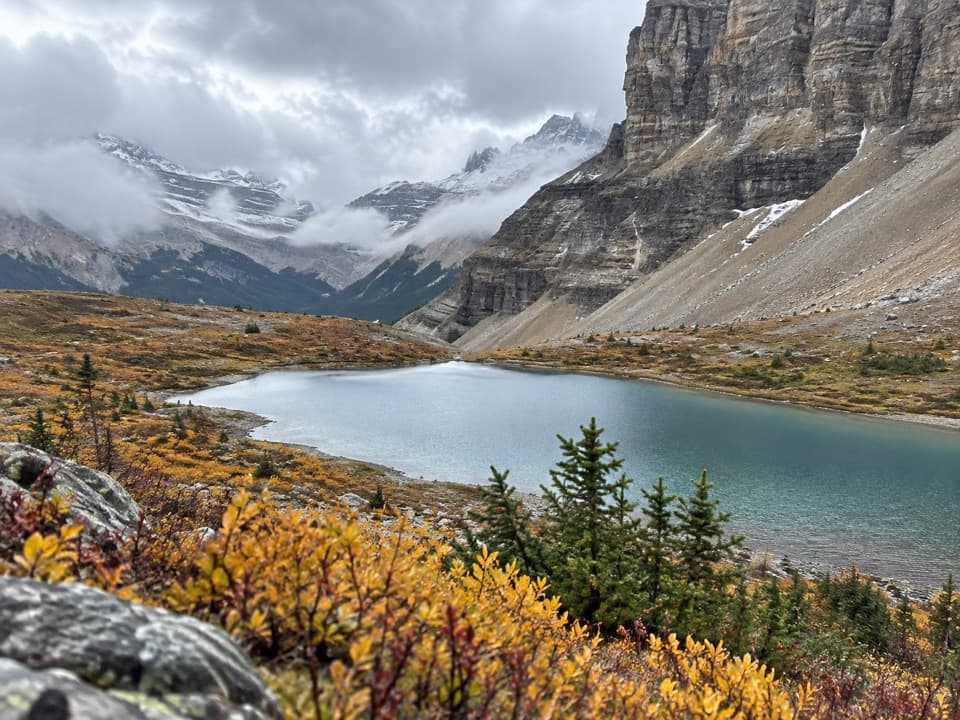
- A sweep of surrounding peaks and icefields framing the valley.
Why It’s Worth a Stop
No hike, no fuss, just big scenery—perfect for a photo break as you work your way along the Parkway. It’s also a living lesson in Rockies geology and climate: the lower “toe” had already vanished by the 1940s, and ongoing retreat is easy to spot from here.
Best Time to Visit
- Season: Late summer is best for clearly seeing the glacier’s ice once seasonal snow melts off the surrounding rock.
- Time of day: Mornings are typically quieter along the Parkway, and side‑light brings out texture in the ice and rock. Peak summer afternoons can be busier with tour traffic.
- Hours: It’s a roadside pullout with no set hours—stop whenever the Parkway is open.
Wildlife
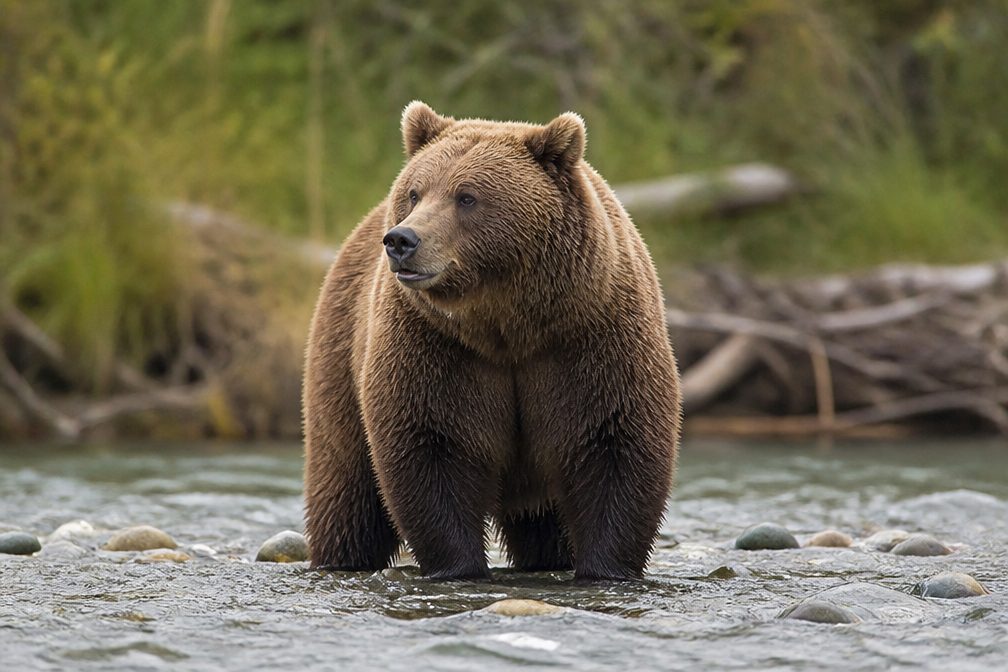
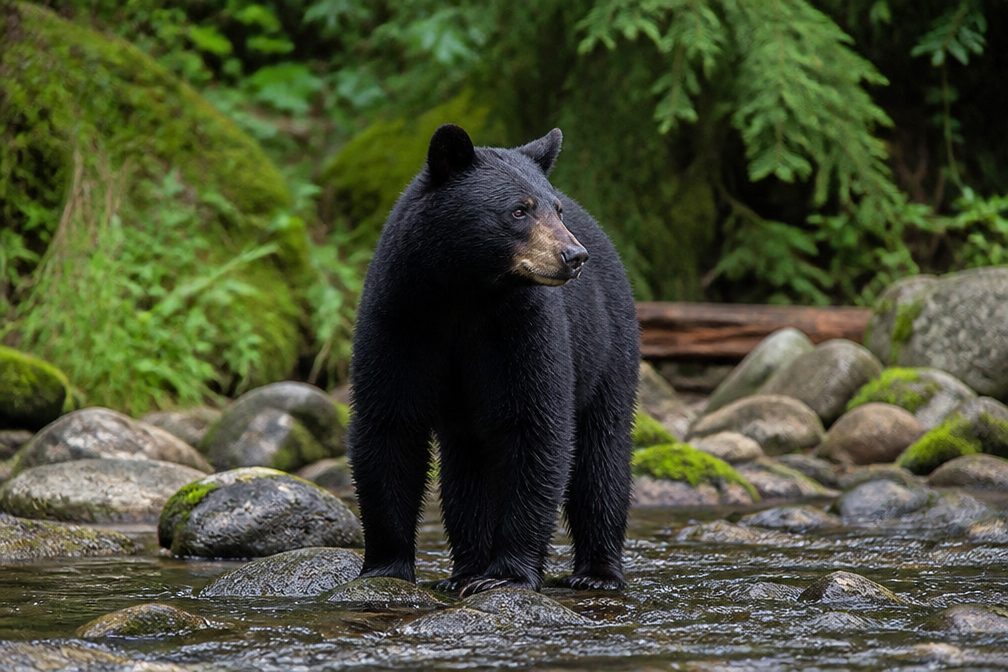
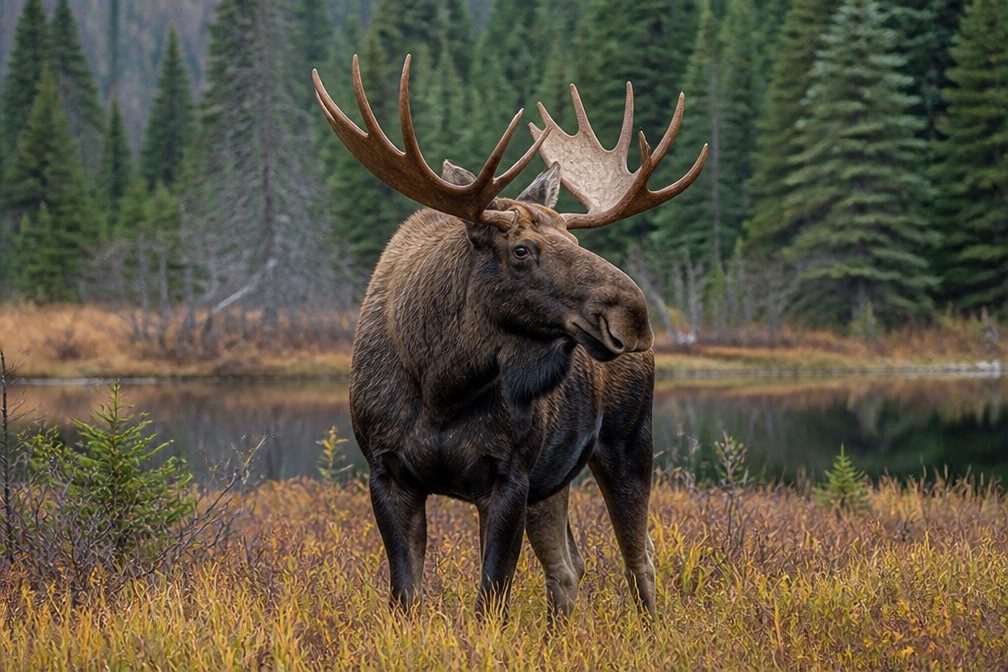
The Icefields Parkway corridor is known for wildlife, but sightings at this exact pullout are hit‑or‑miss. Enjoy any encounters from a distance and never feed animals.
Practicalities
- Expect only viewing and parking here—no restrooms, food, or other services at the pullout.
- It’s a short stop (think 5–15 minutes) unless you pair it with nearby Bow Lake or a longer hike elsewhere.
- Weather shifts quickly at elevation; a light layer and a windproof shell are smart even in summer.
Nearby Pairings
- Bow Lake: A few minutes up the road, with broad lake-and-glacier vistas.
- Helen Lake Trail: A longer half‑day option nearby for hikers chasing elevated views.
Geology & Hydrology
Crowfoot Glacier is a mountain glacier tied to the greater Wapta Icefield. Its meltwater feeds Bow Lake and ultimately the Bow River—one of Alberta’s most important waterways.