Why go
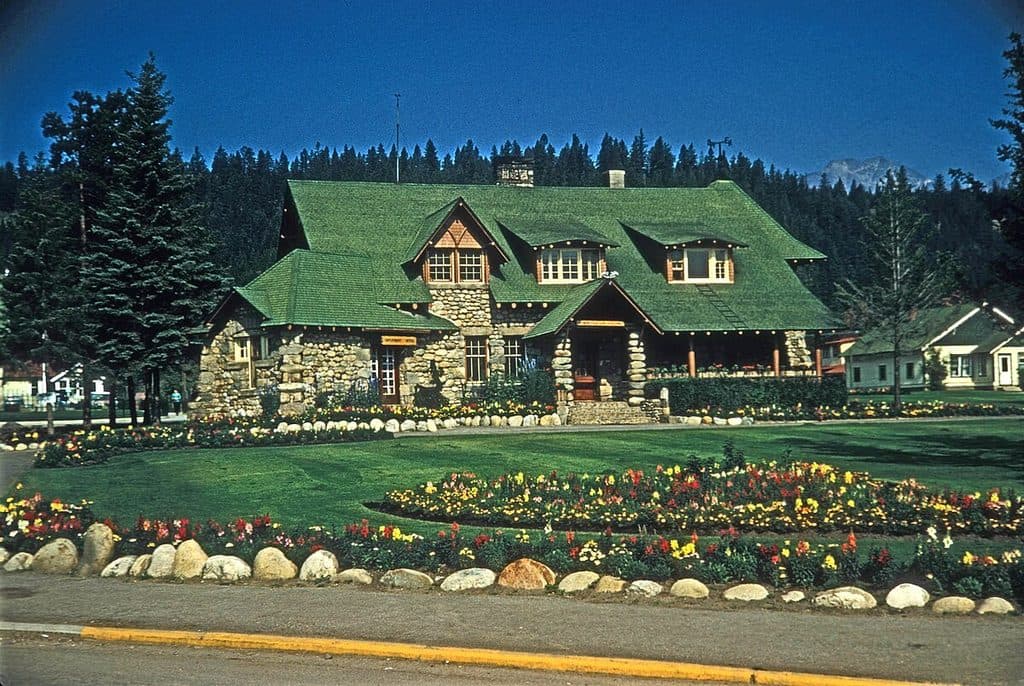
If you want the stories behind the peaks, this is where Jasper clicks into focus. It’s a compact, well-curated museum that traces the region’s human history—from fur trade days to the railway era to early tourism—so your hikes and viewpoints suddenly have characters and context.
What you’ll see
- Historical Gallery: Fur trade, the coming of the railway, early explorers and tourism, plus local Indigenous and Métis history. Signature artifacts include Curly Phillips’ canoe, an ice axe from Mount Alberta, musket balls tied to Athabasca Pass, and relics from the Pocahontas coal mine.
- Photos, maps, and personal stories: Thousands of images and documents bring town and park history to life.
- Art Gallery: Rotating shows by local artists add a contemporary layer to the past.
- Archives: A substantial trove of photographs, manuscripts, maps, and oral histories—gold for researchers and genealogy buffs (reach out ahead if you want to use the archives).
What makes it different
Unlike big, scattershot museums, this one stays laser-focused on Jasper and the Yellowhead Corridor. You’ll come away with a grounded sense of how the landscape, railways, and early wardens shaped the park people visit today.
How long it takes
Plan 60–90 minutes for the galleries; add more if you’re the type who reads every panel or wants time in the archives or book-heavy gift shop.
Practicalities
- Location: In the Jasper townsite at 400 Bonhomme Street, next to other public facilities, with an adjacent free parking lot.
- Amenities: Restrooms, free Wi‑Fi, and a solid gift shop heavy on regional books.
- Admission: Often by donation or a small fee—check the museum’s website for current details and special exhibits.
- Seasonality: Typically open daily in summer; fewer days in winter.
Wildlife
None on site—this is about the people and stories of Jasper. Some exhibits touch on local flora and fauna, but wildlife viewing happens out in the park.
Best time to visit
- Timing: Be there at opening (around 10 am) or after 3 pm for a quieter visit; midday on weekends is the busiest.
- Day of week: Weekdays are calmer than Saturdays.
- Weather: A perfect rainy-day or smoky-day plan—everything’s indoors.
- Photography: Interior lighting is consistent; bring a fast lens if you shoot indoors.

Bottom line
Underrated and genuinely useful. If you care about understanding the place you’re exploring—and not just ticking off viewpoints—this is a smart, hour-long stop that pays off across the rest of your trip.