Mount Athabasca

Classic Icefield peak for big views and real glacier climbing
Mount Athabasca, Jasper National Park
InsideJasper National Park

Overview

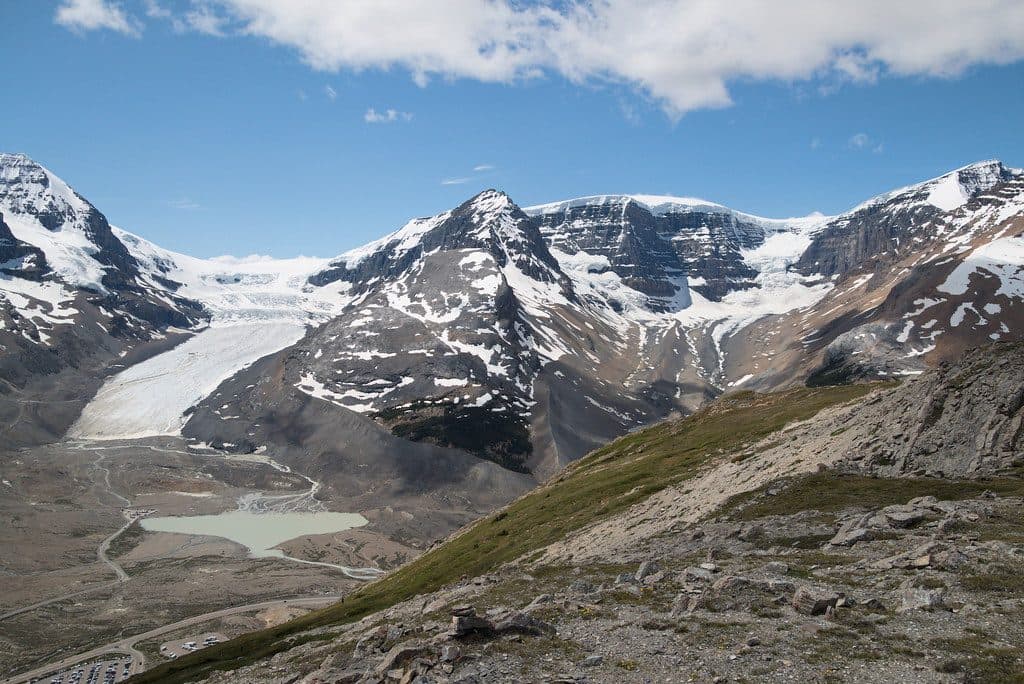
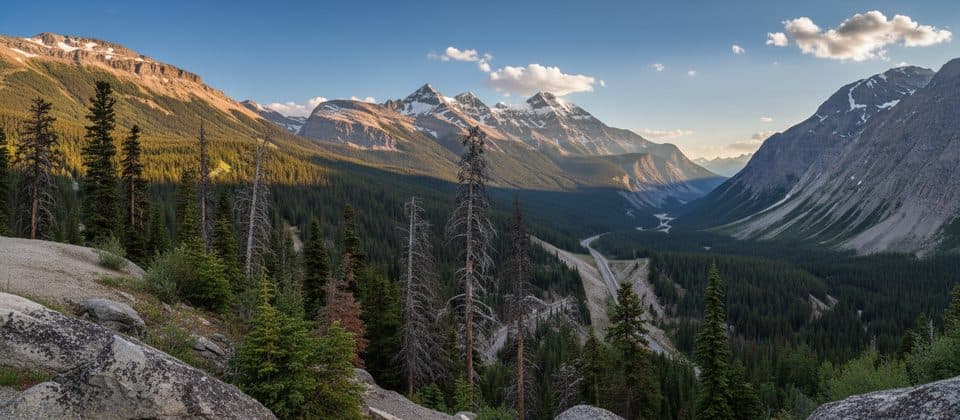
Mount Athabasca rises directly from the Columbia Icefield, a glaciated 3,491 m summit that feels wild yet is remarkably close to the Icefields Parkway. It’s a true alpine objective you can climb in a long day, which is exactly why it’s a rite of passage for many Canadian Rockies mountaineers.

What Makes It Stand Out

Few mountains deliver this combo: roadside access, real glacier travel, and big, all‑direction views over the Columbia Icefield and neighboring peaks like Mount Andromeda. Routes range from introductory snow climbs to more technical lines (including the Silverhorn and North Face), so experienced climbers and guided first‑timers both find a worthy challenge.

What to Expect

  • Long, strenuous days: typical round trips run 9–14 hours depending on route and conditions.
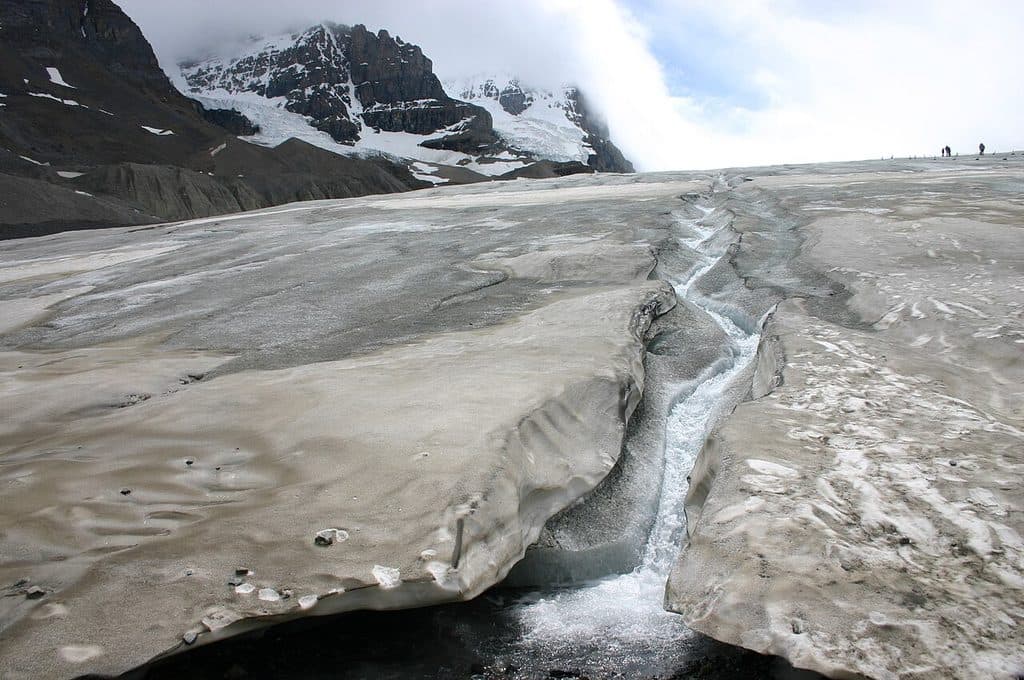
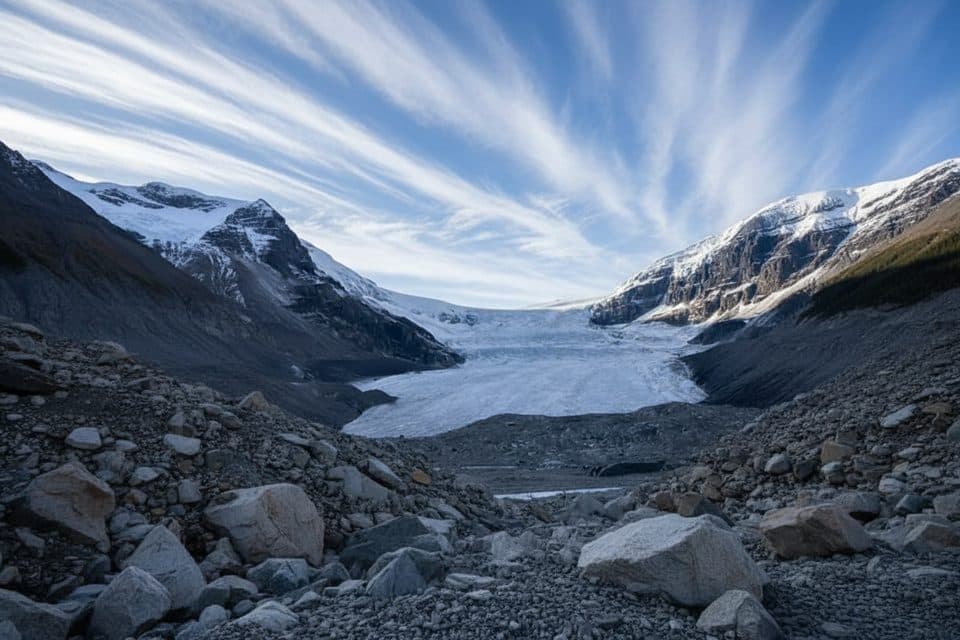
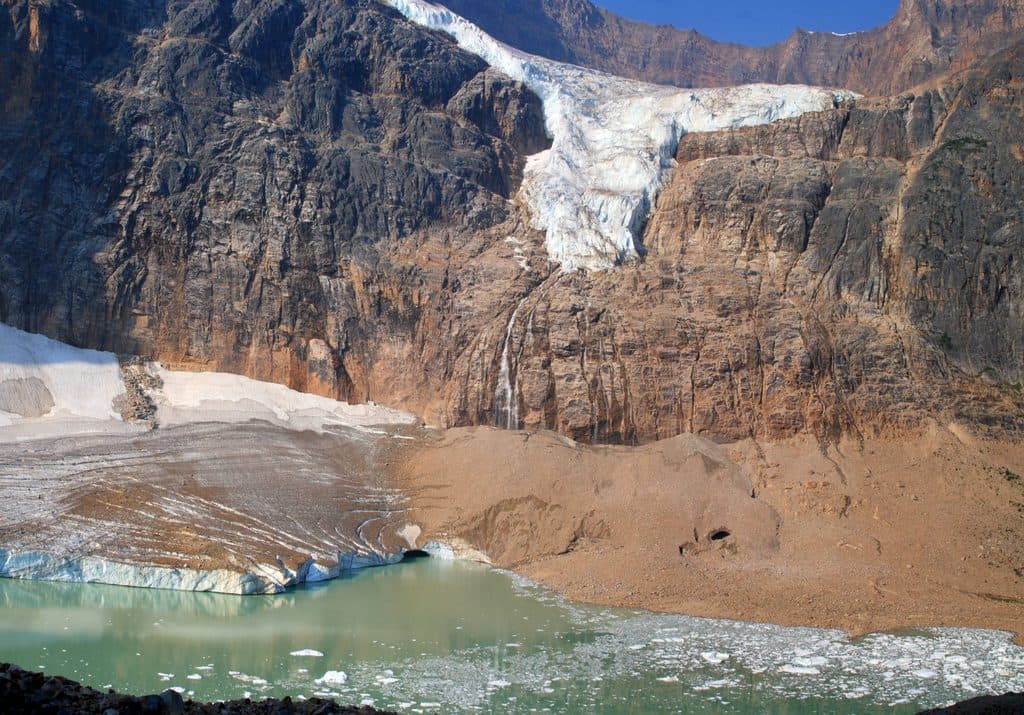
  • Glaciers, seracs, crevasses, and exposed snow/ice ridges dominate the experience. Summit days are about movement skills and judgment as much as fitness.
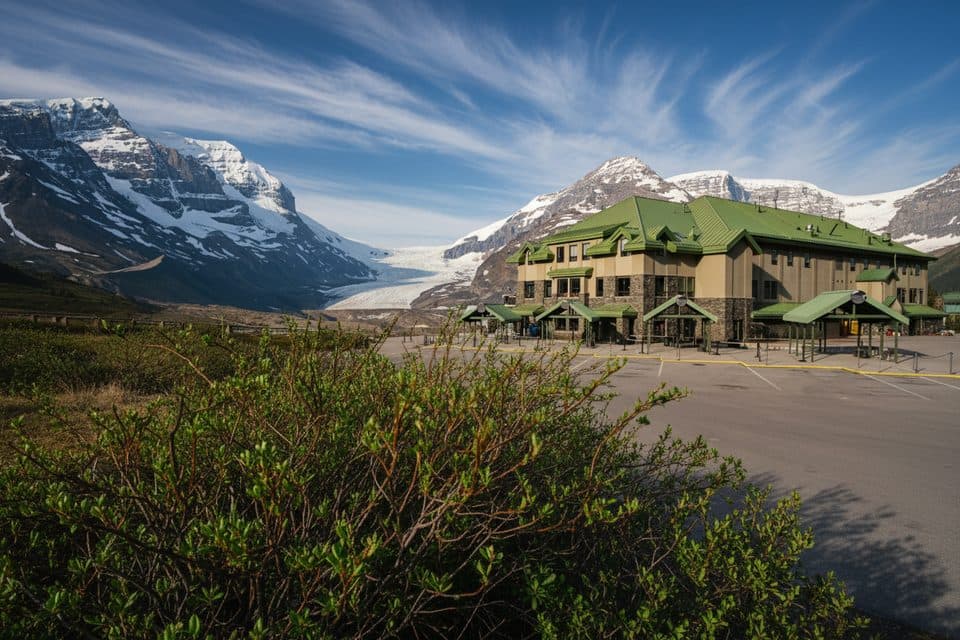
  • Minimal infrastructure at the start; most parties stage from the Columbia Icefield area and head across moraine and glacier to the mountain.

Season & Conditions

Prime season is roughly June–October. Early summer often brings better snow coverage and easier crevasse bridges; late season can mean more open ice and trickier navigation. Start well before dawn to take advantage of firmer morning snow and a bigger weather window.


Safety First

This is real alpine terrain with objective hazards—crevasses, avalanches, rockfall, and rapidly changing weather. If you don’t have glacier travel and crevasse rescue skills, hire a certified guide. Always check recent condition reports and the forecast, and be ready to turn around.

Wildlife

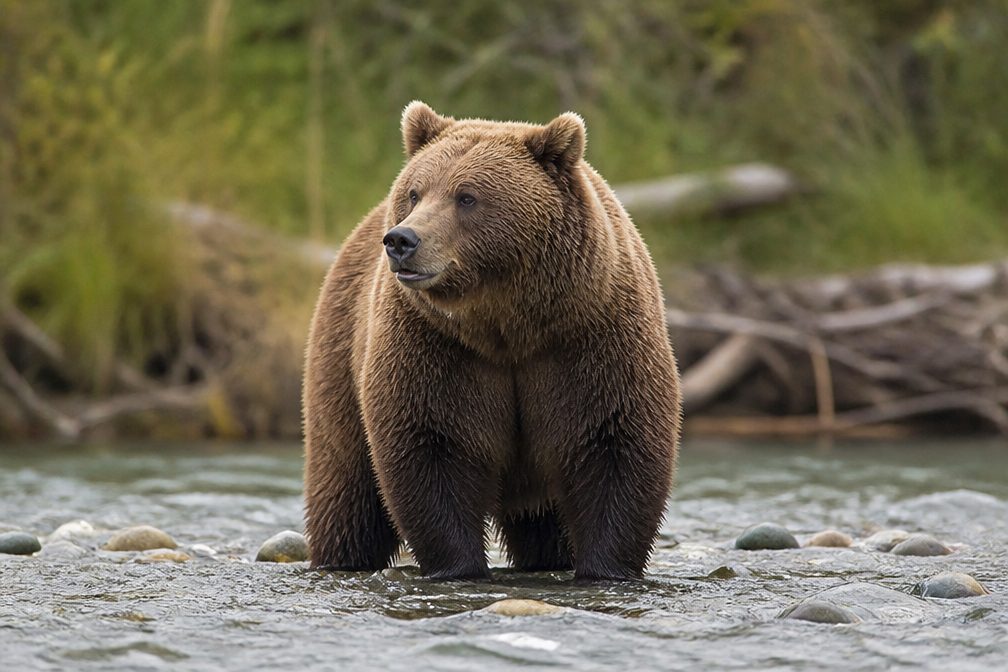
You might spot mountain goats or bighorn sheep on the lower approaches and see alpine birds or the occasional marmot. Above, wildlife thins out quickly in the snow and ice.

Logistics You’ll Care About

There’s no dedicated, signed trailhead or amenities at the base. Most teams park at the Columbia Icefield area, use the facilities there, and then head out. Expect company—this is one of the most climbed major peaks in the Rockies, and guiding/educational groups are common.

Best Time to Visit

  • When: June–September for the most reliable conditions; mid‑week is quieter than weekends.
  • Start: Pre‑dawn for firm snow and more stable weather.
  • Photography: Early morning light pops on the icefield; late afternoon can be gorgeous but watch for soft snow and convection.

Pros

  • One of the most accessible big peaks from the Icefields Parkway
  • Multiple classic mountaineering routes with sweeping Columbia Icefield views

Cons

  • Serious alpine hazards: crevasses, avalanches, rockfall, fast-changing weather
  • Popular on summer weekends, especially with guided groups

Tips

  • Start pre‑dawn; most parties are moving by 4 a.m. in season.
  • Check the latest route and condition reports before committing.
  • If you lack glacier travel skills, book a certified guide.
  • Stage from the Columbia Icefield area for parking and restrooms.
  • Aim for midweek to avoid the busiest guided and course traffic.
The Parkwolf tour guide sitting on a phone mounted in a car

Parkwolf Tour Guide

Like a tour guide in your car.

Save the places you found around Jasper, then let Parkwolf guide the drive between them.Download Parkwolf on the App Store