Place · 2.1 mi away

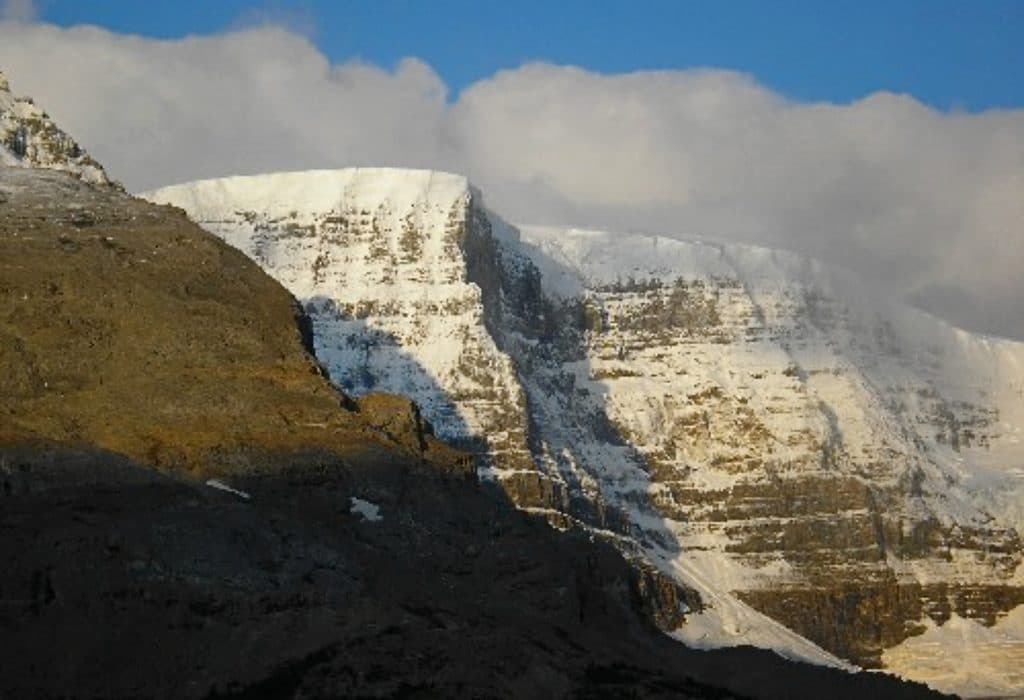
Snow Dome is the Columbia Icefield’s broad, glaciated summit around 3,456 m that straddles the Jasper–Banff boundary. It’s famous as North America’s hydrographic apex: meltwater from its crown flows to three different oceans—the Arctic (via the Athabasca), the Pacific (via the Columbia), and the Atlantic (via the Saskatchewan).
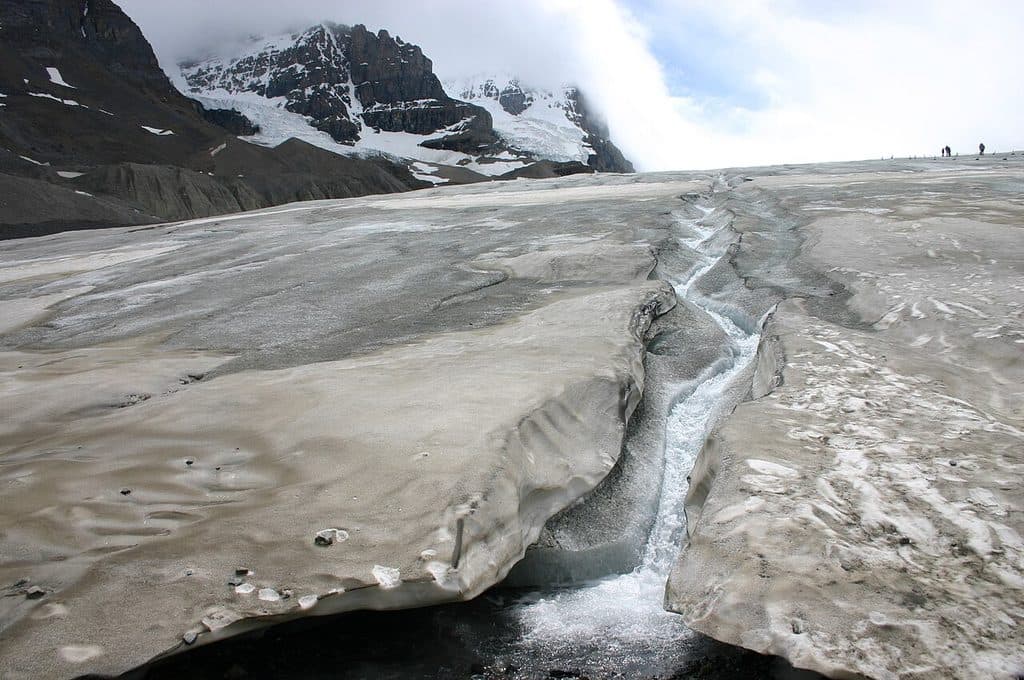
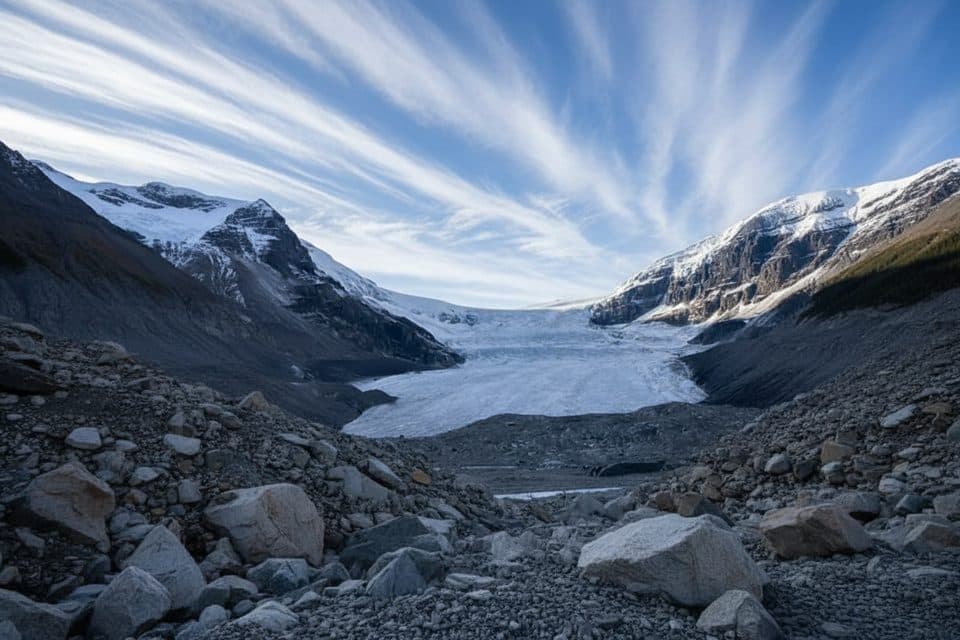
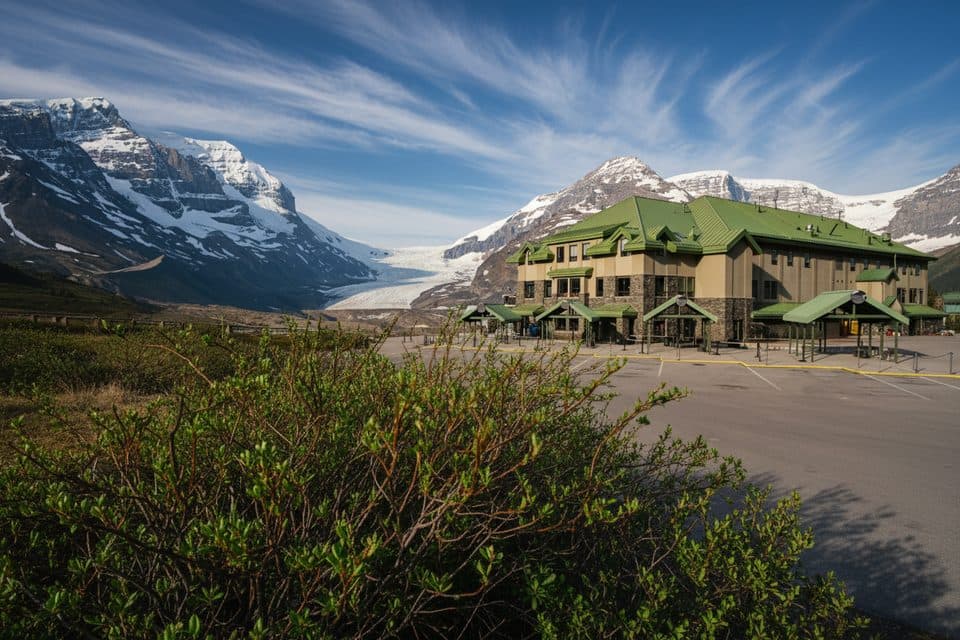
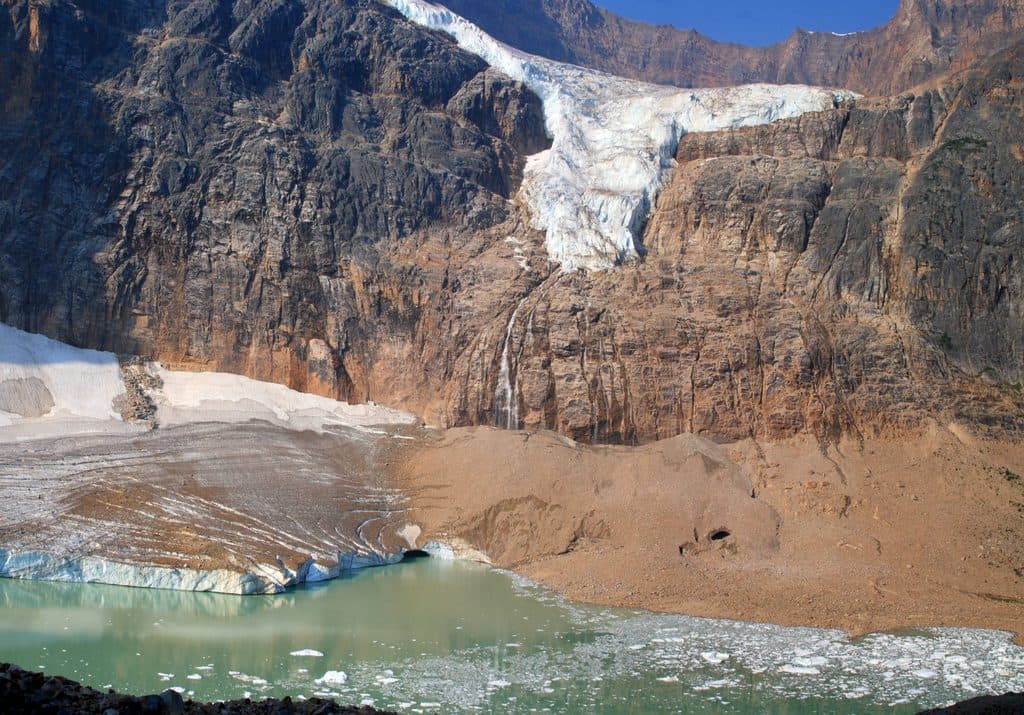
Expect a high, white dome ringed by major outlet glaciers—Athabasca, Dome, Columbia, and Saskatchewan—radiating toward those river systems. From nearby ridges and established viewpoints in the Icefields area, the panorama is all snowfields, crevassed ice, and big peaks.
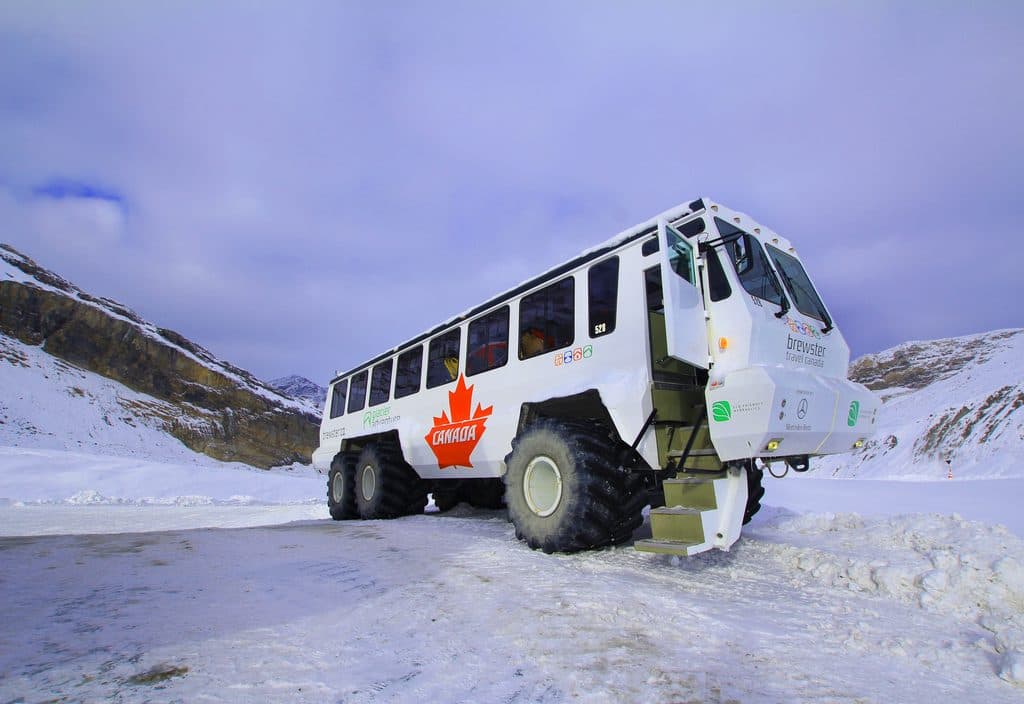
There’s no trailhead or facilities at Snow Dome itself. Non‑mountaineers typically appreciate Snow Dome from the Icefields Parkway, the Glacier Discovery Centre area, and the Glacier Skywalk, where interpretive displays explain the icefield and the triple divide. Reaching the mountain requires glacier travel—this is not a hike.
Snow Dome is a classic spring ski‑mountaineering and alpine objective across the Columbia Icefield. Parties travel roped over crevassed terrain, often starting very early and sometimes bivouacking on the ice. Weather turns fast; navigation and crevasse management skills are essential.
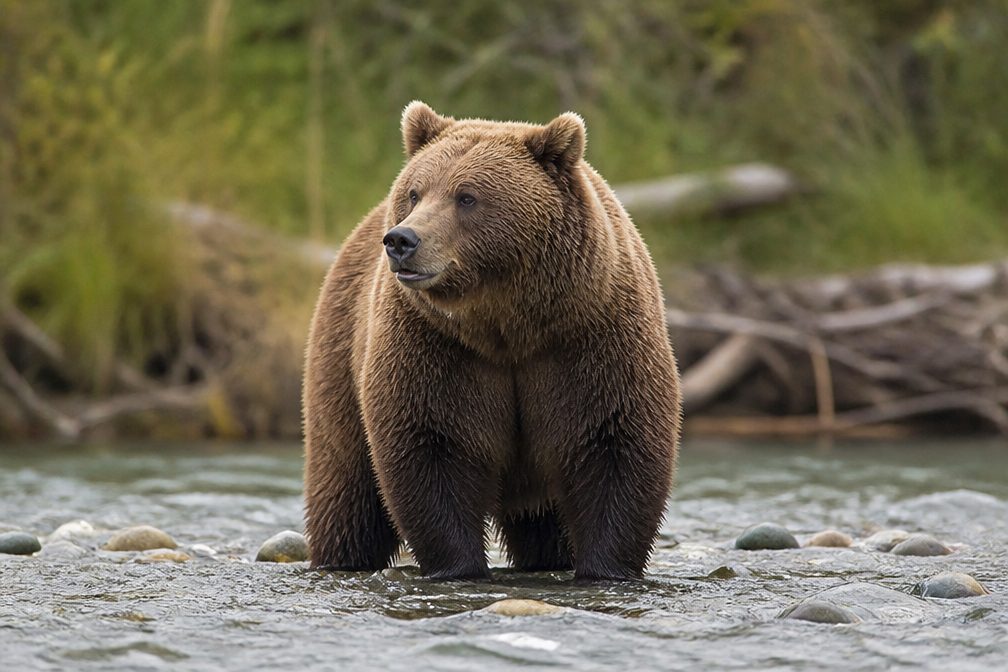
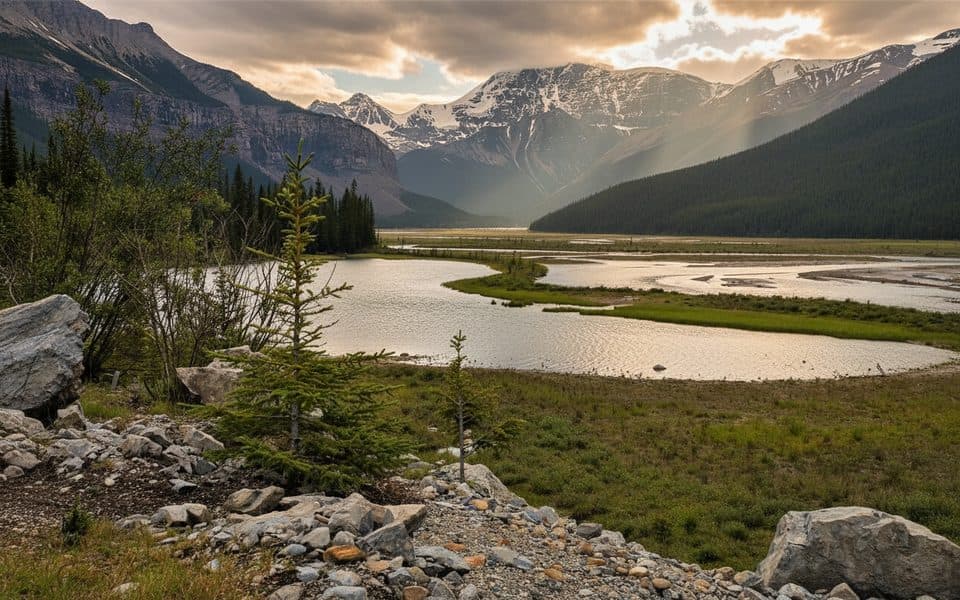
Life is sparse on the ice itself, but the broader Icefields region supports mountain goats, bighorn sheep, marmots, and occasionally bears. Don’t expect much wildlife right on the glacier.
First climbed in 1898 by J. Norman Collie, Hugh Stutfield, and Herman Woolley, Snow Dome has long drawn explorers and scientists interested in the icefield and continental divides.
Early or late light accentuates crevasse texture on the glaciers. A zoom helps pick out seracs and the sweep of the outlet glaciers from roadside viewpoints.